Week 12- Final project
AIM:
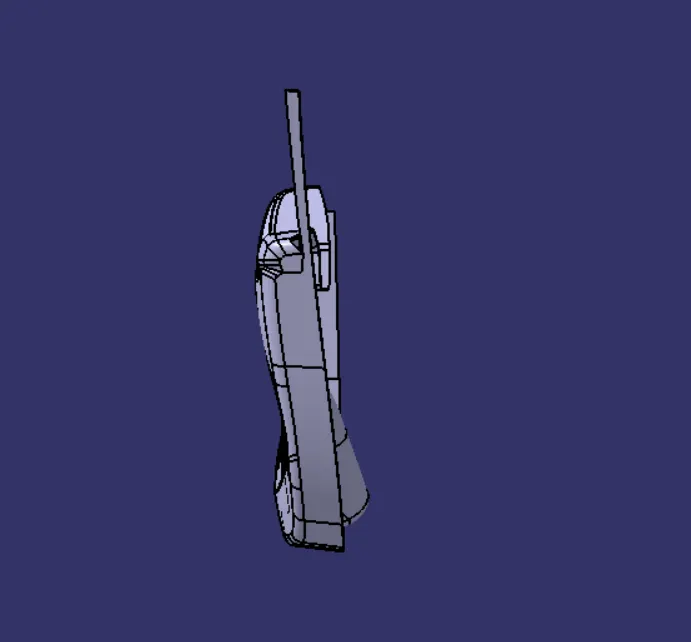
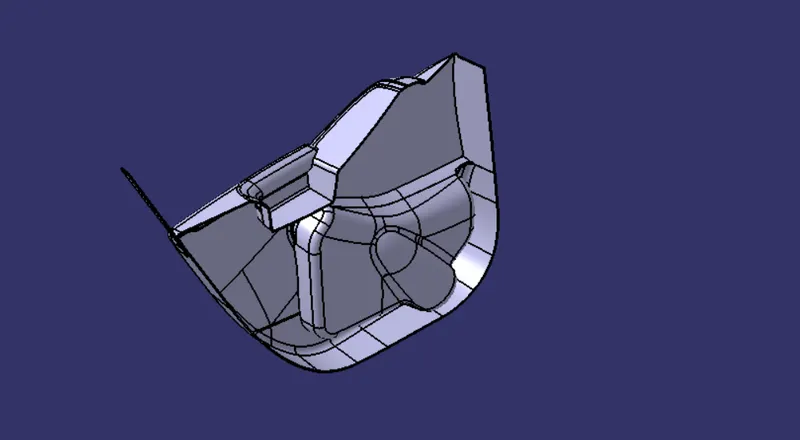
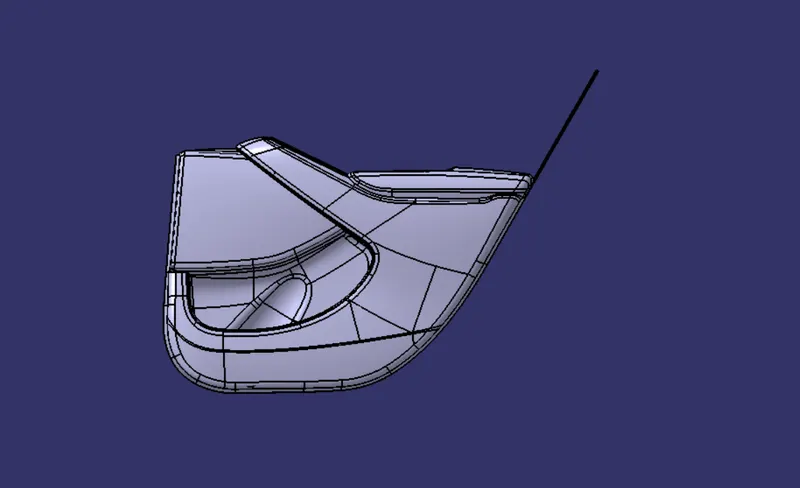
To design and development of vehicle interior door trim using Catia V5 with given class A surface along with Master section. Also create the Side Attachment features as per design rules.
OBJECTIVE:
- To create thickened part using master section for reference
- To create the mounting features as per design guidelines in the industry and with master sections
- To perform Draft analysis & Tooling analysis
- Creating the Tooling Axis
The tooling direction is used to find the direction in which the part is removed from the core and cavity. The draft angle should be positive to the tooling axis to manufacture the component easily. The step by step procedure of creating the tooling axis is given below.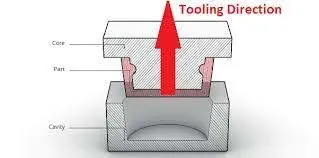
Class-A surface:
The Class-A surface is the outermost surface of the plastic component which is also looks fine surface and it is the aesthetic surface that the designer creates as an input part for the design work.
Class-B surface:
The Class-B finish is a quality finish with only minimal imperfections. A Class-B finish is the most common finish for exterior surfaces. It is normally specified on surfaces such as external covers, panels, and parts that are fairly prominent.
Class-C surface:
The Class-C finish allows more imperfections than Class-A or Class-B. Class-C is often specified for interior surfaces not readily visible, surfaces that will be covered by another part when assembled, or surfaces which the Customer feels do not need to meet a high cosmetic finish.
djfhiuhjdncndvvvvvvvvvvvvvvvvvvvvvvvvvvvvvvvvvvvvvvvvvvvvvvvvvvvvvvvvvvvvvvvvvvvvwobbbbbbbbbbbbbbonskkkkkkkkkkkcvvvvvvvvvvvvvvvv