week-11 Joint creation and Demonstration
JOINTS
Aim
To create translational, revolute, spherical and cylindrical joints for rigid and deformable bodies using Ls-Dyna.
Theory
Revolute Joint.
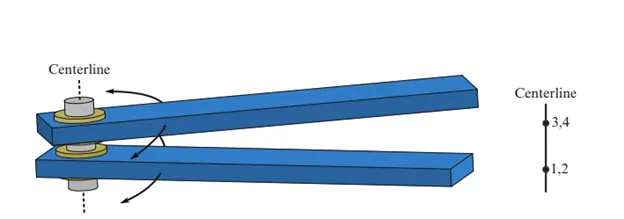
Nodes 1 and 2 are coincident; nodes 3 and 4 are coincident. Nodes 1 and 3 belong to rigid body A; nodes 2 and 4 belong to rigid body B. The relative motion of the two rigid bodies is restricted to rotations about the axis formed by the two pairs of coincident nodes. This axis is labeled the “centerline”.
Spherical Joint
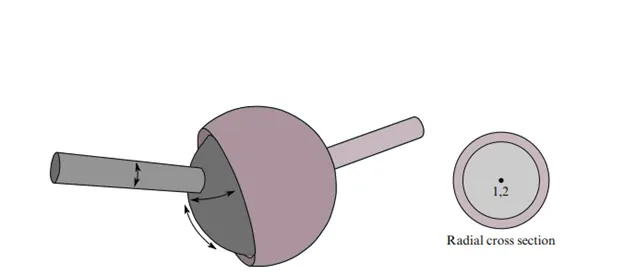
The relative motion of the rigid bodies is constrained so that nodes which are initially coincident remain coincident. In the above figure the socket’s node is not interior to the socket—LS-DYNA does not require that a rigid body’s nodes be interior to the body
Cylindrical Joint
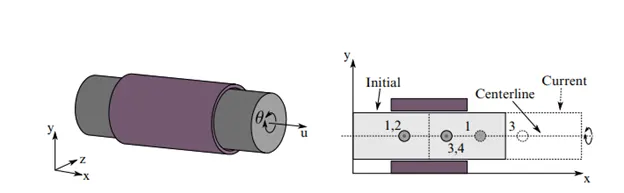
This joint is derived from the rotational joint by relaxing the constraints along the centerline. This joint admits relative rotation and translation along the centerline
Translational Joint
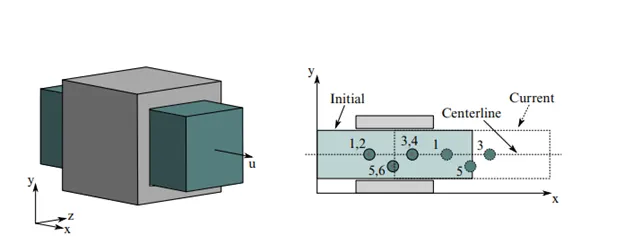
This is a cylindrical joint with a third pair of off-centerline nodes which restrict rotation. Aside from translation along the centerline, the two rigid bodies are stuck together
Procedure
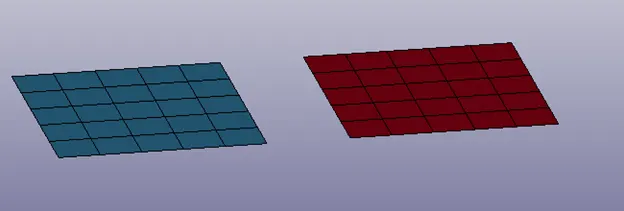
- Create 2 different shells using shape mesher -> Box shell
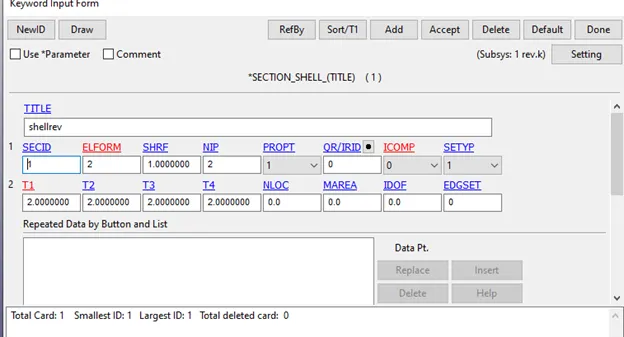
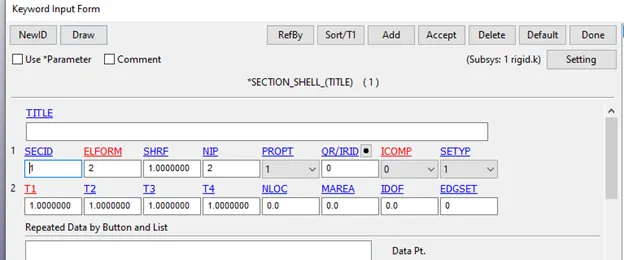
- Create a section shell card
- Create material for rigid and deformable
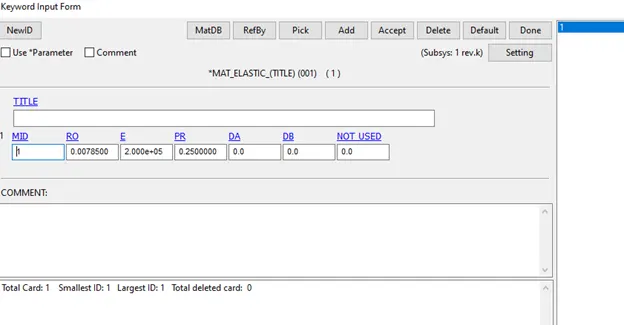
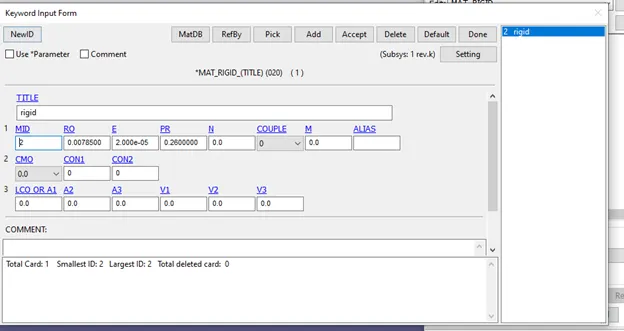
Note:Use rigid for rigid and elastic for deformable bodies for all cases.
- Create 2 sets of nodes using nodedit option
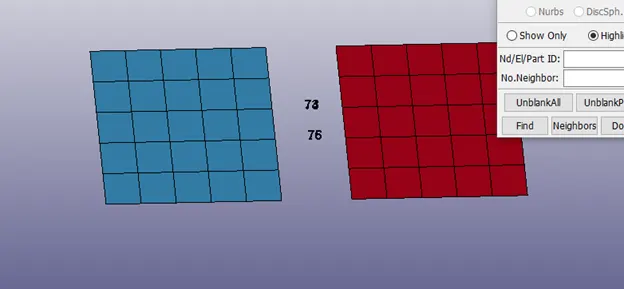
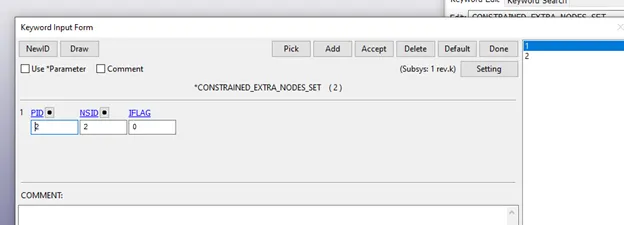
- Pair any 2 nodes together and assign them to different parts .That is pair one of 73,74 and one of 75,76 for each part.
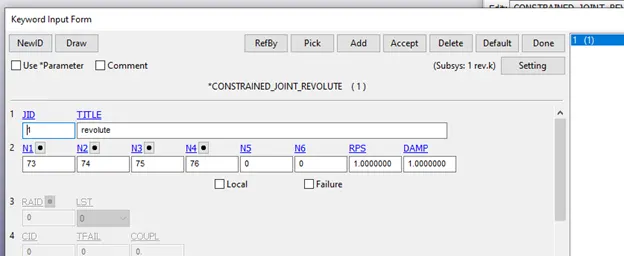
- Create the revolute joint accordingly.
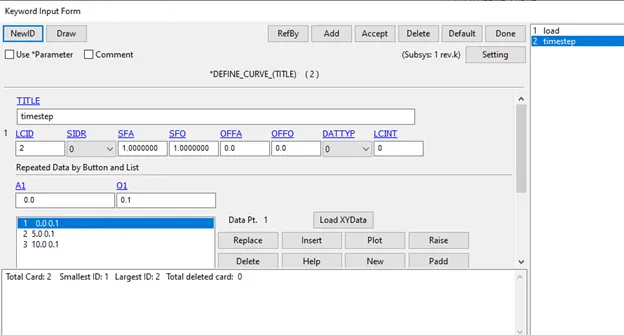
- Define a load curve.
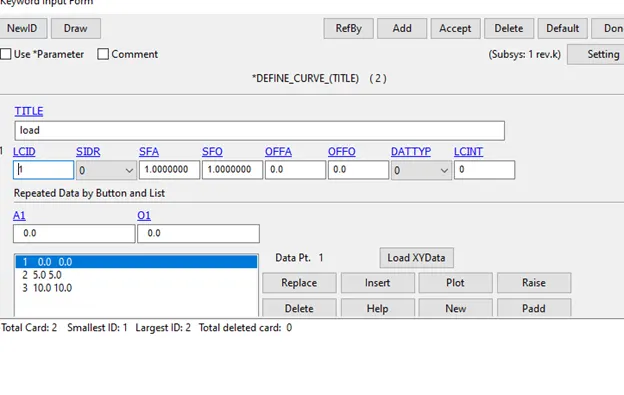
And a timestep curve
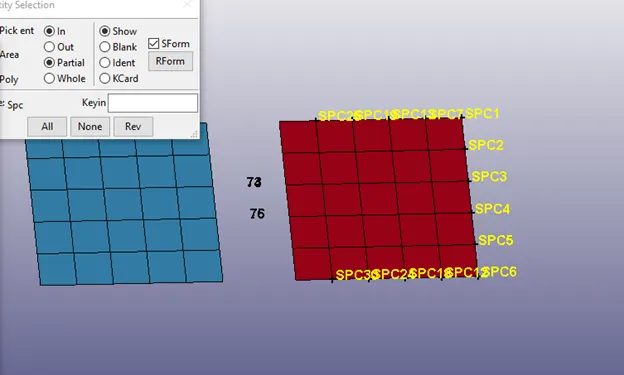
- Constrain these nodes along all axis.
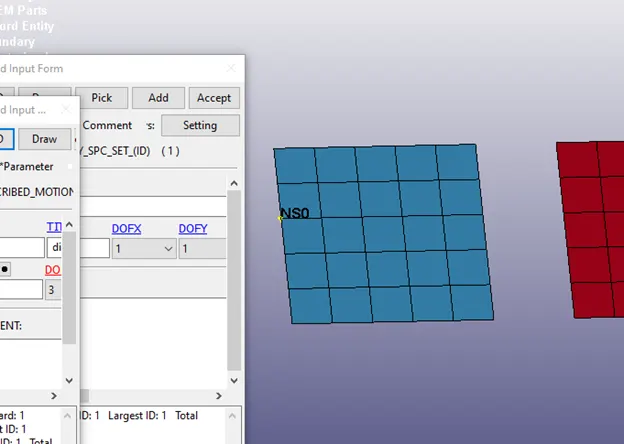
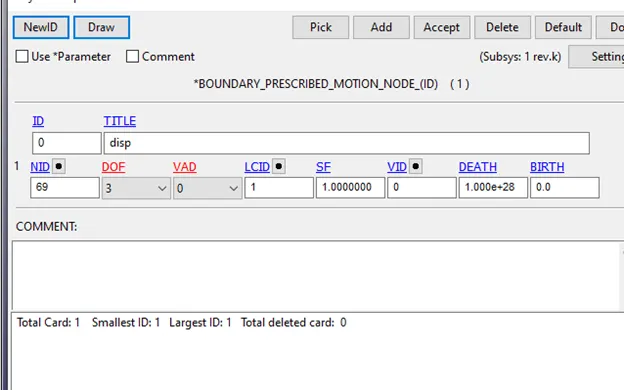
- Define the prescribed motion node
- Create the control timestep and termination cards.
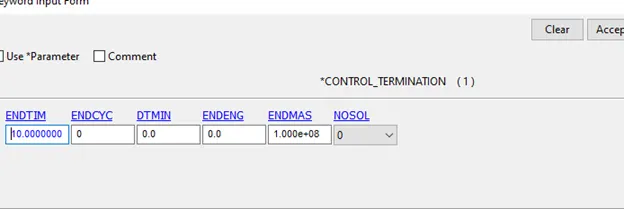
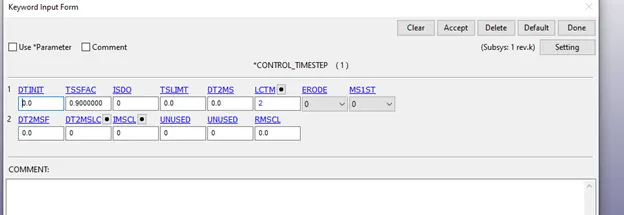
Same for all cases- Create database cards , matsum and glstat in Ascii
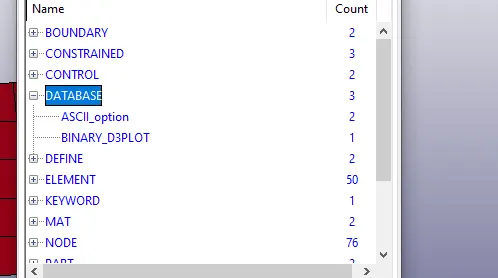
- For deformable, you connect the create nodes to the part nodes using CNRB constraints and change material to elastic for both parts. Note:Disable CrePNode option
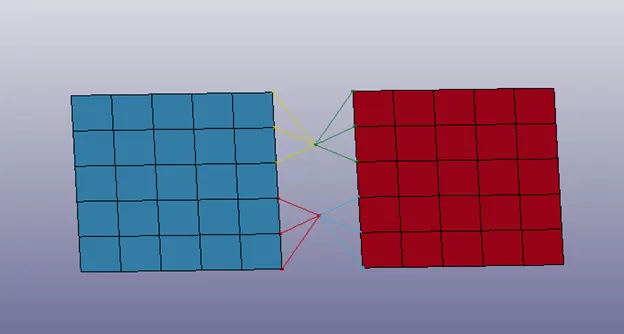
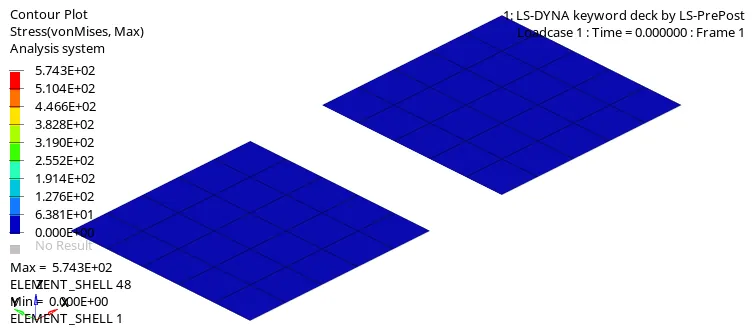
Rigid
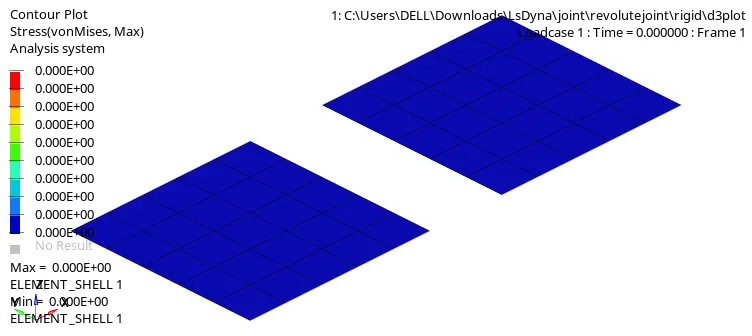
Deformable
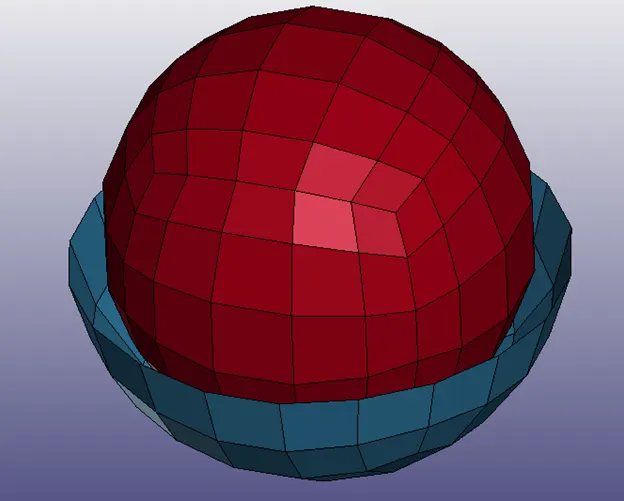
Spherical
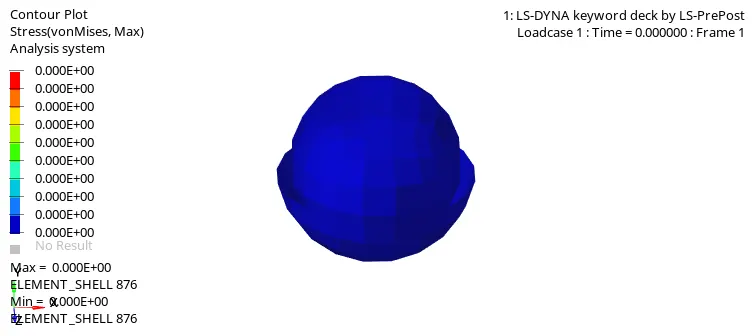
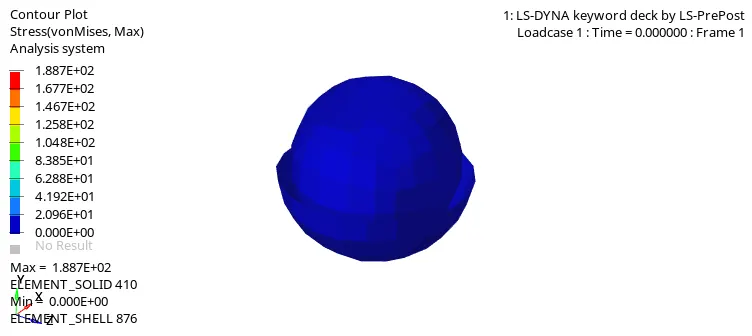
- Use create sphere shell and solid to get shown.Delete elements of outershell.
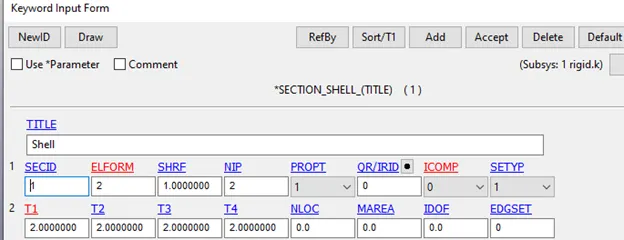
Define the sections.
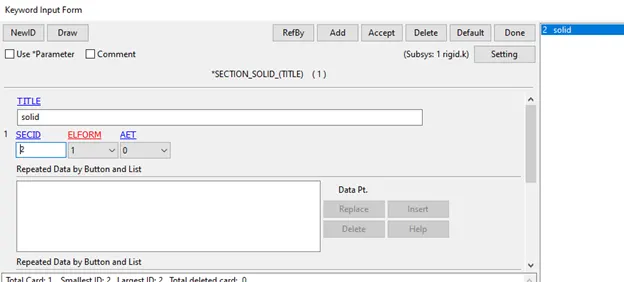
- Create nodes at the centre of the sphere for each part.
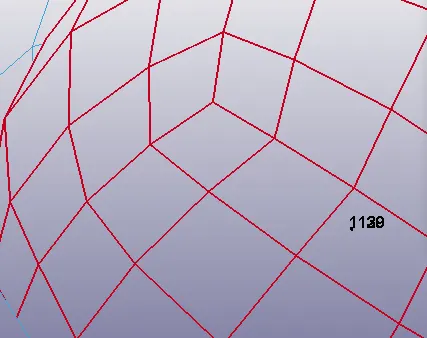
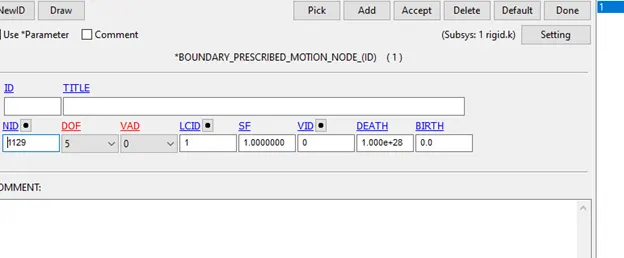
Similar to the previous case create CNRB for deformable and extra_nodes_set for rigid.
Define the spherical joint.
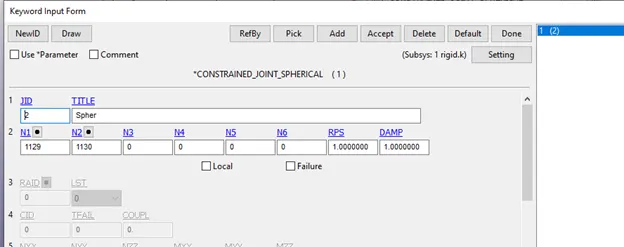
Change prescribed motion from translational to rotational.
Rigid
Deformable
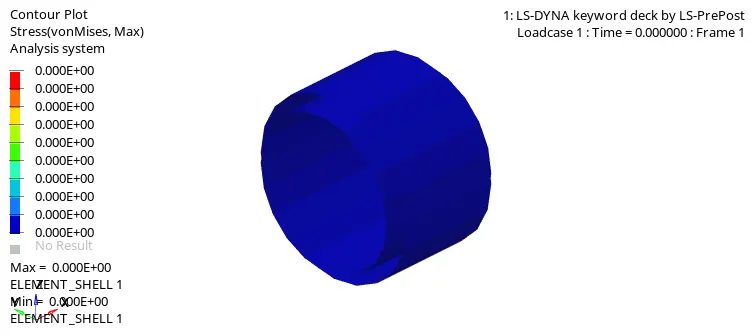
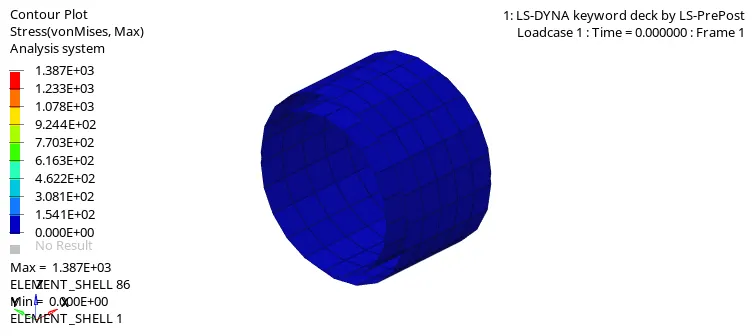
Cylindrical Joint
- Use create cylindrical shell to create as shown
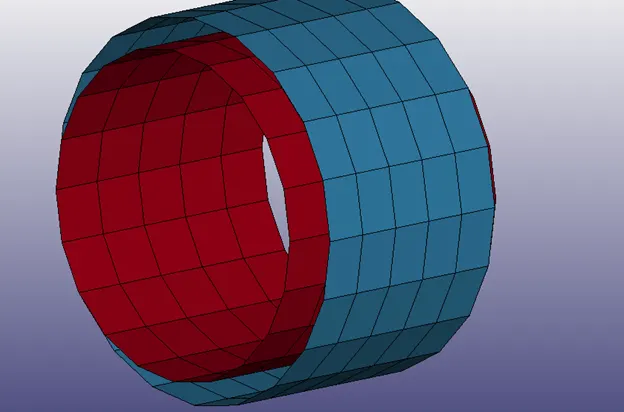
Define a section shell card.
Create 2 nodes at the top and bottom circle centre, use extra nodes set and assign a pair from top and bottom to each part.
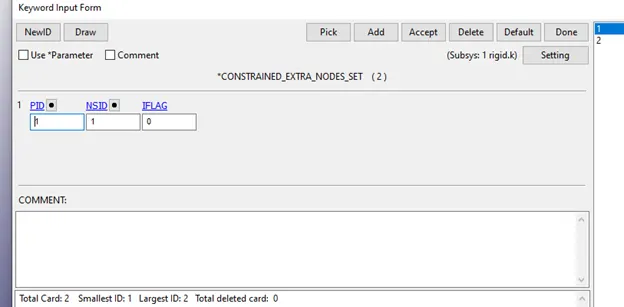
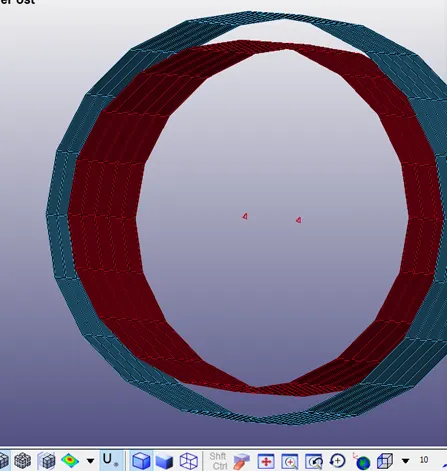
Define the cylindrical joint.
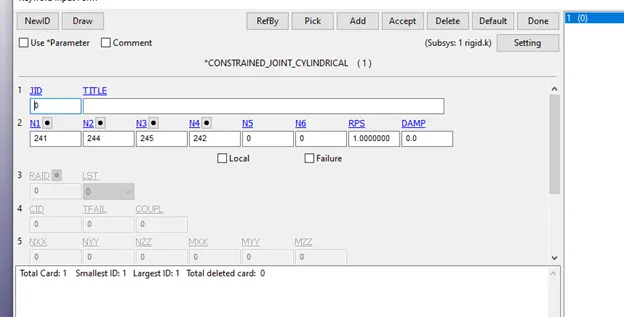
For deformable remove the extranodeset and create CNRB instead.
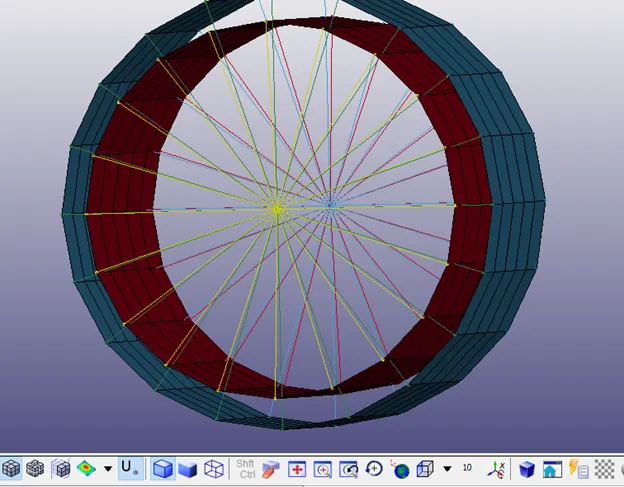
Rigid
Deformable
Translational Joint
Use box solid and box shell option to get the desired arrangement.
Delete elements of the outer shell and translate the inner box accordingly.
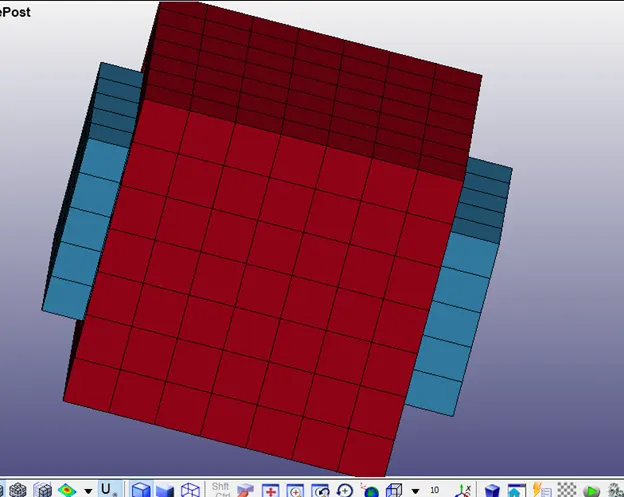
Create 3 sets of nodes as shown.Note the centre node set should not be collinear to the other 2 node sets.
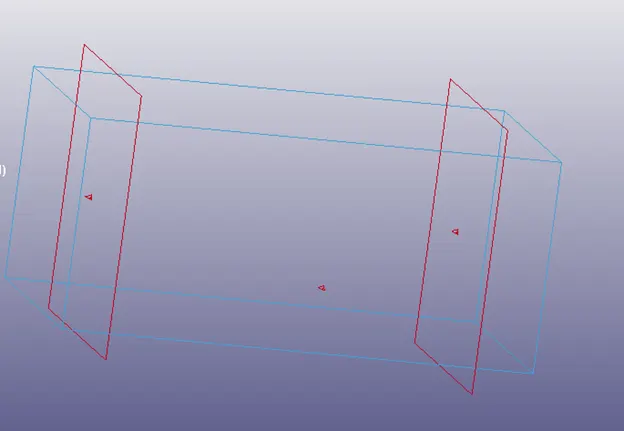
Use extranodeset option and set nodes from each pair to the 2 parts.
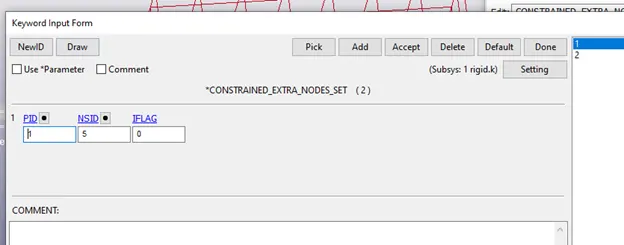
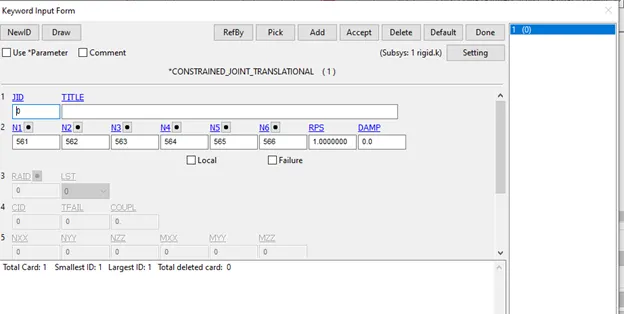
Define the translational joint.
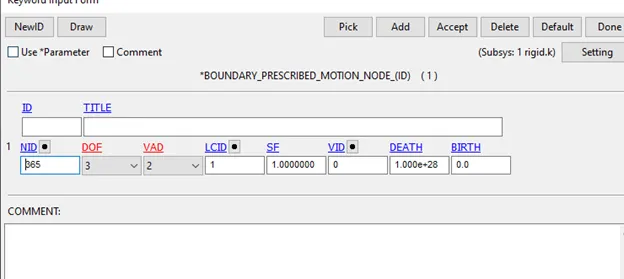
Define translational displacement along the z plane.
Set the corner nodes of the outershell as fully constrained on all axis.
Note: while its fine to set the entire part for rigid, doing so for deformable will cause errors with CNRB creation.
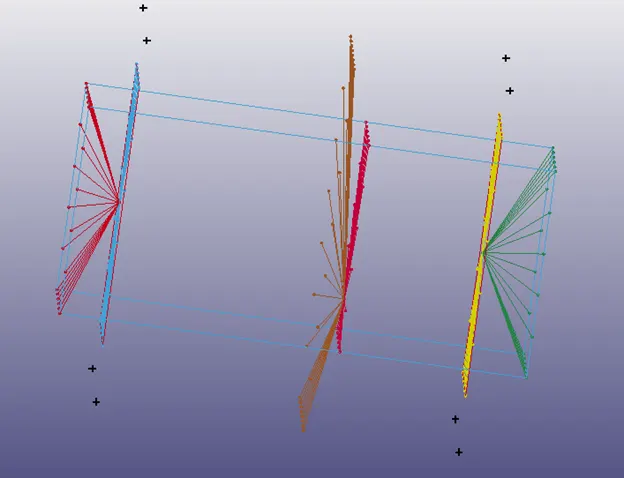
For deformable remove the extranodeset and create CNRB instead.
Rigid
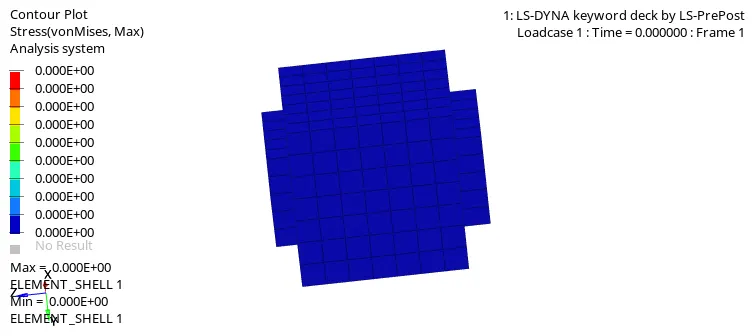
Deformable
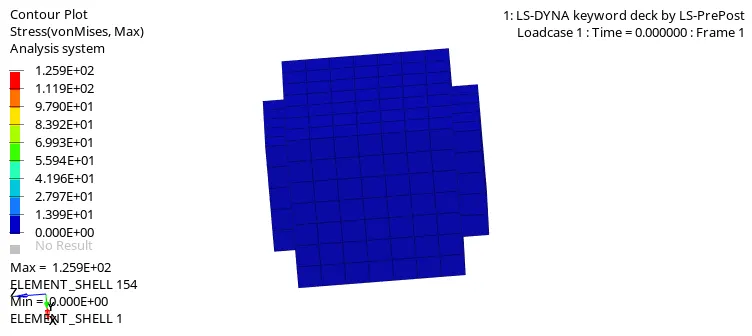
Learning Outcomes
- Creating various types of joints in Ls Prepost
Conclusion
Translational, revolute, spherical and cylindrical joints where created as per the Ls Dyna manual and validated accordingly.