Week 11 - Final project
AIM:
To Create of CAD model considering following inputs as like in OEM and tier1 companies
- a) Class A surface
- b) Nominal thickness : Refer master sections
- c) Attachment strategy
SOLUTION:
CLASS A SURFACE:
Class-A is a term used in specifically in automotive design. It describes the final production surface data for the aesthetic parts of the car.
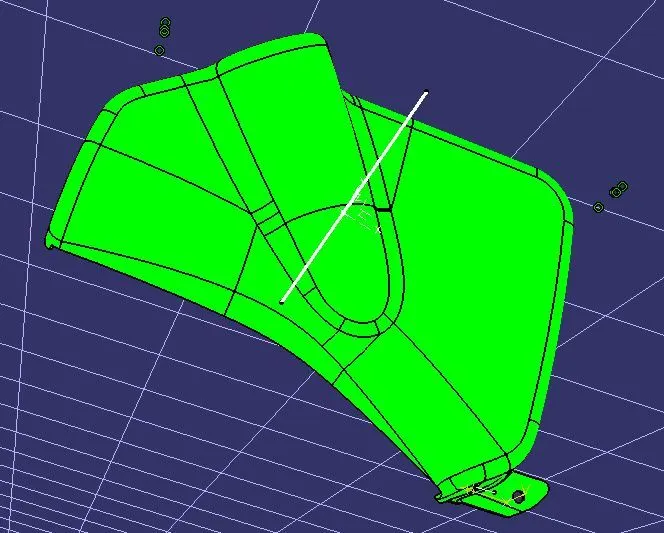
here the surfaces are imported,
ARM REST
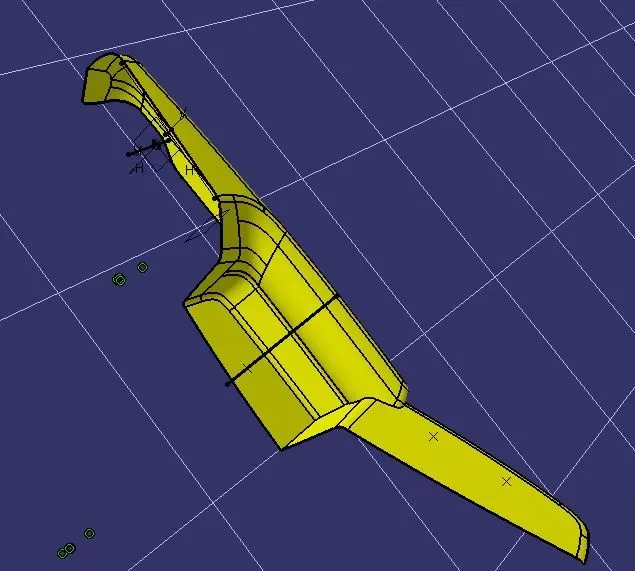
LOWER SUBSTRATE
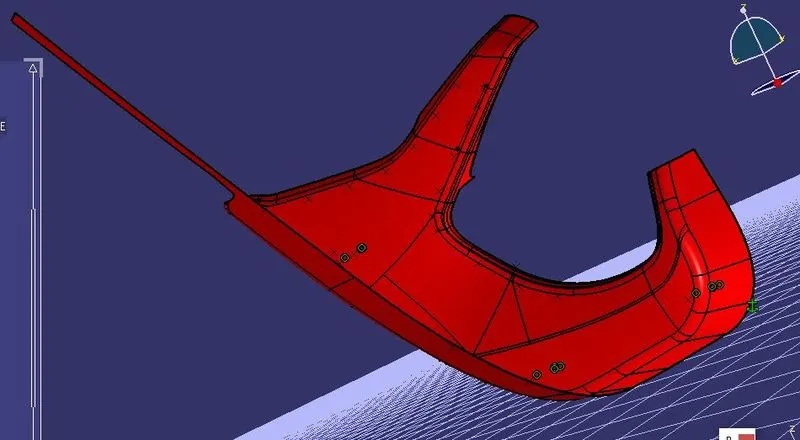
MAP POCKET
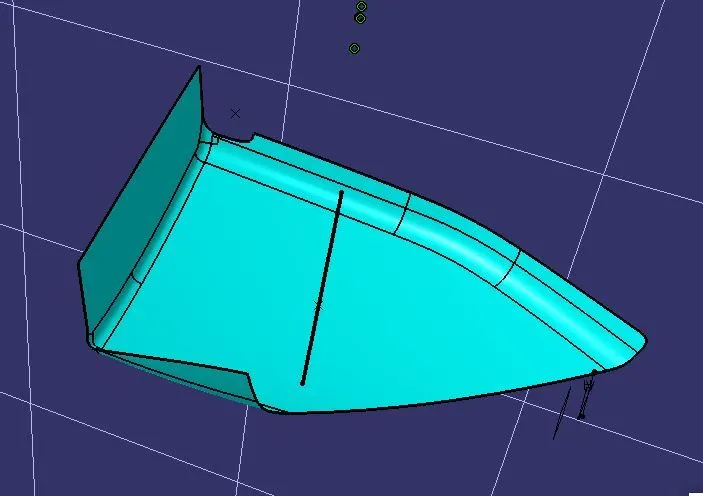
BOTTLE HOLDER
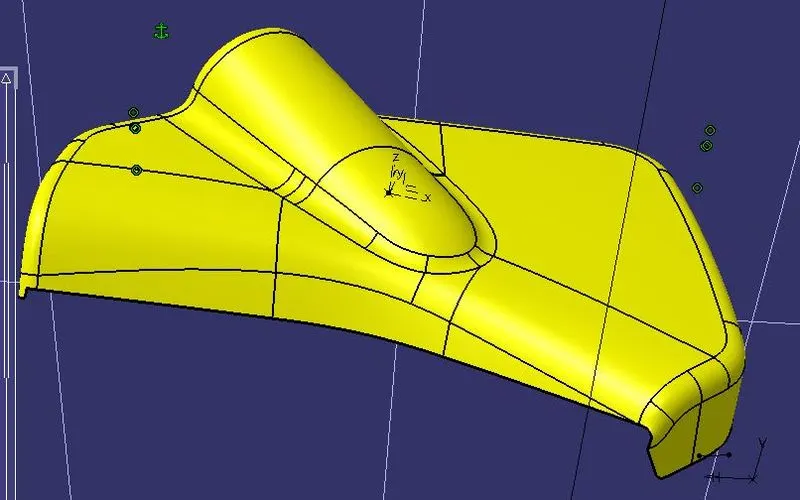
TOOLING AXIS:
The direction in which the mold or core and cavity opens is the tooling axis.
here the tooling axis created by selecting the moment of inertia method.
first selecting the surface,create the geometry and centre of gravity.
where an axis system is created and created a line to the z of the component.
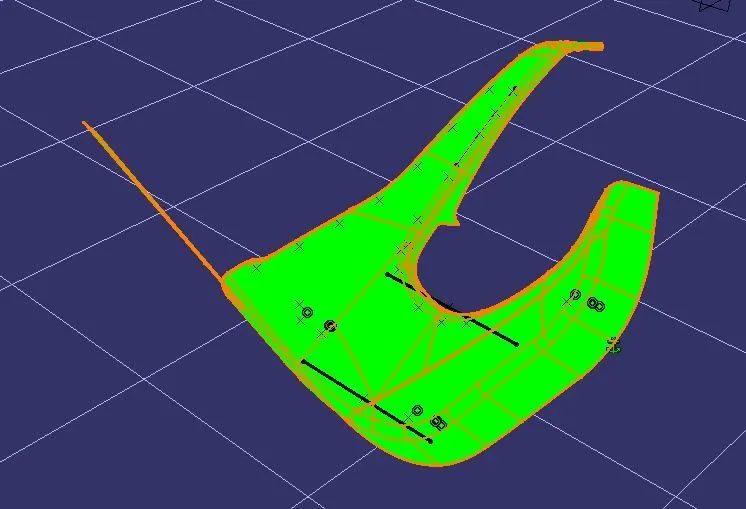
DRAFT FOR A CLASS SURFACES:
MAP POCKET
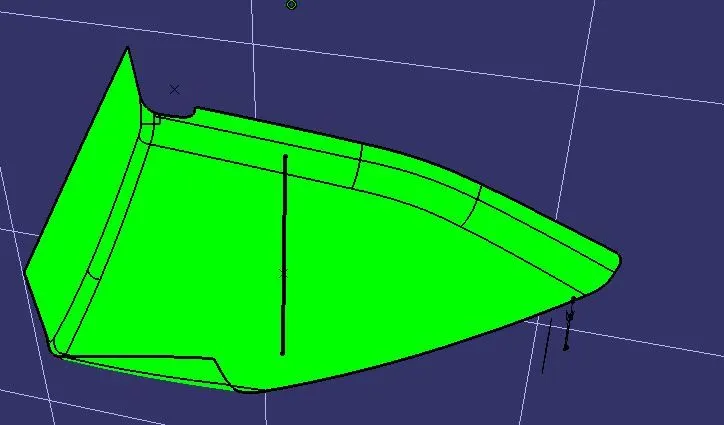
ARM REST
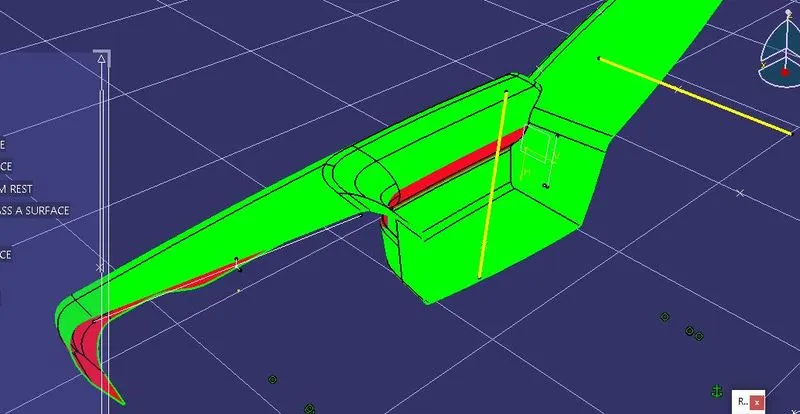
BOTTLE HOLDER
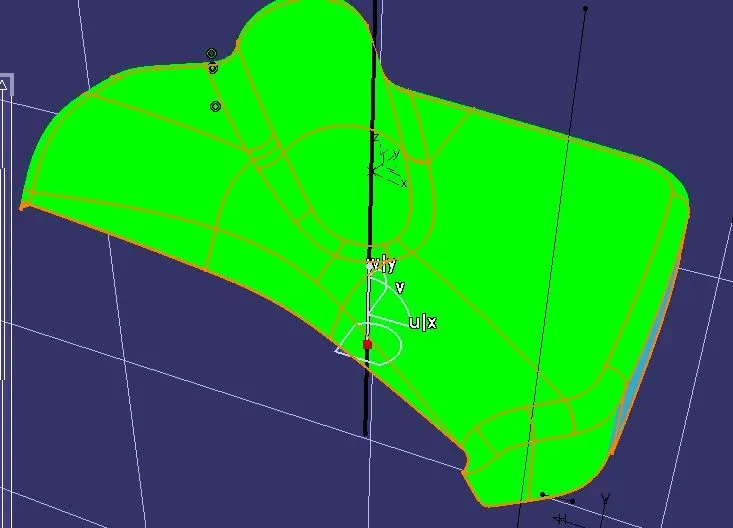
LOWER SUBSTRATE
CLASS B SURFACE:
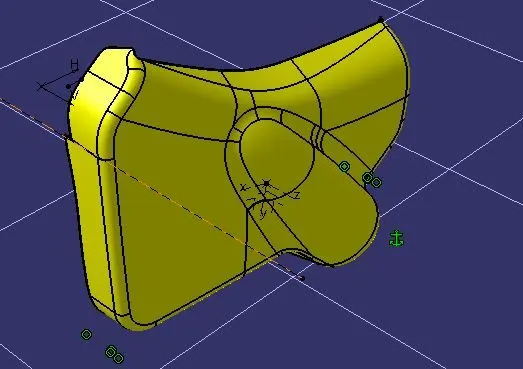
Class B surfaces are the secondary surfaces that you can see sometimes, but are less important.
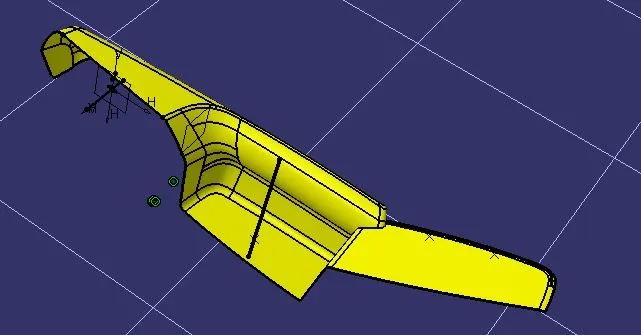
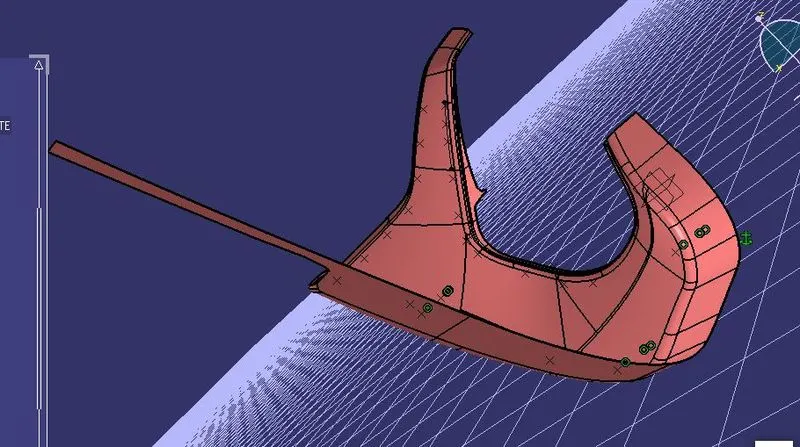
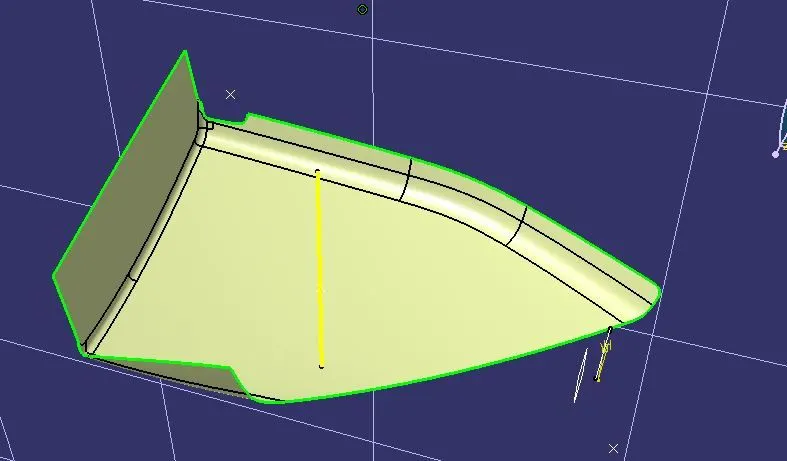
the class b surfaces are created by offsetting the class A surface for 2.5mm.
the patches are improved by using extrapolation,extract,sweep commands.
ARM REST:
LOWER SUBSTRATE:
MAP POCKET:
BOTTLE HOLDER:
CLASS C SURFACE:
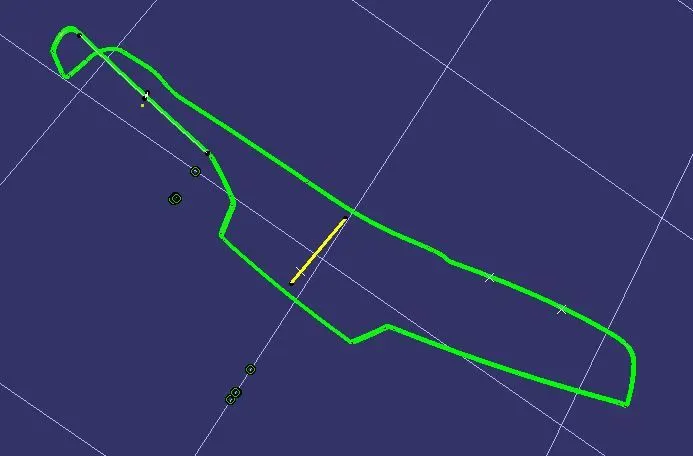
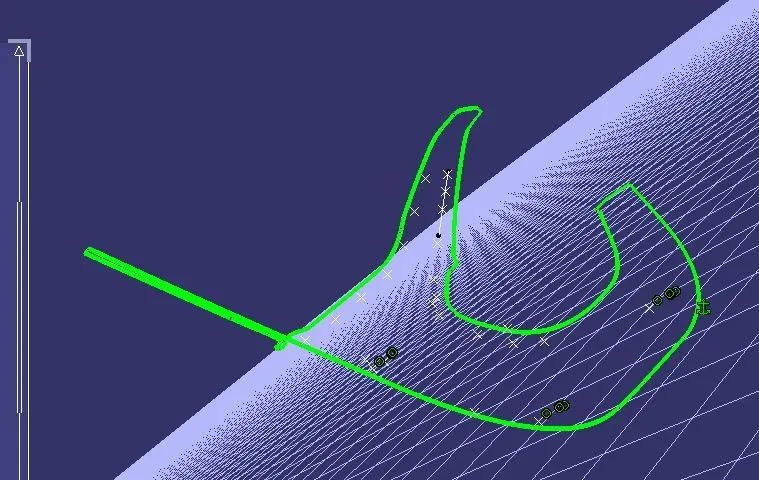
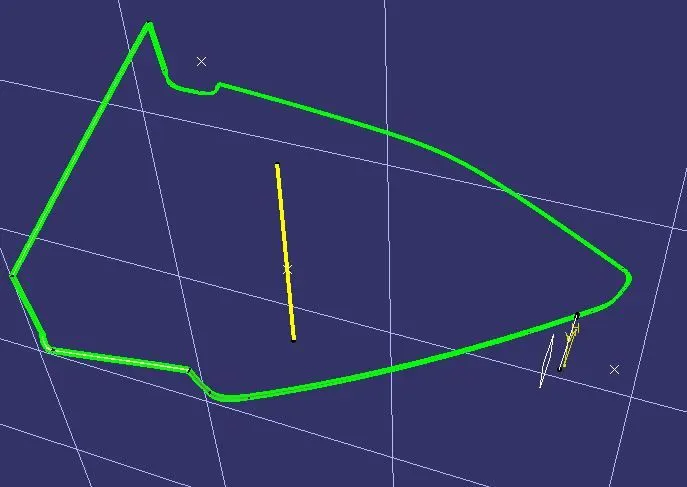
Class C is often specified for interior surfaces not readily visible, surfaces that will be covered by another part when assembled, or surfaces which the Customer feels do not need to meet a high aesthetic finish.
Class c surface is created by the sweep command with reference to the A class surface for an angle of 90.
ARM REST:
LOWER SUBSTRATE
MAP POCKET
BOTTLE HOLDER:
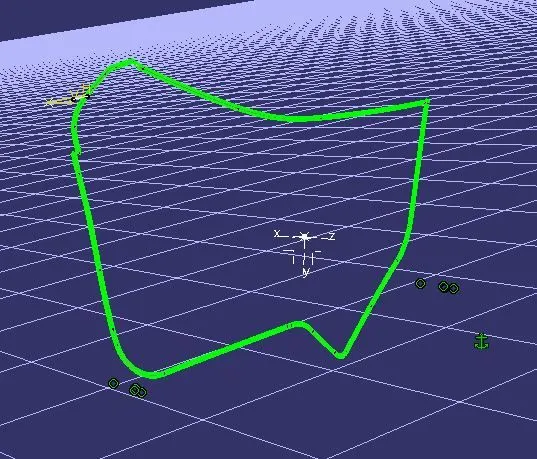
FINAL SURFACE:
The final surface is the combination of A class, B class, and C class surface.
ARM REST:
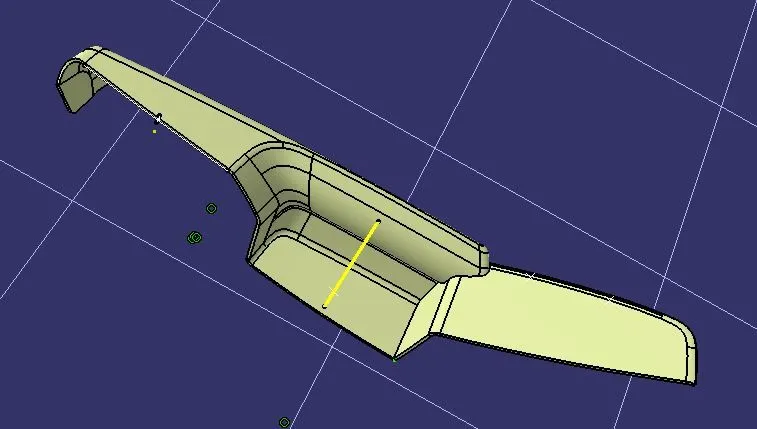
LOWER SUBSTRATE:
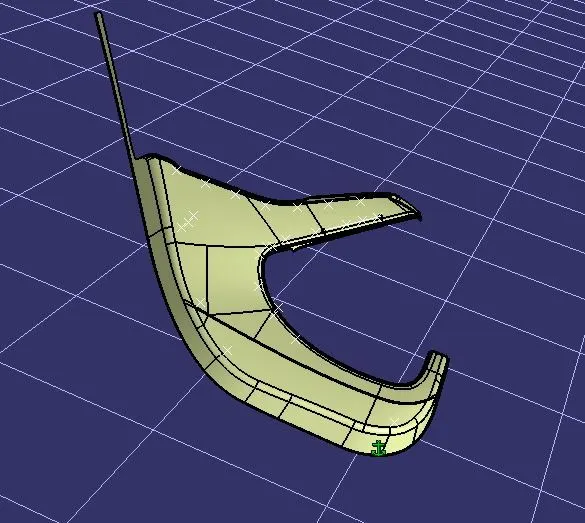
MAP POCKET:
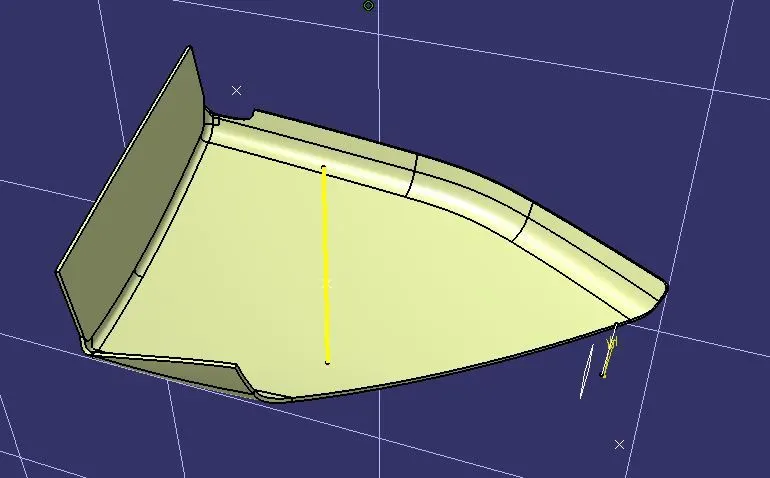
BOTTLE HOLDER:
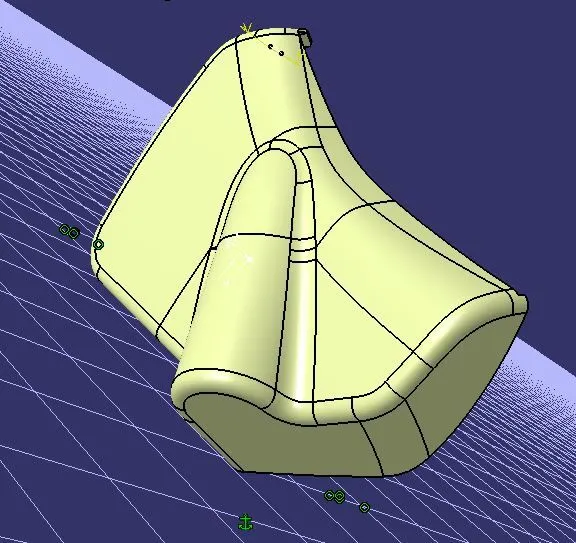
this combined surface is used to create the solid using closed surface command in part body.
after the creation of solid bodies,
The attachment features of dog house,heat stakes and flanges are created.
DOG HOUSE:
Dog house is an engineering feature used in plastic trim design. Dog houses are used as supporting feature. Sometimes other engineering features like snaps; locators etc. are mounded on them to increase their strength.
HEAT STAKES:
Heat staking also known as thermoplastic staking is the process of joining two dissimilar materials together. In heat staking we use local heating and cooling to raise the temperature of plastic components and allow plastic reforming to be carried out.
FLANGES:
a rib or rim for strength, for guiding, or for attachment to another object.
ARM REST:
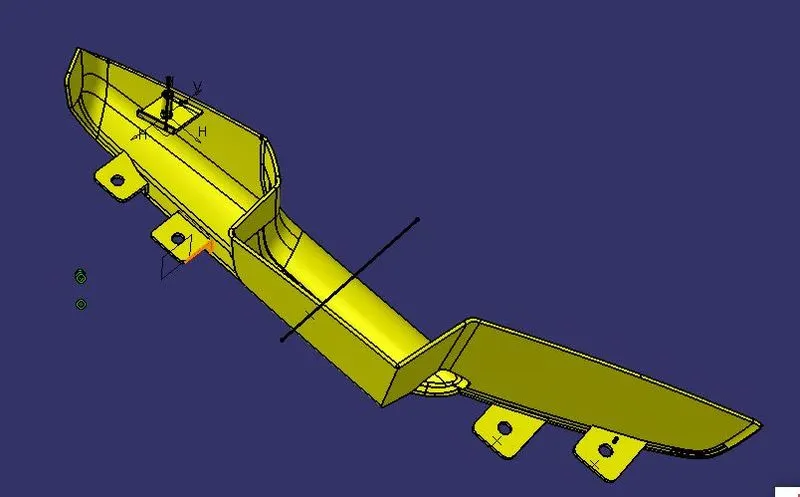
LOWER SUBSTRATE:
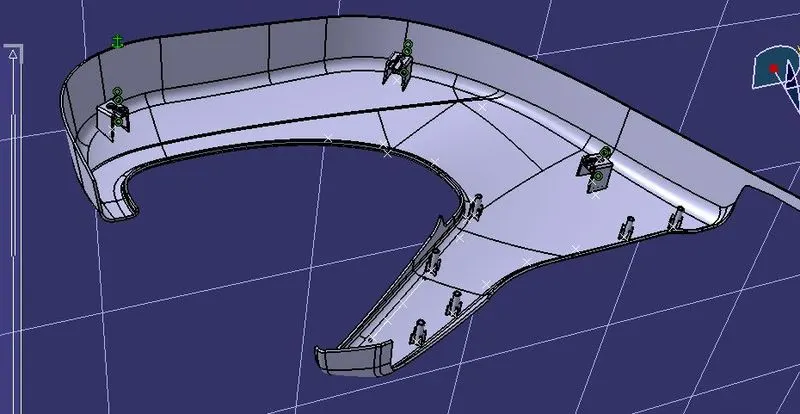
BOTTLE HOLDER:
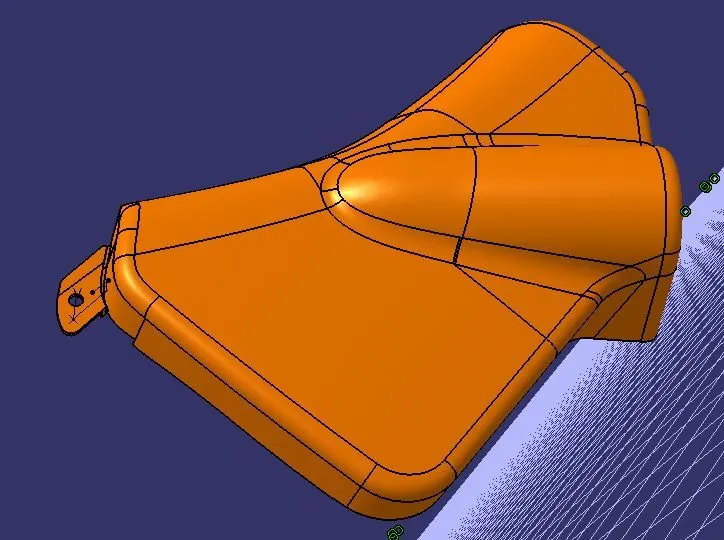
MAP POCKET:
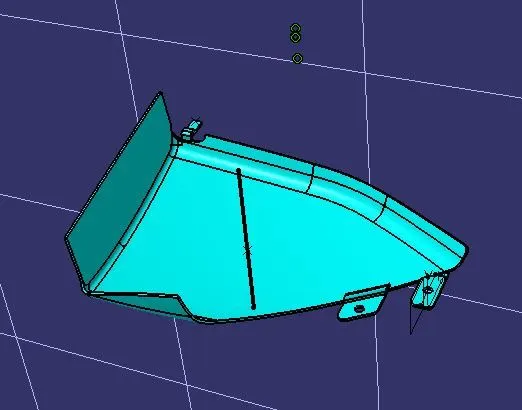
DRAFT ANALYSIS FOR THE BODIES:
ARM REST:
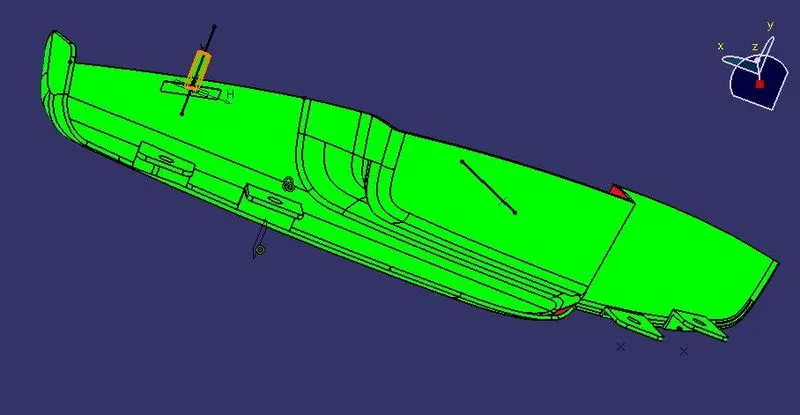
LOWER SUBSTRATE:
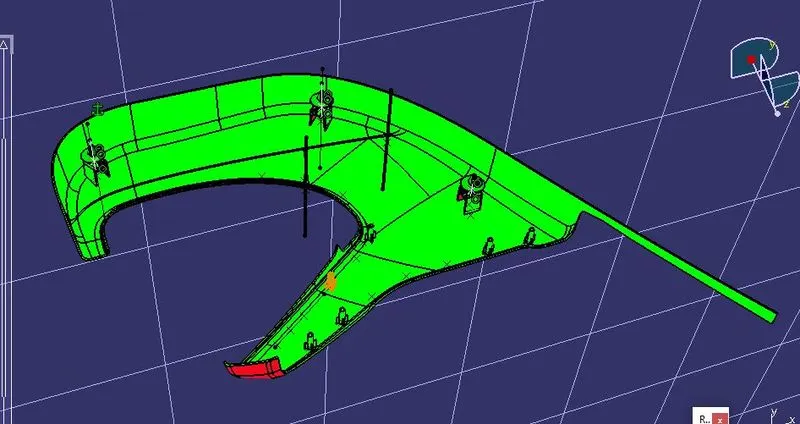
MAP POCKET:
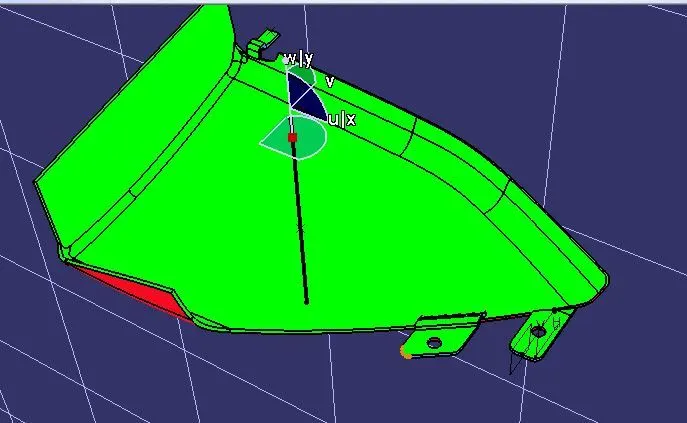
BOTTLE HOLDER: