Week 11 - Final project
Title - Design and Development of Door trim panel using catia V5
Objective - Creation of CAD model considering following inputs as like in OEM and tier1 companies
- a) Class A surface
- b) Nominal thickness : Refer master sections
- c) Attachment strategy :
To Find a attachment strategy for the door panel complete work.
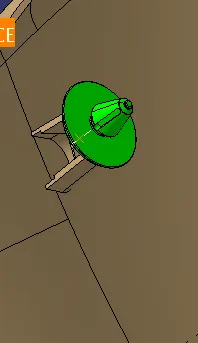
Use Push pin with Dog house for Lower substrate – Door panel attachment
Use heat stakes for part to part attachment
Draft analysis of parts
Introduction - In this project we will recieve a class A surface of different parts of door panel like Pocket, Map Pocket, Lower substrate and door arm rest. We have to create a solid part using these class A surface do the draft analysis of each parts and assemble them into catia product file. Also we have to make the B side features like heat stakes, dog house and flanges.
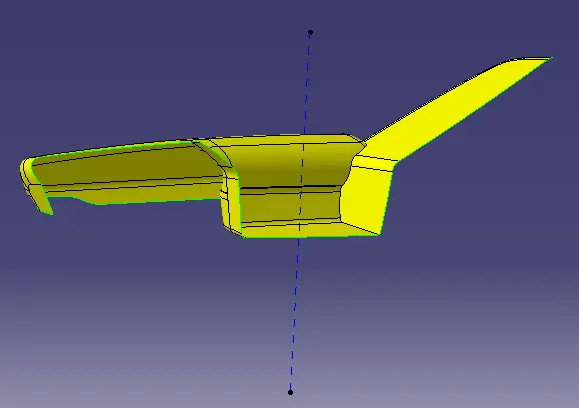
Tooling axis - Tooling axis is the direction in which the core and cavity of the mold will move
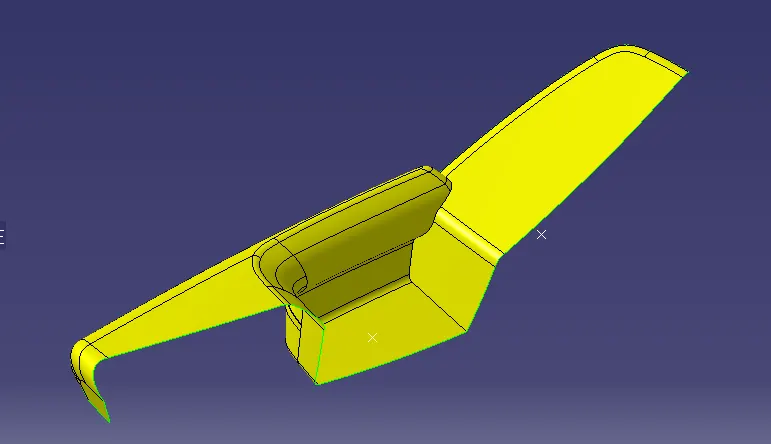
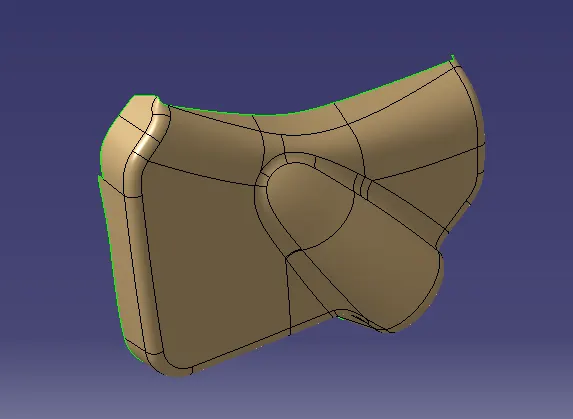
Class A surface - It is the surface made in styling softwares like autodesk alias which is the input for making the thickened solid part
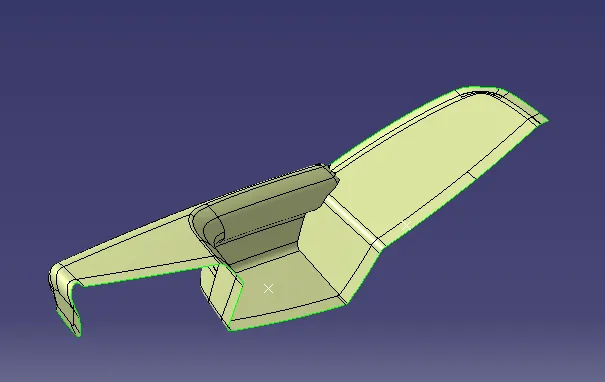
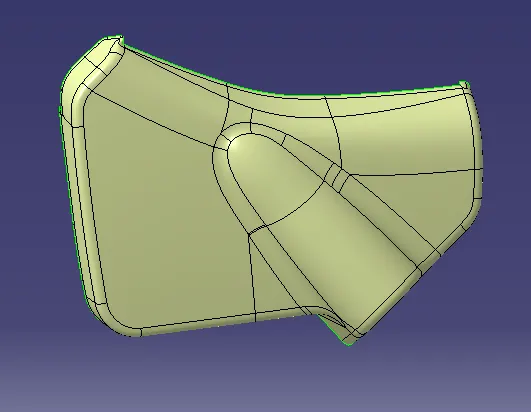
Class B surface - Class B surface is created by ofsetting the Class A surface. First the class A Surface is extracted using the extract command then we untrim and extrapolate the surface.
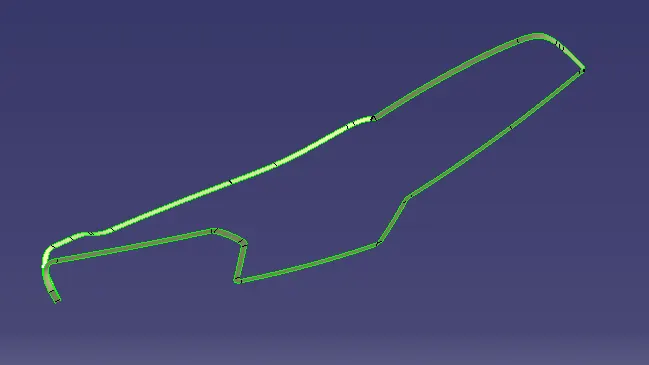
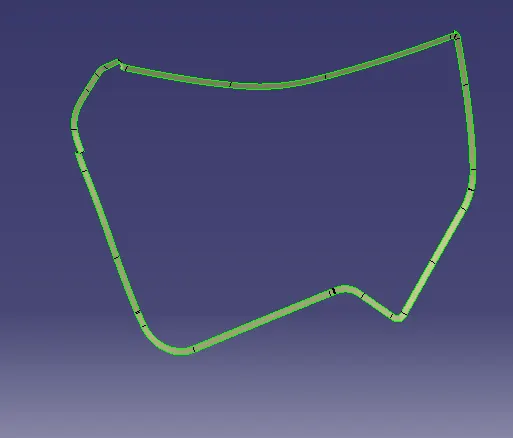
Class C surface - Once the Class B surface is created, Class C surface was created by using the sweep command of class A surface.
Once all the three surfaces are created using the join command class C and class A surfaces are joined then trimmed with the class B surface
Draft Analysis - Once the component is created of a solid body. Draft analysis can be done using the feature draft analysis. In the draft analysis we can determine that the surfaces are within 3 degree angle which will help in manufacturing the component.
Door Arm Rest
Class A Surface
Class B Surface
Class C Surface
Tooling Axis
Draft analysis
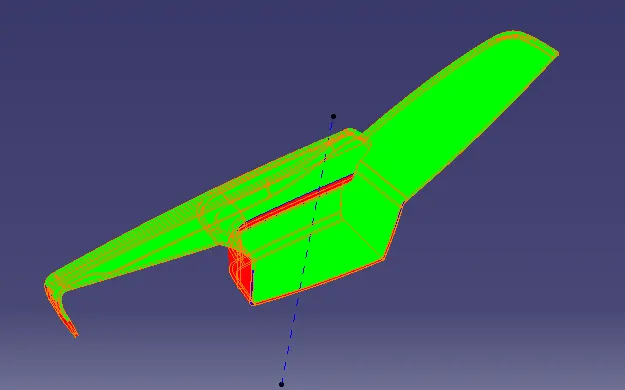
Class A Surface
Class B Surface
Class C Surface
Tooling Axis
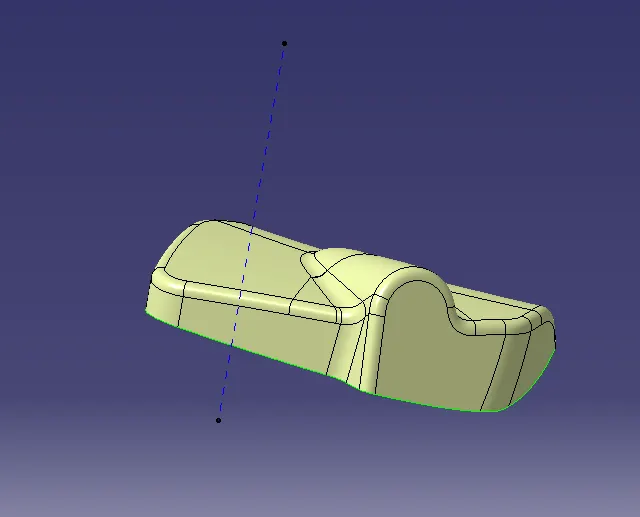
Draft Analysis
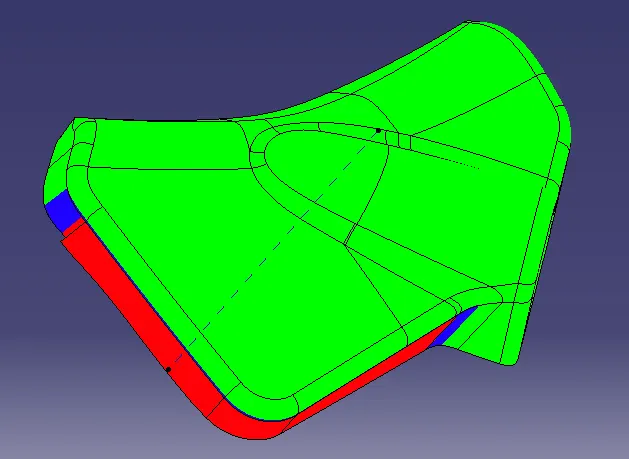
Map Pocket
Class A Surface
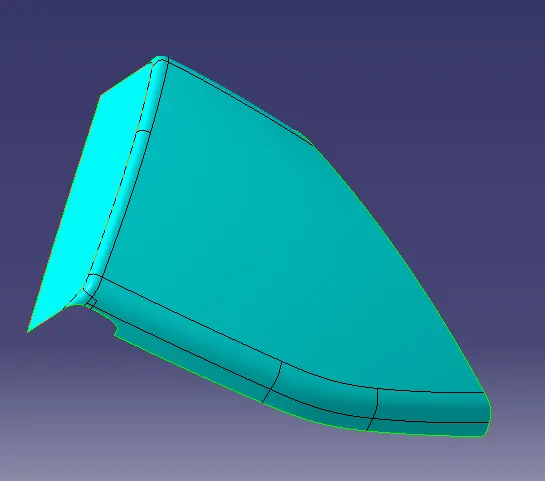
Class B Surface
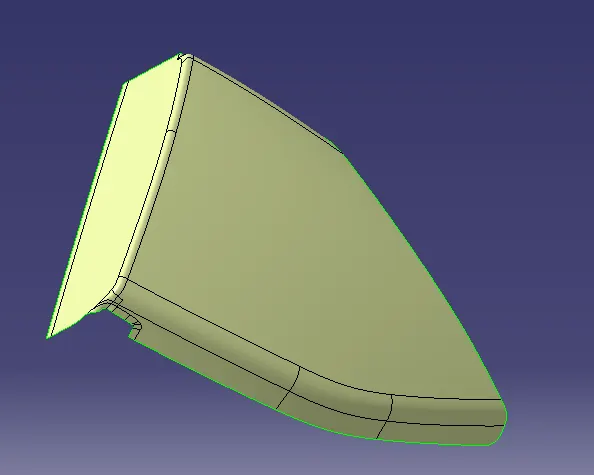
Class C Surface
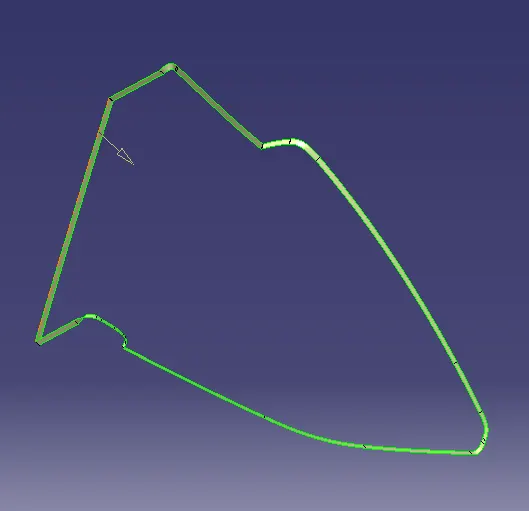
Tooling Axis
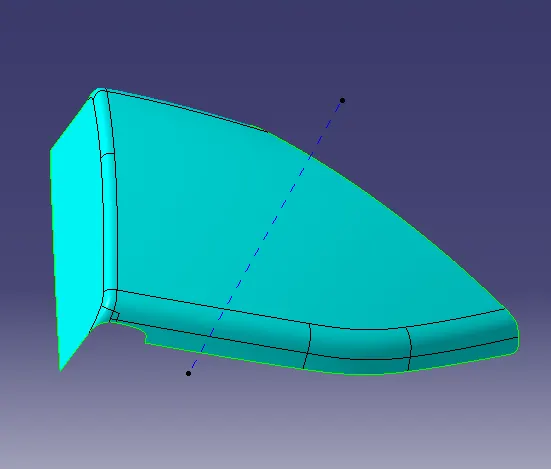
Draft Analysis
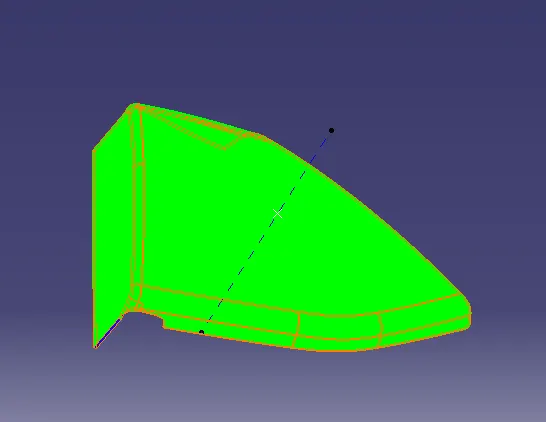
Lower Substrate
Class A Surface
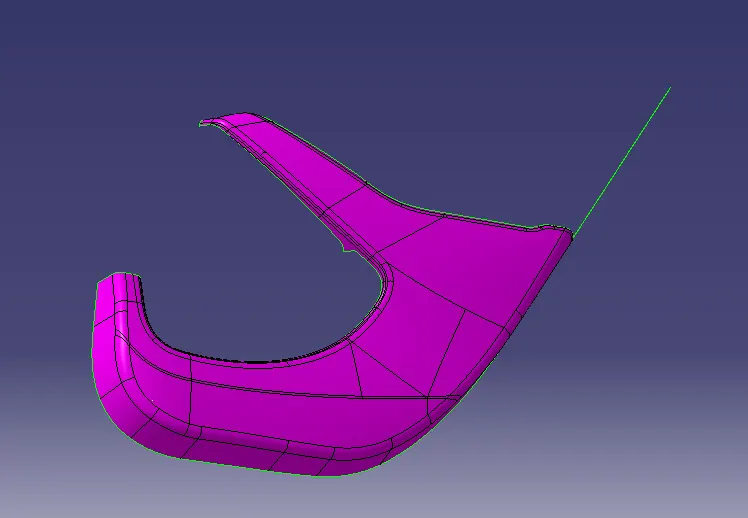
Class B Surface
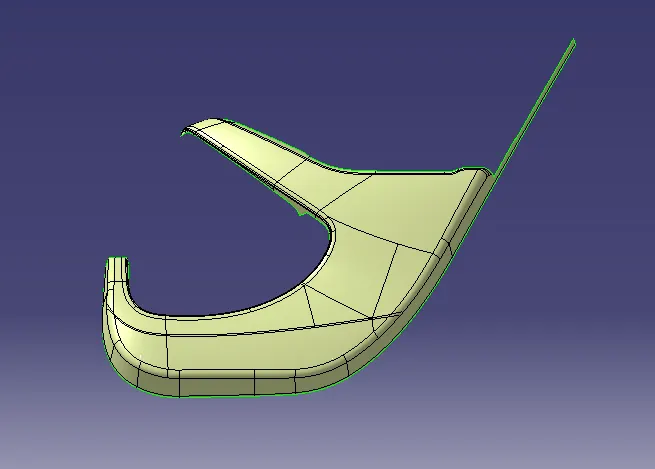
Class C Surface
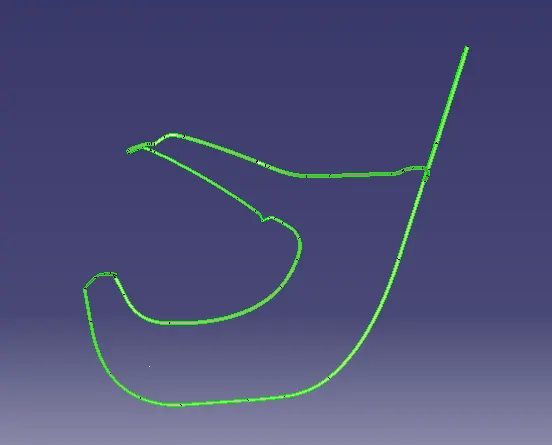
Tooling Axis
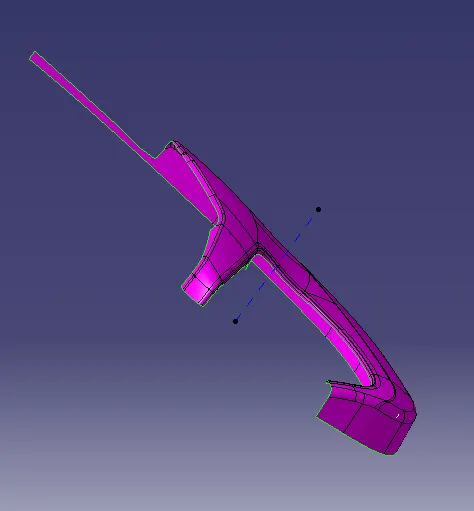
Draft Analysis
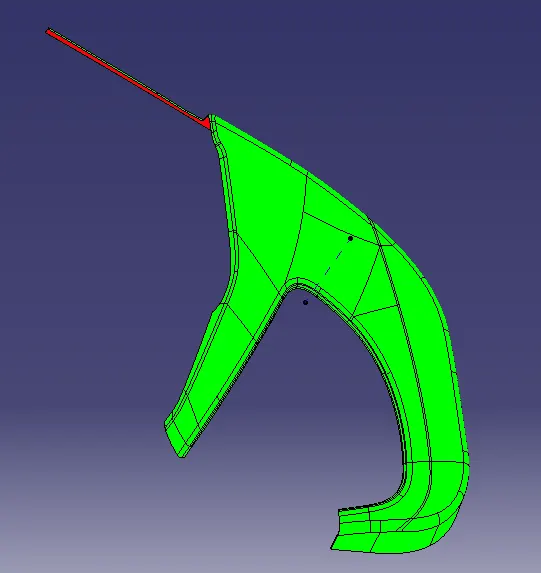
B SIDE FEATURES
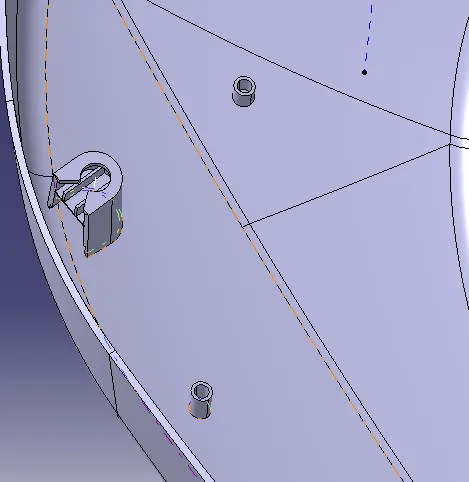
Heat Stakes - Heat stakes are use to joint two components together. It is a process like welding two plastic parts
Dog House - Dog House is used to elevate a part to some distance
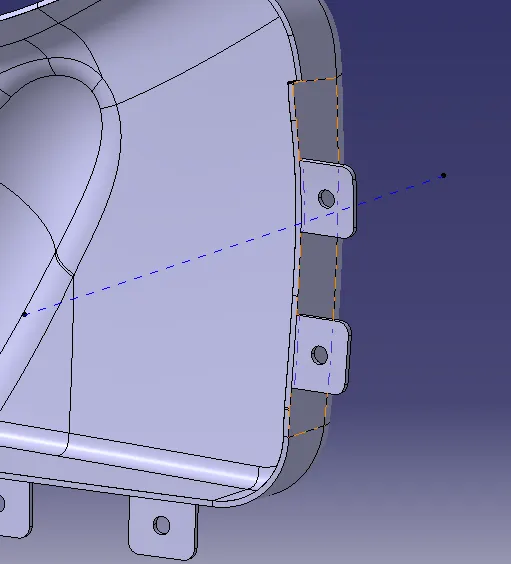
Flanges - Flanges are used to connect two parts
Dog house & Heat Stakes
Flanges
Push Clips
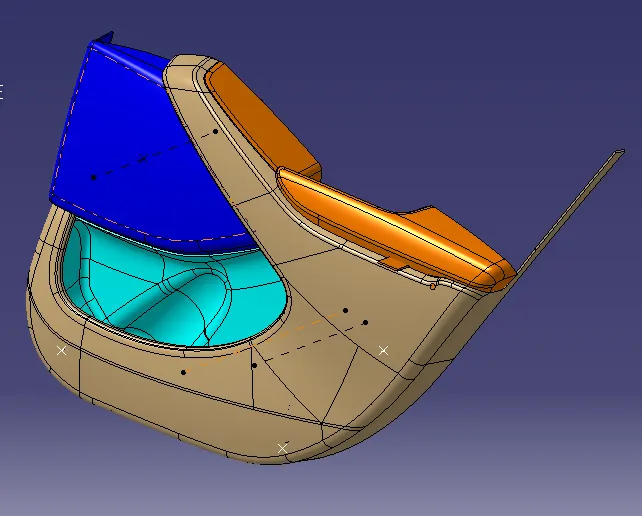
Door Panel Assembled
Isometric view
Front View
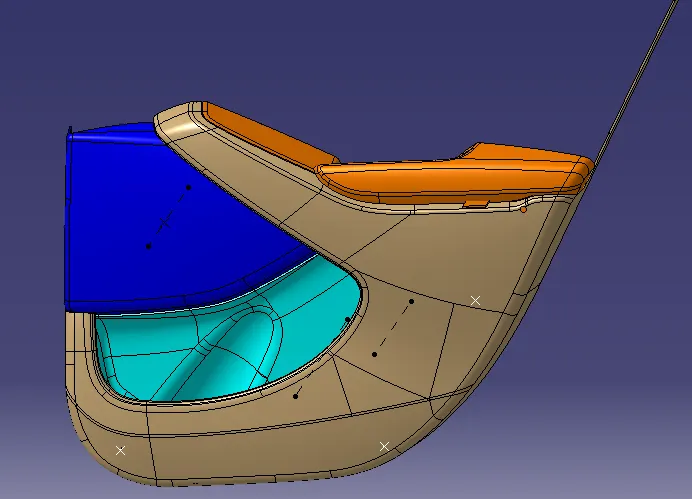
Back View
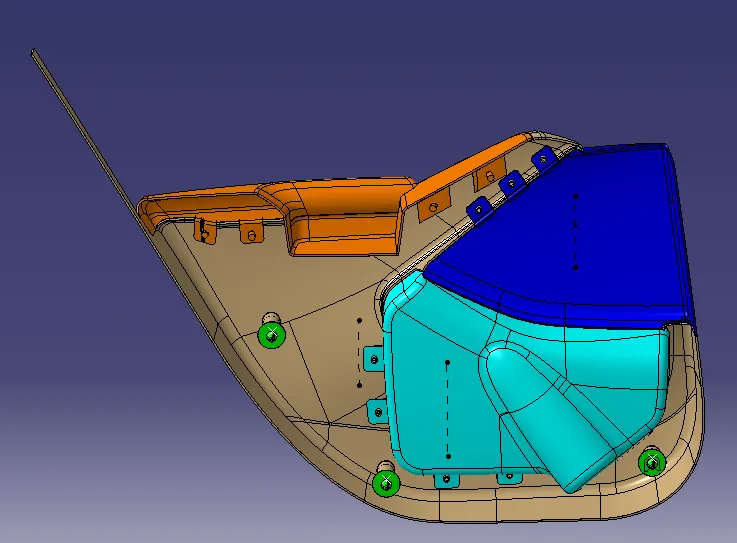
Conclusion - In this project we learned how to use different surface comands to create a solid geometry. Followed the design rules for B side features and creation of tooling axis and draft analysis to check if the component will pass the manufacturing process.