Week-11 Challenge: Braking
Q1.
Ans: -
Braking: -
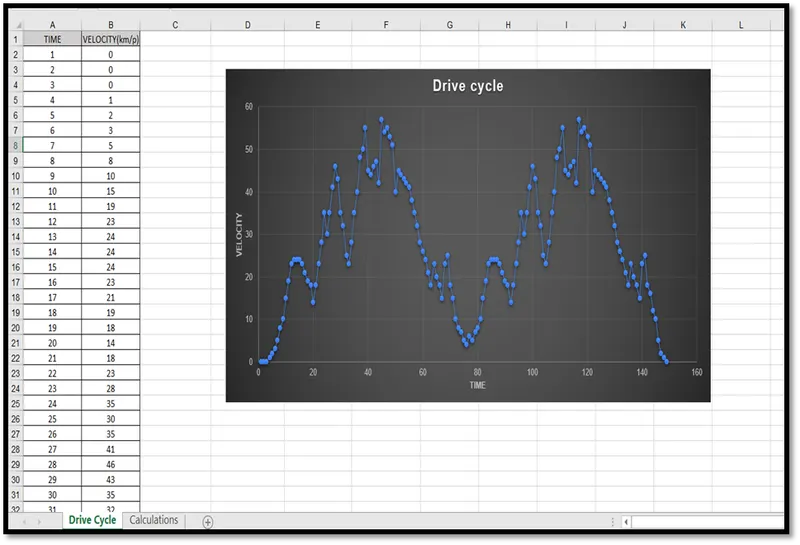
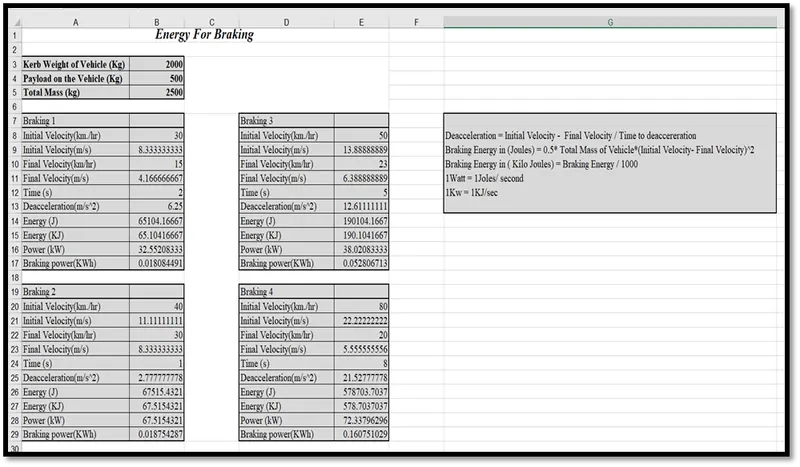
Braking is the process in vehicle which is used to stop or slow down the vehicle.in braking process we are applying brake on wheel of vehicle or we can cut off the electric supply in n electric vehicle to the motor. When brakes apply, it produces a kinetic energy which is further used for regenerative braking or potential energy in such stored forms as pressurized air or pressurized oil. The kinetic energy produce is the energy required to apply the brake which is represented by the following formula: -
`KE =1/2 m*v^2`
Were,
KE = Kinetic energy
M = Mass of the vehicle
V = Velocity of vehicle
Q2.
Ans: -
Torque-Speed characteristics:-
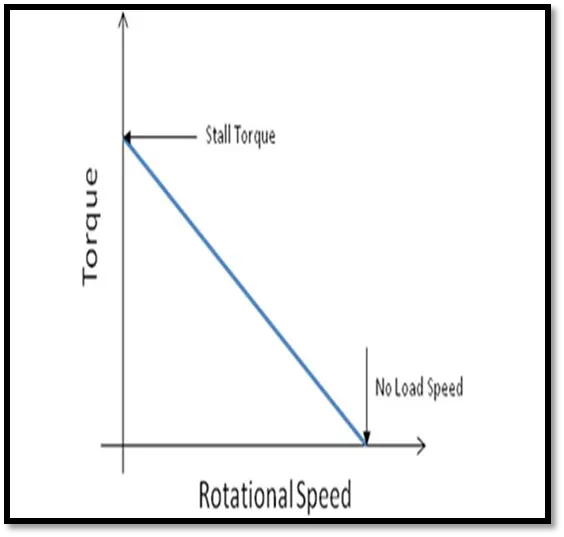
From the above figure of torque speed characteristics of motor, the inverse relationship between speed and torque means that an increase in the load (torque) on the motor will cause a decrease in speed. We can see that when motor is at its maximum speed no torque is applied so electric motor can’t develop braking torque at high speed similar to starting.
The process of converting part of Mechanical energy into other forms of energy and stored when vehicle in the braking are so-called Regenerative Braking. Regenerative braking means the electric motor is operated in reverse, thereby applying a braking force through electromagnetism. This recaptures some of the vehicle's kinetic energy by charging the battery. Some electric vehicle models have specific driving modes that incorporate varying levels of regenerative braking.
- Electric and mechanical brake coordination: -
There are mainly two ways of coordination.
Series: - Mechanical and regenerative braking both are used on after another.
Parallel: -Mechanical and regenerative braking both are applied simultaneously.
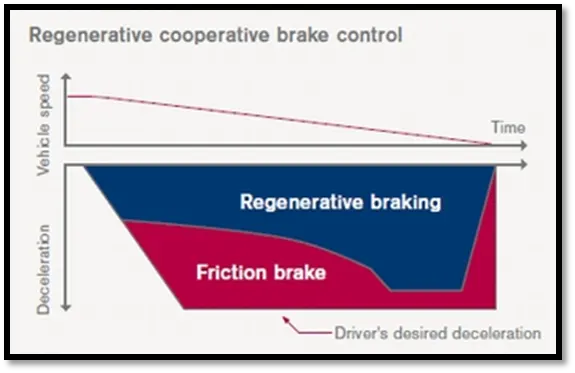
The EDIB (Electric Driven Intelligent Brake) allows and controls optimization of the regenerative brake and regular friction brake (hydraulic brake).
When the driver steps on the brake pedal, the stroke sensor detects the operation of the brake. That information is communicated to the ECU and controls the motor. The motor engages the piston and amplifies the friction brake's pressure (hydraulic pressure). Through optimum control of the friction brake's hydraulic pressure, the energy regeneration outcome is maximized.
At low speed: - regenerative braking is used
At high speed: - both regenerative and mechanical brakes are used.
Q3.
Ans: -
clear all
close all
clc

speed= linspace(0,1000);
torque= linspace(0,500);

kc= 0.2;
ki=0.006;
kw=0.000010;
k=20;

[x,y] = meshgrid(speed,torque);
copper_loss= (y.^2)*kc;
iron_loss= x*ki;
windage_loss= (x.^3)*kw;

output_power= x.*y;
input_power= (copper_loss+iron_loss+windage_loss+output_power+k);
efficiency=(output_power./input_power);

n=linspace(0.7,0.95,10);
contourf(x,y,efficiency,n);
title('speed-torque efficiency')
xlabel('speed (rad/s)');
ylabel('torque (Nm)');
colorbar
- First, we give speed and torque value as x and y respectively with the help of linspace command.
- Then take three variables for losses like copper loss, iron loss, windage loss.
- Meshgrid command is used to plot coordinate point of speed and torque.
- Output power is calculated by multiplying speed and torque
- Input power is calculated by adding all losses output power and constant
- Efficiency is output power divided by input power.
- Add n variable with linspace command to give efficiency limit
- Contour command is used to plot the contour.
- Colour bar command is used to create colour bar for efficiency.
OUTPUT: -
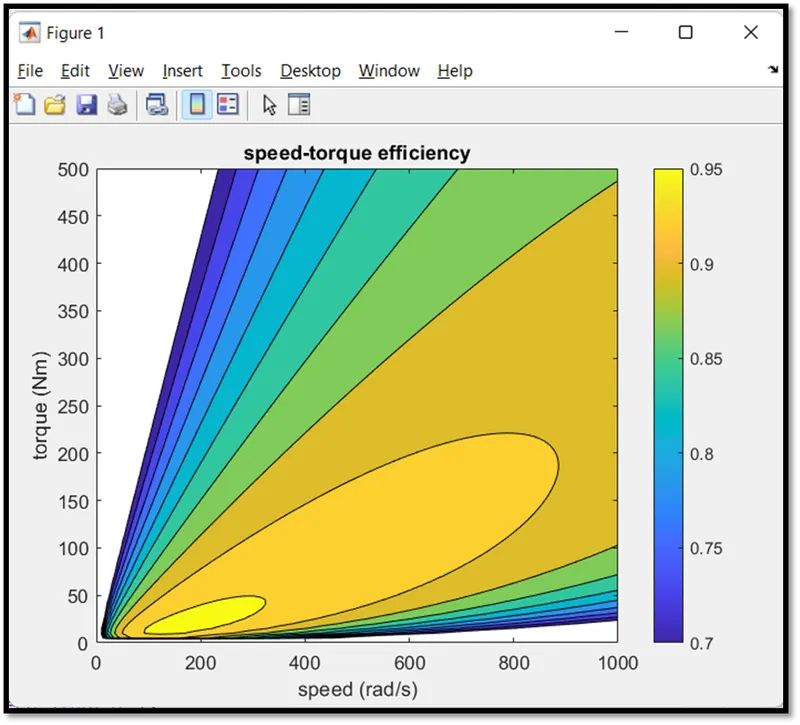
Here we can see various regions for vehicle efficiency. The vehicle has maximum efficiency at the speed of 100-500 rad/s and torque in10-40Nm. If the vehicle speed increases the will does decrease or vice versa.
Model an excel sheet: -
https://drive.google.com/drive/folders/116-ArzYdIN9UTuOMYbdt1iH0nc1gTKfe?usp=sharing