Week-11 Challenge: Braking
Q1)
Energy = `1/( 2) mv^2`
M=1000kgs
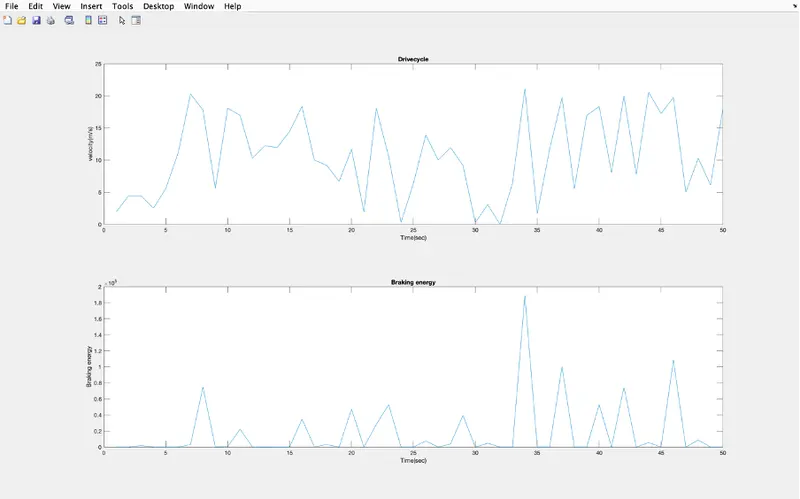
For time and velocity input values, we are making an excel sheet containing time and velocity values and import them to calculate total braking energy.
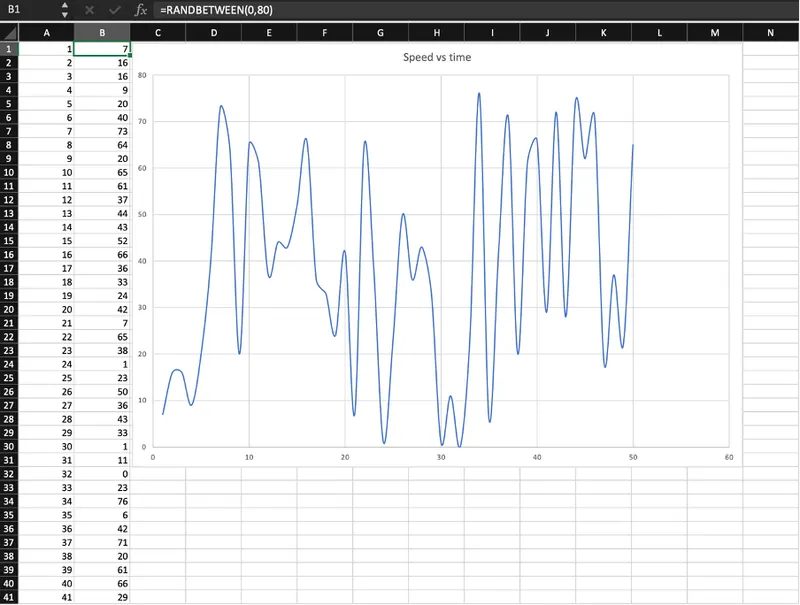
Using the rand function we have generated 50 random velocity values to use in the MATLAB script
We import values from this excel file and convert them into m/sec using the below command

We use above mentioned formula in a loop to calculate braking energy

We will plot using below mentioned commands

Complete code:
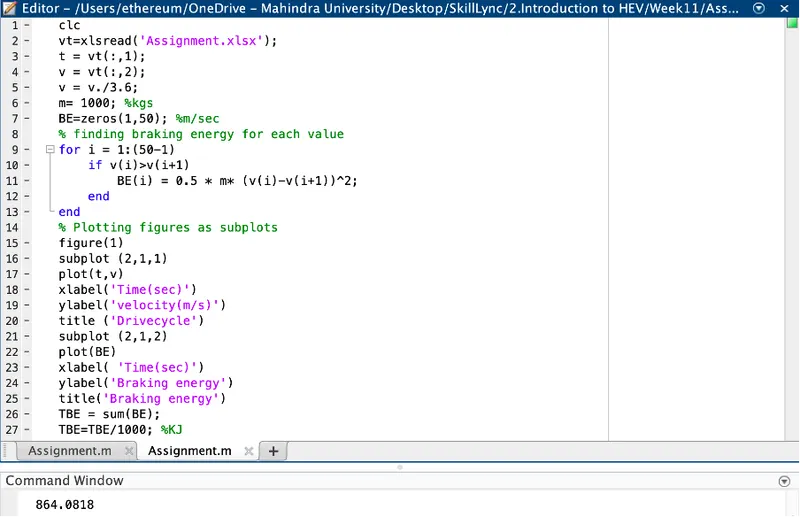
We got total braking energy of 864.0818KJ
Q2)
Torque is the rotational ability/turning force through a radius when force is acting at a distance from the point torque is produced about that point.
The units Nm in the SI-system and the units lb-ft in the imperial system.
The torque developed by an asynchronous induction motor varies when the motor accelerates from zero to maximum operating speed.
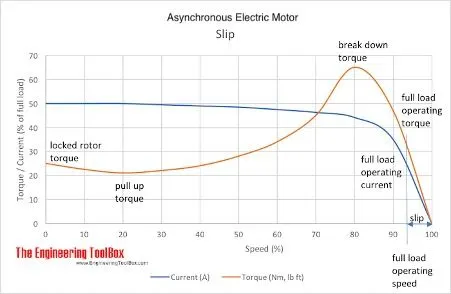
Locked Rotor or Starting Torque
The Locked Rotor Torque or Starting Torque is the torque an electrical motor develops when starting at zero speed.
A high Starting Torque is more important for applications or machines hard to start - like positive displacement pumps, cranes, etc. A lower Starting Torque can be accepted for centrifugal fans or pumps where the start load is low or close to zero.
That’s why electric motors can’t develop braking torque at high speed similar to starting
During the time of initial braking time, mechanical brakes are used in more proportion than regenerative braking because electric motors don’t have high torque capacity.
Values of braking torque and regenerative braking change in the opposite directions.
Basically, there are three different brake control strategies:
- Series braking with optimal braking feel
- Series braking with optimal energy recovery
- Parallel braking
In these ways, electric and mechanical brakes are coordinated
Q3)
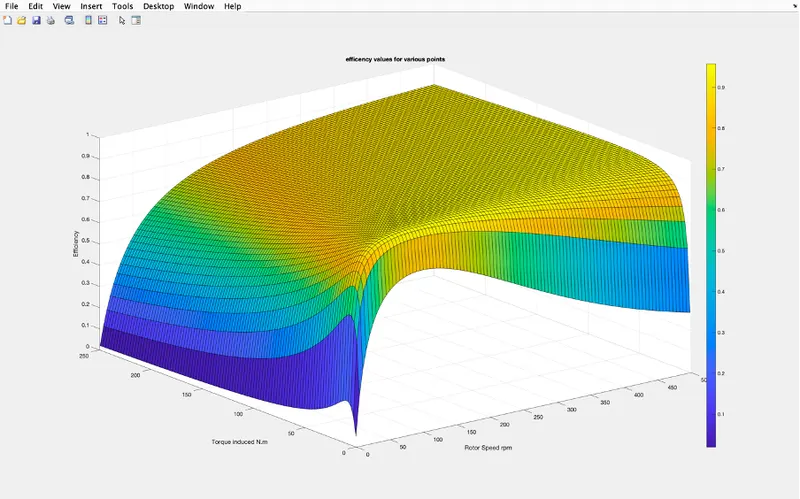
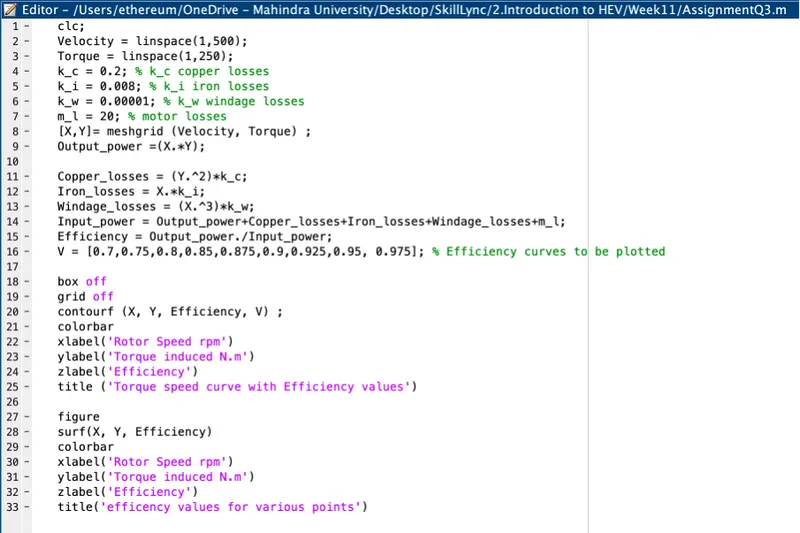
All the three losses (“Copper_losses”,” Iron_losses”,” Windage_losses”) and constant motor losses are added with output power to get total input power

Output:
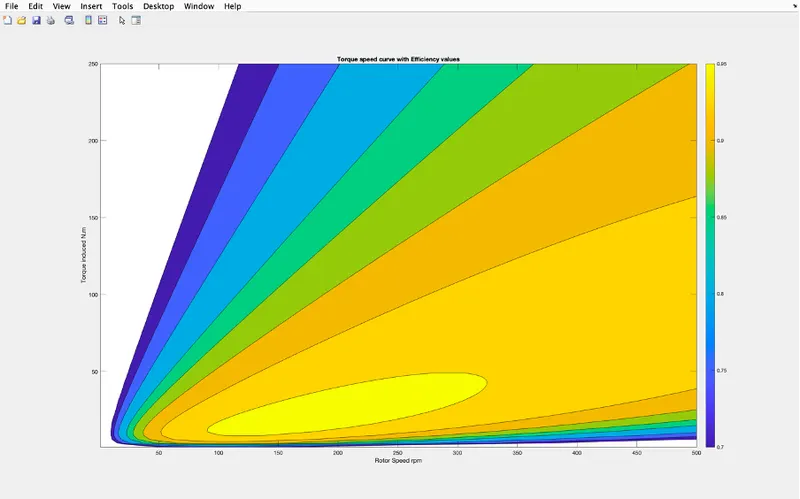
Using “contourf (X, Y, Efficiency, V);” plots contour of given motor speed, torque, and efficiency values are made