Week 11- Broadband Noise modelling over Ahmed body
Aim: Broadband Noise modelling over Ahmed body
Objectives:
- Describe Ahmed's body and its importance.
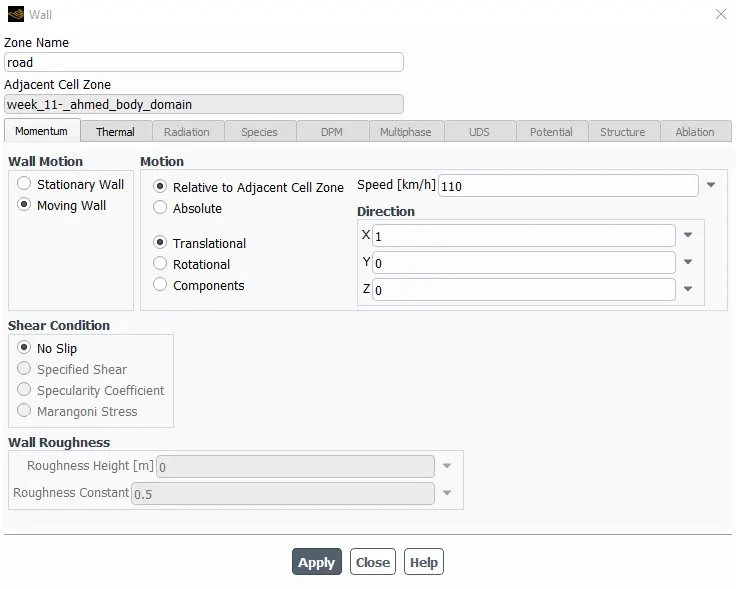
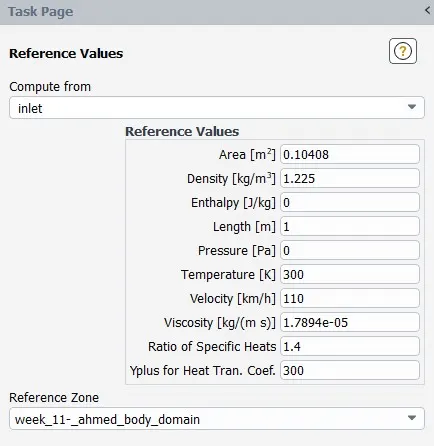
- Setup the domain and setup assuming body is travelling at 110 kmph
- Run the setup till convergence and plot for static pressure and coefficient of drag and lift to check for convergence
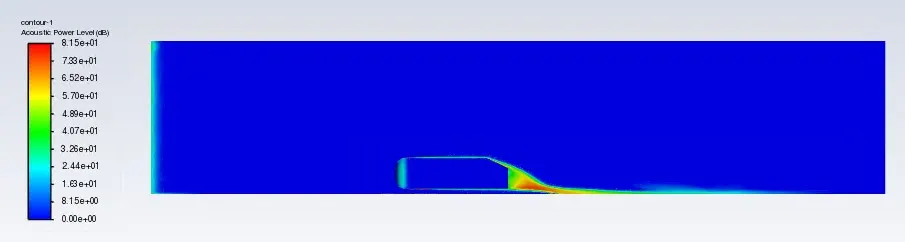
- Turn on Broadband- modelling and detail the acoustic field study over Ahmed body.
Theory:
The Ahmed body was described originally by S. R. Ahmed in 1984 [1]. Three main features were seen in the wake:
1. The A recirculation region that is formed as the flow separates at the top of the vertical back surface of the model
2. The B recirculation region that is formed due to the separation at the base of the model.
3. The c-pillar vortices that form as the vorticity in the side boundary layers roll up over the slant edges.
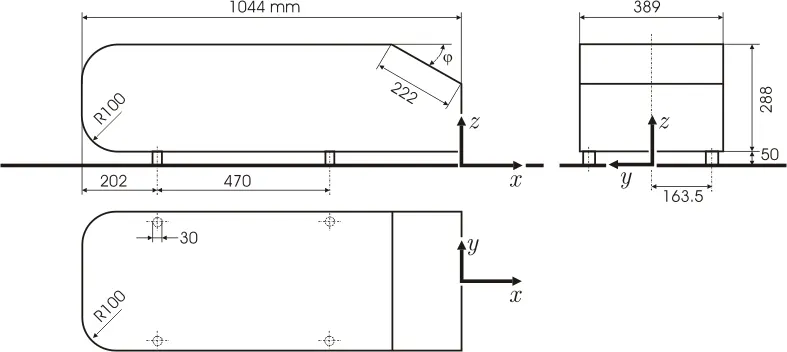
The wake was shown to be highly dependent on slant angle. For slant angles less than 12°, the flow remains attached over the the slant. The flow is essentially two-dimensional and has low drag. Between 12° and 30° the flow becomes much more three-dimensional as the c-pillar vortices form. These reach maximum strength at 30°. The drag increases significantly as the low pressure cores act on the rear surfaces. Past 30° the flow separates fully off the slant. This results in a sudden decrease in drag and weaker c-pillar vortices.
Effect of Aspect Ratio: Venning et al [7] showed that the aspect ratio of the rear slant had a significant effect on the wake. The wider bodies ceased to reattach at slant angles of 25°, suggesting that the critical angle lowers as aspect ratio increases. They also provide vortex core location from experimental data that can be used for validation [8].
Description of the test case: The Ahmed body (Fig. 1) was first defined and its characteristics described in the experimental work of Ahmed [1]. Two configurations with slant angles of 25°and 35°are considered as a test case. For this configurations detailed LDA Measurements have been performed by Becker, Lienhart and Stoots [2,3] in the LSTM low-speed wind-tunnel with a cross-section of 1.87x1.4 m2 (width x height) with a bulk velocity of 40 m/s. The test-section of the wind-tunnel was 3/4 open (only ground plate present). The distance between the body and the plate representing the ground is 50 mm. In the experiment perform by the Ahmed [1], flow velocity was taken 60 m/s, Reynolds number was 4.29 million based on model length.
Procedure:
- Geometry Definition:
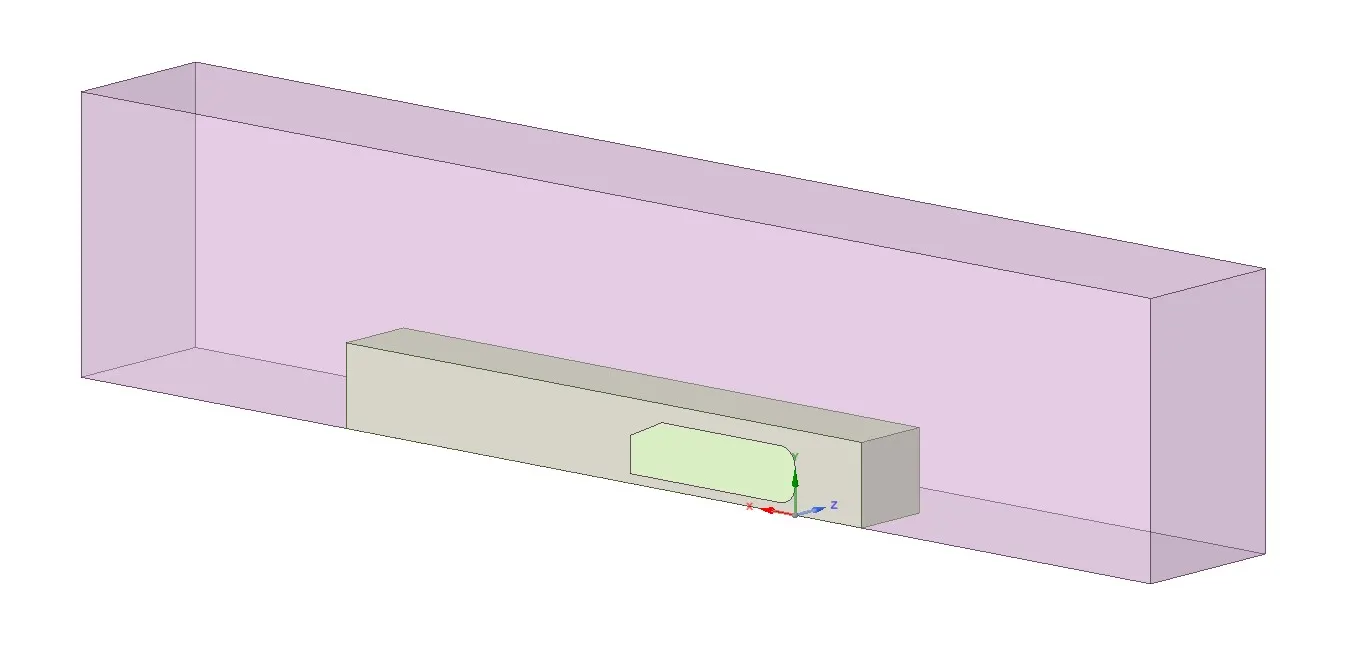
Given 3D model of Ahmed body with Density region and fluid domain is imported in space claim.
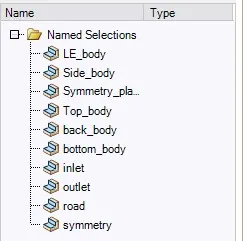
Name selection was defined as below.
- Meshing with Ansys meshing:
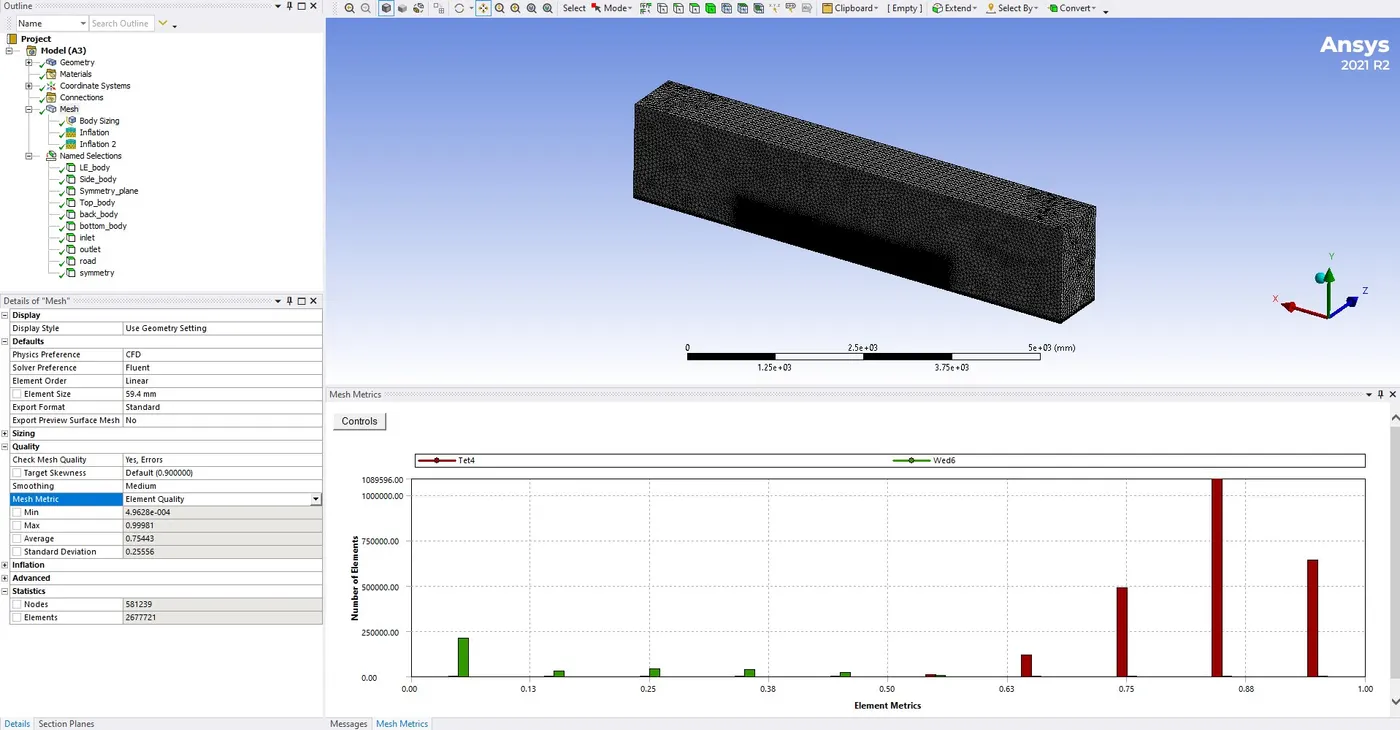
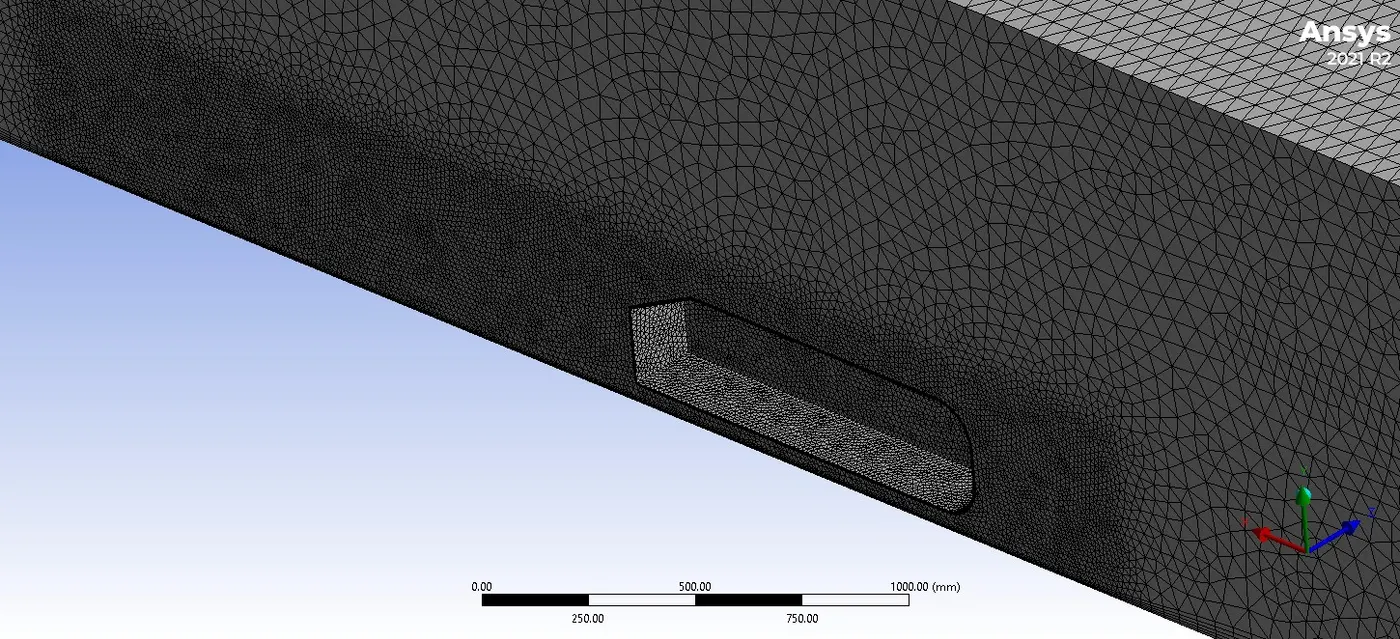
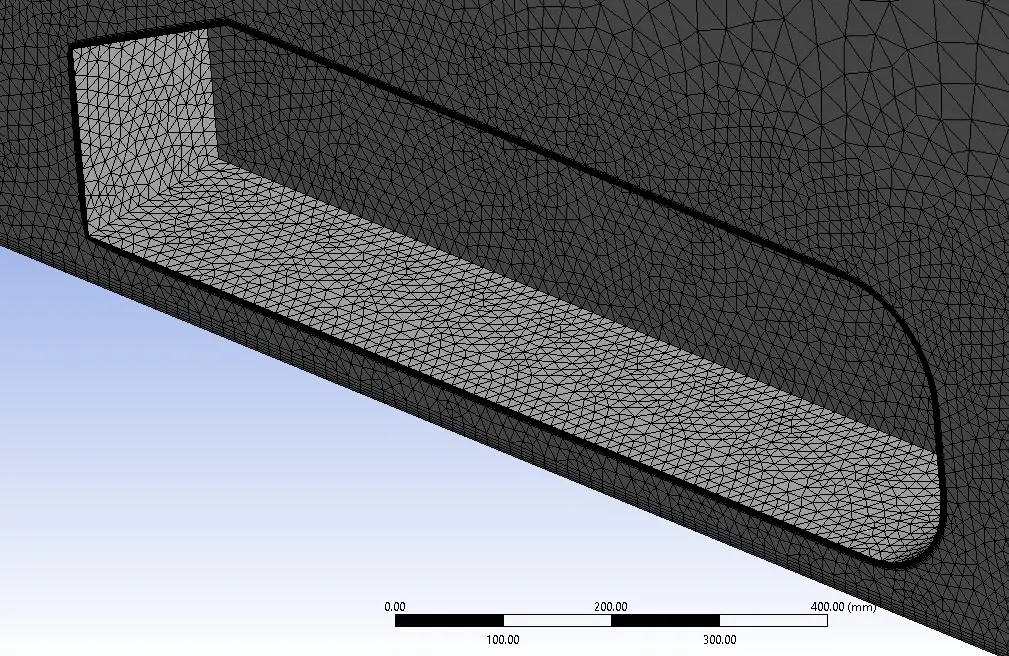
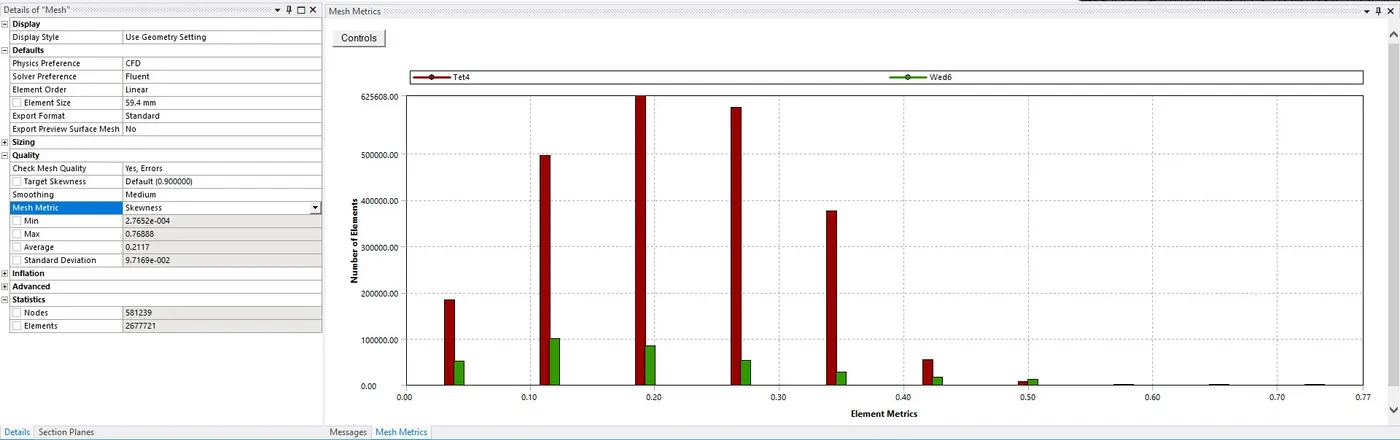
- Boundary Conditions
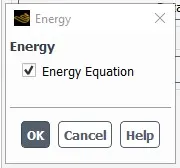
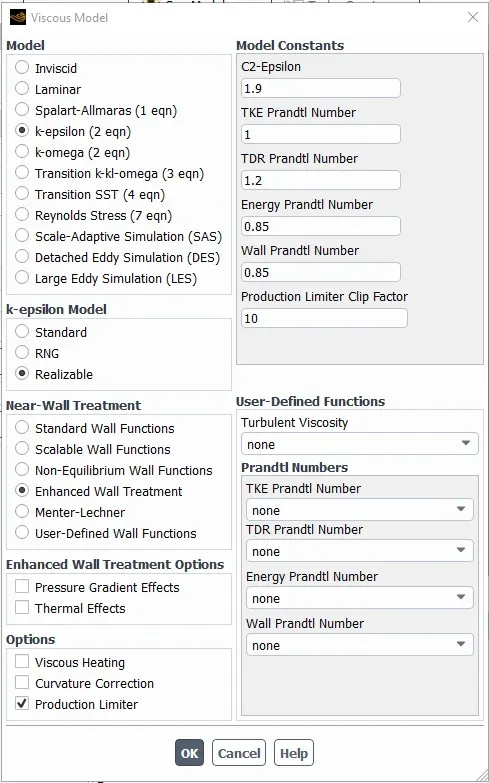
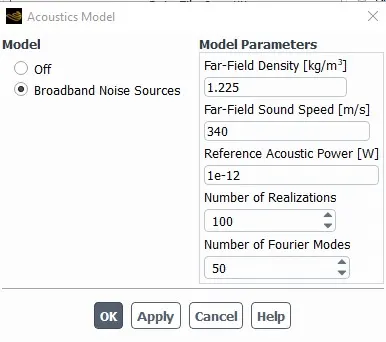
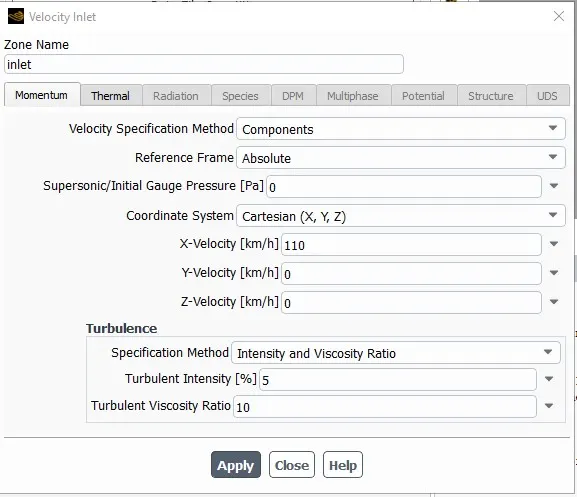
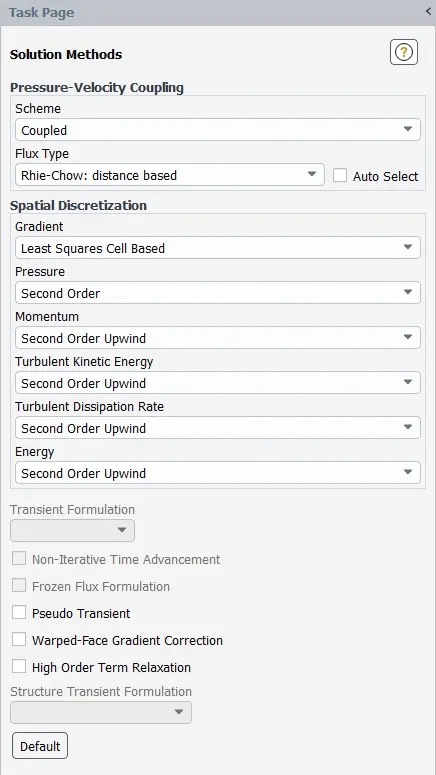
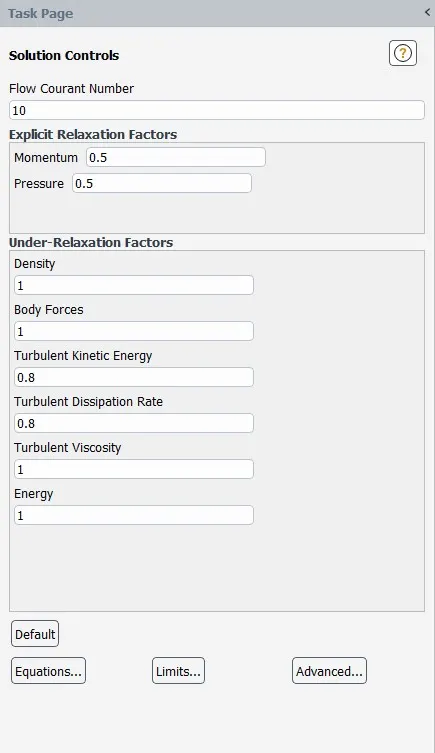
- Simulation:
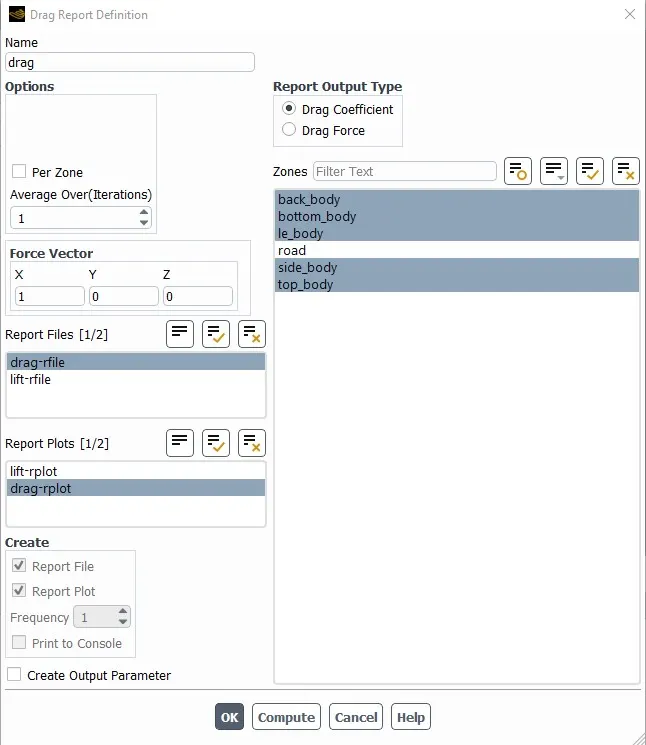
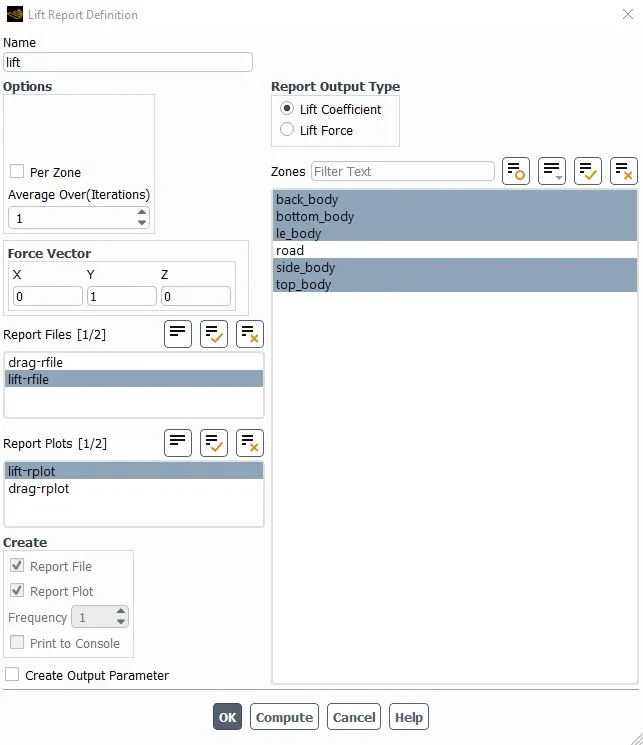
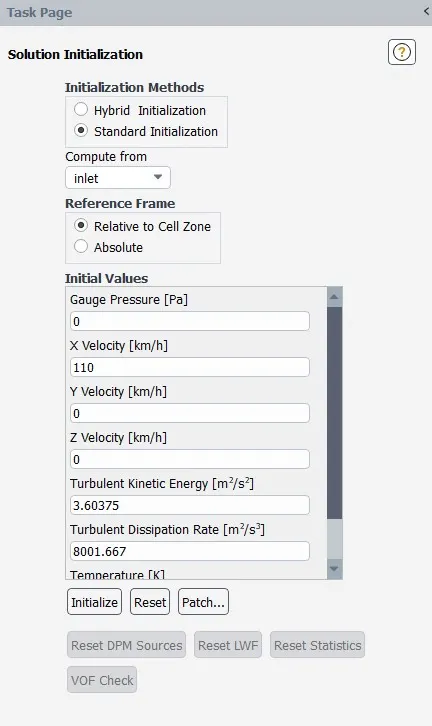
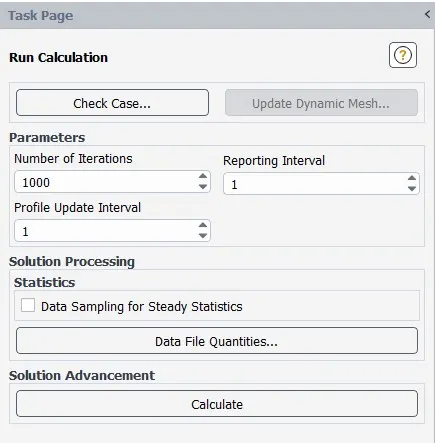
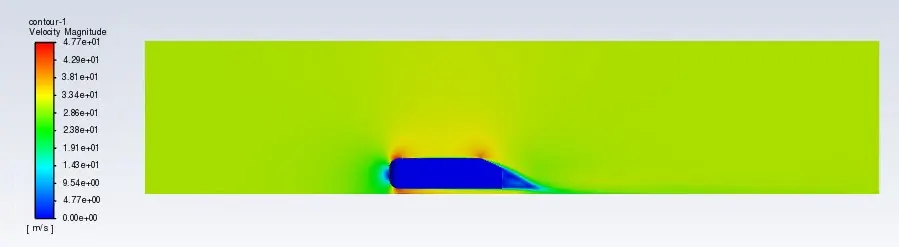
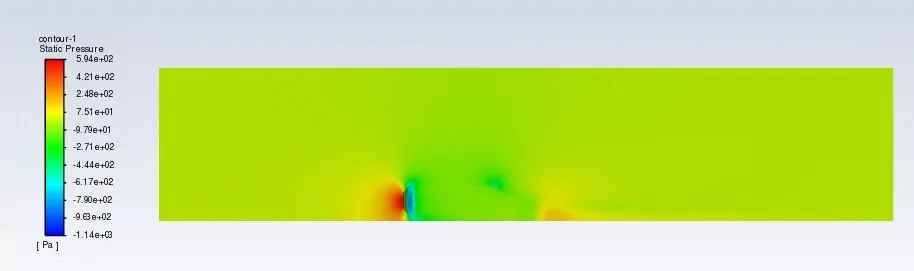
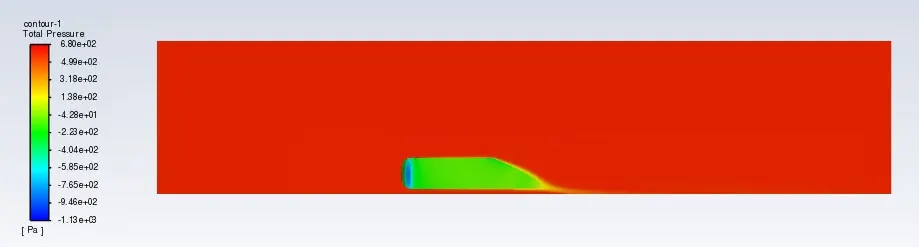
- Plots:
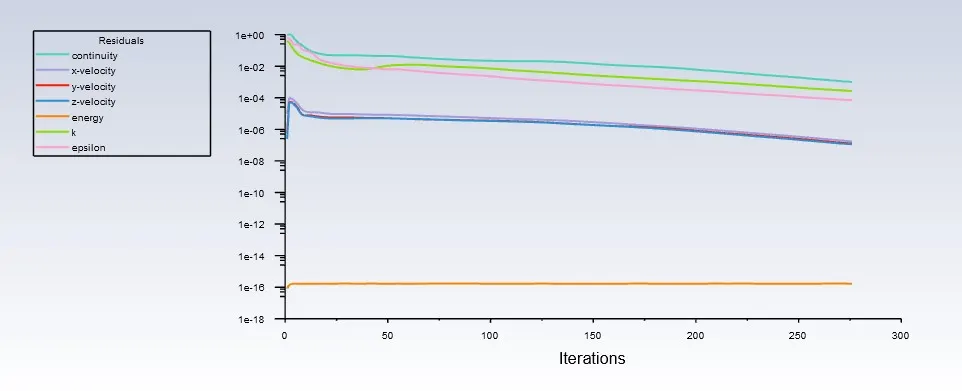
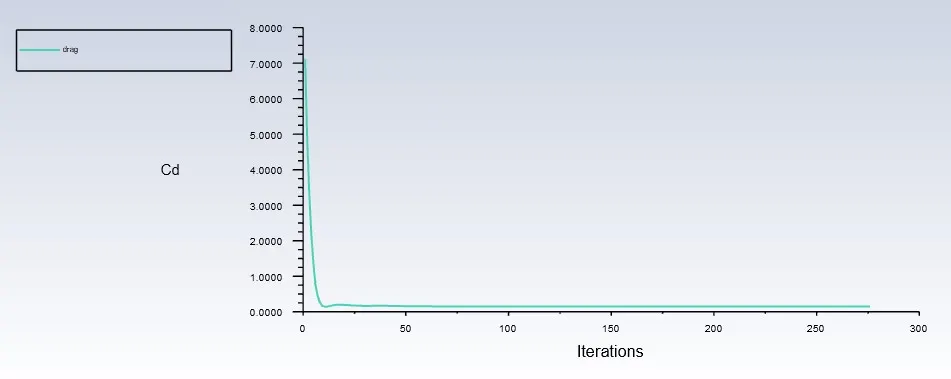
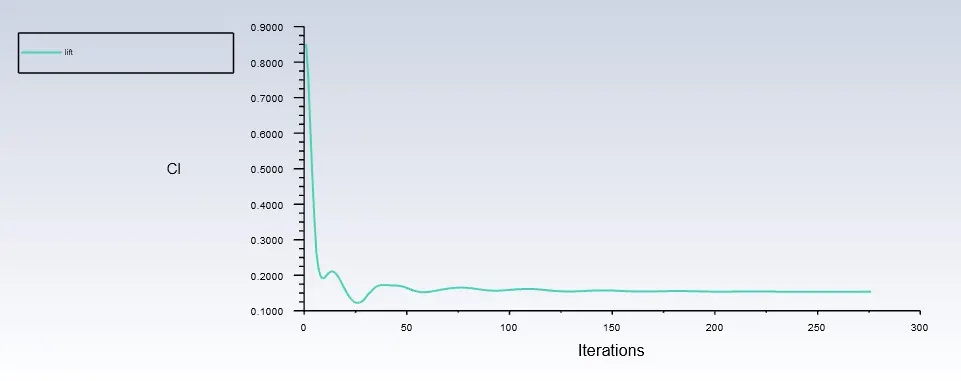
- Results