Week 10 - Simulating Combustion of Natural Gas.
AIM: Simulating Combustion of Natural Gas.
Part I: Perform a combustion simulation on the combustor model and plot the variation of the mass fraction of the different species in the simulation using line probes at different locations of the combustor
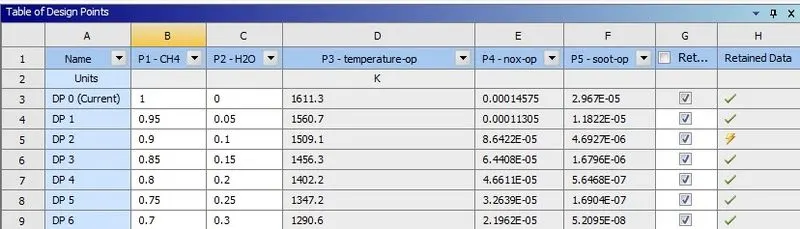
Part II: Add the water content in the fuel from 5% to 30% by mole and observe the effect of it on the results.
Introduction:
Natural gas is a non-renewable hydrocarbon used as a source of energy for heating, cooking, and electricity generation. It is also used as a fuel for vehicles and as a chemical feedstock in the manufacture of plastics and other commercially important organic chemicals.
Natural gas is an extremely important source of energy for reducing pollution and maintaining a clean and healthy environment. In addition to being a domestically abundant and secure source of energy, the use of natural gas also offers a number of environmental benefits over other sources of energy, particularly other fossil fuels. This section will discuss the environmental effects of natural gas in terms of emissions, as well as the environmental impact of the natural gas industry itself.
When we say that methane is combustible, it means that it is possible to burn it. Chemically, this process consists of a reaction between methane and oxygen. When this reaction takes place, the result is carbon dioxide (CO2), water (H2O), and a great deal of energy. Chemists would write the following to represent the combustion of methane:
CH4[g] + 2 O2[g] -> CO2[g] + 2 H2O[l] + 891 kJ
It is the cleanest of all fossil fuels, as evidenced in the Environmental Protection Agency’s data comparisons in the chart below, which is still current as of 2010. Composed primarily of methane, the main products of the combustion of natural gas are carbon dioxide and water vapour, the same compounds we exhale when we breathe. Coal and oil are composed of much more complex molecules, with a higher carbon ratio and higher nitrogen and sulfur contents. This means that when combusted, coal and oil release higher levels of harmful emissions, including a higher ratio of carbon emissions, nitrogen oxides (NOx), and sulfur dioxide (SO2). Coal and fuel oil also release ash particles into the environment, substances that do not burn but instead are carried into the atmosphere and contribute to pollution. The combustion of natural gas, on the other hand, releases very small amounts of sulfur dioxide and nitrogen oxides, virtually no ash or particulate matter, and lower levels of carbon dioxide, carbon monoxide, and other reactive hydrocarbons.
Modelling and Preparation:
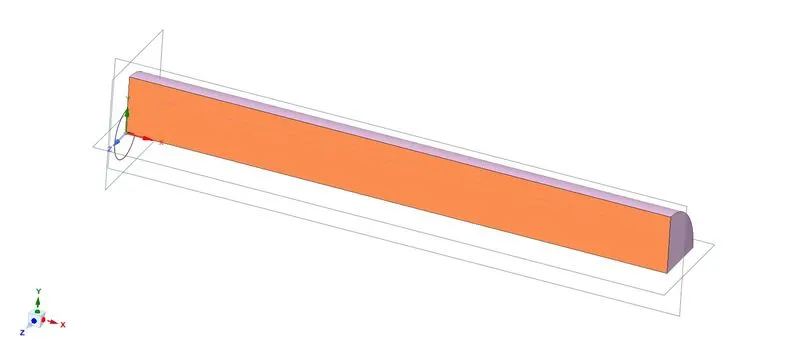
1. The geometry was imported onto the Spaceclaim.
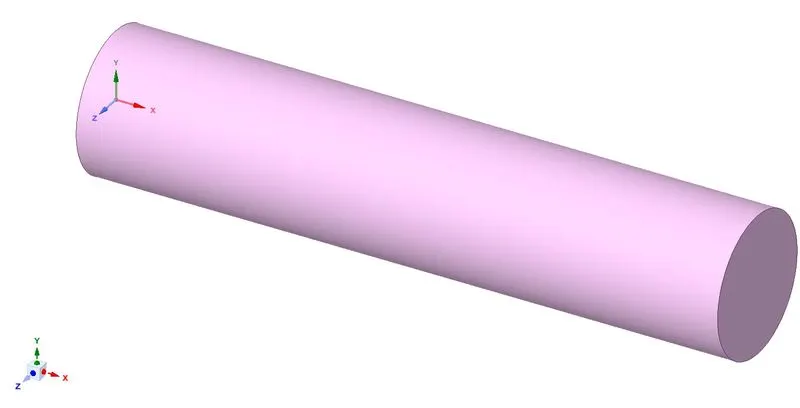
2. Planes were created and the body was split
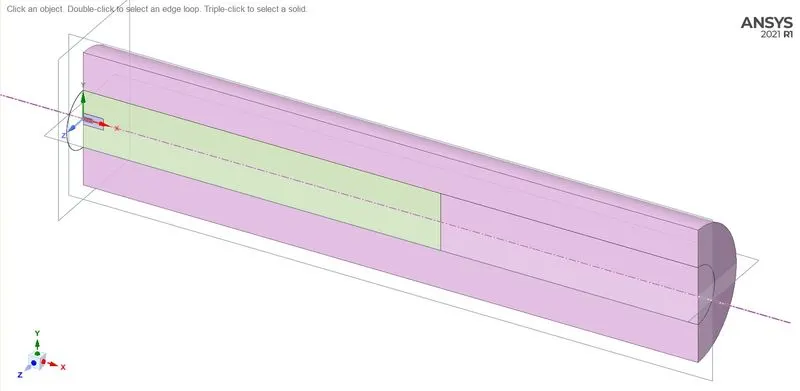
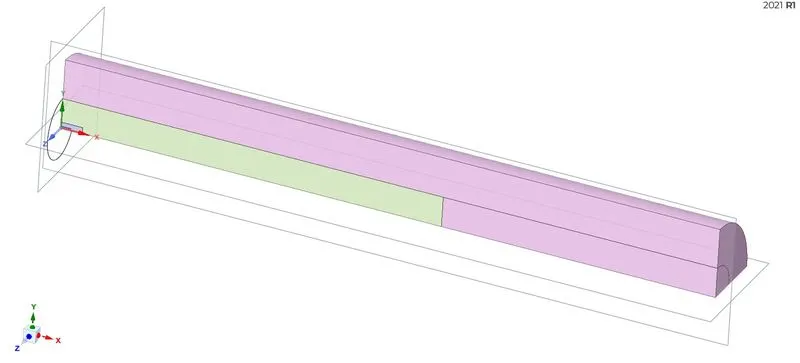
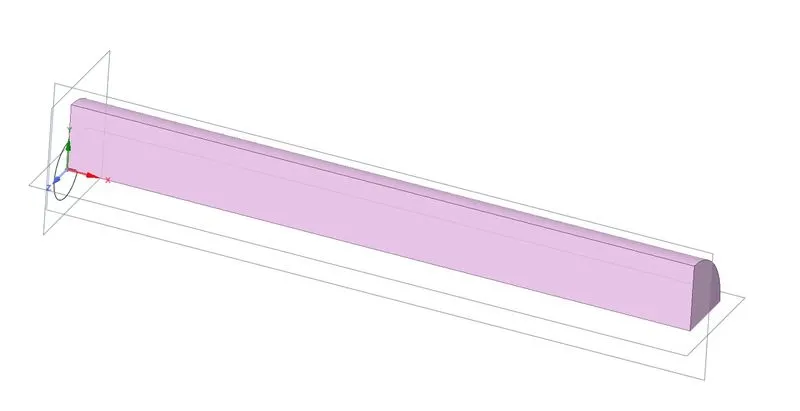
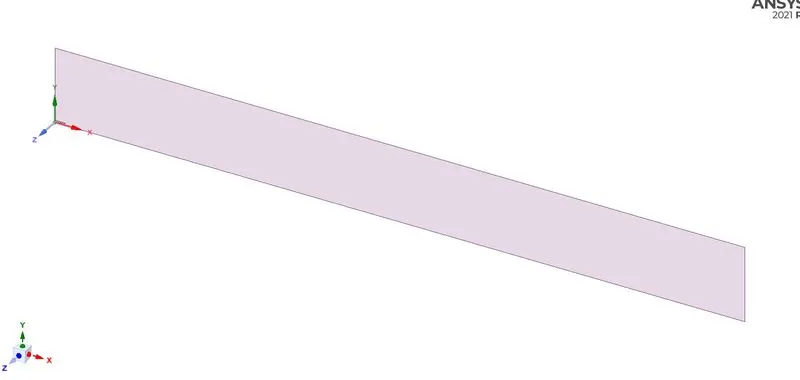
3. "Combine tool" was used to combine the parts. 4. The face was copied and a new geometry was created.

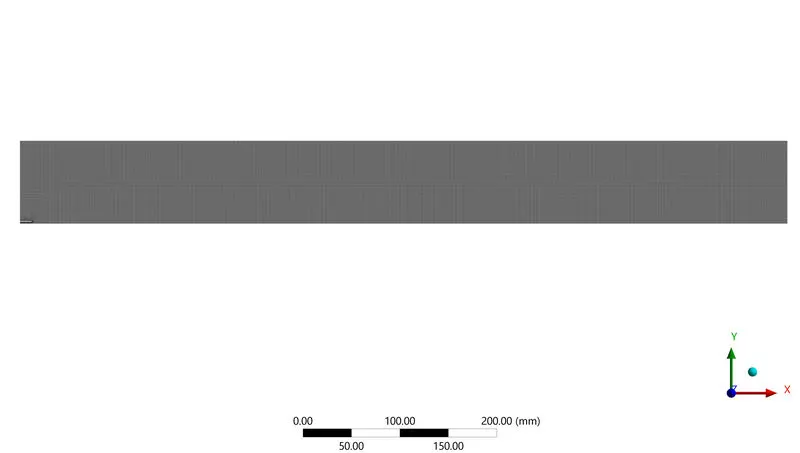
MESH:
SETUP on FLUENT:
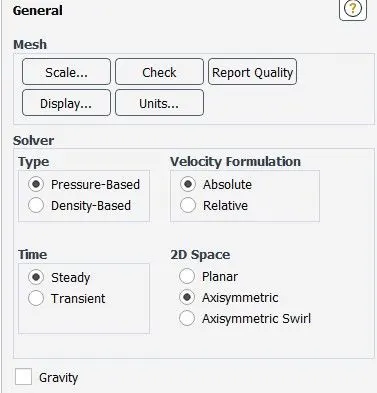
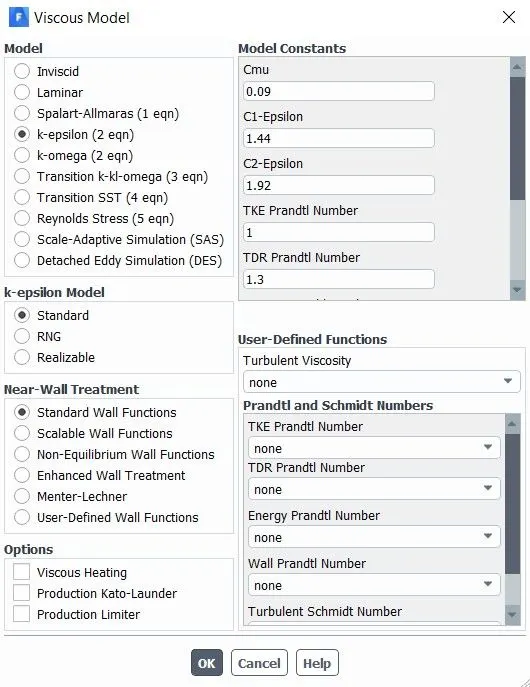
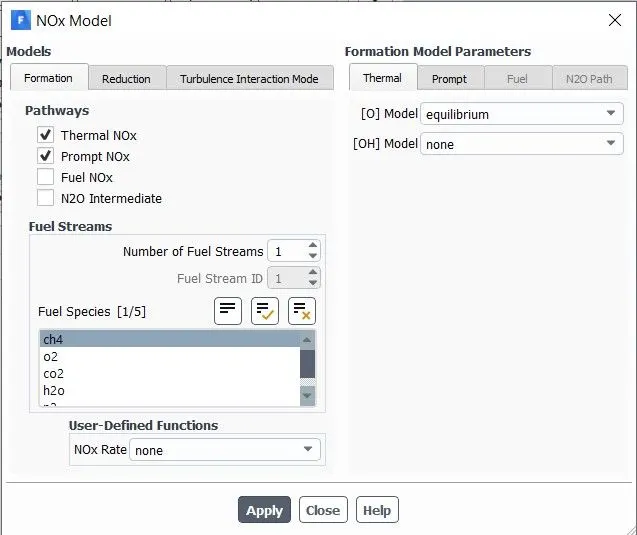
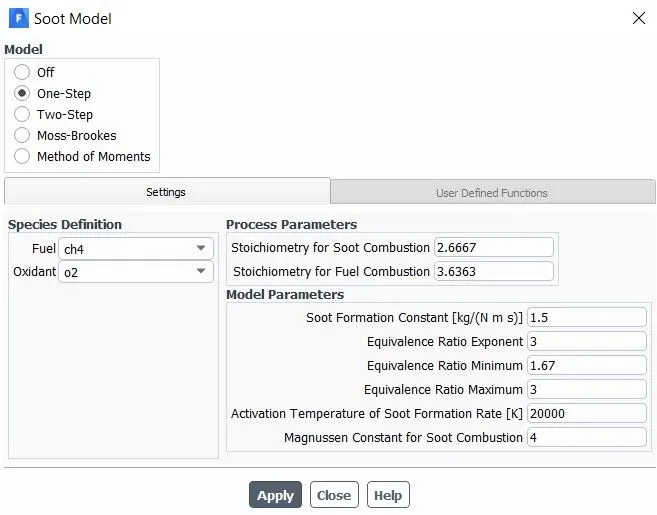
The following options were set:
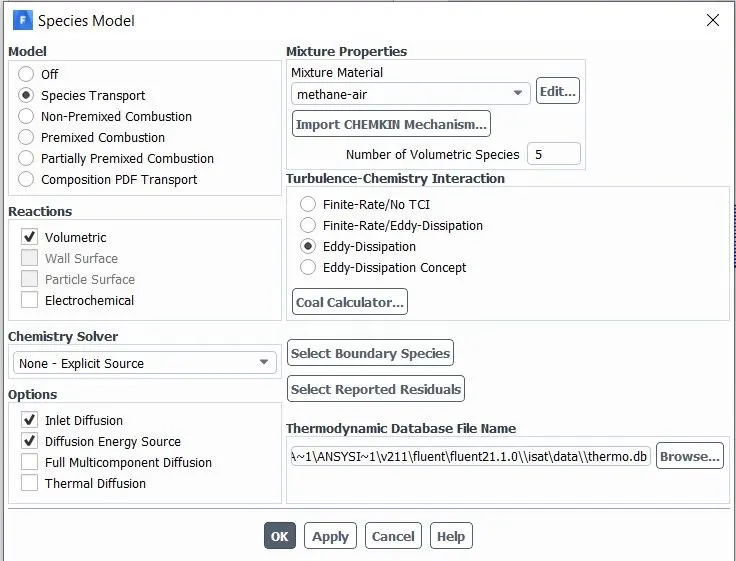
Species Model:
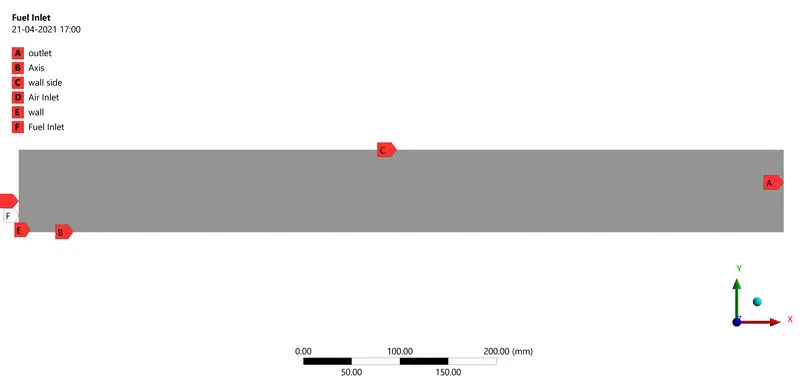
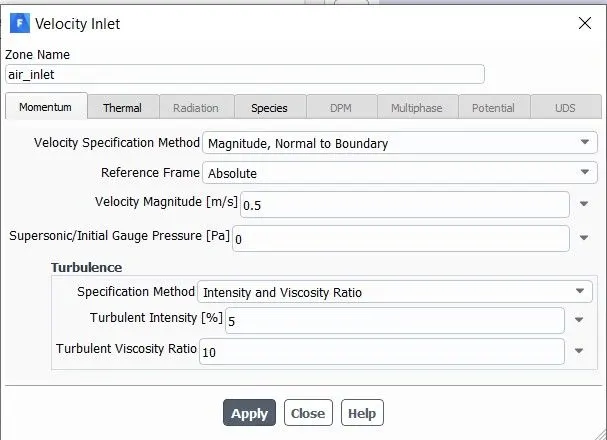
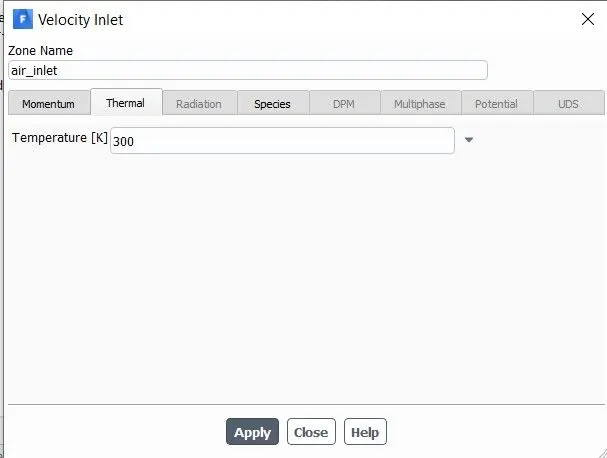
Boundary Conditions:
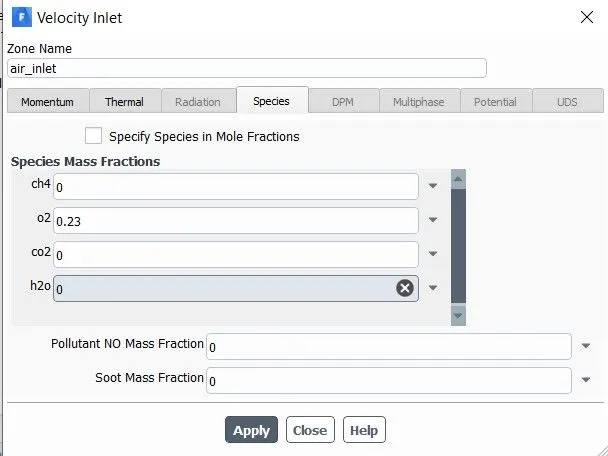
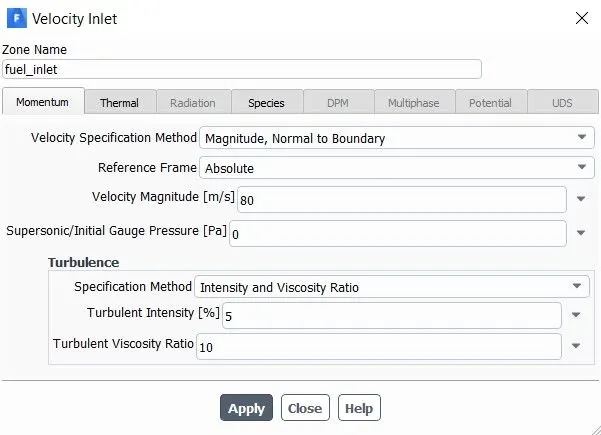
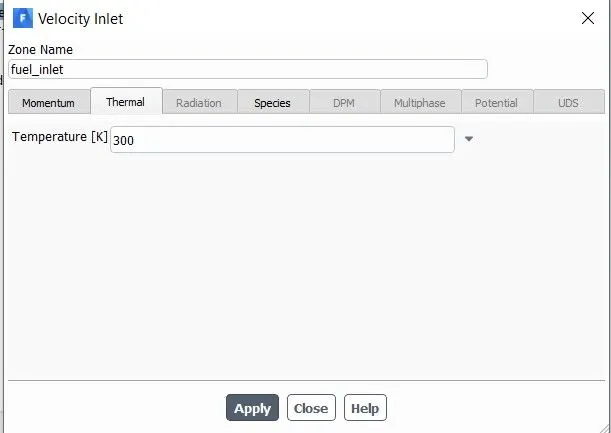
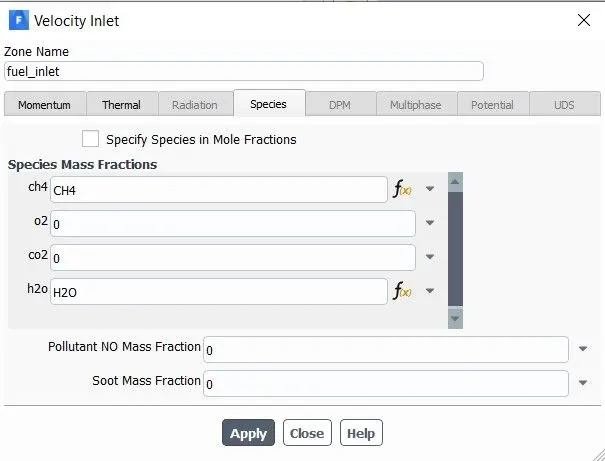
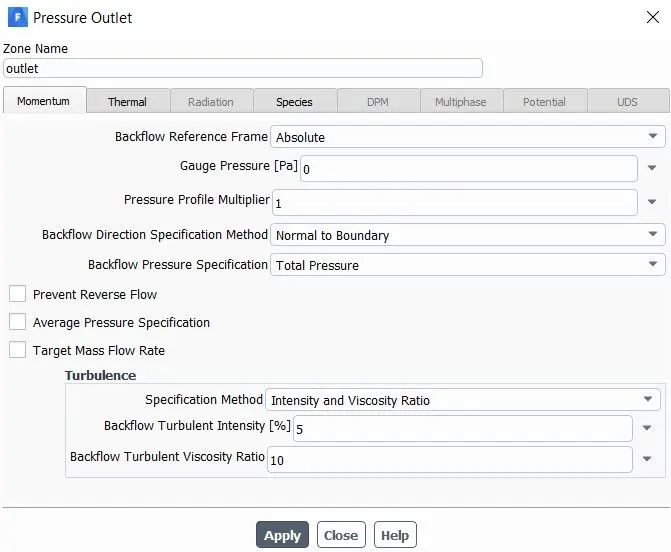
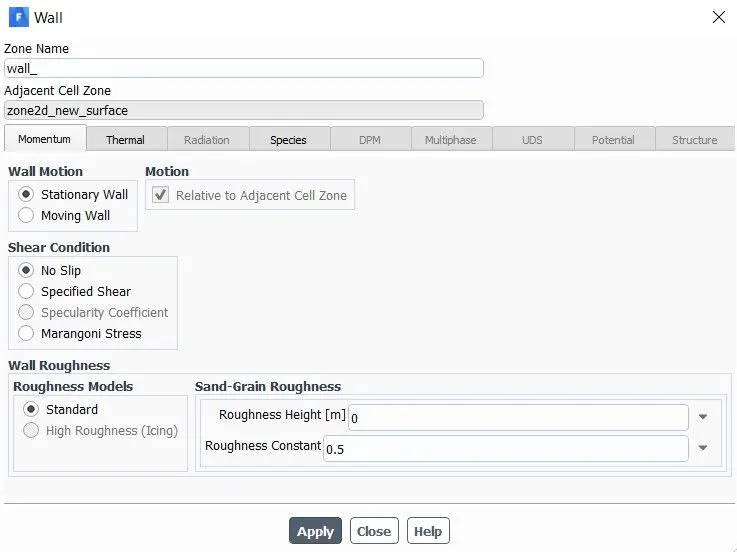
Initialised by Hybrid initialisation and solved for 500 iterations.
Results:
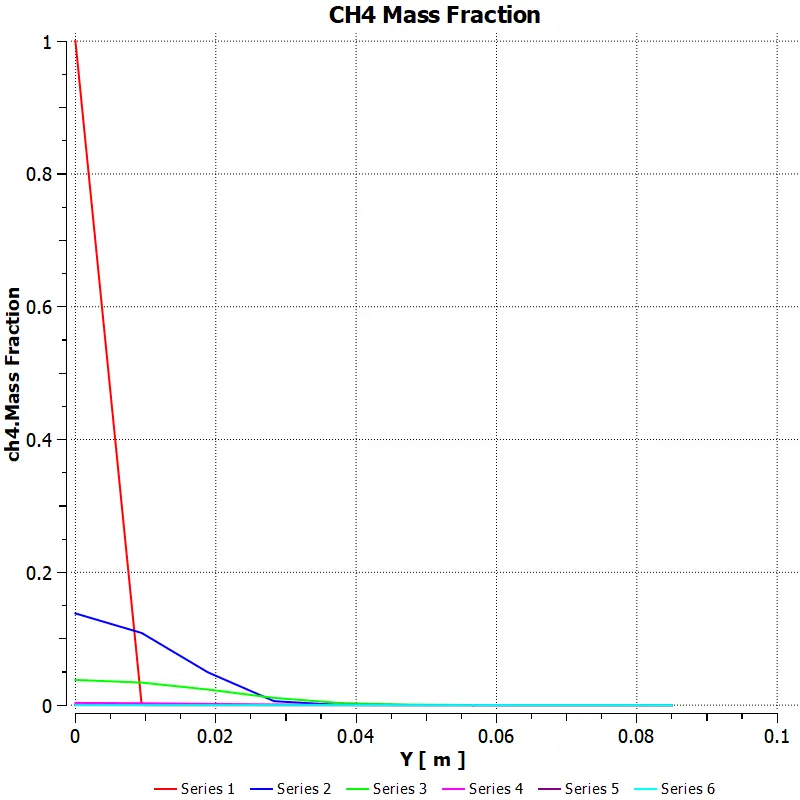
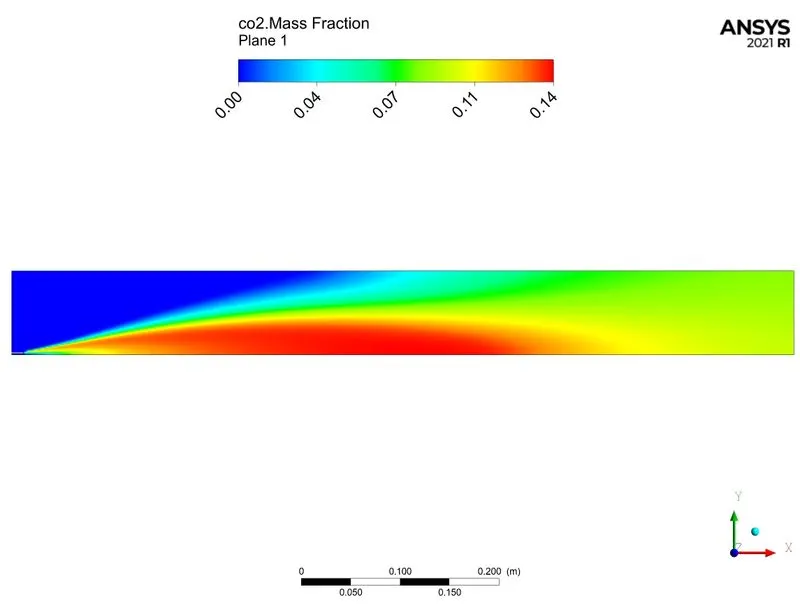
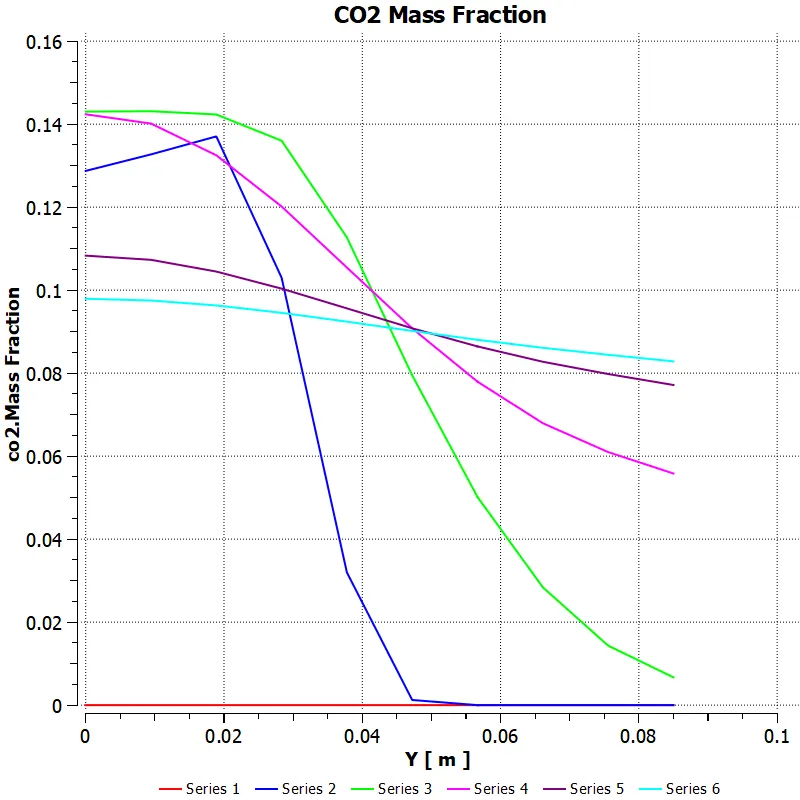
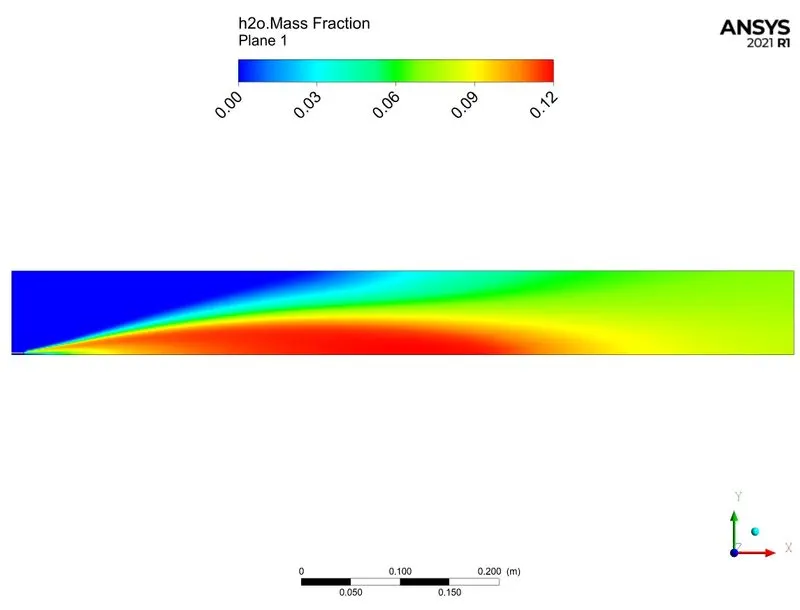
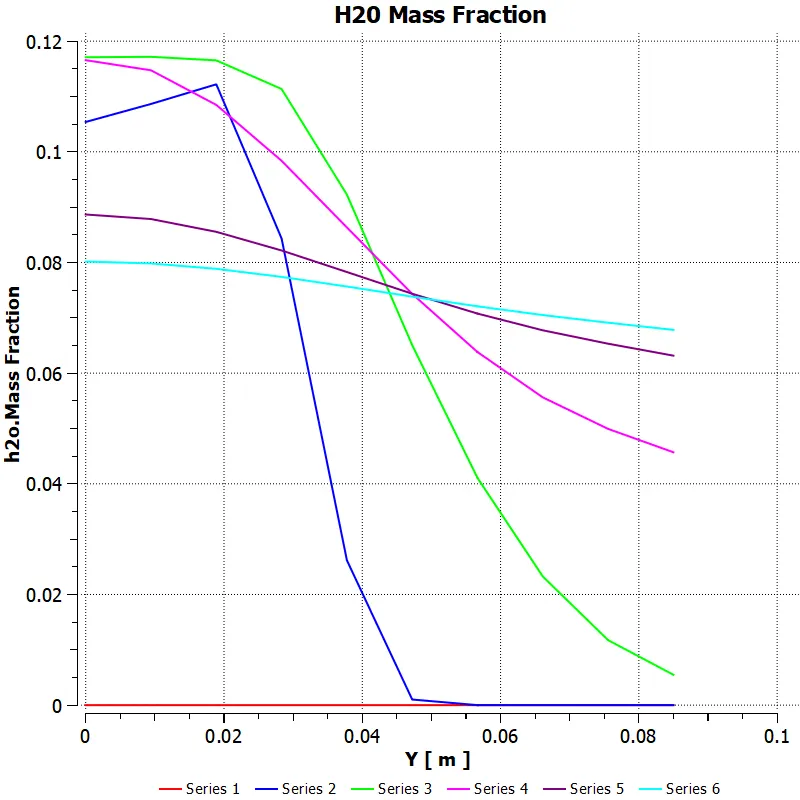
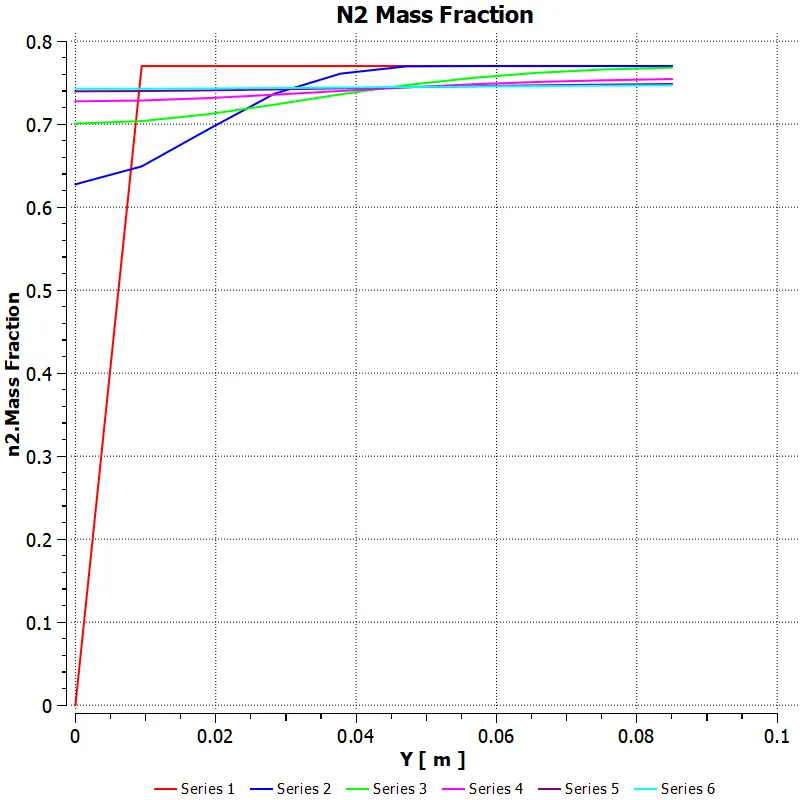
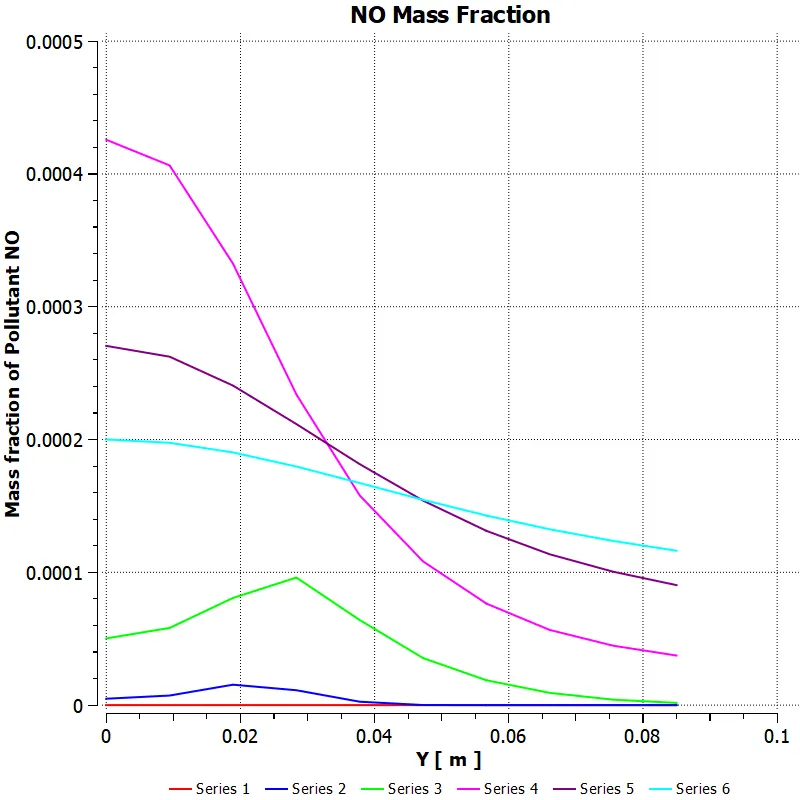
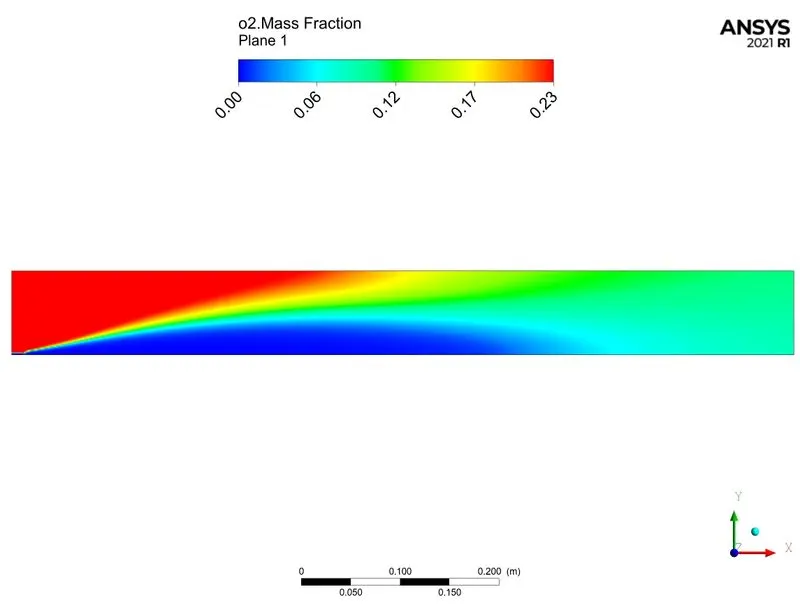
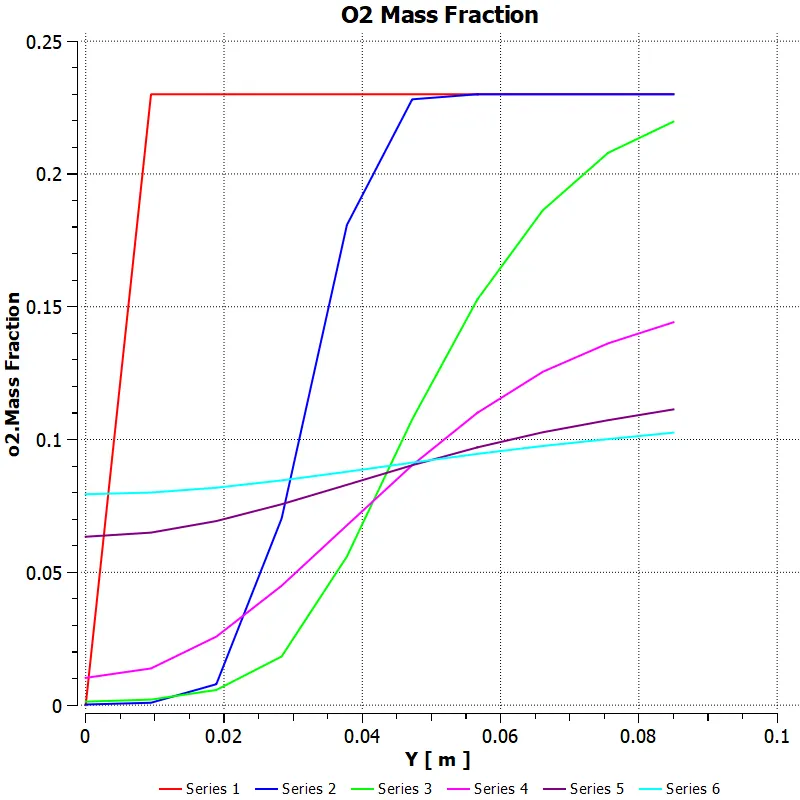
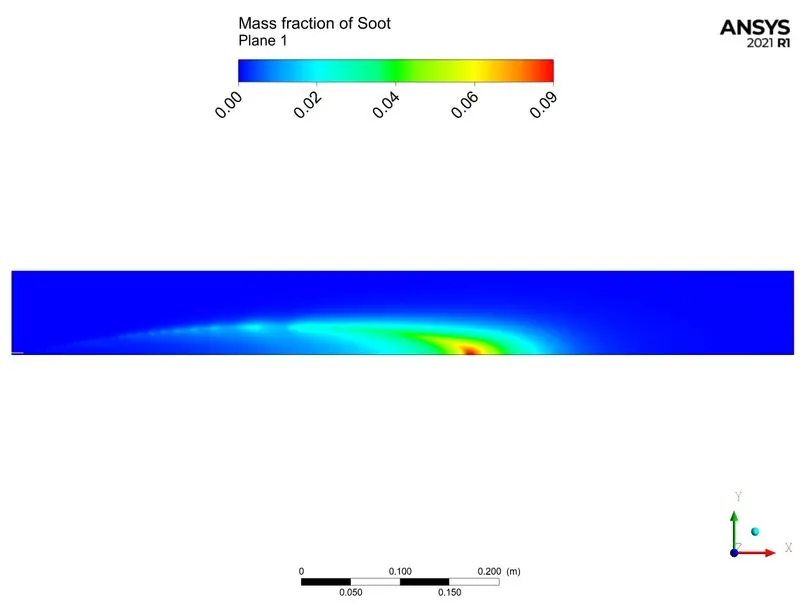
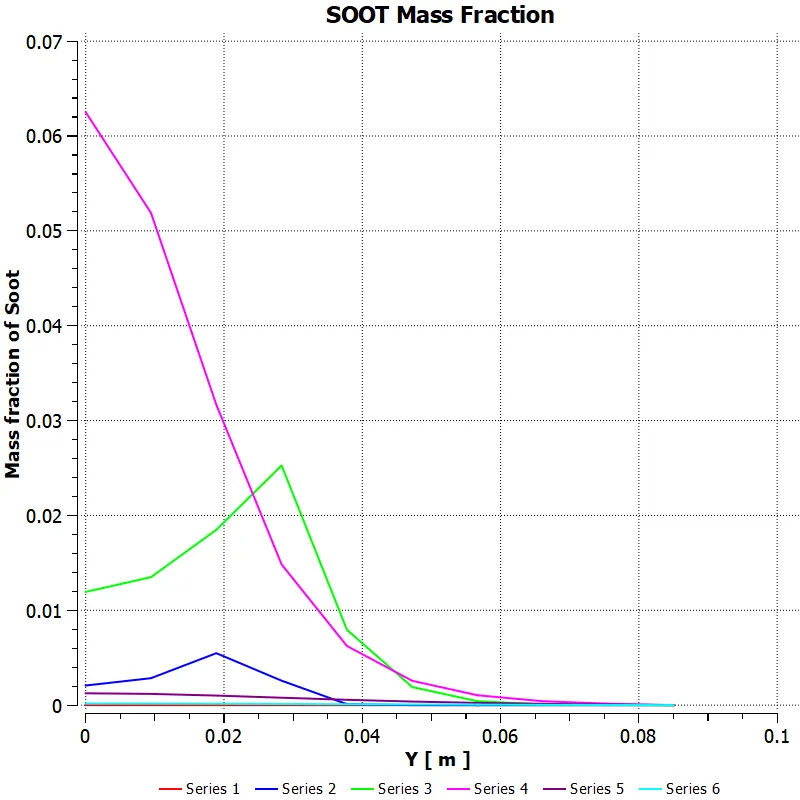
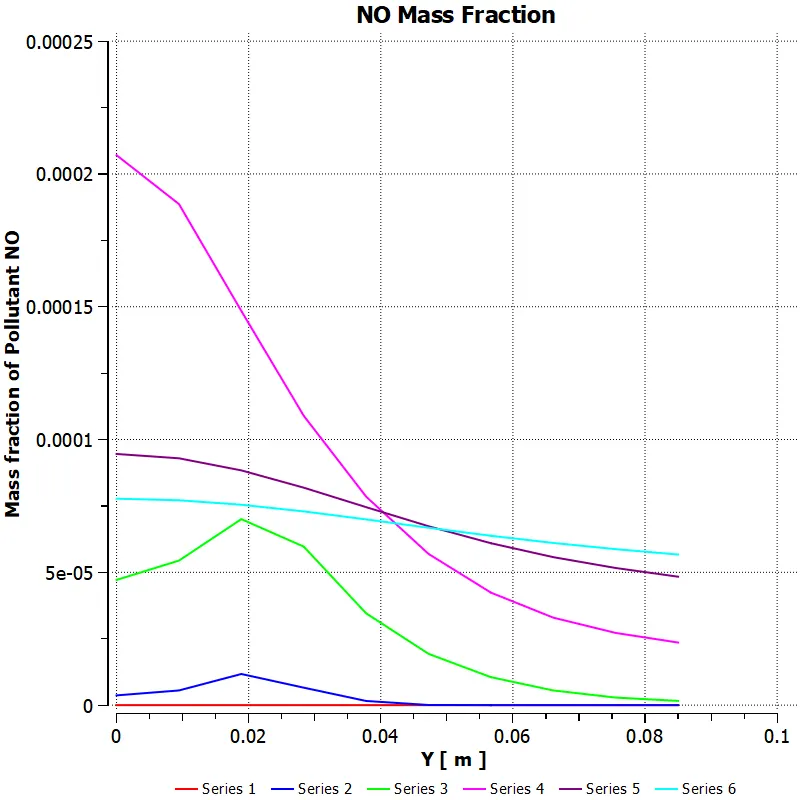
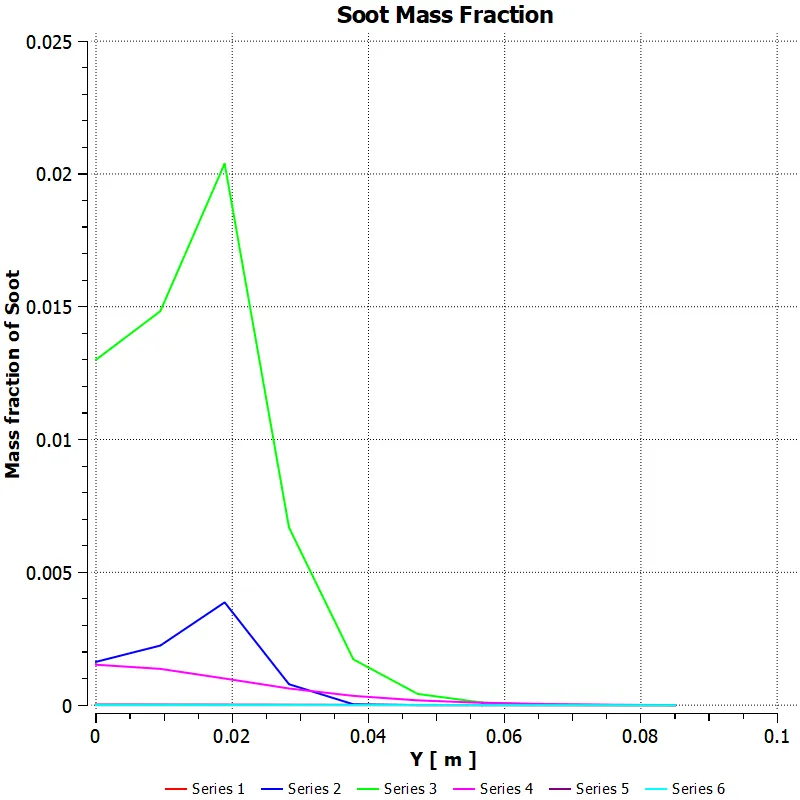
Line probes were created at 160, 320, 480, 640, 750mm

PART 1:
CH4: 1, O2: 0.23, H20: 0:
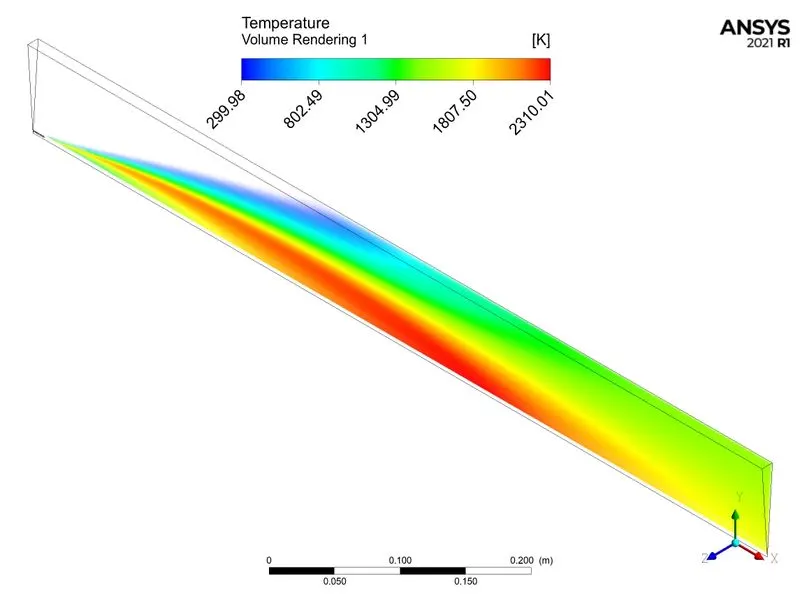
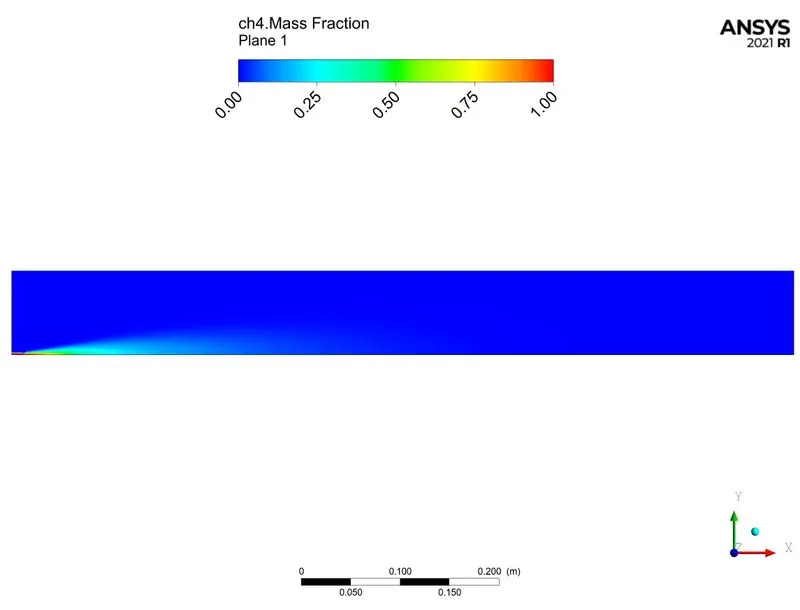
CH4:
CO2:
H2O:
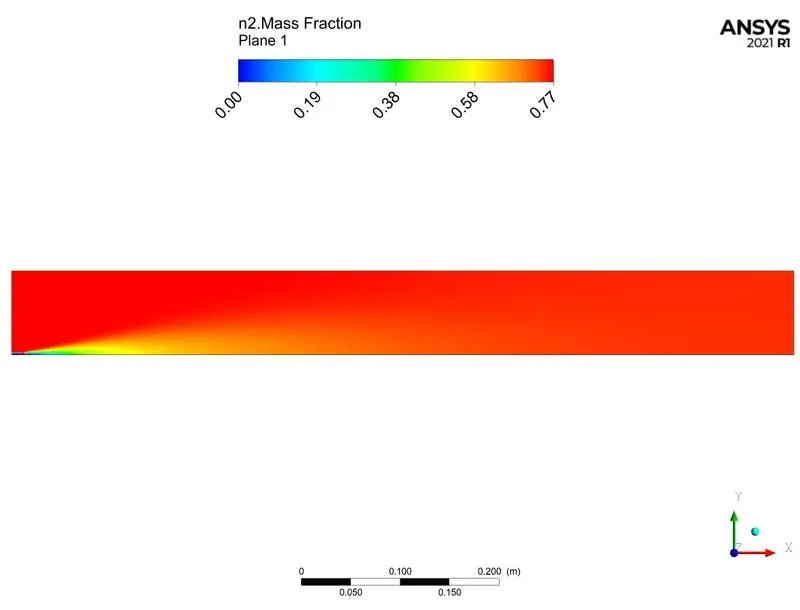
N2:
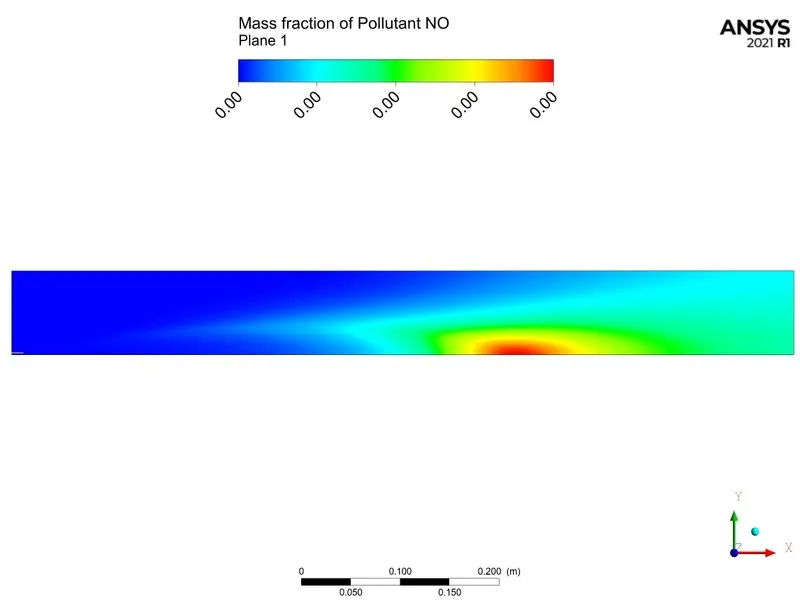
NOx:
O2:
Soot:
PART 2:
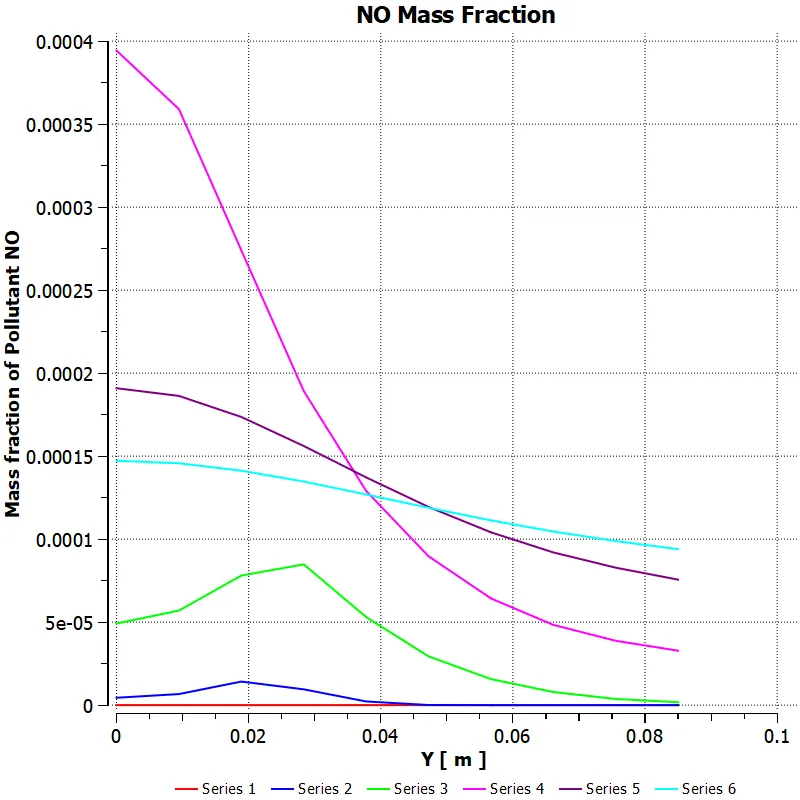
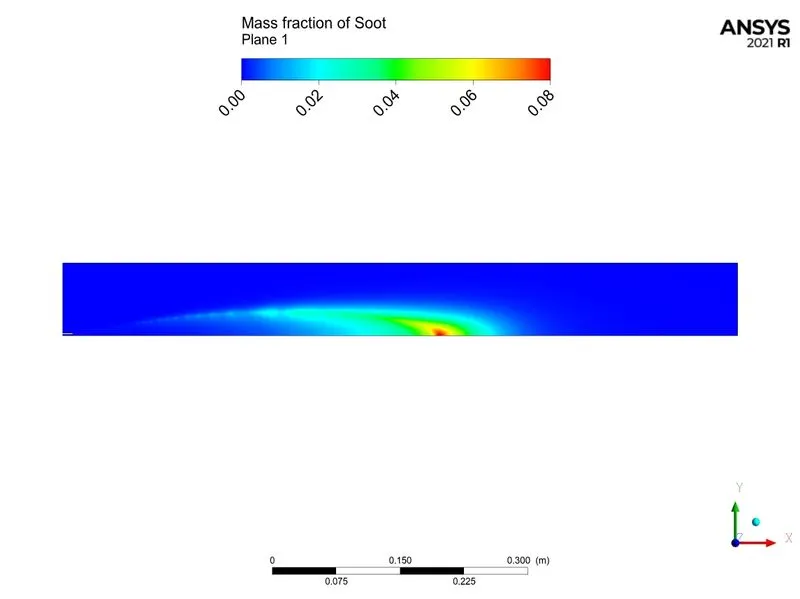
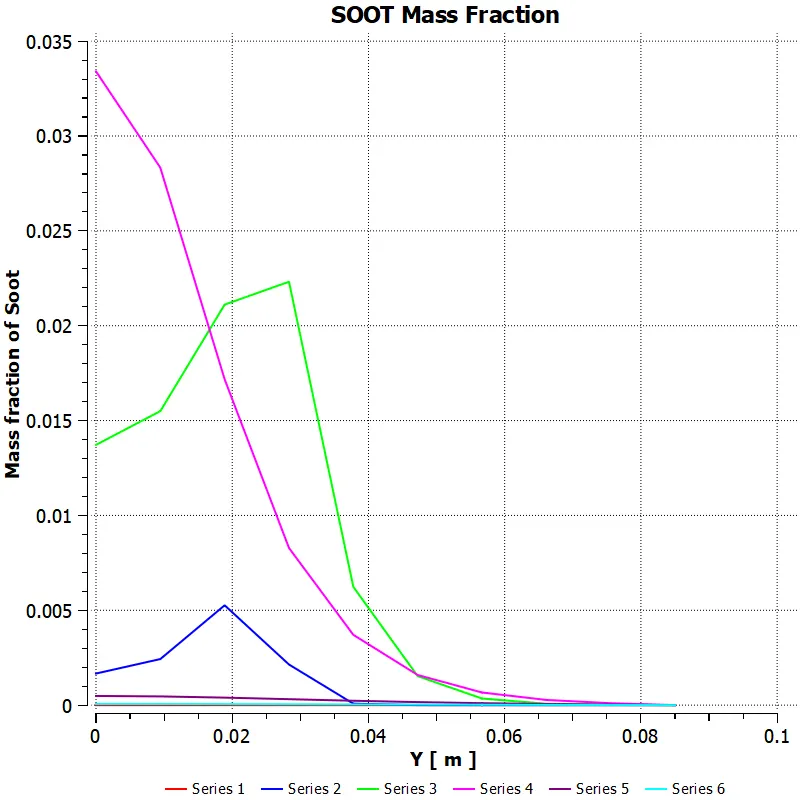
1. 5% H2O:
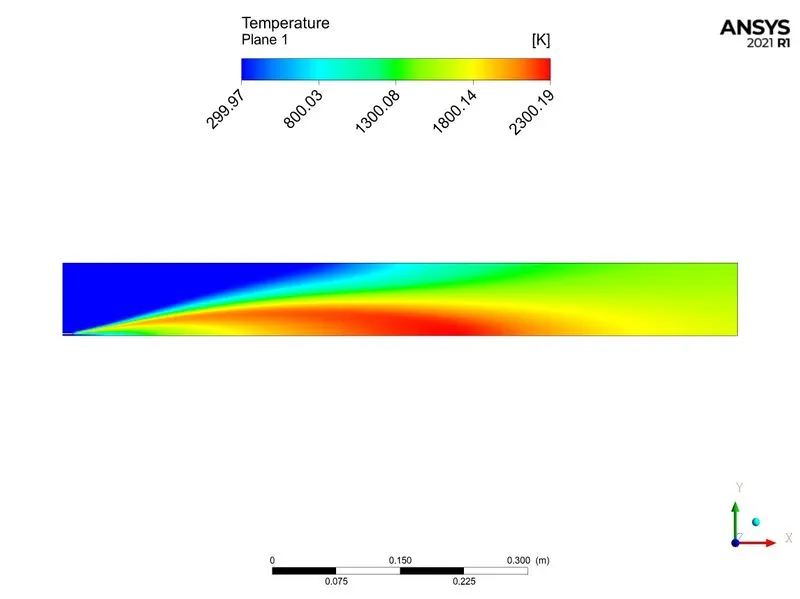
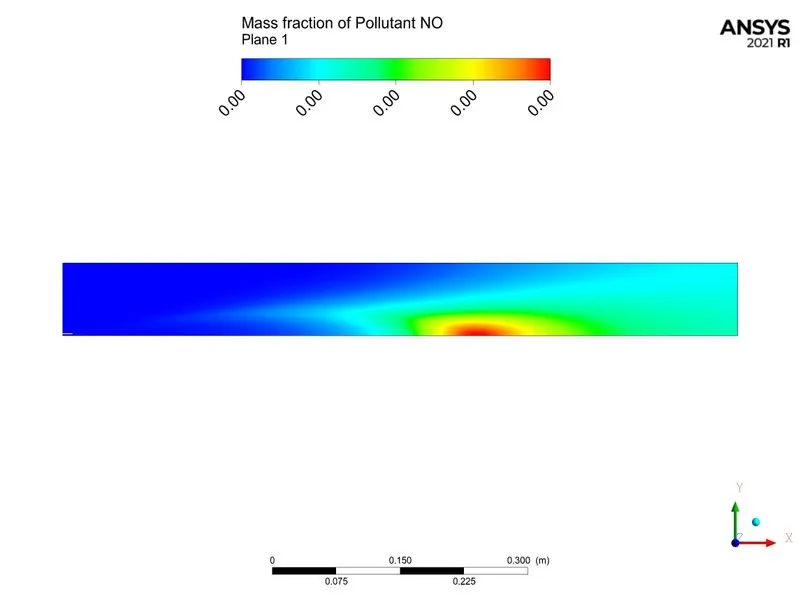
NOx:
Soot:
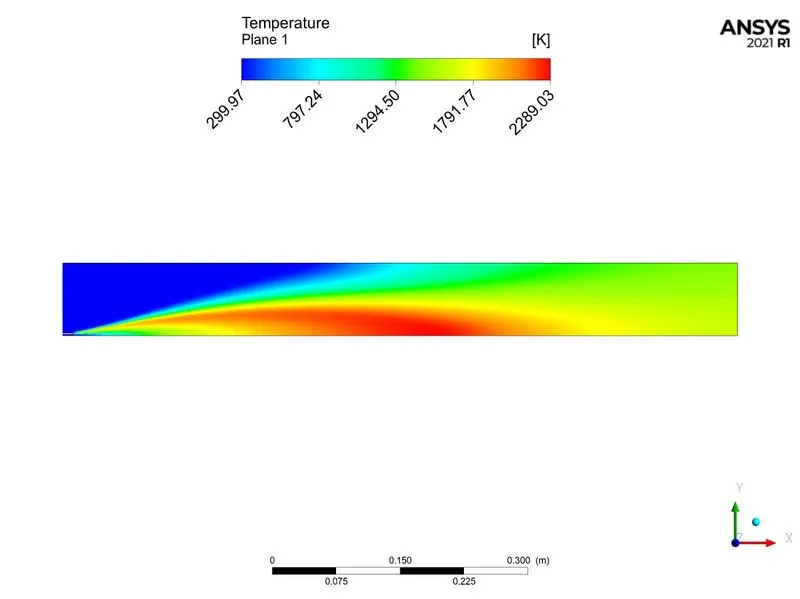
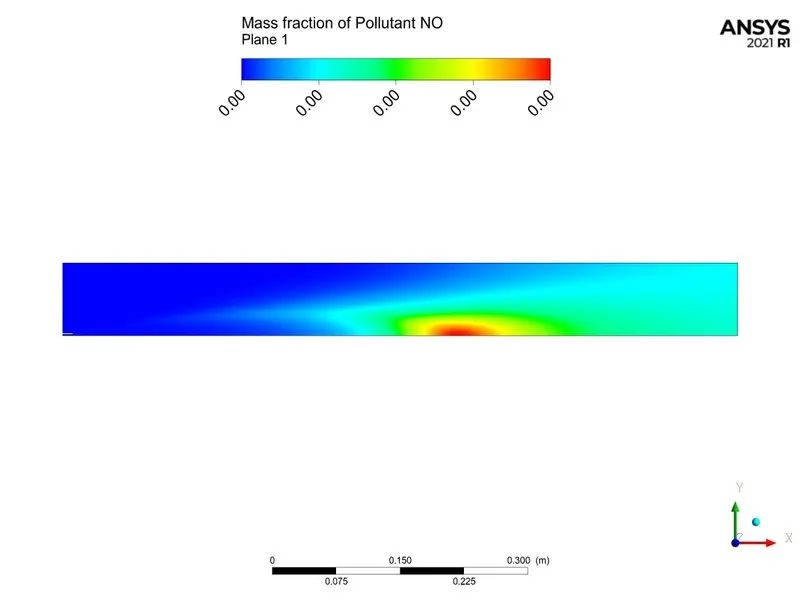
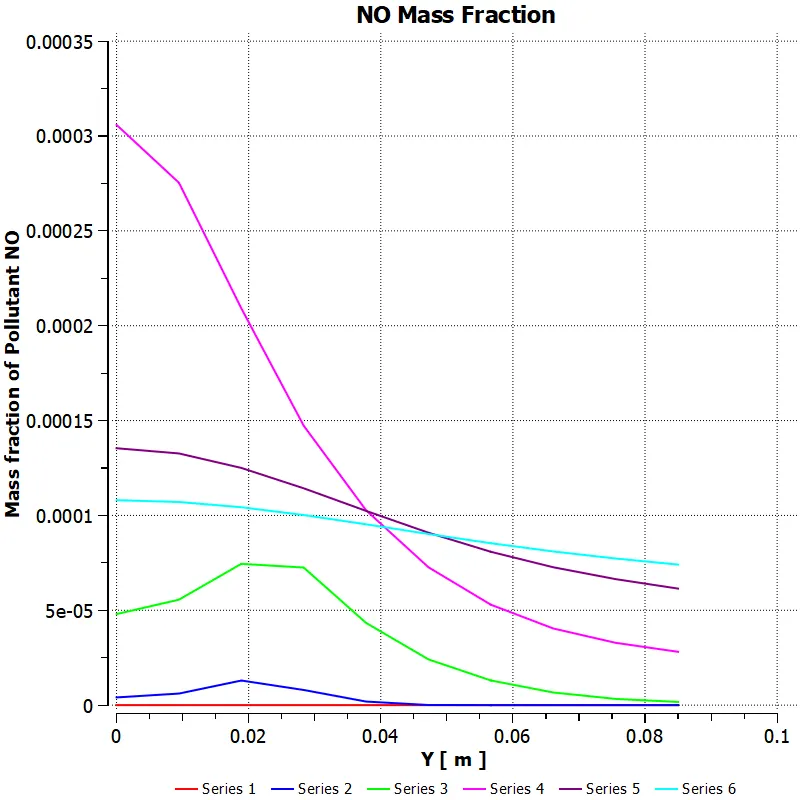
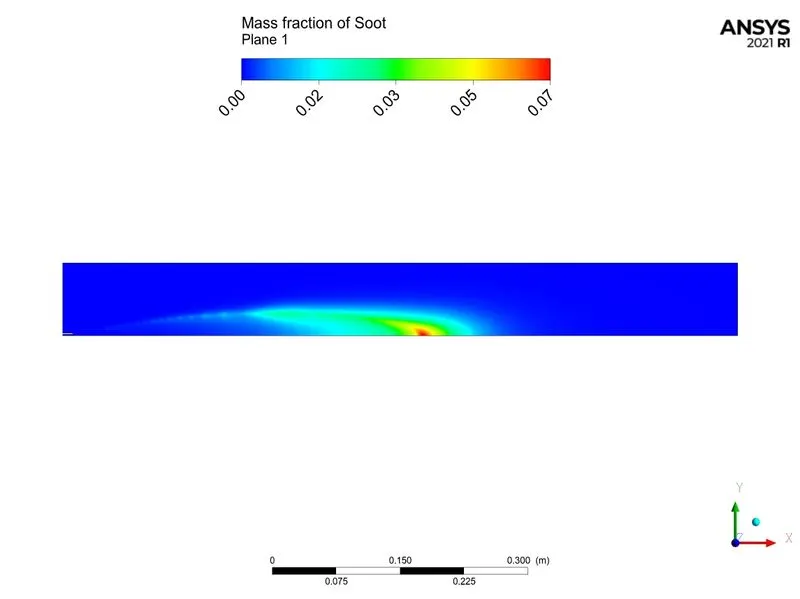
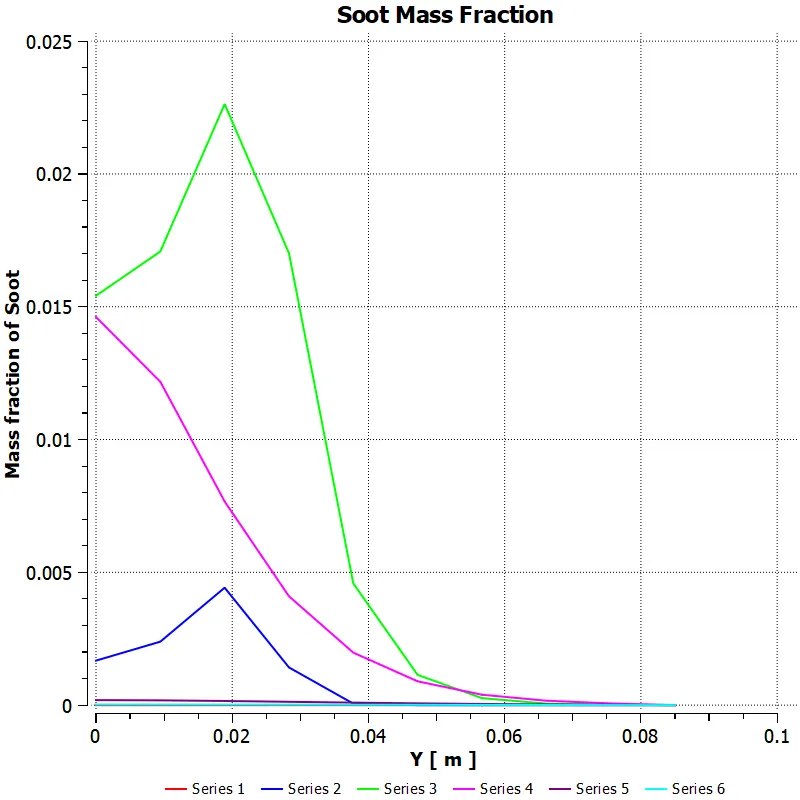
2. 10% H2O:
NOx:
Soot:
3. 15% H2O:
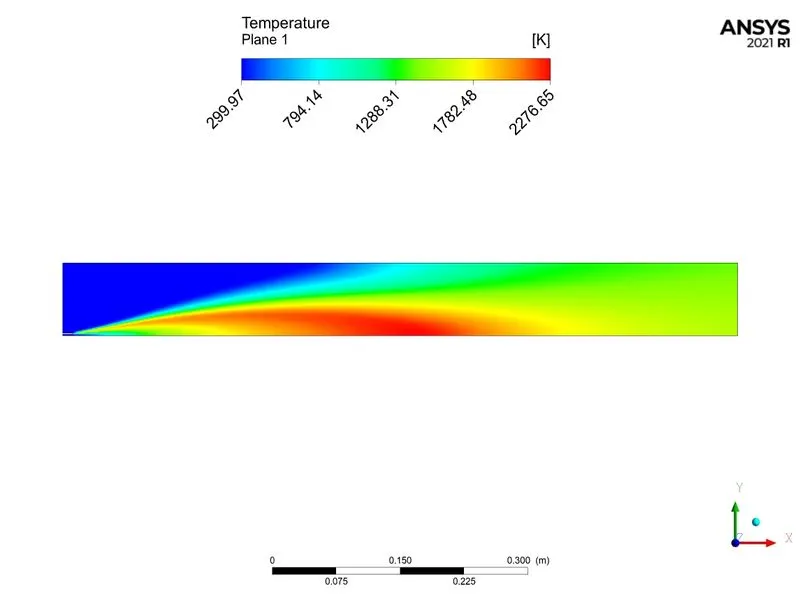
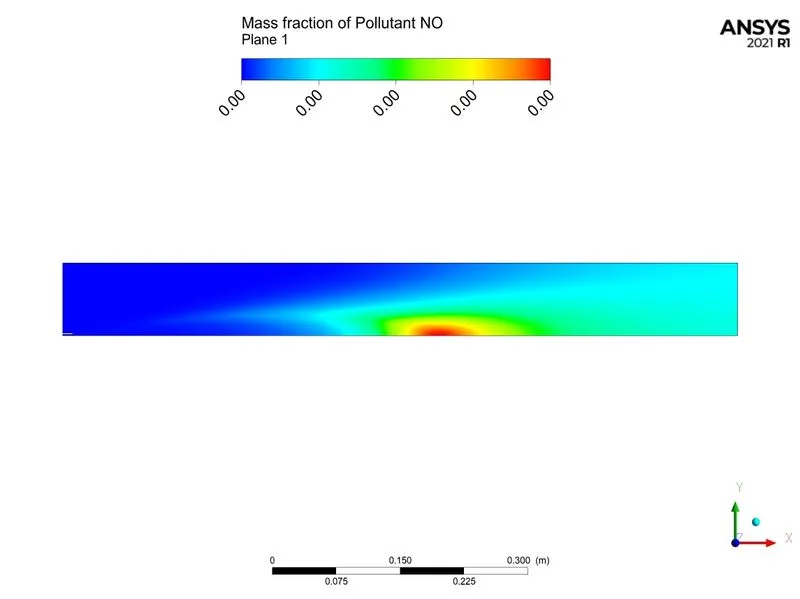
NOx:
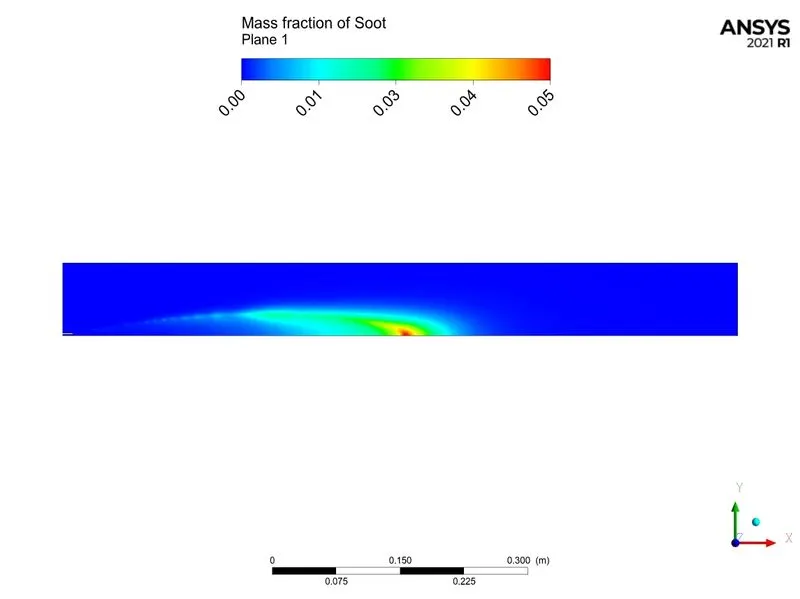
Soot:
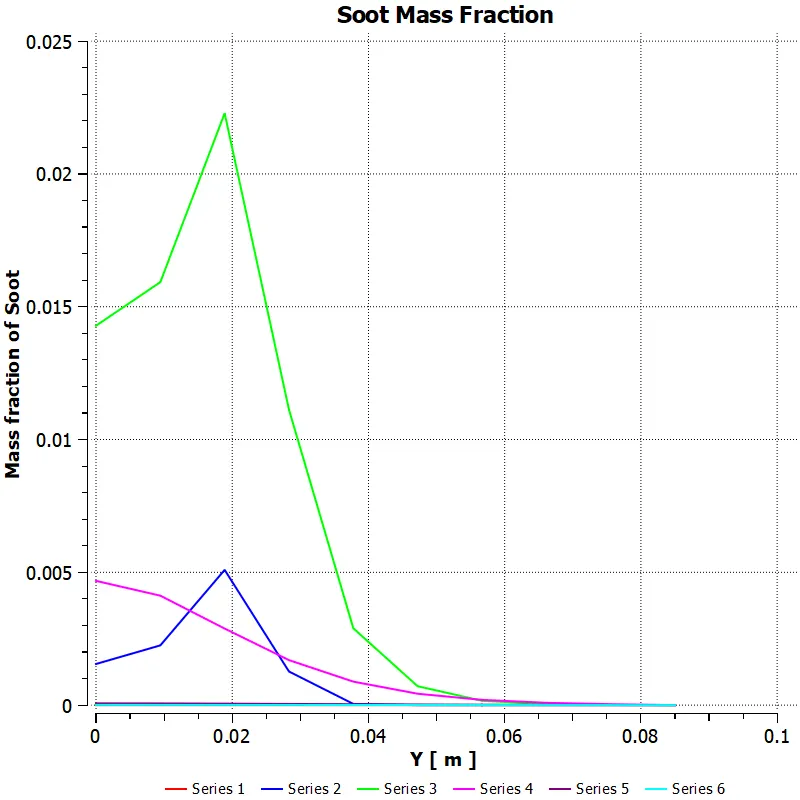
4. 20% H2O:
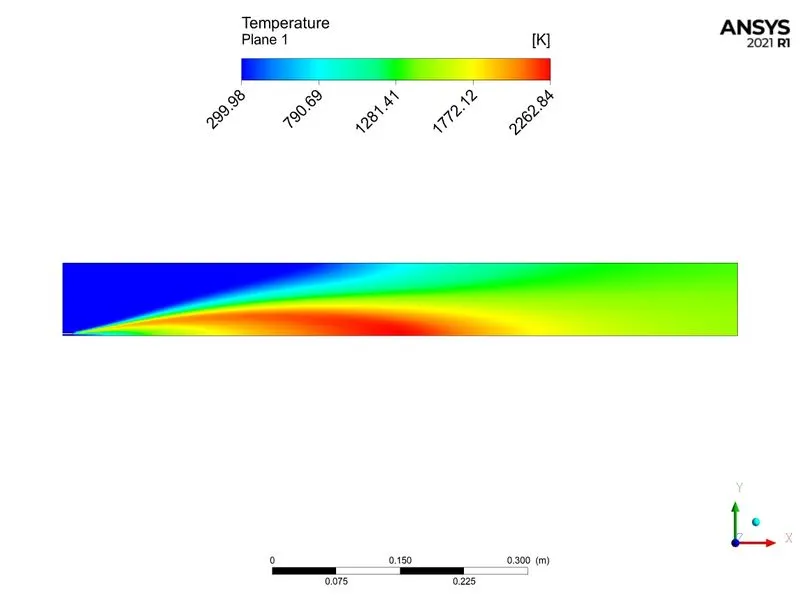
NOx:
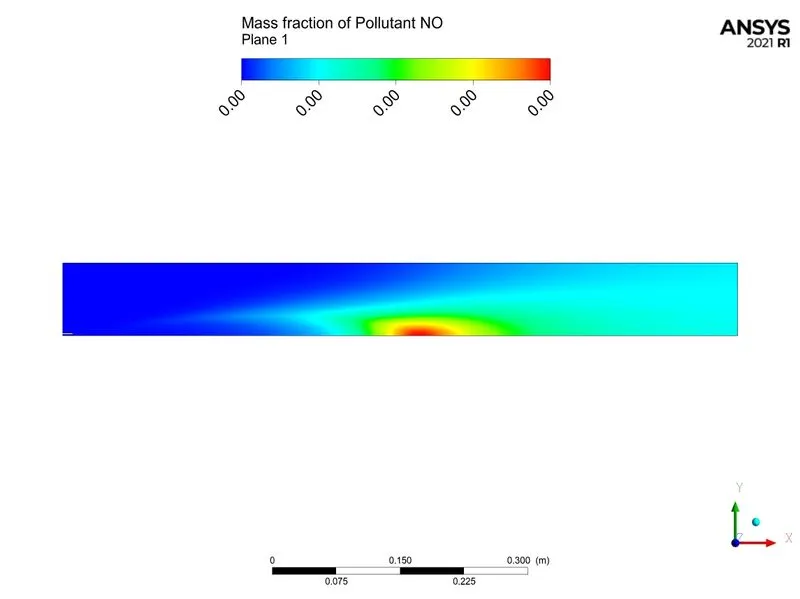
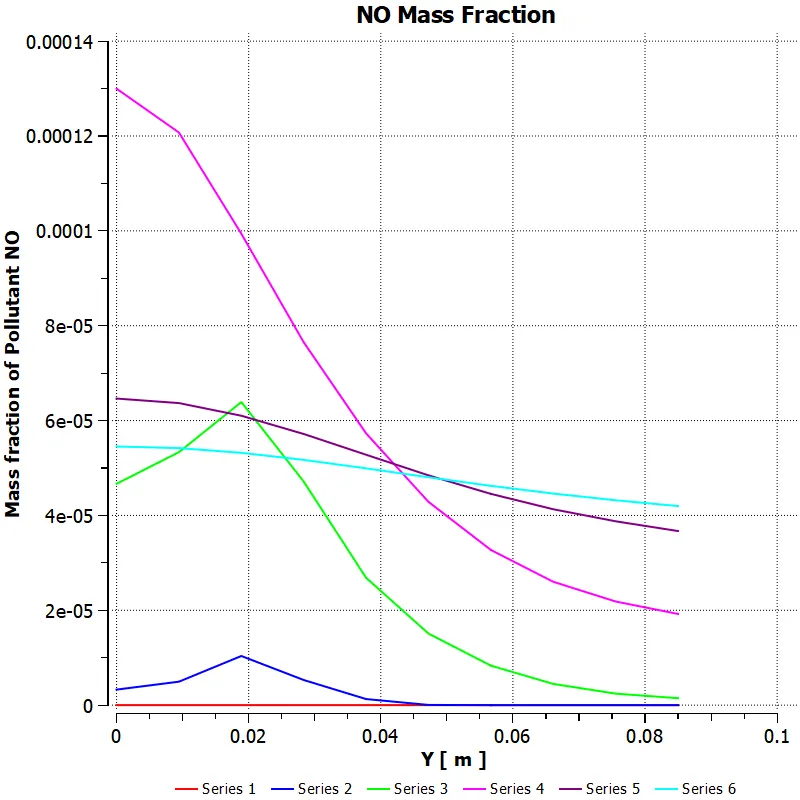
Soot:
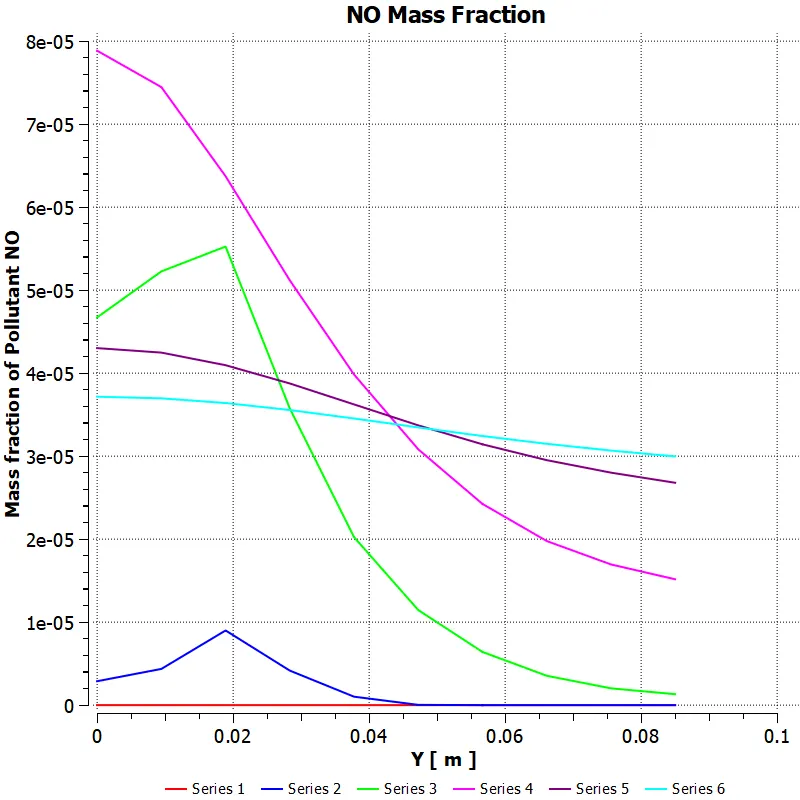
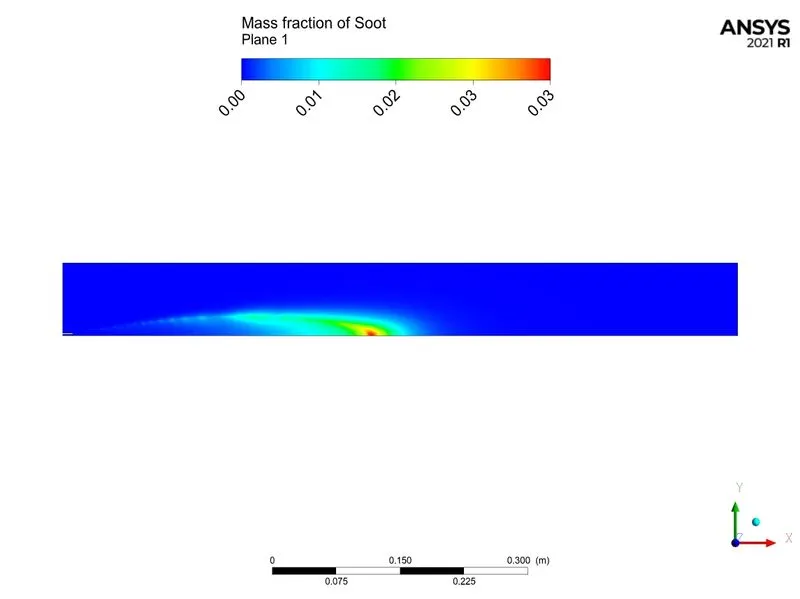
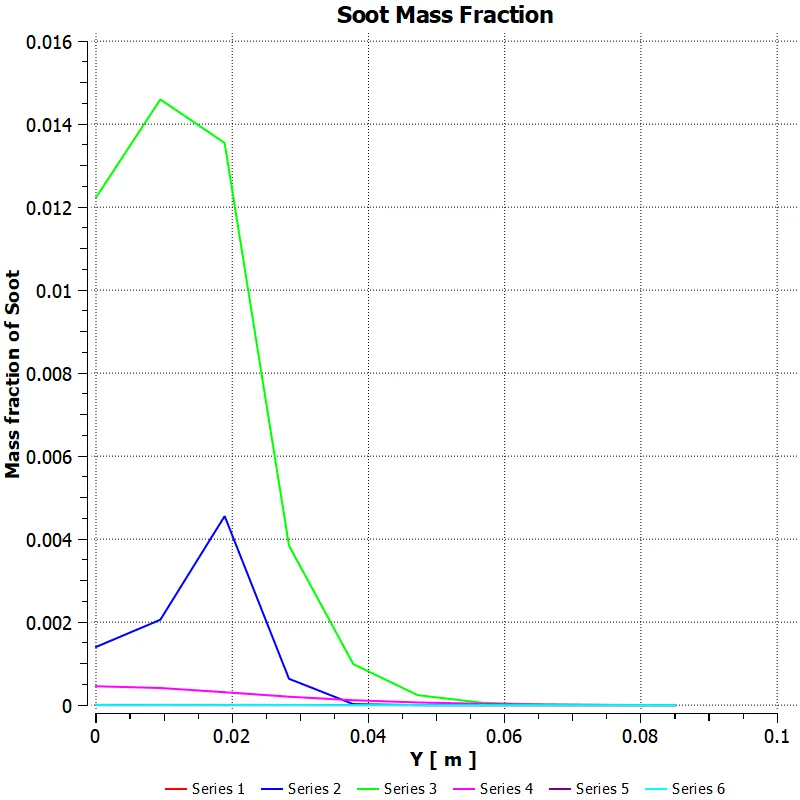
5. 25% H2O:
NOx:
Soot:
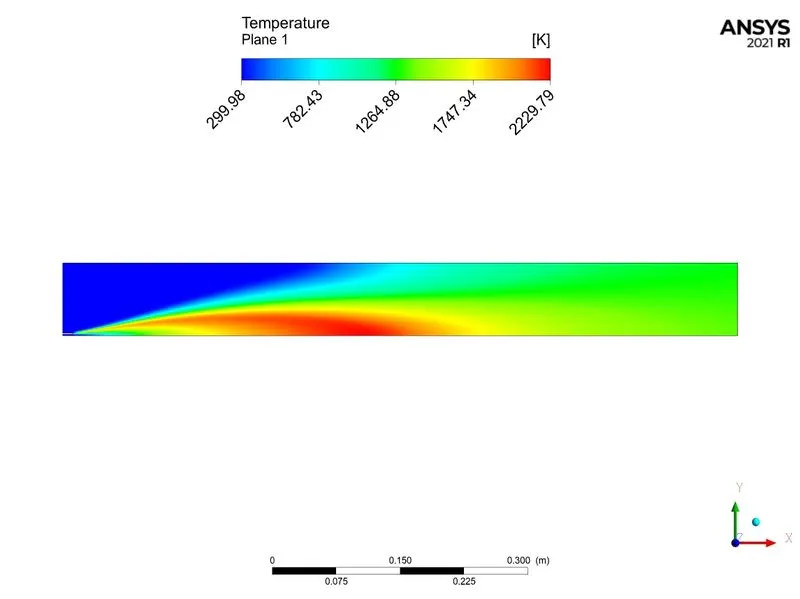
6. 30% H2O:
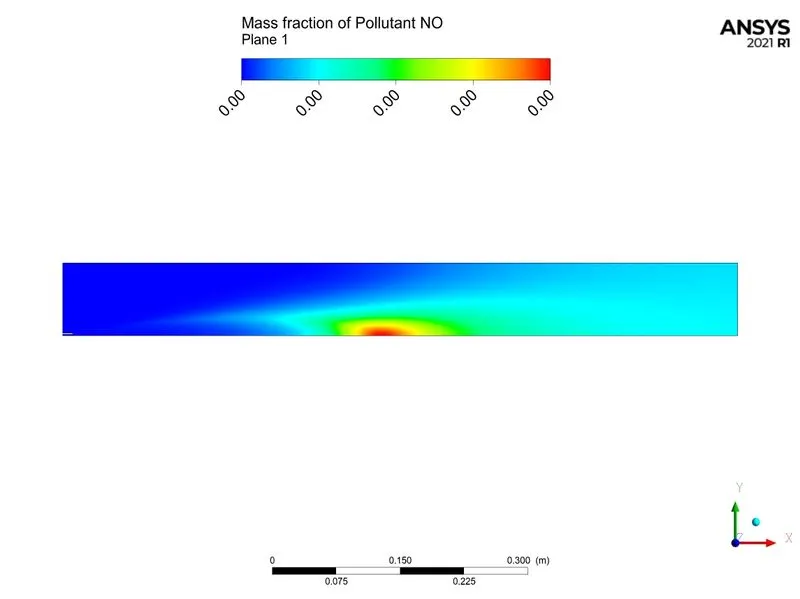
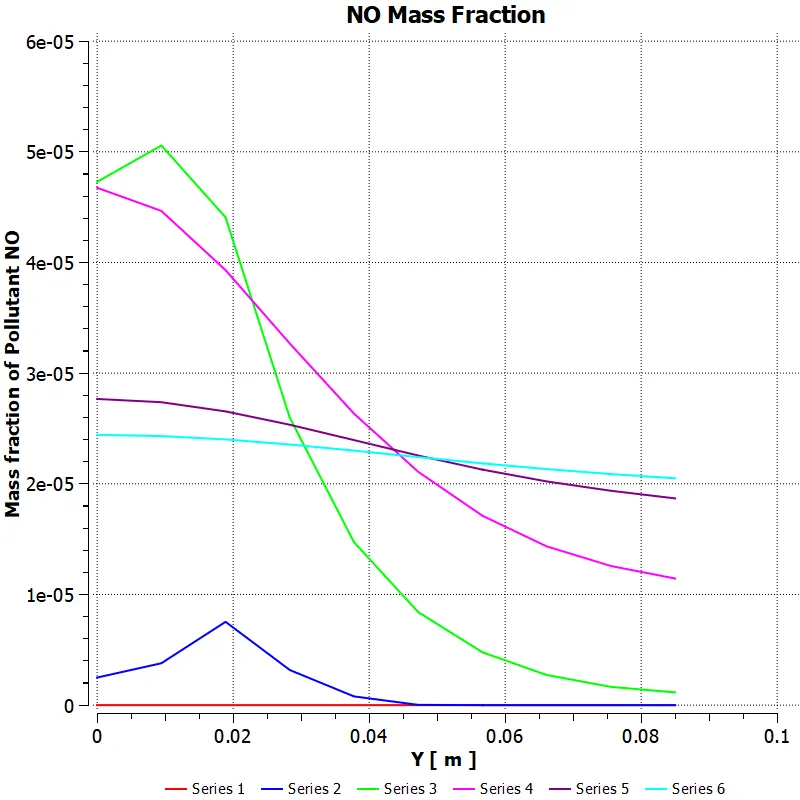
NOx:
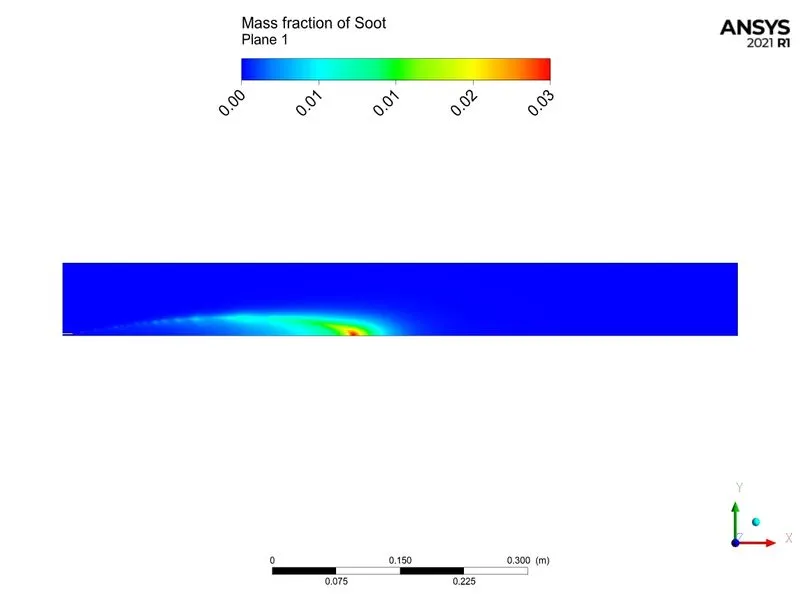
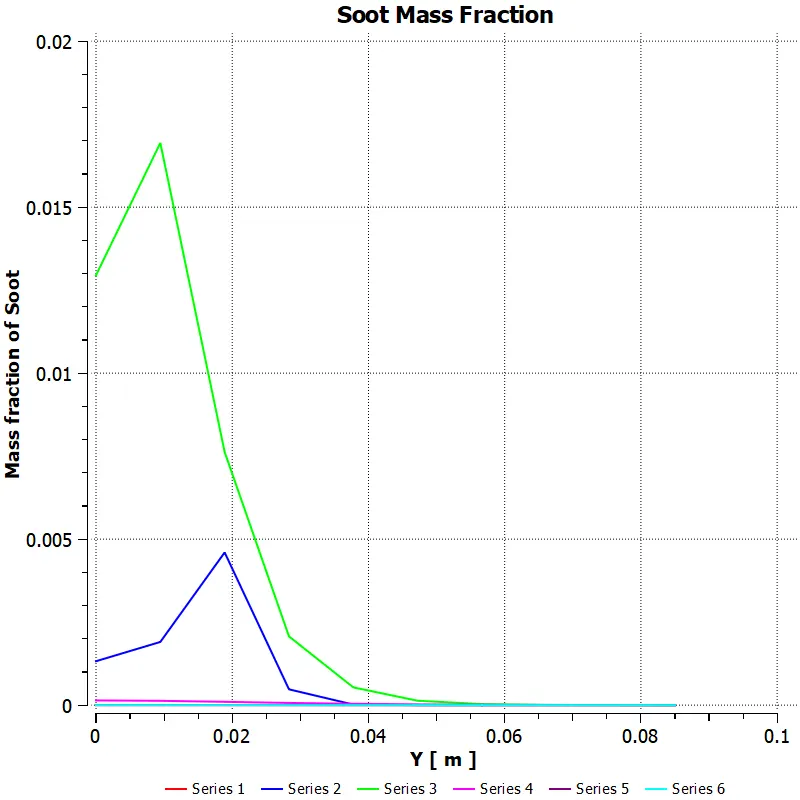
Soot:
Conclusion:
1. Since the simulation is symmetrical in the radial direction, hence the computational time has been reduced by considering the 2D asymmetric model of the geometry.
2. In part one, the mass fractions of the CO2, H2O, CH4, N2, O2, NOx emissions & Soot formation were studied with CH4 as 1, O2 as 0.23, and H2O as 0 the chemical reactants.
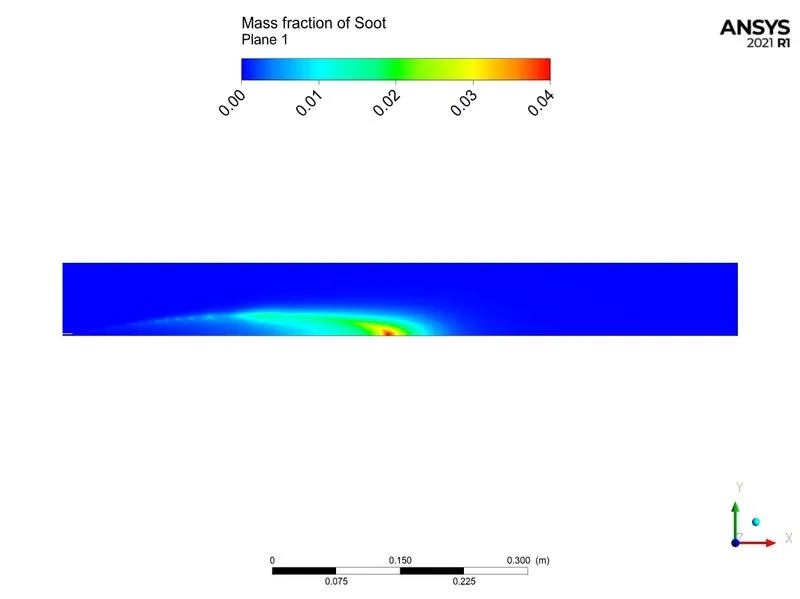
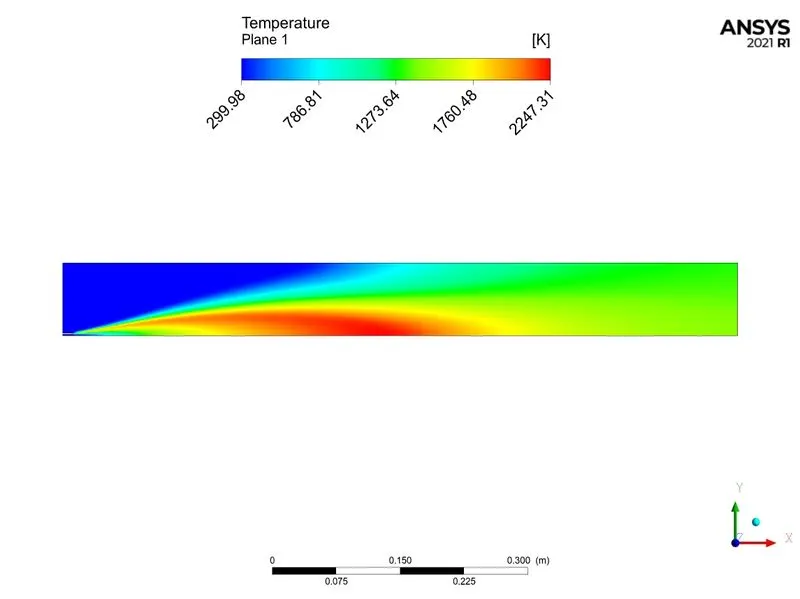
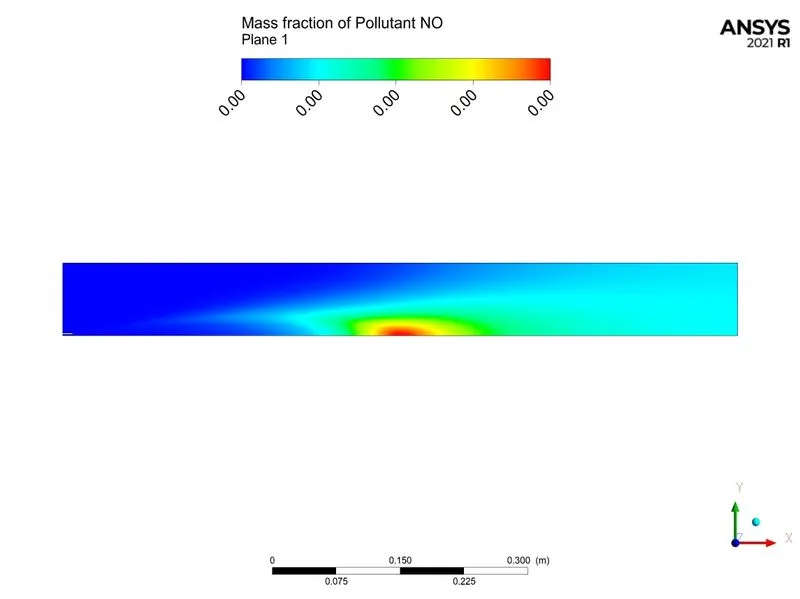
3. In part 2, the mass fractions of pollutants like NOx and Soot were studied for H2O content ranging from 5 to 30%.
4. It was noticed that by adding water to the reaction mixture, the emission of pollutants can be decreased, thus promoting a green environment.