Week 10 - Battery thermal management system
Battery Thermal Management Systems
Problem Statement:
Perform the heat transfer analysis using ANSYS-Fluent software for the cylindrical Lithium ion Battery with heat generation boundary condition. Create an enclosure and use air as the working fluid for cooling the battery back system (4 x 2).
Take air inlet temperature as 26°C and space between the batteries as 2 mm.
Property of the Lithium-ion Battery :
Nominal Voltage = 3.6 V
Nominal capacity = 2.2 A
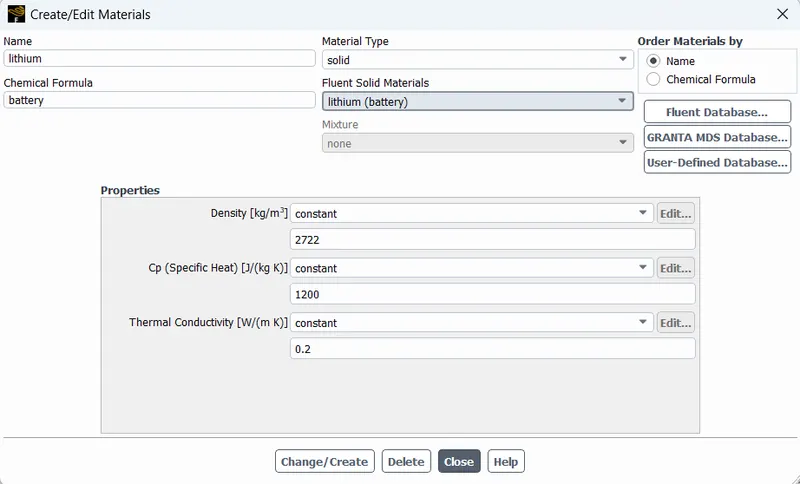
Density = 2722 kg/m3
Specific heat = 1200 J/kg.K
Thermal Conductivity = 0.2 W/m.K
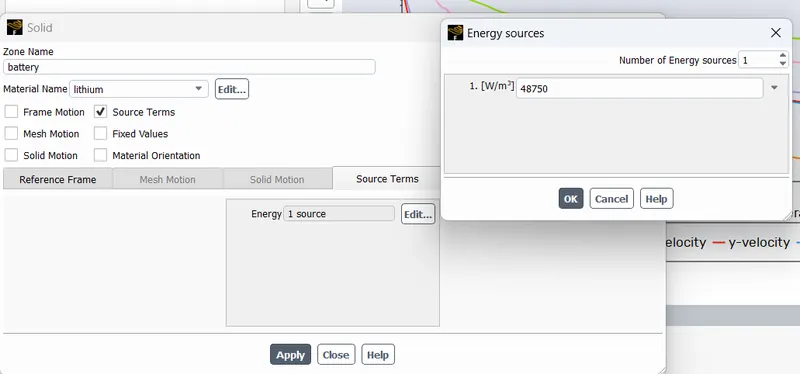
Heat Source = 48750 W/m3 (1.5 C discharge rate)
Size of the Battery = 18 mm diameter and 65 mm height.
Expected results:
• Explain why battery cooling is needed. And give a brief description about various
techniques for battery cooling.
• Perform Mesh independent study for any one case and based on your judgment
use the more suitable model for further cases.
• Run the simulation by varying the velocity of air as 3, 5 and 10m/sec and discuss
the results.
• Find out the maximum temperature and heat transfer coefficient obtained by the
battery.
• Based on the results and on your judgment, select one case (3, 5 or 10 m/s) and
vary the space between the batteries as 2, 4 and 6 mm, then discuss the results.
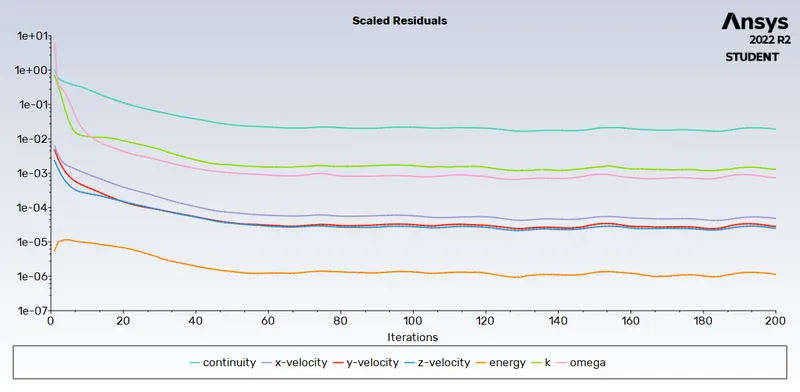
• Prove that the simulation has achieved convergence with appropriate images and
plots (Velocity and temperature contour plots on the cut planes).
• Create the animation to observe the temperature distribution and velocity vector.
• Summarize the results in tabulation/ graphical form.
• State the inferences based on the results
THEORY OF BATTERY THERMAL MANAGEMENT SYSTEM(BTMS):
Battery thermal management system(BTMS) is a design approach of cooling technologies. Before studying BTMS we should know the application and main usage of battery management systems.
As we know conventional vehicles use petrol and diesel which indeed cause environmental pollution and energy scarcity which are the two major problems faced in the world. Considering the above situation we have come up with electric vehicles where the vehicle's main power source depends on the battery. The market of electric vehicles consists of different types of batteries such as lead-acid, nickel-cadmium, Lithium-ion, Plastic lithium, etc and their energy source are shown below.
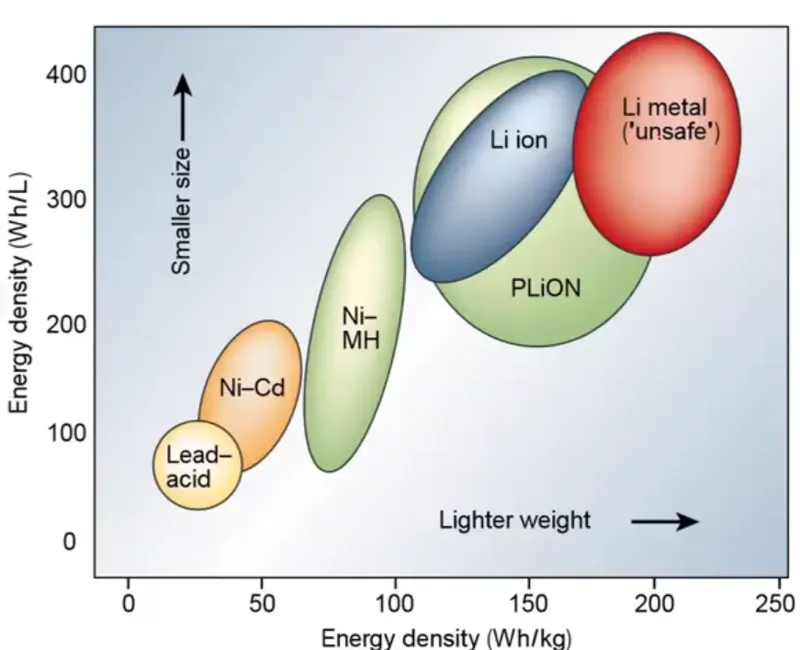
By comparing to all other batteries Lithium-Ion battery has a good energy density of around 350Whr/L(in terms of size) or 200Whr/kg(in terms of weight).
PRINCIPLE OF LITHIUM-ION BATTERY
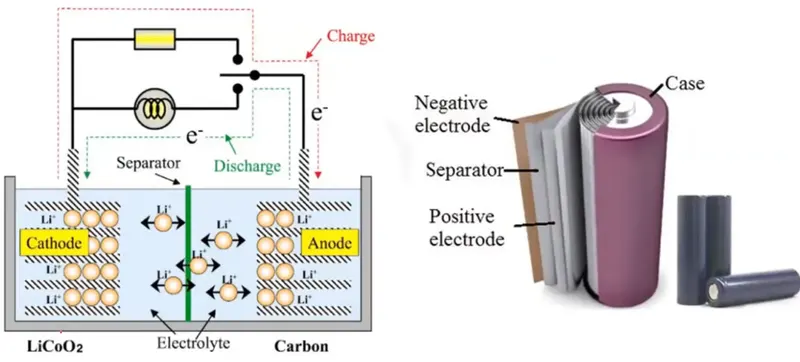
The construction of Lithium-ion batteries consists of the positive(cathode) and negative(anode) electrodes. Here the cathode consists of lithium-ion-based (LiCoO2) and the anode consists of graphite (carbon). A thin plastic membrane called a separator separates both the cathode and anode. The above entire setup is put into the electrolyte called lithium salt-based electrolyte. The working principle is that ions are exchanged between the cathode and anode during the charging or discharging electrons move in the external circuit. During charging elections move from cathode to anode similarly during discharging electrons move from anode to cathode through the external circuits. The battery comes in different shapes such as a cylinder, circle, etc.
Difference between the cell, module, and pack
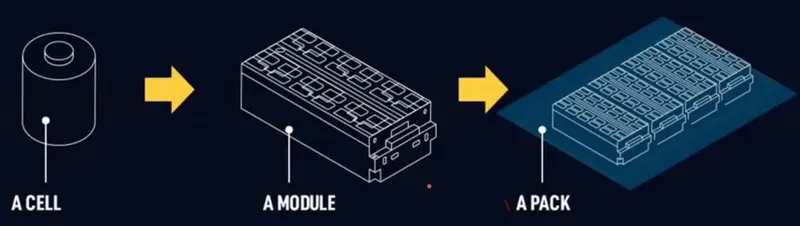
CELL: A single-cell unit device that converts chemical energy to electrical energy.
MODULE: A module is a collection of cells connected in series or parallel. The application of modules is in two-wheeler vehicles.
PACK: A pack is a series of individual modules and protection systems organized in a shape that will be installed in the vehicles. For heavy vehicle applications, we use pack systems.
Types of connections in battery pack/module system
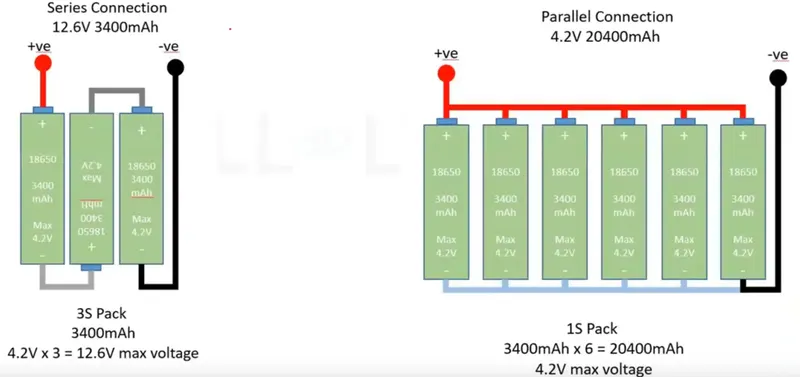
SERIES: Each battery has milliamp hours and volts as specifications, Here each battery has 4.2Volts and 3200mAh so most applications have 12V. Hence 4.2V is not sufficient in order to increase the voltage we connect the batteries in series(we can multiply the voltage hence we get 12V but I can discharge 3400mampH for an hour) which is a positive side to another end and a negative side to another end of the battery as shown in the above figure. Similarly in the PARALLEL connection if we want to increase the amp rating that is 3400mAh is a very small current rating in order to increase the current flow then we have to connect the batteries in parallel which is 3400mAh multiplied by 6 is 20400mAH with a max voltage of 4.2V.
So here I am considering a 4 by 2 Lithium-Ion battery where 2 batteries are connected in series and 2 batteries are connected in parallel.
C-rating is a unit to declares a current value that is used for estimating or designating the expected sufficient time of the battery under variable charge or discharge conditions. As the C-rating increases, the heat generation of the battery increases due to the flow of electrons from the charging or discharging of the battery.
THERMAL RUNAWAY
Thermal runaway is the condition in which the battery catches the fire due to rapid propagation from one damaged cell to another cell. The process of thermal is shown below.
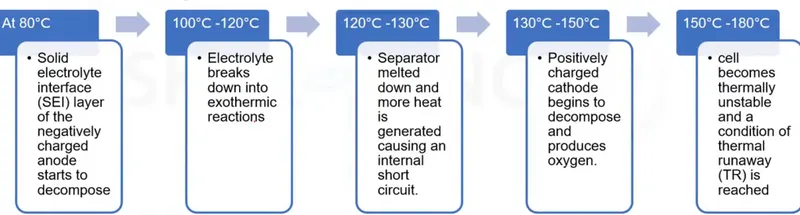
Battery temperature varies due to internal heat generation during the charging and discharging process. The uneven temperature distribution causes temperature non-uniformity which leads to a reduction in the life cycle and performance. It is recommended that the maximum temperature difference inside the battery pack does not exceed 5 degrees. BTMS is necessary to maintain the battery temperature in the desired range and it plays a crucial role in the battery pack life and its overall performance. It is difficult to maintain 15-35 degrees unless we use water/air as the cooling medium we can maintain at least 40 degrees. It all depends on the design of the battery. Hence convection(newton's law of cooling) plays an important role in cooling the system. Here we are using forced convection for cooling the battery system and calculating the heat transfer coefficient.
TYPES OF COOLING LITHIUM_ION BATTERY
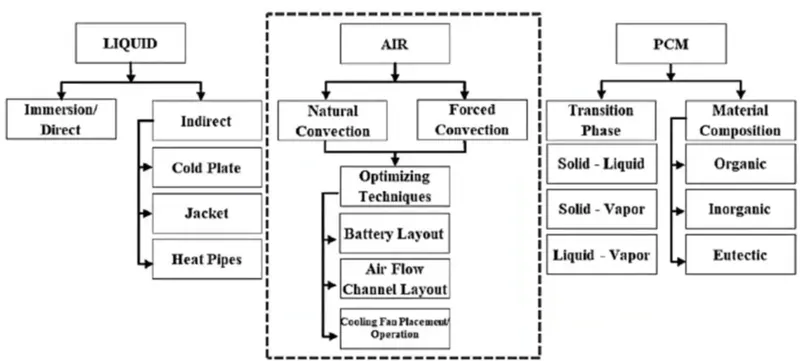
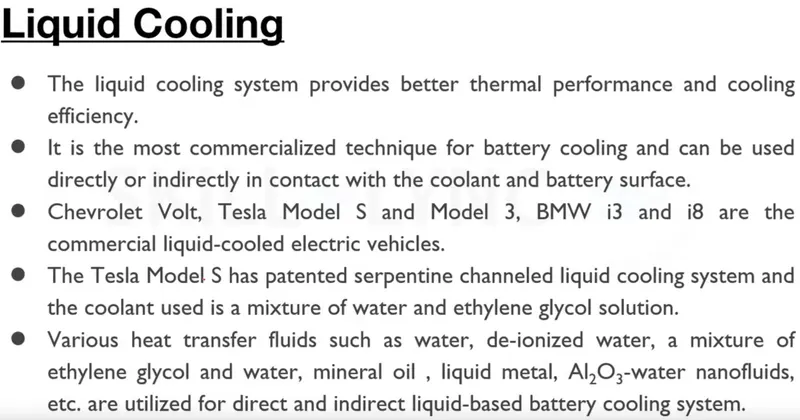
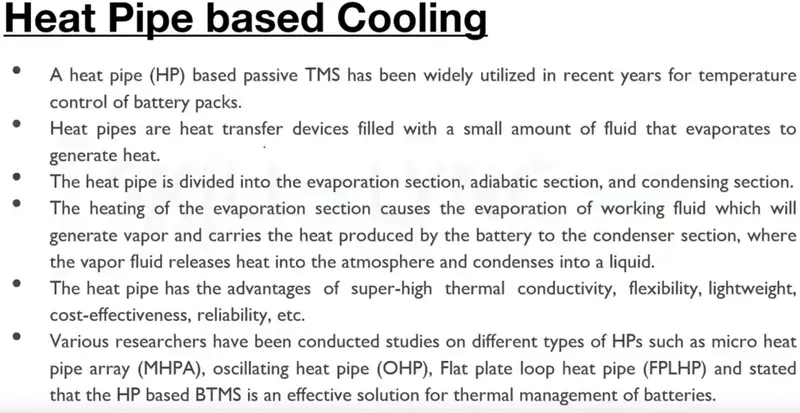
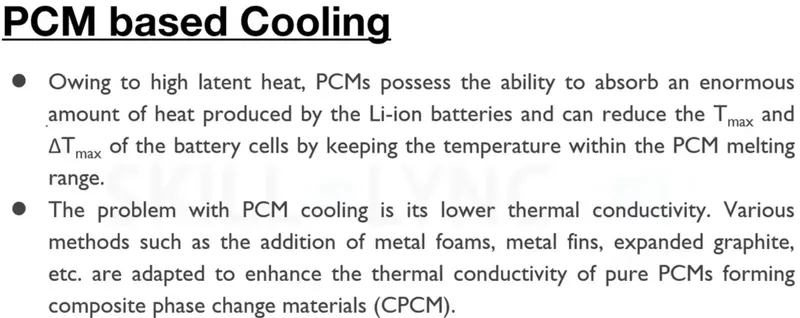
We are going to solve at least 6 cases by varying the space between the cells and also the inlet velocity
Regular mesh size 8mm
Case 1 :
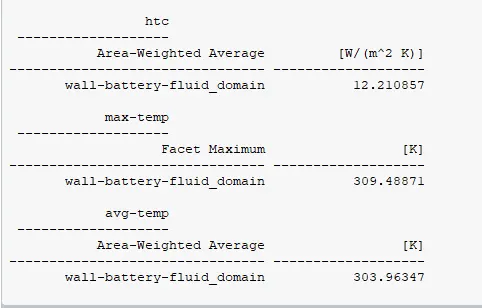
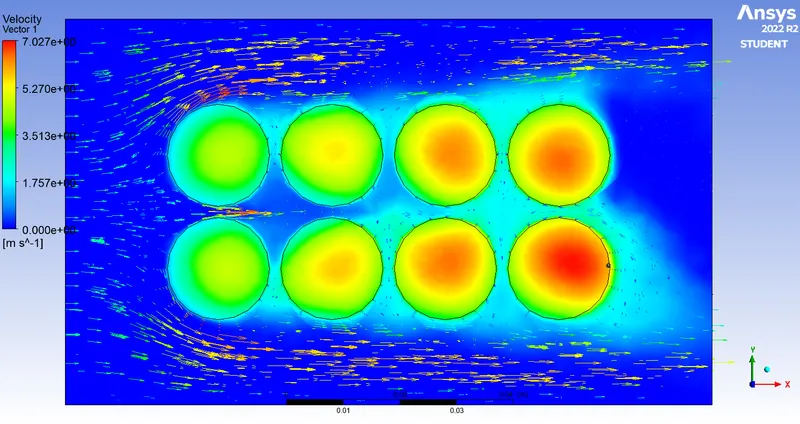
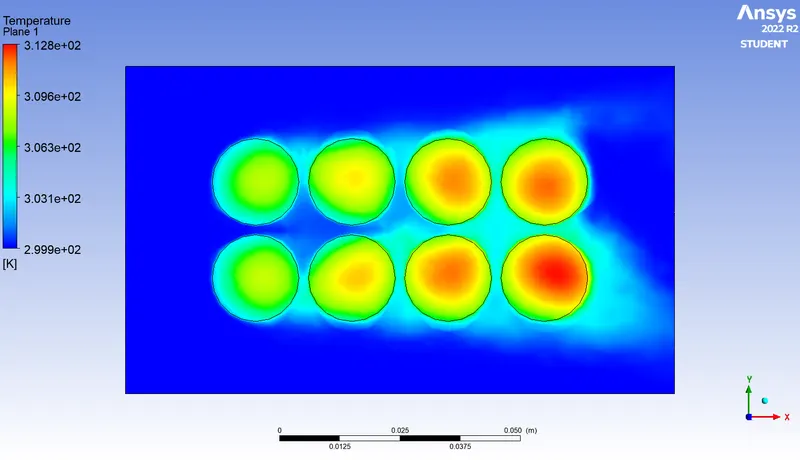
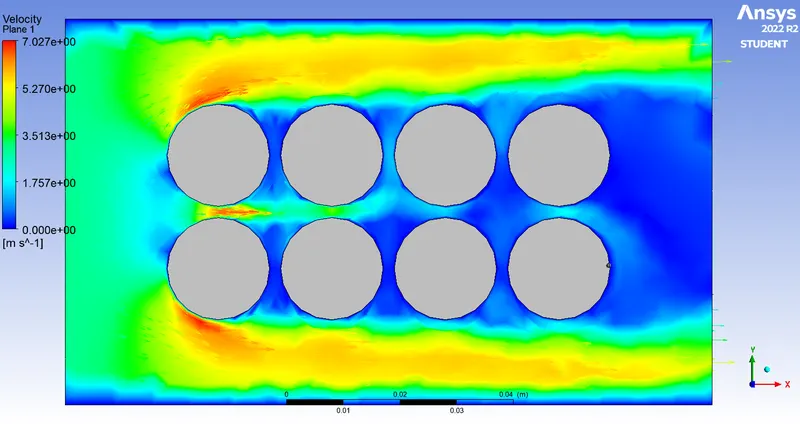
space between the cells 2mm & 3ms of inlet fluid velocity :
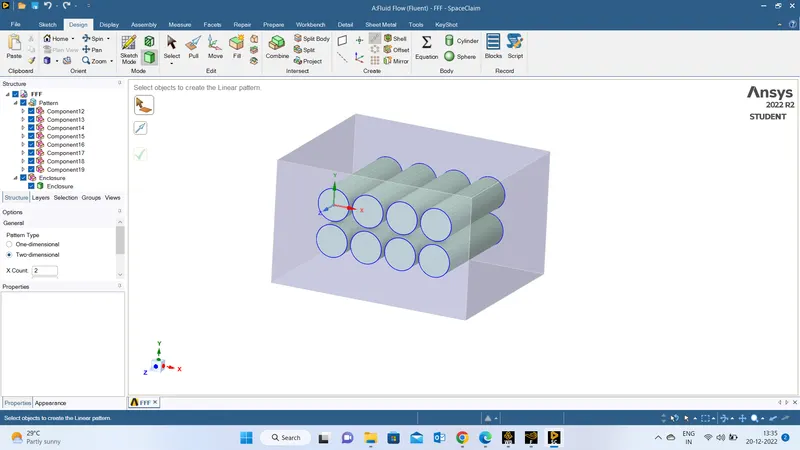
Fluent :
Residulas :
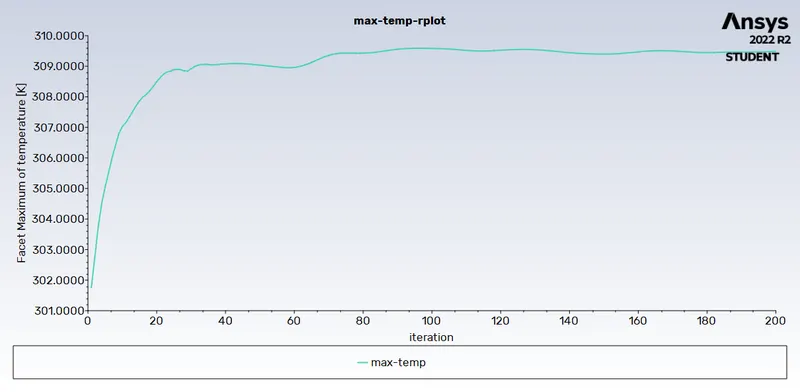
Average temperature :

HTC :
Max temp :
Results :
Velocity contour :
Temp profile :
Velocity :
space 2mm velocity 5ms
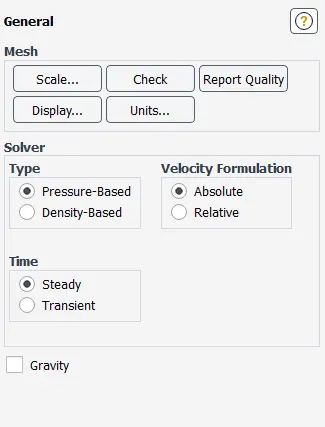
General settings :
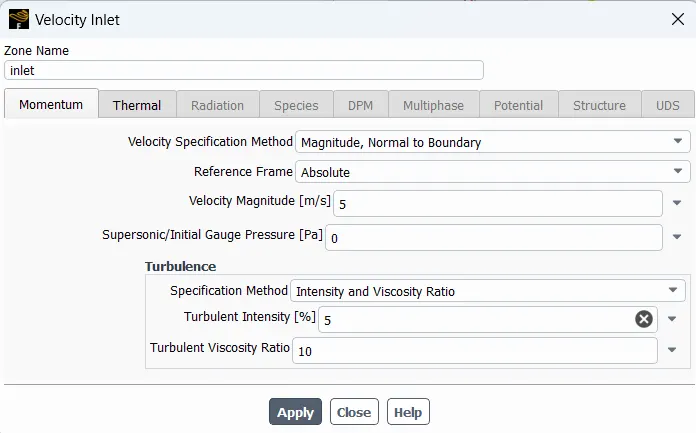
Inlet
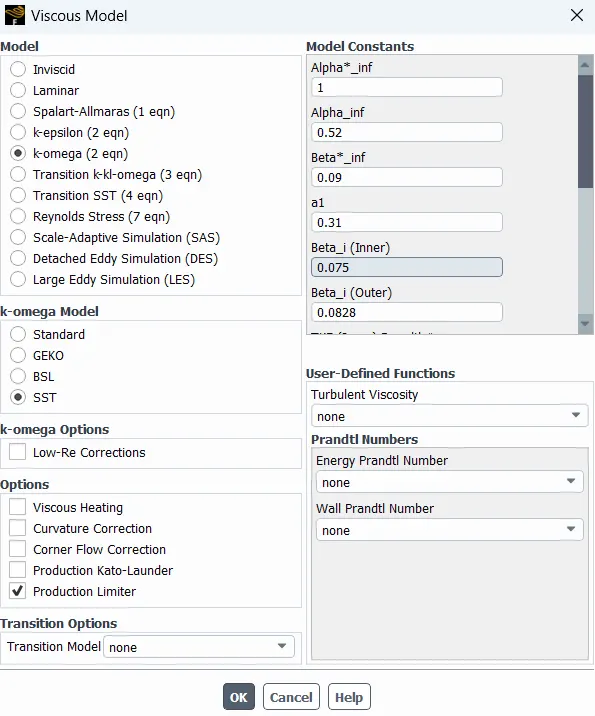
Viscous model :
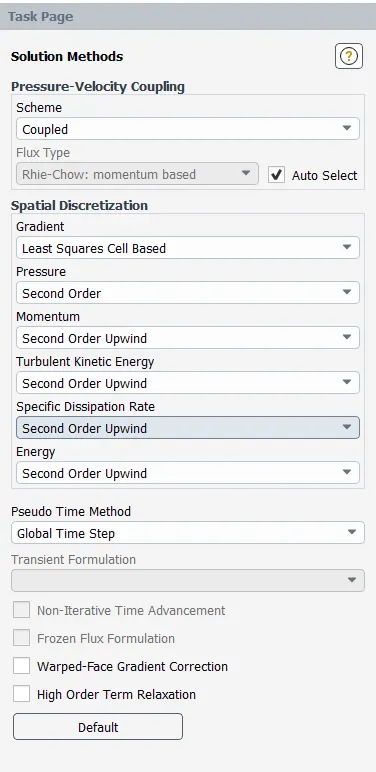
solution methods :
Heat sources :
Material properties :
lithium
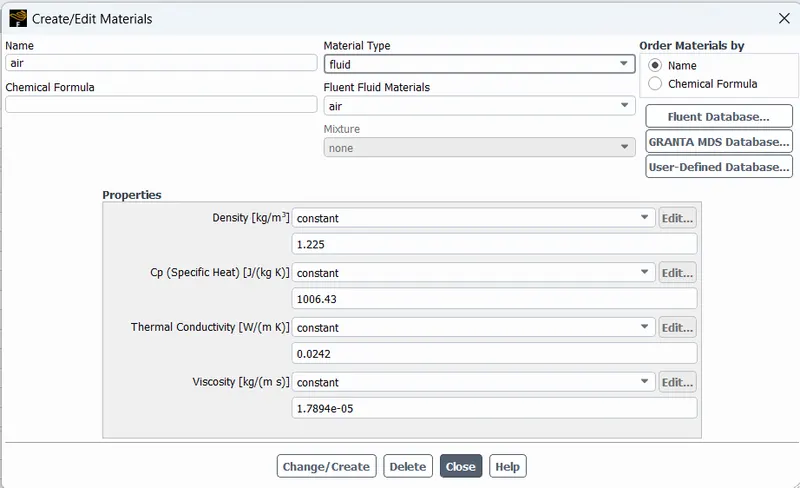
Fluid properties
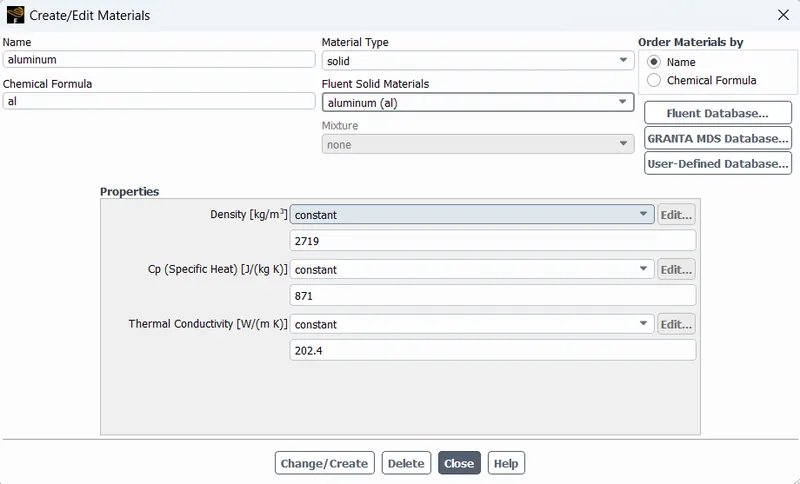
solid material :
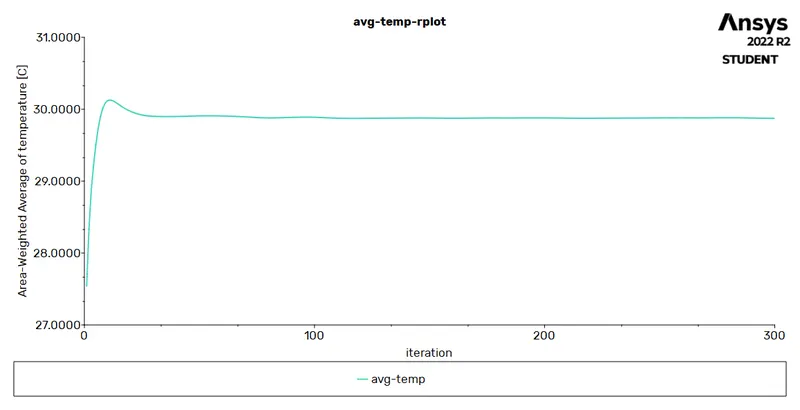
Average temperature :
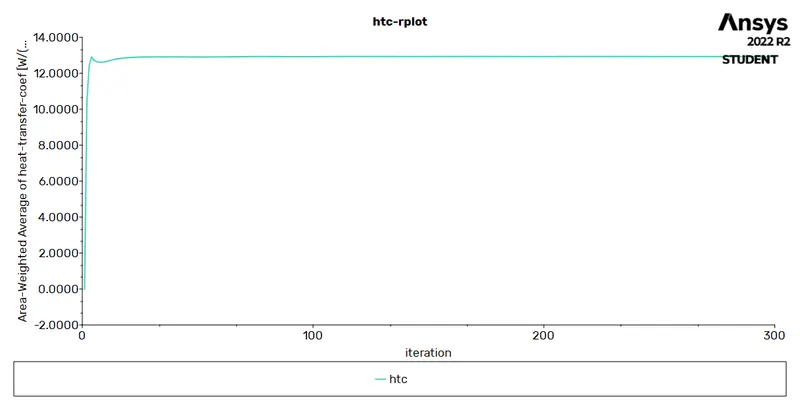
HTC :
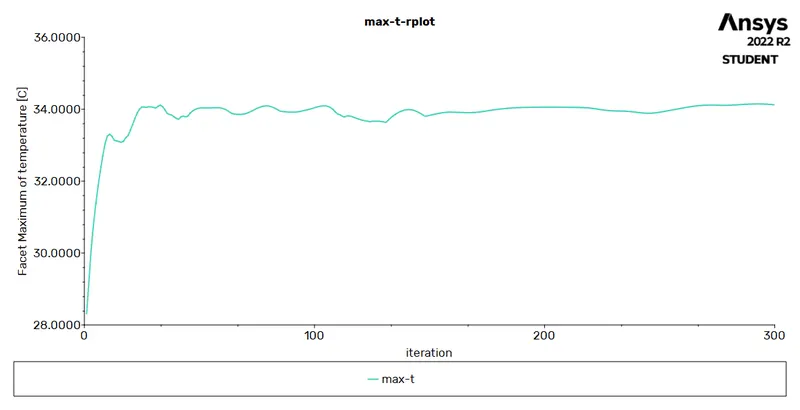
Mx temperature :
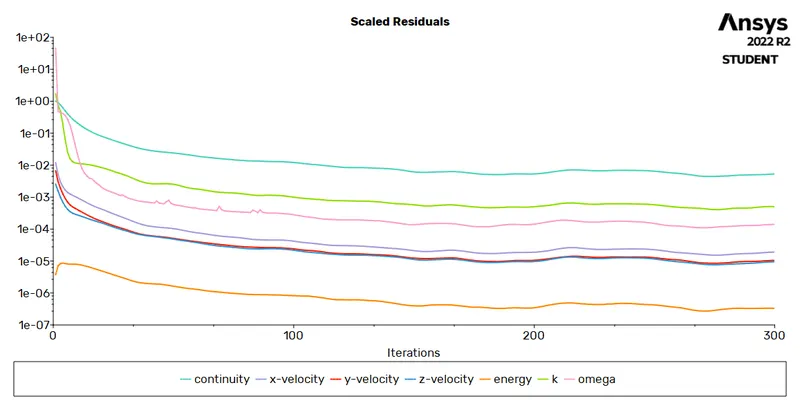
Residulas :
Values :
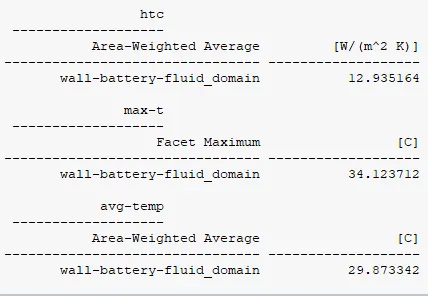
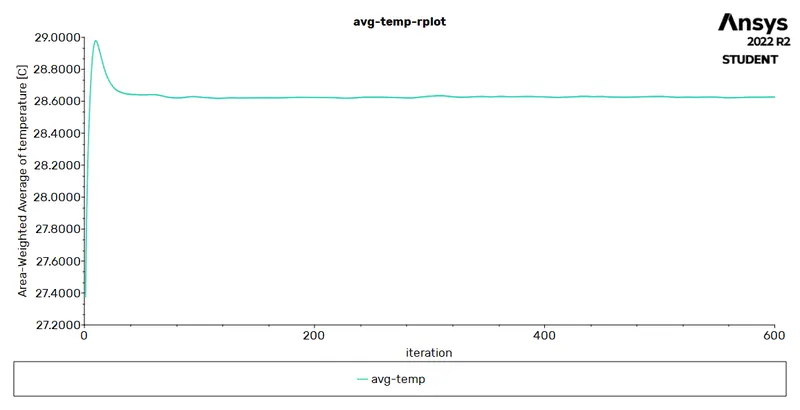
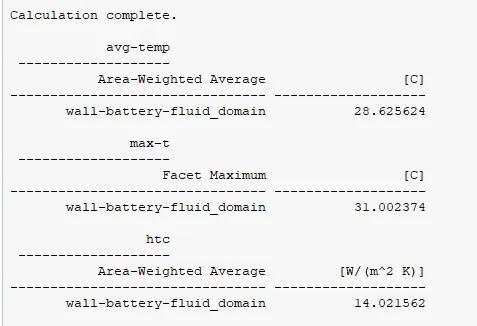
2 mm space & 10 m/s velocity :
avg temperature :
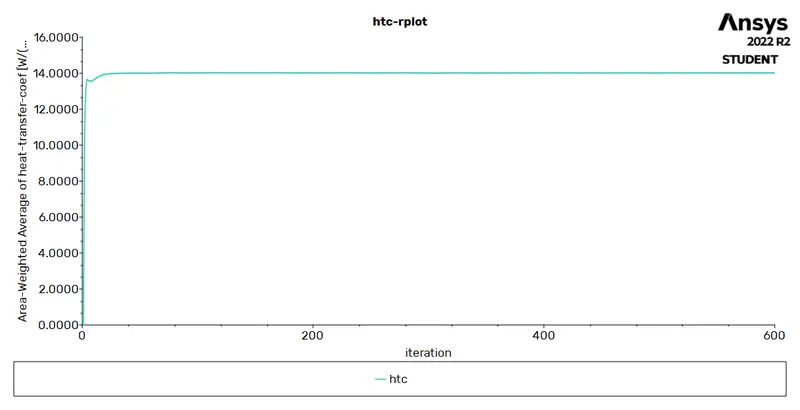
HTC :
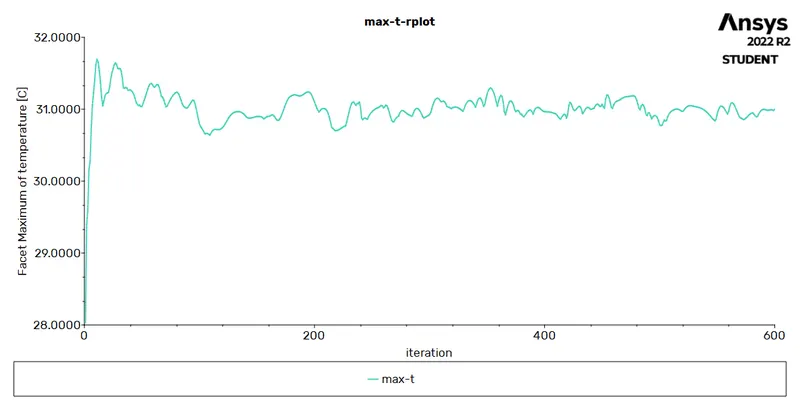
Max temperature :
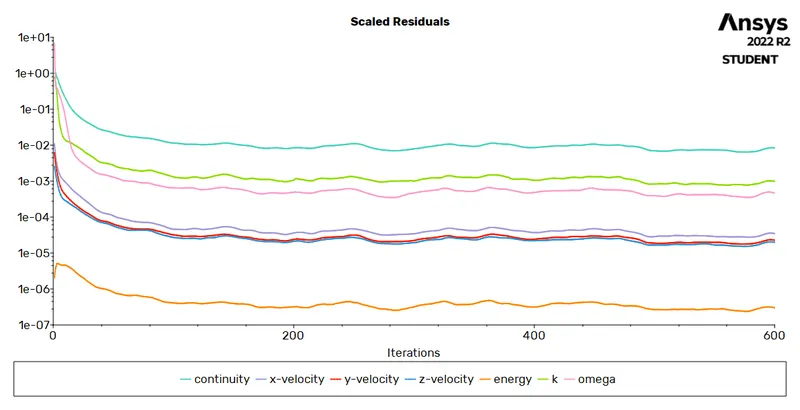
Residuals :
Values :
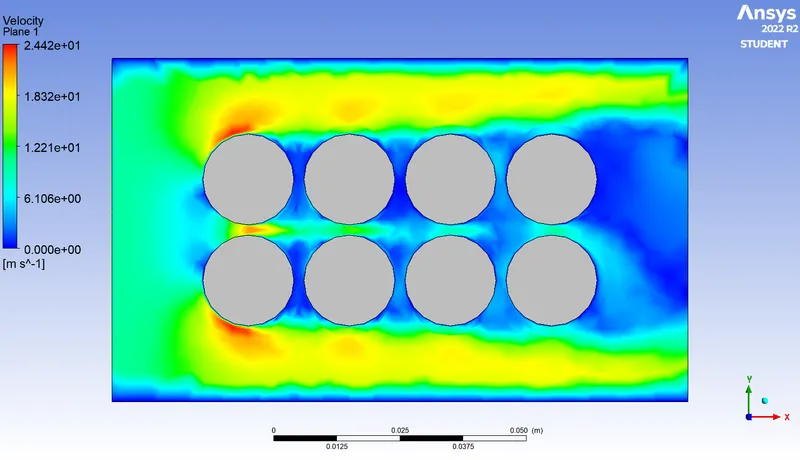
Velocity profile :
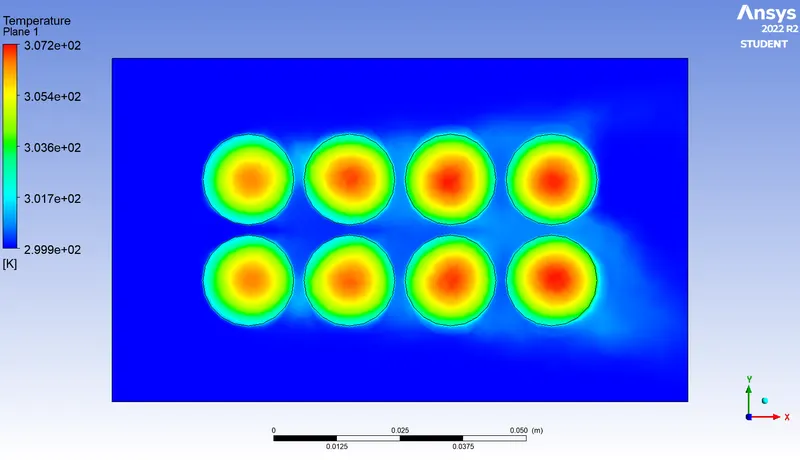
Temperature :
Velocity streamline :
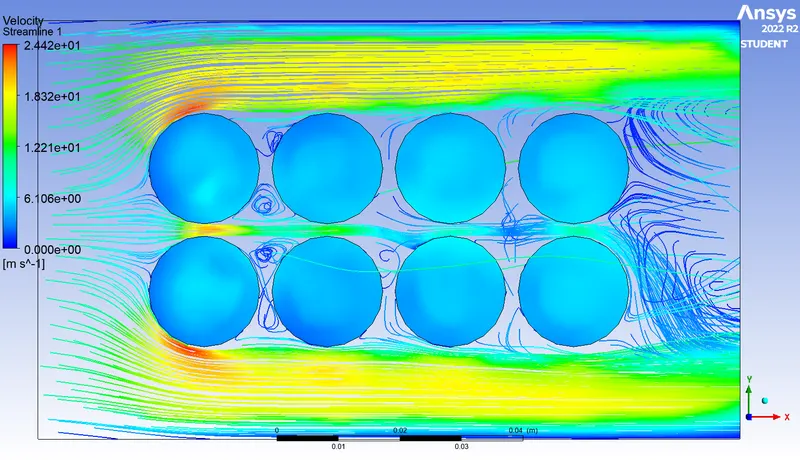
Velocity vector :
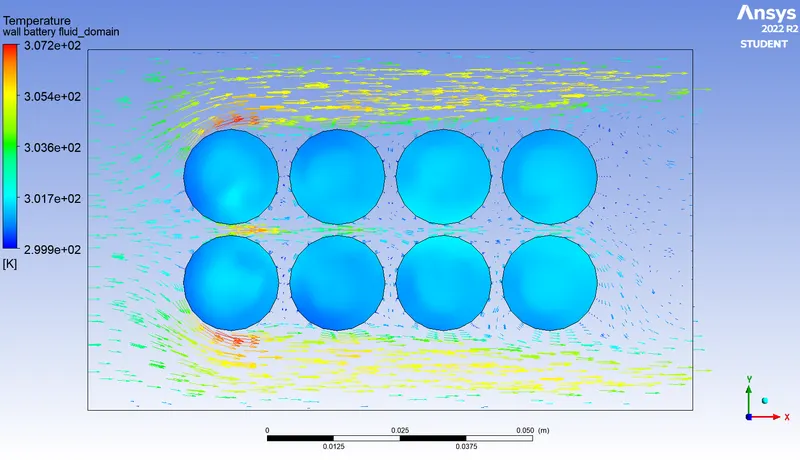
Space 4mm & velocity 5ms :
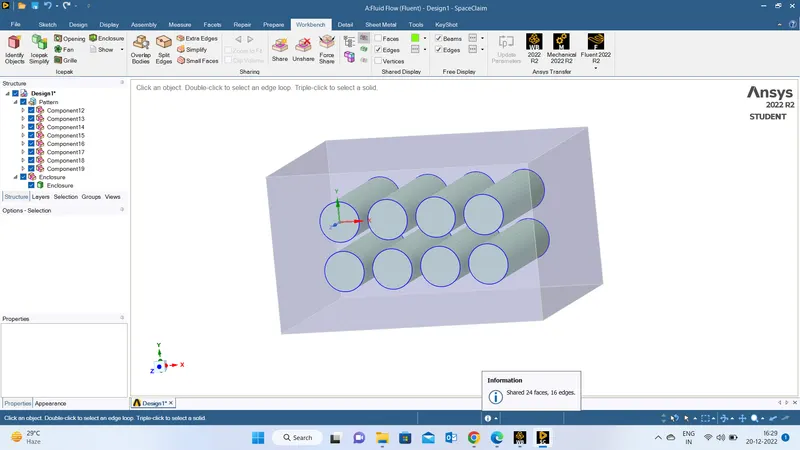
Fluent :
Avg temperature :
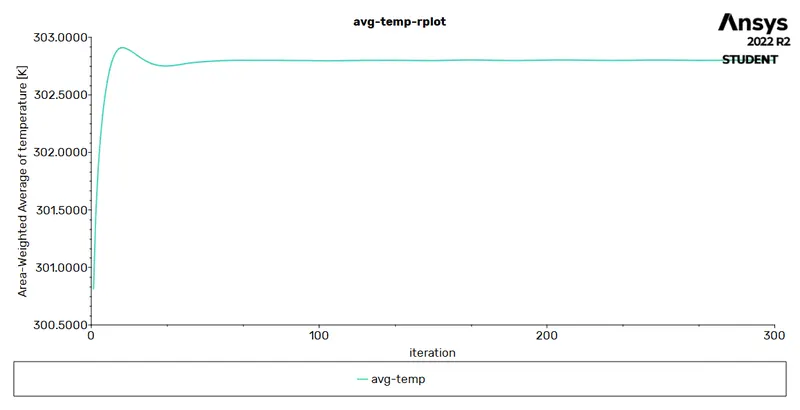
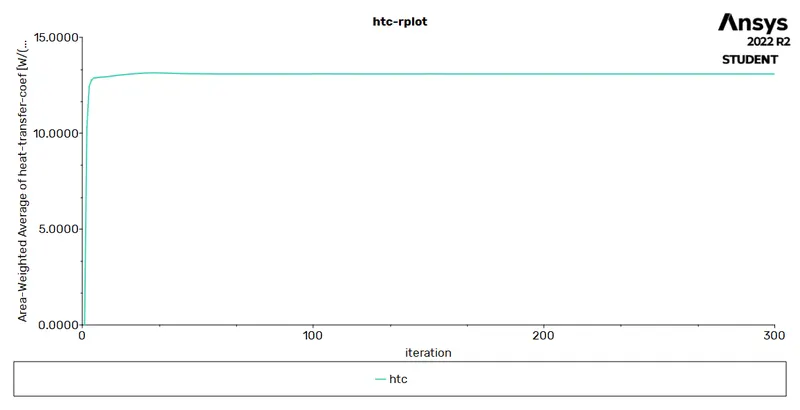
HTC :
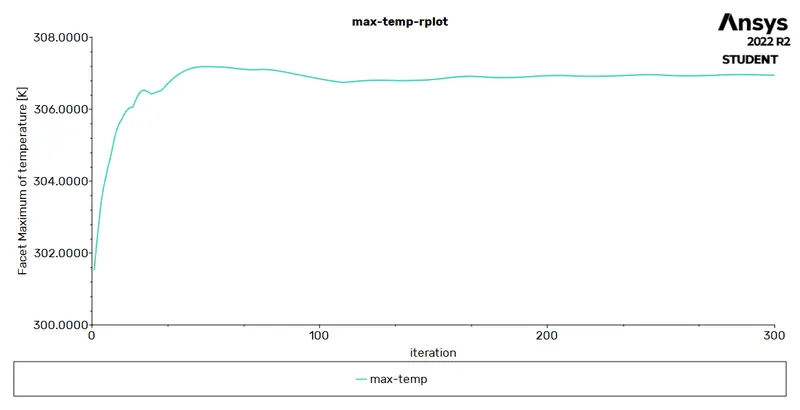
MAX temp :
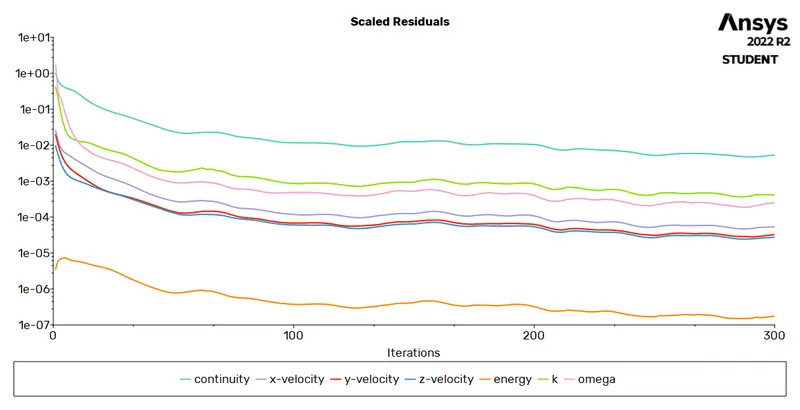
Residuals :
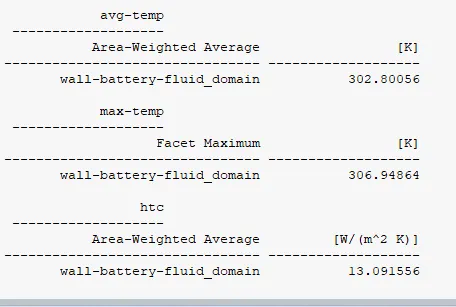
Values :
space 6mm & fluid velocity 5ms(finer mesh 3mm):
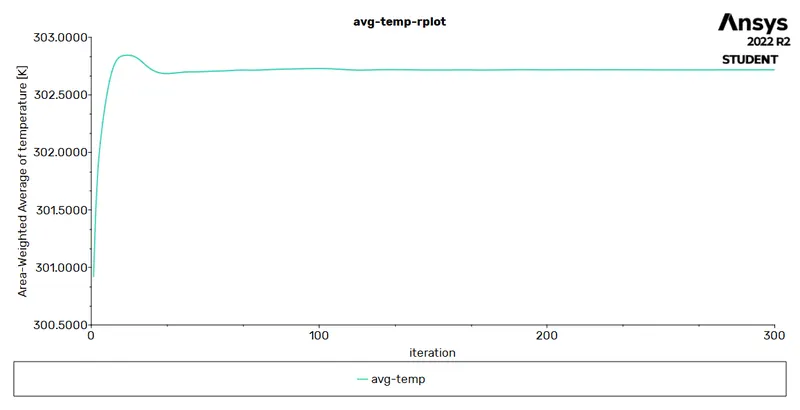
Avg temp :
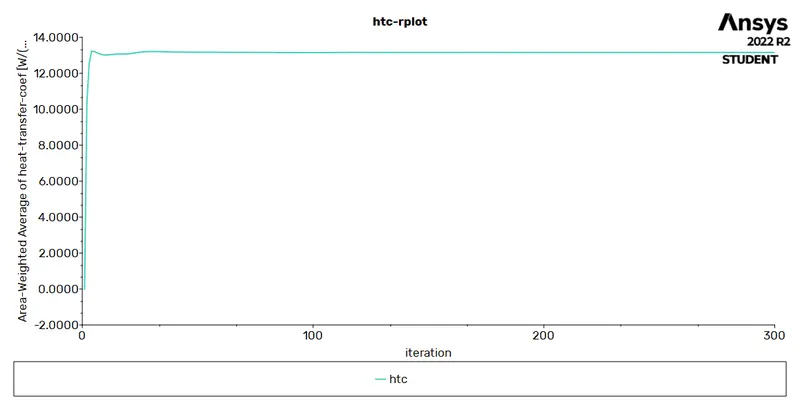
HTC :
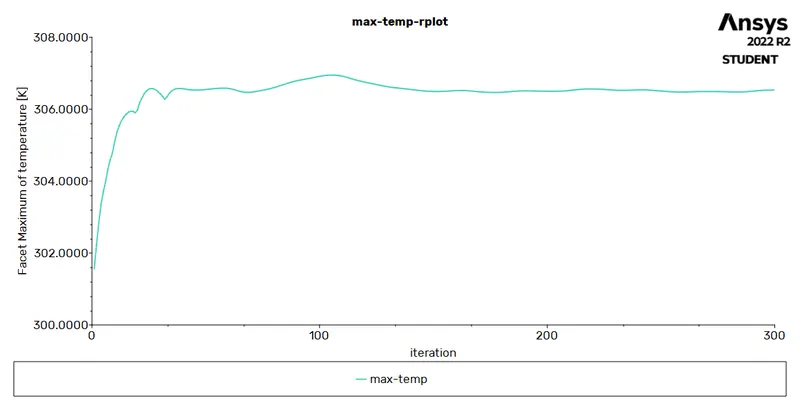
MAX temp :
Residuals :
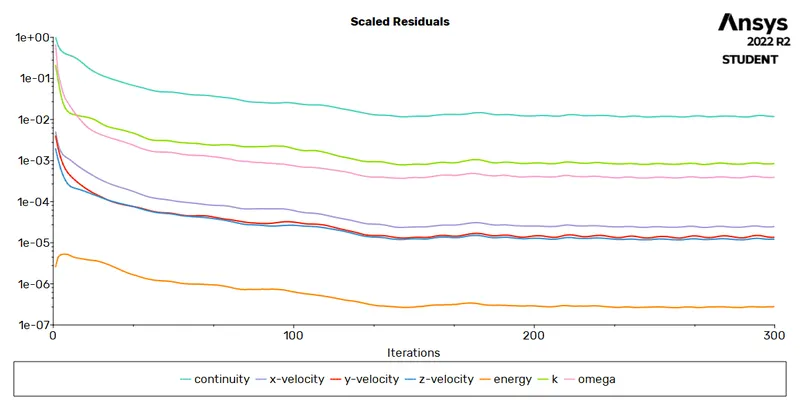
Values :
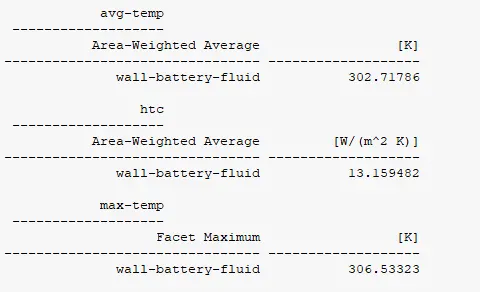
Space 6mm & fluid velocity 5m/s
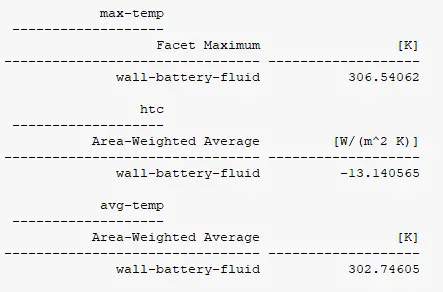
Avg temperature :
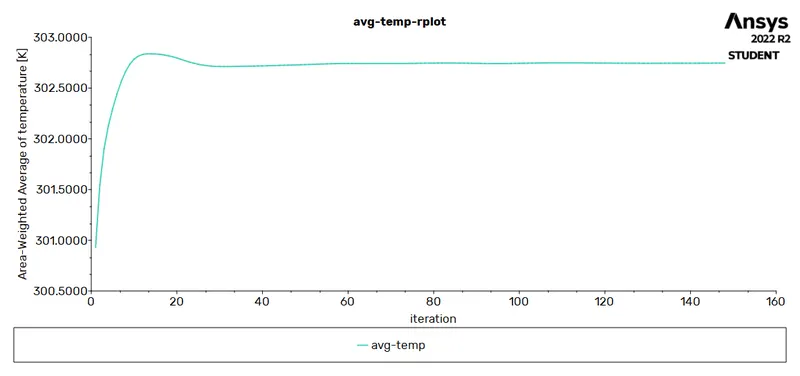
HTC plot :
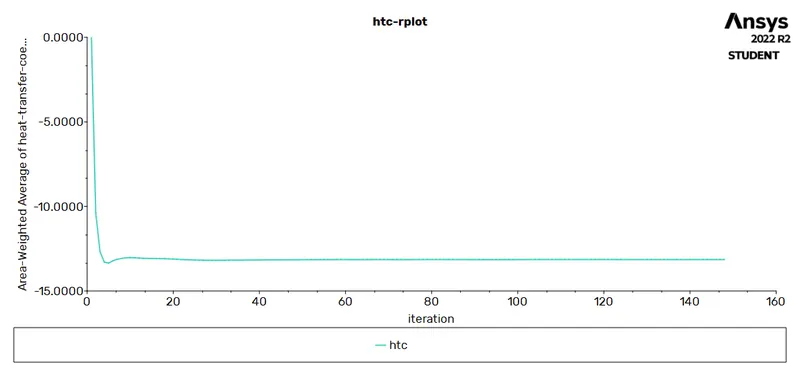
Max temp :
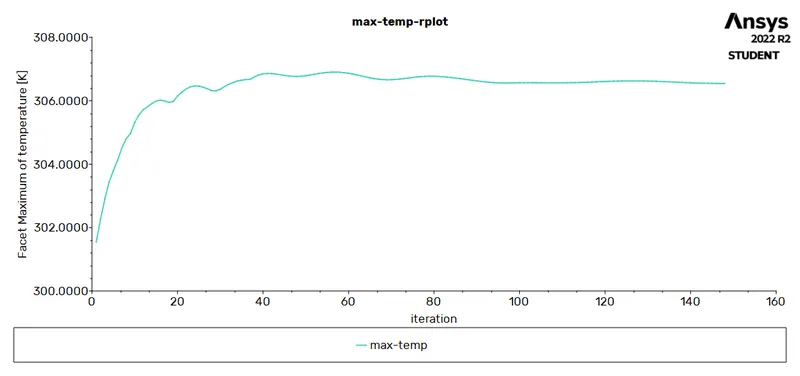
Residuals :
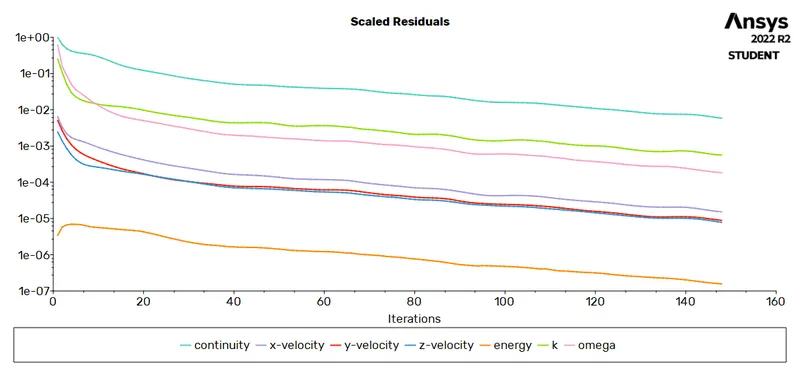
Results :
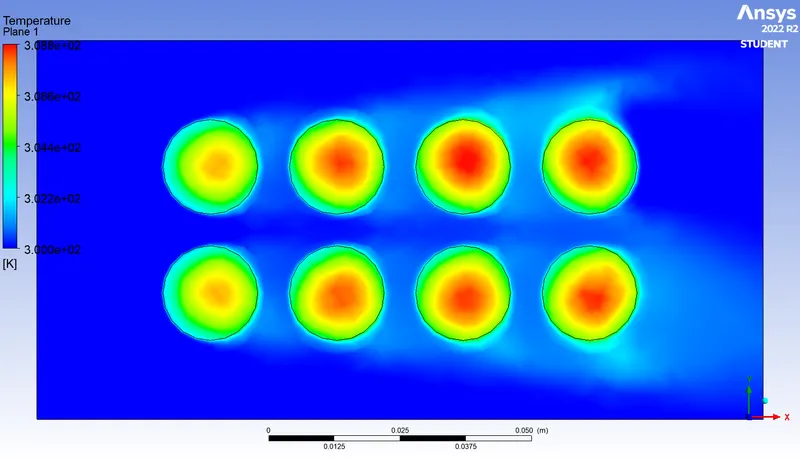
Temp contour :
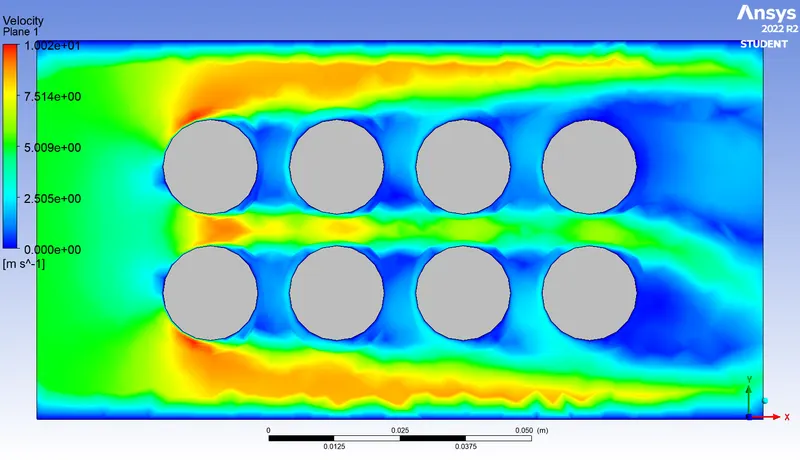
Velocity contour :
Velocity vector :
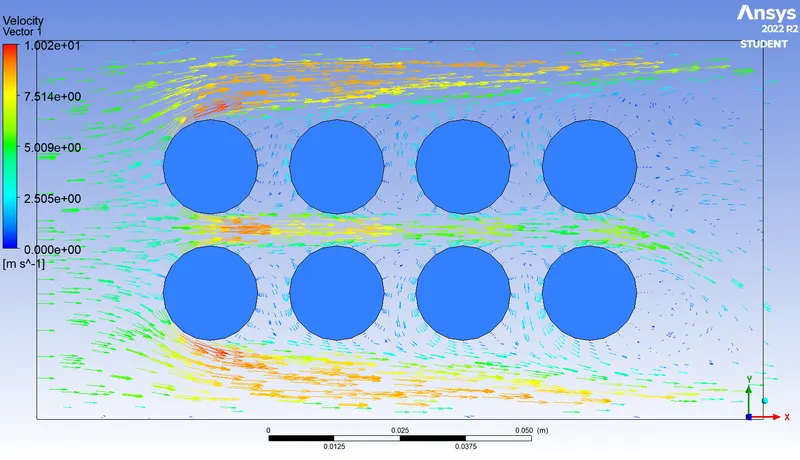
Velocity Animation :
Comparison table :
| space between the cells | inlet velocity of the fluid | heat transfer coefficient | maximum temperature | average temperature |
| 2 mm | 3m/s | 12.21 | 309.48 | 304.00 |
| 2 mm | 5m/s | 12.9351 | 307.123 | 303.00 |
| 2 mm | 10m/s | 14.02162 | 304.00 | 301.62 |
| 4 mm | 5m/s | 13.0915 | 306.94 | 302.94864 |
| 6 mm(fine mesh 3mm) | 5 m/s | 13.159482 | 306.00 | 302.71 |
| 6 mm | 5m/s | 13.140 | 306.540 | 302.746 |
Interference :
-Based on the results we can clearly observe if the velocity is low with a 2mm distance between the cells dissipating the heat to the environment is very less.
-lly, When we increase the inlet fluid velocity we can clearly observe that the heat transfer coefficient is little bit high since we are giving coolant with a high speed of 5mm.lly, When we increase the inlet fluid velocity we can clearly observe that the heat transfer coefficient is a little bit high when compared to the previous two cases since we are giving coolant with a high speed of 10mm.
-By observing the above 3 cases we will have to consider some cases to fix the type of inlet condition that is good. so we can clearly see that there is a good amount of heat is dissipating from the system if we use 10m/s velocity for the fluid.to use this speed velocity to the system we will have to use some forced convection devices to the system which will bring to spend some additional cost to manufacture the device.
-If we use 3m/s the HTC is less which will cause thermal runaway if we use the battery more to run the device.
By considering the above two cases we are using 5m/s as nominal inlet fluid velocity with 2mm space between the batteries for a better outcome by reducing the cost and also the space occupied by the system.
By fixing the 5m/s as an inlet velocity we are trying some more cases like increasing the space between the batteries and also making the mesh finer.
-Here we are providing 4mm of space between the batteries. by increasing the space between the batteries we can reduce the transfer of heat between one battery and between other.by using this technique we can maintain the constant heat through out the system for a maximum time.since we are having some good amount soace between the batteries it has high chances of transferring batteries producing heat to the environmental air is high.
-To get more accurate result we will have make out mesh finer so that equations can be calculated in fine manner and produce some exact results by reducing the truncation error. The accuracy of the solution we get is always depends upon the how finer we made the mesh.
- Based on the above results we can clearly come to the conclusion that we can increase the heat transfer coefficient by increasing the velocity of the fluid and increasing the space between the fluid and also creating the mesh finer.
-We will have to consider some industrial standards before deciding the input parameters.