Week 10 - Simulating Combustion of Natural Gas.
Aim: To perform a combustion simulation on the combustor model and plot the variation of the mass fraction of the different species in the simulation.
Objective:
Part 1
- To perform a combustion simulation and plot the variation of mass fraction of different species in the simulation using line probe at different
- setup NOx and soot model to observe NOx emissions and soot
Part 2
- Add water content in the fuel from 5% to 30% by mole.
Introduction
Combustion or burning is a high-temperature exothermic redox chemical reaction between a fuel and oxygen. After combustion it produces CO2,H2O and heat energy.
fuel+oxygen → water + carbon dioxide + heat energy
For Example,
CH4 + O2 → H2O + Co2 + Heat
Use of combustion reaction
- It is used in the carbon black formation industry.
- It is also used in our daily life while using LPG stove.
- This reaction is used in so many industries like thermal power plant, urea plant etc.
Geometry
Import geometry in SpaceClaim.
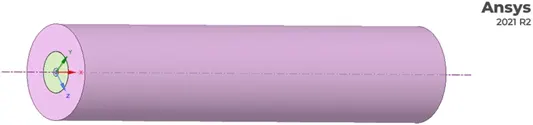
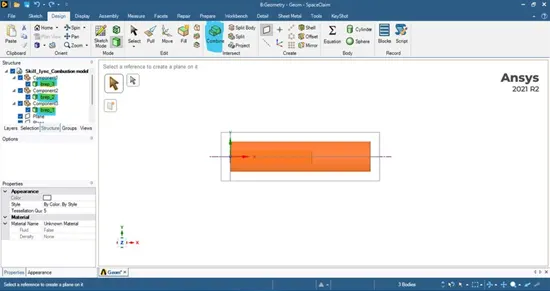
- now select volumes of each component and combine.
- now split the body and copy its geometry as given below.
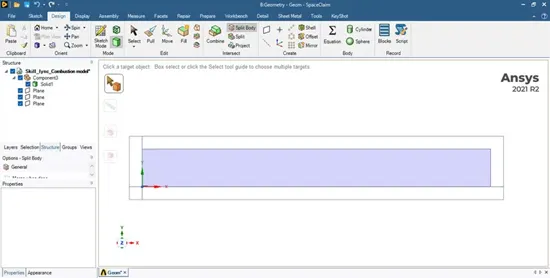
- inlet view

- Meshing
- generate mesh
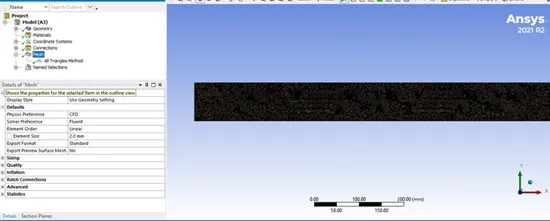
- named selections
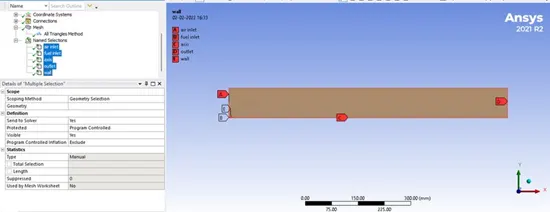
- setup
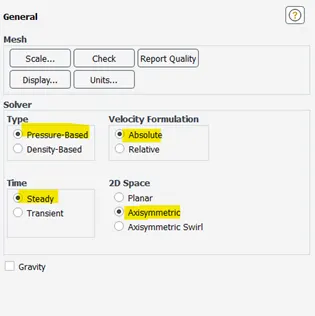
- general setup
- Solver type: Pressure based Velocity formulation: Absolute time: Steady
- 2D space: Axisymmetric
- Energy: Enabled
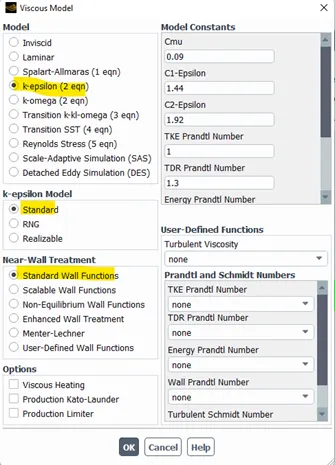
- viscous model: K-epsilon, standard model with standard wall function.
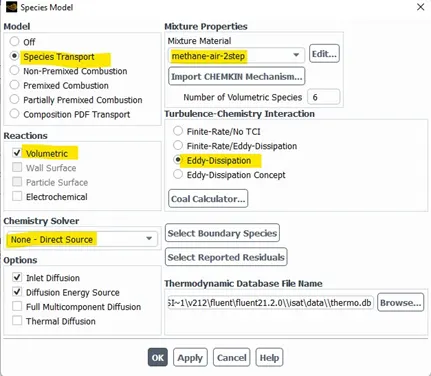
- Species
- Model: Species transport
- Reactions: Volumetric
- Mixture material: methane-air
- Turbulence-Chemistry Interaction: Eddy-Dissipation
- initialization: Hybrid initialization
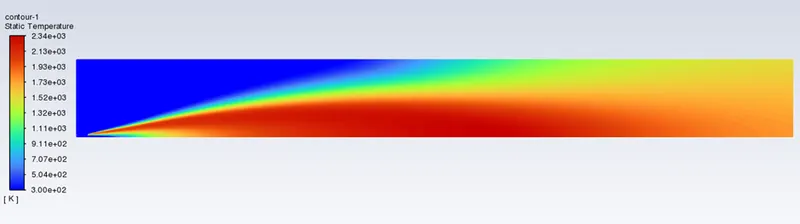
- create contour for the temperature.
- run calculation
Part a )
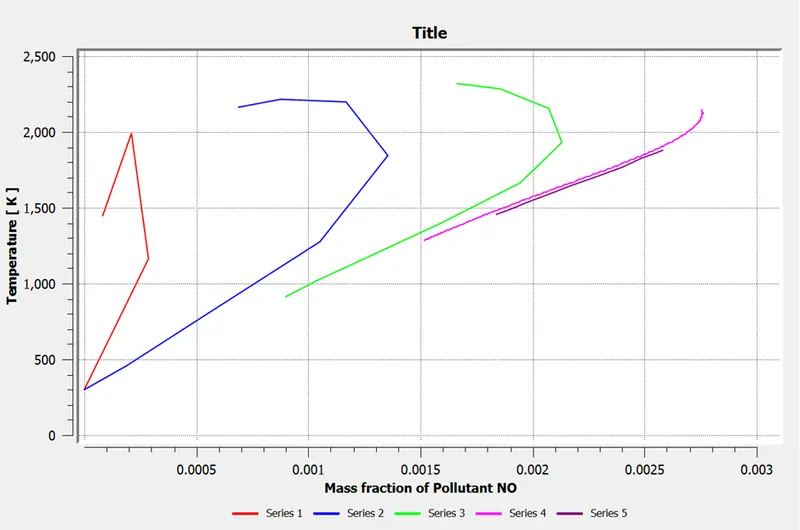
- To perform a combustion simulation and plot the variation of mass fraction of different species in the simulation using line probe at different
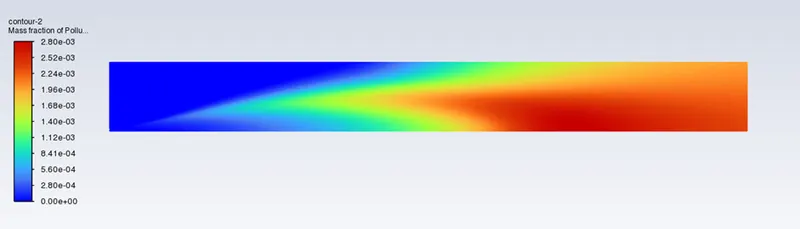
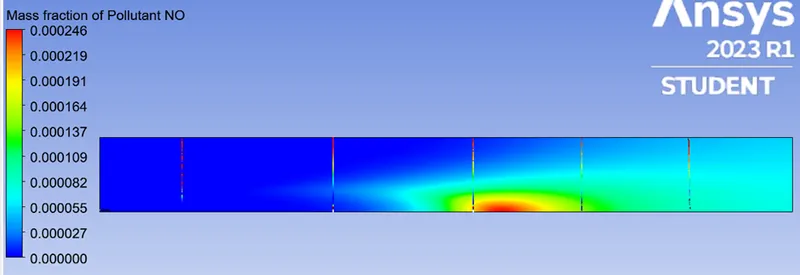
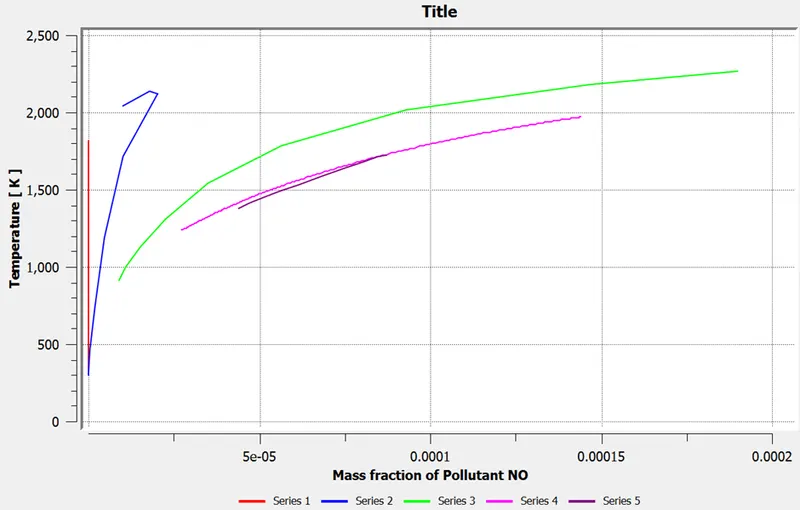
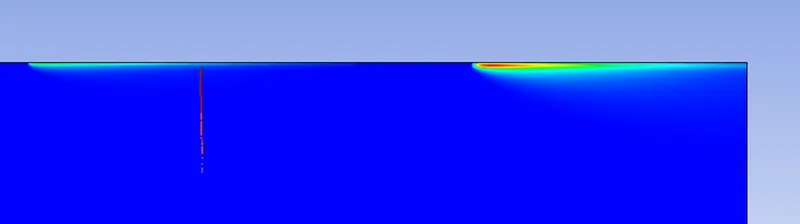
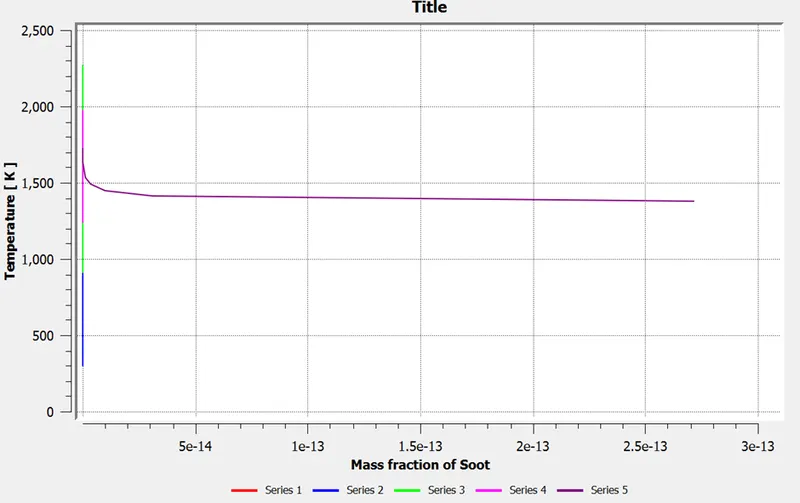
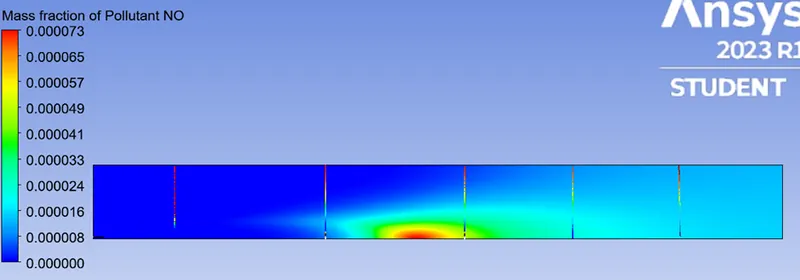
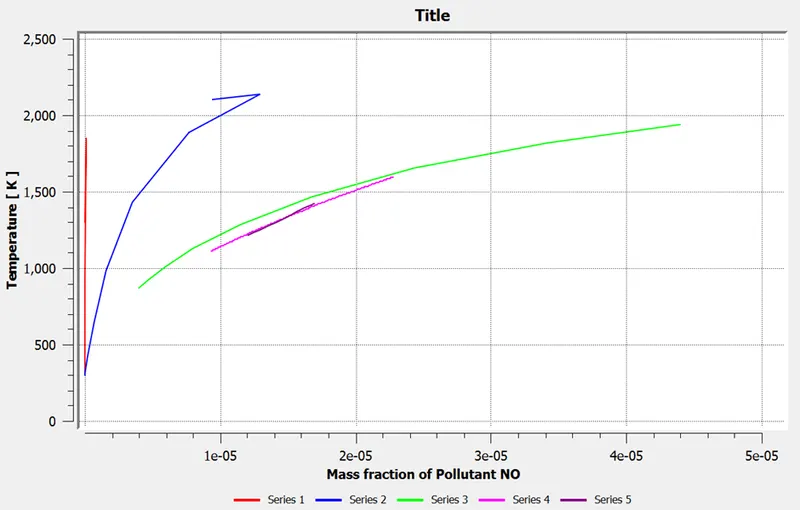
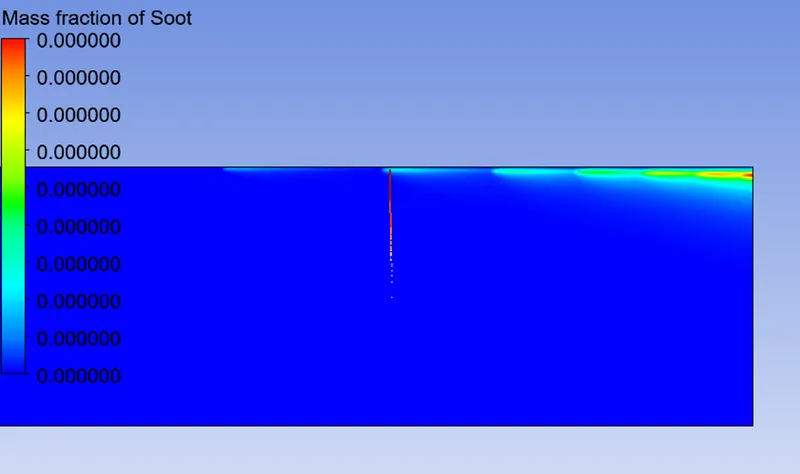
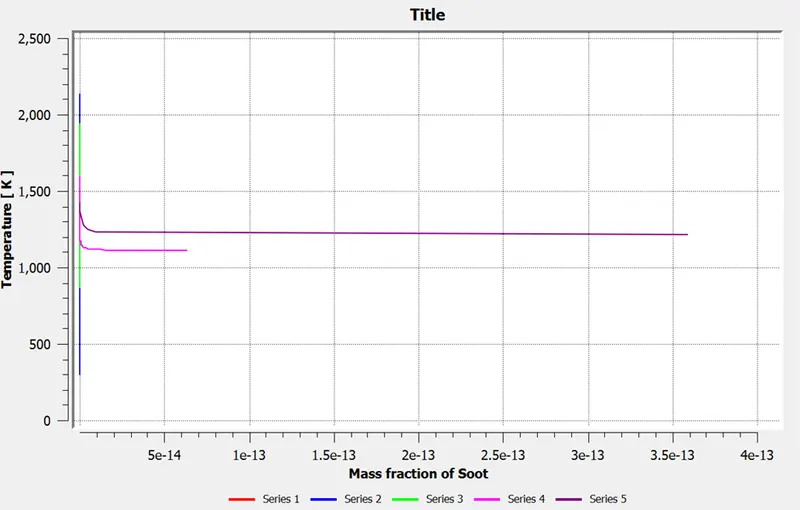
- Setup NOx and soot model to observe NOx emissions and soot
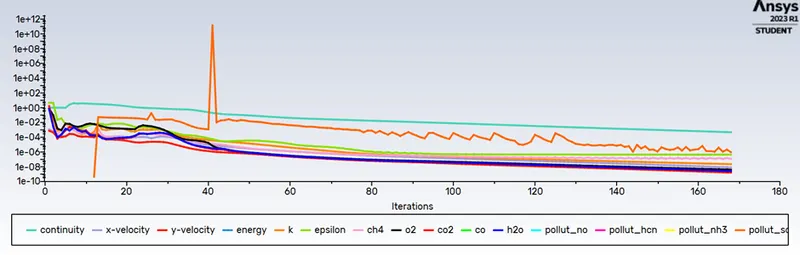
Residuals:
Temperature:
Nox
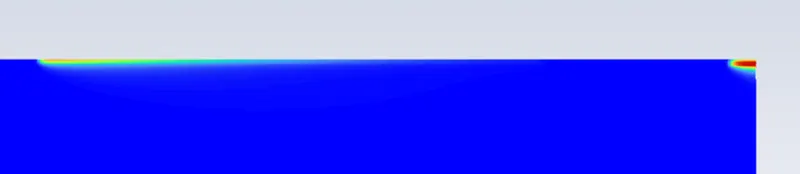
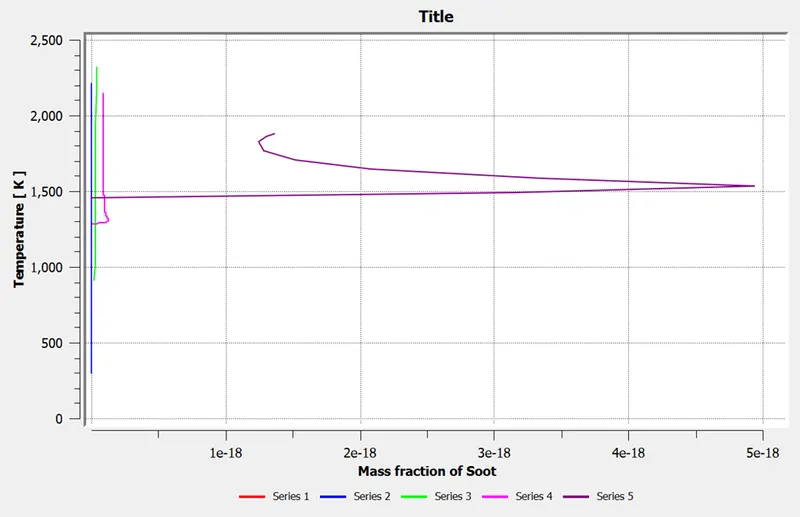
Soot
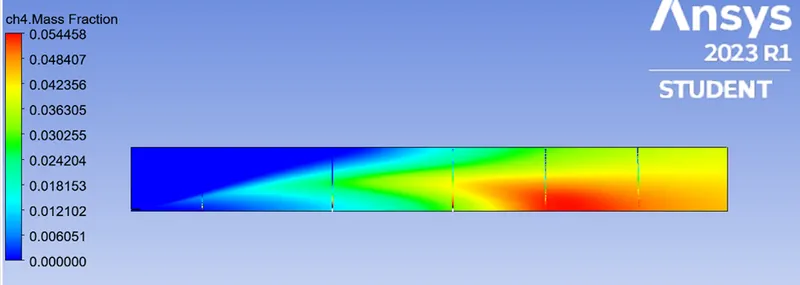
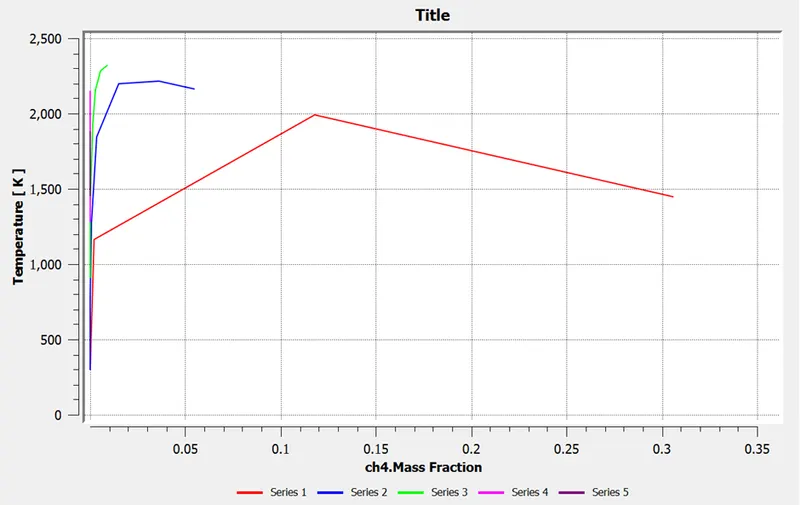
Ch4
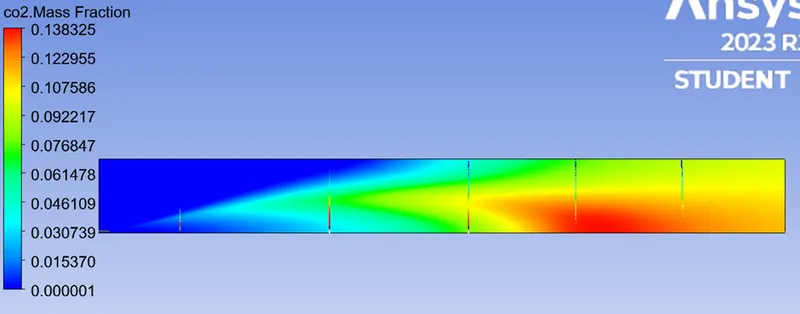
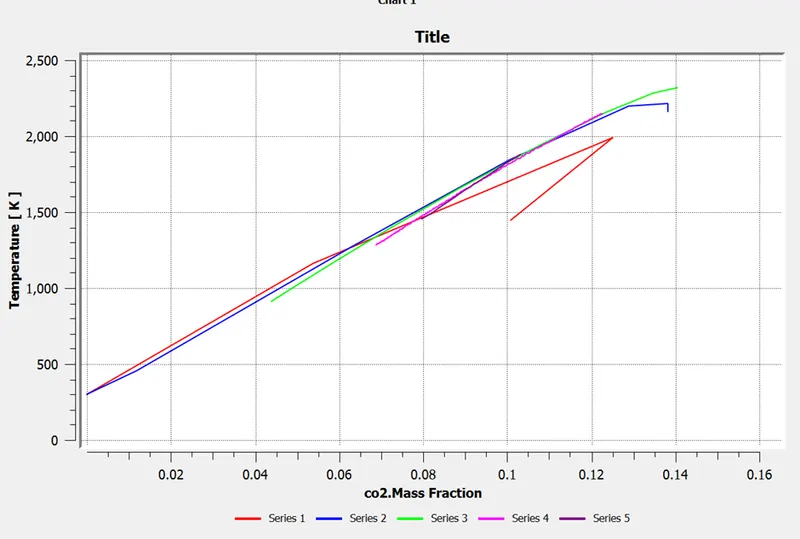
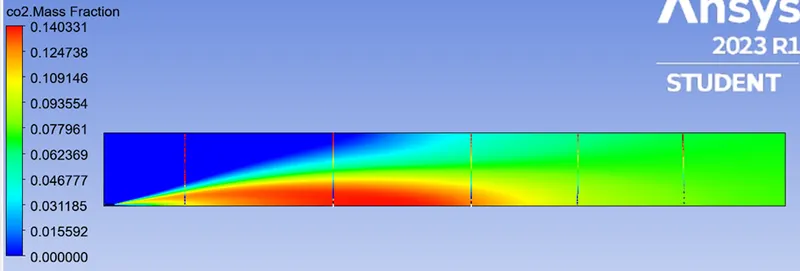
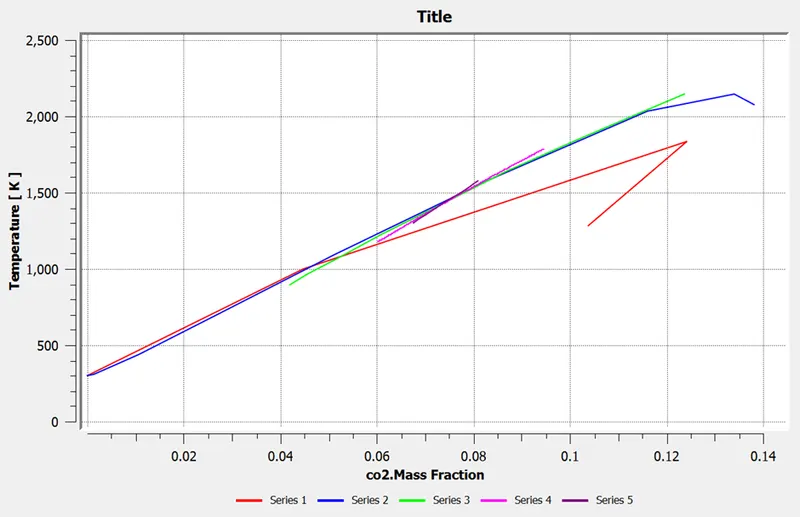
Co2
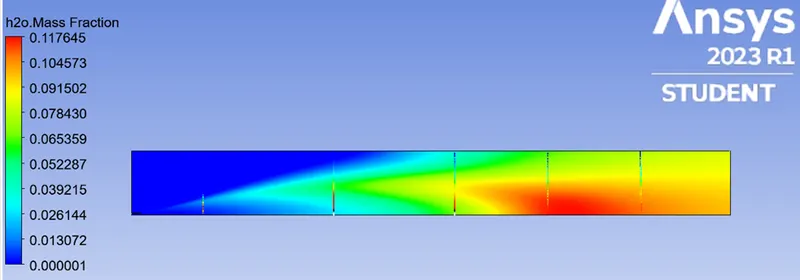
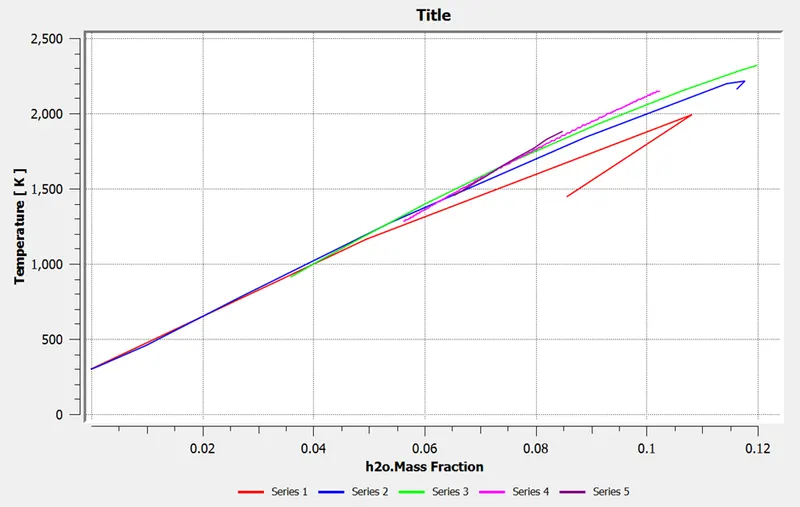
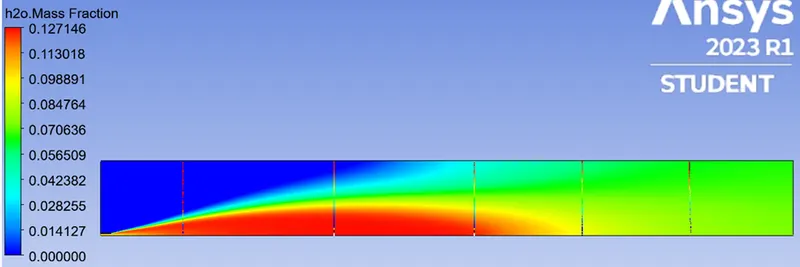
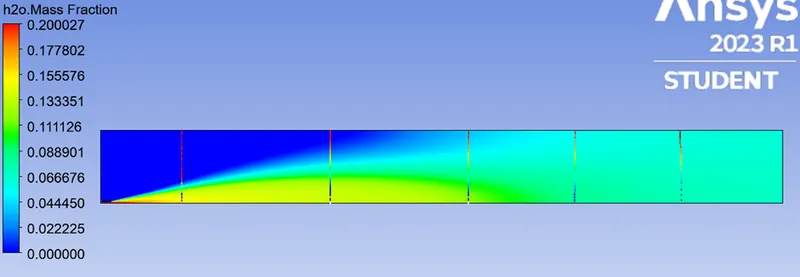
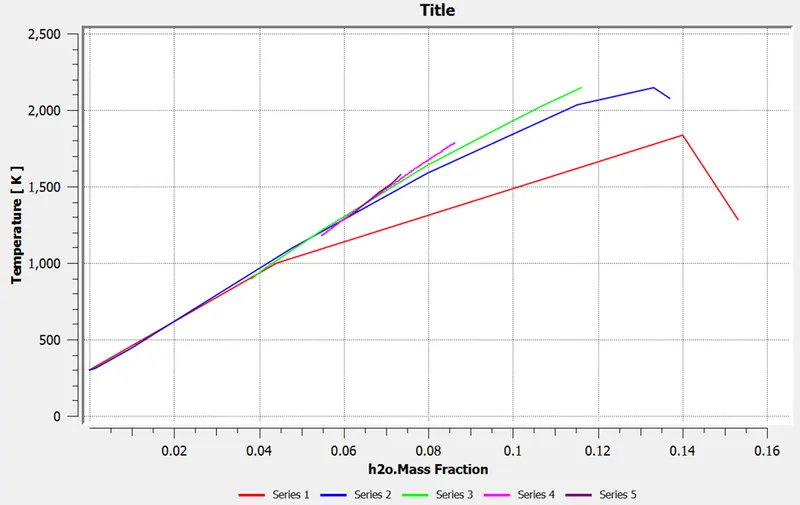
H2o
N2
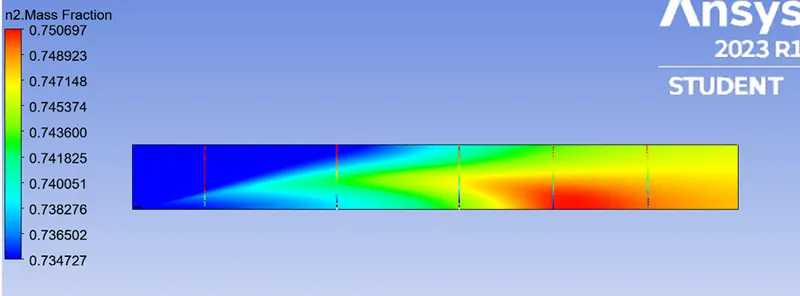
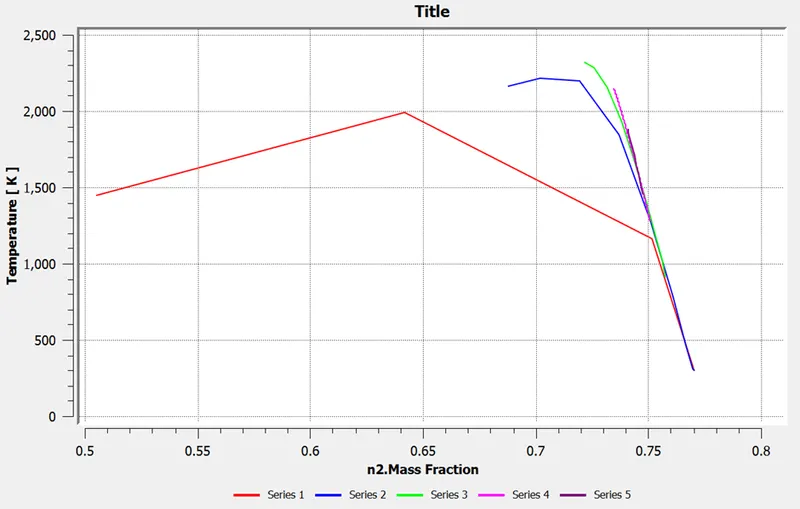
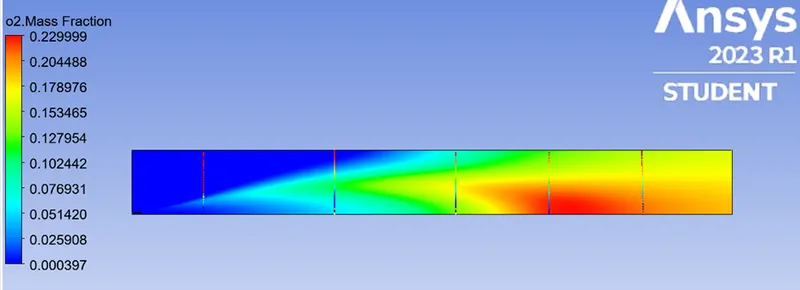
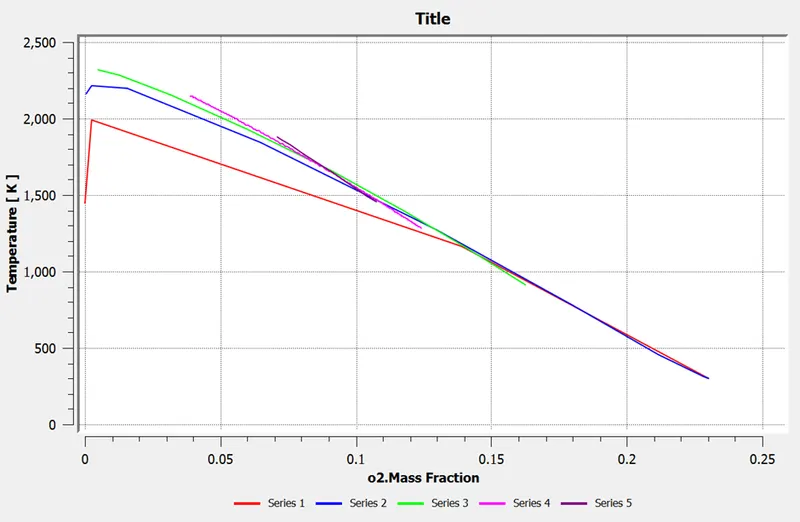
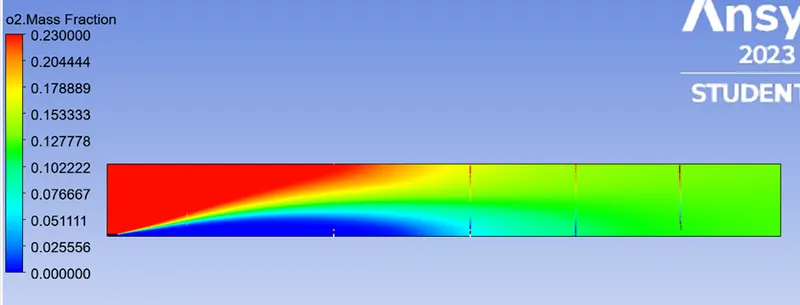
o2
Part B)
- Add water content in the fuel from 5% to 30% by mole.
1)5% of H2O
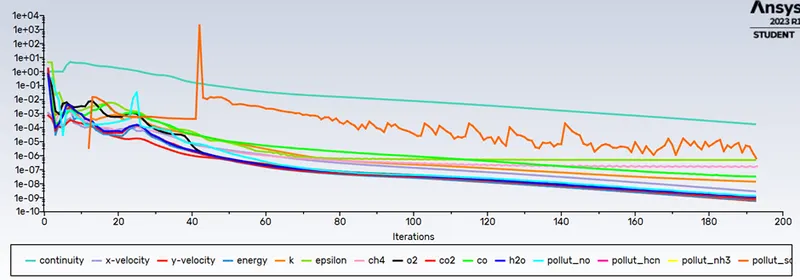
Residuals
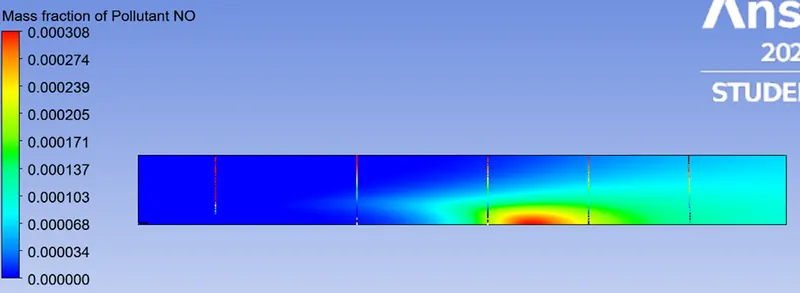
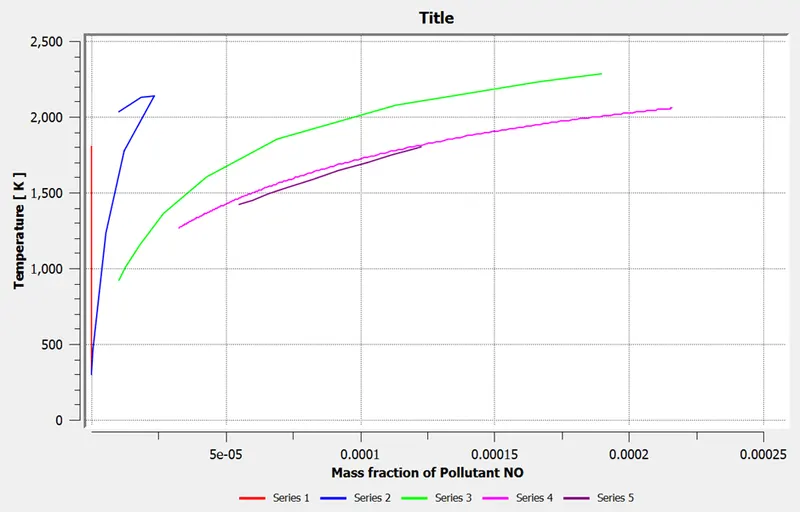
Nox
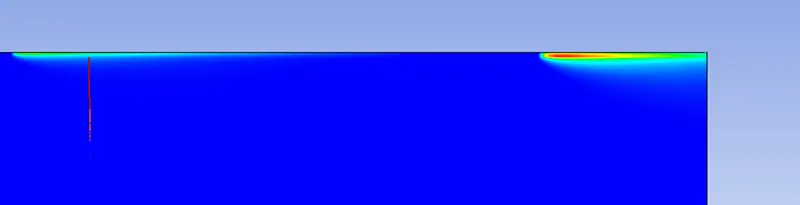
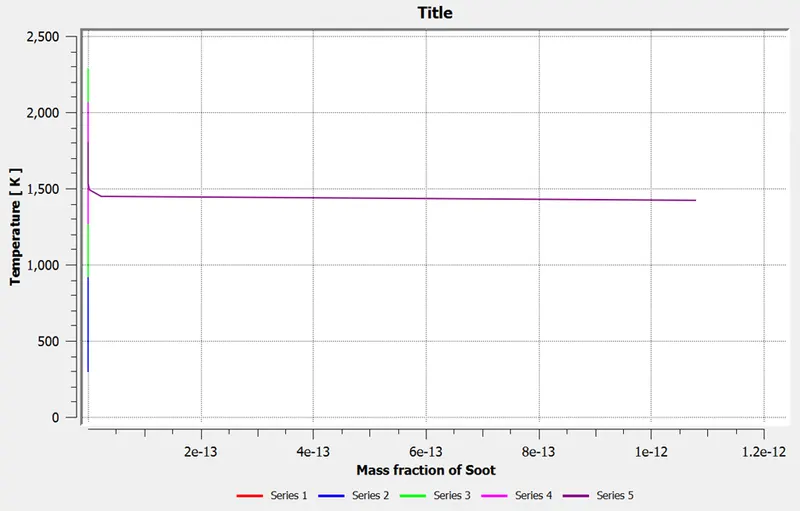
Soot
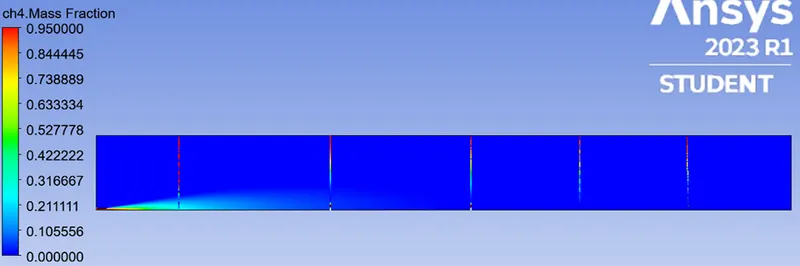
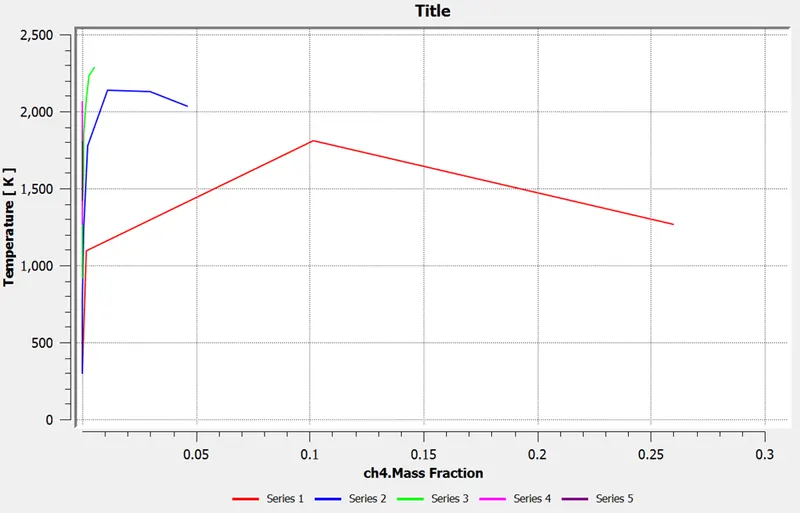
Ch4
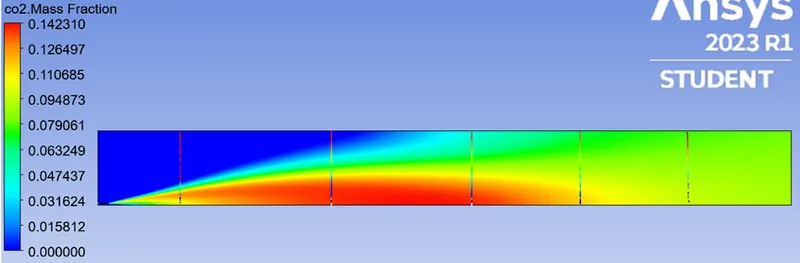
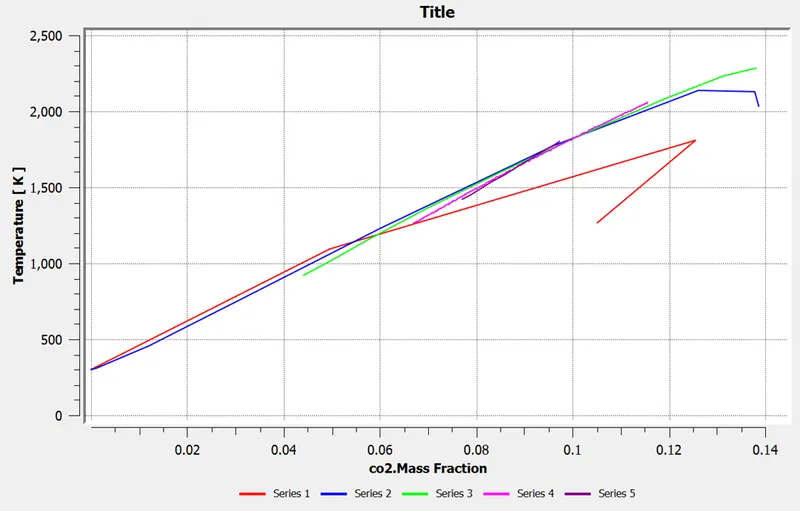
Co2
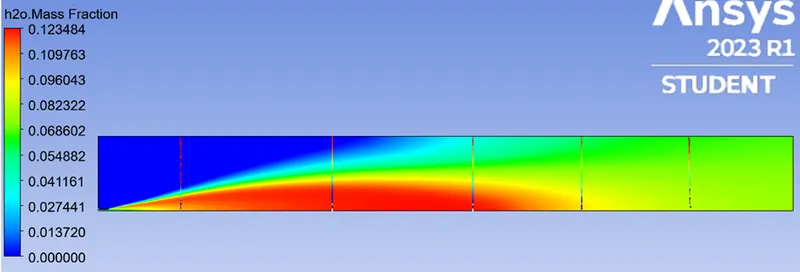
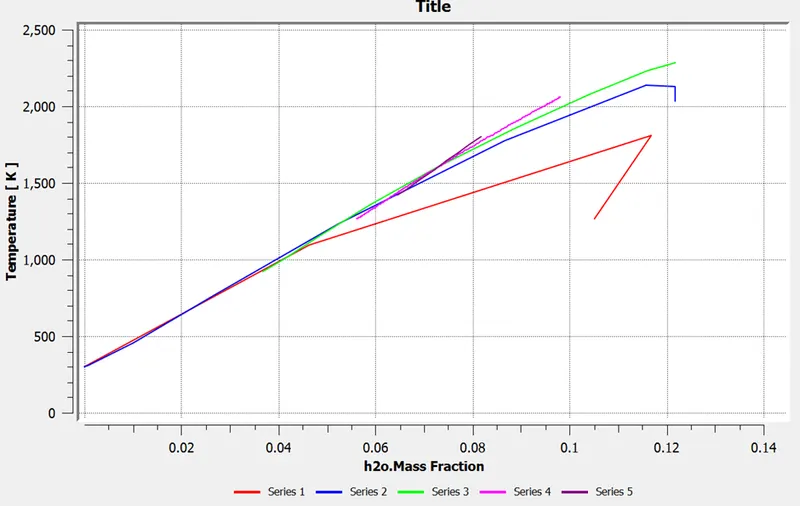
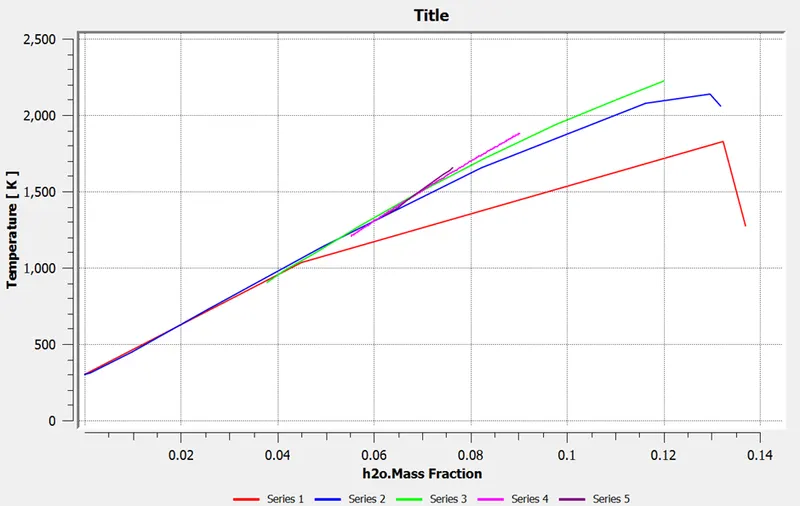
h2o
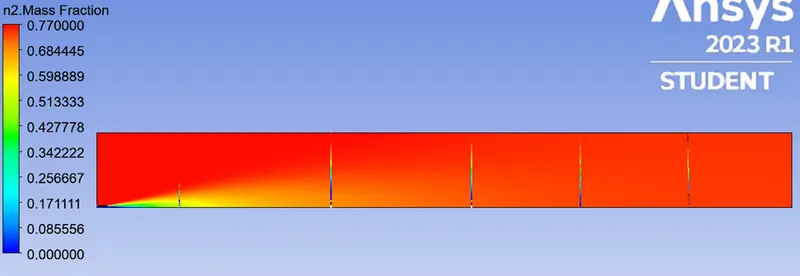
n2
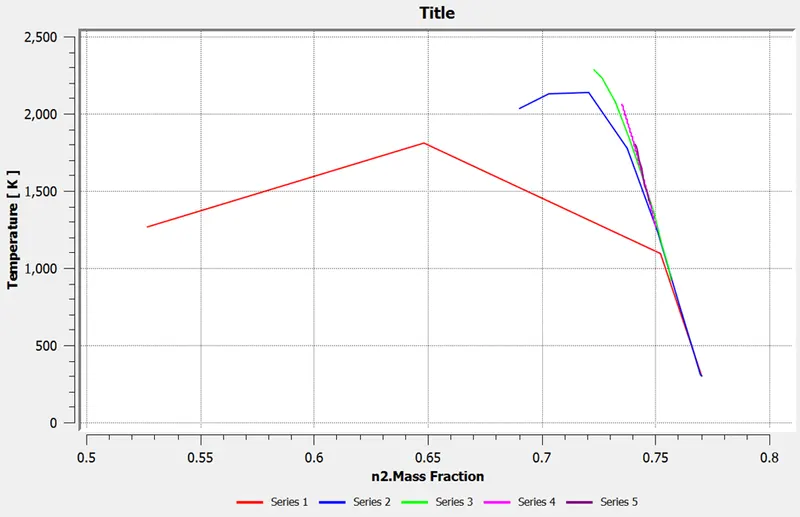
o2
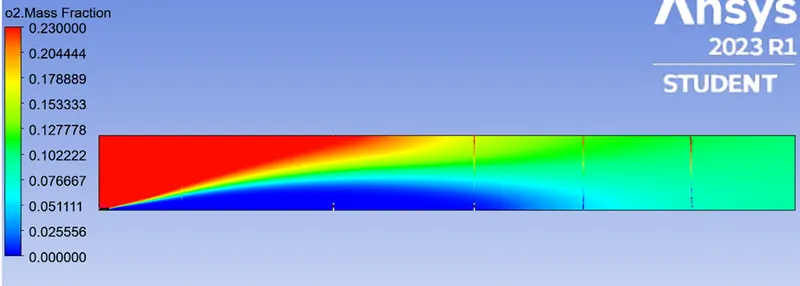
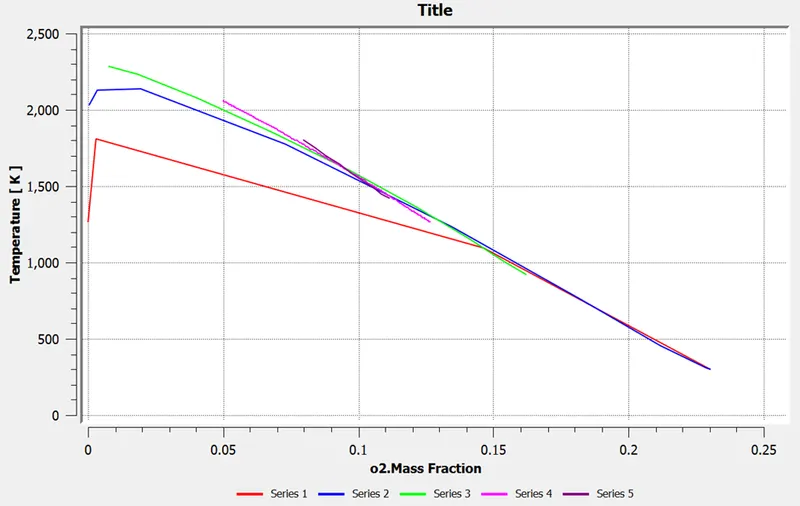
2)10% of H2O
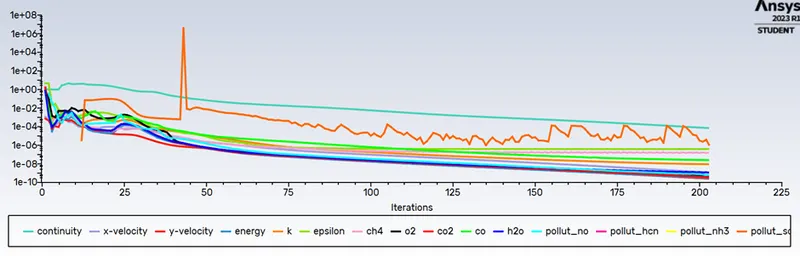
Residuals:
Nox
Soot
Ch4
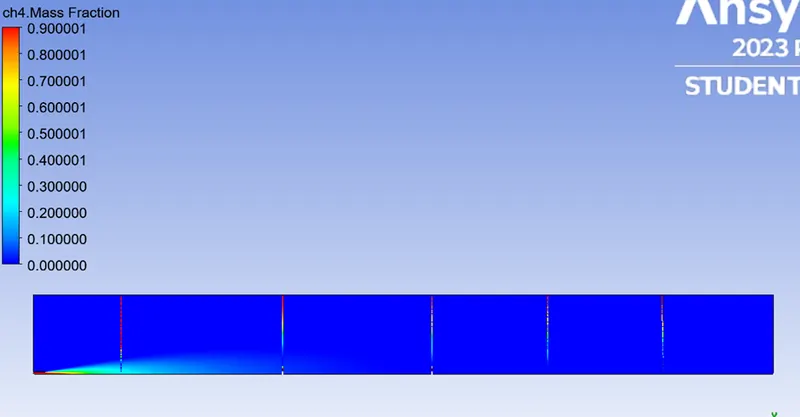
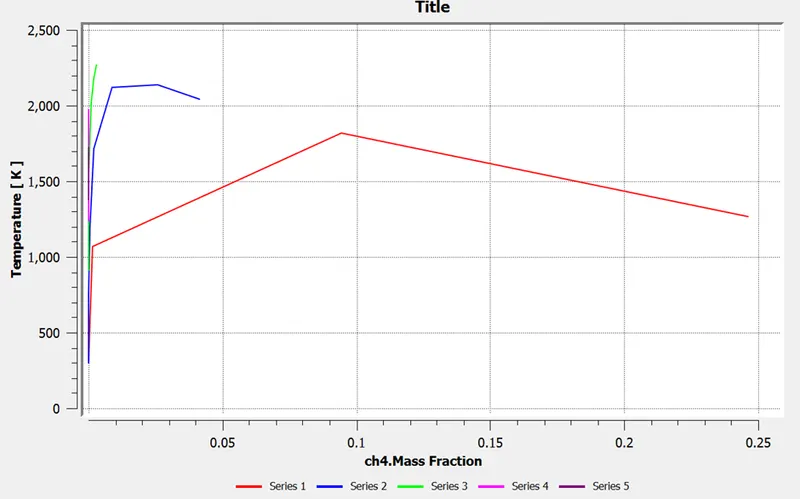
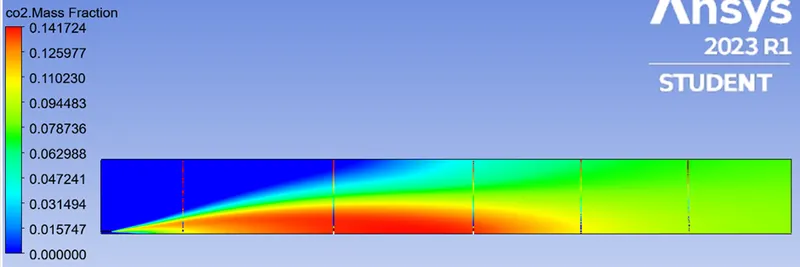
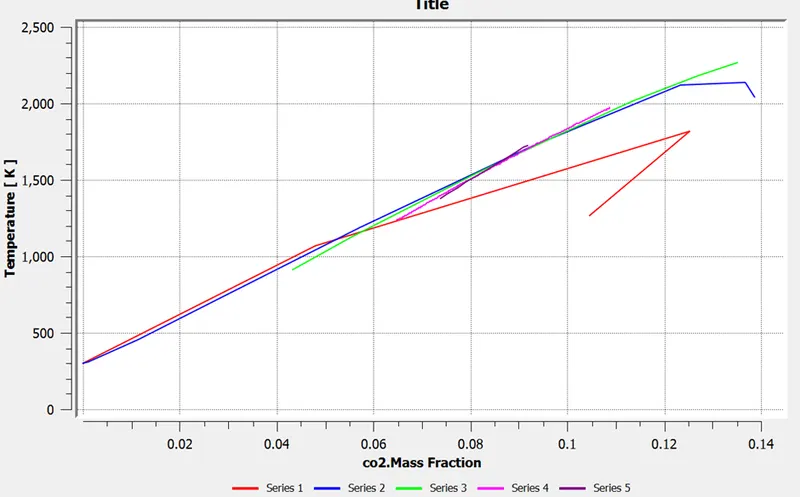
Co2
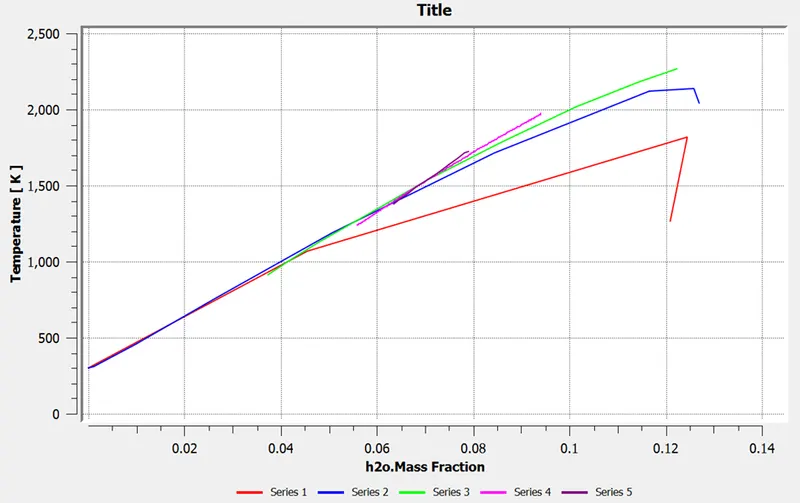
H2o
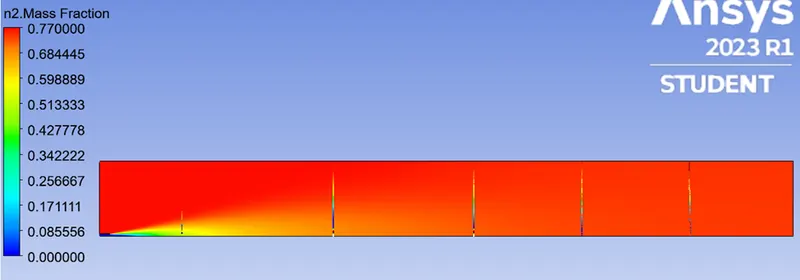
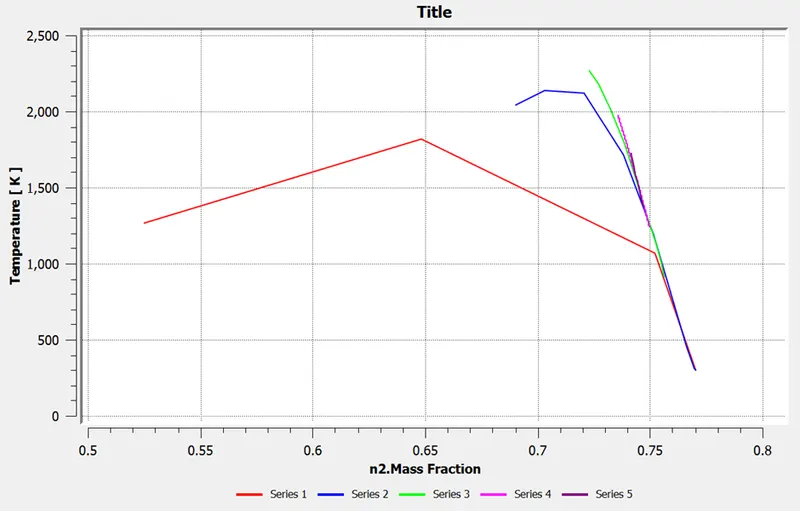
N2
o2
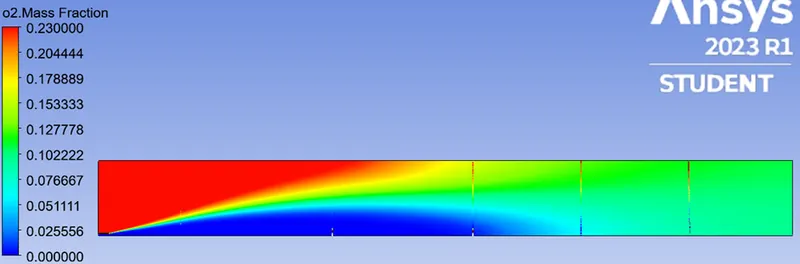
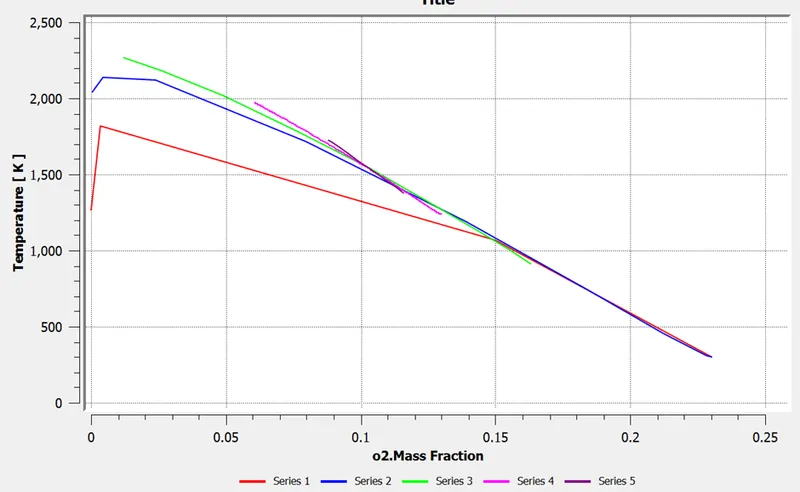
3)15% H2O
Residuals
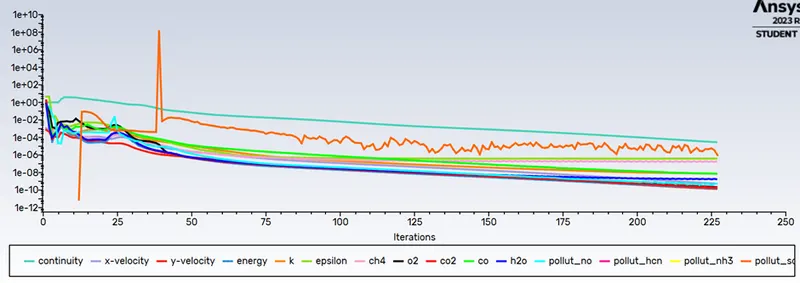
Nox
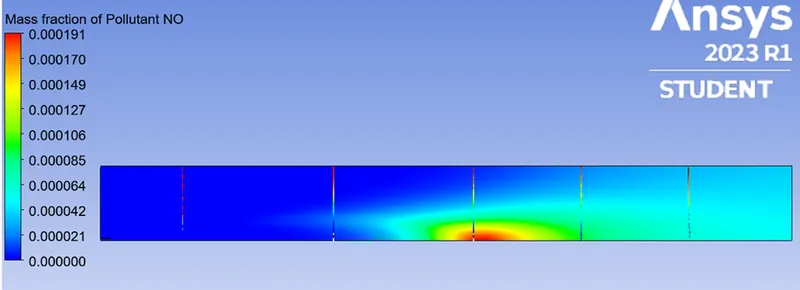
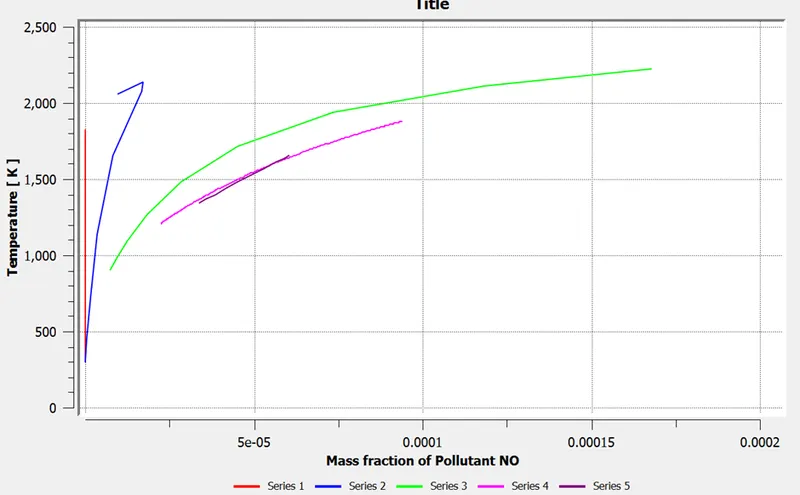
Soot
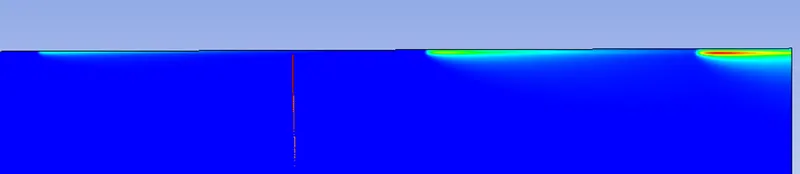
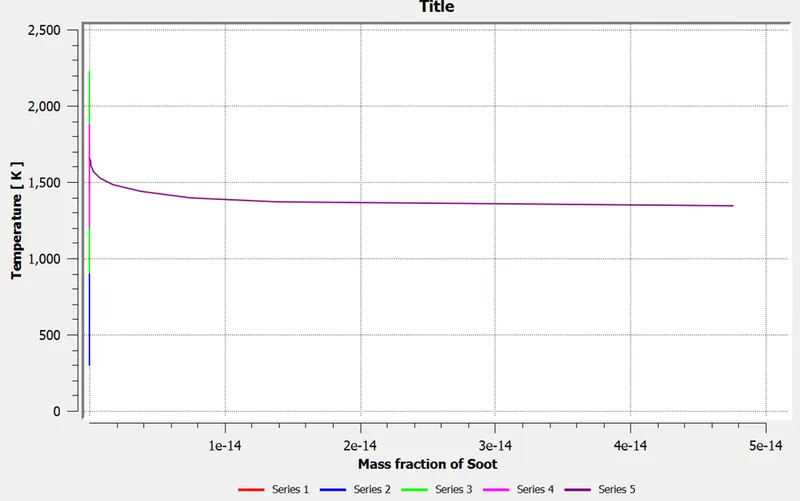
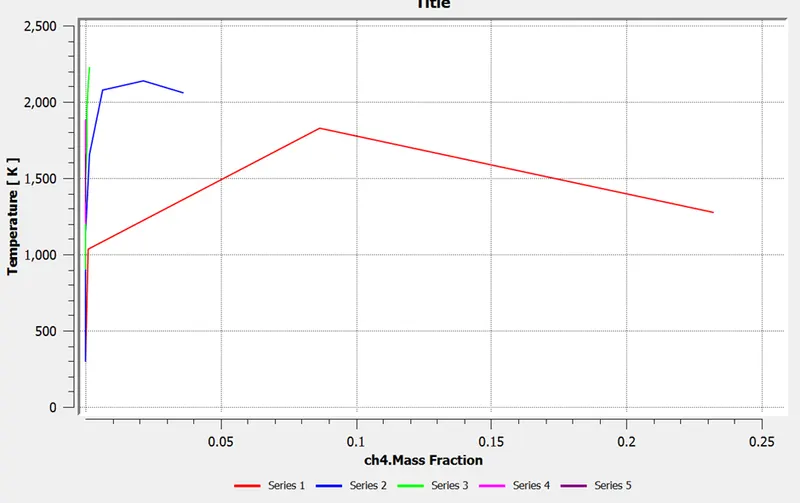
Ch4
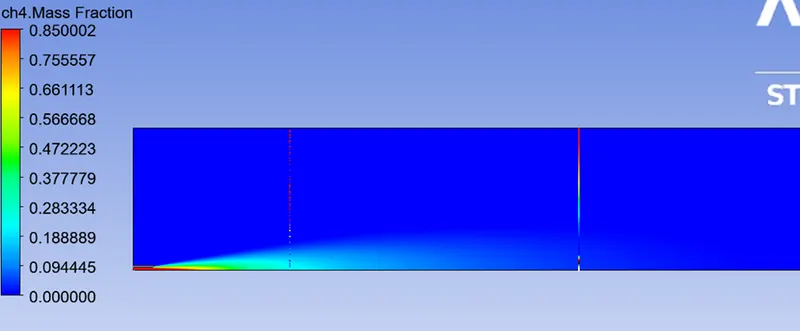
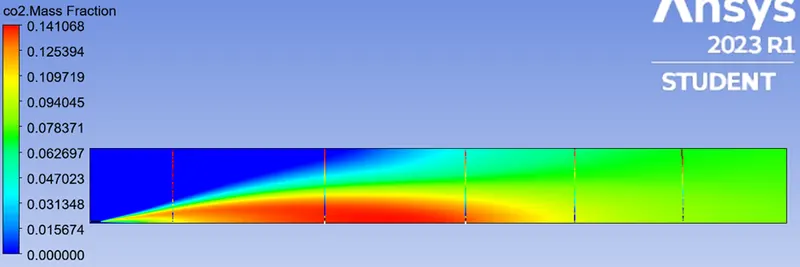
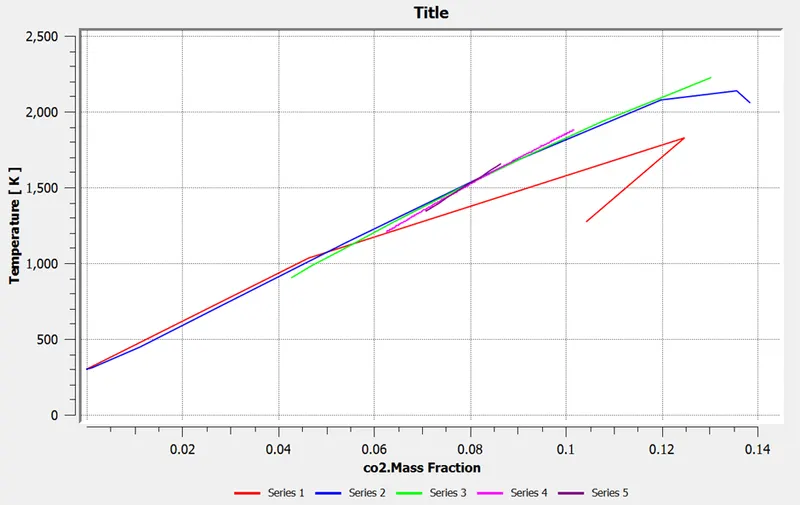
Co2
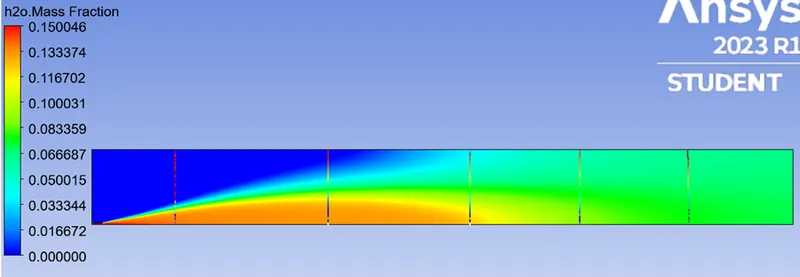
h2o
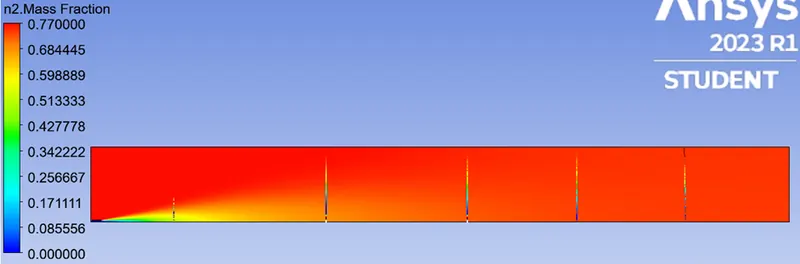
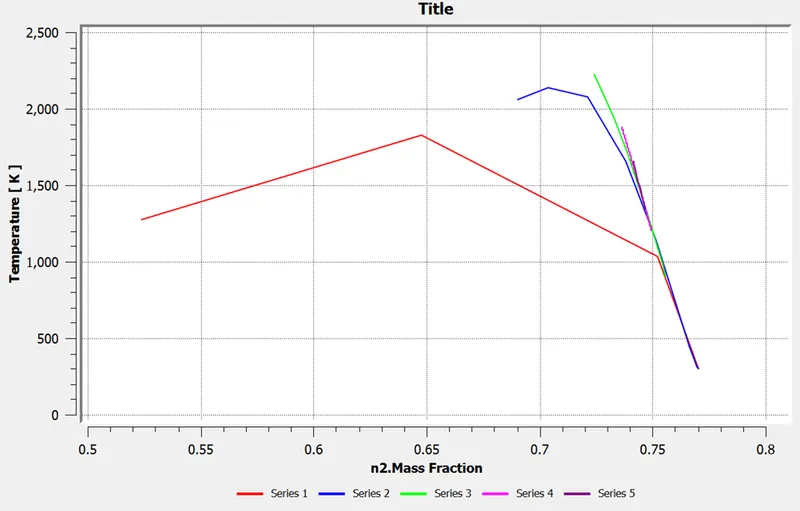
N2
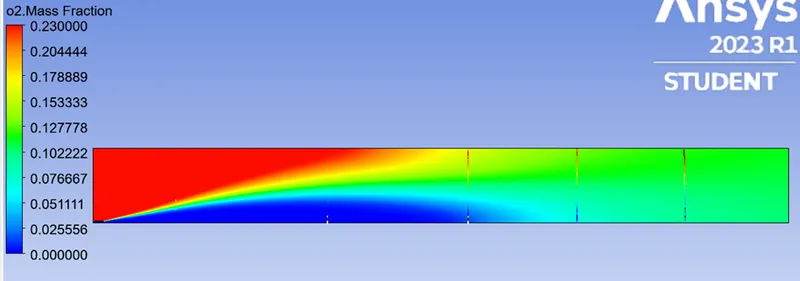
o2
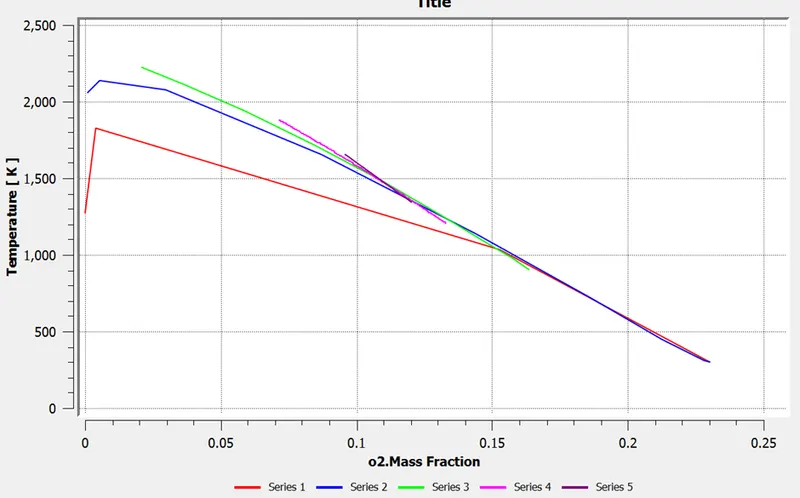
4)20% of H2O
Residuals
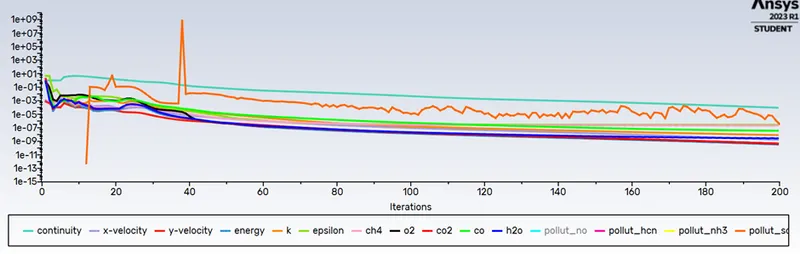
Nox
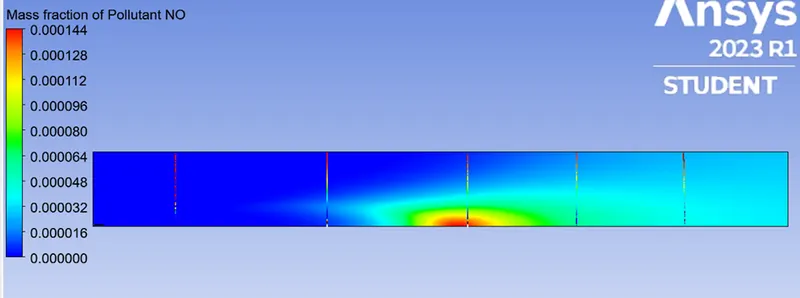
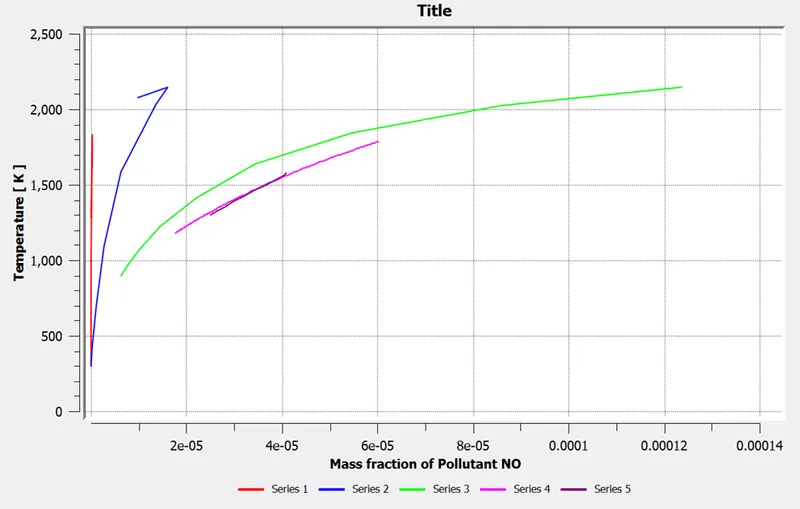
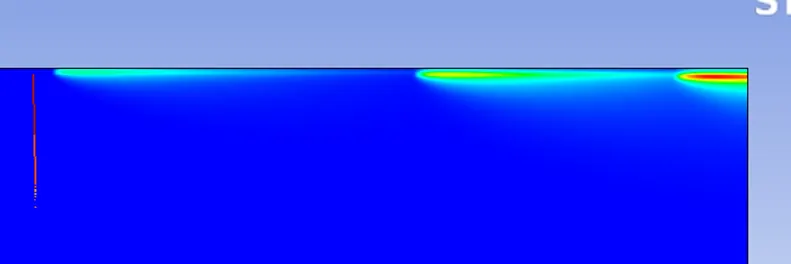
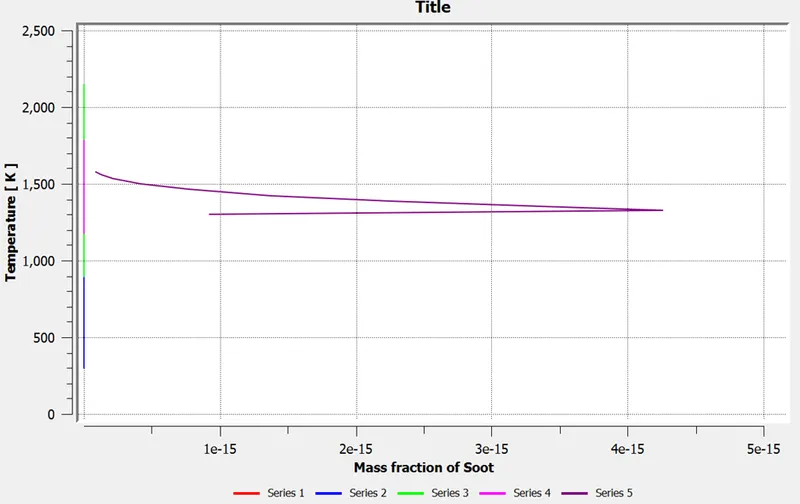
Soot
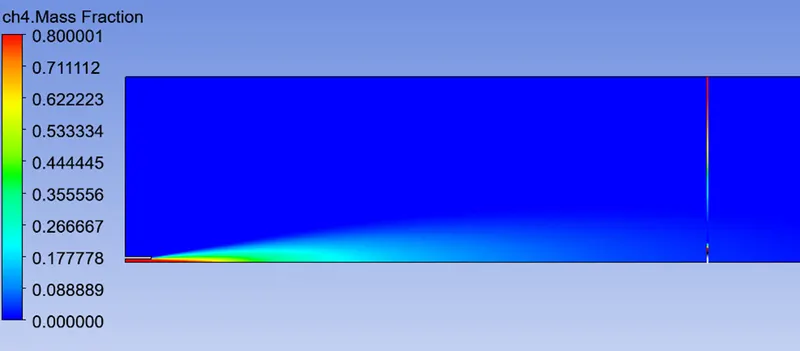
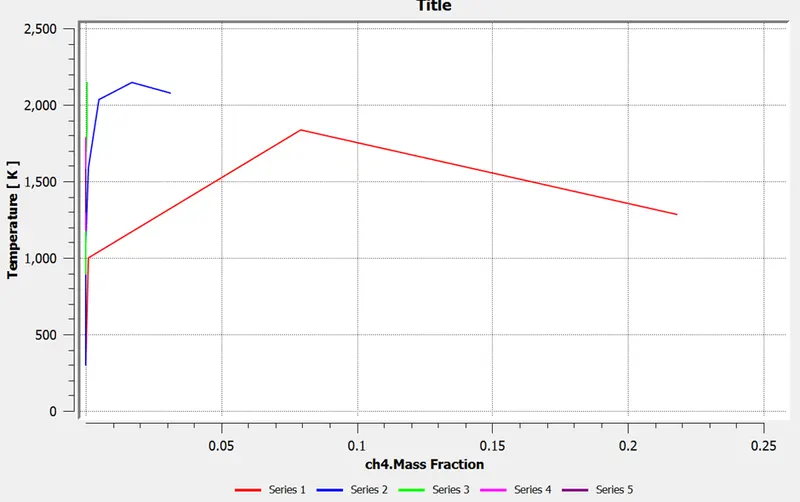
ch4
Co2
H2o
o2
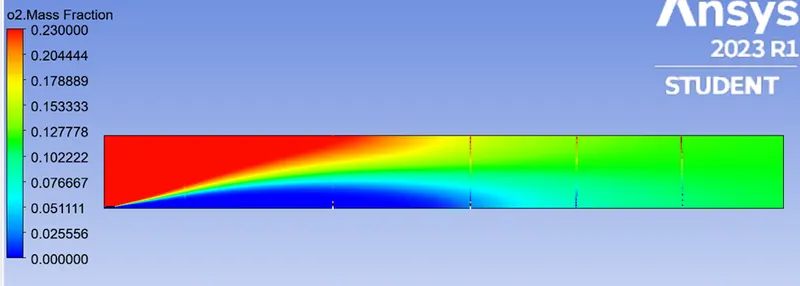
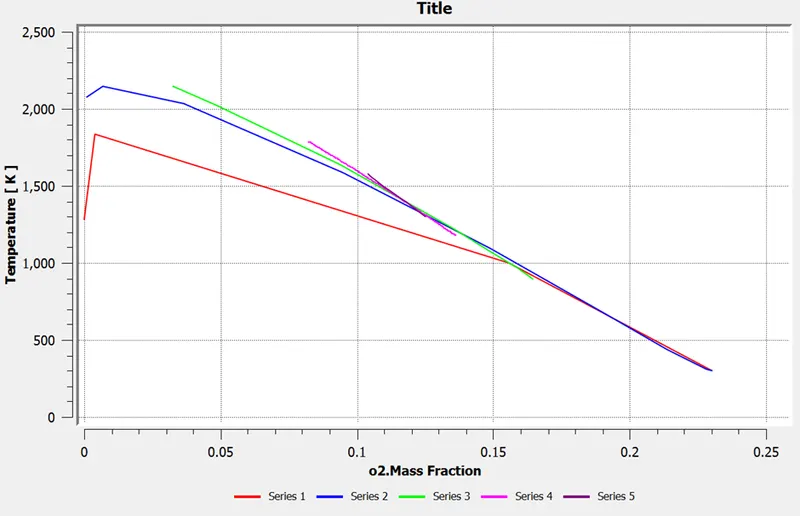
n2
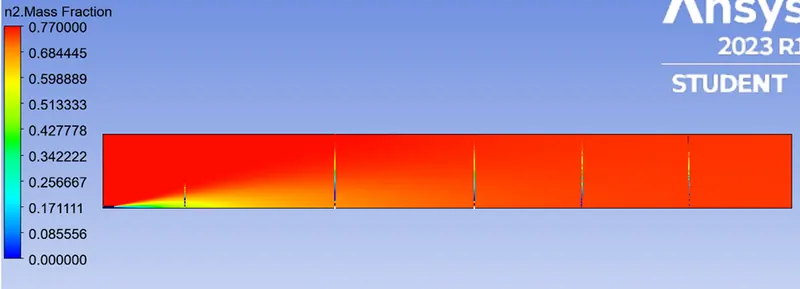
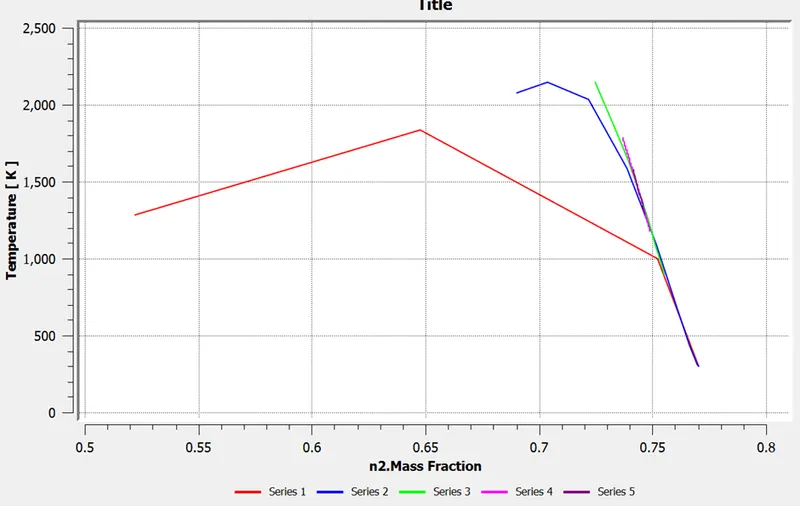
5)25% of H2O
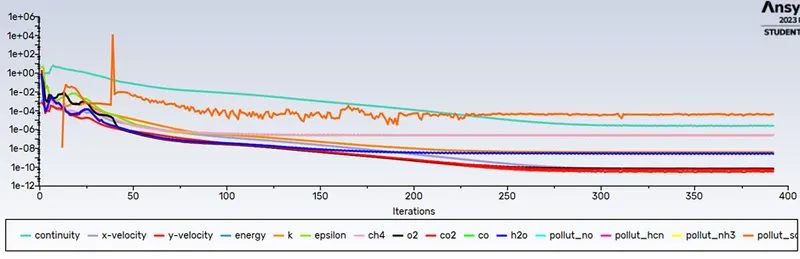
Residuals
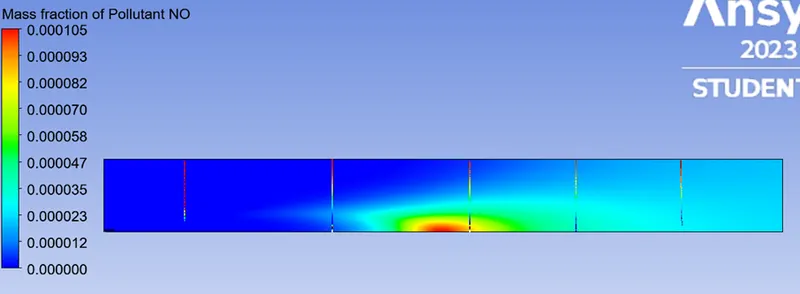
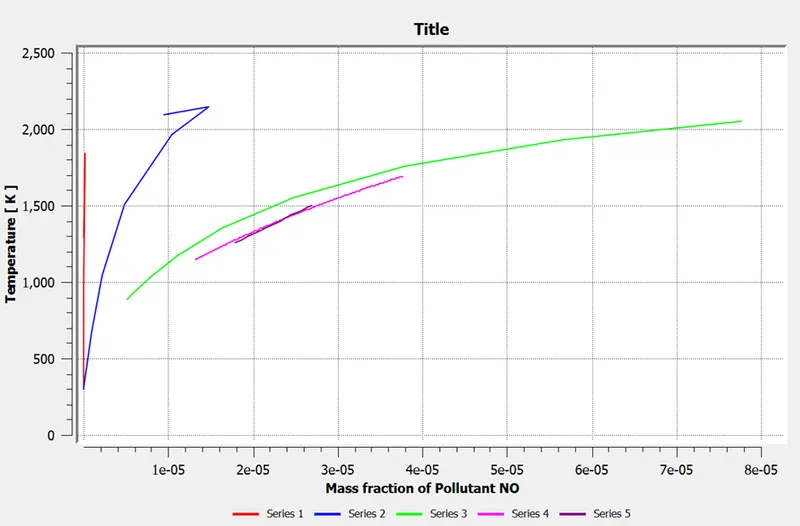
Nox
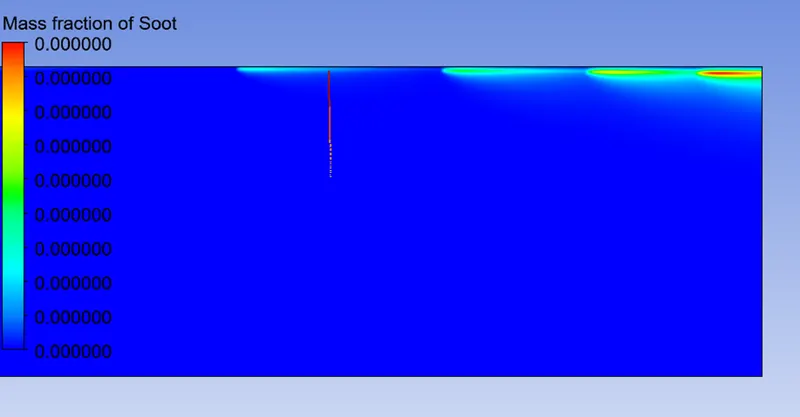
Soot
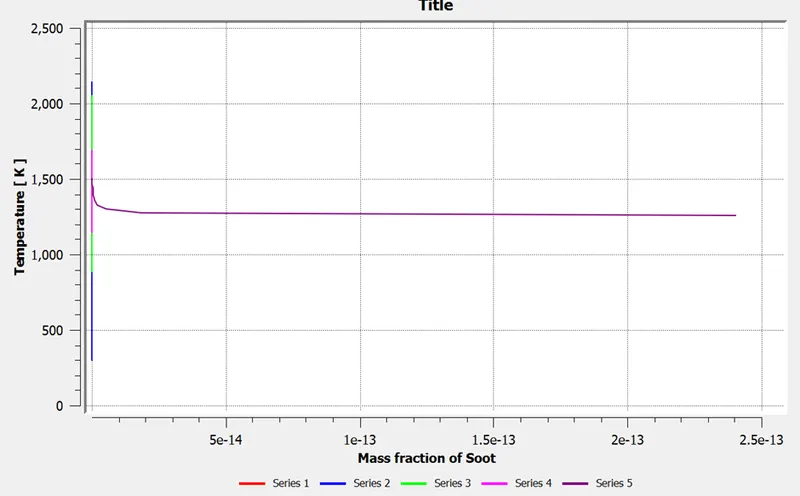
Ch4
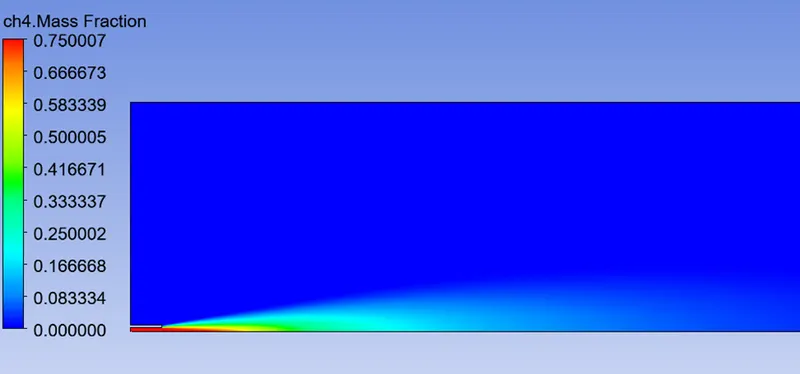
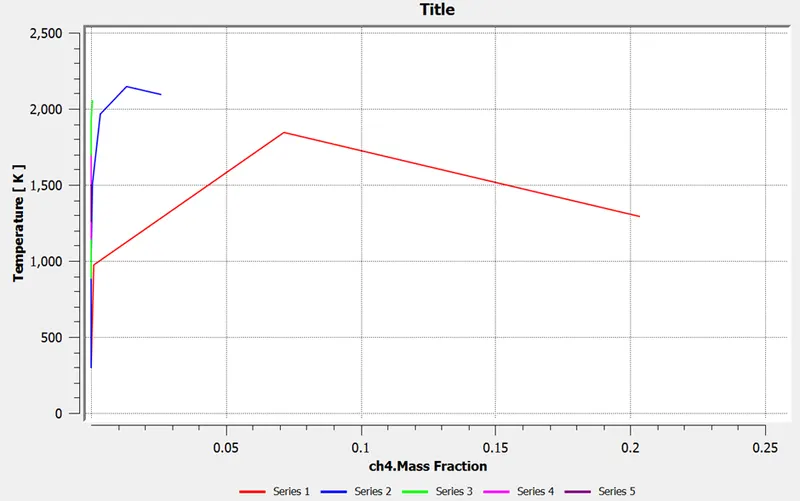
Co2
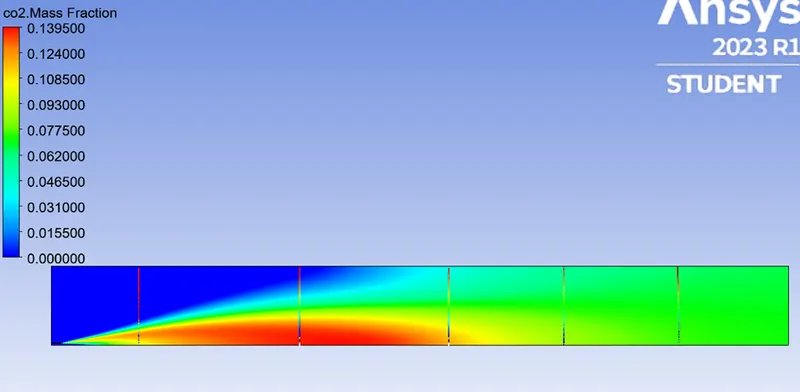
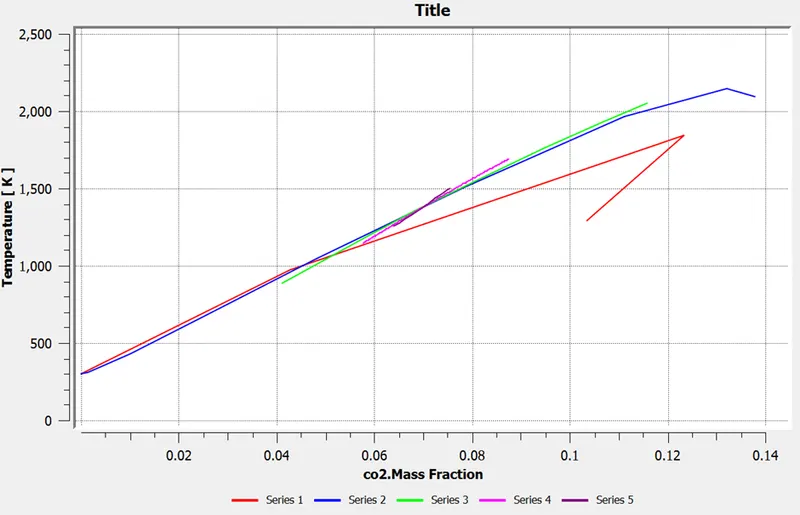
h2o
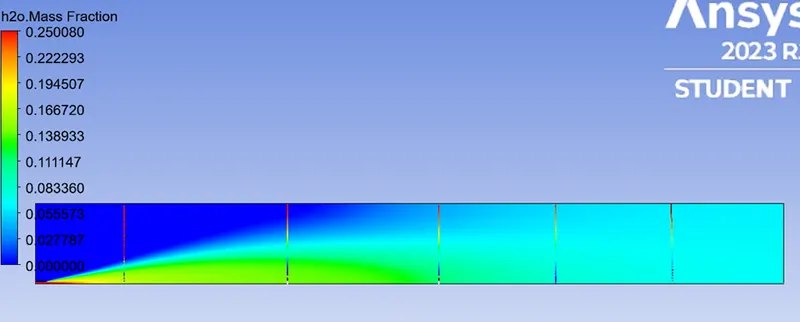
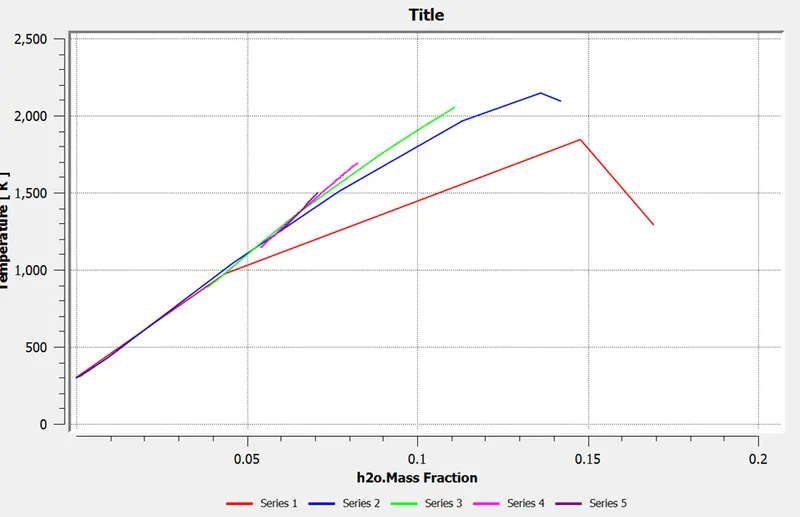
N2
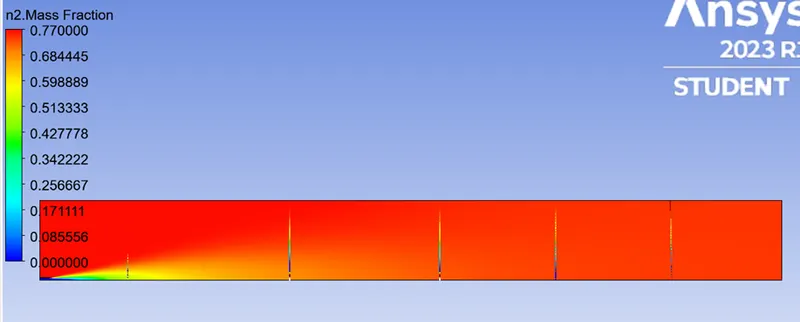
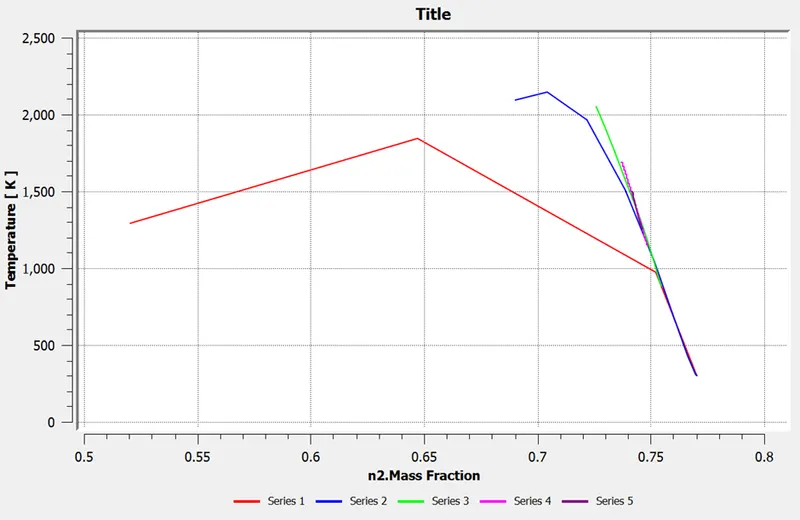
o2
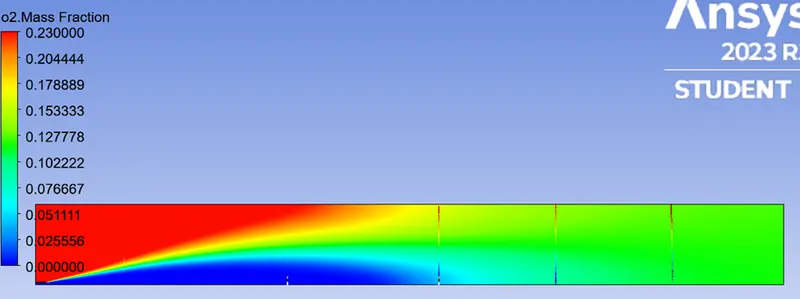
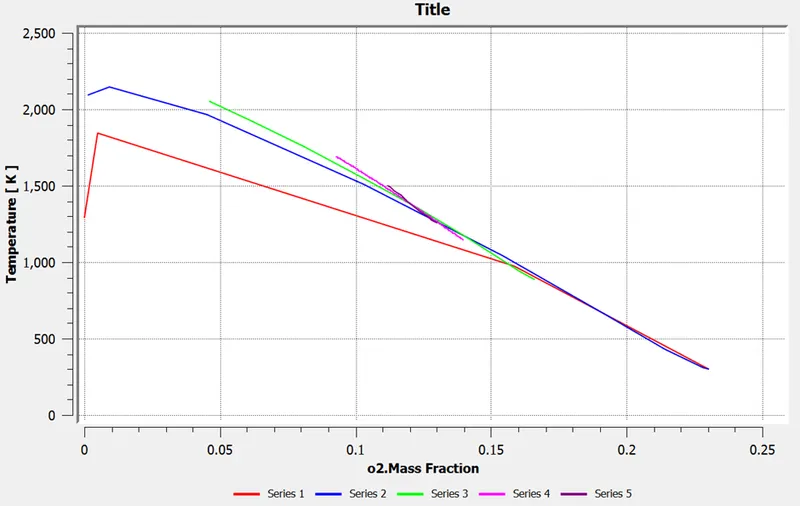
6)30% of H2O
Residual
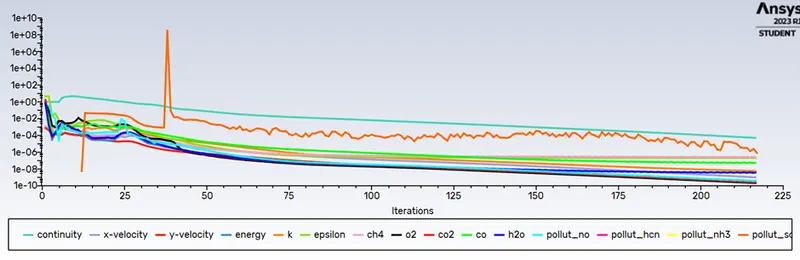
Nox
Soot
Ch4
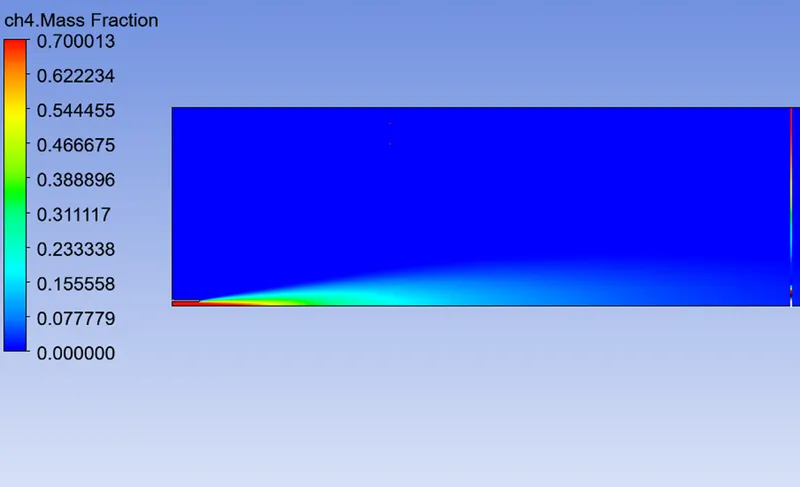
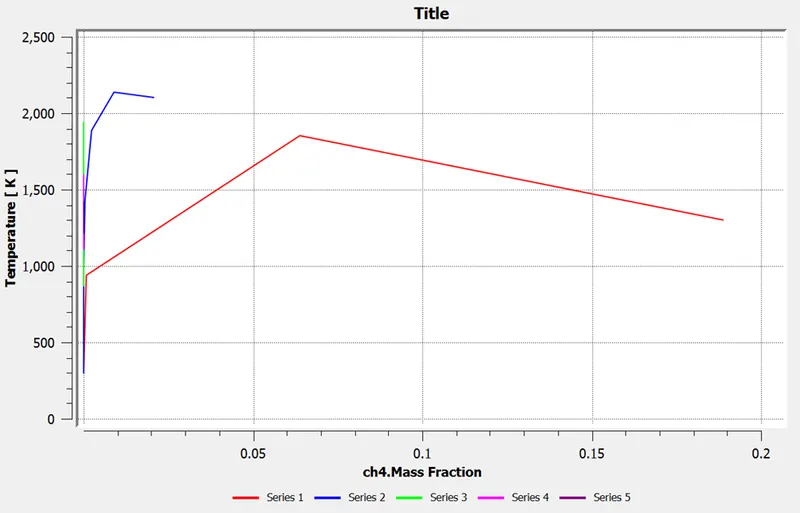
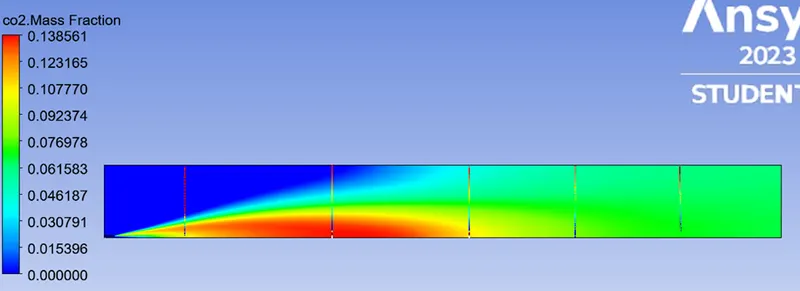
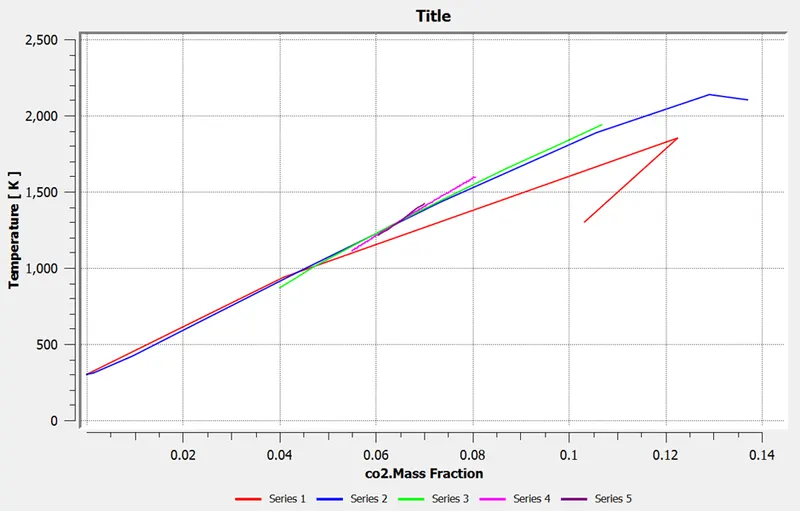
co2
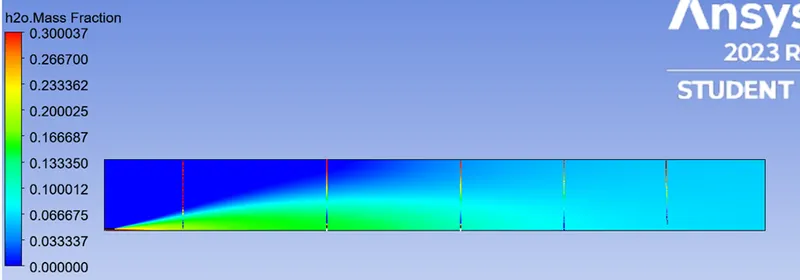
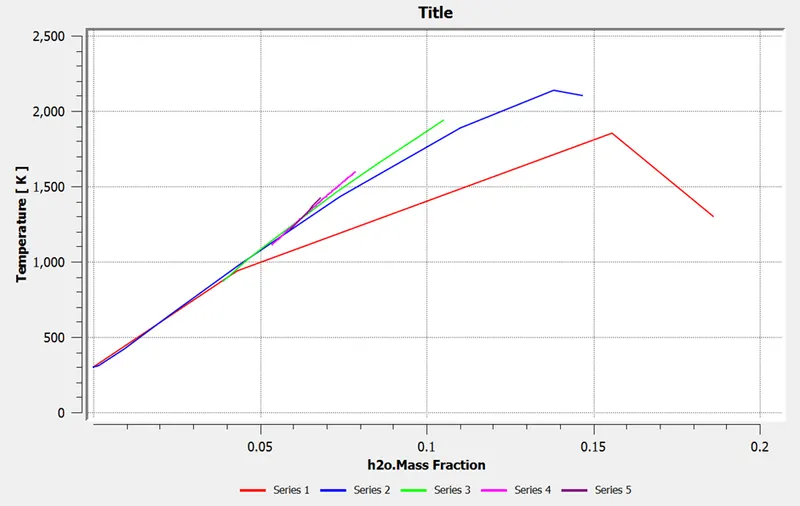
H2o
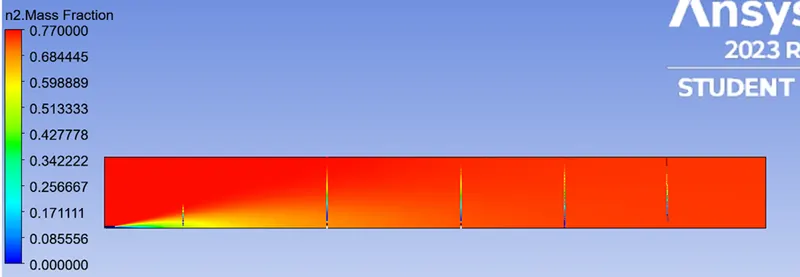
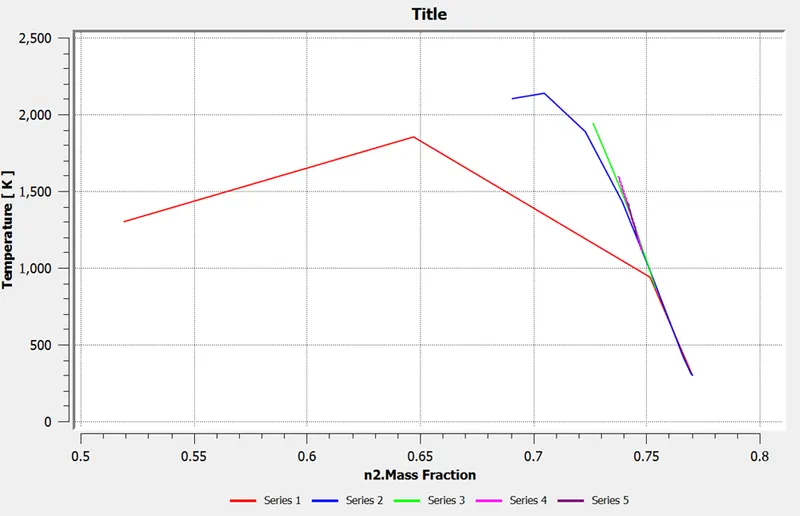
N2
o2
Conclusion
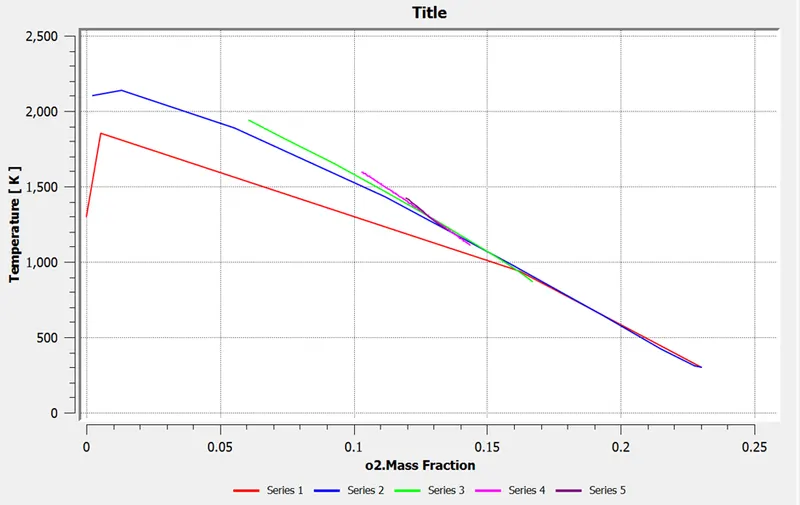
- From the above results and plots we can conclude that the amount of carbon dioxide and water increases as combustion proceeds.
- Heat is released during the combustion process.
- The amount of Nitrogen going as almost same as the amount of nitrogen coming out in all the cases.