Week 10 - Simulating Combustion of Natural Gas.
Aim: To perform a combustion simulation on the combustor model and plot the variation of the mass fraction of the different species in the simulation.
Objective:
Part 1
- To perform a combustion simulation and plot the variation of mass fraction of different species in the simulation using line probe at different
- setup NOx and soot model to observe NOx emissions and soot
Part 2
- Add water content in the fuel from 5% to 30% by mole.
Introduction
Combustion or burning is a high-temperature exothermic redox chemical reaction between a fuel and oxygen. After combustion it produces CO2,H2O and heat energy.
fuel+oxygen → water + carbon dioxide + heat energy
For Example,
CH4 + O2 → H2O + Co2 + Heat
Use of combustion reaction
- It is used in the carbon black formation industry.
- It is also used in our daily life while using LPG stove.
- This reaction is used in so many industries like thermal power plant, urea plant etc.
Case setup
Geometry
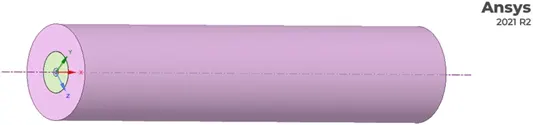
Import geometry in SpaceClaim.
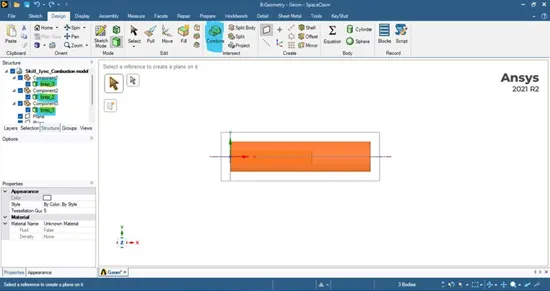
- now select volumes of each component and combine.
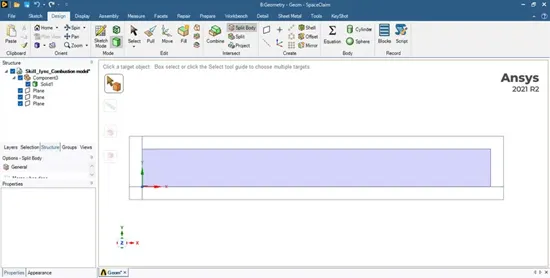
- now split the body and copy its geometry as given below.
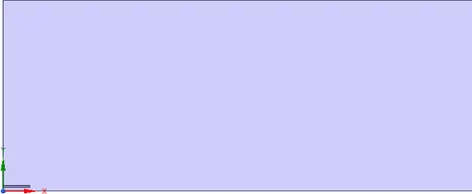
- inlet view
- Meshing
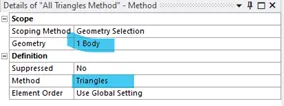
- insert a meshing method and select 2D geometry and set methods as triangle.
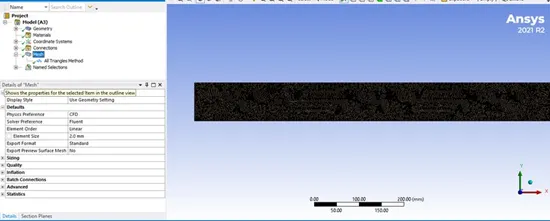
- generate mesh
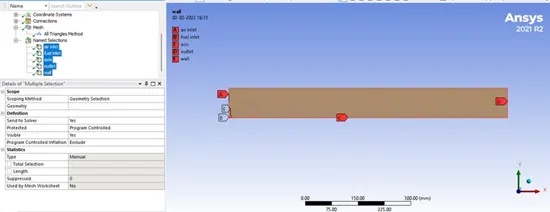
- named selections
- setup
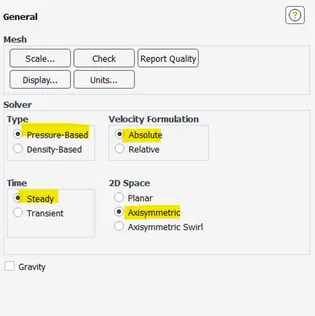
- general setup
- Solver type: Pressure based Velocity formulation: Absolute time: Steady
- 2D space: Axisymmetric
- Energy: Enabled
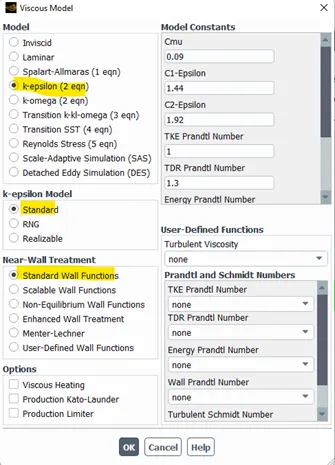
- viscous model: K-epsilon, standard model with standard wall function.
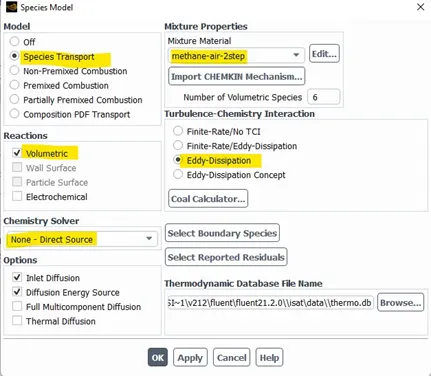
- Species
- Model: Species transport
- Reactions: Volumetric
- Mixture material: methane-air
- Turbulence-Chemistry Interaction: Eddy-Dissipation
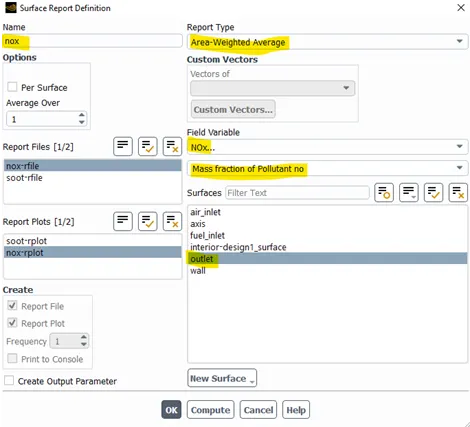
- Report definitions for NOx and soot.
- initialization: Hybrid initialization
- create contour for the temperature.
- run calculation
- Results
for 1 molar fraction of CH4
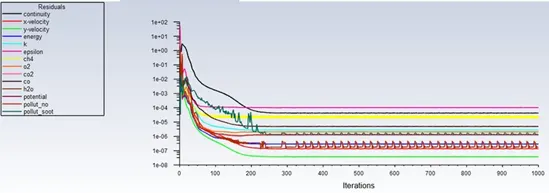
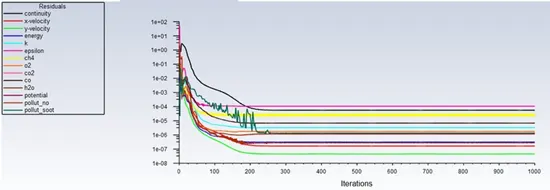
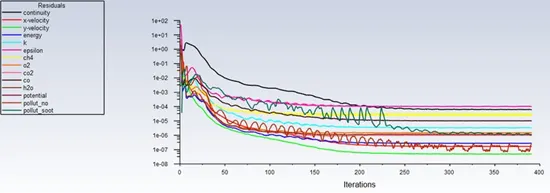
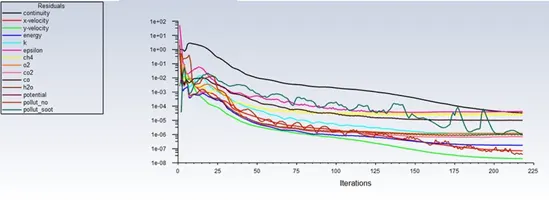
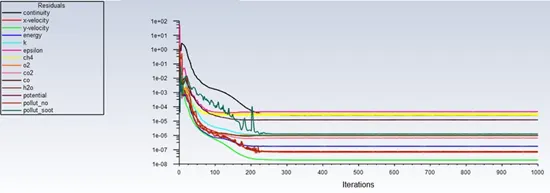
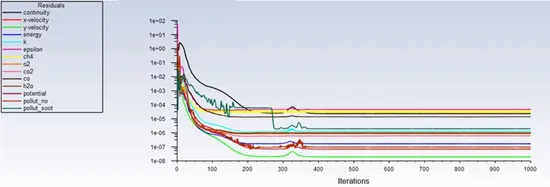
Residuals
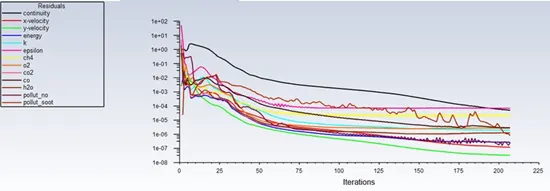
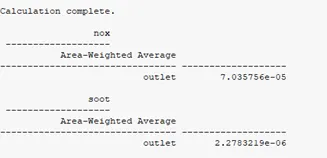
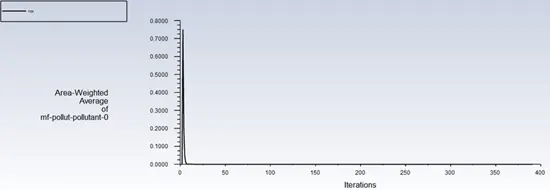
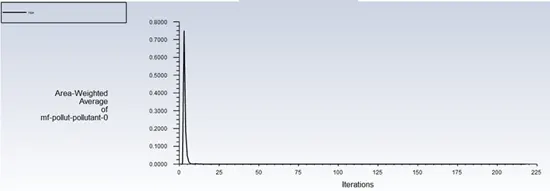
NOx
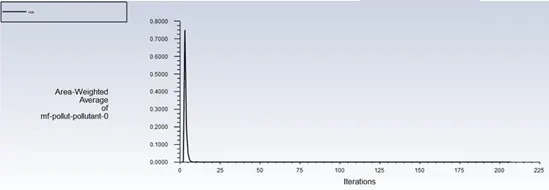
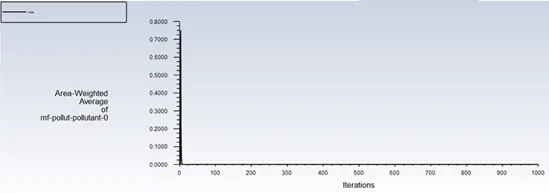
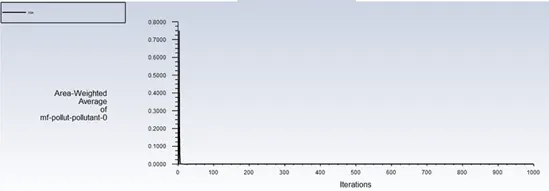
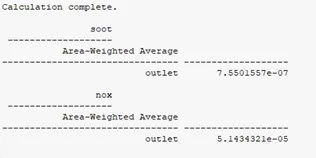
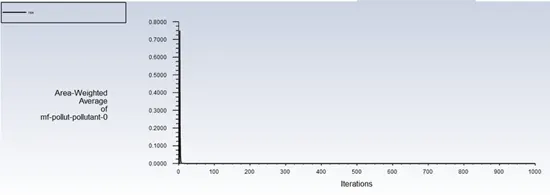
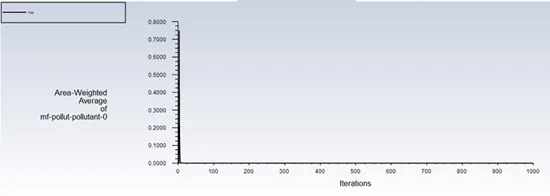
We can observe the formation of NOx at the initial stage up to 5-10 iteration but after that there is no formation of NOx it is almost zero.
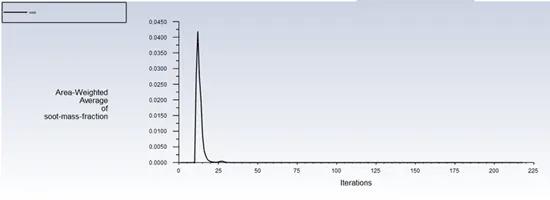
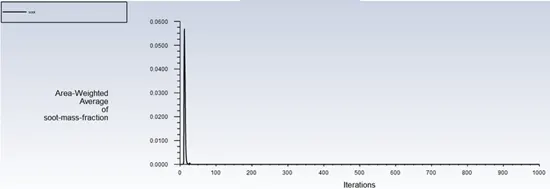
Soot
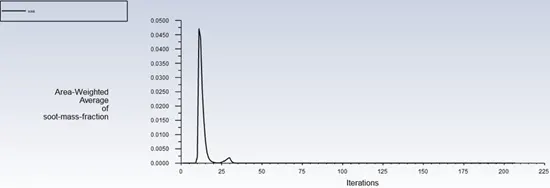
- Soot is black powder that comes from burning things and collects in chimney.
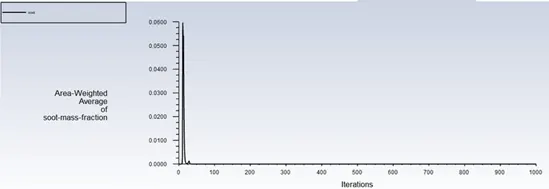
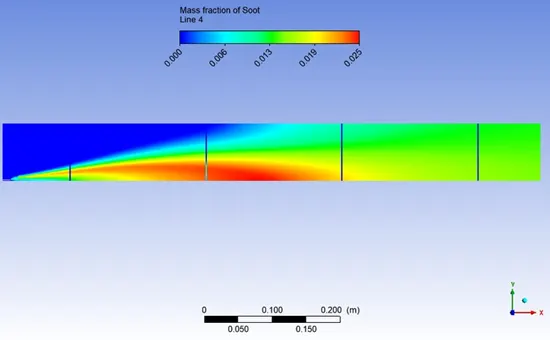
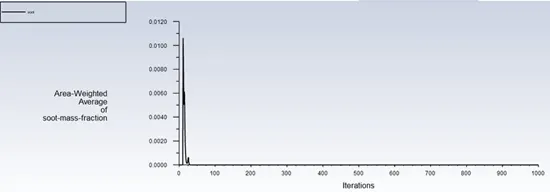
- here we can observe that soot is being formed up to 5-30 iteration but after that there is no formation of soot. it is almost zero at the outlet at 1000 iteration.
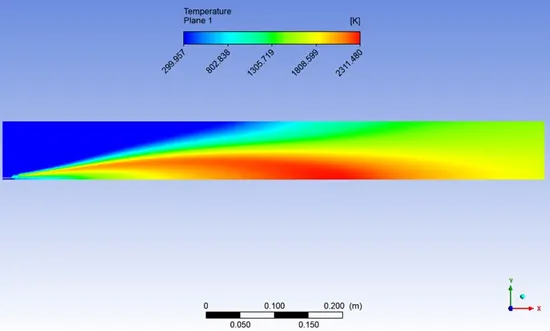
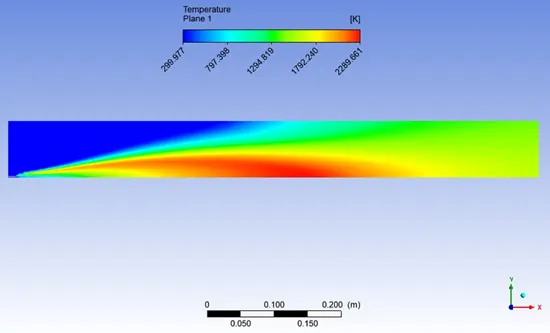
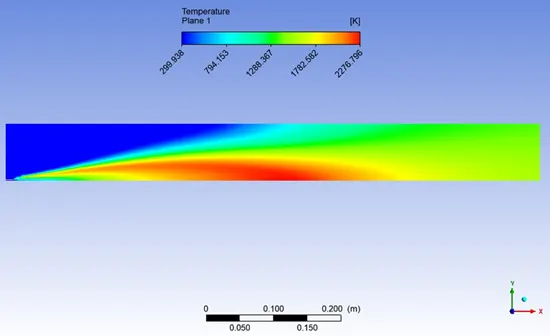
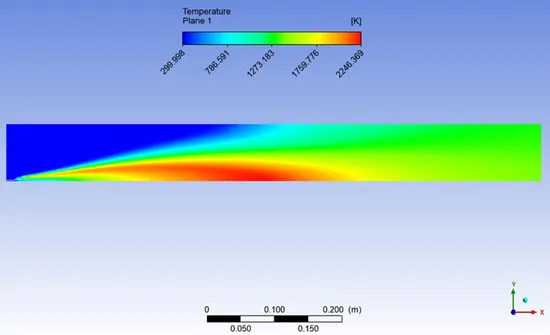
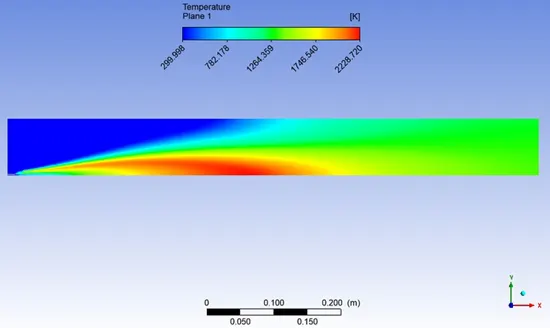
- Temperature contour
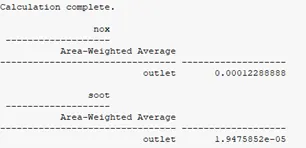
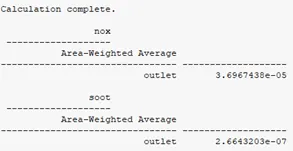
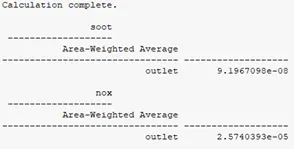
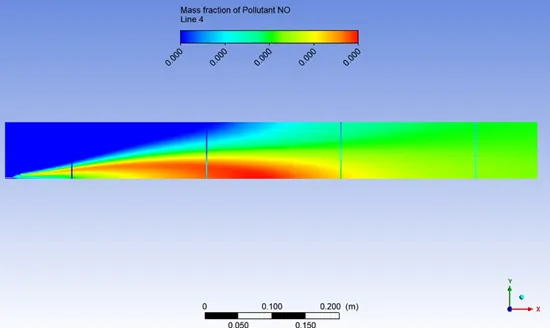
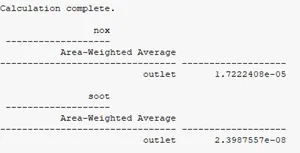
- mass fraction of NOx and soot at outlet
- Mass fraction of CO2 at Line probes
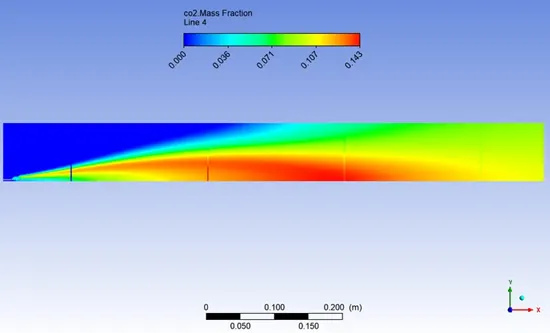
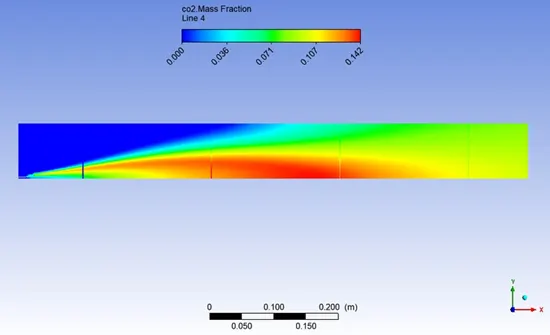
- initially mass fraction of the CO2 at the inlet is Zero but it increases by the length of the burner. but it can be observed that the maximum mass fraction of the CO2 is 0.143 at line 2 then gradually it is decreasing upward.
- fraction of H2O at Line probes
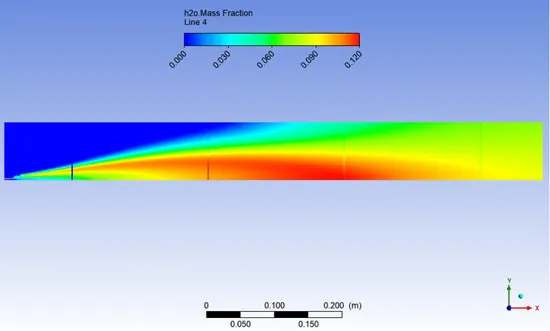
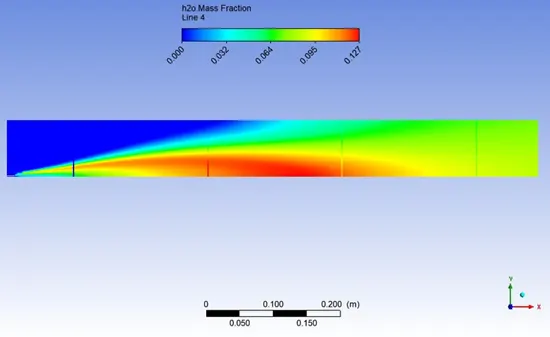
- initially mass fraction of the H2O at the inlet is Zero but it increases by the length of the burner. But it can be observed that the maximum mass fraction of the H2O is 0.120 at line 2 then gradually it is decreasing upward.
- Mass fraction of CH4 at Line probes
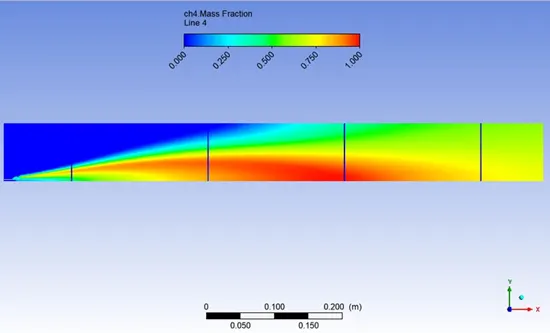
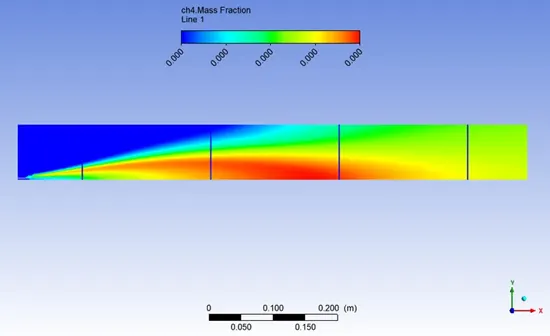
- we can observe that the mass fraction of CH4 in the burner at all line probes is zero, because after entering into burner it is being getting combusted, that's why there is no traces of CH4 in burner except inlet.
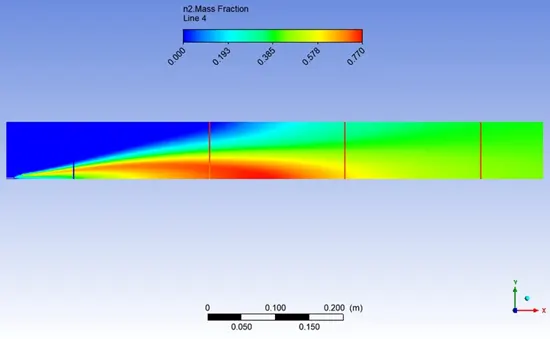
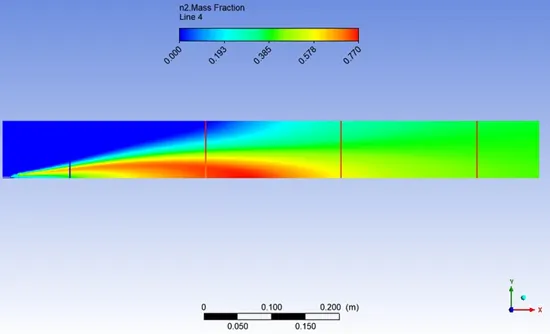
- Mass fraction of N2 at Line probes
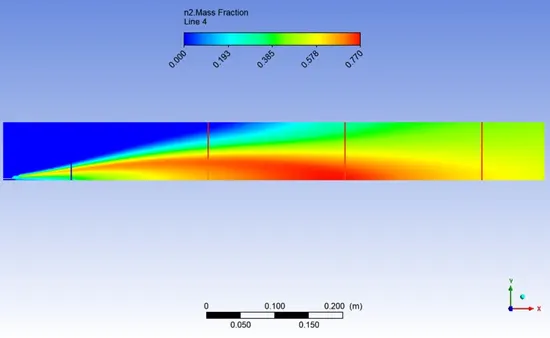
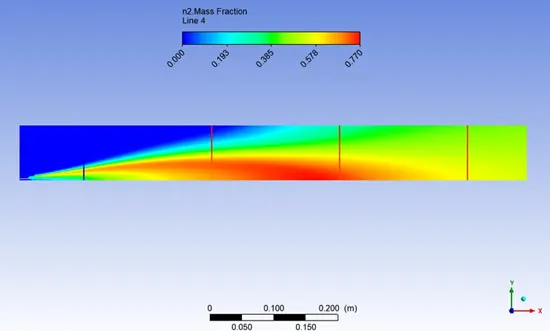
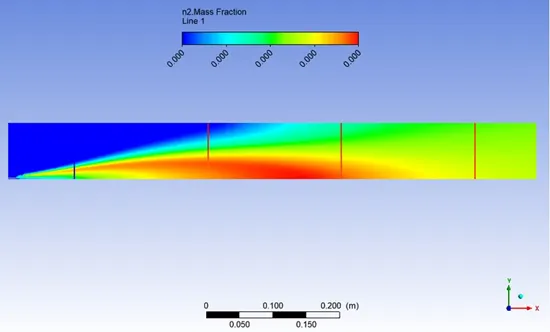
- 77% of Nitrogen present in air. so, it enters the burner with air because we need oxygen for the combustion so we feed air for the source of Oxygen. Since N2 is an inert gas so it does not react with anyone in the burner. so, it is left unreacted that's why we can observe that mass fraction of nitrogen is higher everywhere in the burner except inlet. but a small amount of Nitrogen reacts with oxygen due to higher temperature and form NOx.
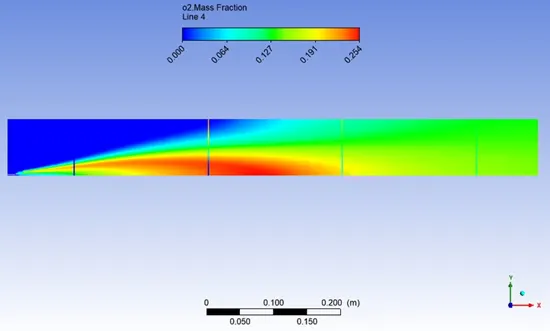
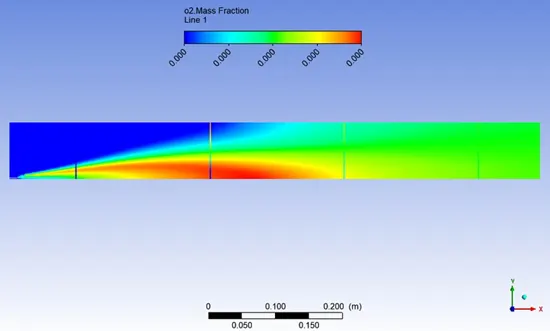
- Mass fraction of O2 at Line probes
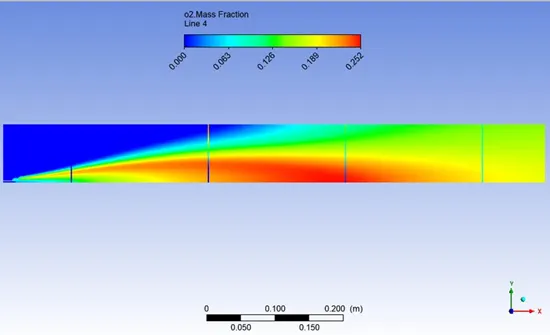
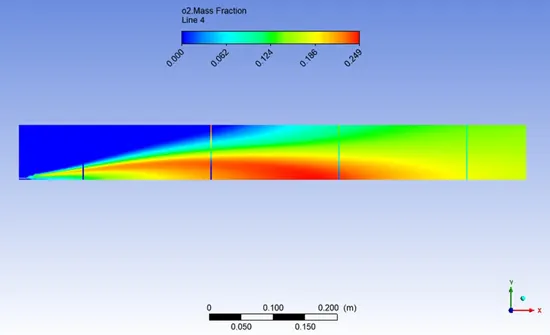
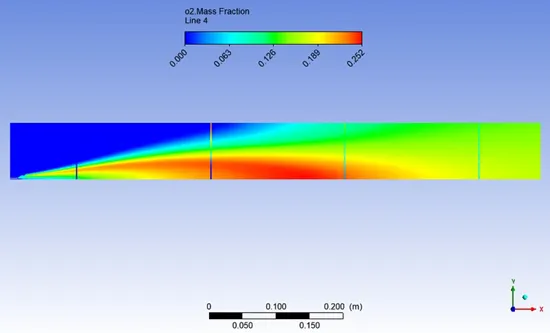
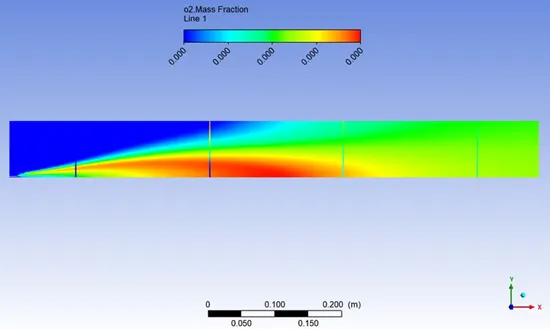
- We can observe that oxygen is present out of the flame but not in the flame. because the molecules present in the flame are consumed for the combustion. That's why we can see there is no traces of oxygen in flame.
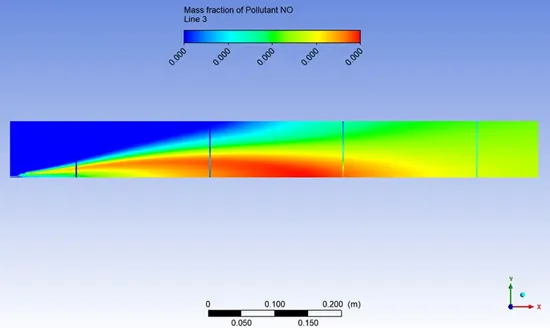
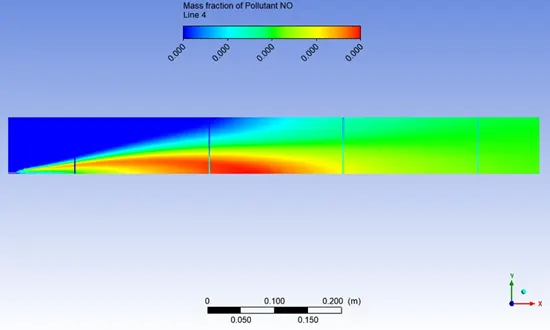
- We can observe that mass fraction of NO is increasing as we move upward in the burner.
- Mass fraction of soot at Line probes
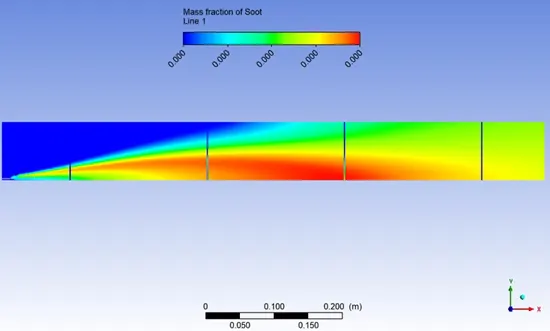
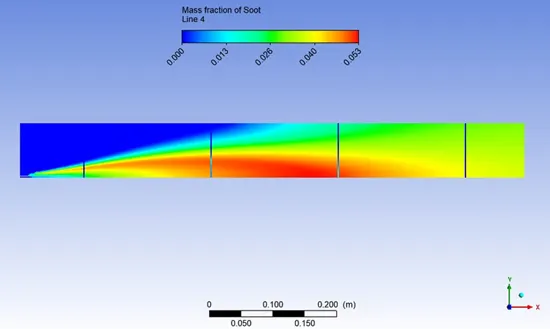
- We can observe that soot is being formed in flame but there are no traces of soot outside the flame, because it is being converted to carbon dioxide.
- For 0.95 molar fraction of CH4 and 0.05 molar fraction of H2O
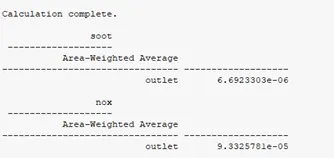
- Residuals
NOx
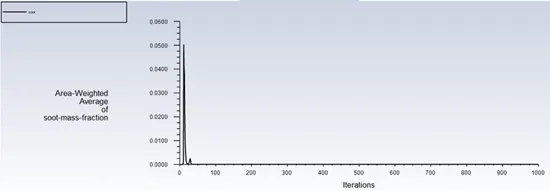
Soot
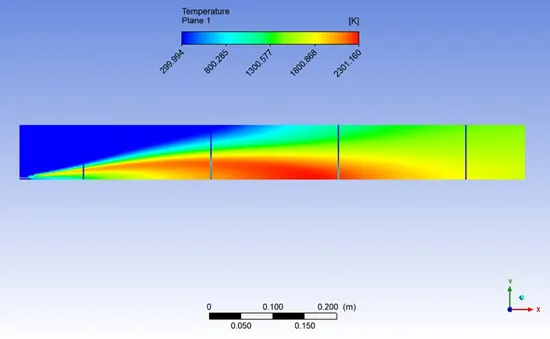
Temperature contour
Mass fraction of soot at Line probes
Mass fraction of NO at Line probes
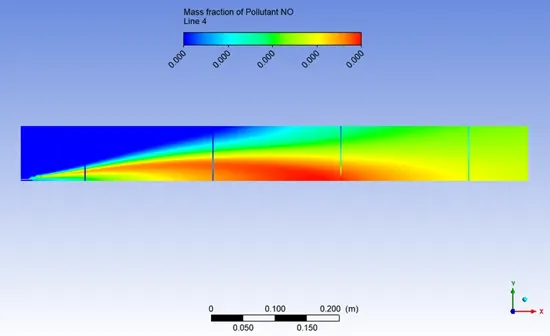
Mass fraction of CH4 at Line probes
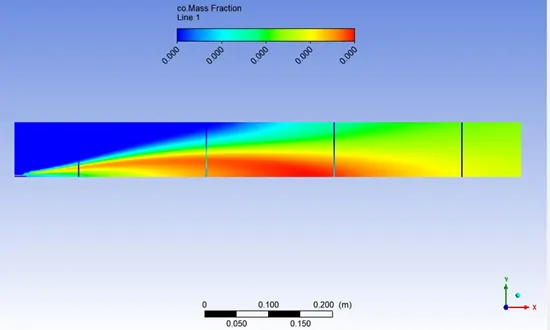
Mass fraction of CO at Line probes
Mass fraction of CO2 at Line probes
Mass fraction of N2 at Line probes
Mass fraction of O2 at Line probes
for 0.90 molar fraction of CH4 and 0.10 molar fraction of H2O
Residuals
NOx
Soot
Temperature contour
Mass fraction of NO at Line probes
Mass fraction of Soot at Line probes
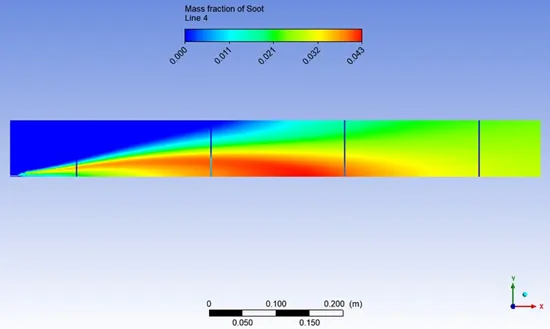
Mass fraction of CH4 at Line probes
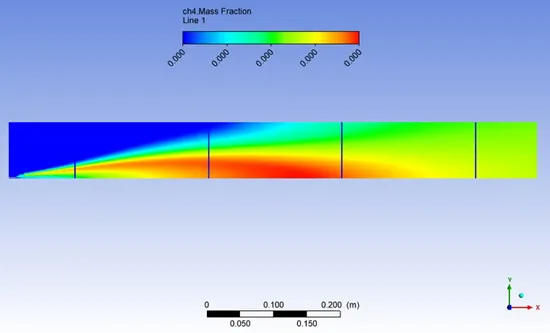
Mass fraction of CO at Line probes
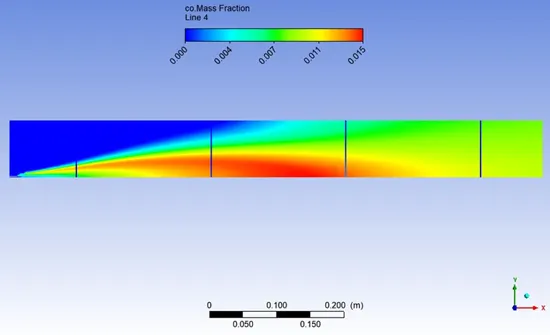
Mass fraction of CO2 at Line probes
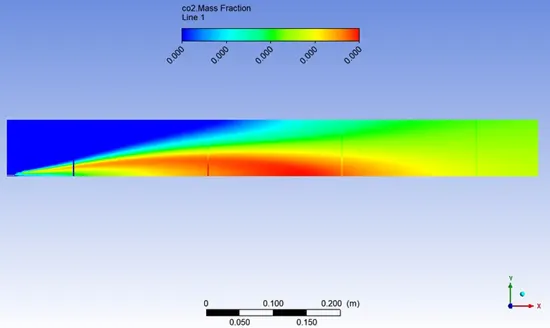
Mass fraction of H2O at Line probes
Mass fraction of N2 at Line probes
Mass fraction of O2 at Line probes
for 0.85 molar fraction of CH4 and 0.15 molar fraction of H2O
Residuals
NOx
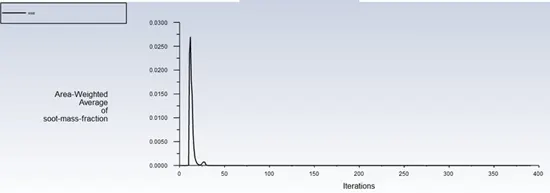
Soot
Temperature contour
Mass fraction of NO at Line probes
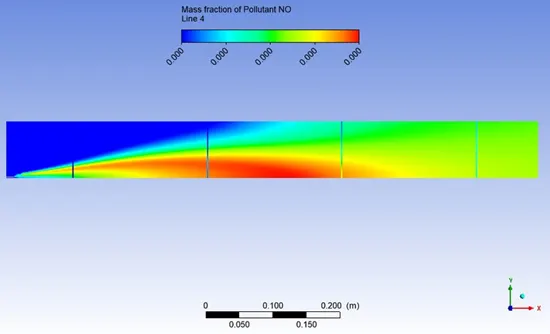
Mass fraction of soot at Line probes
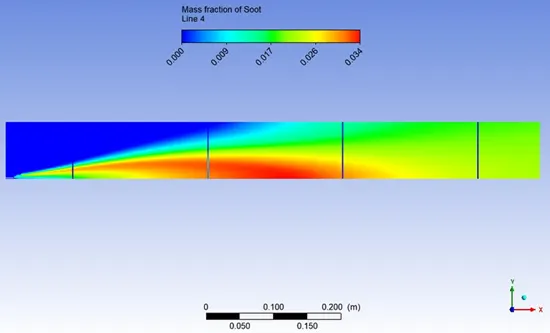
Mass fraction of CH4 at Line probes
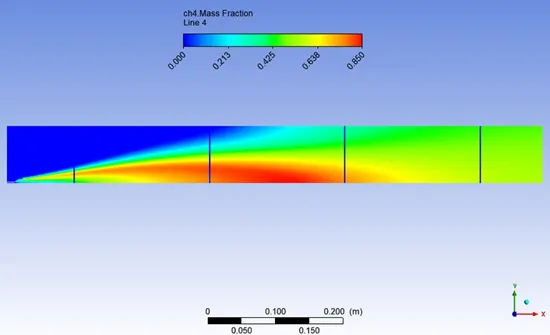
Mass fraction of CO at Line probes
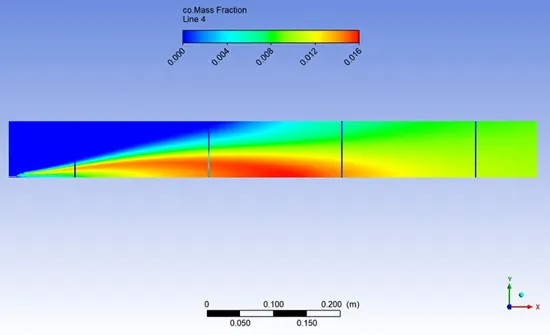
Mass fraction of CO2 at Line probes
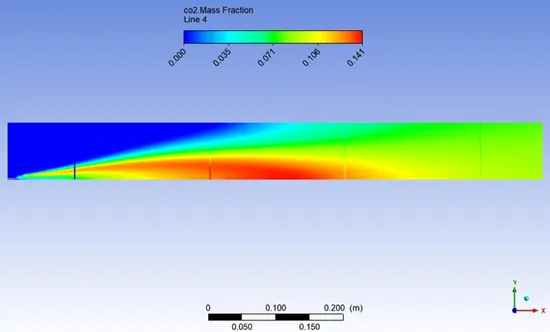
Mass fraction of H2O at Line probes
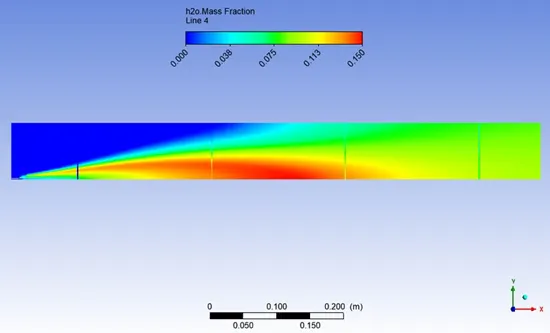
Mass fraction of N2 at Line probes
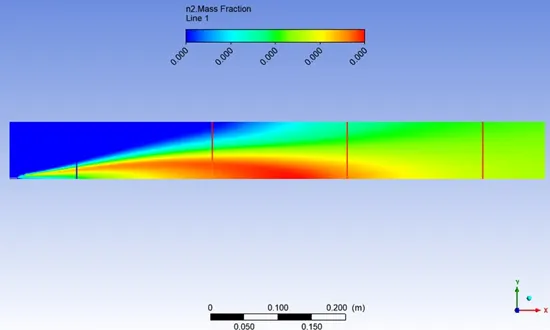
Mass fraction of O2 at Line probes
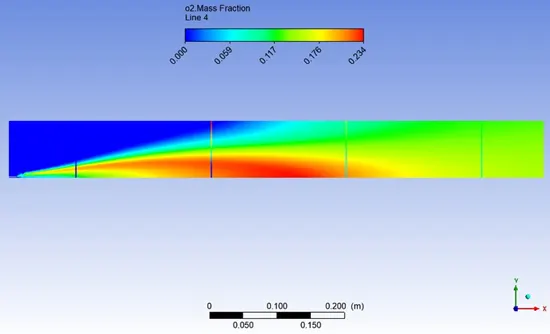
for 0.80 molar fraction of CH4 and 0.20 molar fraction of H2O
Residuals
NOx
Soot
Temperature contour
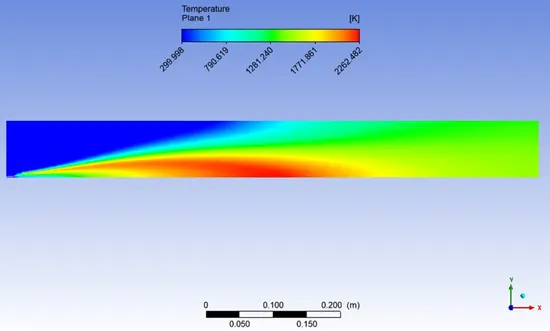
Mass fraction of NO at Line probes
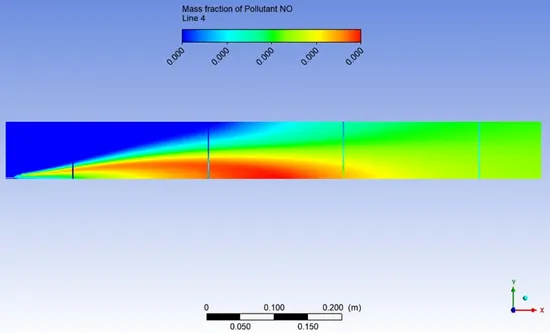
Mass fraction of soot at Line probes
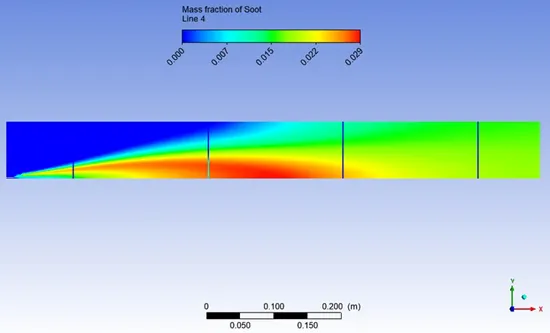
Mass fraction of CH4 at Line probes
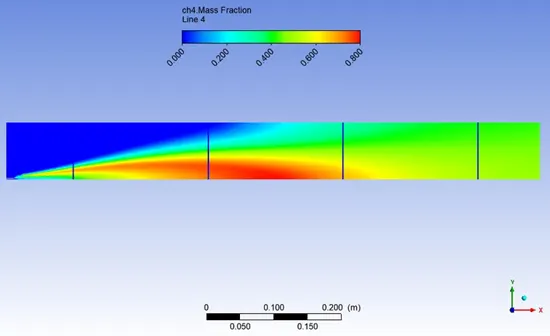
Mass fraction of CO at Line probes
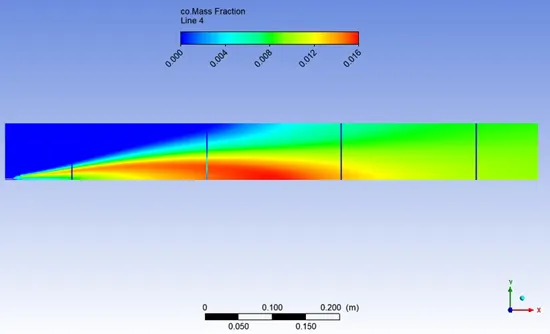
Mass fraction of CO2 at Line probes
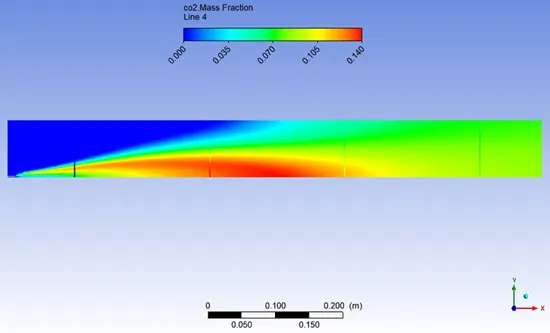
Mass fraction of H2O at Line probes
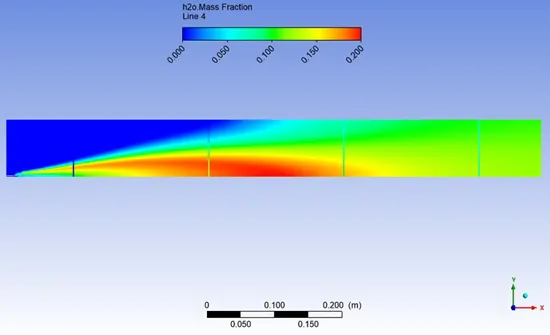
Mass fraction of N2 at Line probes
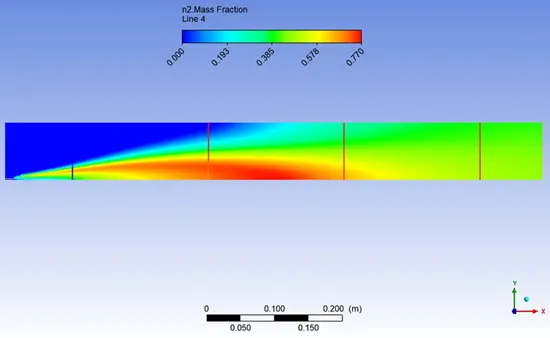
Mass fraction of O2 at Line probes
for 0.75 molar fraction of CH4 and 0.25 molar fraction of H2O
Residuals
NOx
Soot
Temperature contour
Mass fraction of NO at Line probes
Mass fraction of soot at Line probes
Mass fraction of CH4 at Line probes
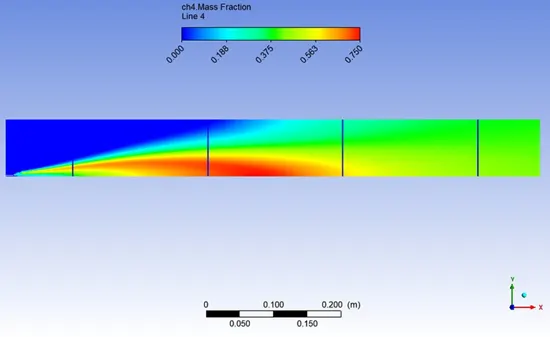
Mass fraction of CO at Line probes
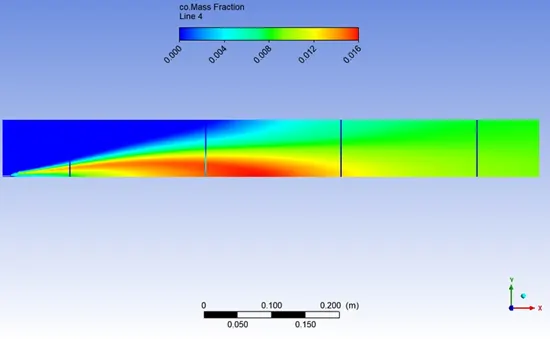
Mass fraction of CO2 at Line probes
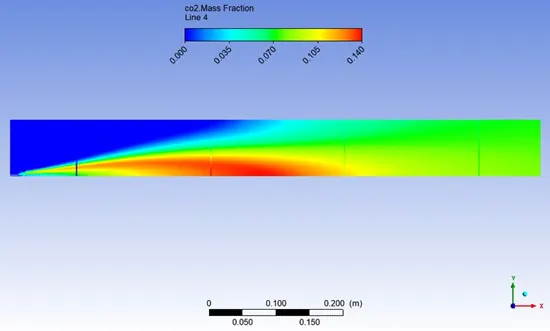
Mass fraction of H2O at Line probes
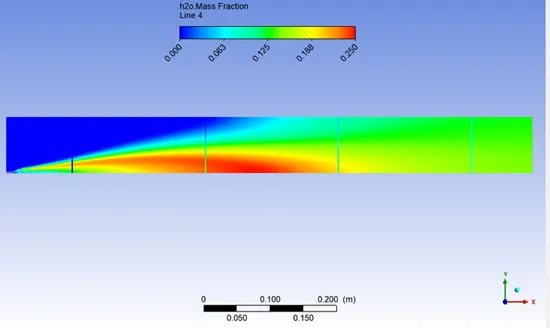
Mass fraction of N2 at Line probes
Mass fraction of O2 at Line probes
for 0.70 molar fraction of CH4 and 0.30 molar fraction of H2O
Residuals
NOx
Soot
Temperature contour
Mass fraction of NO at Line probes
Mass fraction of soot at Line probes
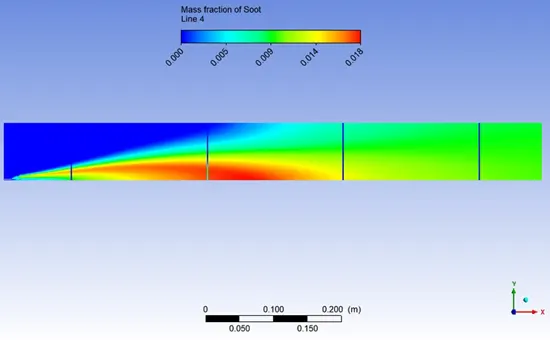
Mass fraction of CH4 at Line probes
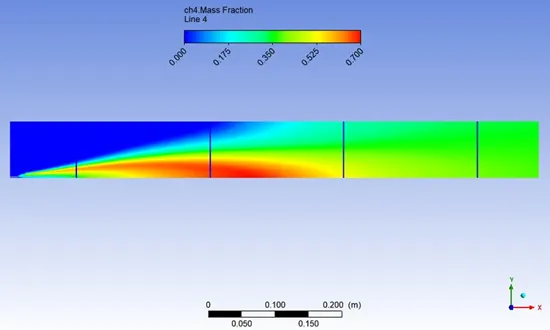
Mass fraction of CO at Line probes
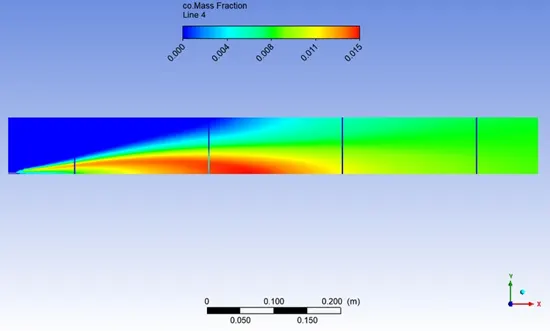
Mass fraction of CO2 at Line probes
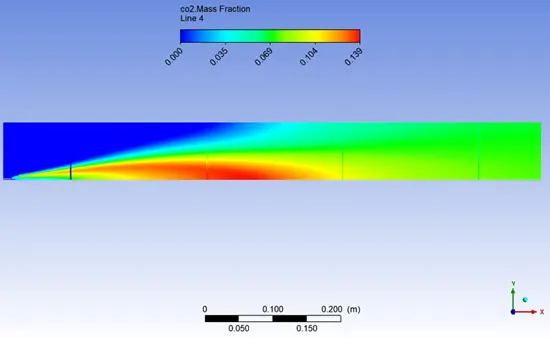
Mass fraction of H2O at Line probes
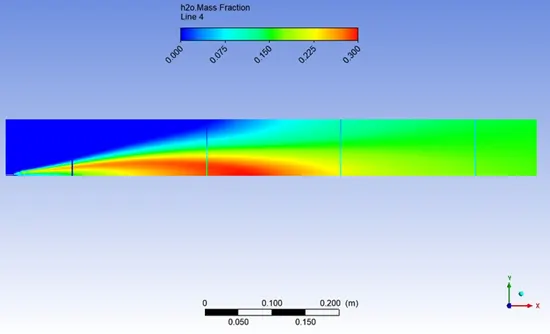
Mass fraction of N2 at Line probes
Mass fraction of O2 at Line probes
Conclusion
- From the above results and plots we can conclude that the amount of carbon dioxide and water increases as combustion proceeds.
- Heat is released during the combustion process.
- The amount of Nitrogen going as almost same as the amount of nitrogen coming out in all the cases.