Week 10 - Simulating Combustion of Natural Gas.
Simulating Combustion of Natural Gas
AIM:
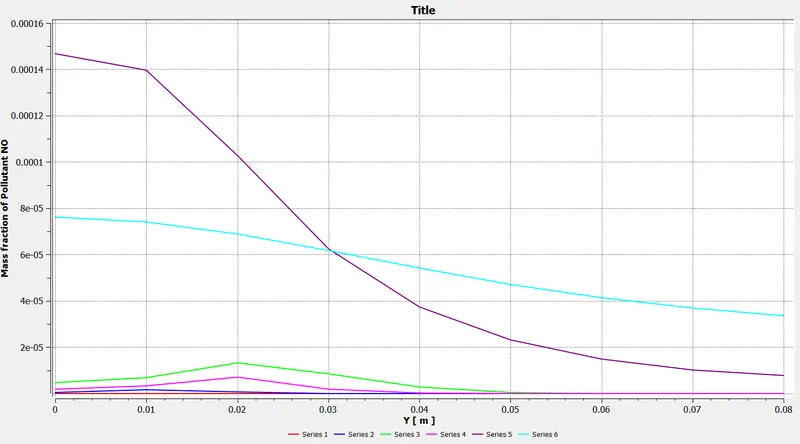
Perform a combustion simulation on the combustor model and plot the variation of the mass fraction of the different species’ in the simulation using line probes at different locations of the combustor as shown in Fig. You need to plot for CO2, H2O, CH4, N2, O2, NOx emissions & Soot formation.
In this part, you need to add the water content in the fuel from 5% to 30% by mole and observe the effect of it on the results. It is necessary to provide line plots and contours to prove your claim
Introduction
The combustion is defined as a chemical reaction in which a hydrocarbag fuel reacts with an oxidant to form products, accompanied with the release of energy in the form of heat. Being the integral part of various engineering applications like internal combustion engines, furnace, power station combustors, combustion exhibits itself as a wide domain during the design, analysis and performance characterics stages of the above mentioned applications. In order to solve the complex equations from chemical kinetics and to yield information about the reaction mechanism proper physical modeling has to be done. In this project, the combustion process is simulated with the help of CFD software ANSYS fuent. When the combustion is incomplete, various pollutants are formed, some pollutants are carbon dioxide, carbon monoxide, lead, nitric oxide. In this project, the formation of pollutants from NOx emission which mainly consists of No, No2, N20 and soot formation which is a mass of impure carbon particles is simulated and the variation of mass fraction of pollutants from NOx emission and soot formation with the addition of water into the fuel in studied.
Creating Geometry:
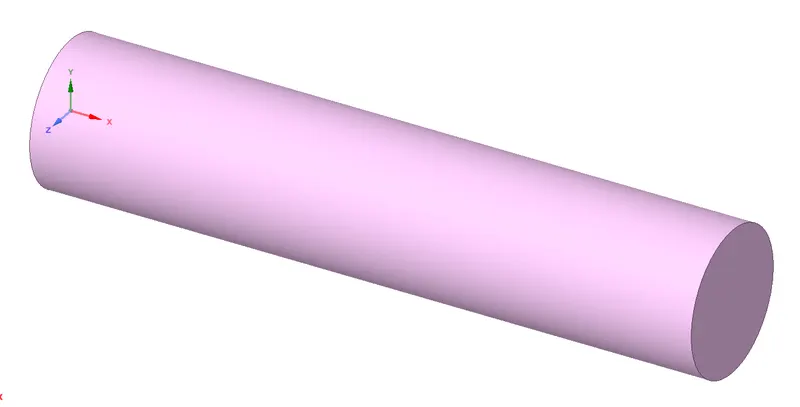
Its a full geometry we dont want it so cut half body that make Axis symmetry
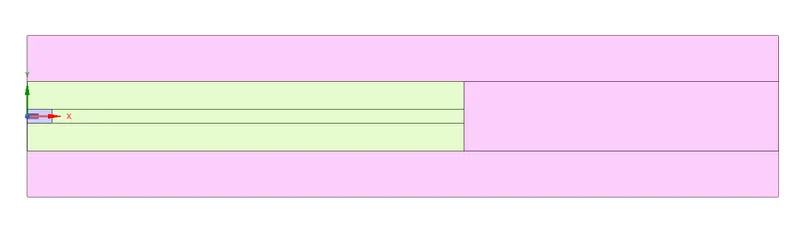
Copy paste the 2D surface of the geomrtry and make a surface out of it

Meshing:
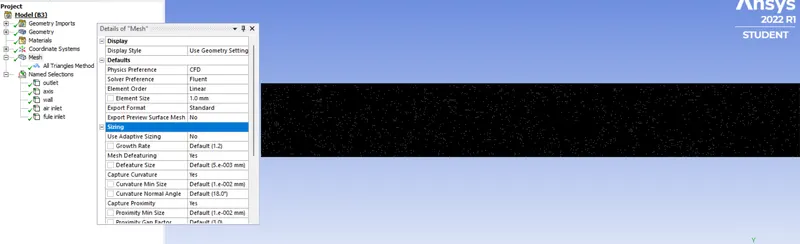
Case setup:
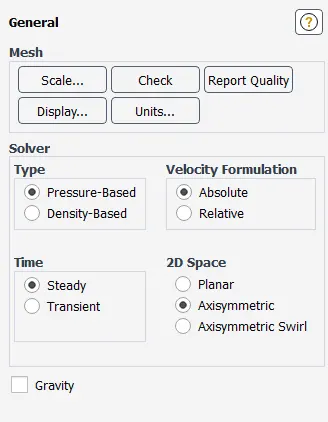
Check the energy
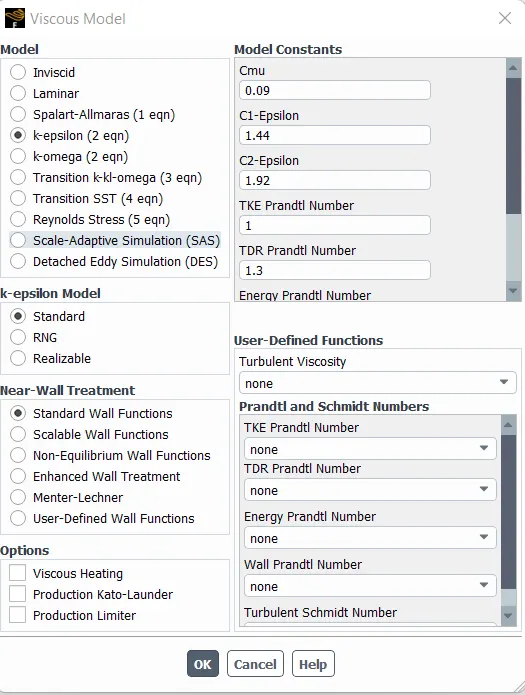
Select K epsilon
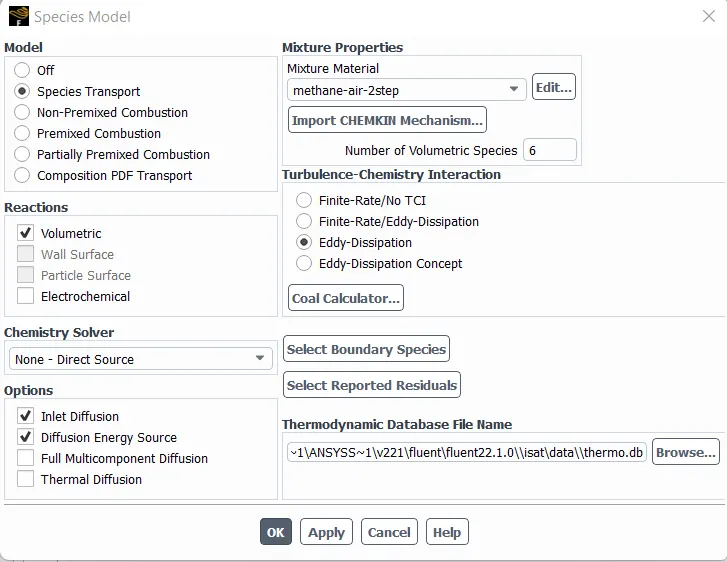
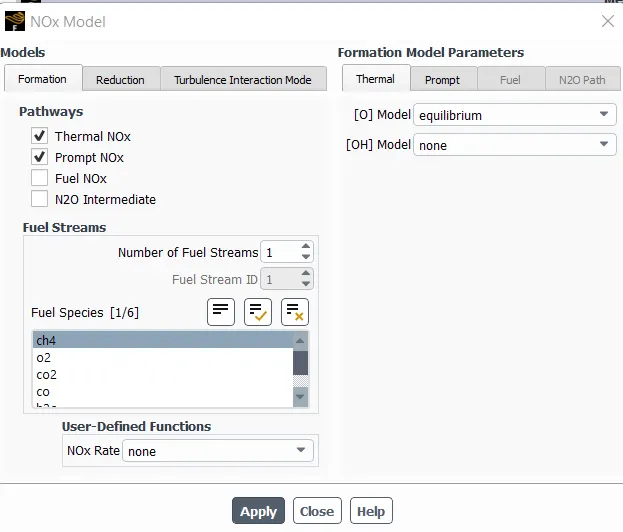
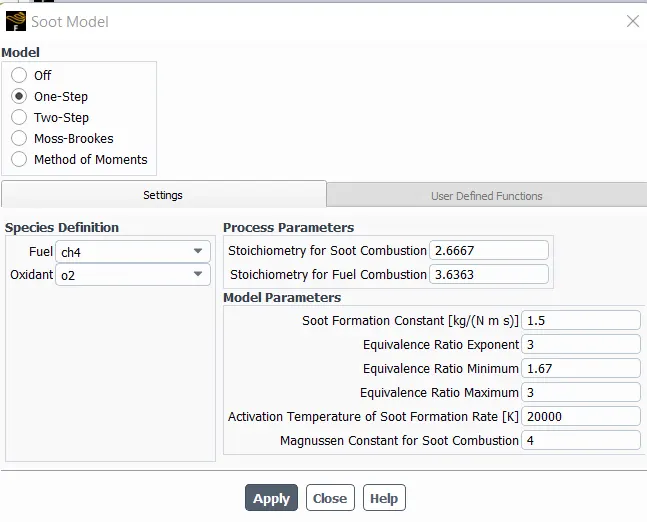
For boundry condition
Air inlet 0.5 velocity
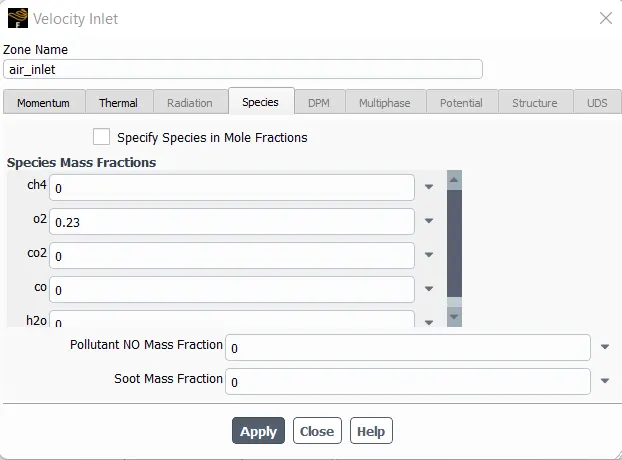
For fule inlet
80 velocity
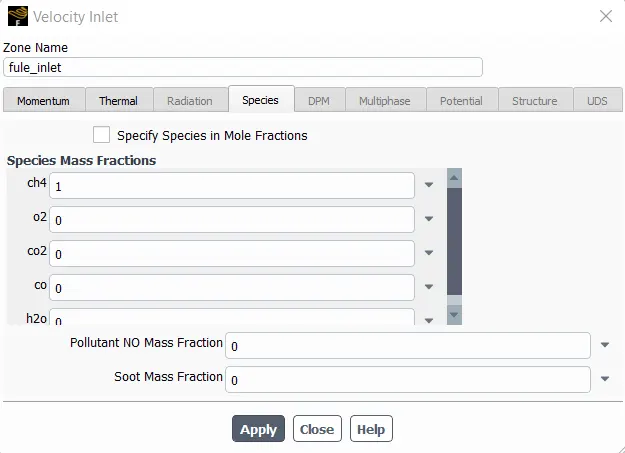
Set default as remaning boundry conditions
Do hybrid inlitazation and run up to 500 iterations
Results:
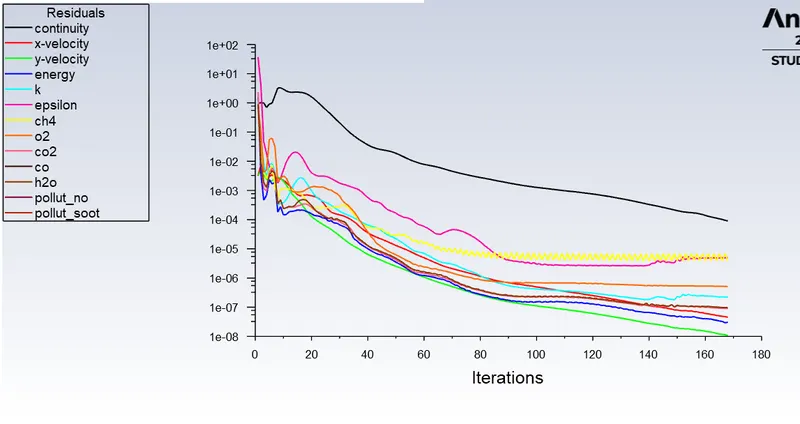
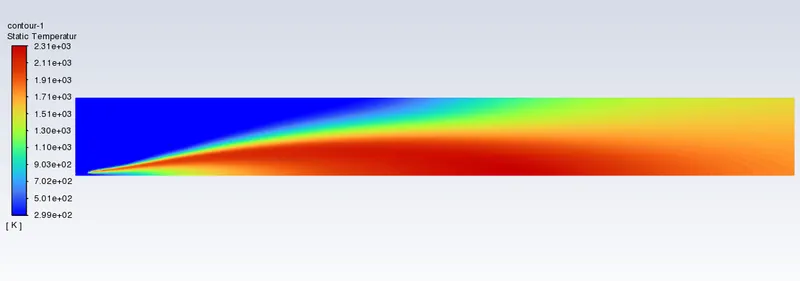
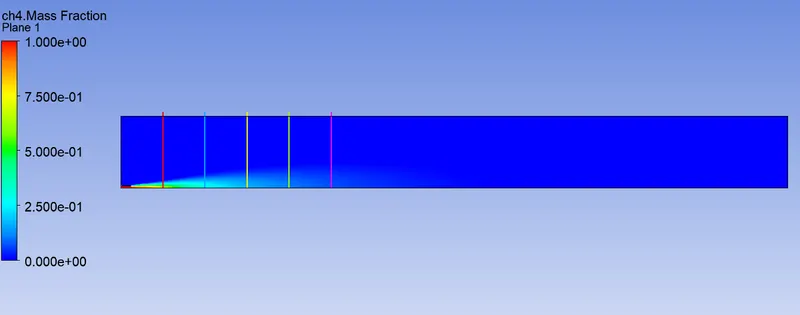
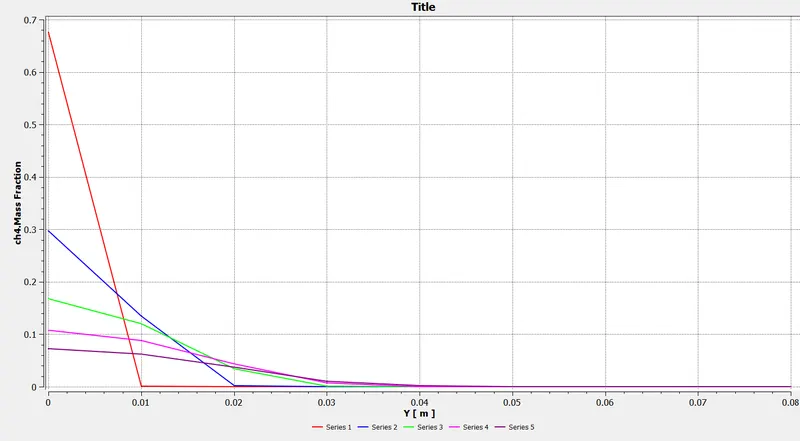
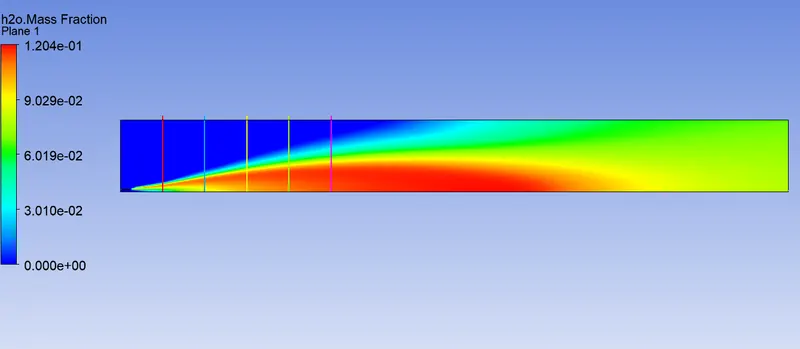
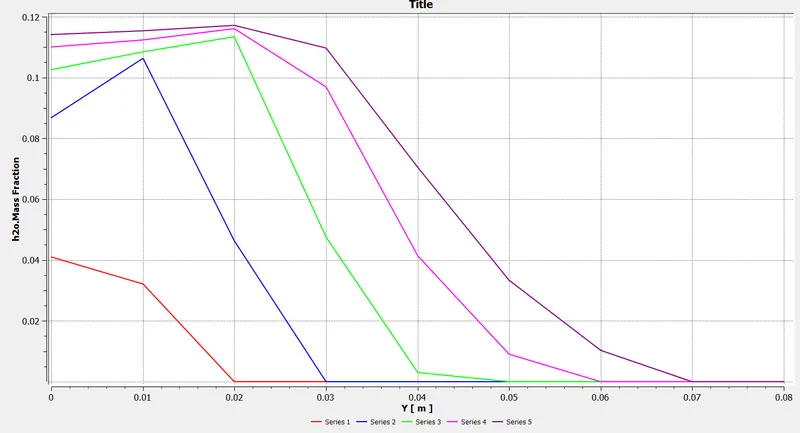
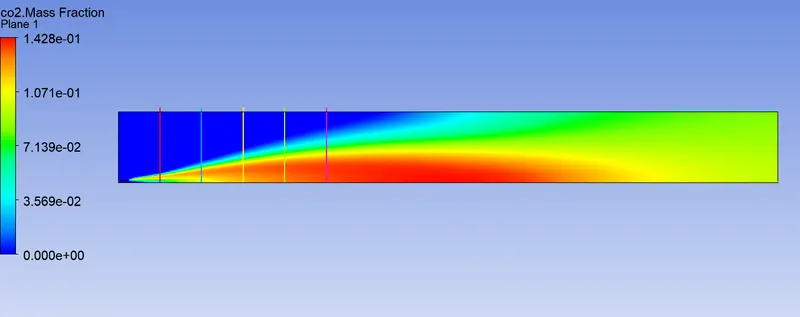
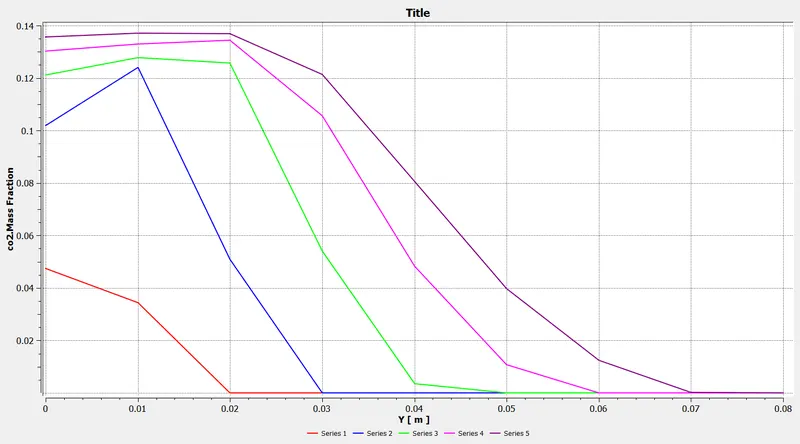
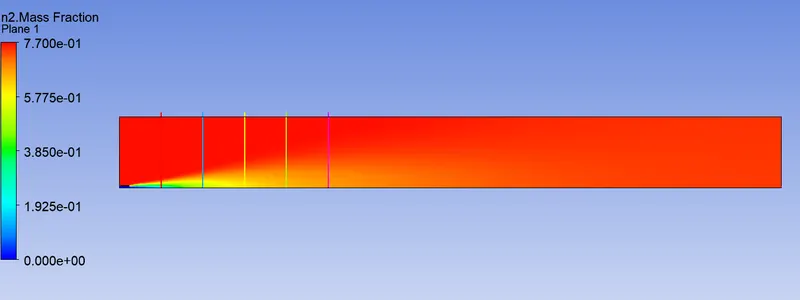
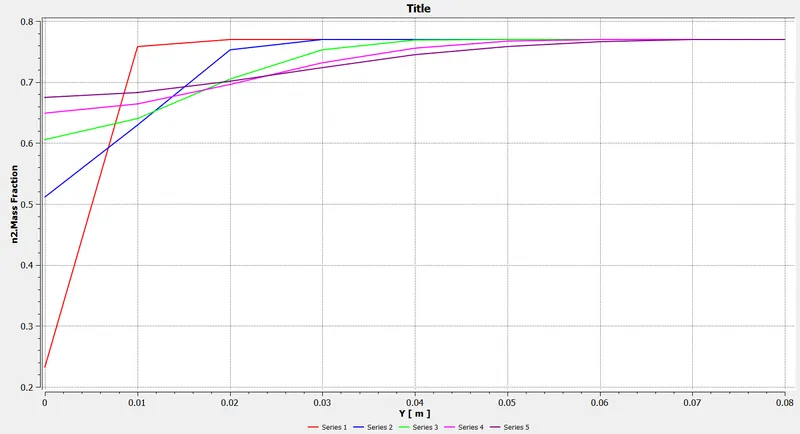
plot the variation of the mass fraction of the different species’ in the simulation using line probes at different locations
For CH4
For H2O
For CO2
ForN2
For O2
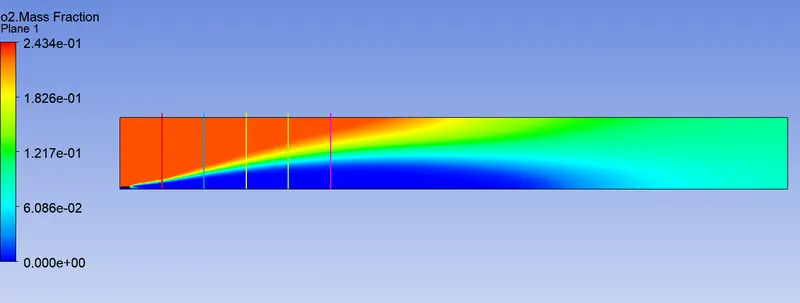
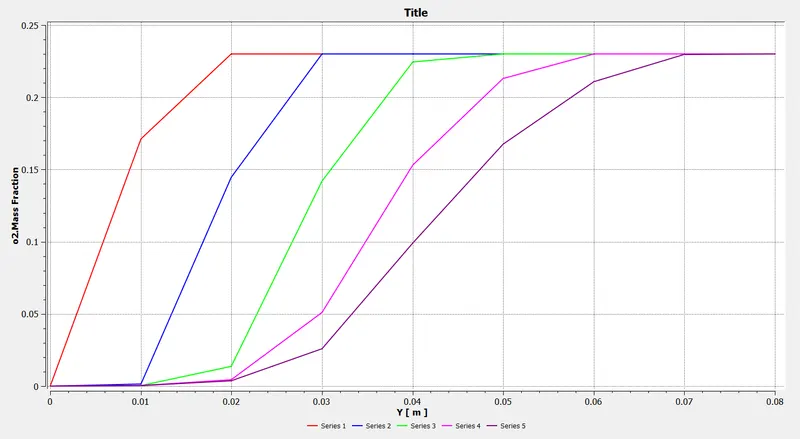
For NOx
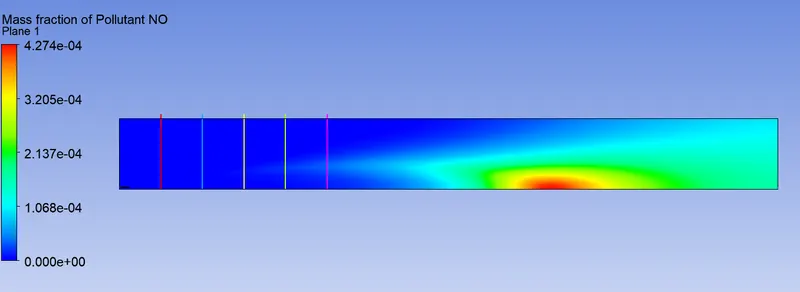
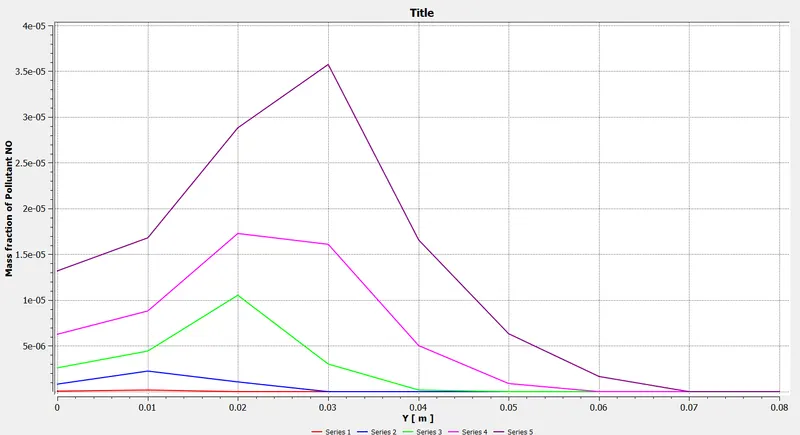
For soot
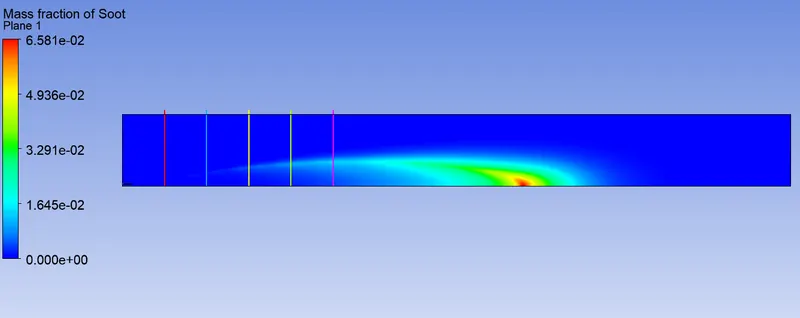
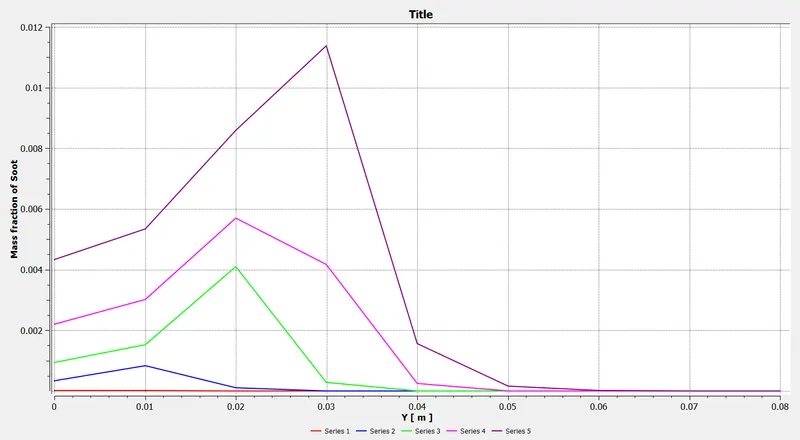
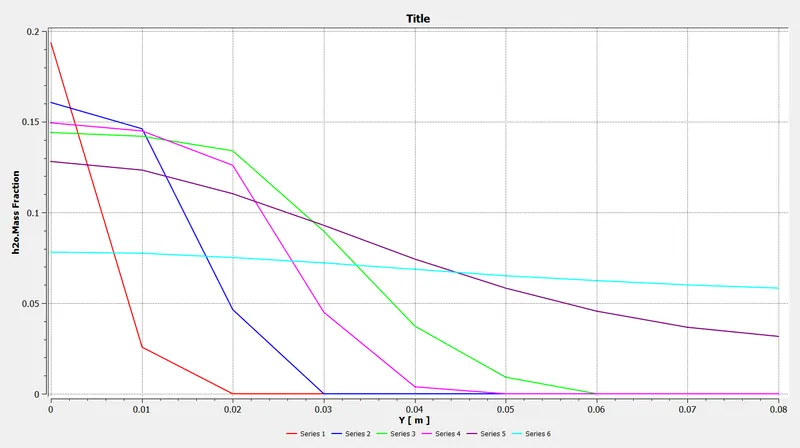
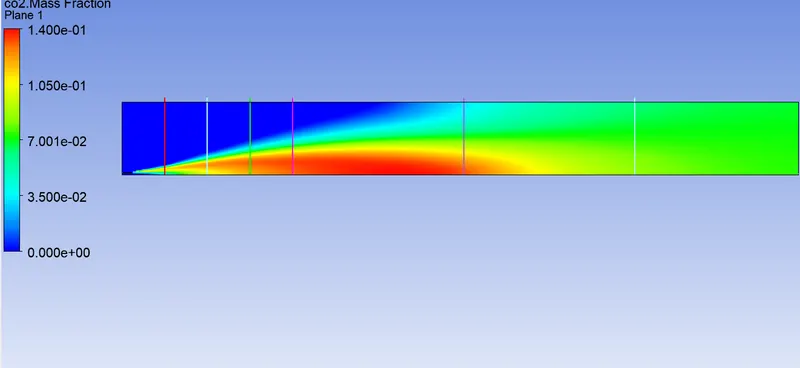
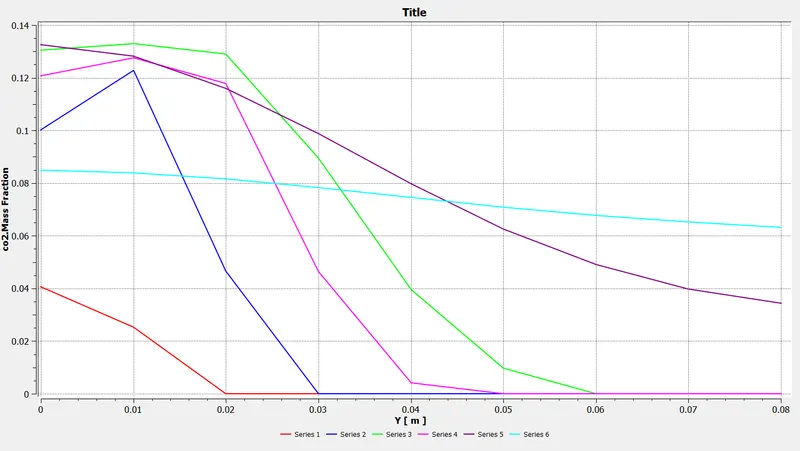
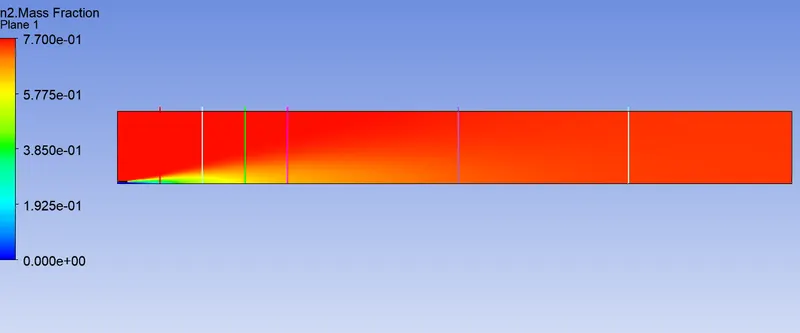
In this part, you need to add the water content in the fuel from 5% to 30% by mole and observe the effect of it on the results. It is necessary to provide line plots and contours to prove your claim
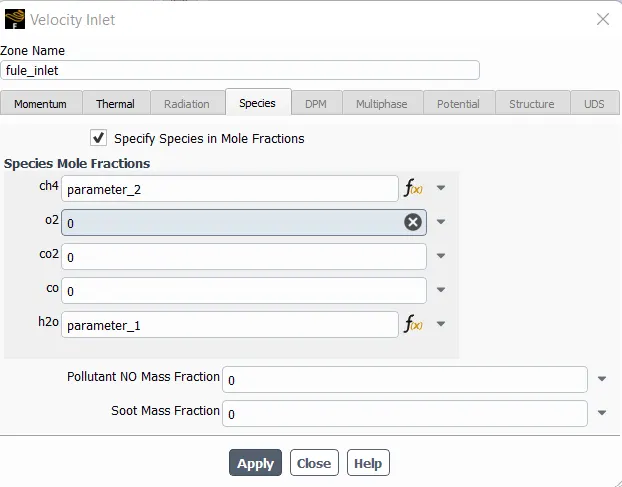
adding the water content in the fuel from 5%(0.05)
To reduce the time we can use parameteric step

Results
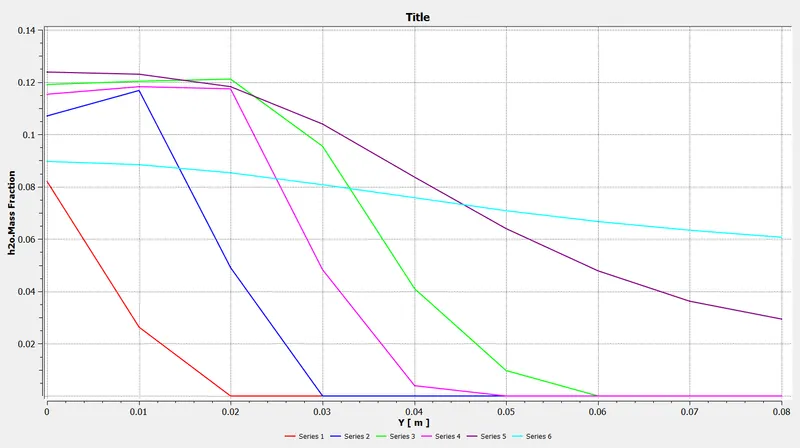
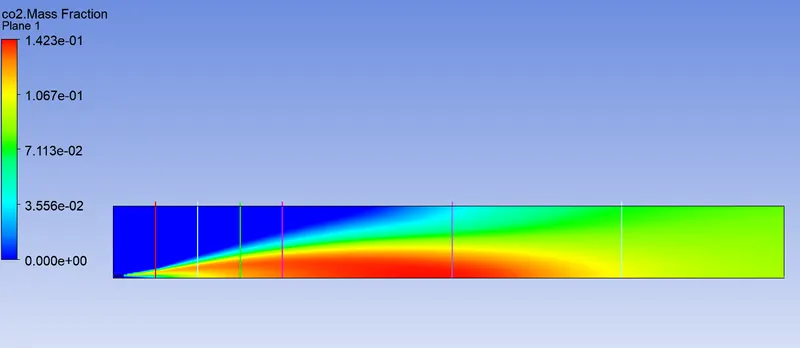
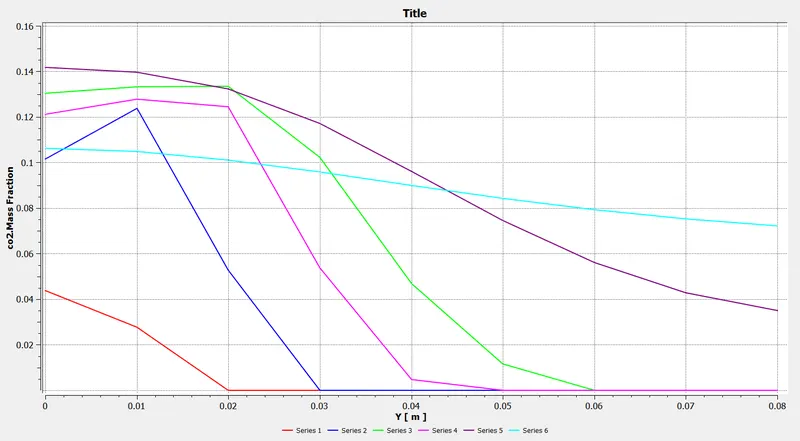
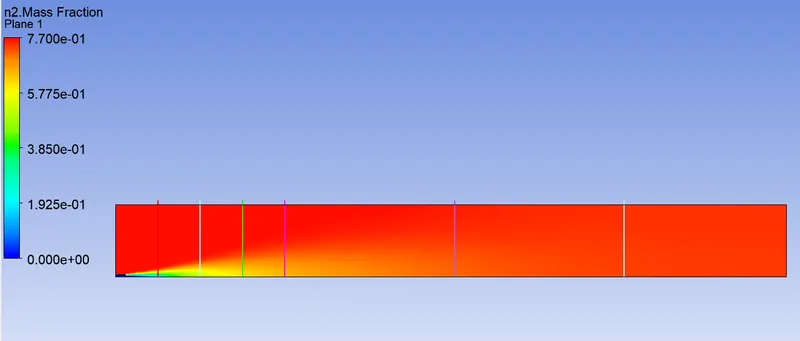
Case1 (5%)
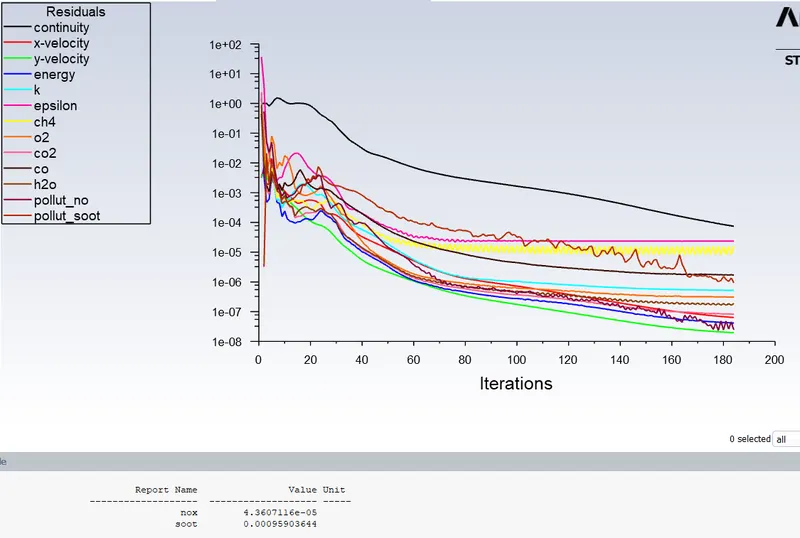
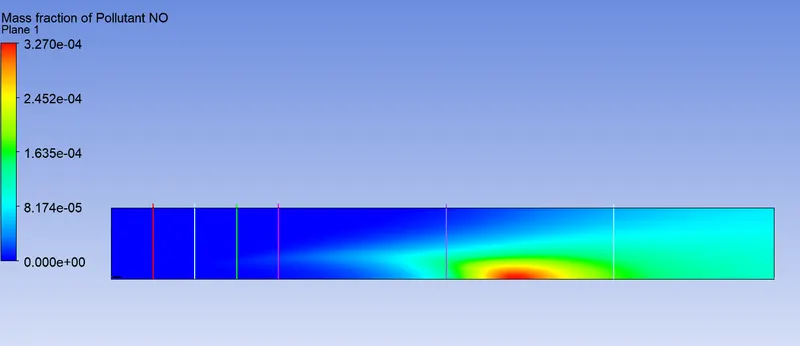
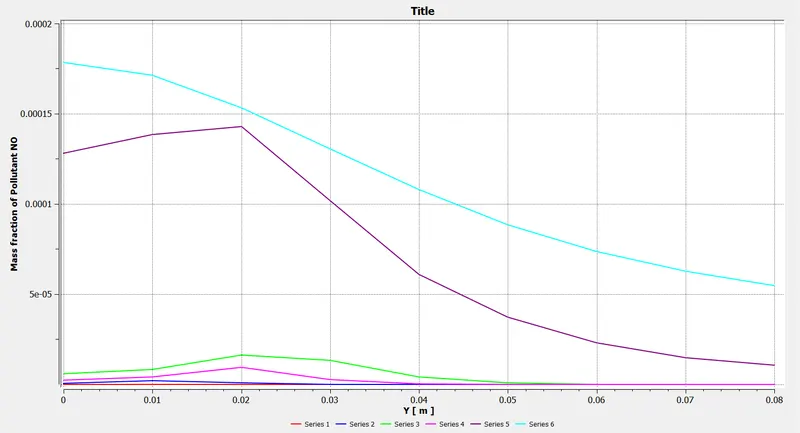
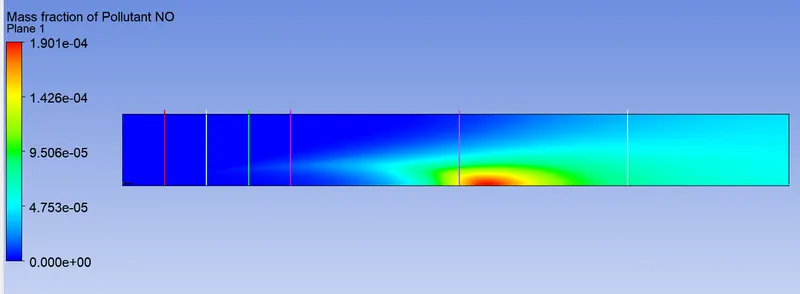
For NOx
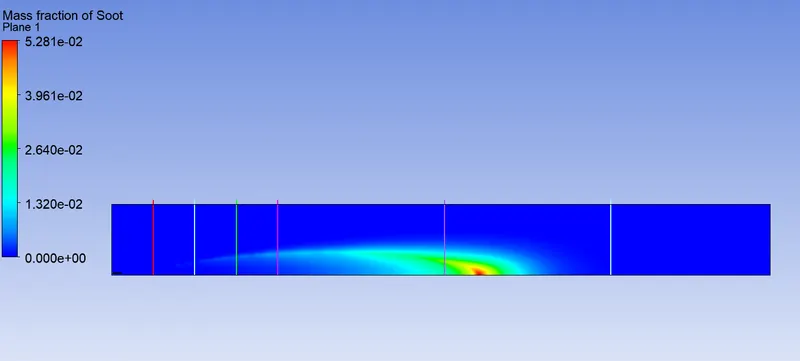
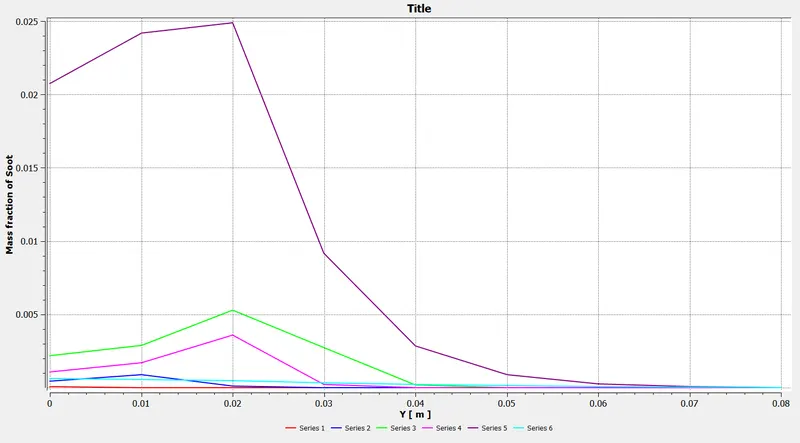
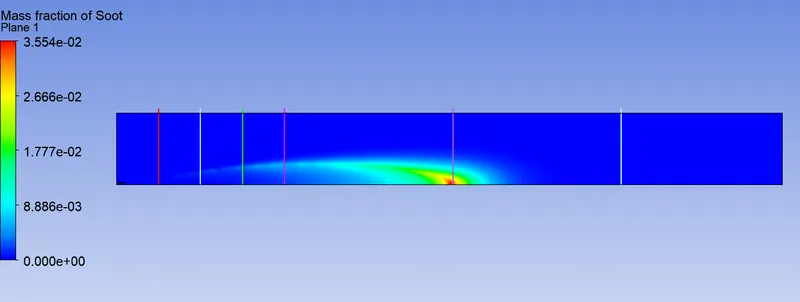
For SOOT
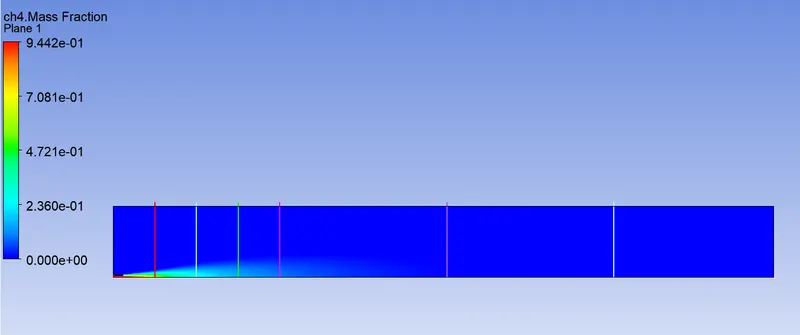
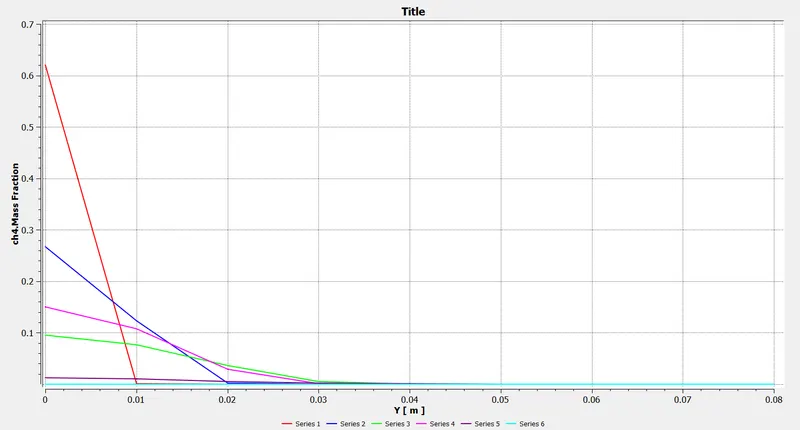
For CH4
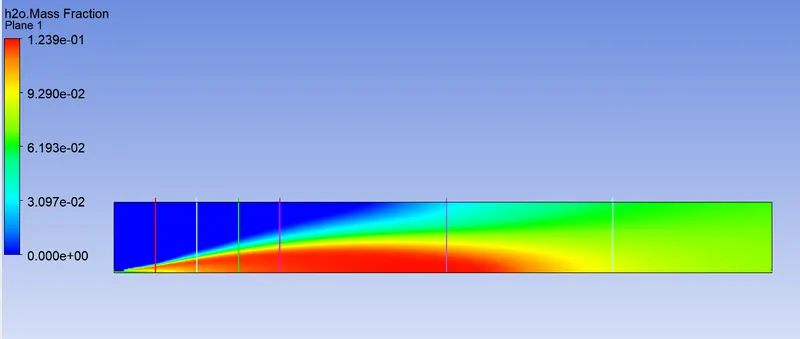
For H2O
For CO2
For N2
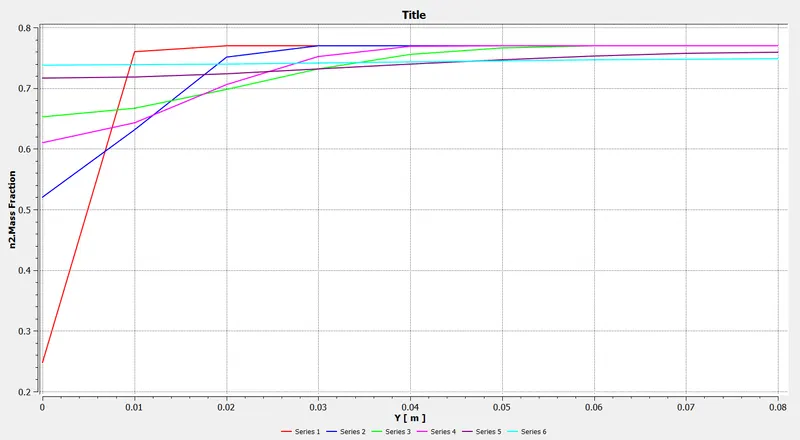
For O2
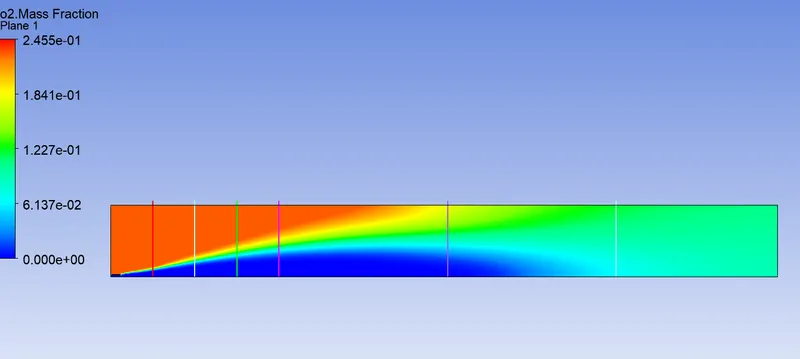
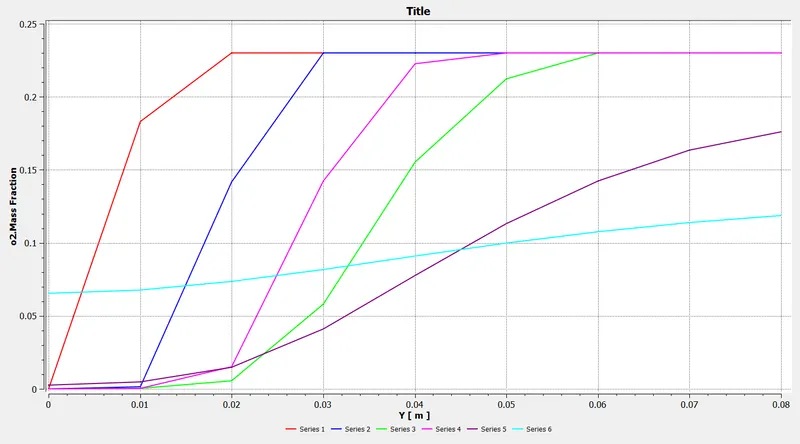
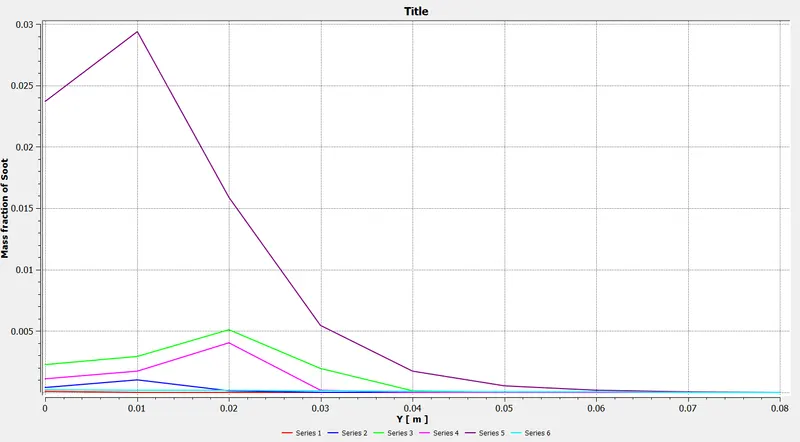
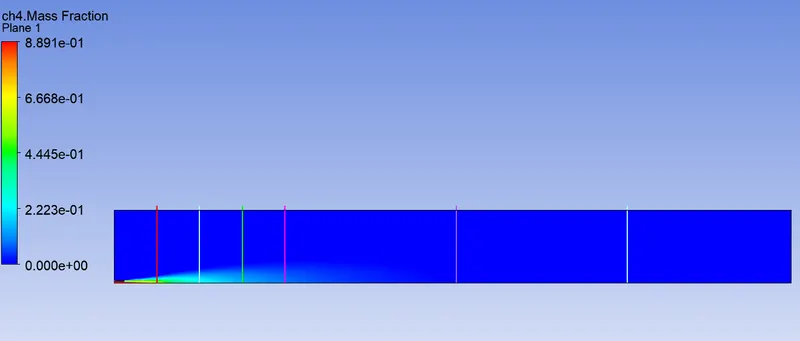
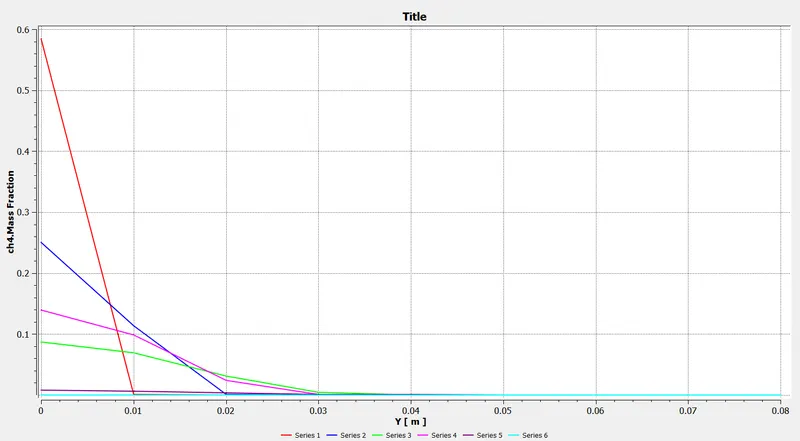
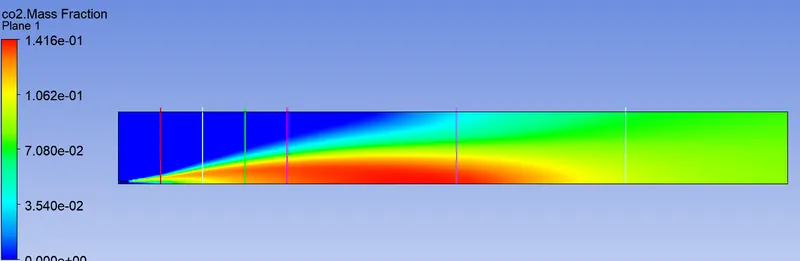
Case2 (10% water )
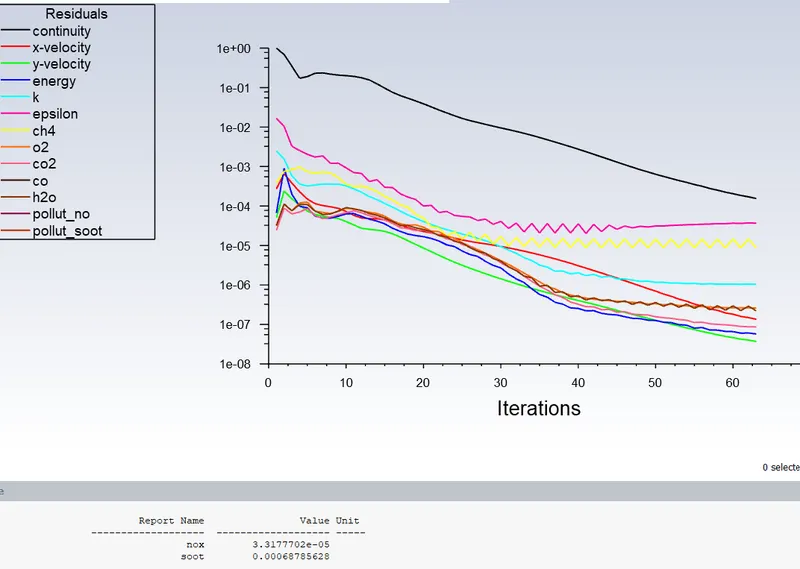
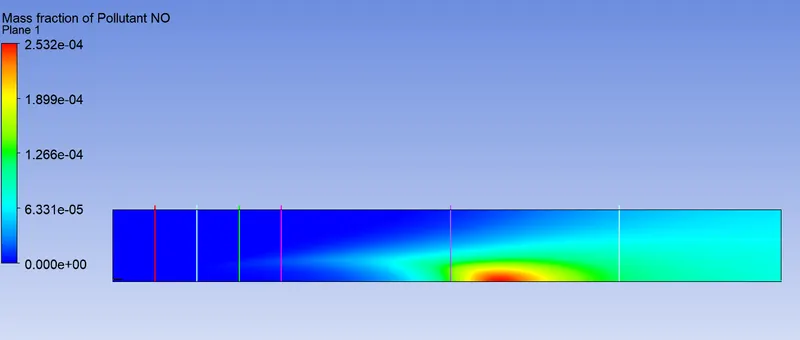
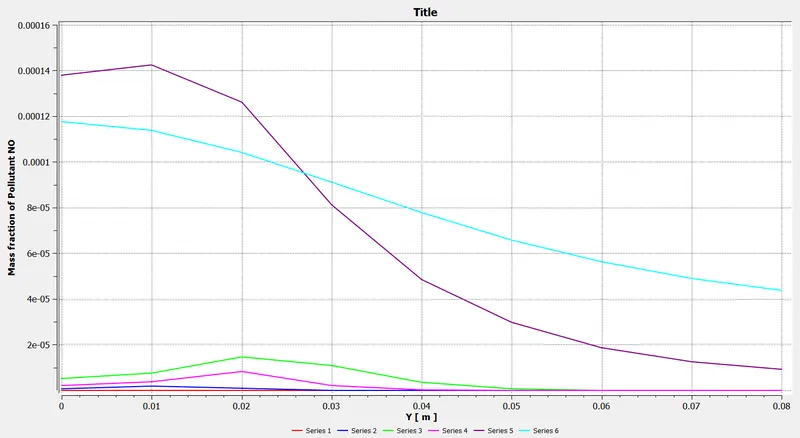
For NOx
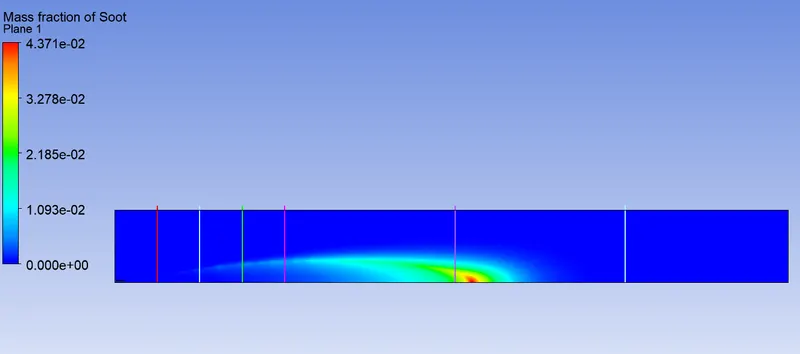
For SOOT
For CH4
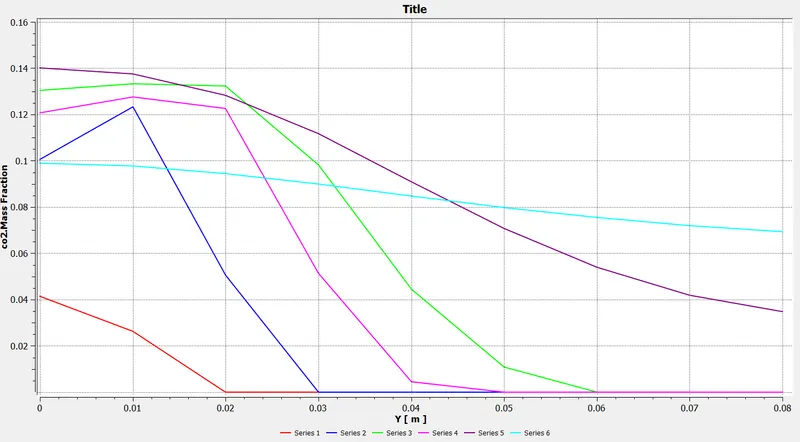
For CO2
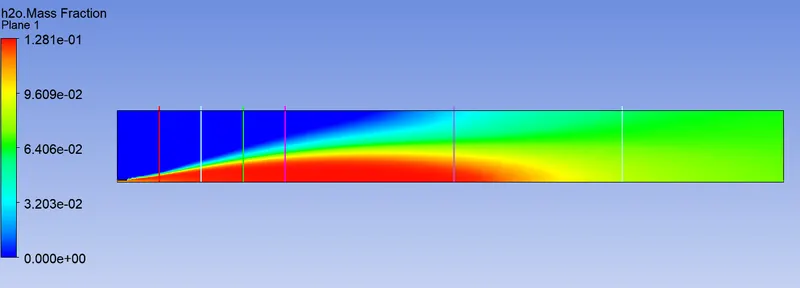
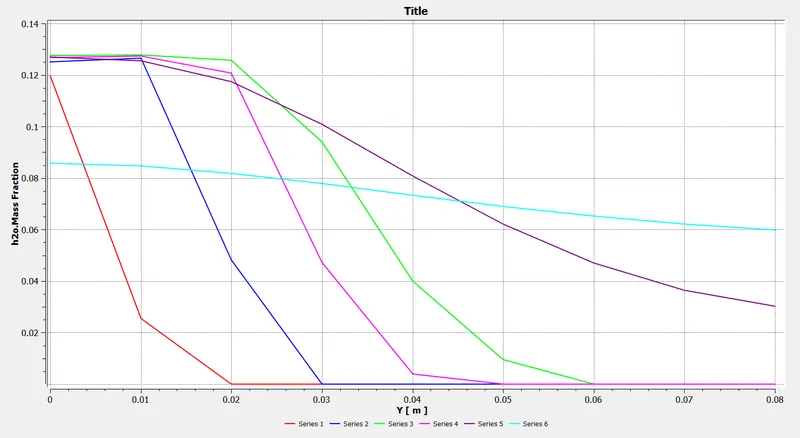
For H2O
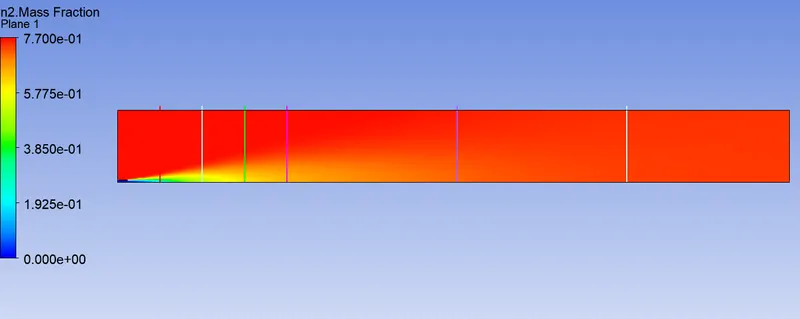
For N2
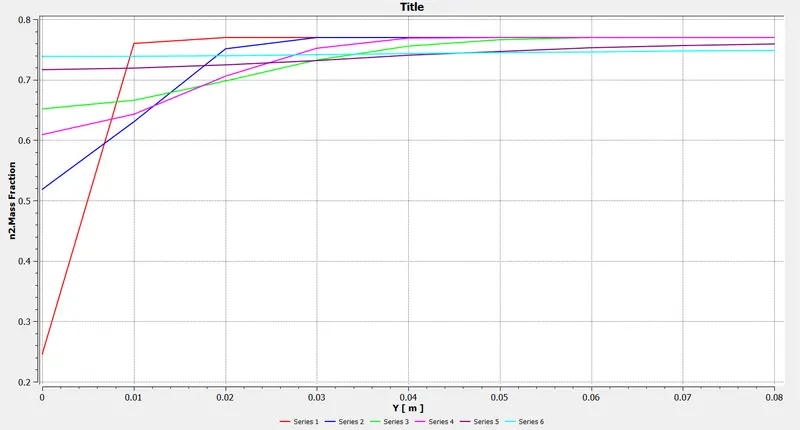
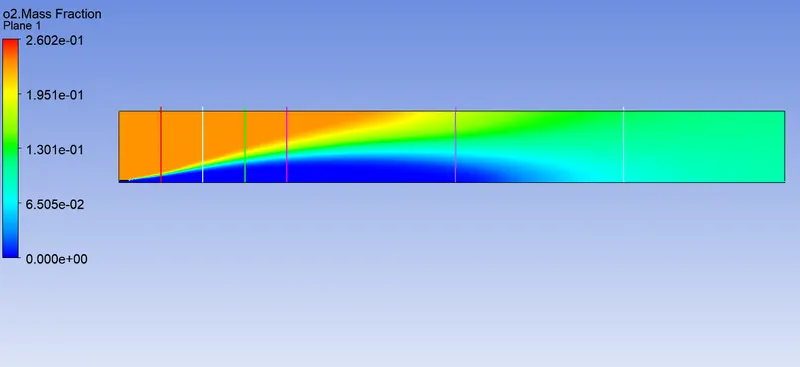
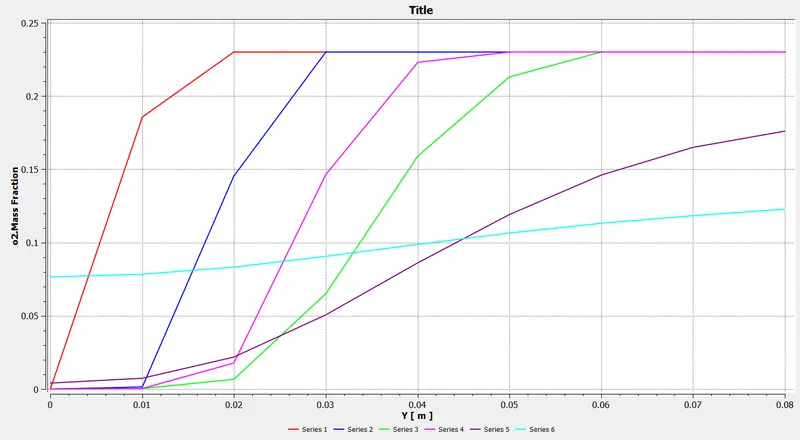
For O2
Case3(15% water )
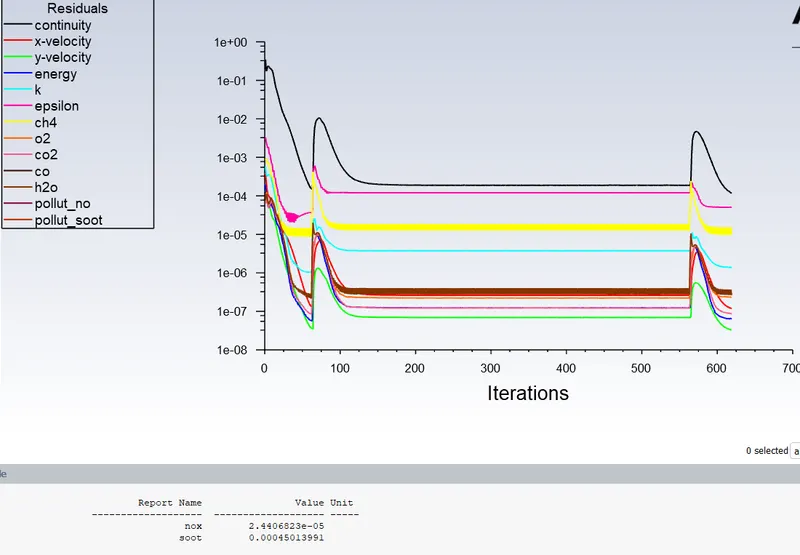
For NOx
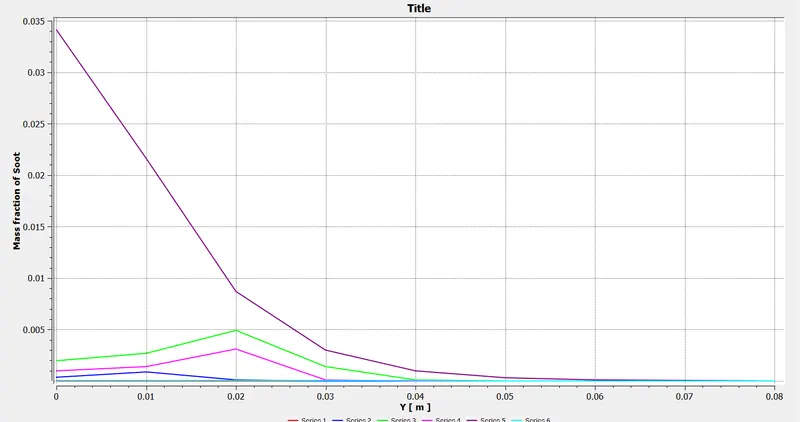
For SOOT
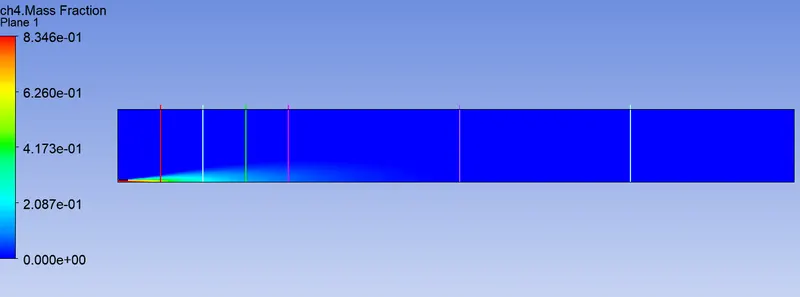
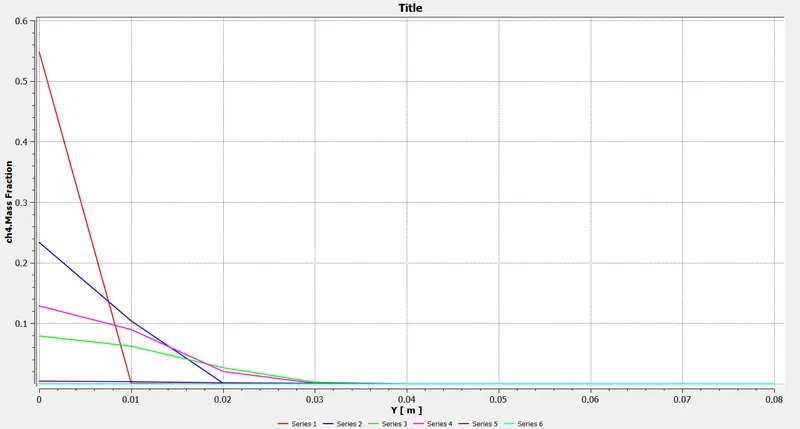
For CH4
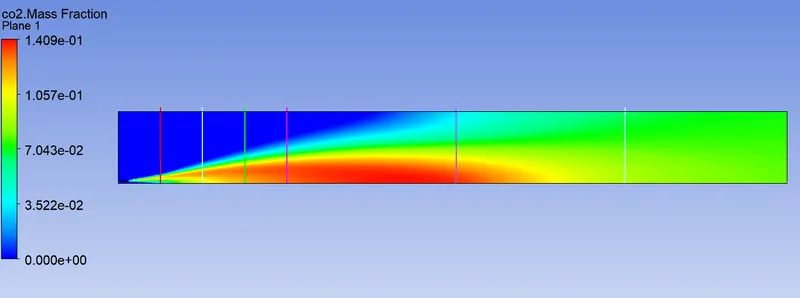
For CO2
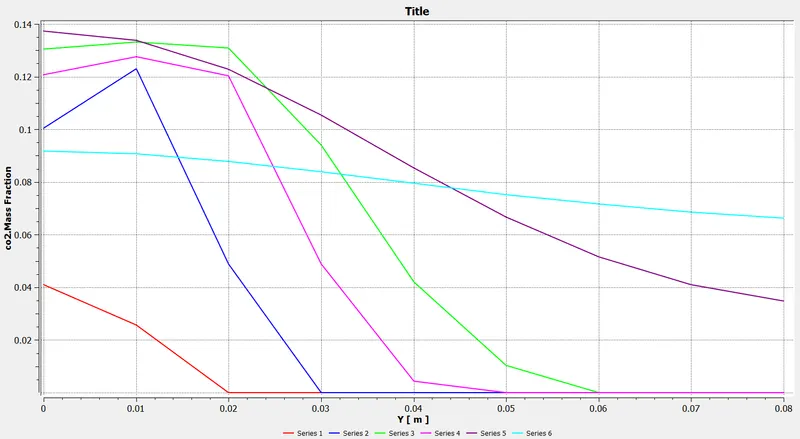
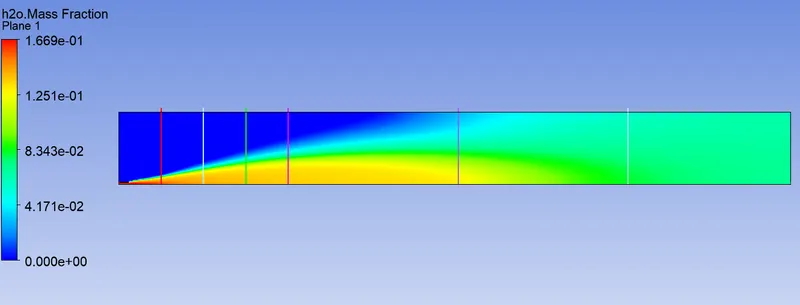
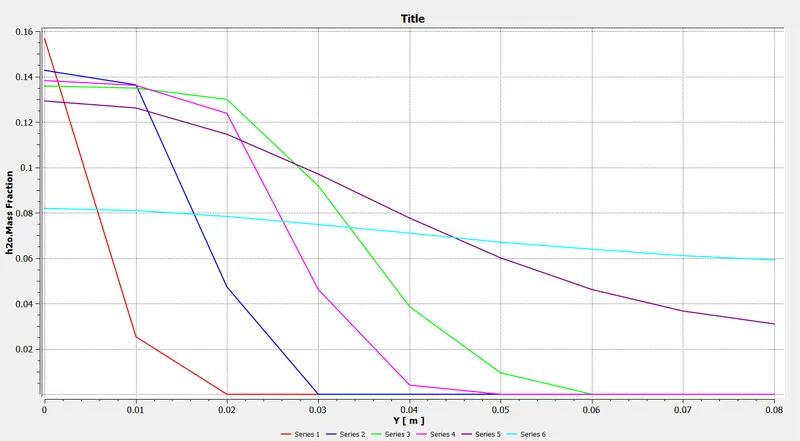
For H2O
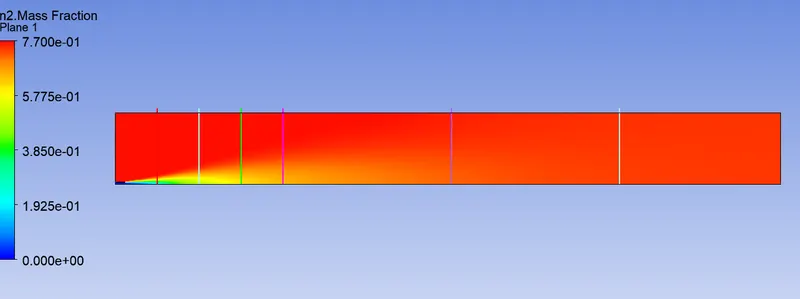
For N2
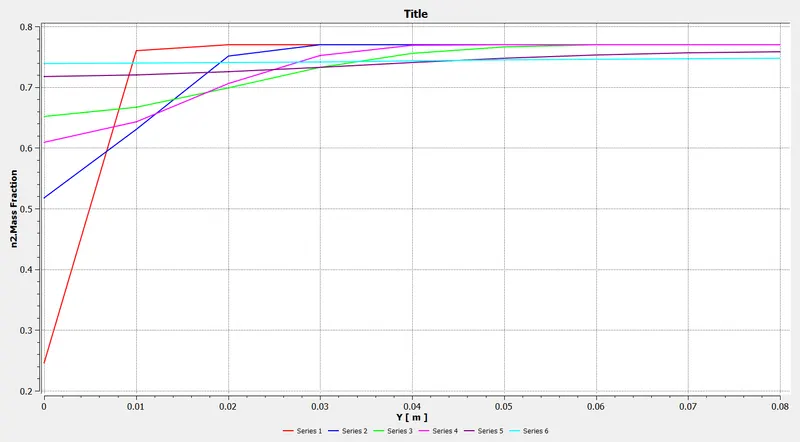
For O2
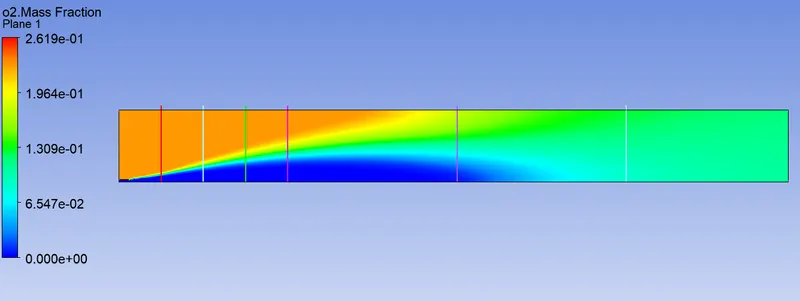
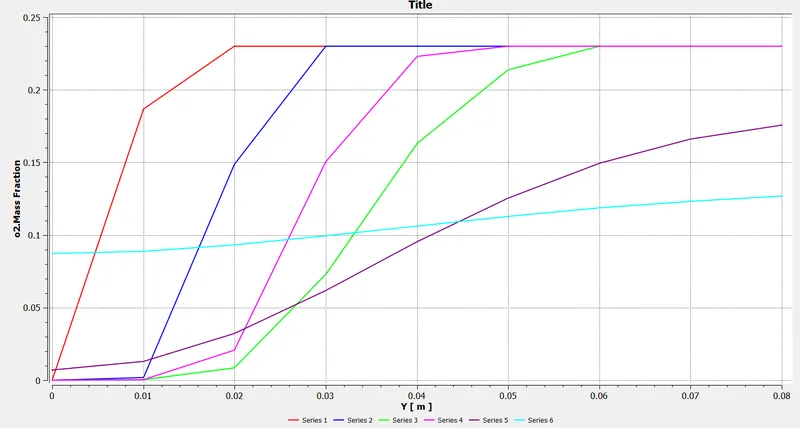
Case3(20% water )
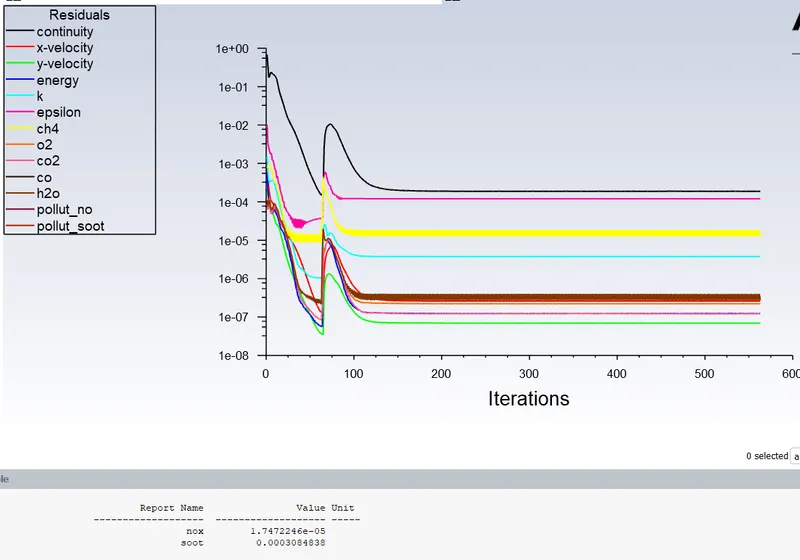
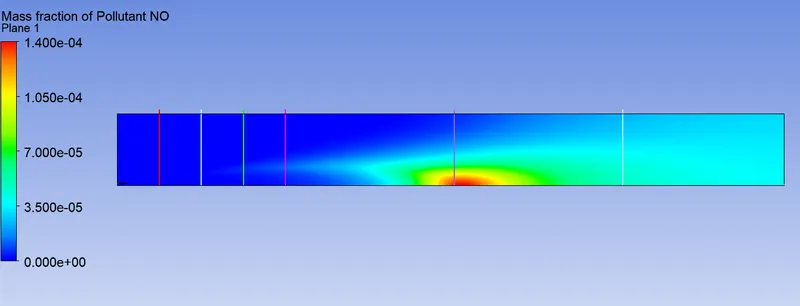
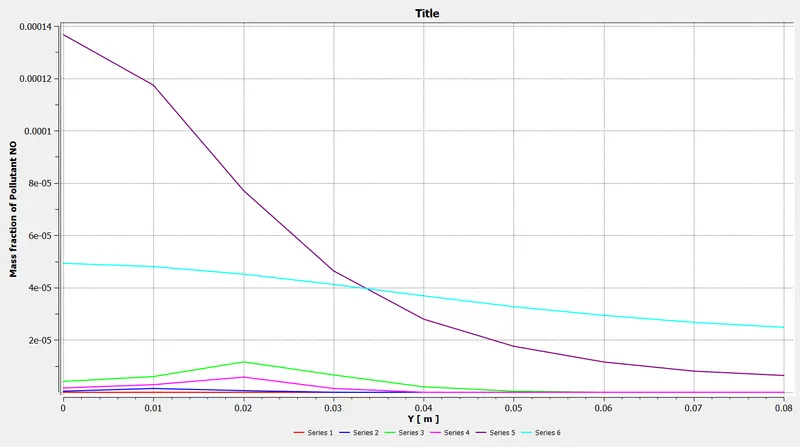
For NOx
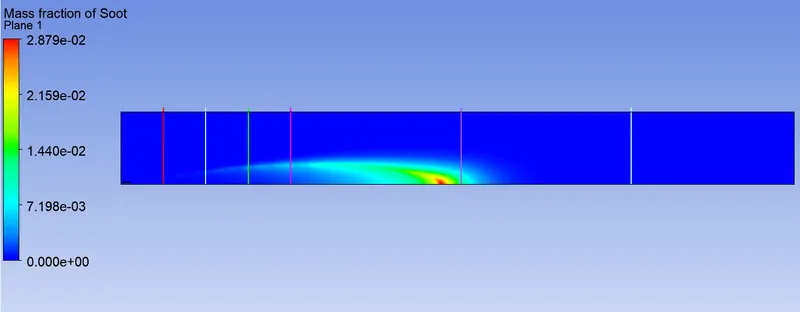
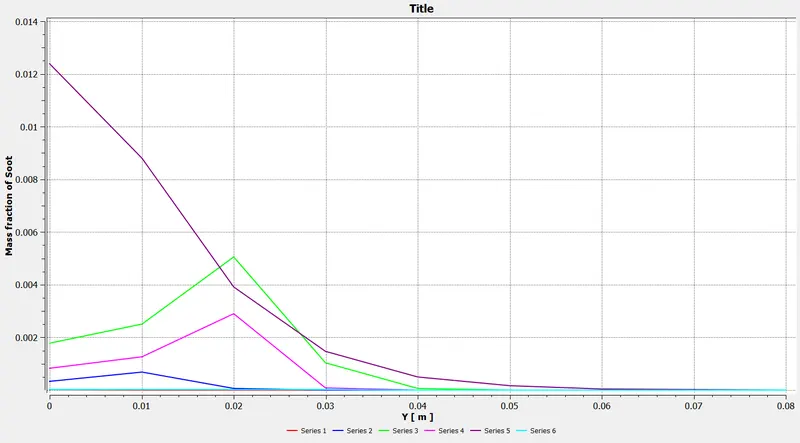
For SOOT
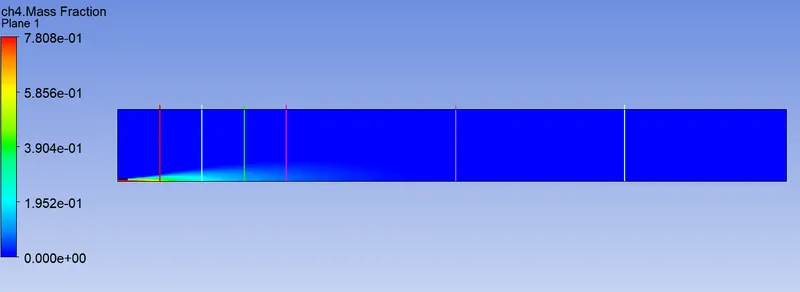
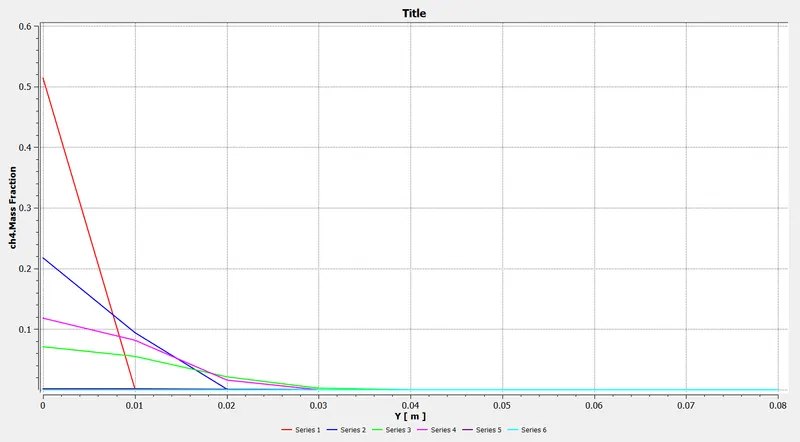
For CH4
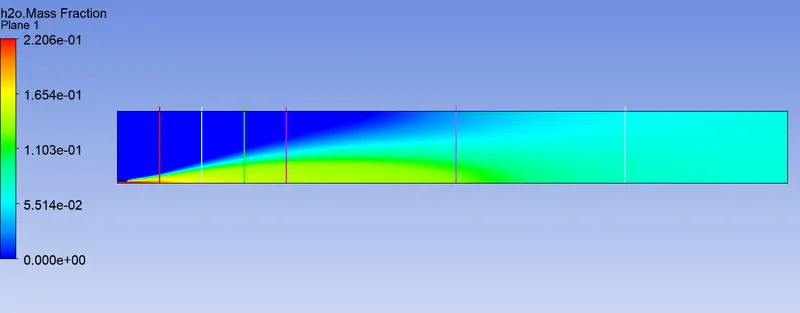
For H20
For CO2
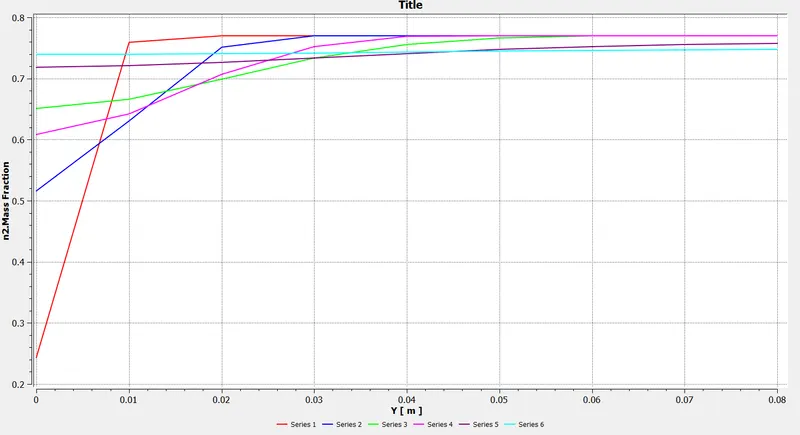
For N2
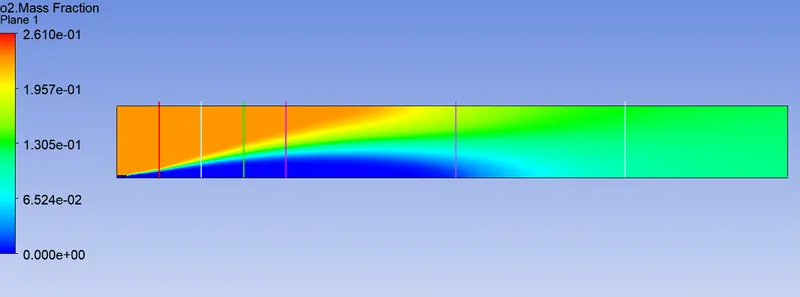
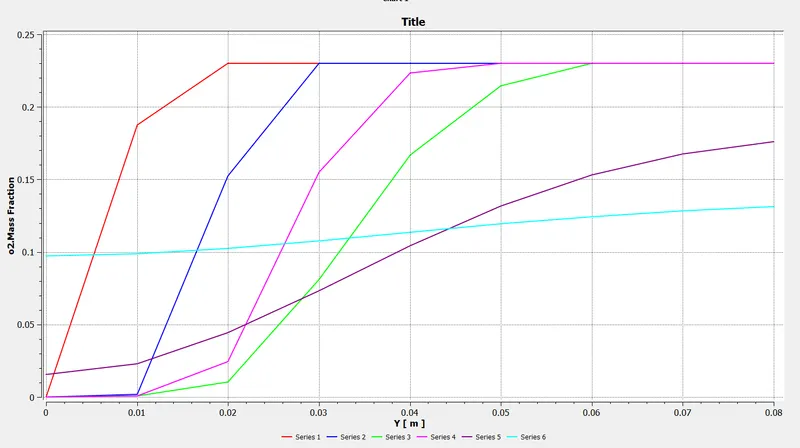
For O2
Case3(25% water )
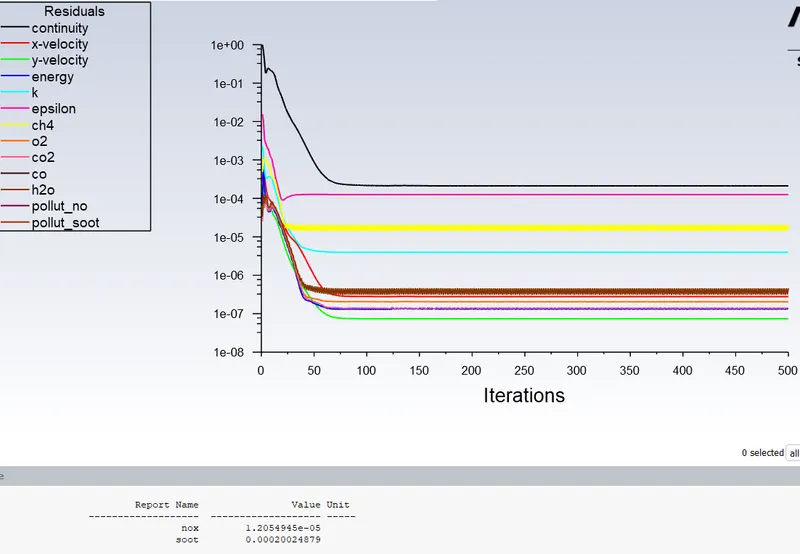
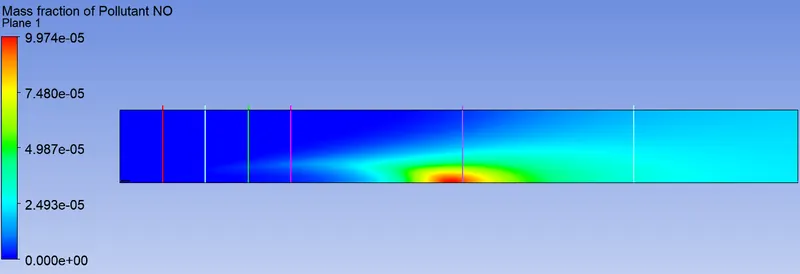
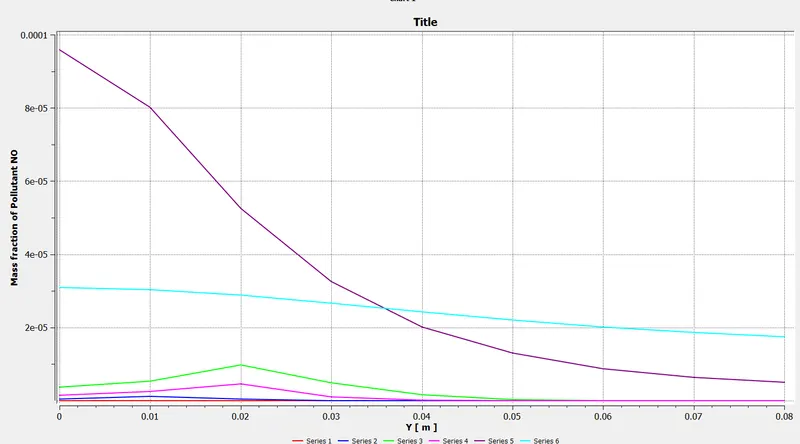
For NOx
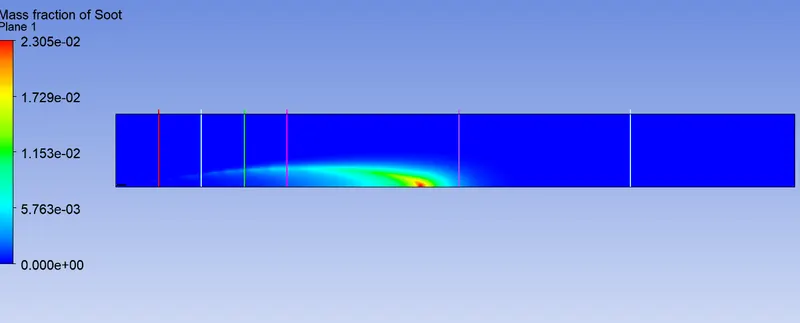
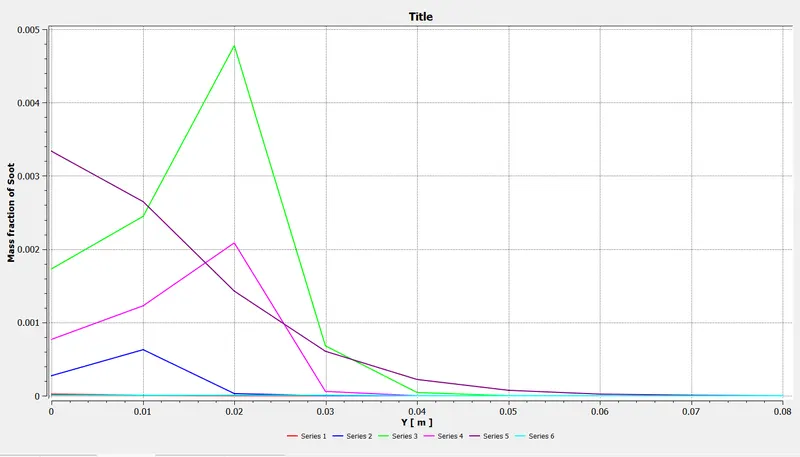
For SOOT
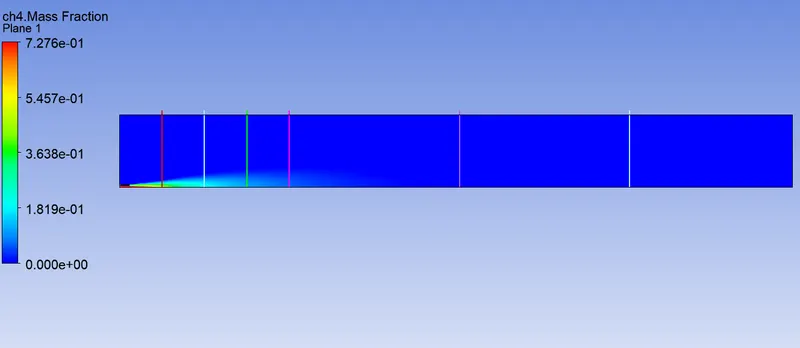
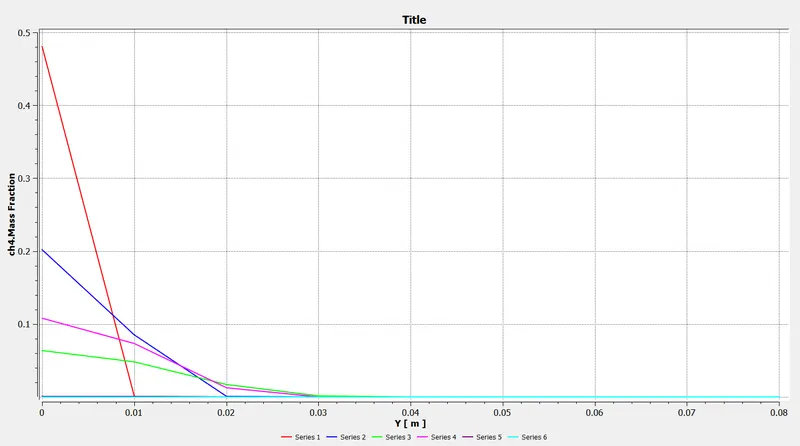
For CH4
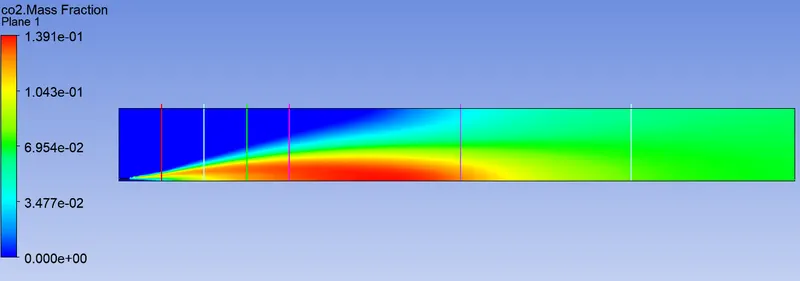
For CO2
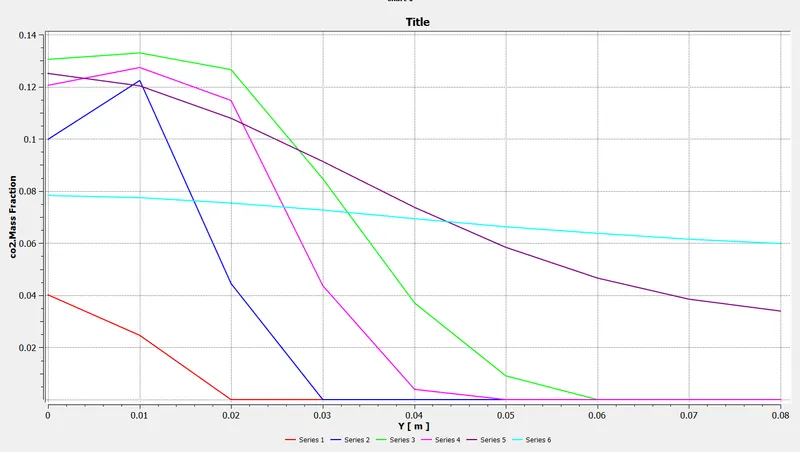
For H2O
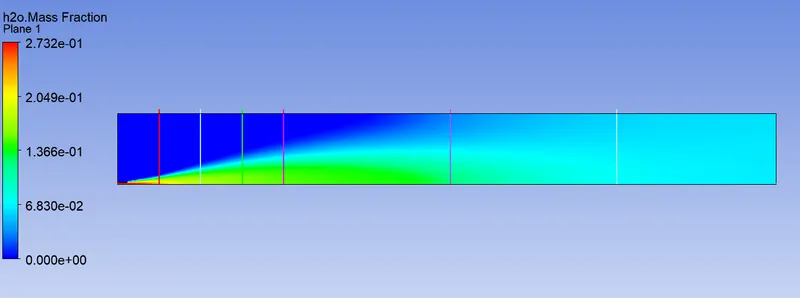
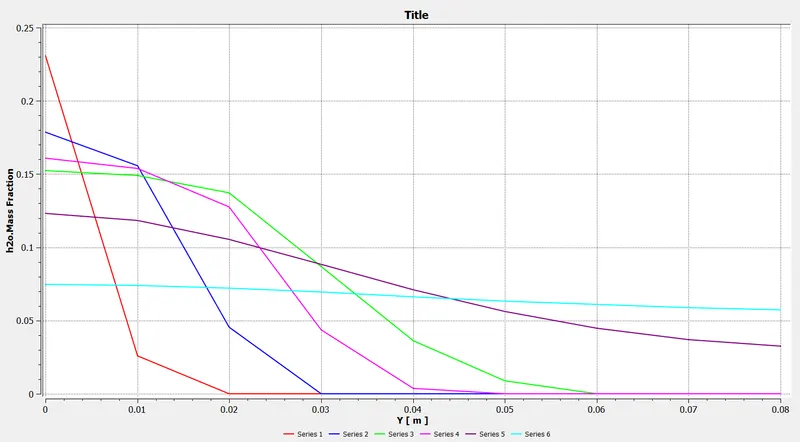
For N2
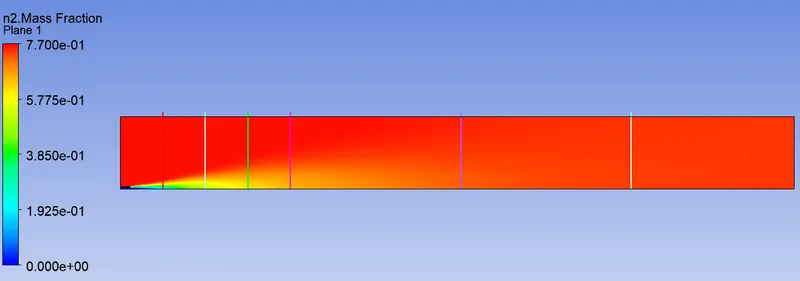
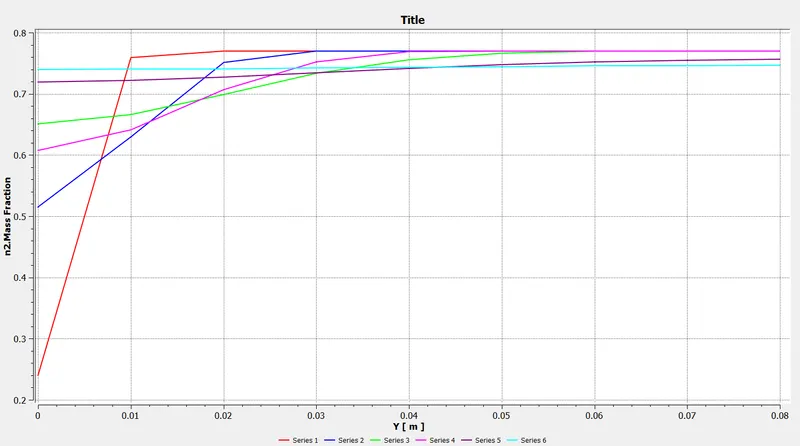
For O2
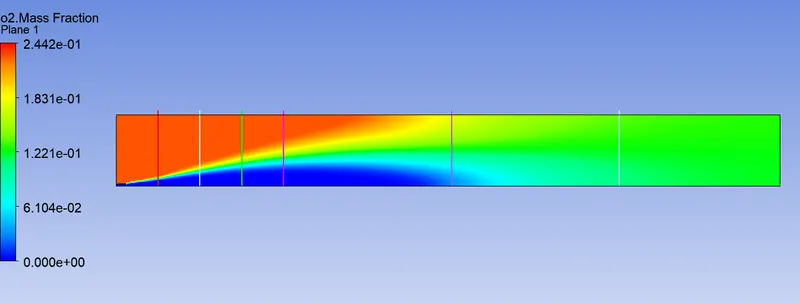
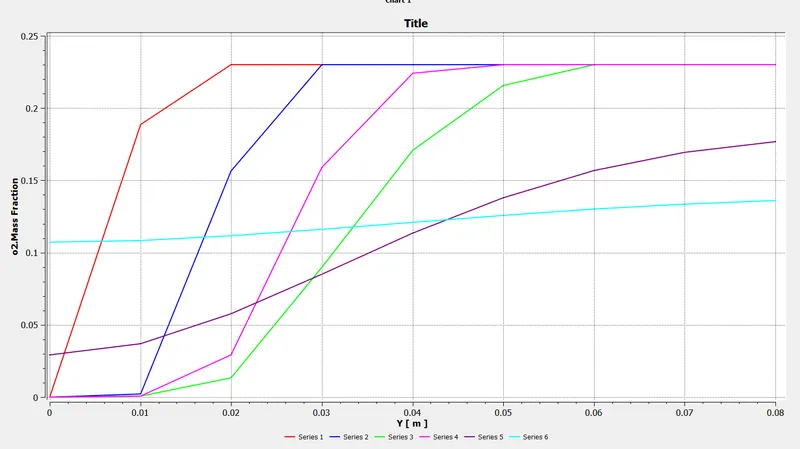
Case3(30% water )
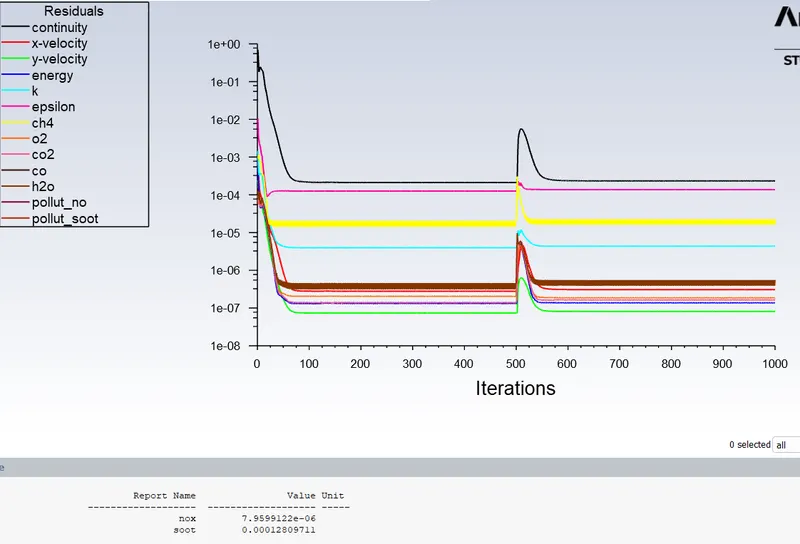
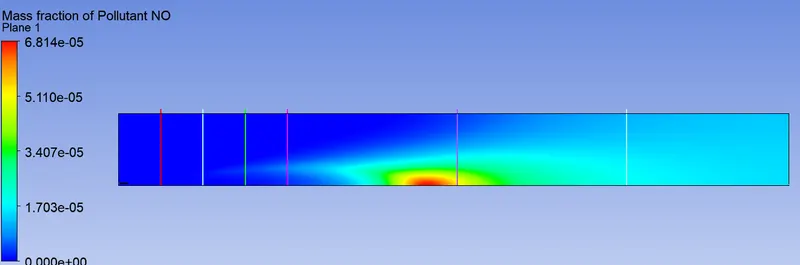
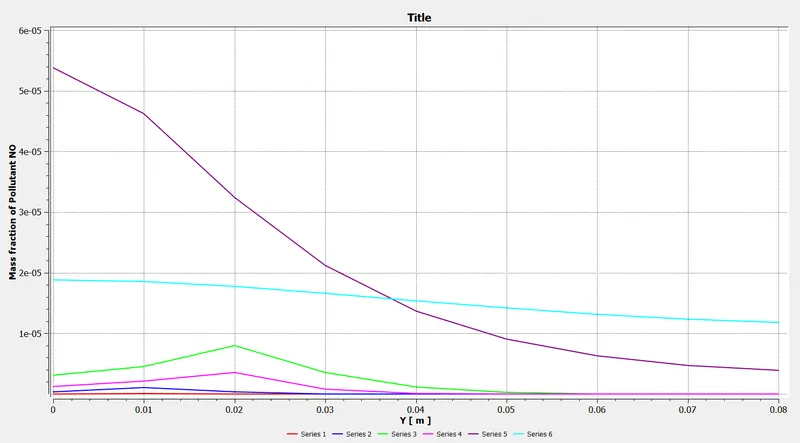
For NOx
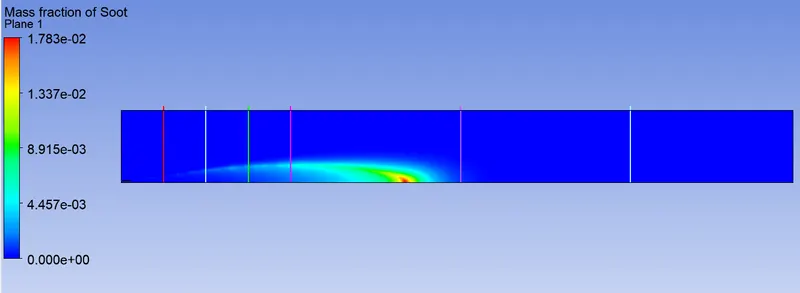
For SOOT
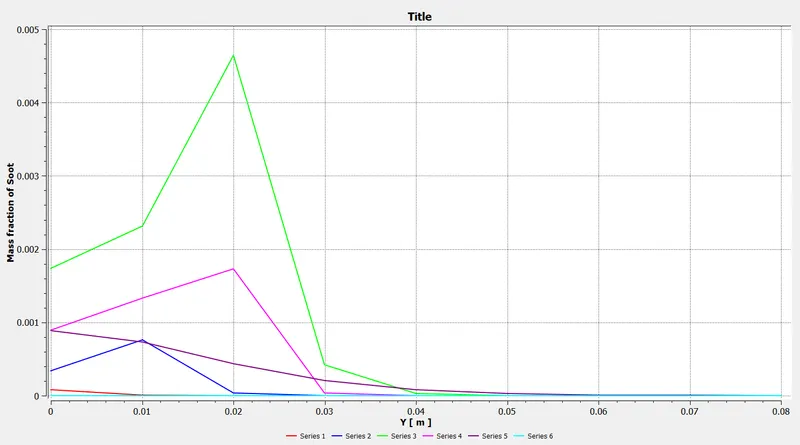
For CH4
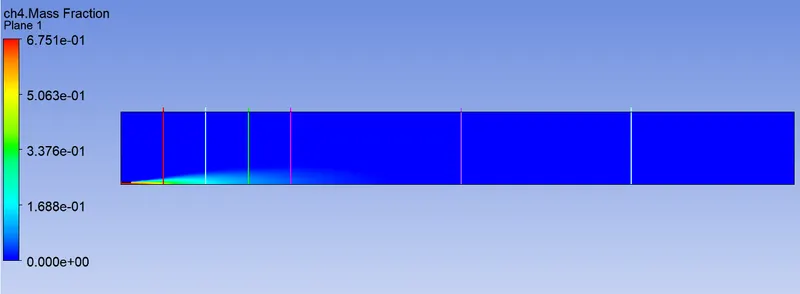
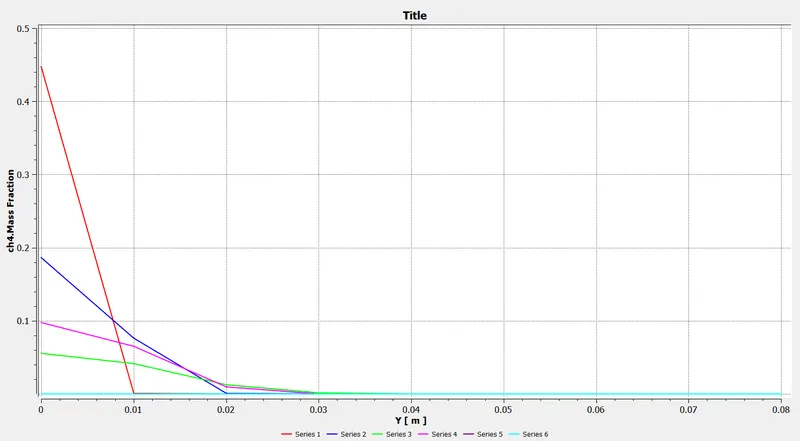
For CO2
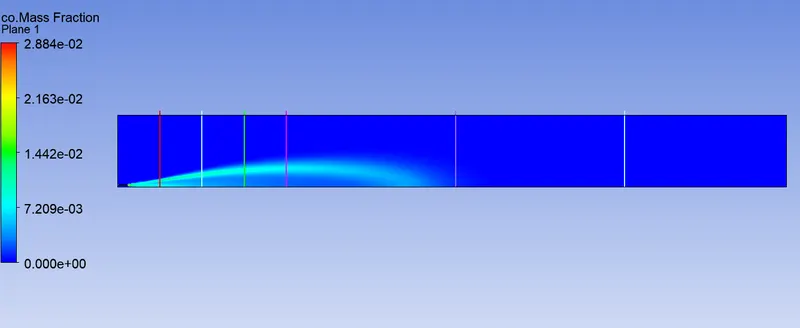
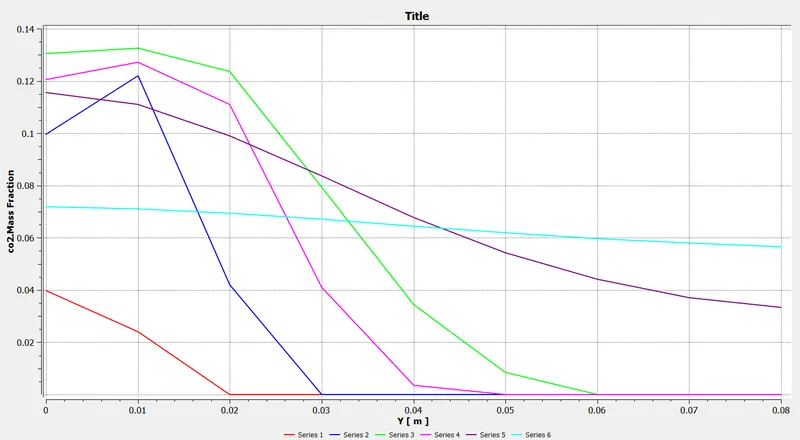
For H2O
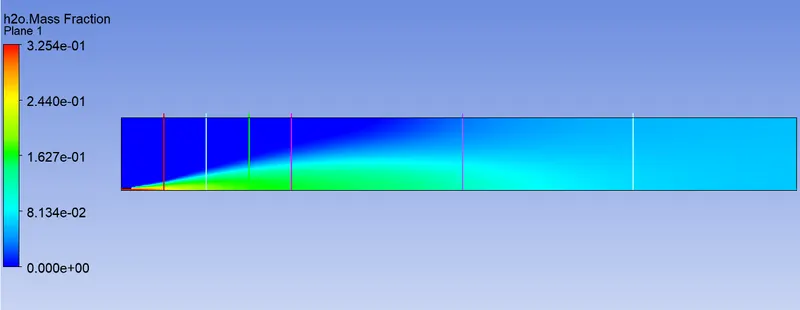
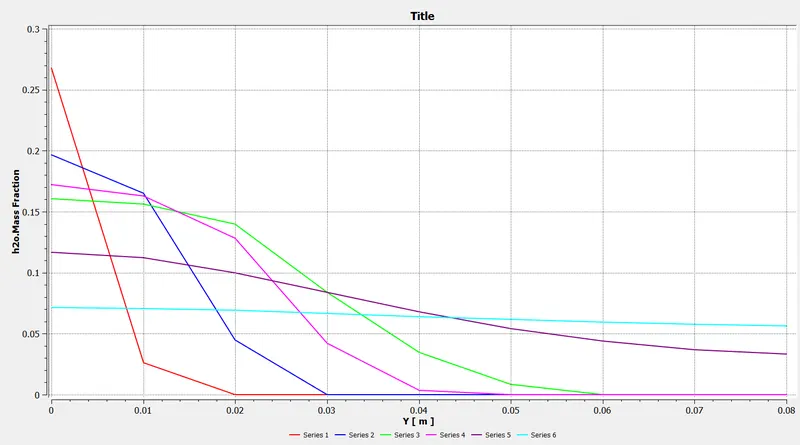
For N2
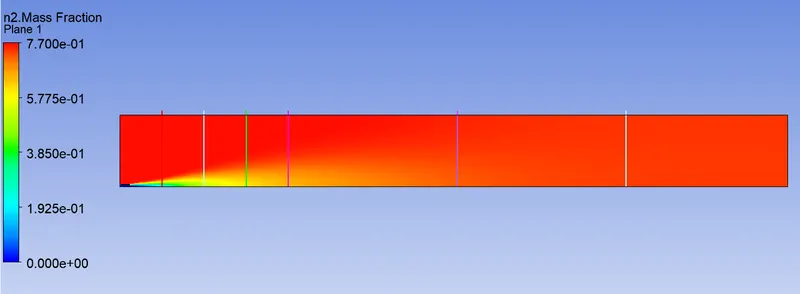
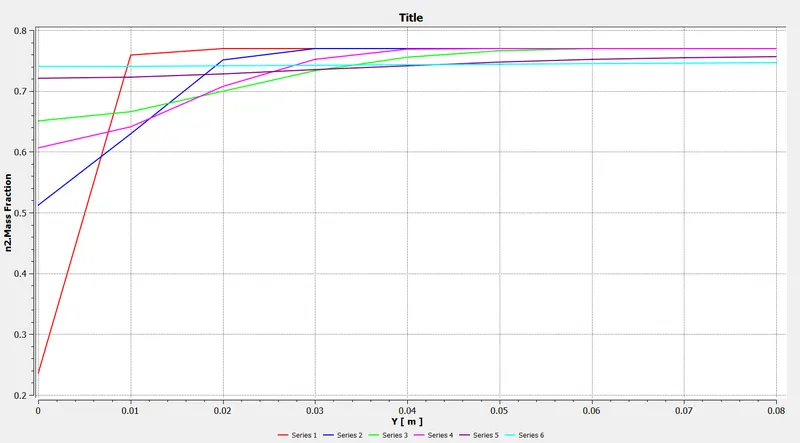
For O2
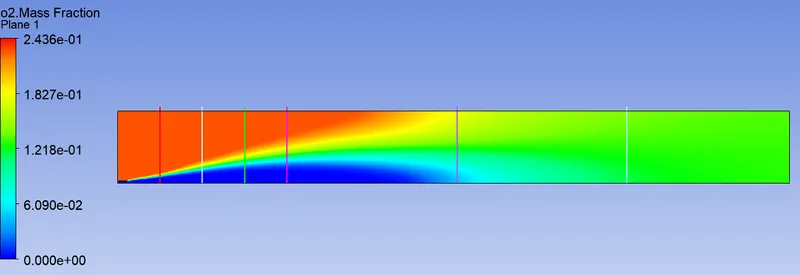
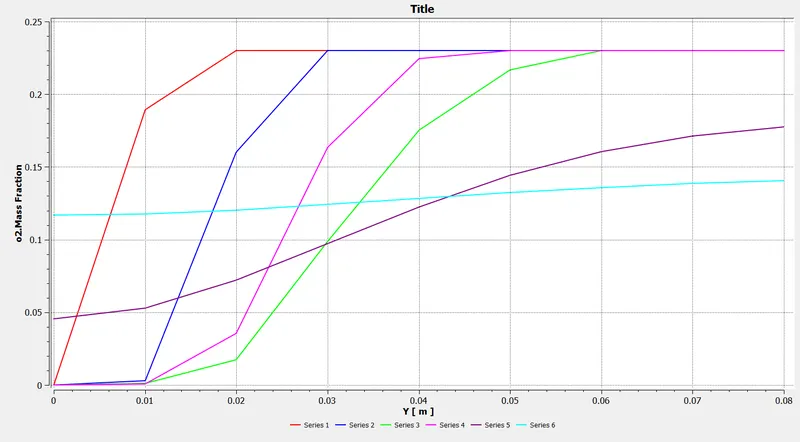
Conclusion:
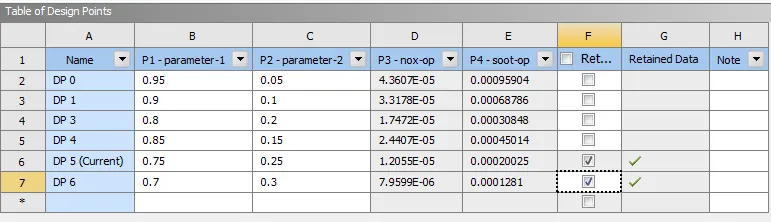
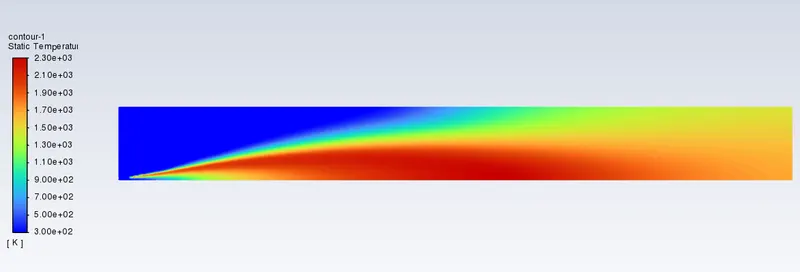
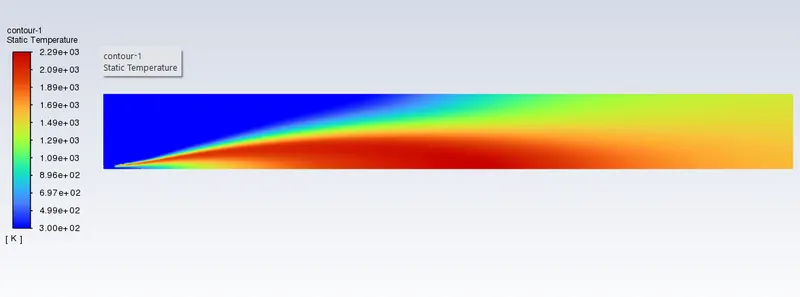
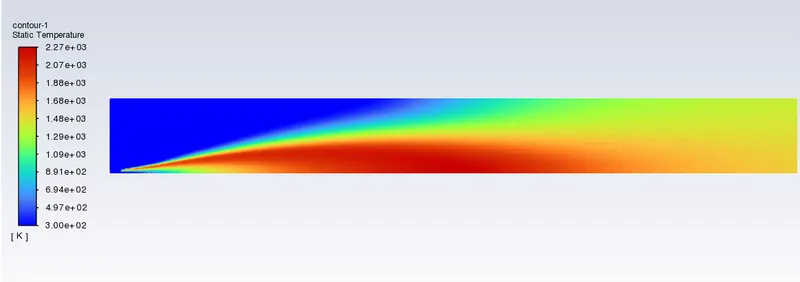
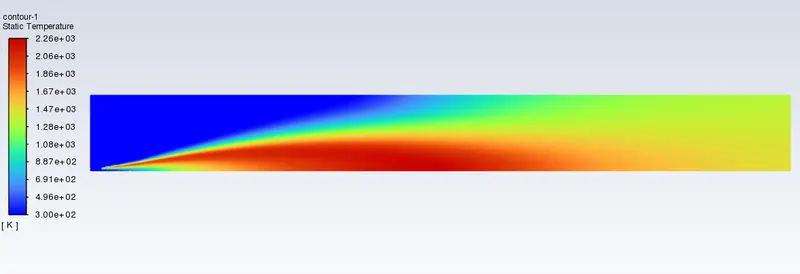
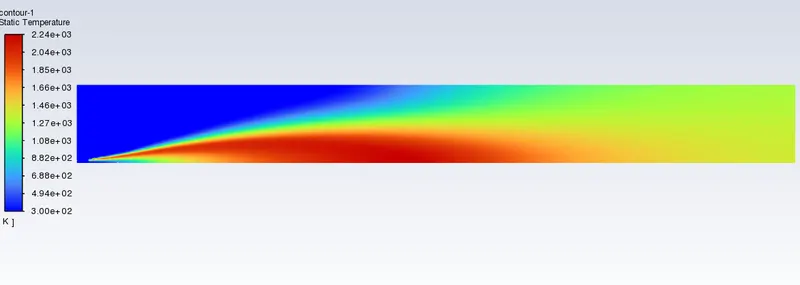
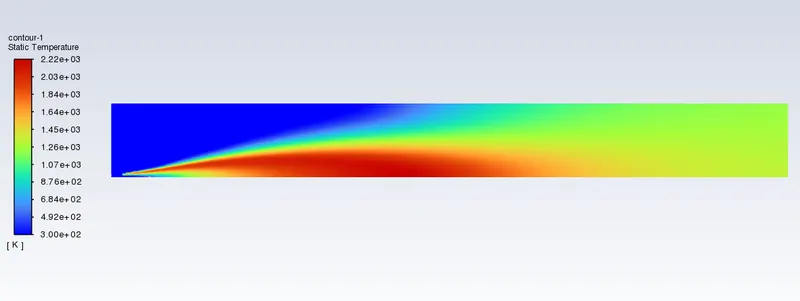
In baseline mesh setup in which the whole amount of CH4 is present for as the fuel the amount of soot and NOx is greater as compared to other cases. Also the maximum temperature is about 2300 K
You can see in the table when we adding the water to the fule by mole fraction method
The Nox and SOOT reducing
The stringent government norms also demand the least formation of Nox and soot and to satisfy those requirements, you need to check the effect of adding the water in the fuel.
where the water is added with fuel in respect of 5% to 30% there is reduction of NOx by certain amount. For case I the reduction of NOx is about 15.78%. For case 2 same reduction of NOx is 28.94% For case 3 the NOx reduction is 52.64% whereas for case 4 the NOx reduction is about 71.05%. Hence adding the water with fuel is considerably decreasing the NOx emissions from the exhaust products.
From the whole simulation it concluded that providing water with fuel will reduce the harmful exhaust emission such as NOx and Soot
*****************************************************************************************************************