Week 10 - Simulating Combustion of Natural Gas.
Combustion: -
Combustion or burning is a high-temperature exothermic redox chemical reaction between a fuel (the reductant) and an oxidant, usually, atmospheric oxygen, that produces oxidized, often gaseous products, in a mixture termed as smoke. Combustion does not always result in fire, because a flame is only visible when substances undergoing combustion vapourize, but when it does, a flame is a characteristic indicator of the reaction. While the activation energy must be overcome to initiate combustion, the heat from a flame may provide enough energy to make the reaction self-sustaining.
Combustion Modelling: -
Combustion models for CFD refer to combustion models for computational fluid dynamics. Combustion is defined as a chemical reaction in which a hydrocarbon fuel reacts with an oxidant to form products, accompanied by the release of energy in the form of heat. Being an integral part of various engineering applications like internal combustion engines, aircraft engines, rocket engines, furnaces, and power station combustors, combustion manifests itself as a wide domain during the design, analysis, and performance characteristics stages of the above-mentioned applications. With the added complexity of chemical kinetics and achieving reacting flow mixture environment, proper modeling physics has to be incorporated during computational fluid dynamic simulations of combustion. Combustion simulation for engine thermodynamics, in-cylinder flow, fuel injection, combustion, emission formation, and heat transfer, we can match performance requirements while minimizing fuel consumption and emissions.
Flow Configurations if Combustion Modelling: -
1. pre-mixed
2. non-premixed
3. partially premixed
Eddy dissipation model:-
The eddy dissipation model, based on the work of Magnussen and Hjertager, is a turbulent-chemistry reaction model. Most fuels are fast burning and the overall rate of reaction is controlled by turbulence mixing. In the non-premixed flames, turbulence slowly mixes the fuel and oxidizer into the reaction zones where they burn quickly. In premixed flames, the turbulence slowly mixes cold reactants and hot products into the reaction zones where the reaction occurs rapidly. In such cases, the combustion is said to be mixing-limited, and the complex and often unknown chemical kinetics can be safely neglected. In this model, the chemical reaction is governed by a large-eddy mixing time scale. Combustion initiates whenever there is turbulence present in the flow. It does not need an ignition source to initiate the combustion. This type of model is valid for non-premixed combustion.
Combustion Simulation Analysis:-
Geometry:-
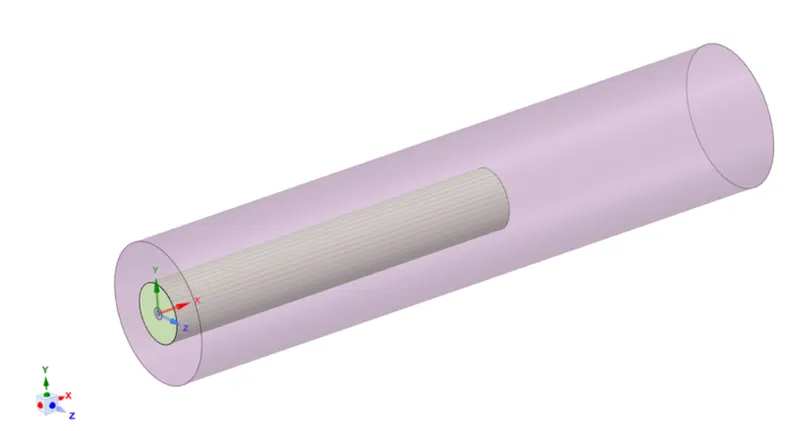
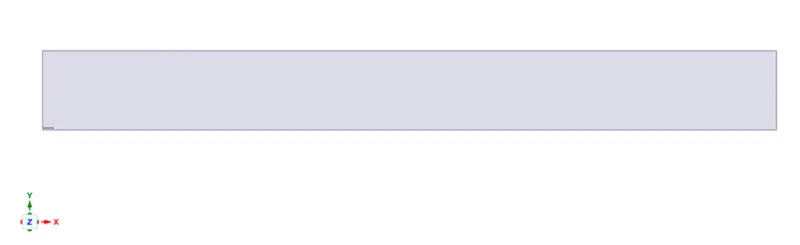
3d geometry requires more time for simulation, hence this 2d geometry is created using the split body in space-claim.
2d Geometry:-
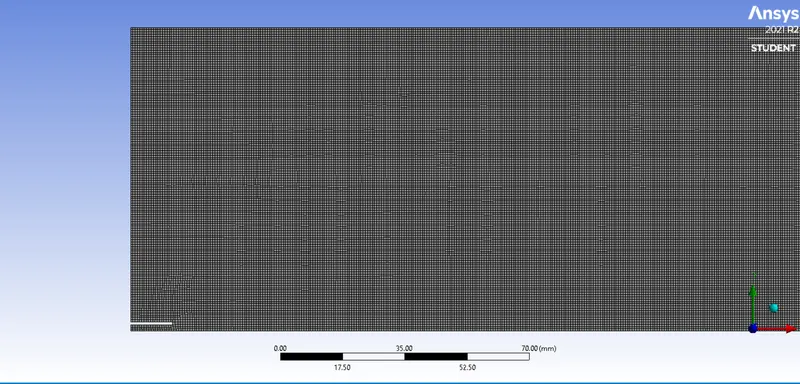
Mesh Generated:-
Mesh method: body sizing
Element size: 0.64 mm
No. of Nodes:
No. of Elements:
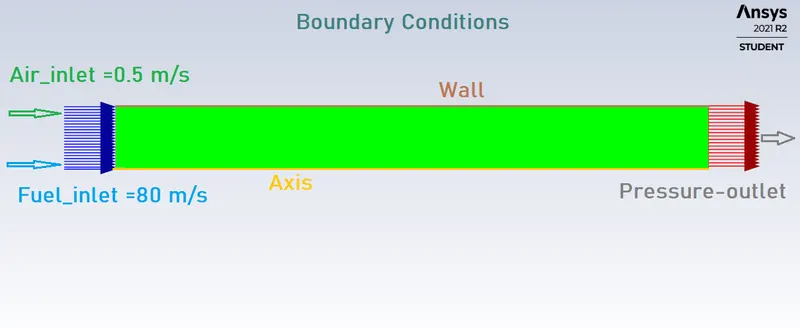
Boundary Conditions:-
Case set-up:-
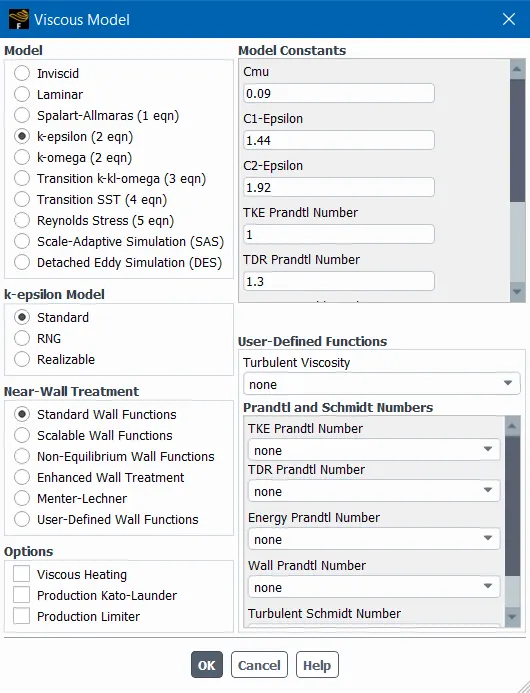
Viscous Model:-
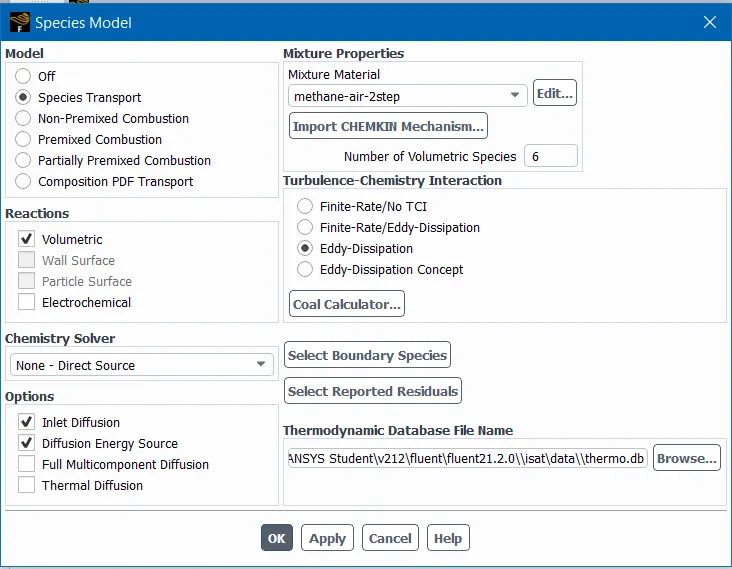
Species Model: -
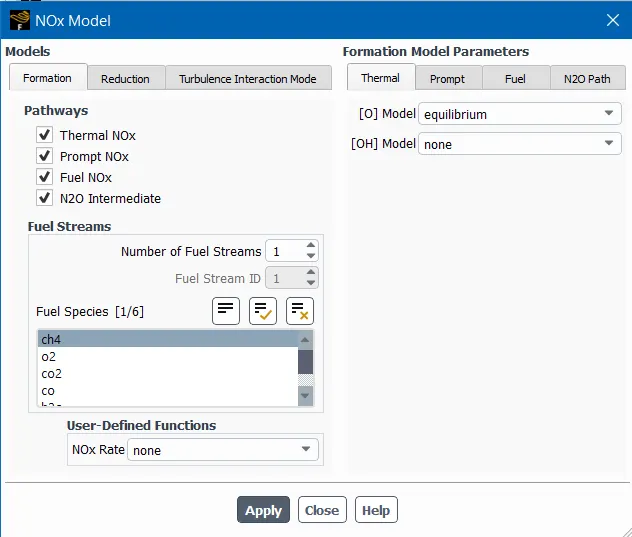
NOx Model: -
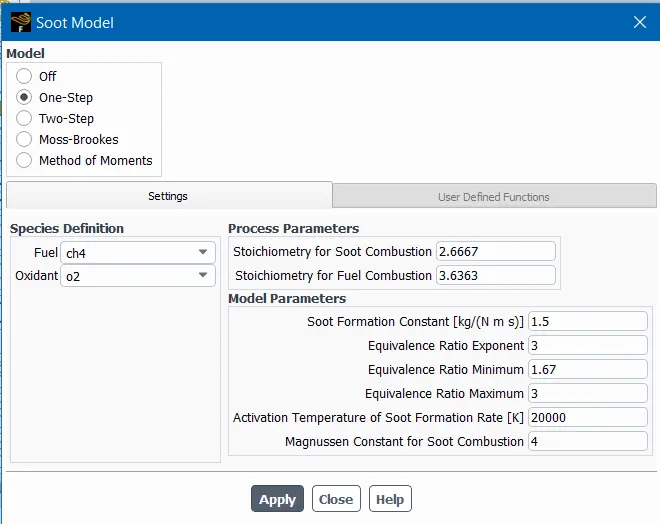
Soot Model:-
Results:-
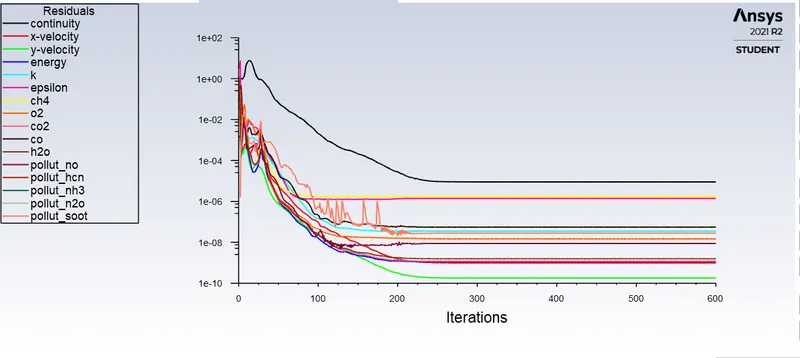
Residuals:-
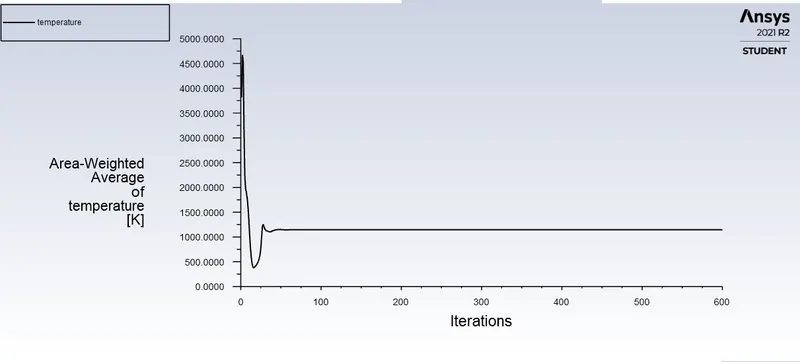
Temperature plot:-
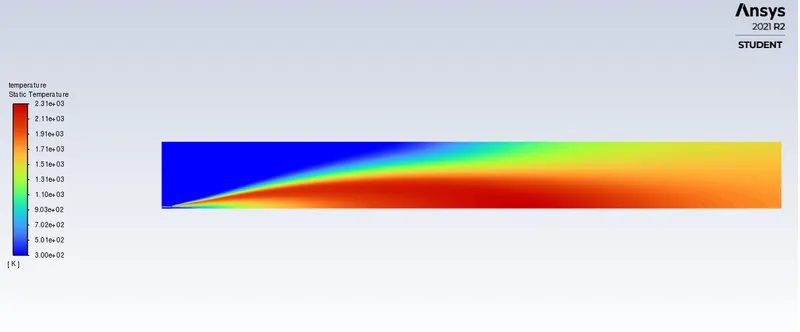
Temperature contour:-
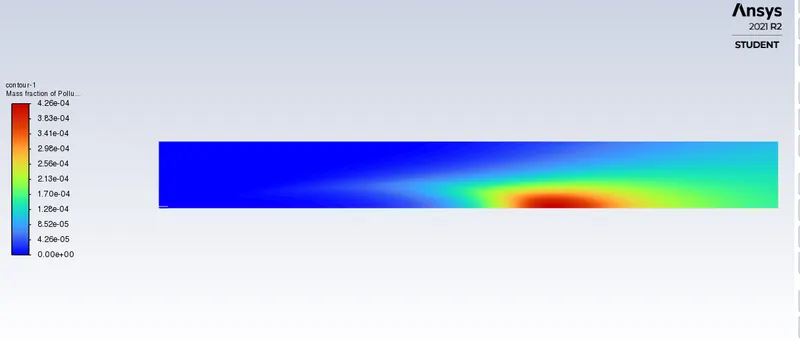
Mass fraction of pollutant NO:-
Mass fraction of soot: -
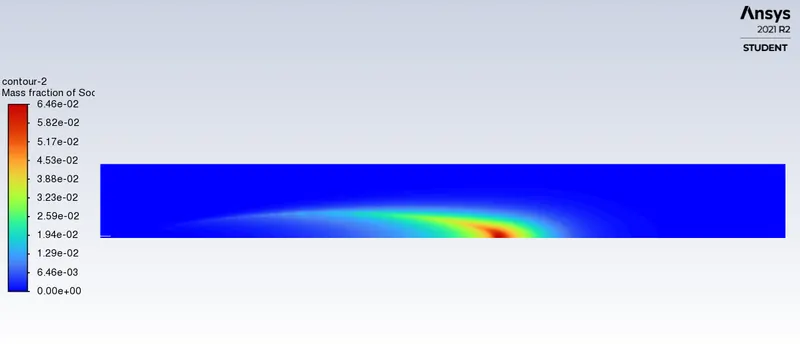
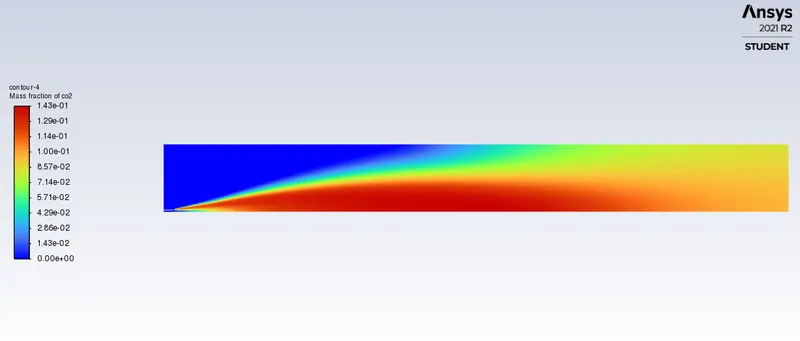
Mass fraction of Co2:-
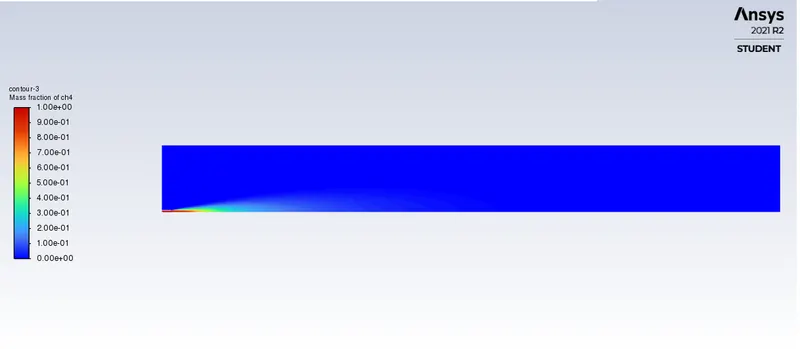
Mass fraction of Ch4:-
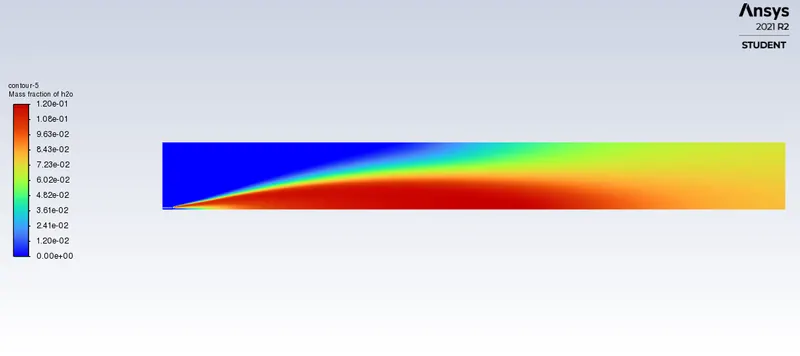
Mass fraction of h2o:-
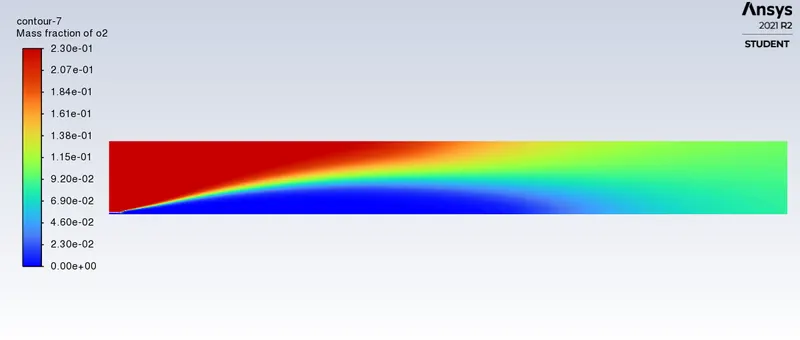
Mass fraction of o2:-
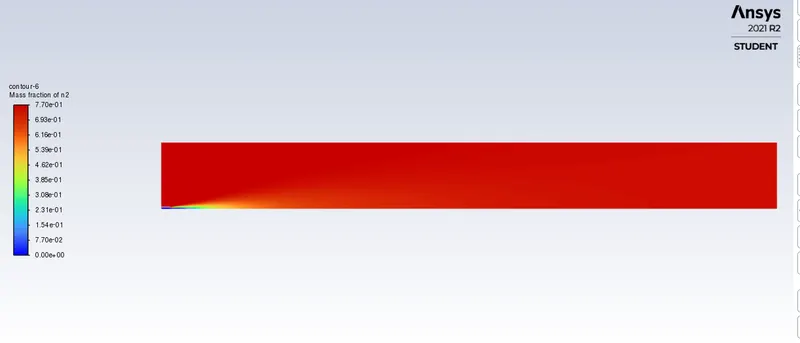
Mass fraction of n2:-
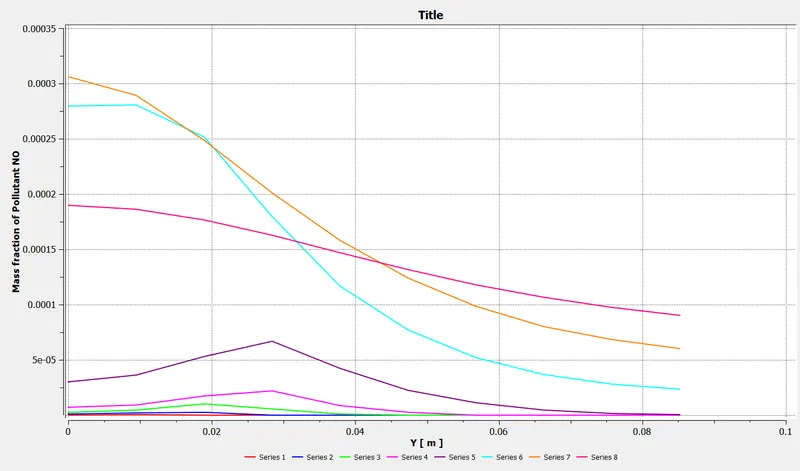
Mass fraction plot of No:-
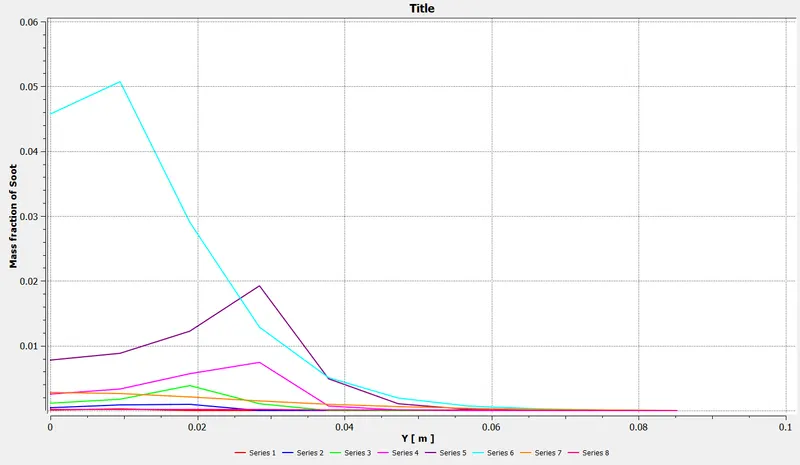
Mass fraction plot of soot:-
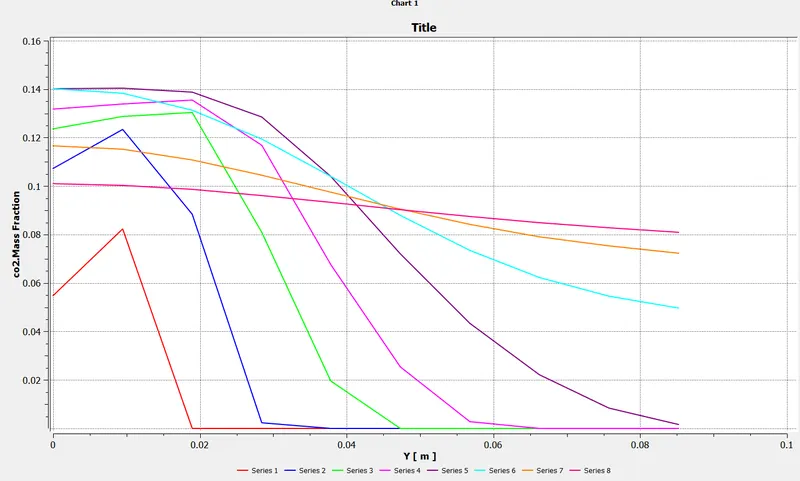
Mass fraction plot of co2:-
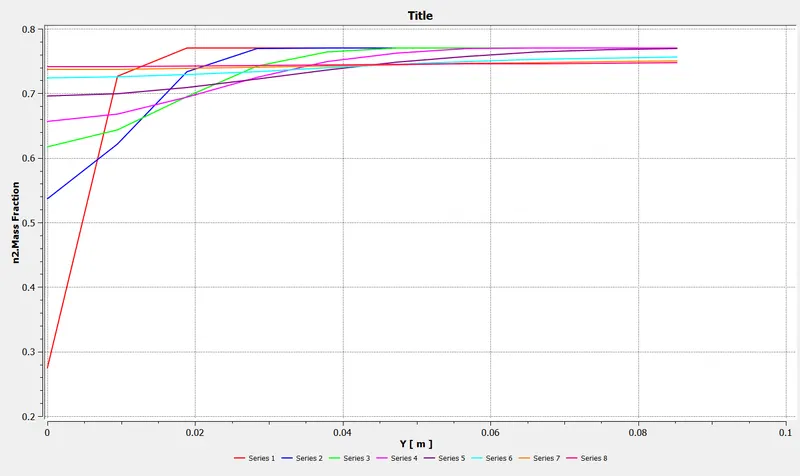
Mass fraction plot of N2:-
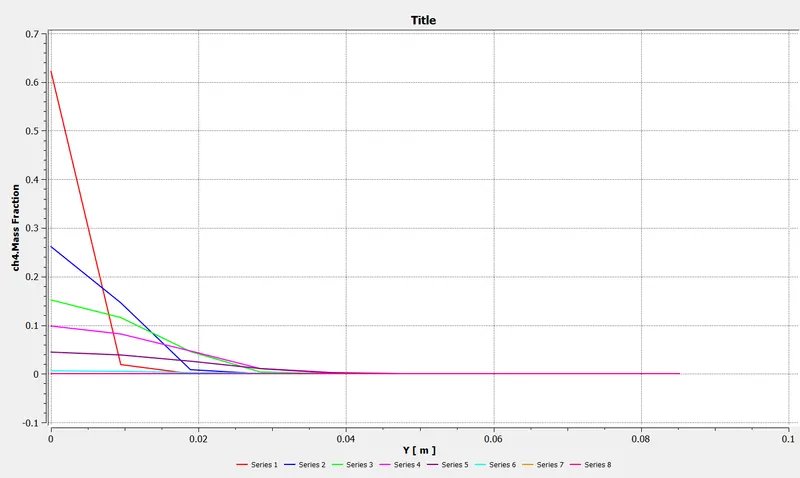
Mass fraction plot of ch4:-
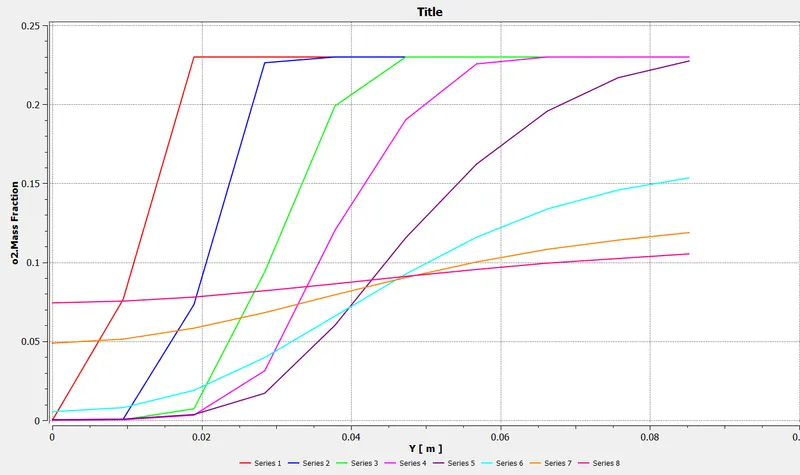
Mass fraction plot of o2:-
Part-2:-
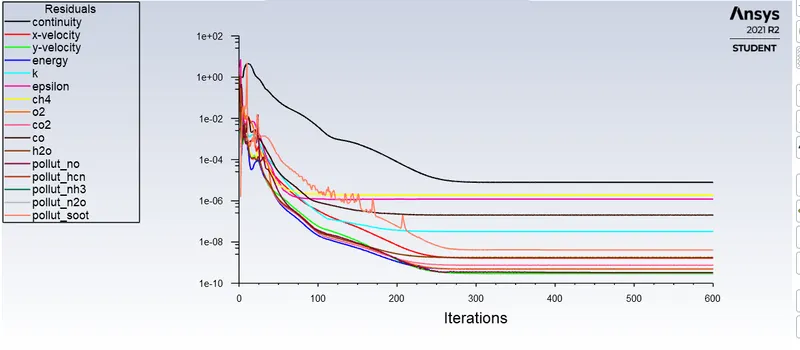
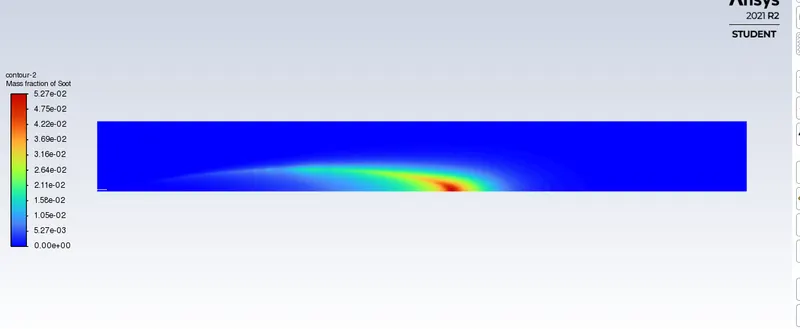
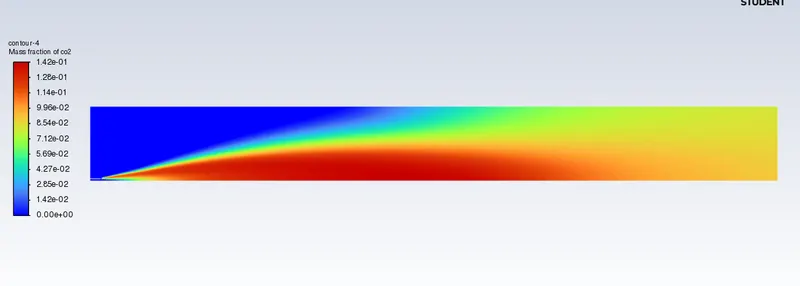
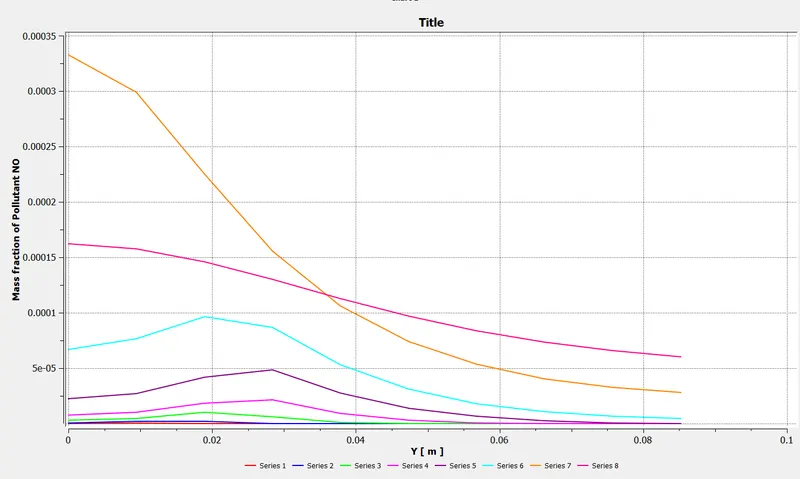
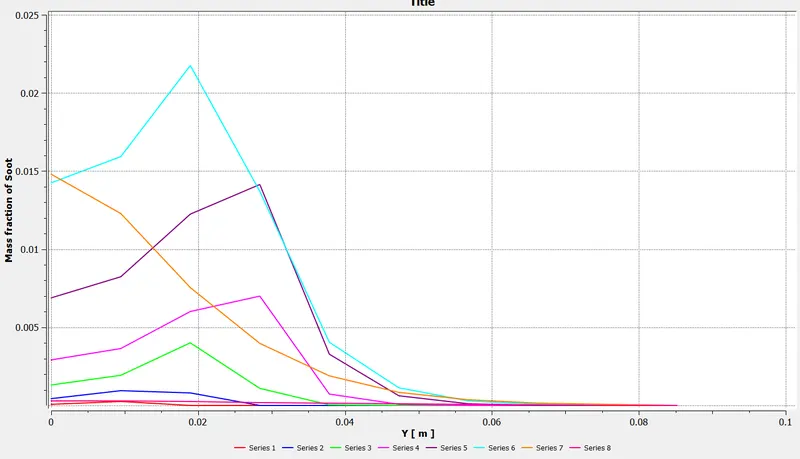
Case-A:-
CH4 = 0.95, H2o = 0.05
Residuals:-
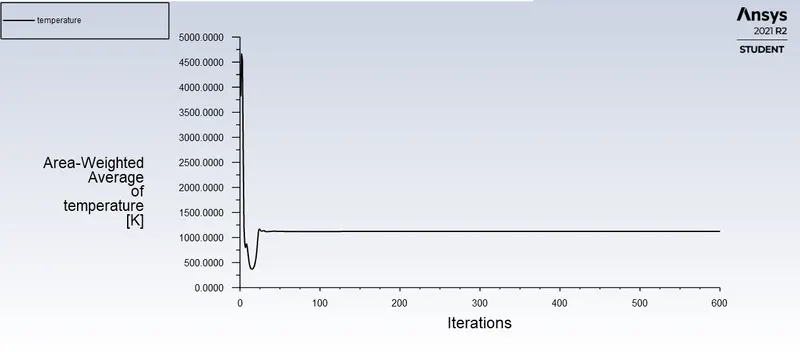
Temperature plot:-
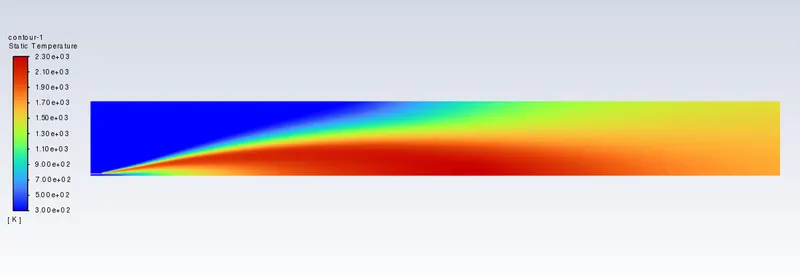
Temperature contour:-
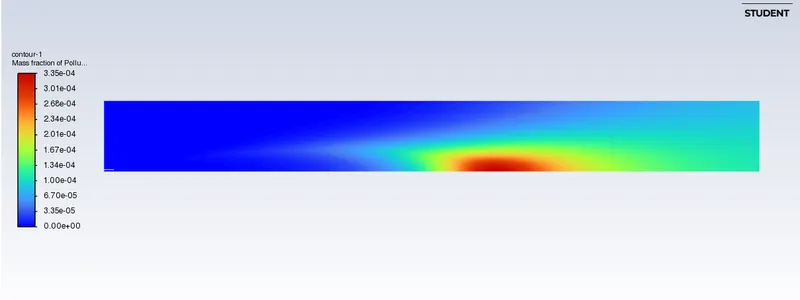
Mass fraction of No:-
Mass fraction of soot:-
Mass fraction of Co2:-
Mass fraction of No plot:-
Mass fraction of soot plot: -
Mass fraction of Co2 plot:-
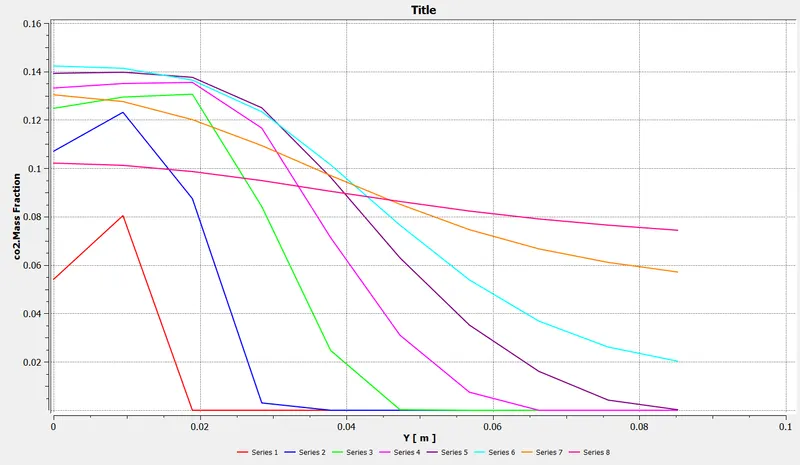
Case-B:-
CH4 = 0.85, H2o = 0.15
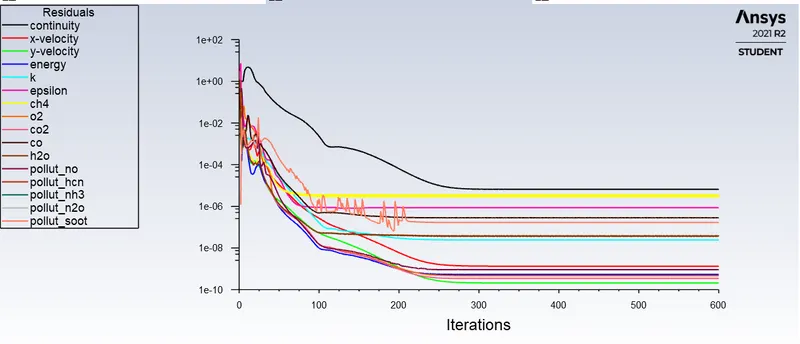
Residuals:-
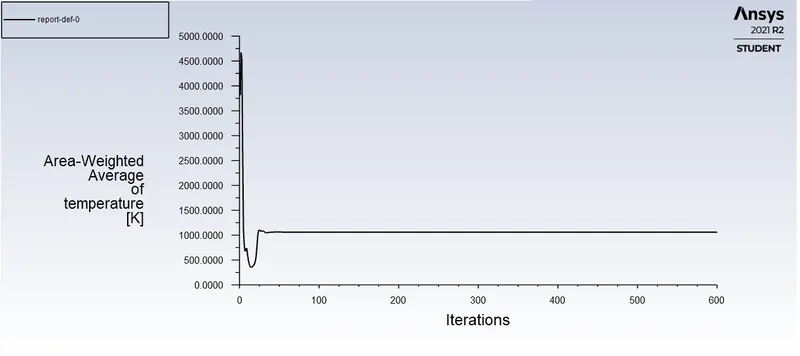
Temperature plot:-
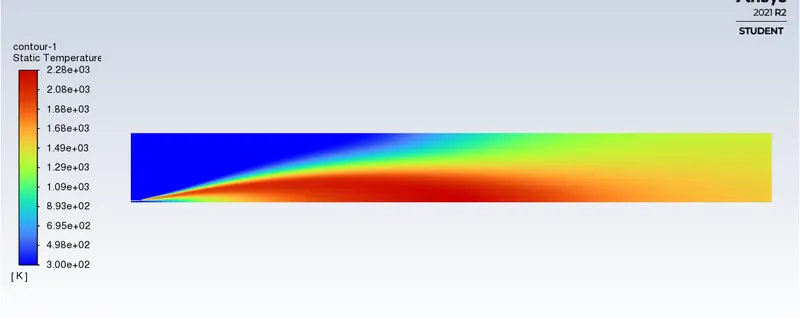
Temperature contour:-
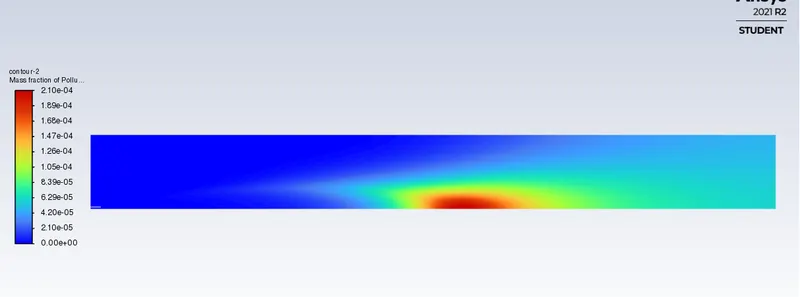
Mass fraction of No:-
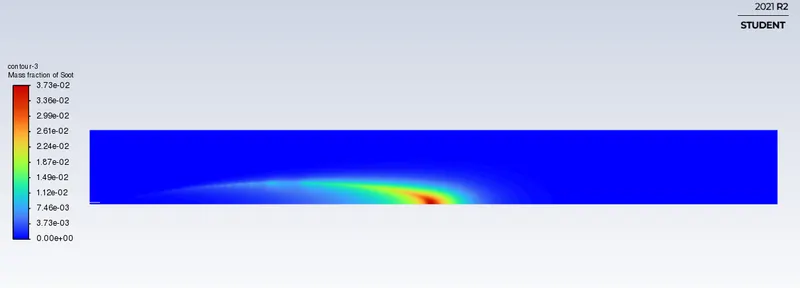
Mass fraction of soot:-
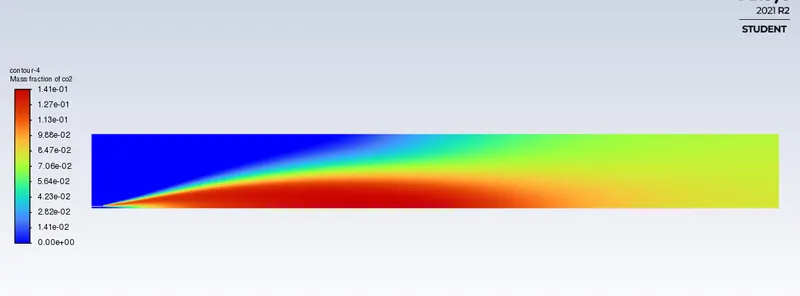
Mass fraction of Co2:-
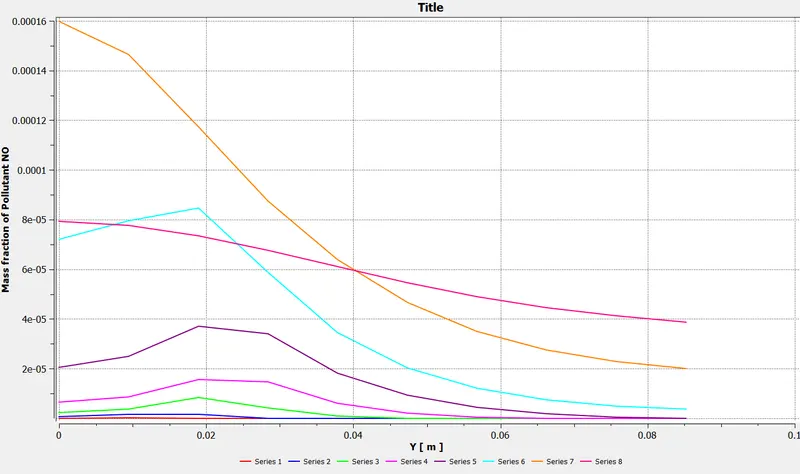
Mass fraction of No plot:-
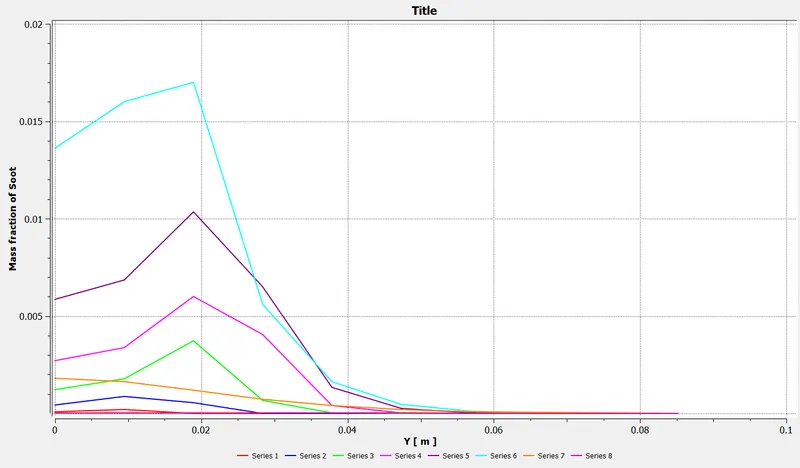
Mass fraction of soot plot: -
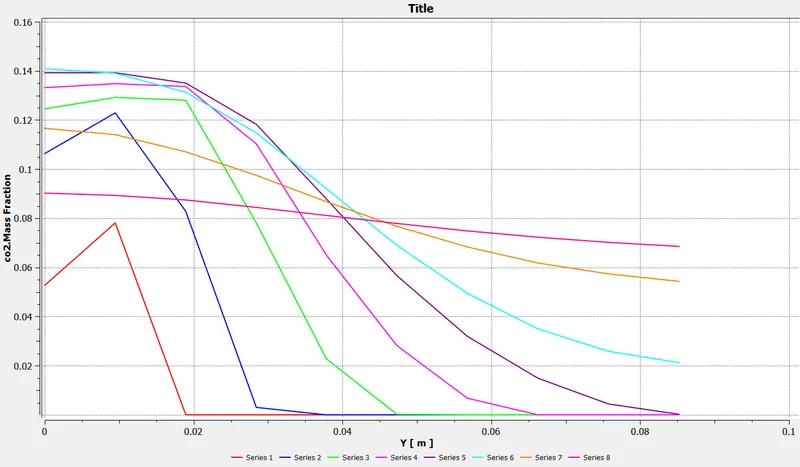
Mass fraction of Co2 plot:-
Case-C:-
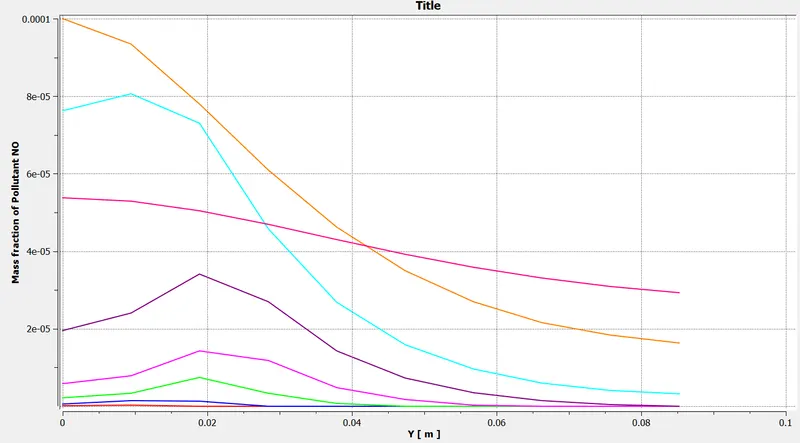
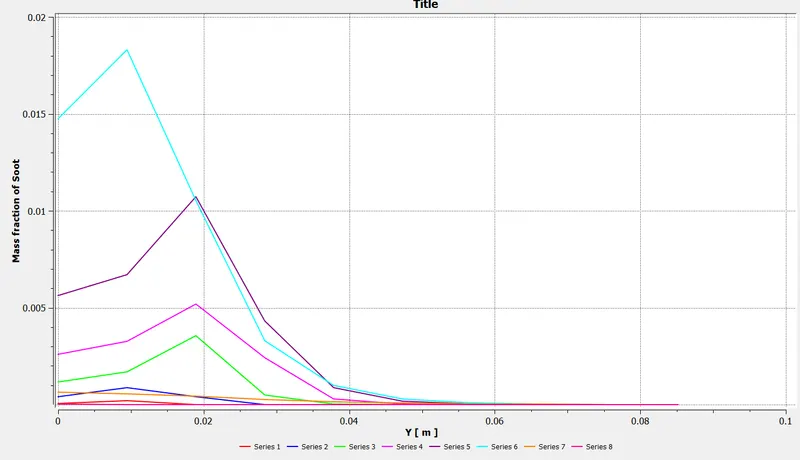
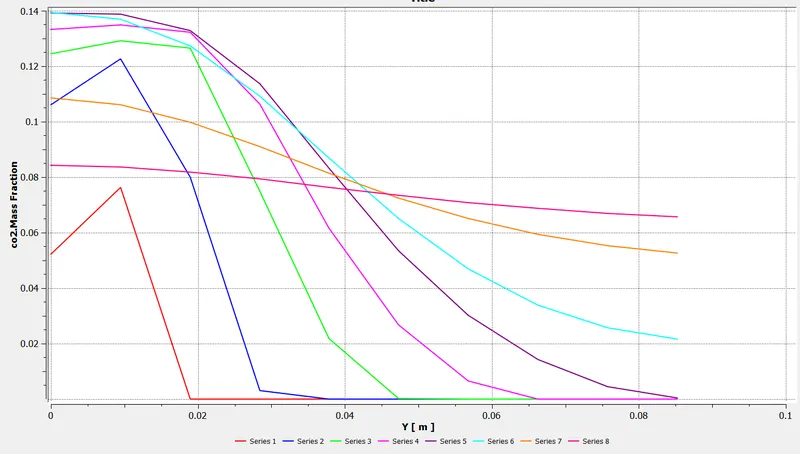
CH4 = 0.80, H2o = 0.20
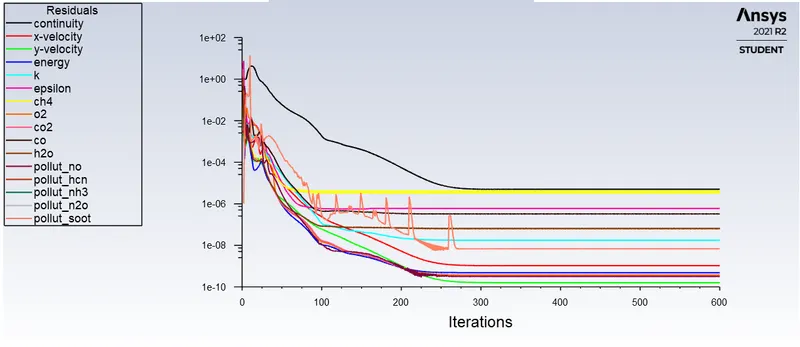
Residuals:-
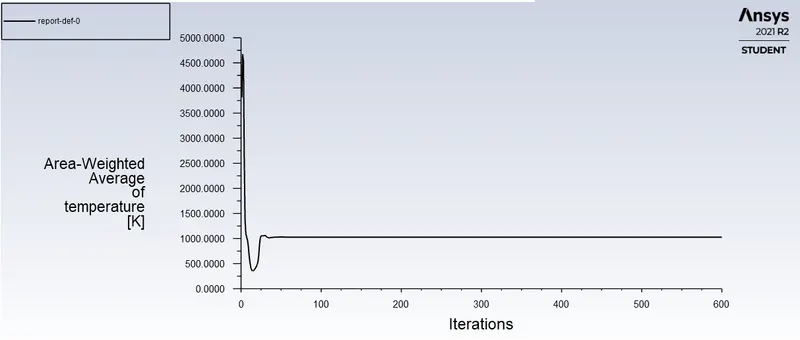
Temperature plot:-
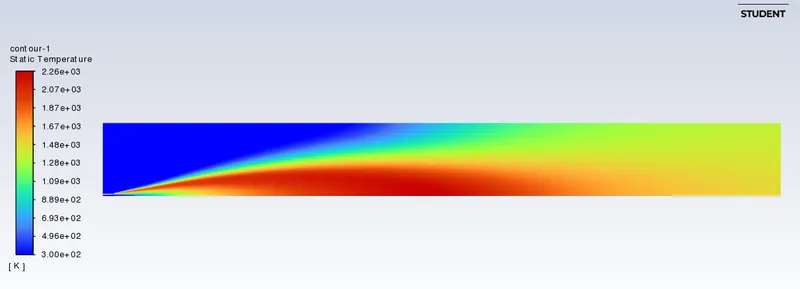
Temperature contour:-
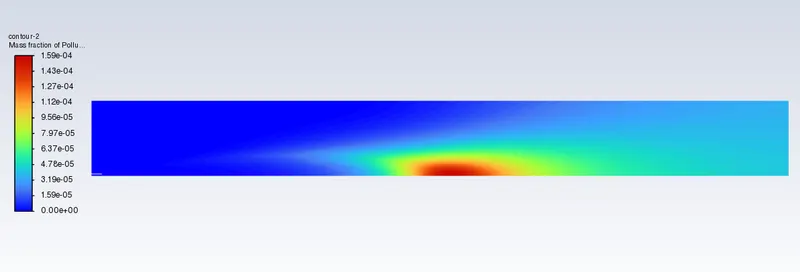
Mass fraction of No:-
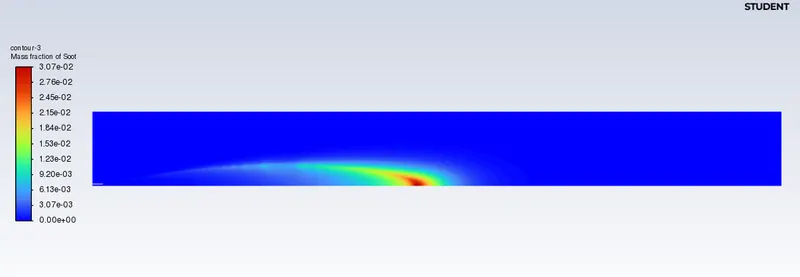
Mass fraction of soot:-
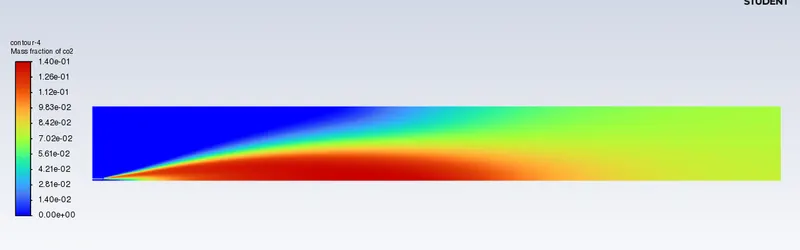
Mass fraction of Co2:-
Mass fraction of No plot:-
Mass fraction of soot plot: -
Mass fraction of Co2 plot:-
Case-D-
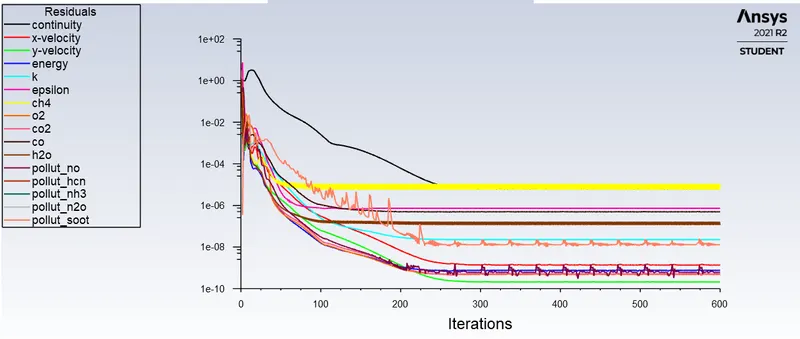
CH4 = 0.70, H2o = 0.30
Residuals:-
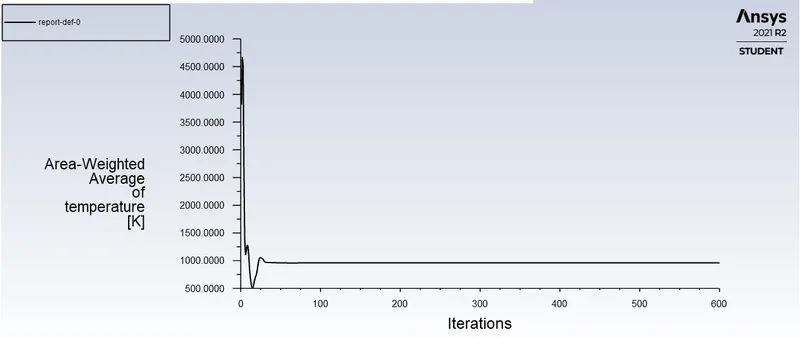
Temperature plot:-
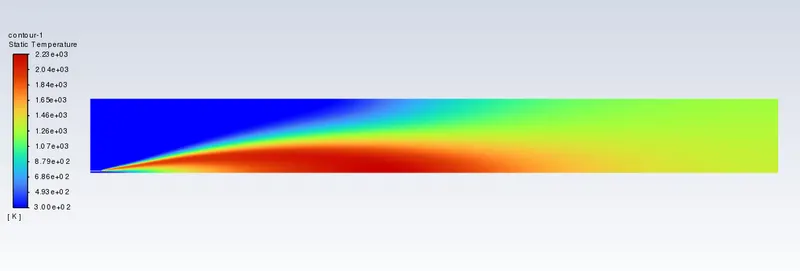
Temperature contour:-
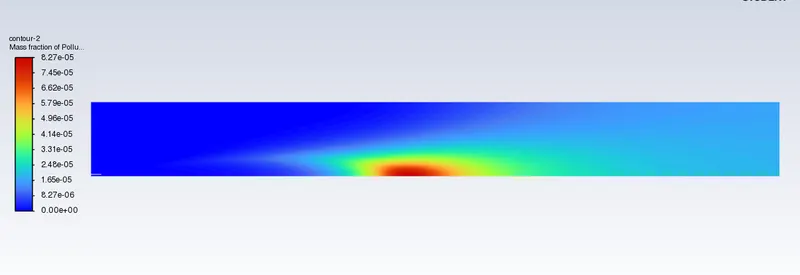
Mass fraction of No:-
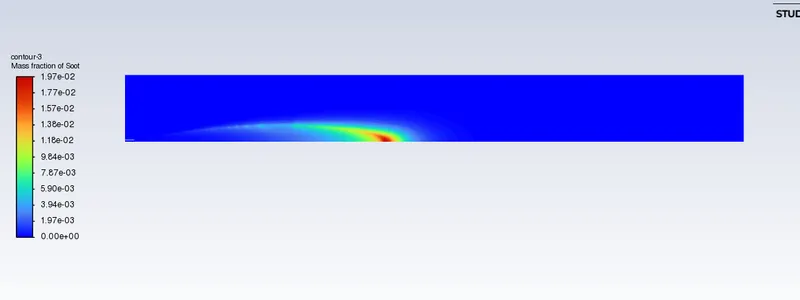
Mass fraction of soot:-
Mass fraction of Co2:-
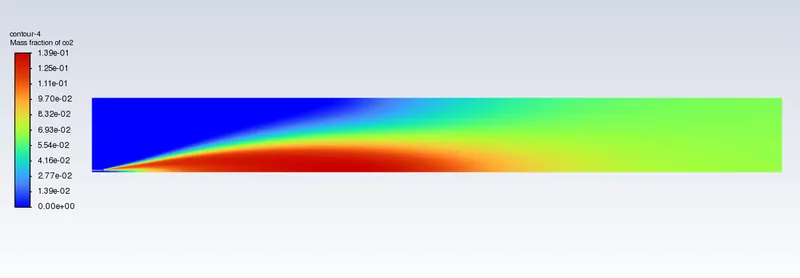
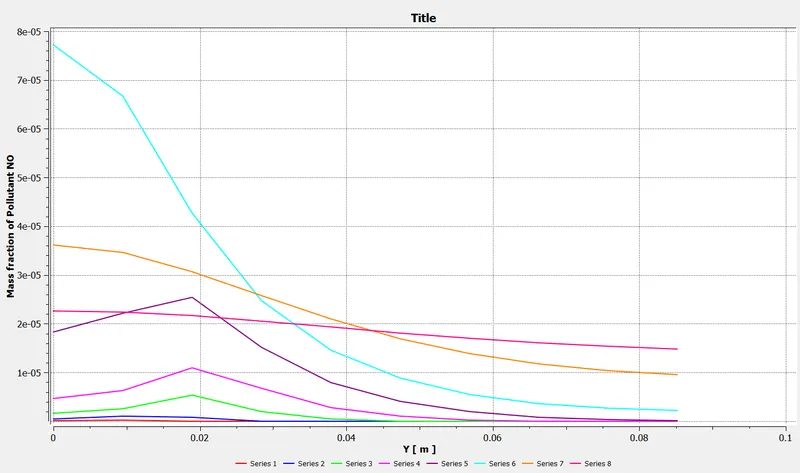
Mass fraction of No plot:-
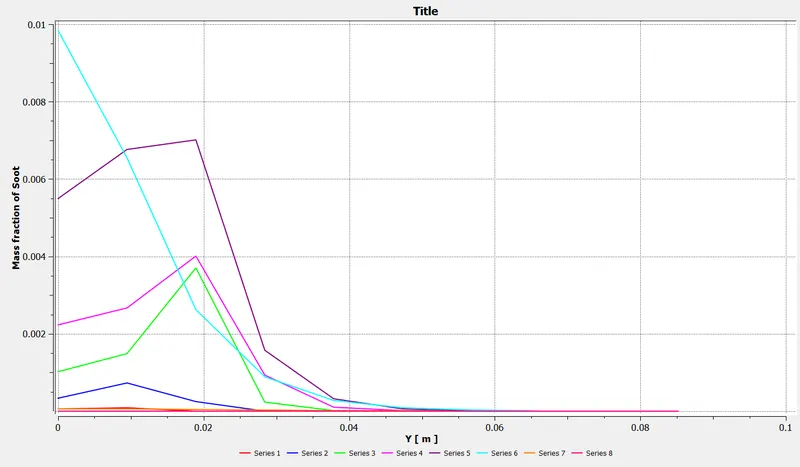
Mass fraction of soot plot: -
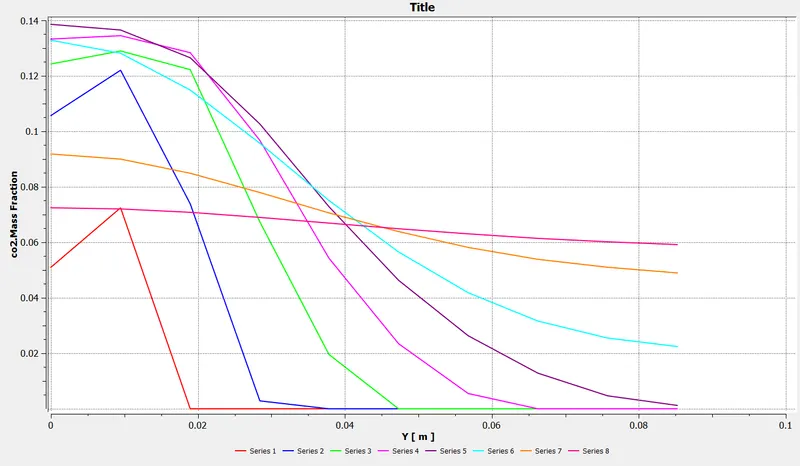
Mass fraction of Co2 plot:-
Conclusion:-
| Percentage of H2o | The ratio of Ch4 to H2O | Mass fraction of NOx | Mass fraction of soot | Mass fraction of CO2 |
| 5 | 0.95 : 0.05 | 3.35e-4 | 5.27e-2 | 1.42e-1 |
| 15 | 0.85 : 0.15 | 2.10e-4 | 3.73e-2 | 1.41e-1 |
| 20 | 0.80 : 0.20 | 1.59e-4 | 3.27e-2 | 1.40e-1 |
| 30 | 0.70 : 0.30 | 8.27e-5 | 1.90e-2 | 1.39e-1 |
1. Maximum level of pollutants of Co2, No, and soot is when the mass fraction of Ch4 is 1, and no water is added.
2. Level of pollutants Co2 and NOxndecreases, as the mass fraction of water increases.
3. The temperature decrease, as the mass fraction of water increases.