Week 10 - Simulating Combustion of Natural Gas.
AIM : To study the combustion simulation on Non-premixed combustion in Fluent.
OBJECTIVE :
Part I
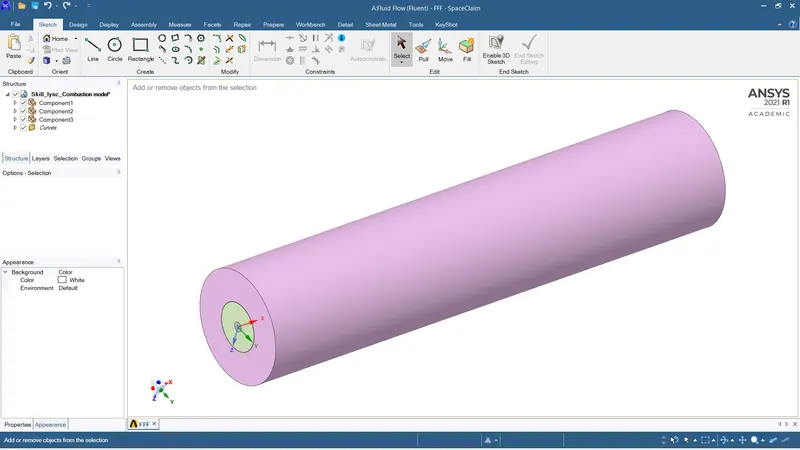
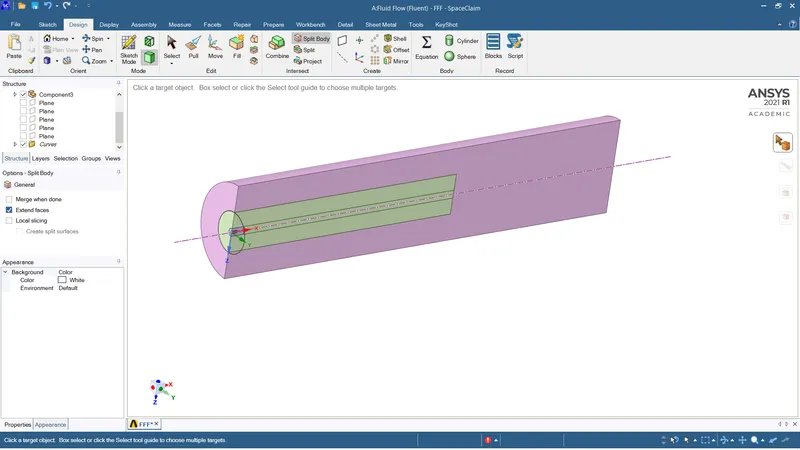
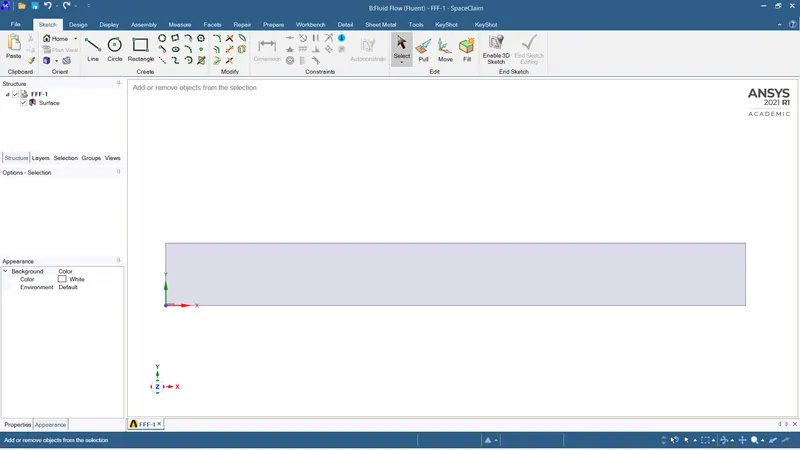
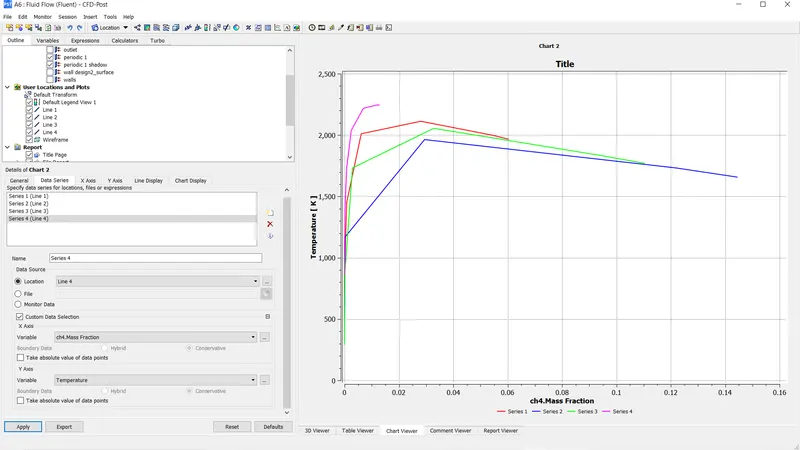
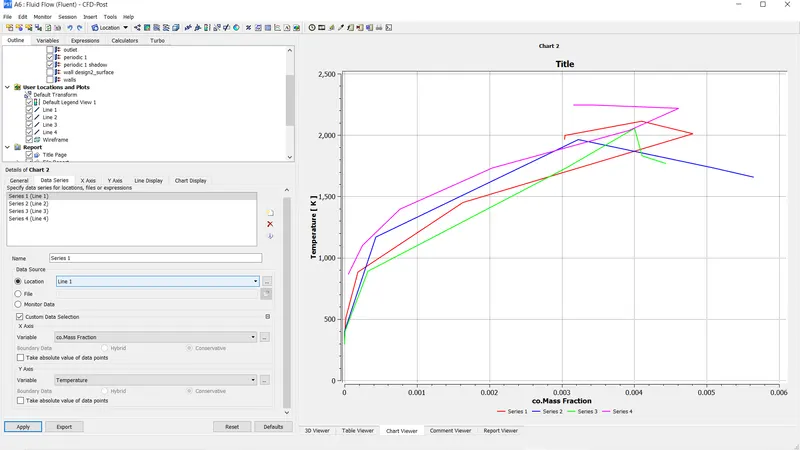
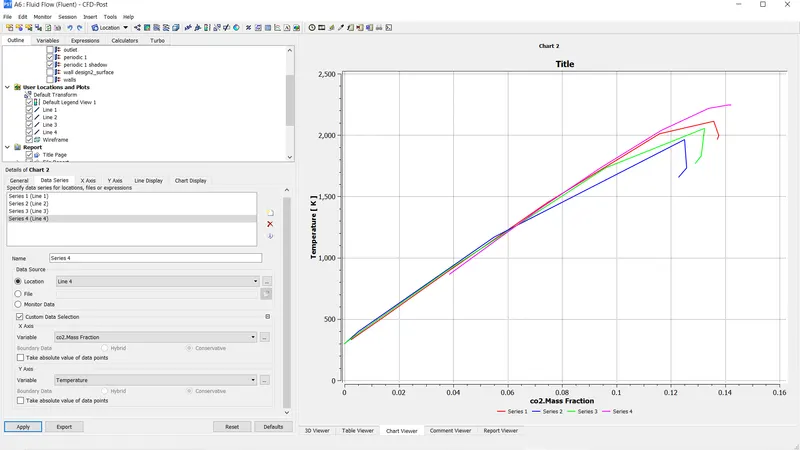
Perform a combustion simulation on the combustor model and plot the variation of the mass fraction of the different species’ in the simulation using line probes at different locations of the combustor as shown in Fig. You need to plot for CO2, H2O, CH4, N2, O2, NOx emissions & Soot formation.
Part II
As you must have observed from the above simulation, the Nox and soot is getting formed at the outlet of the combustor. Such formation has harmful effects on the environment and humans. The stringent government norms also demand the least formation of Nox and soot and to satisfy those requirements, you need to check the effect of adding the water in the fuel.
In this part, you need to add the water content in the fuel from 5% to 30% by mole and observe the effect of it on the results. It is necessary to provide line plots and contours to prove your claim.
You can use the parametric study approach if required.
DESCRIPTION :
Combustion is a chemical process in which a substance reacts rapidly with oxygen and gives off heat. The original substance is called the fuel, and the source of oxygen is called the oxidizer. The fuel can be a solid, liquid, or gas, although for airplane propulsion the fuel is usually a liquid. The oxidizer, likewise, could be a solid,liquid, or gas but is usually a gas (air) for airplanes. For model rockets, a solid fuel and oxidizer is used.
During combustion, new chemical substances are created from the fuel and the oxidizer. These substances are called exhaust. Most of the exhaust comes from chemical combinations of the fuel and oxygen. When a hydrogen-carbon-based fuel (like gasoline) burns, the exhaust includes water (hydrogen + oxygen) and carbon dioxide (carbon + oxygen). But the exhaust can also include chemical combinations from the oxidizer alone. If the gasoline is burned in air, which contains 21% oxygen and 78% nitrogen, the exhaust can also include nitrous oxides (NOX, nitrogen + oxygen). The temparature of the exhaust is high because of the heat that is transferred to the exhaust during combustion. Because of the high temperatures, exhaust usually occurs as a gas, but there can be liquid or solid exhaust products as well. Soot, for example, is a form of solid exhaust that occurs in some combustion processes.
During the combustion process, as the fuel and oxidizer are turned into exhaust products, heat is generated. Interestingly, some source of heat is also necessary to start combustion. Gasoline and air are both present in your automobile fuel tank; but combustion does not occur because there is no source of heat. Since heat is both required to start combustion and is itself a product of combustion, we can see why combustion takes place very rapidly. Also, once combustion gets started, we don't have to provide the heat source because the heat of combustion will keep things going. We don't have to keep lighting a campfire, it just keep burning.
PROCEDURE :
GEOMENTRY :
MESHING :
SETUP :
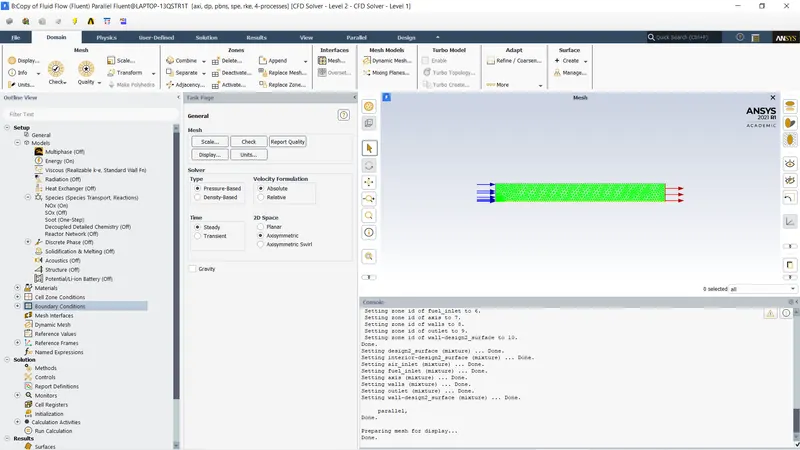
BOUNDARY CONDITION :
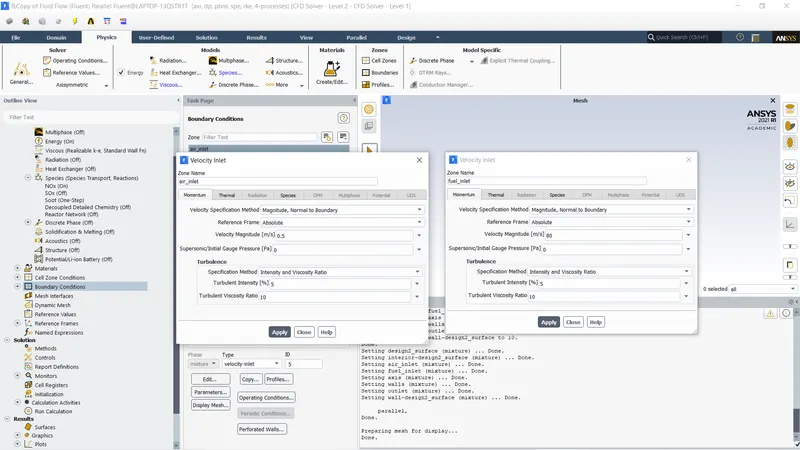
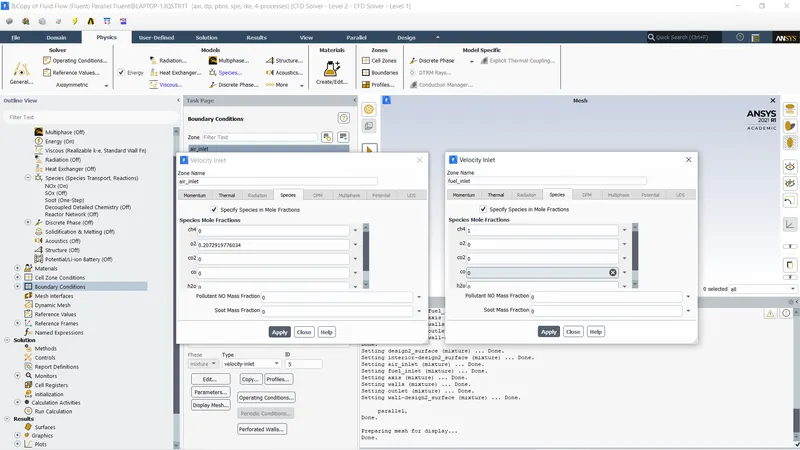
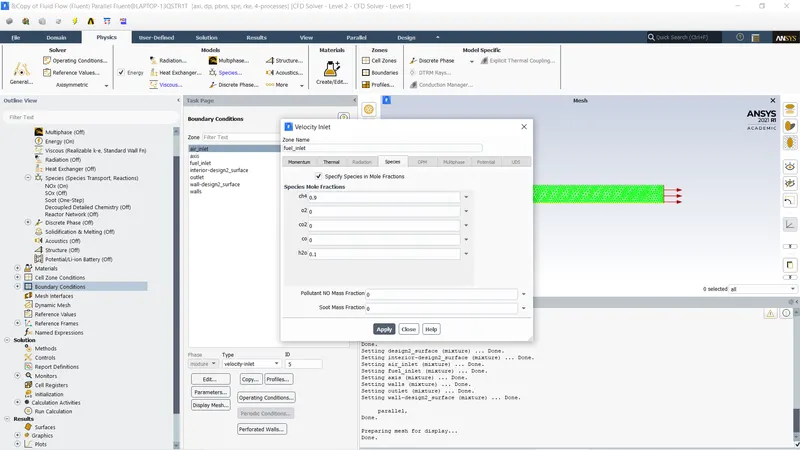
PART 1 :
CONTOUR :
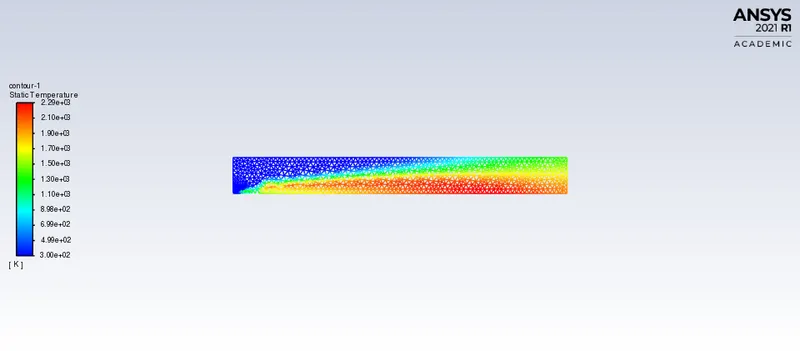
TEMPARATURE :
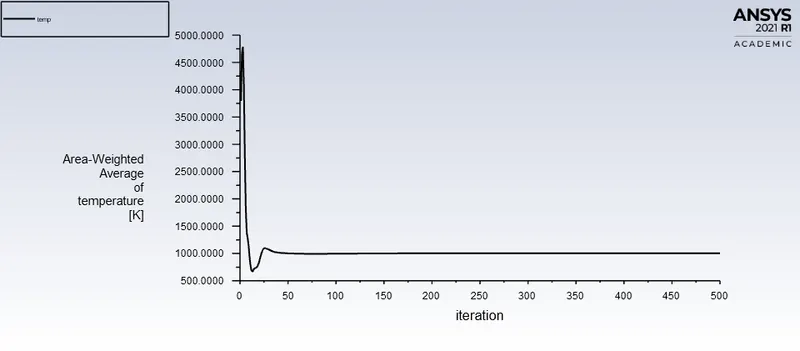
RESIDUALS :
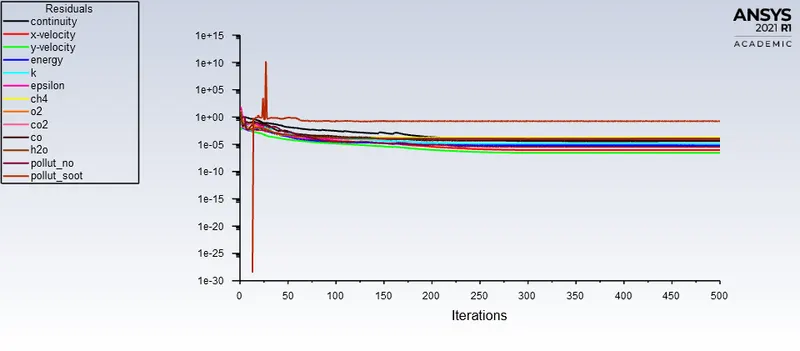
NOX :
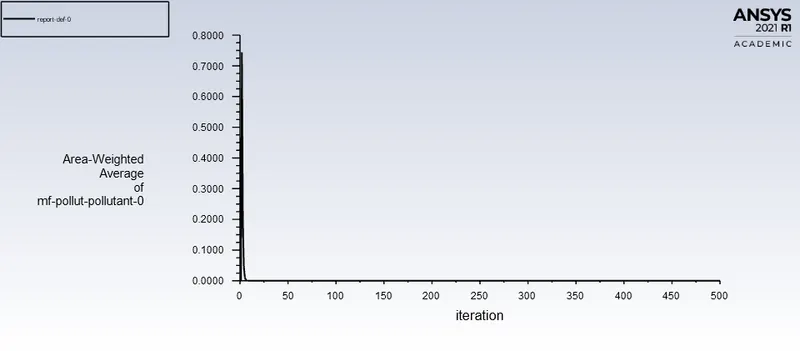
SOOT :
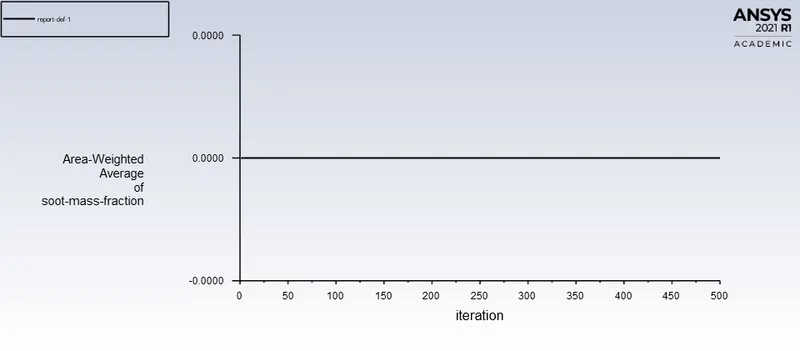
PLOT FOR CH4 MASS FRACTION :
PLOT FOR CO MASS FRACTION :
PLOT FOR CO2 MASS FRACTION :
PLOT FOR H2O MASS FRACTION :
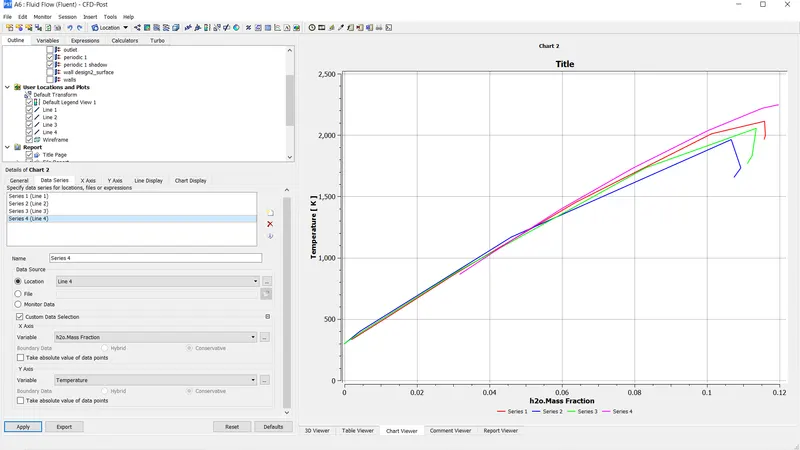
PLOT FOR N2 MASS FRACTION :
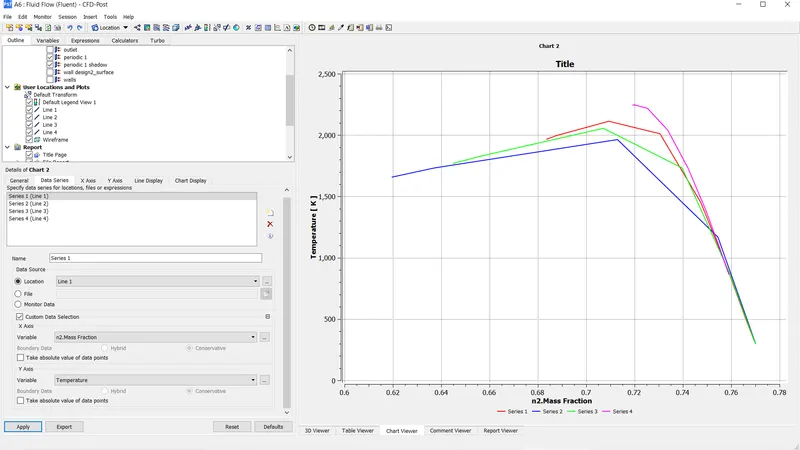
PLOT FOR O2 MASS FRACTION :
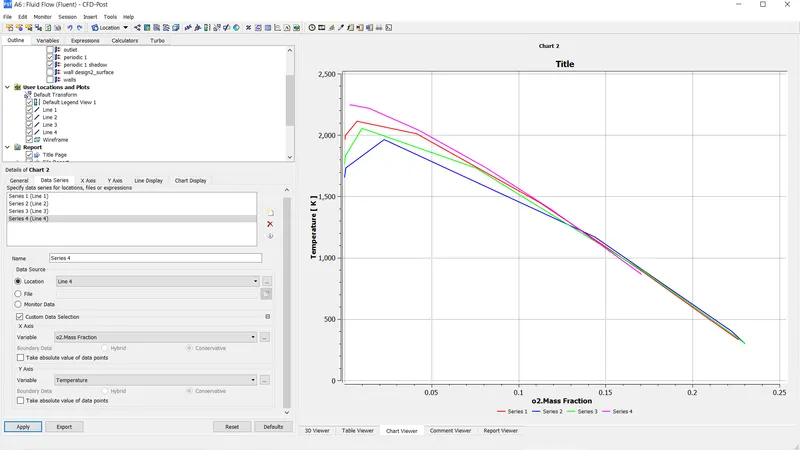
PLOT FOR NOX MASS FRACTION :
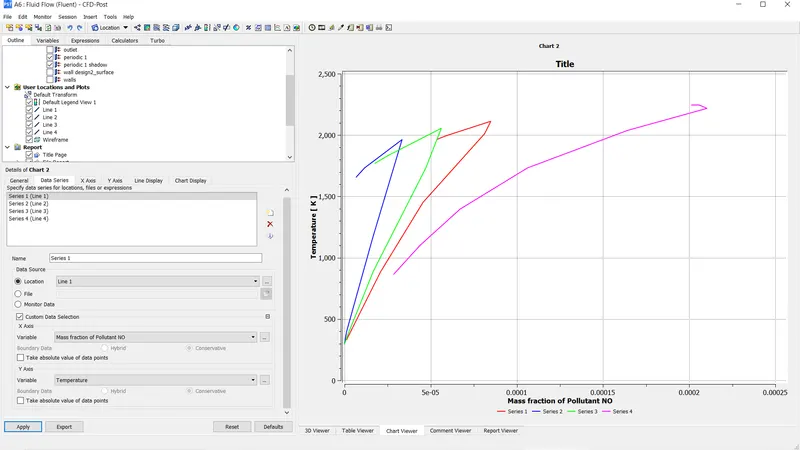
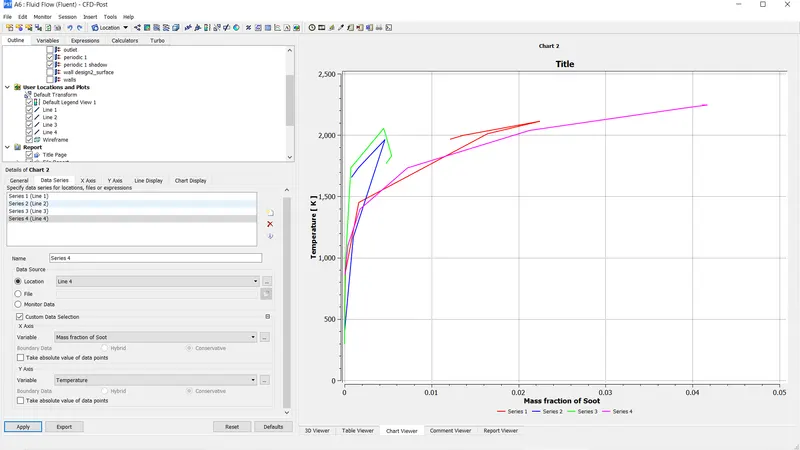
PLOT FOR SOOT MASS FRACTION :
PART 2
| CH4 | H2O | |
| CASE 1 | 0.9 | 0.1 |
| CASE 2 | 0.8 | 0.2 |
| CASE 3 | 0.7 | 0.3 |
| CASE 4 | 0.6 | 0.4 |
| CASE 5 | 0.5 | 0.5 |
CASE 1
CONTOUR :
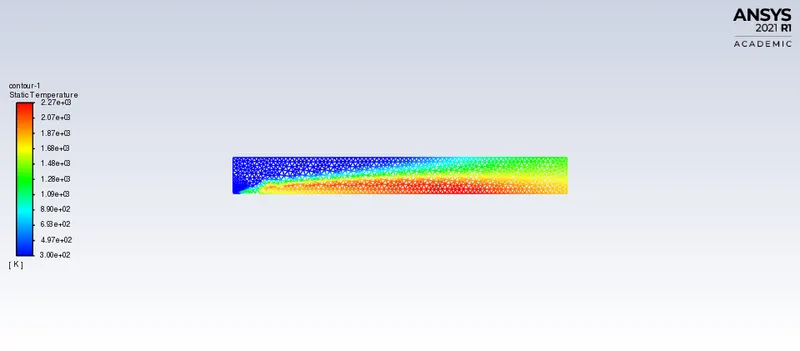
TEMPARATURE :
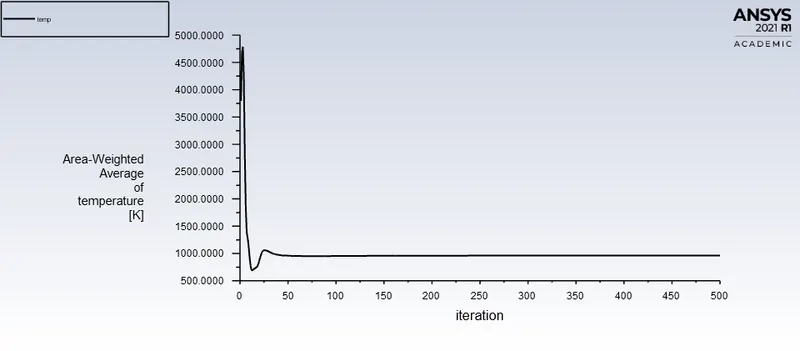
RESIDUALS :
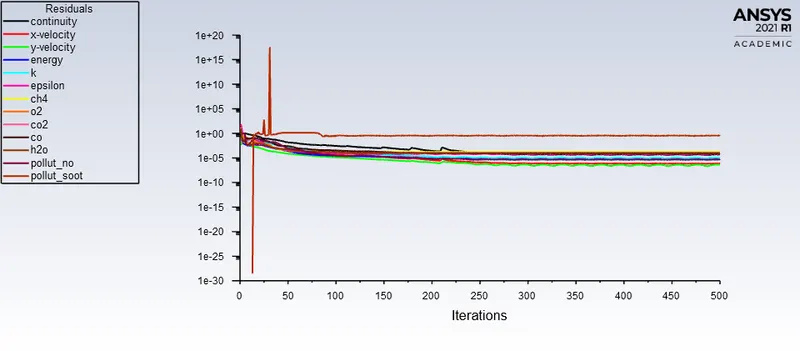
NOX :
SOOT :
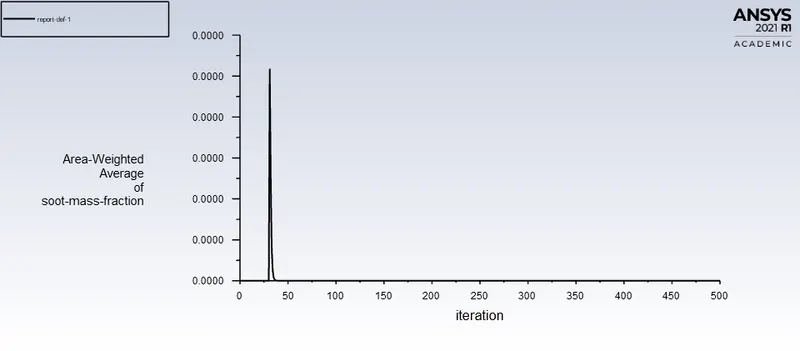
PLOT FOR NOX :
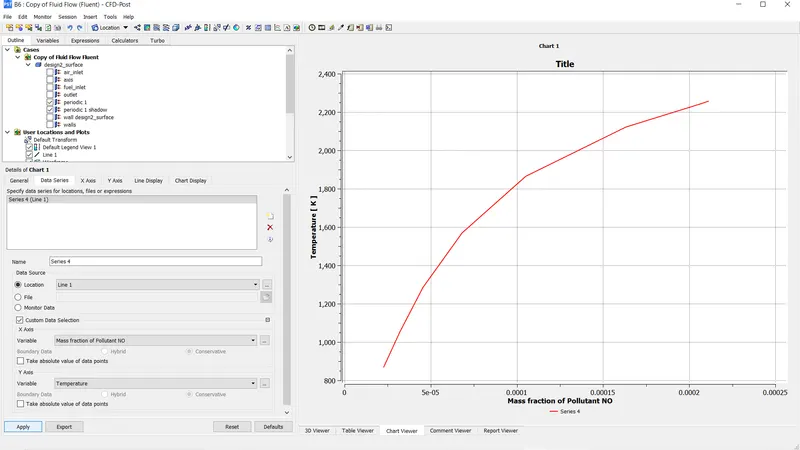
PLOT FOR SOOT :
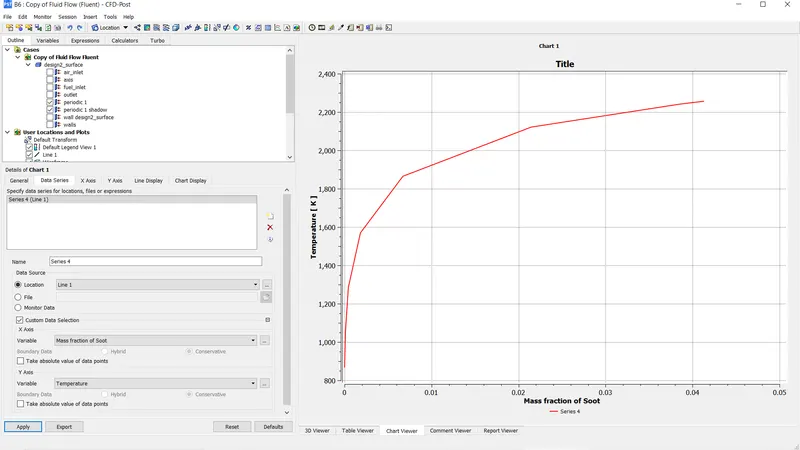
CASE 2
CONTOUR :
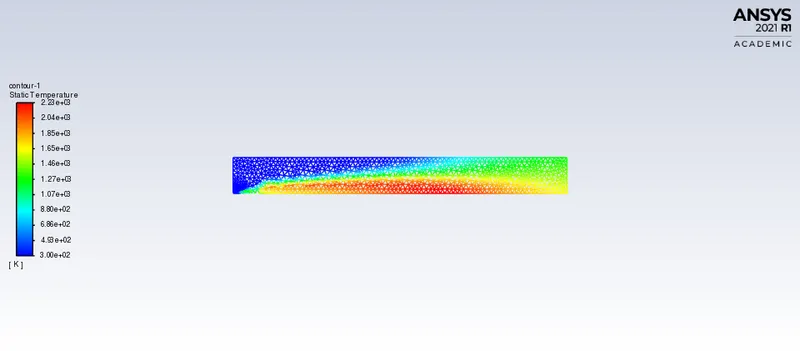
TEMPARATURE :
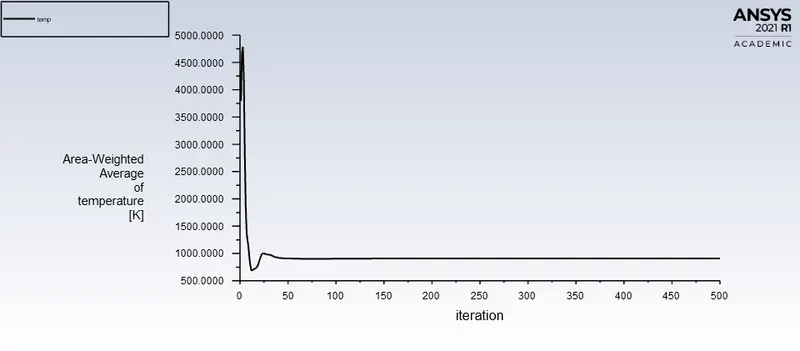
RESIDUALS :
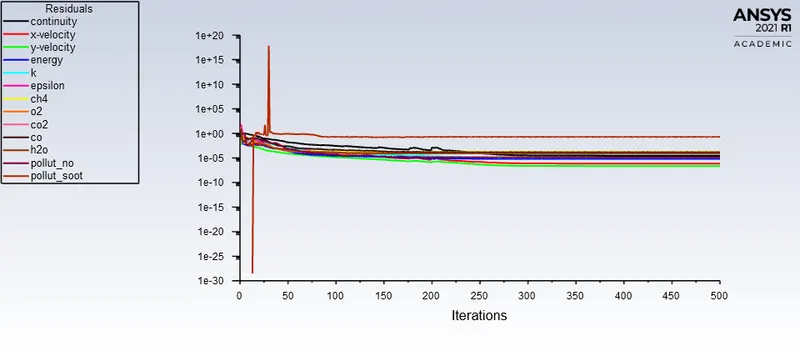
NOX :
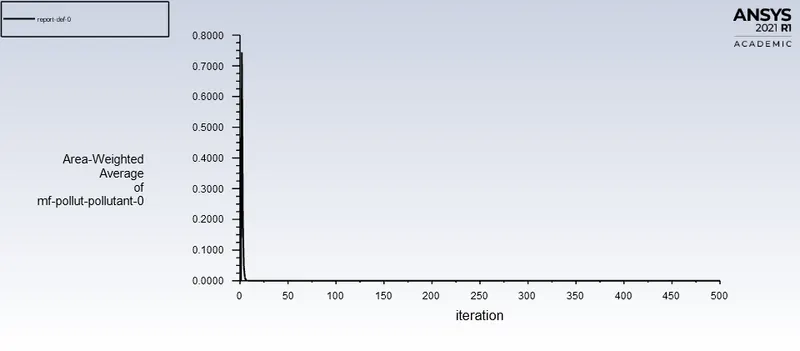
SOOT :
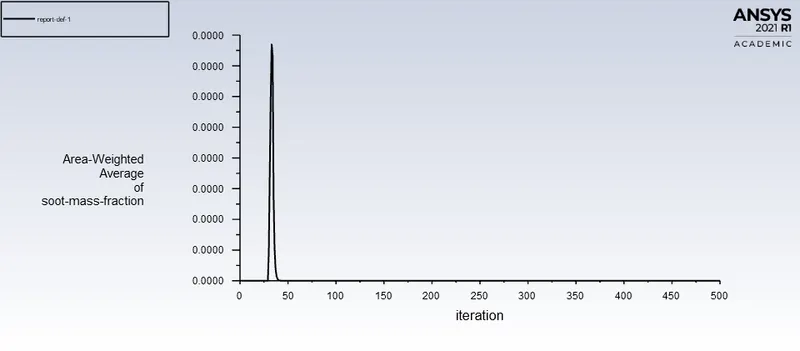
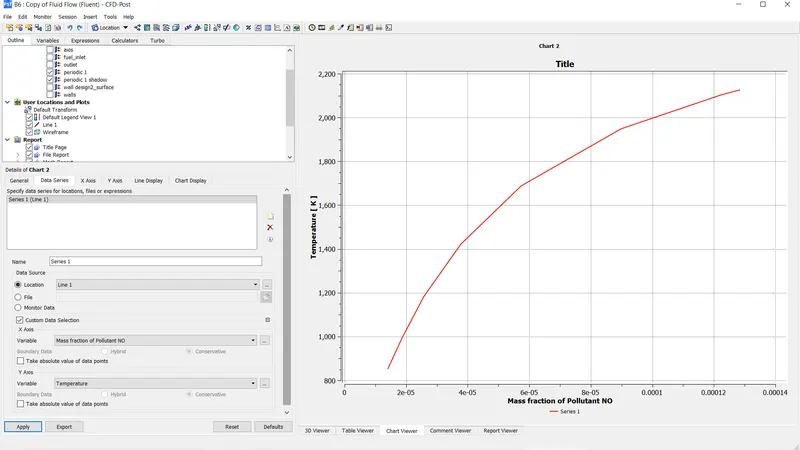
PLOT FOR NOX :
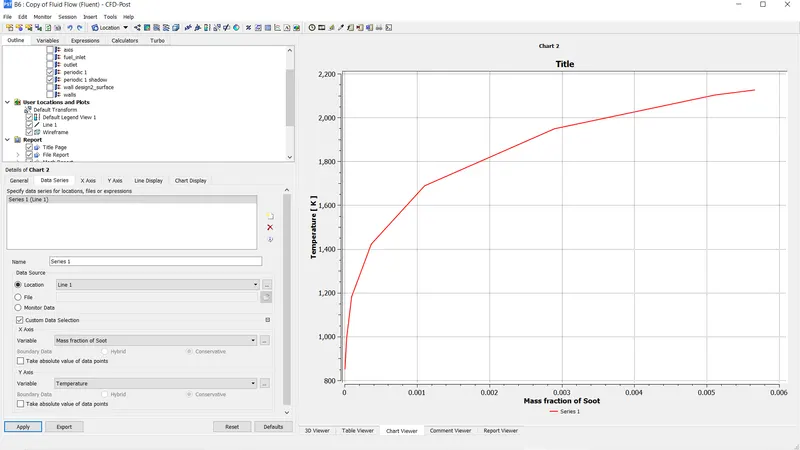
PLOT FOR SOOT :
CASE 3
CONTOUR :
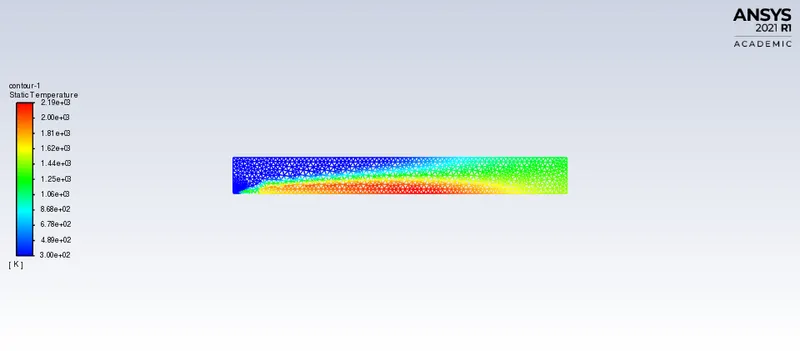
TEMPARATURE :
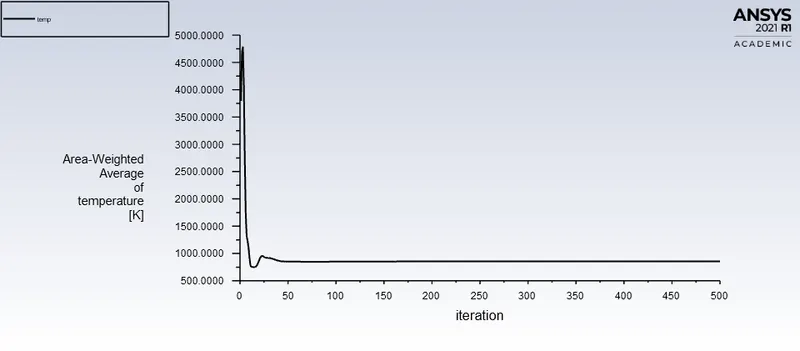
RESIDUALS :
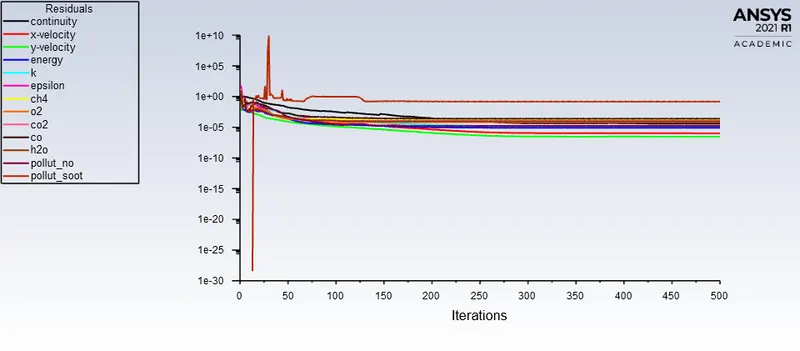
NOX :
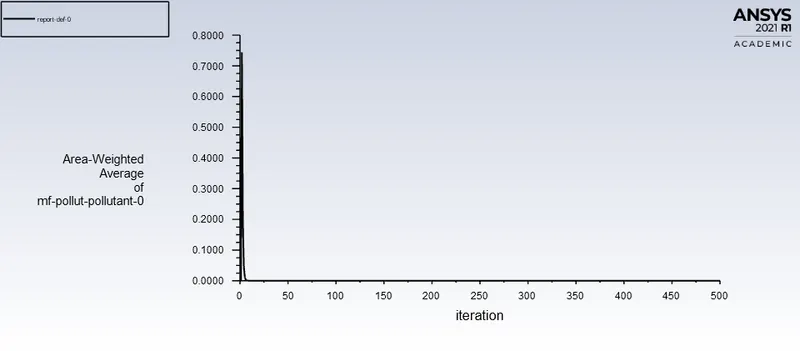
SOOT :
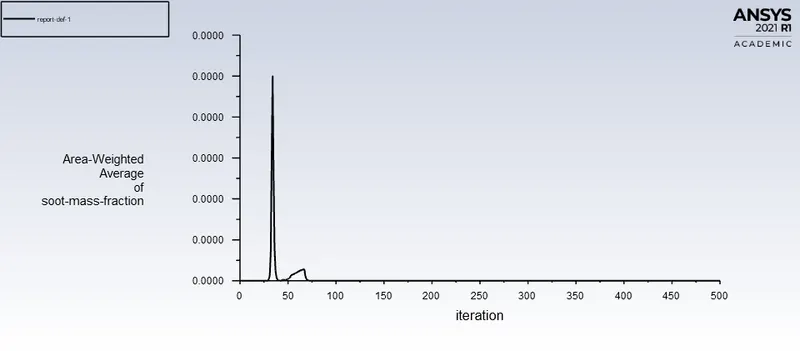
PLOT FOR NOX :
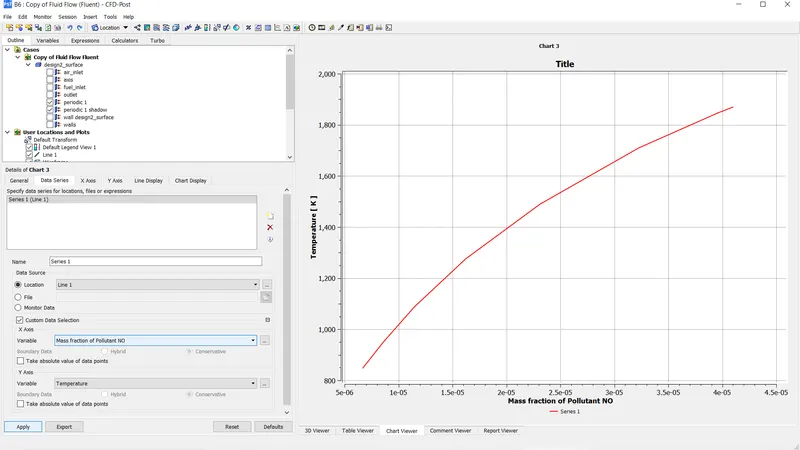
PLOT FOR SOOT :
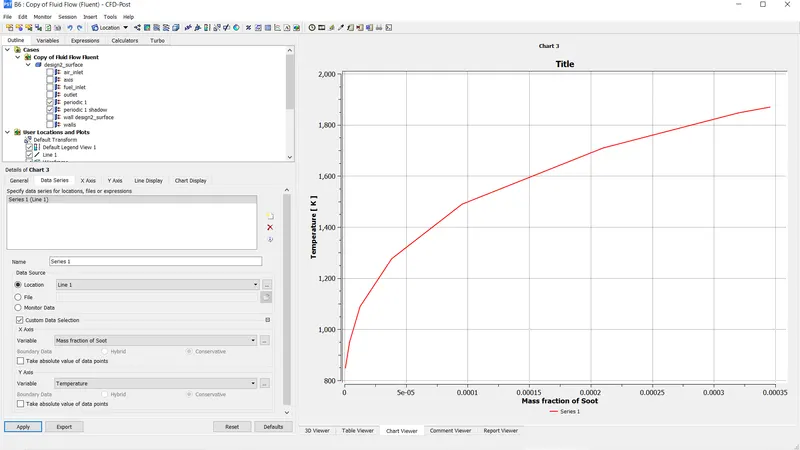
CASE 4
CONTOUR :
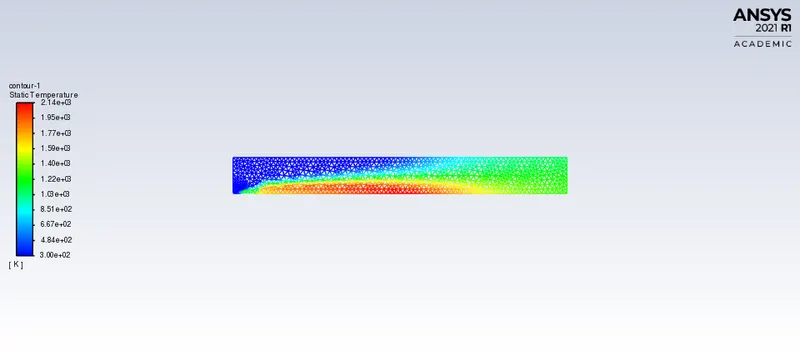
TEMPARATURE :
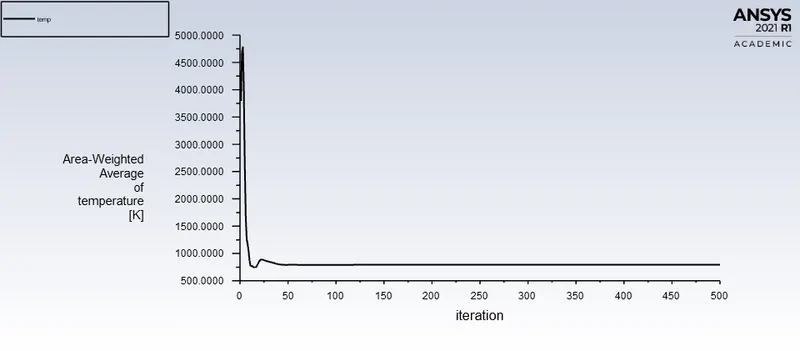
RESIDUALS :
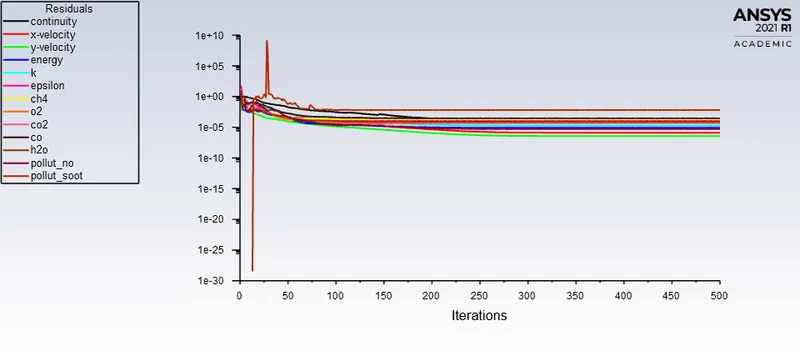
NOX :
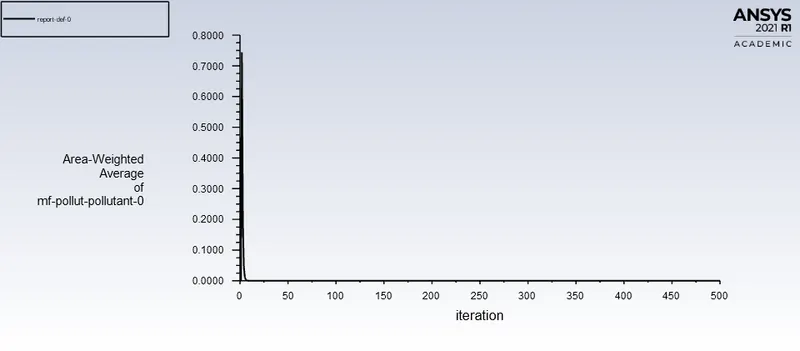
SOOT :
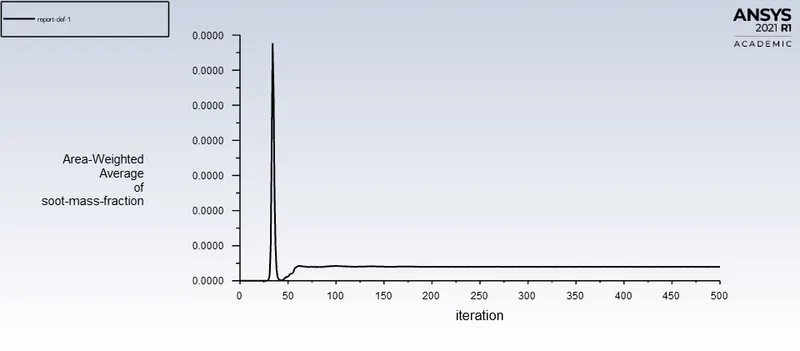
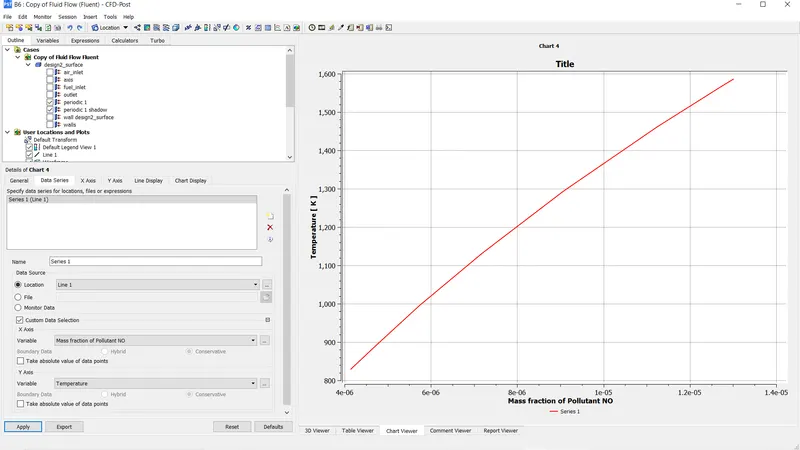
PLOT FOR NOX :
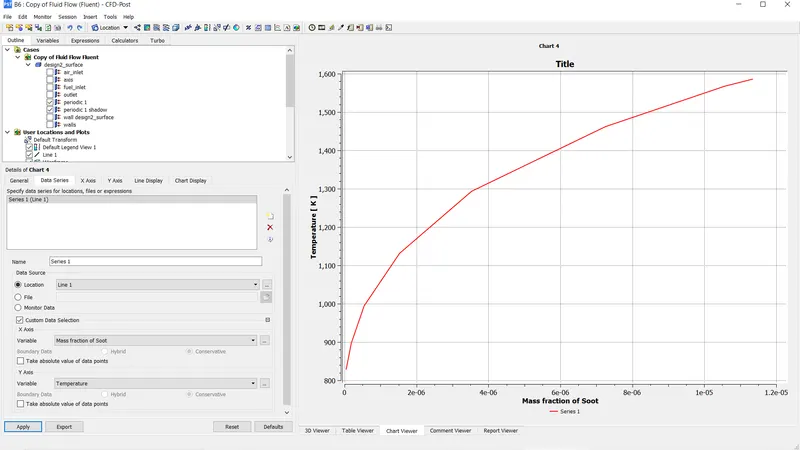
PLOT FOR SOOT :
CASE 5
CONTOUR :
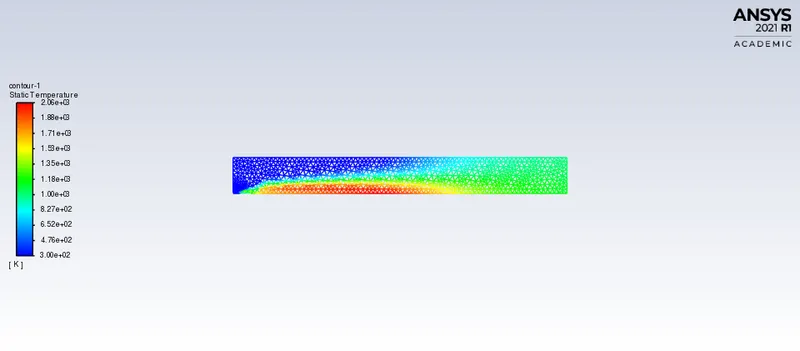
TEMPARATURE :
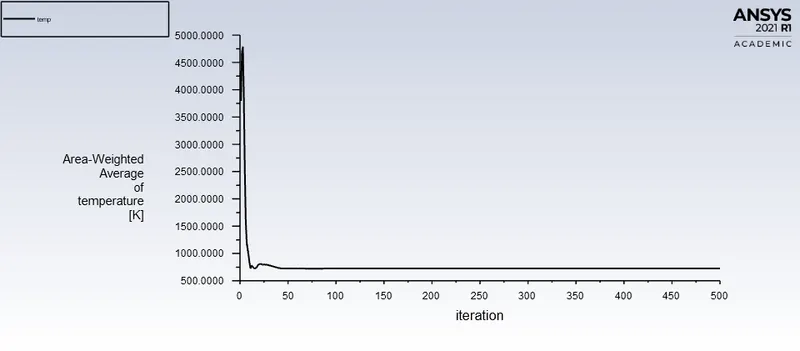
RESIDUALS :
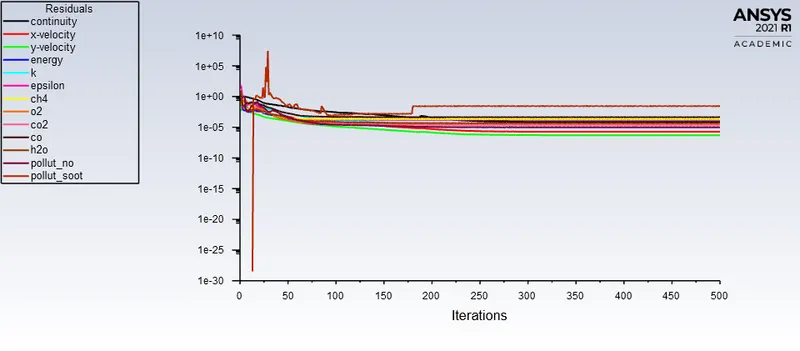
NOX :
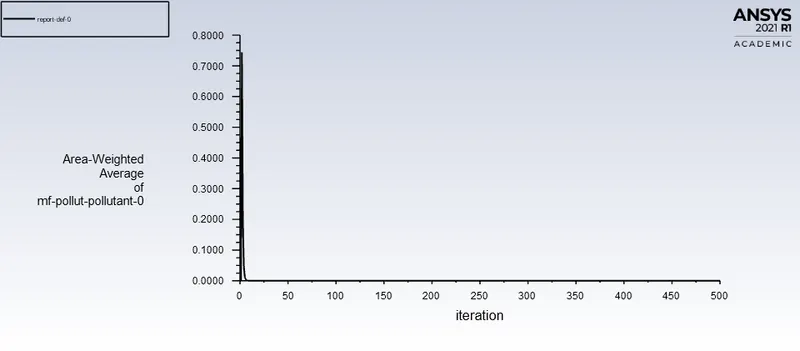
SOOT :
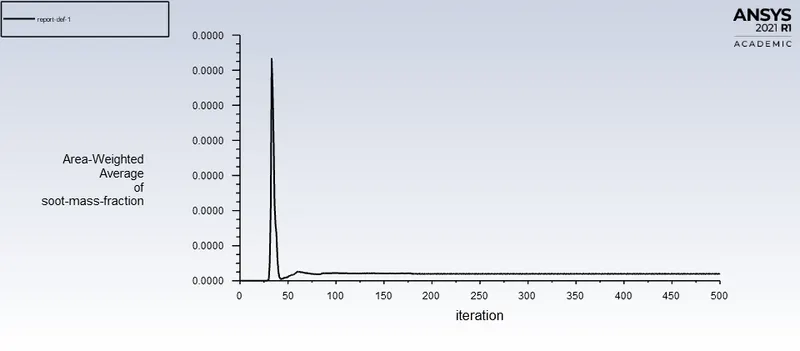
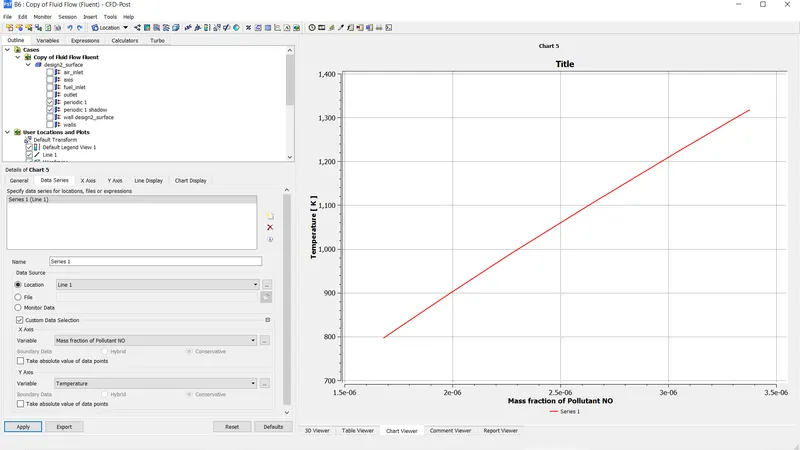
PLOT FOR NOX :
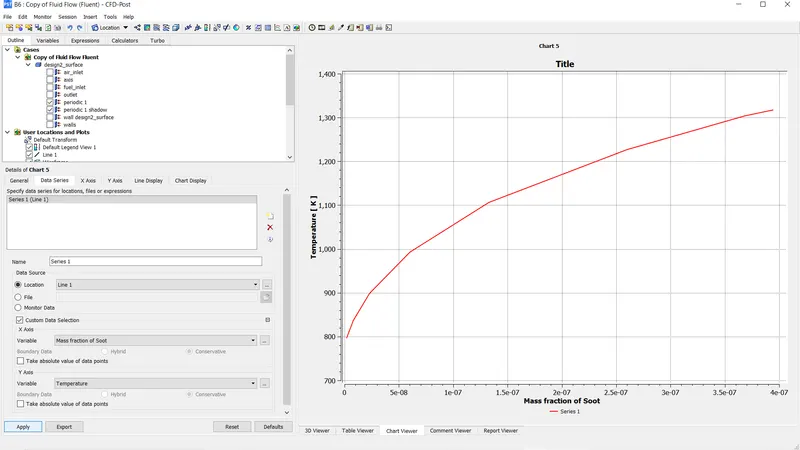
PLOT FOR SOOT :
RESULTS :
| S.no | CH4 [FUEL INLET ] MOLE FRACTION | H2O [FUEL INLET ] MOLE FRACTION | NOX MASS FRACTION | SOOT MASS FRACTION |
| 1 | 0.9 | 0.1 | 0.0013 | 0.05 |
| 2 | 0.8 | 0.2 | 0.00025 | 0.006 |
| 3 | 0.7 | 0.3 | 4.2E-04 | 3.5E-04 |
| 4 | 0.6 | 0.4 | 1.4E-05 | 1.2E-05 |
| 5 | 0.5 | 0.5 | 3.5E-06 | 4E-07 |
CONCLUSION :
- FROM THE ABOVE TEST CASES IT IS OBSERVED THAT INCREASE IN THE RATIO OF WATER RESULTED IN REDUCTION OF NOX AND SOOT FORMATION.
- THE TEMPARATURE INCRESES CONTINOUSLY WITH THE INCREASE OF WATER CONTENT WHICH MEANS THE O2 LEVEL HAS BEEN INCREASED IN THE COMBUSTION OF FUEL.
- THE COMBUSTION PROCESS DOESN'T REQUIRES ANY EXTERNAL IGNITION SOURCE, HERE THE COMBUSTION TAKES PLCE WHENEVER THE THE FLOW IS TURBULENCE.