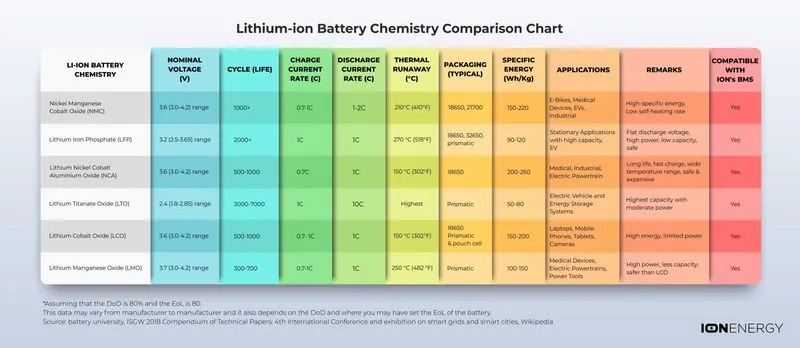
Week 1 Understanding Different Battery Chemistry
Question 1 answer:
Lithium-ion cells , in their most common form, consist of a graphite anode, a lithium metal oxide cathode, and an electrolyte of a lithium salt and an organic solvent. Lithium is a good choice for an electrochemical cell due to its large standard electrode potential (–3.04 V) resulting in a high operating voltage (which helps both power and energy) and the fact that it is the metal with the lowest density (which reduces weight).
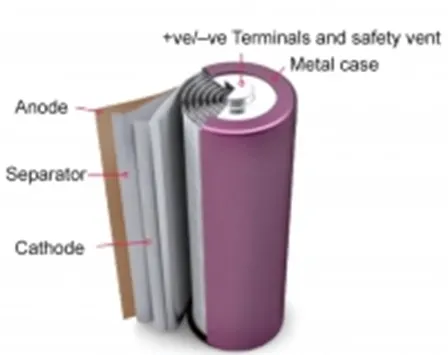
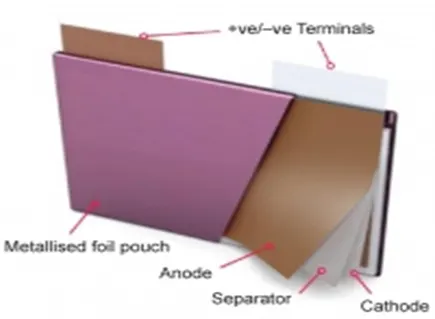
1)Lithium cobalt oxide(LCO) battery
LCO (Lithium cobalt oxide) was invented in the year 1991. Its anode material is LiaC6, the cathode material is LibCoO2 and the carrier is Li+.It is used in various applications ranging from electronic devices to all laptops and phone batteries. The majority of lithium-ion batteries for portable devices are cobalt-based. The system contains a cobalt oxide cathode (positive electrode) and graphite carbon anode (negative electrode).
2)Lithium-ion manganese oxide (LMO)battery
A lithium-ion manganese oxide battery (LMO) is a lithium ion cell that uses manganese dioxide, MnO2, as the cathode material. They function through the same intercalation/de-intercalation mechanism as other commercialized secondary battery technologies, such as LiCoO2. Cathodes based on manganese-oxide components are earth-abundant, inexpensive, non-toxic, and provide better thermal stability.
3)Lithium nickel cobalt aluminium oxides (NCA) battery
4)Lithium Nickel Manganese Cobalt Oxide (NMC) battery
LFP batteries stands for Lithium iron phosphate(LiFePO4) batteries, which is known as li-phosphate batteries as well. They use phosphate as cathode material. In addition, they benefit from the low resistance properties that enhance their thermal stability and safety.