Project 1
Forward-Modelling Approach
The forward modelling approach is also known as cause-effect, engine-to-wheel or rear-to-front method. The direction of calculation is the same as the direction of positive power flow, from engine-to-wheel.This approach is based on vehicle dynamics equations and the behaviour of each powertrain components and their dynamic interaction.Moreover, a driver controller is required to control the vehicle to follow a desired speed and set the start of the calculations. The controller is implemented to model the driver that will either push the accelerator or the brake pedal to match the desired speed which enables to study the driver behaviour. The controller is used as part of a feedback loop that will determine the energy required to drive the vehicle.
VEHICLE MODEL
| 1 | UDDS |
| 2 | HWFET |
| 3 | FTP |
| 4 | US06 |
| 5 | NEDC |
| 6 | WLTP |
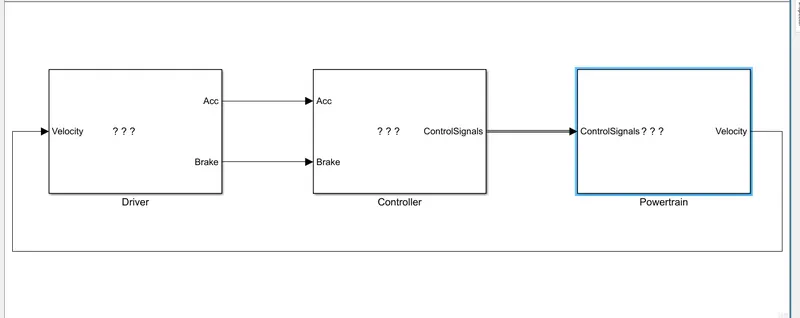
The Simulink model for the convection model is created using 3 main subblocks for the driver model, control model and powertrain block.The actual vehicle speed is given as feedback to the driver block, and the driver block gives the controller block the required acceleration or brake output, while the controller block provides control signals for engine torque, gear shifting and brake torque to the Powertrain model.
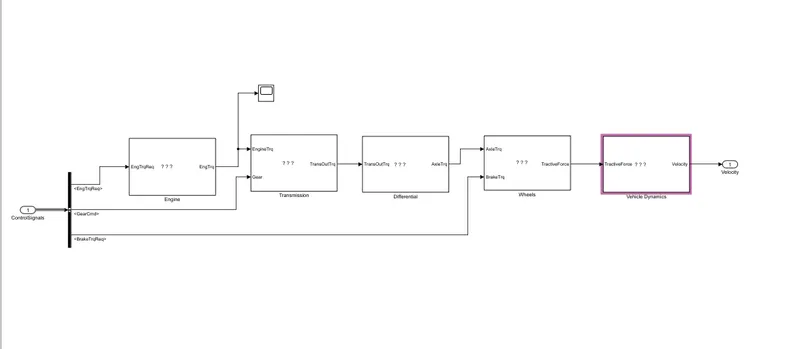
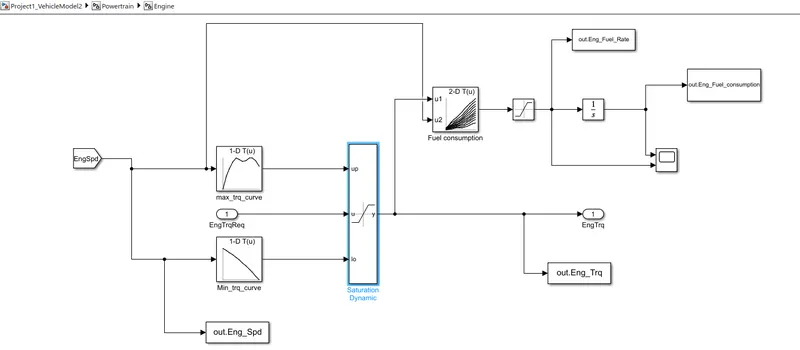
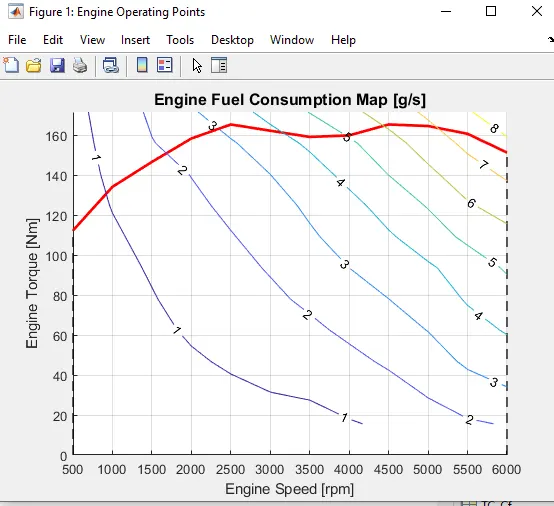
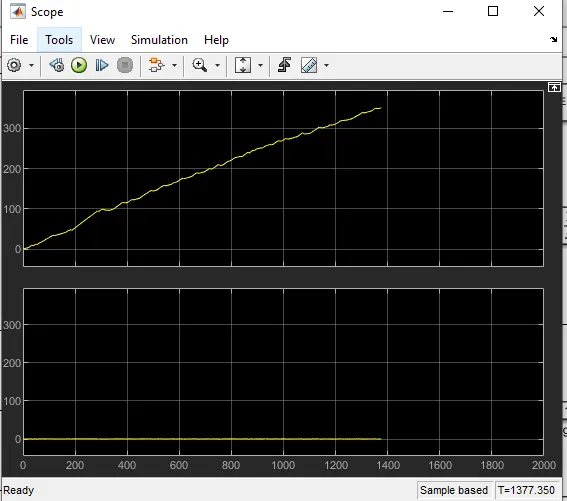
Based on the Engine speed The required torque from the controller is saturated between Max torque curve and min torque curve and passes the Engine torque to the Transmission blockThe 2D lookup table is used to calculate the fuel flow rate based on engine speed and engine torque. The fuel flow rate is then integrated to find the fuel consumption.Estimated fuel flow rate, fuel consumption, engine torque and engine speed are passed to the MATLAB workspace using the to-workspace block.Engine fuel flow rate and Fuel consumption are scoped.
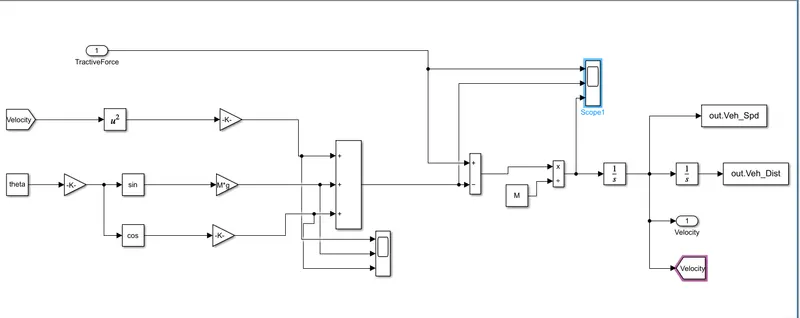
The longitudinal dynamics of the vehicle along with the road load is represented in the ‘Vehicle Dynamics’ block.
SIMULATION RESULTS
UDDS Drive Cycle
2. HWFET Drive Cycle
Post-Processing
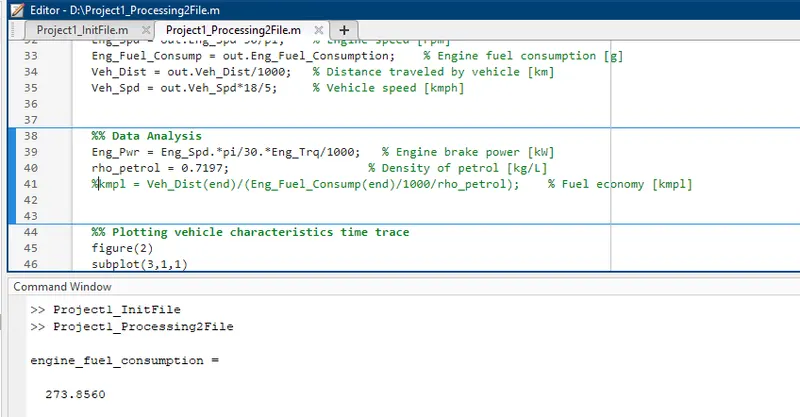
A MATLAB script is Created to analyse data and to generate plots. Here we rename the variables loaded from the model, do some basic post-process calculations and generate results and plots.
CONCLUSION
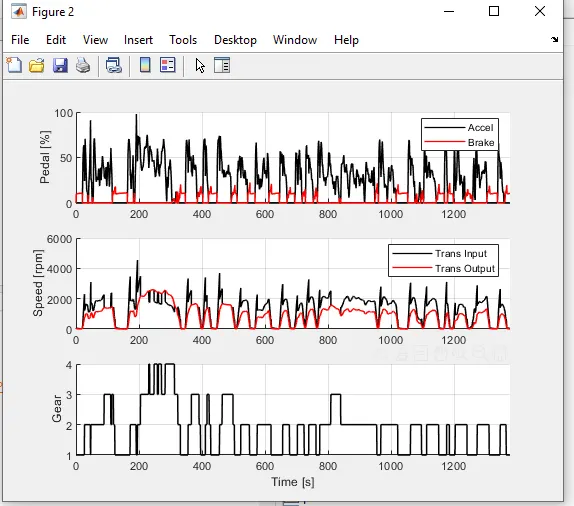
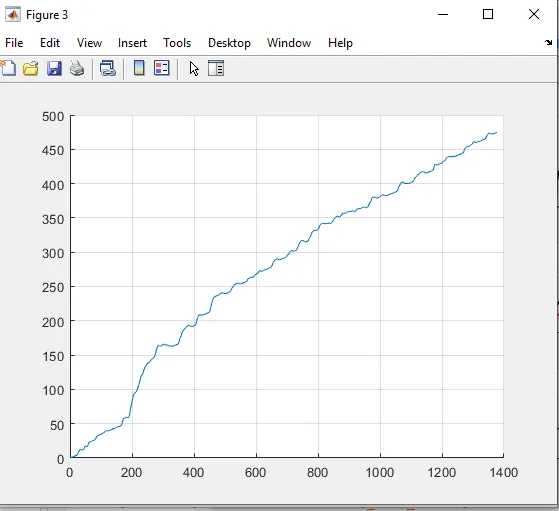
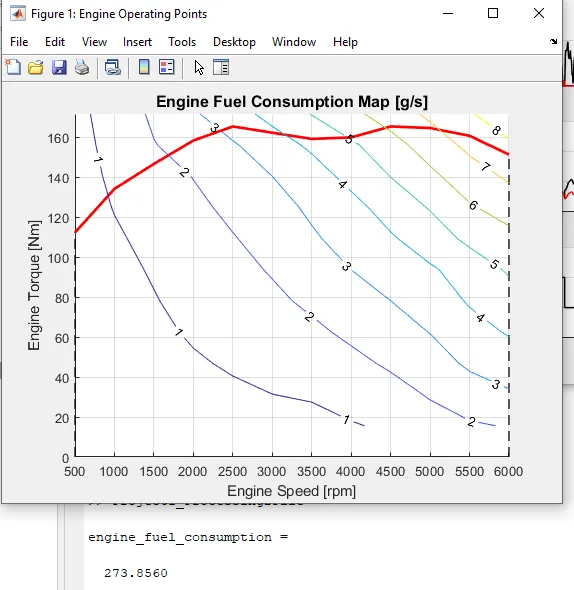
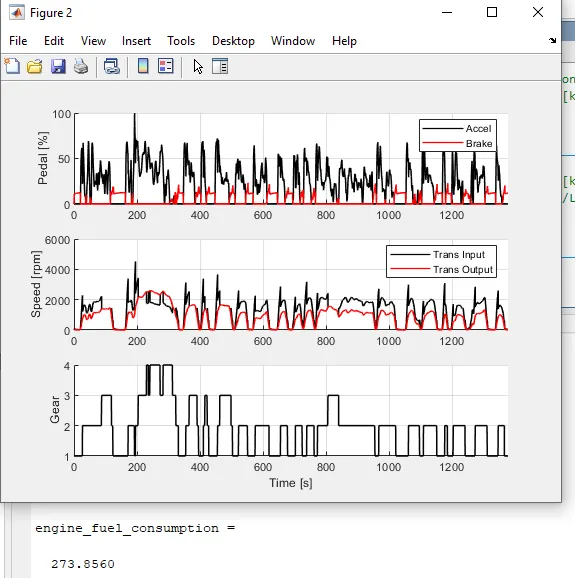
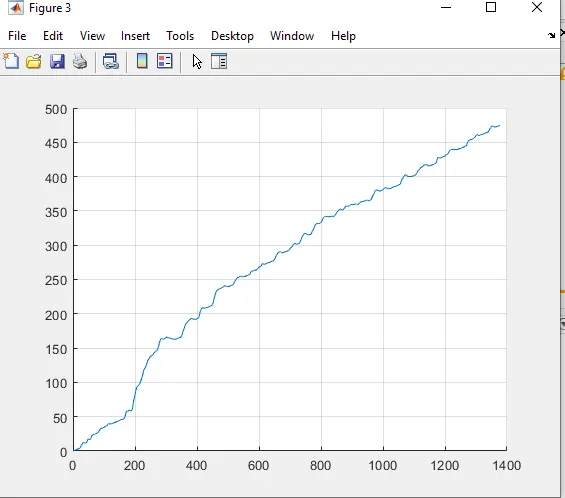
Hence, the forward energy-based fuel consumption model of a conventional vehicle has been successfully Simulated using MATLAB and Simulink.Analyses and understands vehicle operating points based on engine speed, torque, transmission speed, pedal positions, gear, and distance travelled.Post process calculations were performed and the required graphs were successfully plotted.Successfully calculated vehicle fuel efficiency numbers (kmpl) for the given city cycle (UDDS) and highway cycle (HWFET).