Week 1 Understanding Different Battery Chemistry
1) Prepare a table which includes materials & chemical reactions occurring at the anode and cathode of LCO, LMO, NCA, NMC, LFP and LTO type of lithium ion cells.Give your detailed explanation on it
Ans:
Lithium ion Battery:
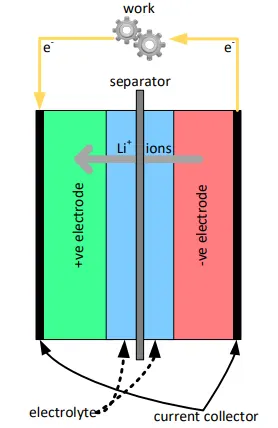
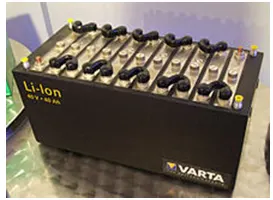
In general, Li-ion batteries can be characterized as energy storage systems that rely on insertion reactions from both electrodes where lithium ions act as the charge carrier. Given this broad definition, there are several different cell chemistries that make up the Li-ion battery family. Most Li-ion batteries use a negative electrode principally made from carbon (e.g., graphite) or lithium titanate (Li4Ti5O12), with some novel materials under development, namely, Li metal and Li(Si) alloys. The electrolyte used varies based on the choice of electrode materials, but is typically composed of a mixture of lithium salts (e.g., LiPF6) and an organic solvent (e.g., diethyl carbonate) to allow for ion transfer—these components will be discussed in more detail below. A separating membrane is used to allow lithium ions to pass between the electrodes while preventing an internal short circuit.
This arrangement is shown conceptually in Figure 2, with the transport aspects of the battery when operating as an energy source (i.e., a galvanic device) illustrated—the electrons travel from the negative electrode to the positive electrode while simultaneously the Li+ ions travel from the negative electrode through the electrolyte to the positive electrode to maintain electroneutrality. When the system is operated in charge mode (i.e., as an electrolytic device) the electron current and Li+ ion flow is reversed.
Chemical reactions occuring at anode and cathode of lithium ion batteries:
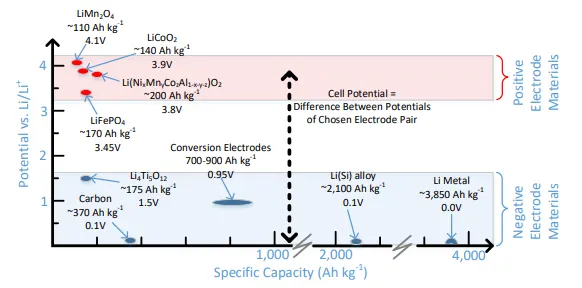
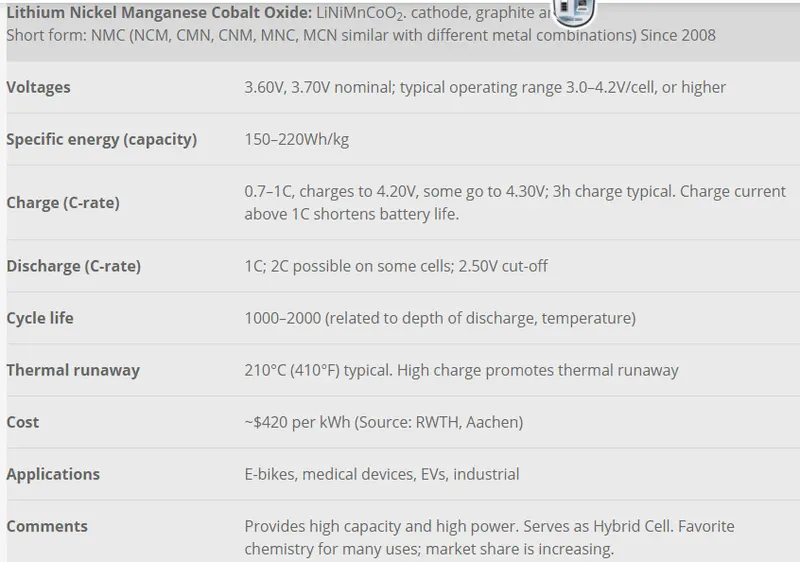
NMC (NCM) – Lithium Nickel Cobalt Manganese Oxide (LiNiCoMnO2)
Lithium Nickel Manganese Cobalt Oxide (NMC) electrodes can be designed for high specific energy or power with high density. The secret of NMC lies in combining nickel and manganese: nickel is known for its high specific energy but poor stability; manganese has the benefit of forming a spinel structure to achieve low internal resistance but offers a low specific energy. The mix of the various metals (nickel and manganese) varies by manufacturer and is a very closely guarded formula. Researchers are using nickel-rich electrodes to increase energy density, while reduction in cobalt is also helpful since it lowers costs.
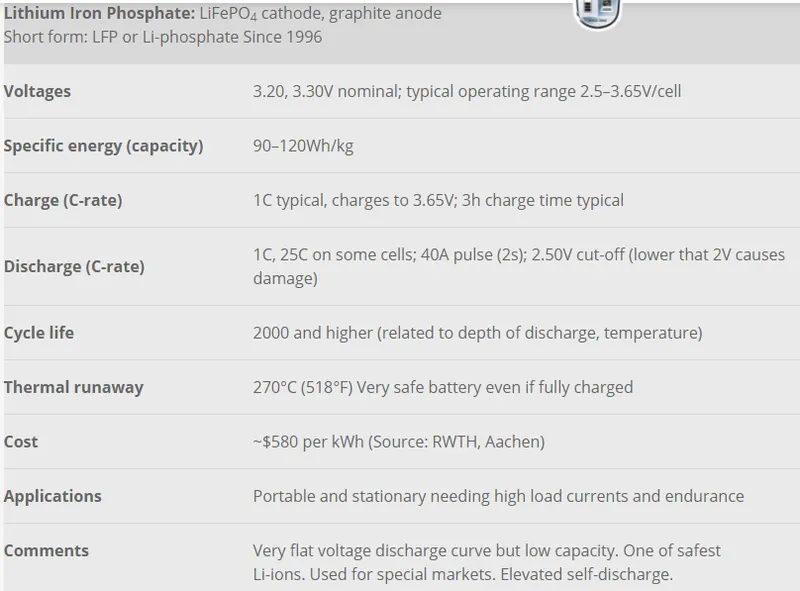
LFP – Lithium Iron Phosphate (LiFePO4/C)
LiFePO4 (LFP) offers good electrochemical performance with low resistance, besides high current rating and long cycle life. The phosphate helps to stabilize the electrode against overcharging and provides a higher tolerance to heat which limits the breakdown of the material. These batteries have a wide temperature range and can operate between +60 ◦C to −30 ◦C and are much less likely to suffer from a thermal runaway. LiFePO4 has a higher self-discharge than other Li-ion batteries, which can cause balancing issues with aging. This can be mitigated through the use of sophisticated control electronics, at increased battery pack cost. Further, moisture seems to significantly limit the lifetime of the battery
LNMO – Lithium Nickel Manganese Spinel (LiNi0.5Mn1.5O4)
LiNi0.5Mn1.5O4 (LNMO), which has an operating voltage of 4.8 vs Li/Li+ and a theoretical capacity of 147 mAh g−1, is an interesting cathode material for advanced lithium ion batteries. However, electrolyte decomposition at the electrode can gradually decrease the capacity of the battery. In this study, the surface of the LNMO cathode has been modified with phosphoric acid (PA) to improve the capacity of the LNMO/graphite full cell. Modification of LNMO cathodes by PA is confirmed by surface analysis. Additionally, the presence of lithium bis-(oxalato) borate (LiBOB) as an electrolyte additive further enhances the performance of PA modified LNMO/graphite cells.
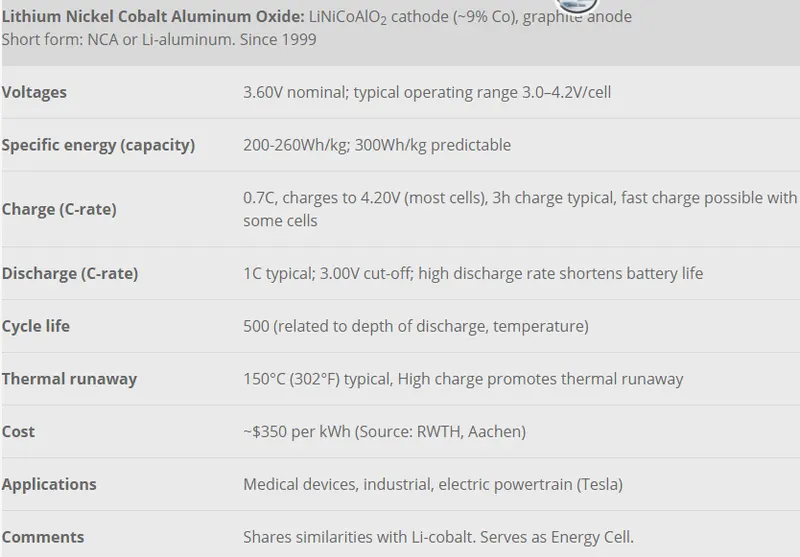
NCA – Lithium Nickel Cobalt Aluminium Oxide (LiNiCoAlO2)
Lithium Nickel Cobalt Aluminum Oxide (NCA) has been around since 1999 for special applications. It shares similarities with NMC by offering high specific energy and specific power (the rate at which the battery can deliver energy), and a long life span. NCA is not as safe as the others listed above and as such, require special safety monitoring measures to be employed for use in EVs. They are also more costly to manufacture, limiting their viability for use in other applications
LMO – Lithium Manganese Oxide (LiMn2O4)
The architecture forms a three-dimensional spinel structure that improves ion flow on the electrode, which results in lower internal resistance and improved current handling. Low internal cell resistance enables fast charging and high-current discharging. Li-manganese can be discharged at currents of 20–30 A with moderate heat buildup in an 18,650 package. This chemistry provides better thermal stability than the lithium cobalt oxide battery but results in approximately 33% lower capacity and a lower life span.
LCO – Lithium Cobalt Oxide (LiCoO2)
First developed by Sony in 1991, the lithium cobalt oxide battery has been the battery of choice for most personal electronics (laptops, cameras, tablets, etc.) due to their high energy density, long life cycle and ease of manufacturing. Lithium cobalt batteries are very reactive and therefore suffer from poor thermal stability and must be monitored during operation to ensure safe use. The limited availability of cobalt also makes it more expensive and difficult to be a viable option for use in EVs.
Materials of lithium ion batteries:
(i) Positive Electrode:
(ii) Negative Electrode:
(iii) Separator:
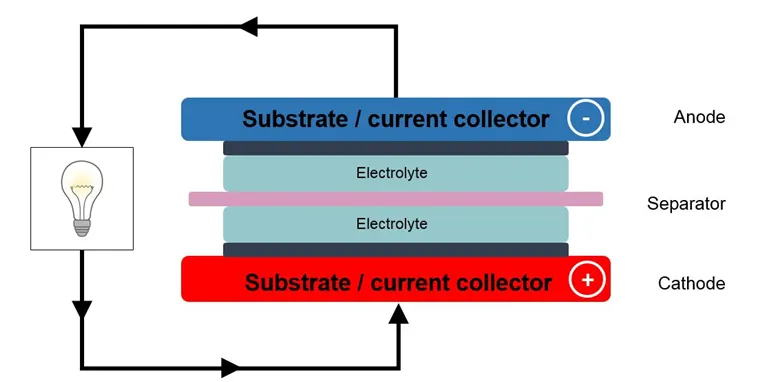
One of the most critically important cell components to ensure cell safety is the separator, a thin porous membrane that physically separates the anode and cathode. The primary function of the separator is to prevent physical contact between the anode and cathode, while facilitating ion transport in the cell.
(iv) Current Collector:
Whether they come in the form of cylinders or pouches, lithium-ion batteries have two current collectors, one for each electrode. They distribute current flowing in or out of the electrode, and account for from 15% to as much as 50% of the weight of some high-power or ultrathin batteries.
(v) Electrolyte:
An electrolyte could be viewed as the inert component in the battery, and it must demonstrate stability against both cathode and anode surface. During operation, the electrolyte should undergo no net chemical changes of the battery, and all Faradaic processes are expected to occur within the electrodes.
--------------------------------x----------------------------------------------x----------------------------------
2) Compare the differences between each type of Li+ion batteries based on their characteristics
Ans:
Lithiu ion Battery:
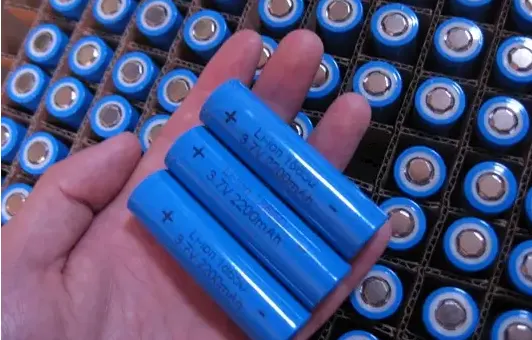
Lithium-ion batteries are used in most aspects of our everyday lives. Most devices like smartphones and laptops cannot operate without these batteries. Lithium-ion batteries have also become very important in the field of electromobility as it is now the battery of choice in most electric vehicles. Its high specific energy gives it an advantage over other batteries.
There are different types of lithium-ion batteries and the main difference between them lies in their cathode materials. Different kinds of lithium-ion batteries offer different features, with trade-offs between specific power, specific energy, safety, lifespan, cost, and performance.
The six lithium-ion battery types that we will be comparing are Lithium Cobalt Oxide, Lithium Manganese Oxide, Lithium Nickel Manganese Cobalt Oxide, Lithium Iron Phosphate, Lithium Nickel Cobalt Aluminum Oxide, and Lithium Titanate. Firstly, an understanding of the key terms below will allow for a simpler and easier comparison.
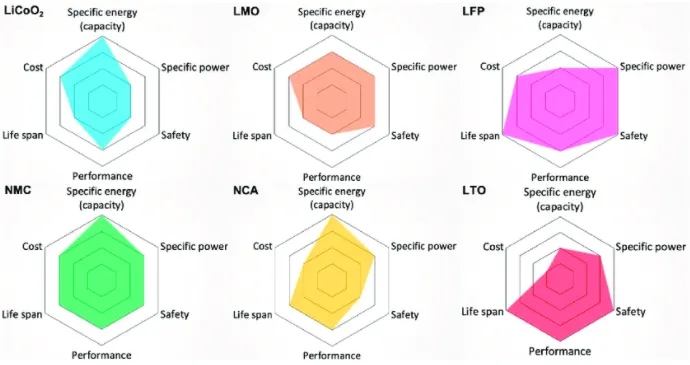
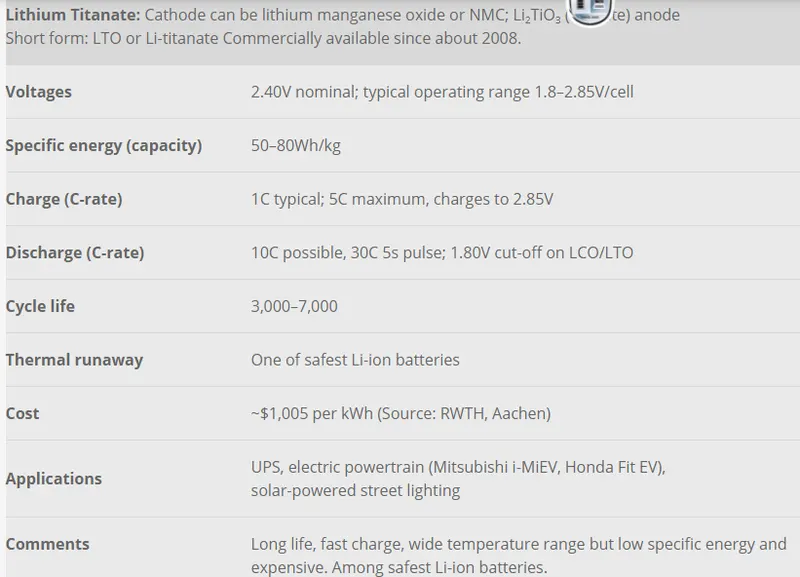
| Types of Lithium ion batteries | Specific Power | Specific Energy | Safety | Lifespan | Cost | Performance |
| Lithium Cobalt Oxide | Low | High | Low | Low | Low | Moderate |
| Lithium Manganese Oxide | Moderate | Moderate | Moderate | Low | Low | Low |
| Lithium Nickel Manganese Cobalt Oxide | Moderate | High | Moderate | Moderate | Low | Moderate |
| Lithium Iron Phosphate | High | Low | High | High | Low | Moderate |
| Lithiu Nickel Cobalt Aluminiu Oxide | Moderate | High | Low | Moderate | Moderate | Moderate |
| Lithium Titanate | Moderate | Low | High | High | High | High |
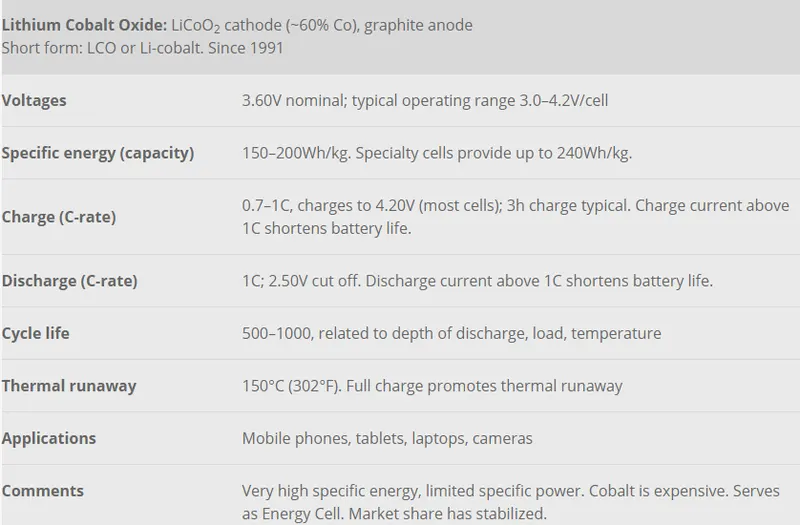
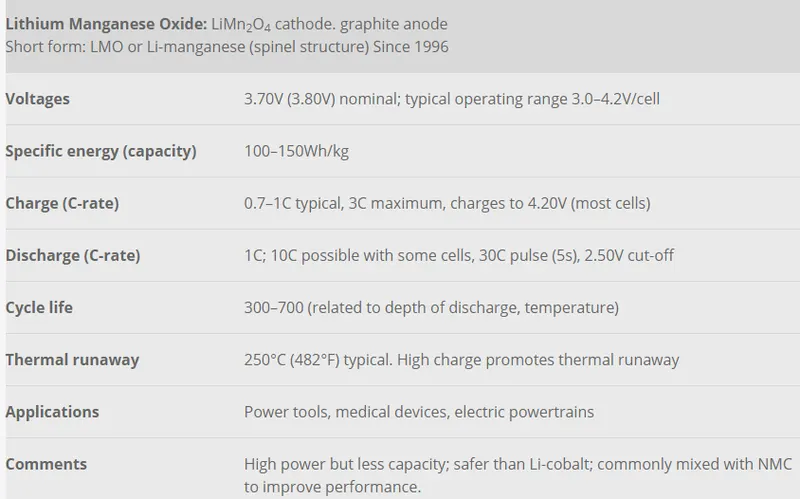
Typical specific energy of lead-, nickel- and lithium-based batteries
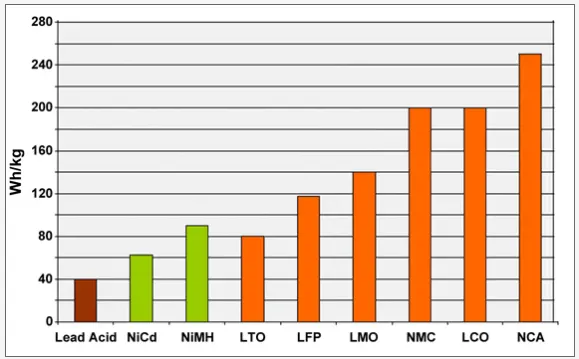
Figure compares the specific energy of lead-, nickel- and lithium-based systems. While Li-aluminum (NCA) is the clear winner by storing more capacity than other systems, this only applies to specific energy. In terms of specific power and thermal stability, Li-manganese (LMO) and Li-phosphate (LFP) are superior. Li-titanate (LTO) may have low capacity but this chemistry outlives most other batteries in terms of life span and also has the best cold temperature performance. Moving towards the electric powertrain, safety and cycle life will gain dominance over capacity. (LCO stands for Li-cobalt, the original Li-ion.).
-----------------------------x--------------------------------------------x---------------------------------------