Week 1- Mixing Tee
AIM - To perform of steady-state simulations to compare the mixing effectiveness when the hot inlet temperature is 360C & the Cold inlet is at 190C creating two versions of the mixing tee.
The k-epsilon and k-omega SST models should be used for the first case and based on the judgment use the more suitable model for further cases.
OBJECTIVE-
I have to perform in Two Cases
Case 1 - Short mixing tee with a hot inlet velocity of 3m/s. and Momentum ratio of 2 and 4.
Case 2 - Long mixing tee with a hot inlet velocity of 3m/s. and Momentum ratio of 2 and 4.
Procedure -
We have to do some basic theory calculation, for value of velocity at cold inlet for both momentum ratio in TWO cases.
Momentum ratio = velocity at cold inlet/velocity at hot inlet
For Short Mixing Tee :-
momentum ratio = velocity at cold inlet/ velocity at hot inlet
2 = x/3
x = 6[velocity at cold inlet]
For momentum ratio = 4
momentum ratio = velocity at cold inlet/ velocity at hot inlet
4 = x/3
x = 12 [ velocity at cold inlet].
For Long Mixing Tee :-
momentum ratio = velocity at cold inlet/ velocity at hot inlet
2 = x/3
x = 6[velocity at cold inlet]
For momentum ratio = 4
momentum ratio = velocity at cold inlet/ velocity at hot inlet
4 = x/3
x = 12 [ velocity at cold inlet].
[A]. Velocity at hot inlet = 3m/s [both cases].
[B]. velocity at cold inet = [6m/s,12m/s both cases].
Work Flow : Case 1 - Short Mixing Tee - momentum Ratio - 2
Now, i have opened Geometry Space claim, and import geometry
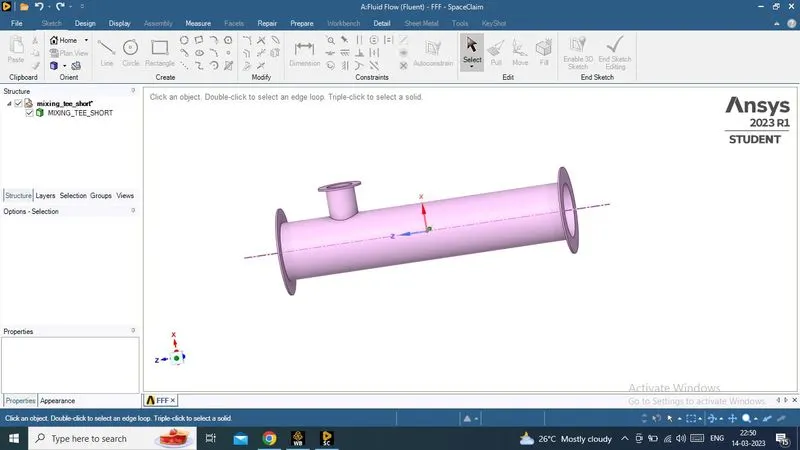
Now i have created volume of this geometry, by volume extraction, after that, supressed physics of the main geometry and untick the main geometry
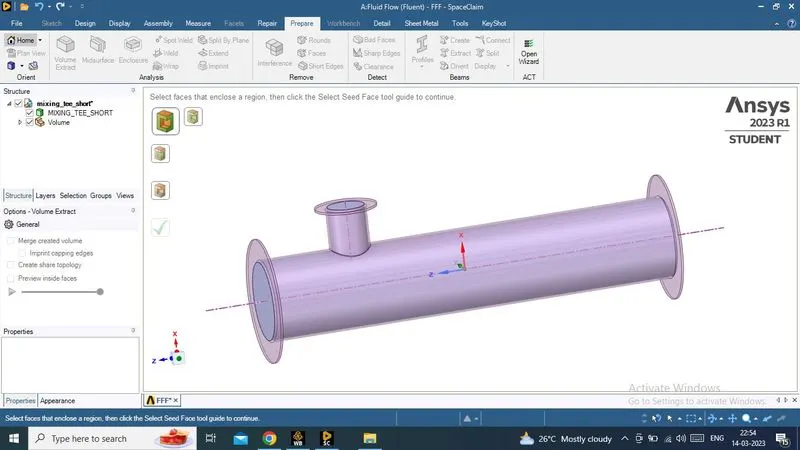
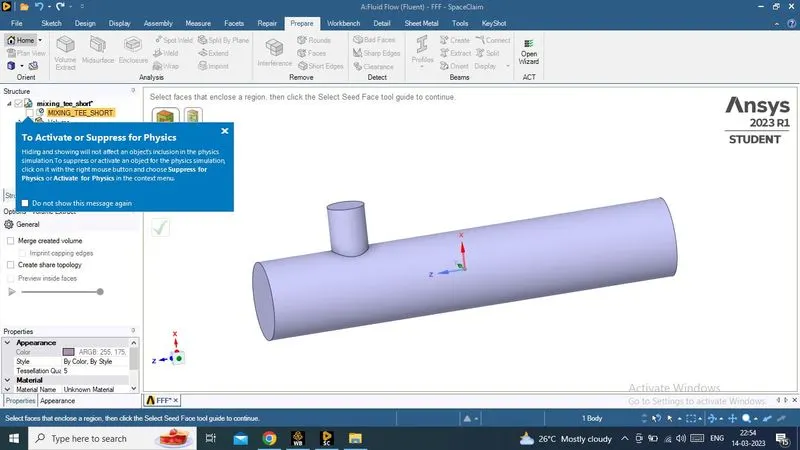
Now, close the Space clam.
Mesh -
Now open mesh
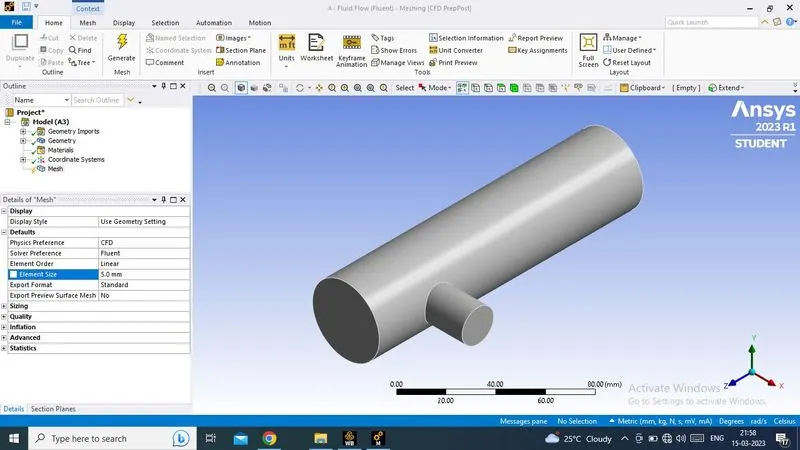
Click on mesh and element size change to 5mm
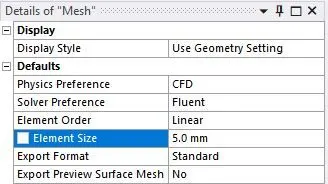
After that generate the mesh

Now, I have define specific
Inlet-x , Inlet-y, outlet and Wall
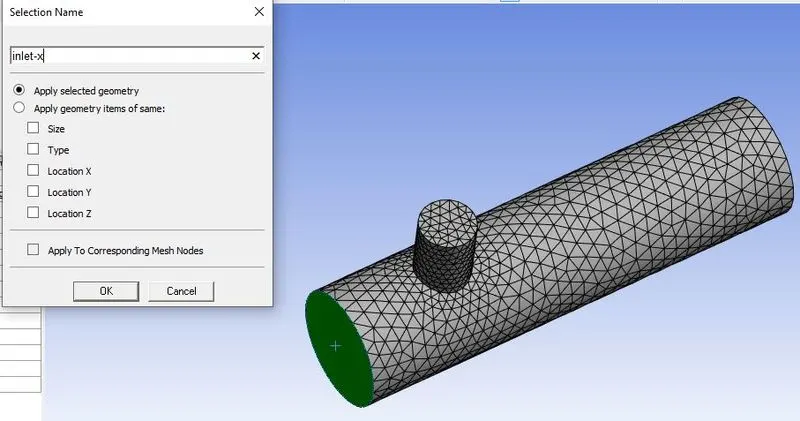
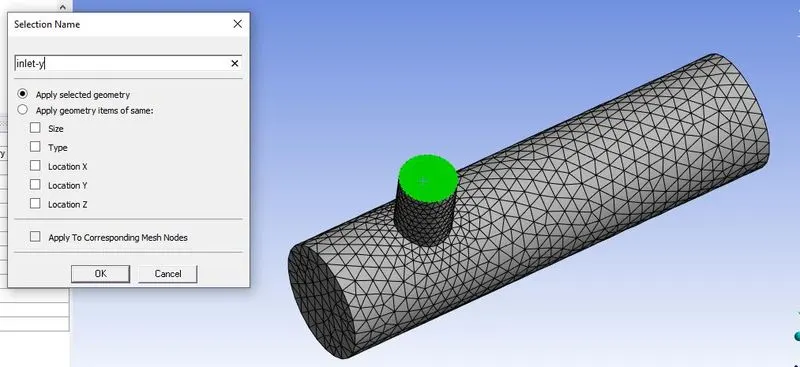
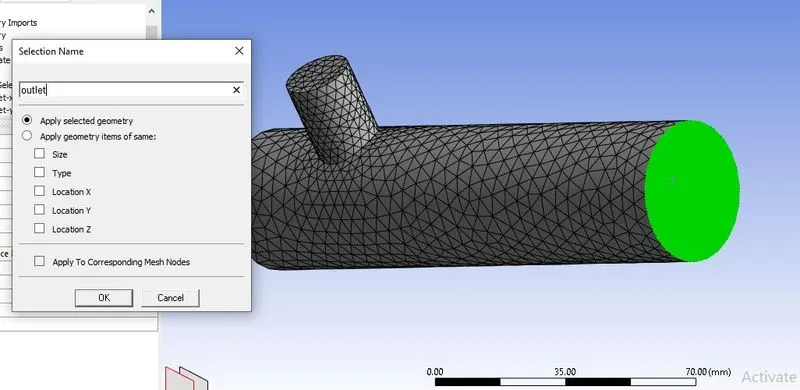
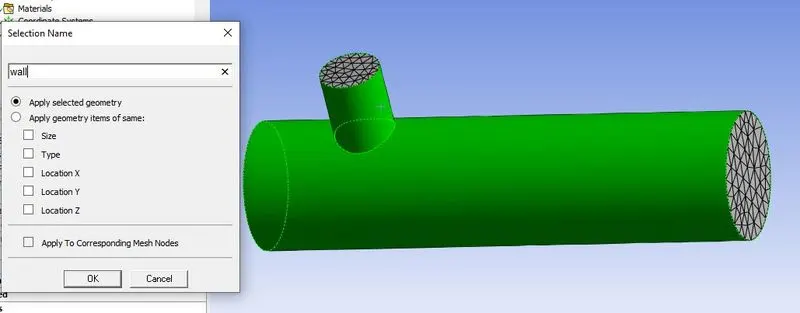
No i close the meshing
Fluent Setup -
Now i have lunched meshing part
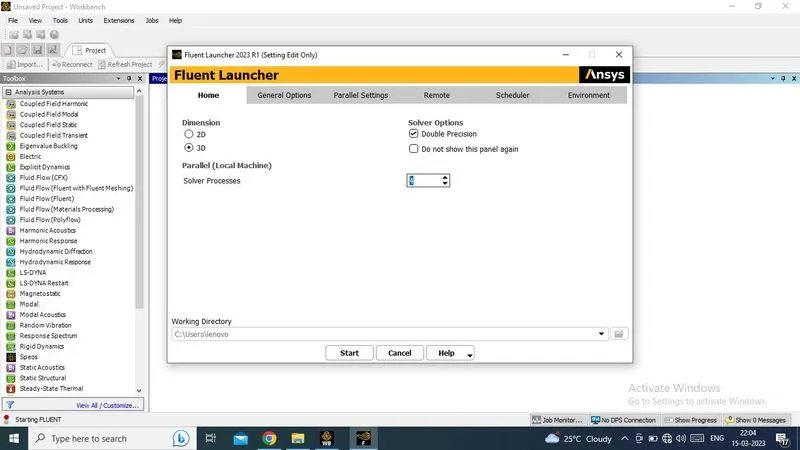
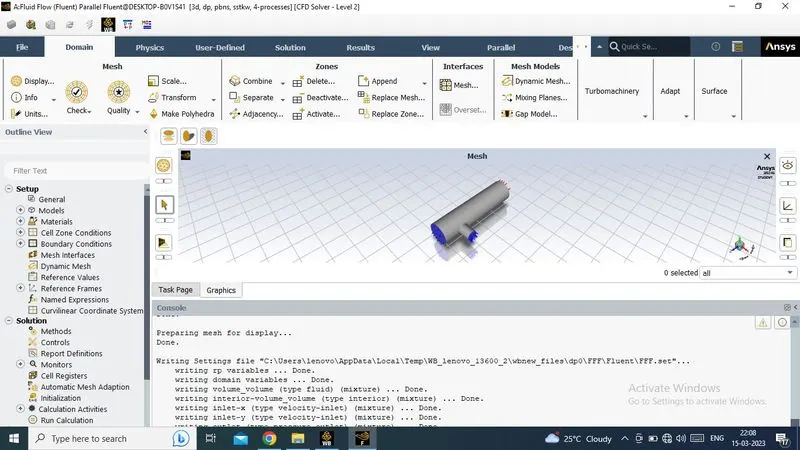
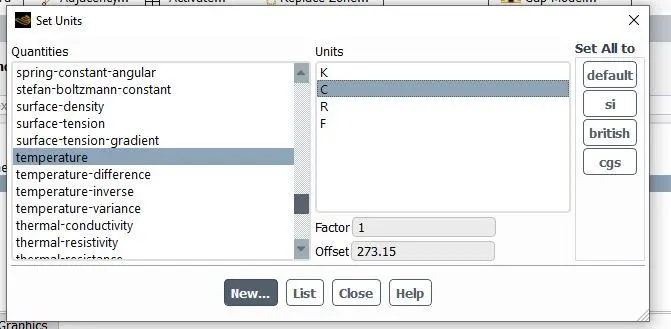
After that, first i have changed temparature unit Kelvin to Celsius
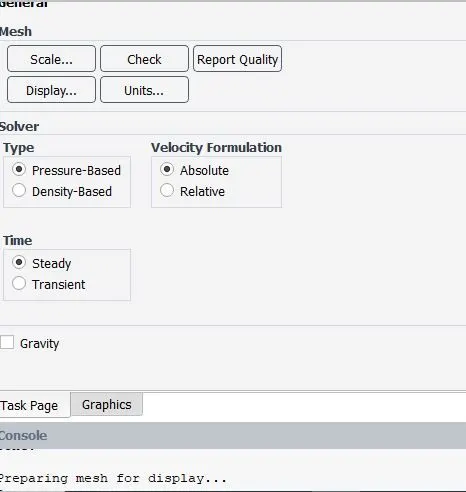
Now, Check solver section condition, that is ok
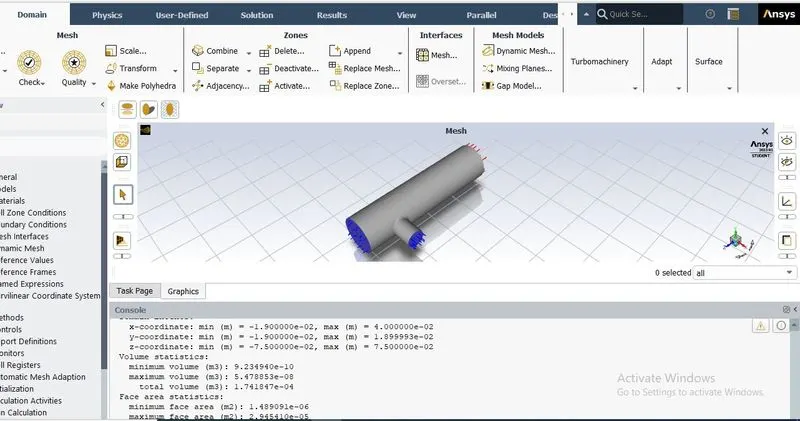
Now , i have checked mesh condition and that is ok
Since we are analysing the k-epsilon model, the following options of realizable and standard wall functions are checked
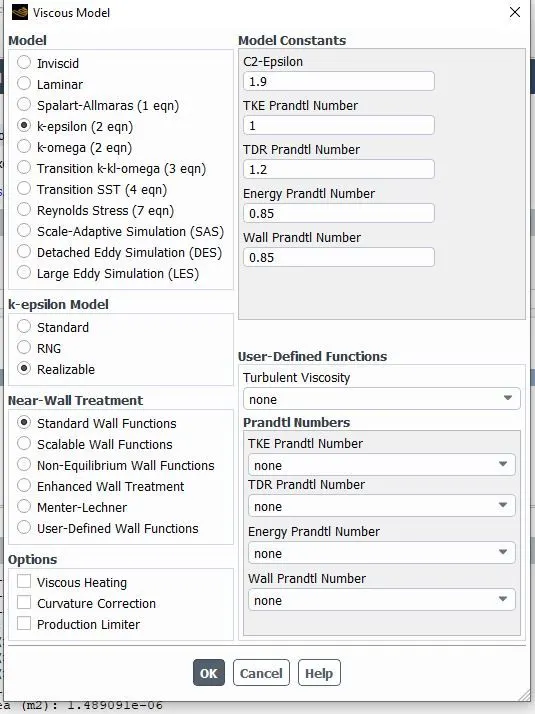
Now,Parameters for K-epsilon model
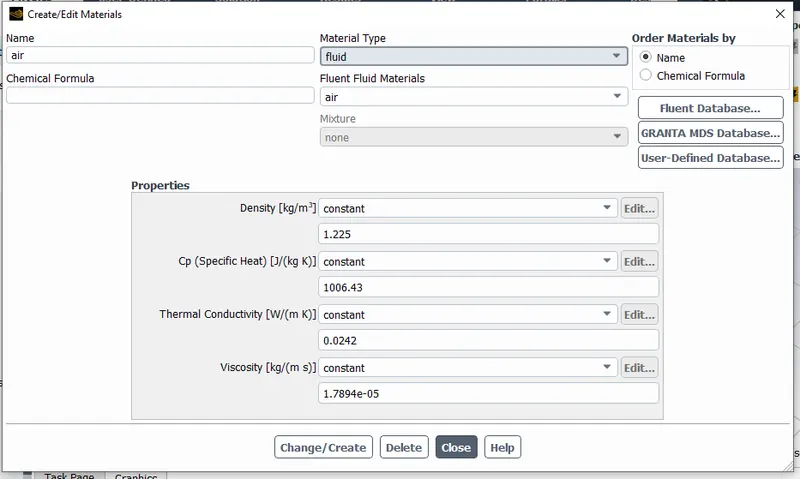
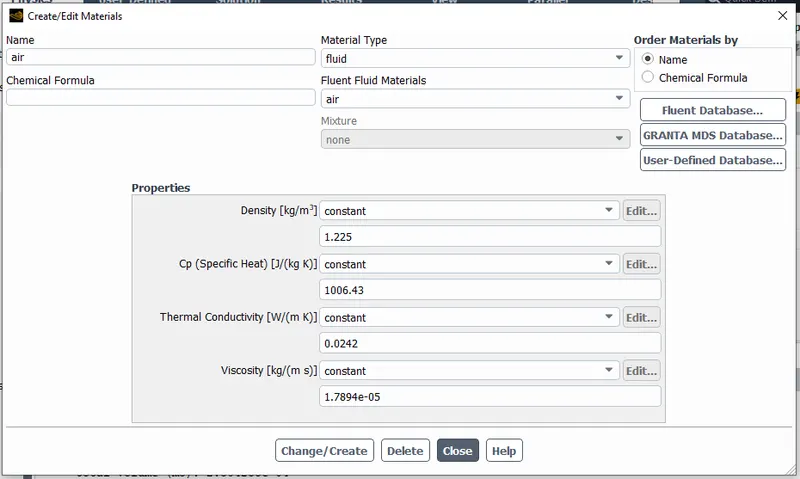
- In the materials section, make sure that the fluid is air.
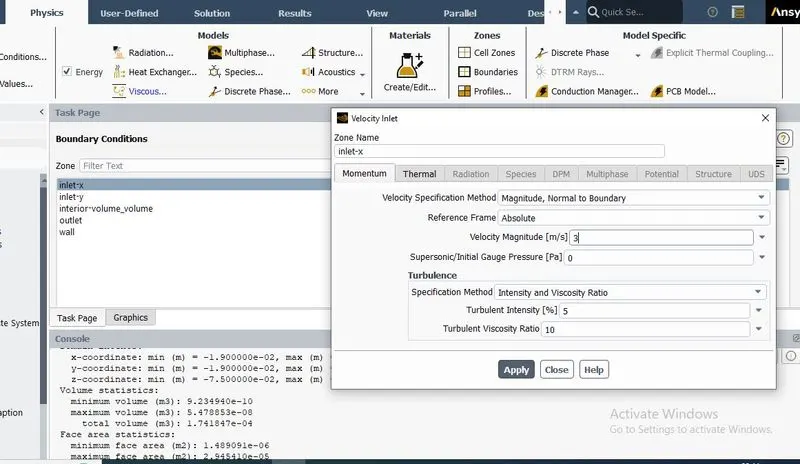
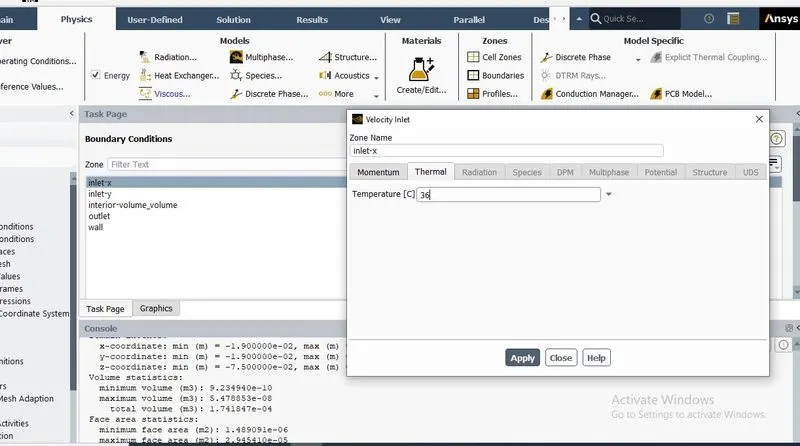
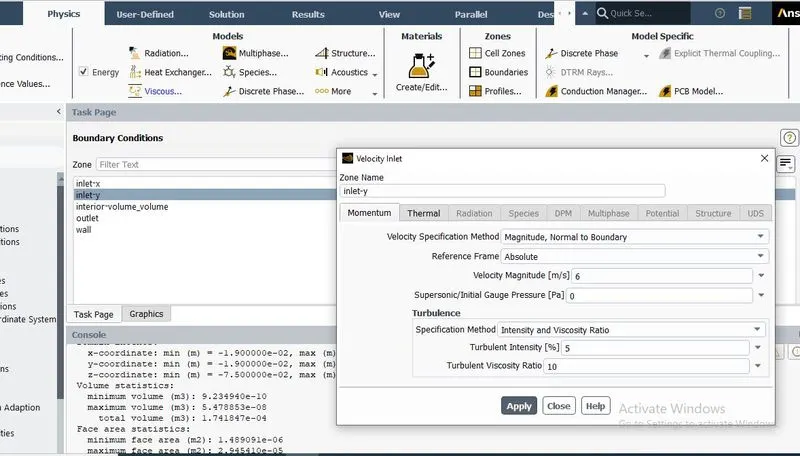
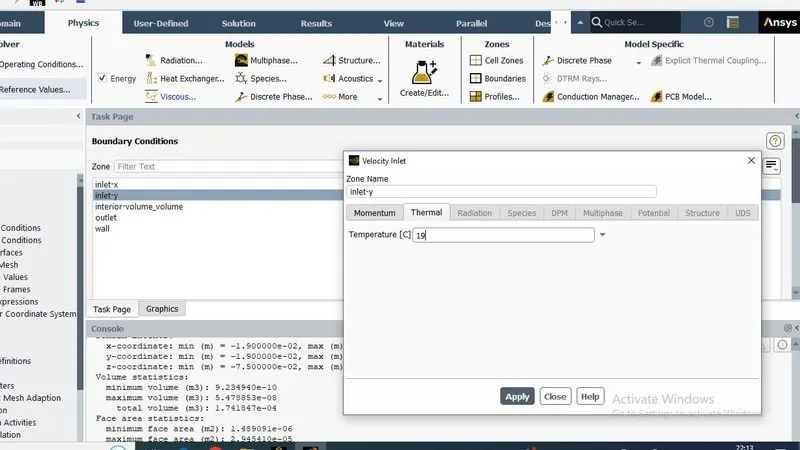
- The boundary conditions are specified within the boundary in the zones section. For inlet x, the initial velocity is 3m/s and temperature is 36 C whereas for inlet y is 6 m/s (since momentum ratio is 2) and the temperature is 19C. For the outlet, the gauge pressure is kept 0.
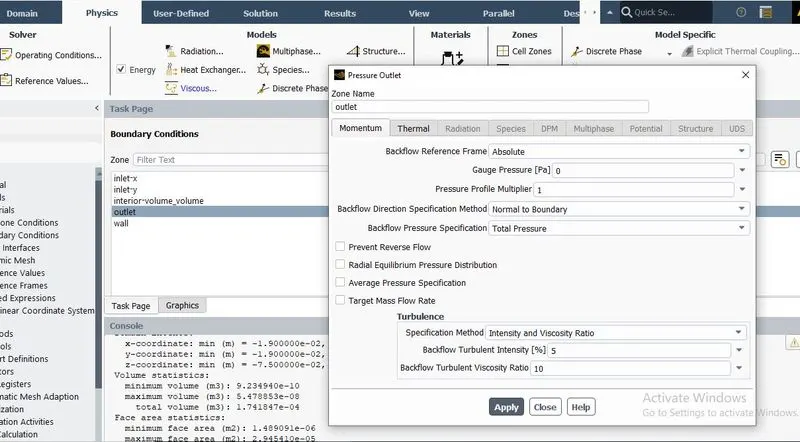
For creating area-weighted avg temp.now select the following parameters and give name as shows below
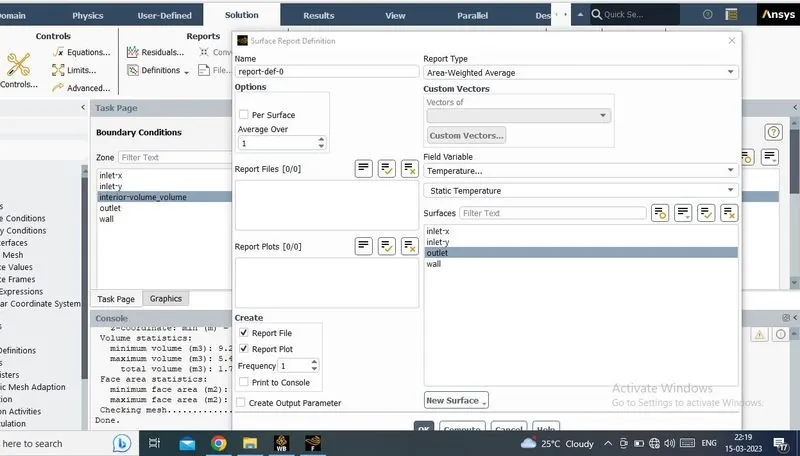
Now we have defined avg-temp report. Similarly define std-deviation temp report
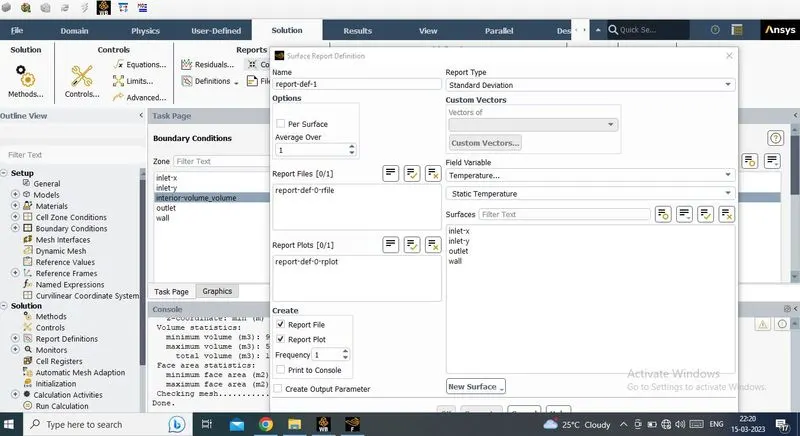
Now,
I have gven number of iteration is 300
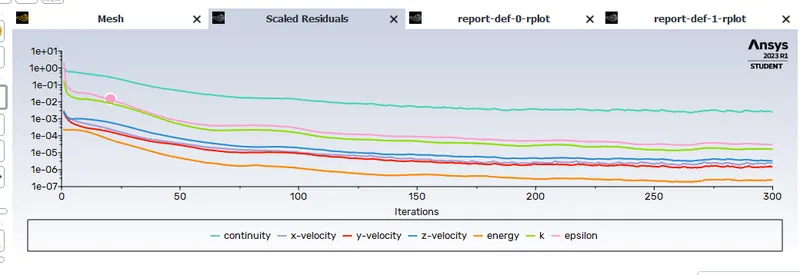
From above graph we can see that the solution will converged more than 300 iteration.
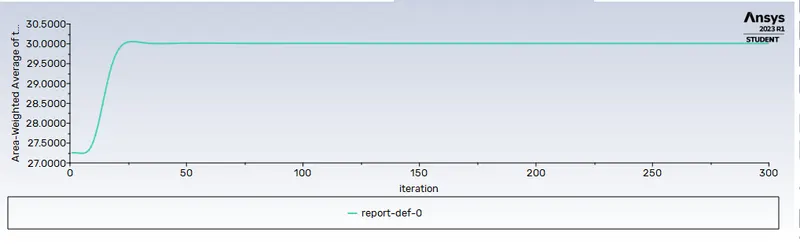
From above graph we can see that the temp graph is almost convergerd from 31th itr and we are getting avg temp at outlet=30.03 C
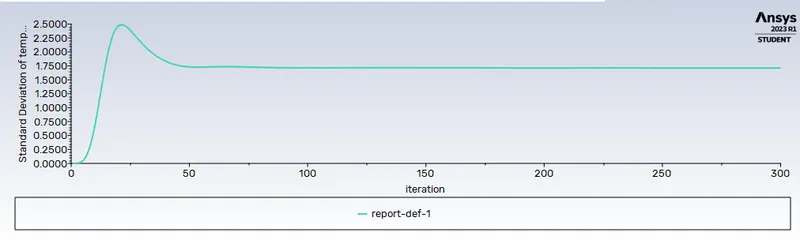
From above graph we can see that std dev temp plot starts converge from 80th iteration and std.dev temp=1.7 c.
Now lets plots velocity and temp contours .now close this fluent.
Now, Post analysis is staring
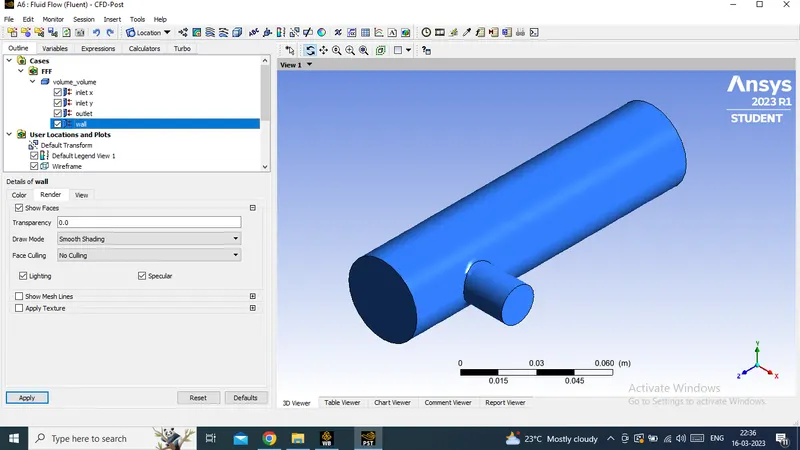
NOw untick inlet and outlet
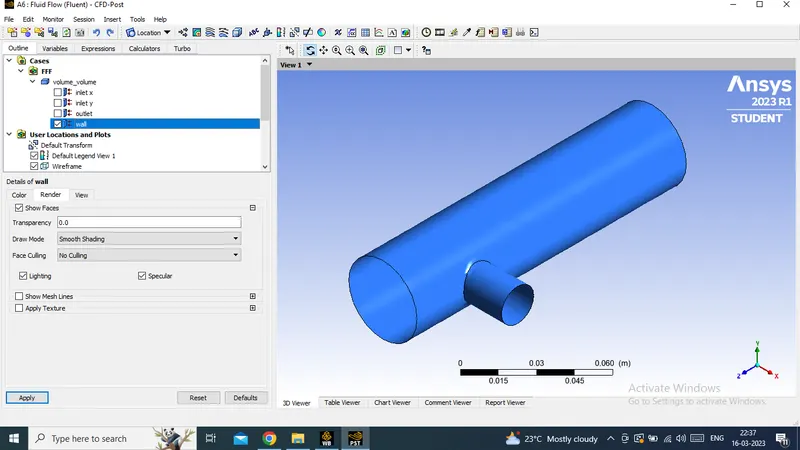
Now Colour will change to white and transparency to be maximum
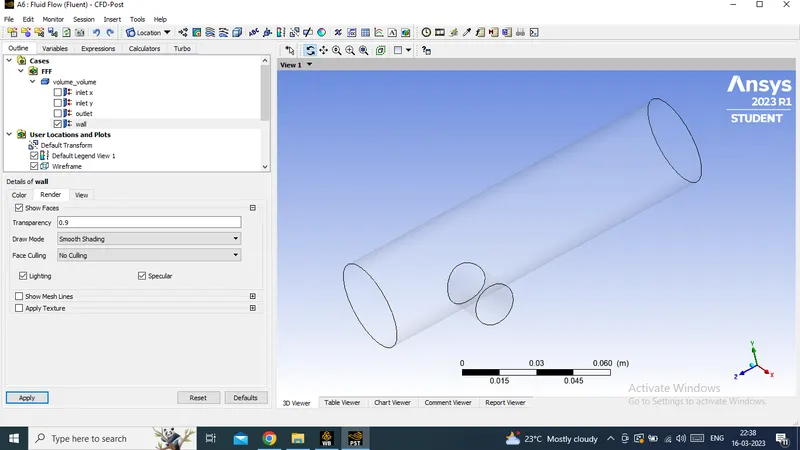
Now creat a plan inside of wall
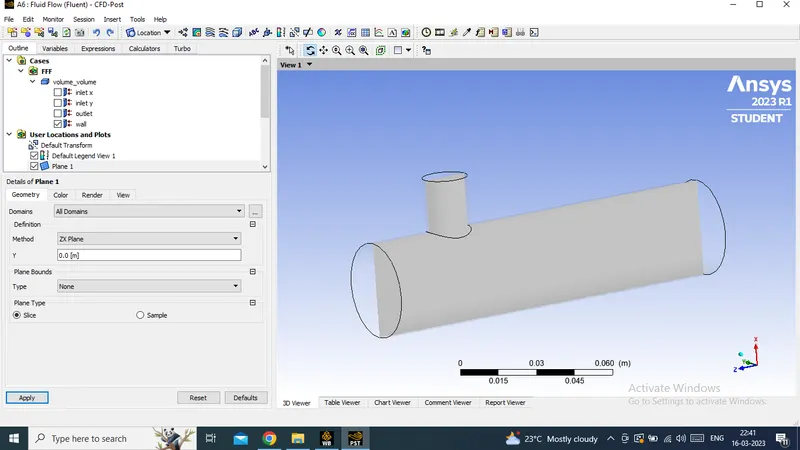
Noe set, Colour mode - Valiable and Variable - Temparature
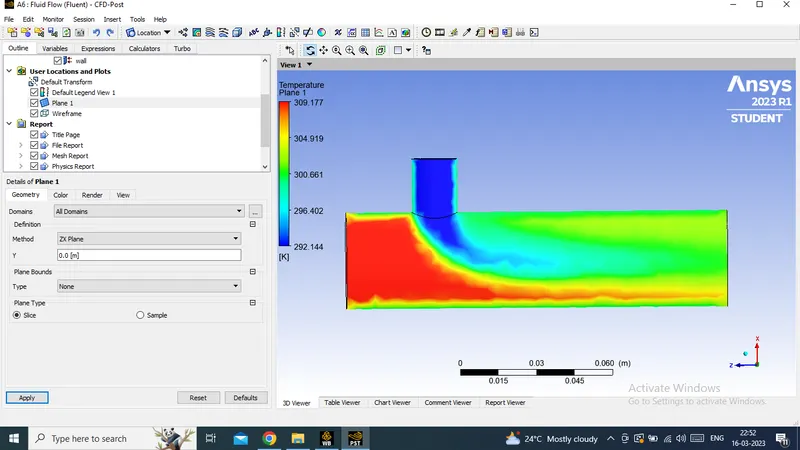
Here the deformation is less at mixing point and also not a good one.from above temp contour we can say that mixing of fluid is not done properly at bottom.so the hot fluid flows and show high temp.
Now similarly we will plot a velocity contour for that just goto color and change the variable as velocity
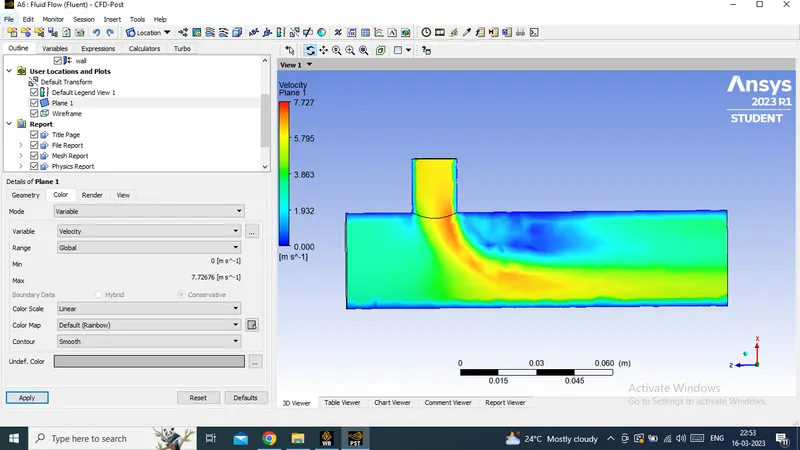
From above velocity contour we can see that inlet-y velocity is not that much in more amount.
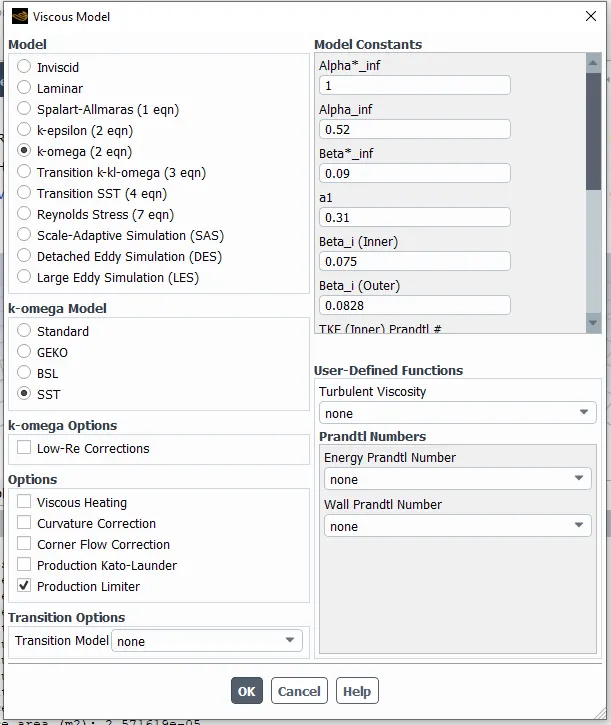
Lets compare these contour plots by changing the model k-epsilon to k-omega and lets see is there any change in outlet temp value.now we are keeping mesh size as 5mm.
now close the results and goto setup and change the models to k-omega,initialize the solution and run calculation.
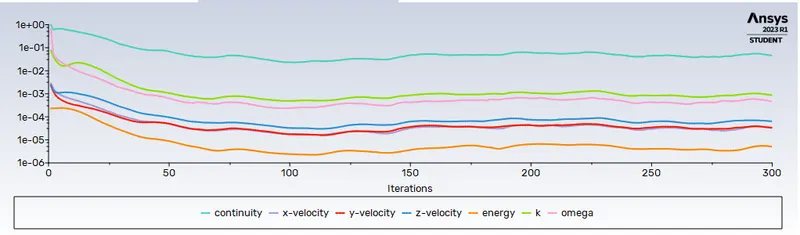
From above graph we can say that the solution is not coverged at 300 iterations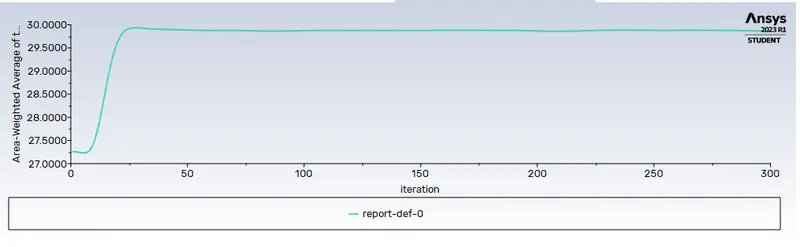
From above graph we can see that the temp graph is almost convergerd from 37 iter and we are getting avg temp at outlet=29.86 C
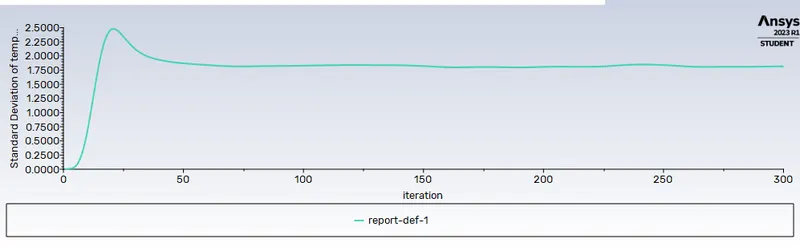
From above graph we can see that std dev temp plot starts converge from 48th iteration and std.dev temp=1.88 C
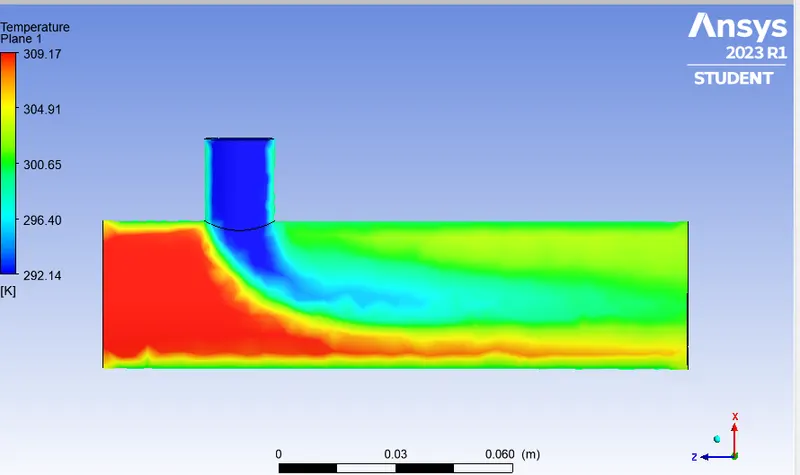
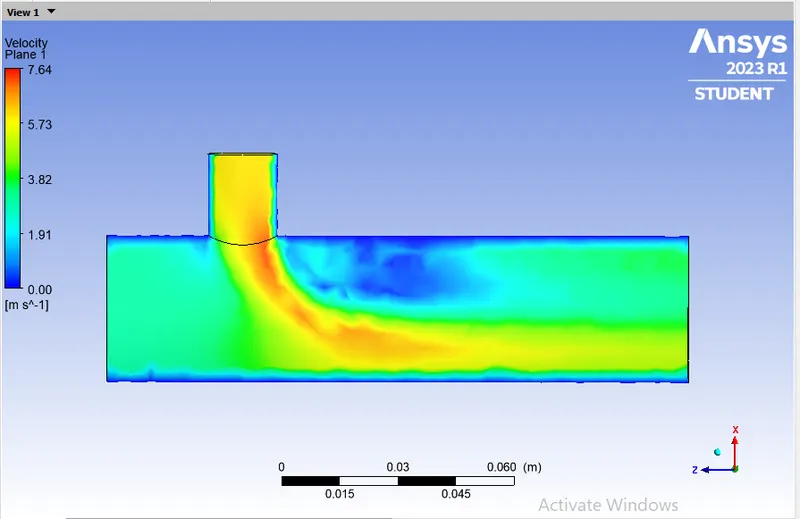
Now by seeing both models counters and by comparing these we can say that there is not that much change in the contor plots .so we can use anyone in this case.
Now lets do comparison between these two models and 4 cases for all contour plots and outlet temp.
|
Parameters |
k-epsilon model |
k-omega-sst model |
|
Average temp |
30.03 |
29.86 |
|
Std dev temp |
1.7 |
1.88 |
Work Flow : Case 1 Momentum Ratio - 4
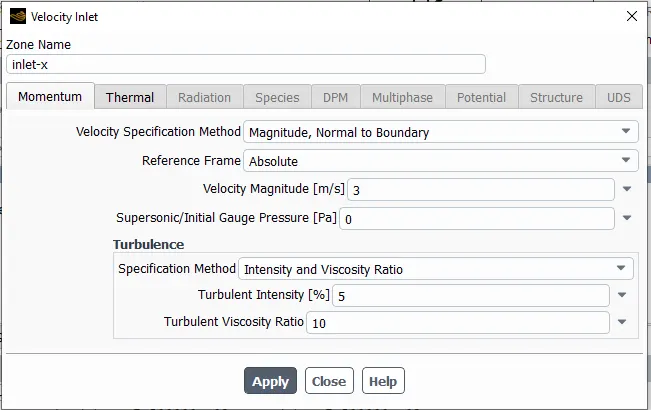
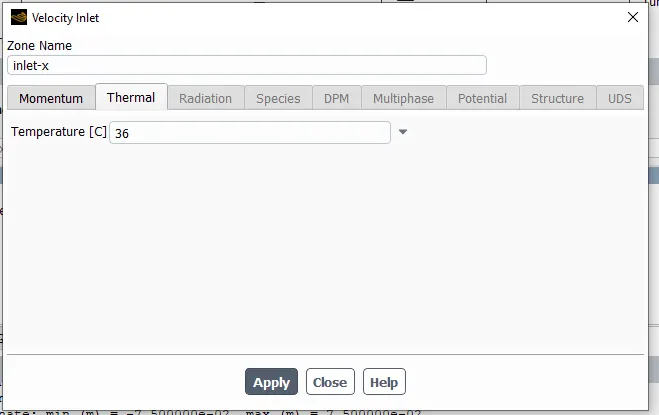
Inlet - x Velocity- 3m/s & Temp. - 36C
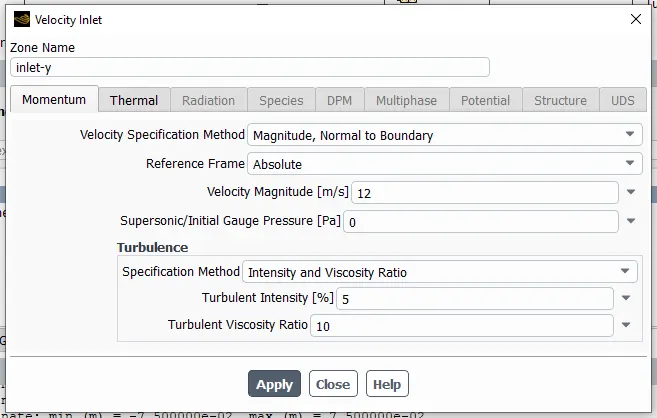
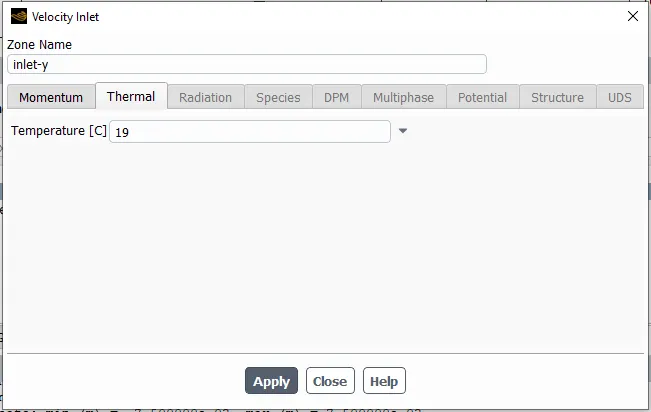
Inlet -y Velocity - 12m/s & Temp - 19C
And other parameters is same
Using k-epsilon model
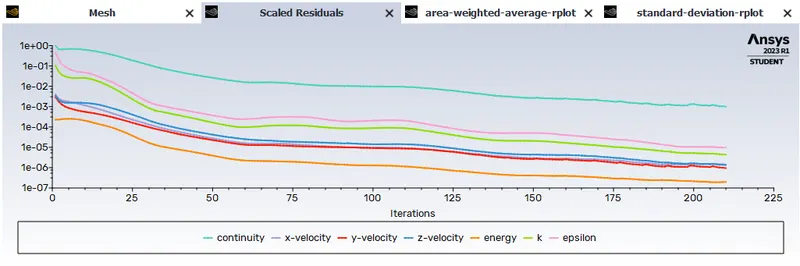
Solution has been converged at 210 Iter
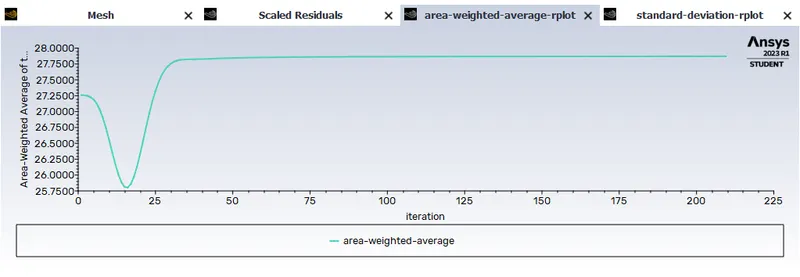
From above graph we can see that the temp graph is almost convergerd from 50 iter and we are getting avg temp at outlet=27.84 C
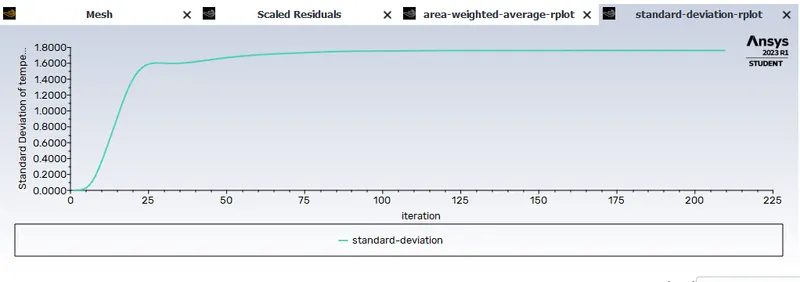
From above graph we can see that std dev temp plot starts converge from 35th iteration and std.dev temp=1.6 C
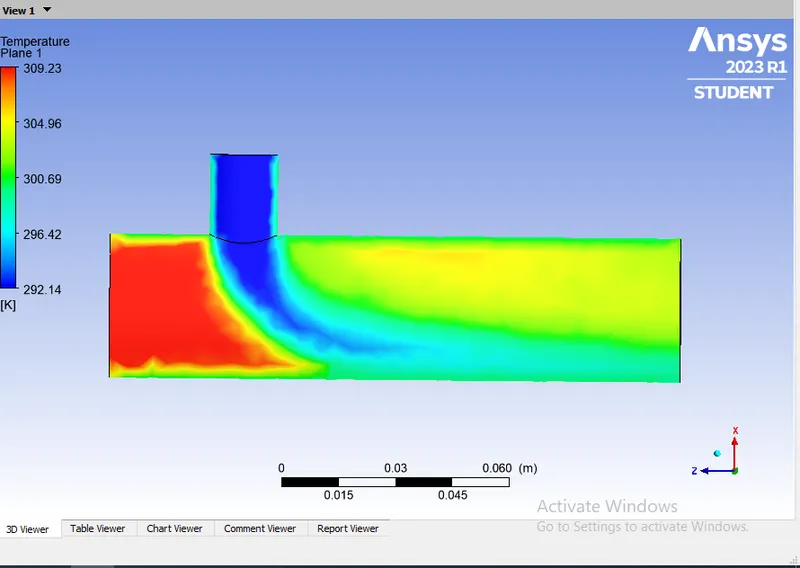
Now, high velocity cold fluid is mixes with low velocity hot fluid. Due to this reason, we can see sudden temp drop at joint and compare to 1st case the temp contour is more deviated.and in forward direction the fluid mixes very good.
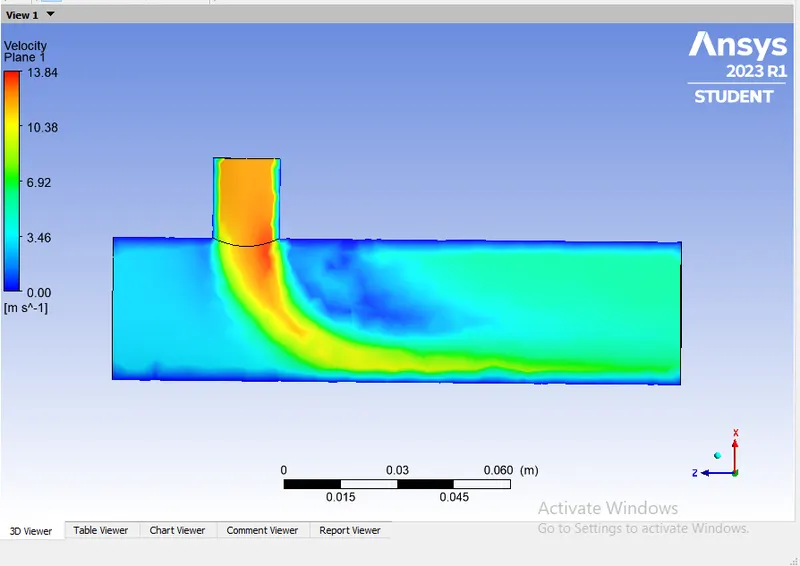
Due to high velocity fluid mixed with low velocity fluid there is sudden change in velocity.and as we see after the t-location in pipe there is a blue contour shows low velocity is due to sudden entering of high velocity fluid some turbulane created.
Work Flow : Case 2- (Long Mixing Tee) momentum Ratio - 2
Now, i have opened Geometry Space claim, and import geometry
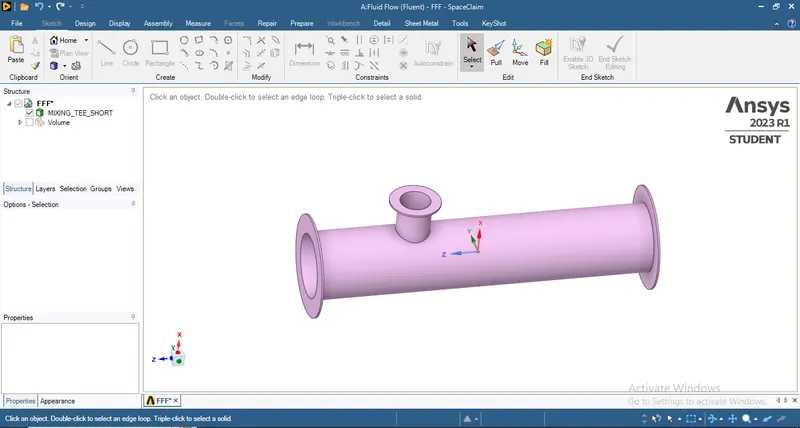
Now i have created volume of this geometry, by volume extraction, after that, supressed physics of the main geometry and untick the main geometry
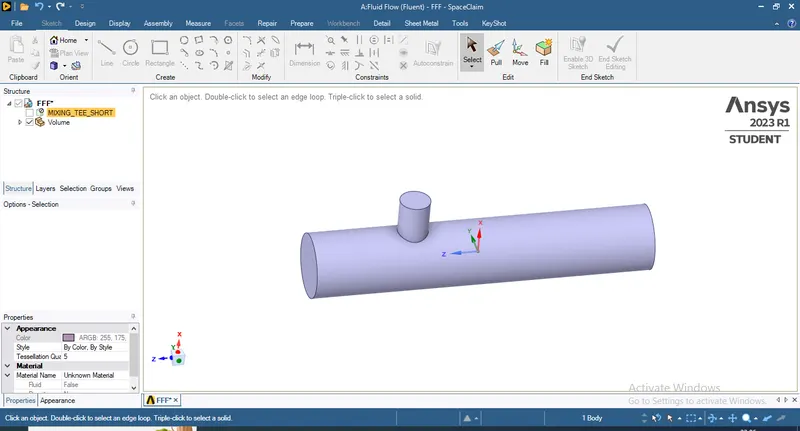
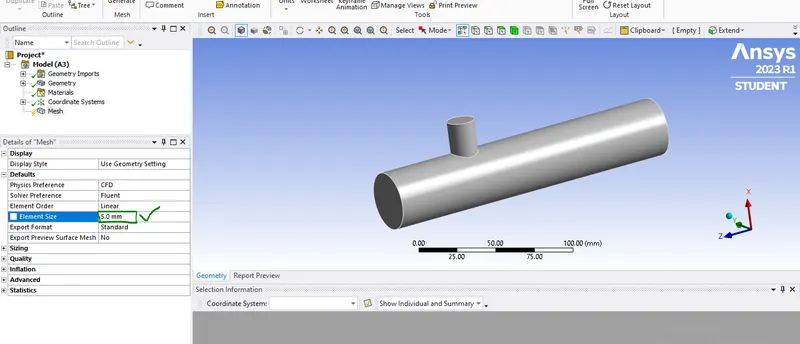
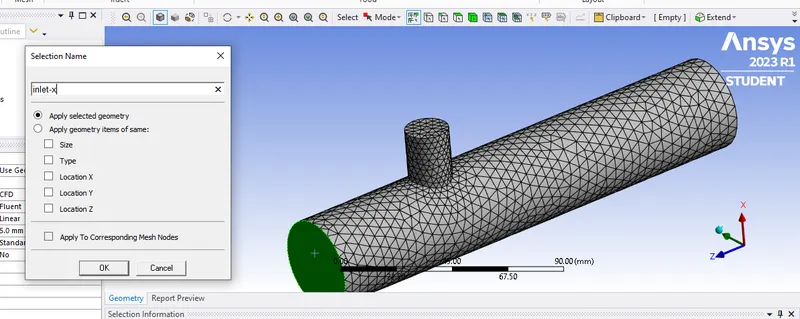
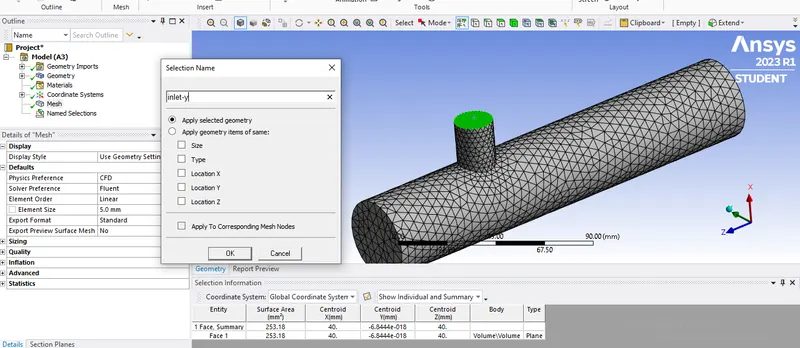
Click on mesh and element size change to 5mm, after that, i have define Inlet-x , Inlet-y, outlet and Wall
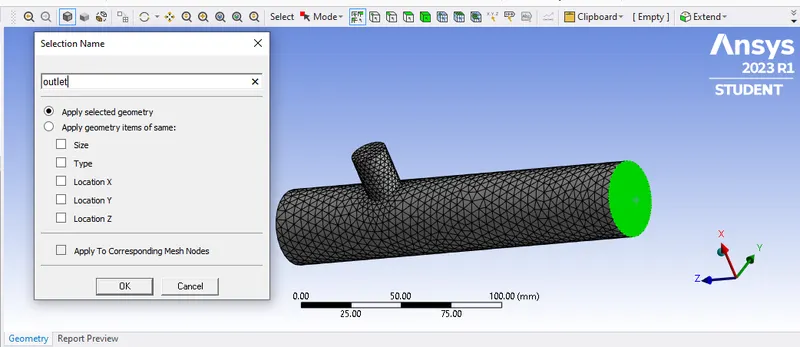
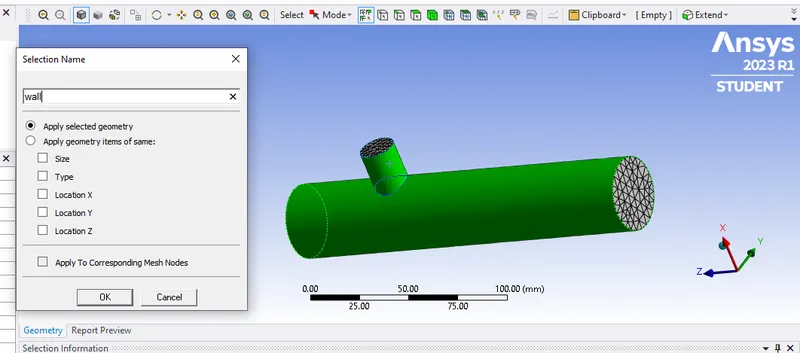
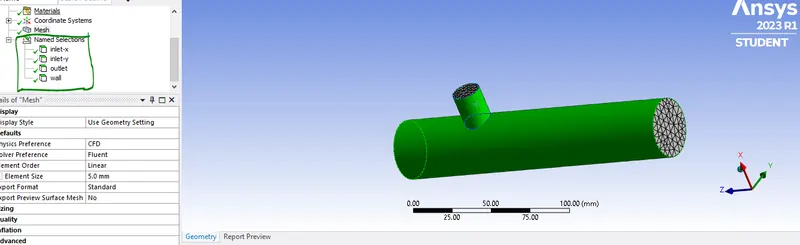
Since we are analysing the k-epsilon model, the following options of realizable and standard wall functions are checked
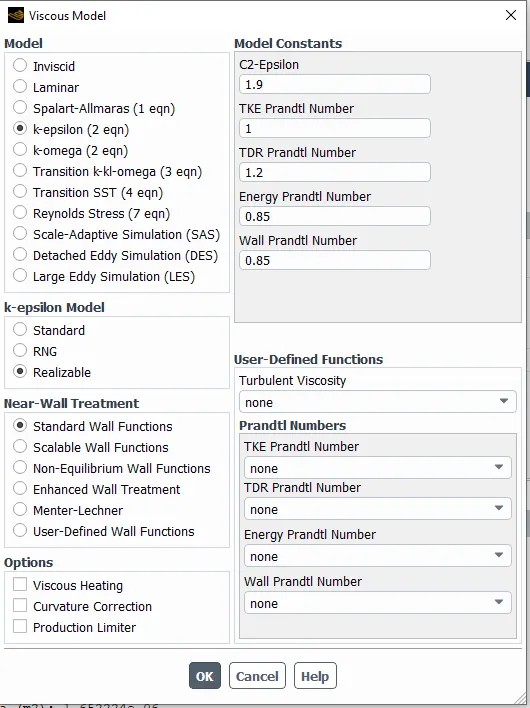
Now,Parameters for K-epsilon model
- In the materials section, make sure that the fluid is air.
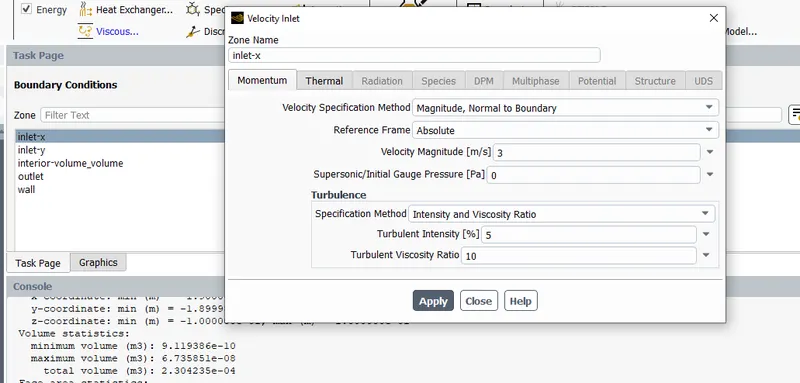
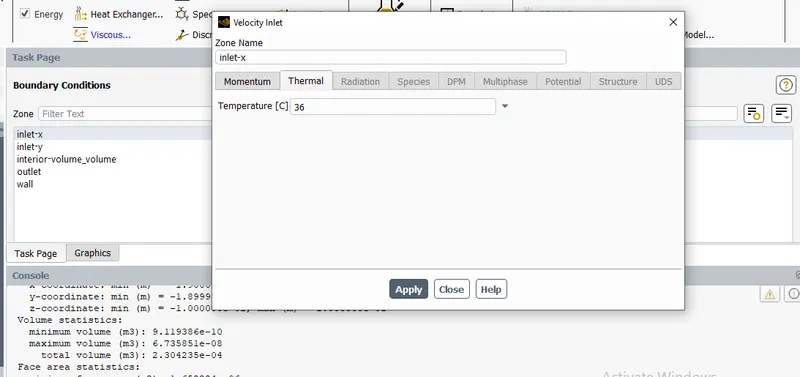
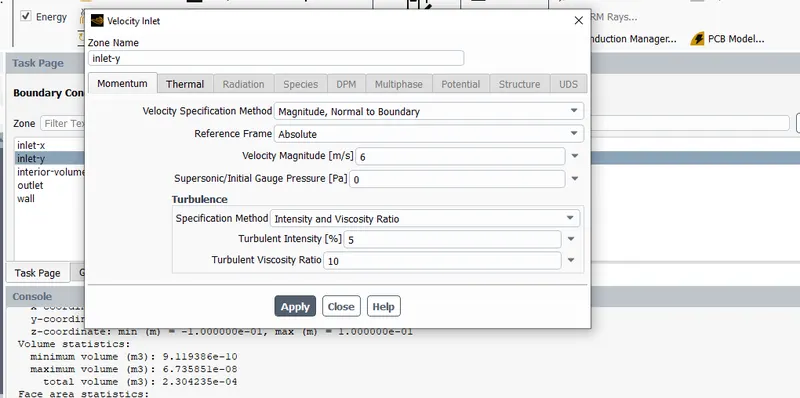
- The boundary conditions are specified within the boundary in the zones section. For inlet x, the initial velocity is 3m/s and temperature is 36 C whereas for inlet y is 6 m/s (since momentum ratio is 2) and the temperature is 19C. For the outlet, the gauge pressure is kept 0.
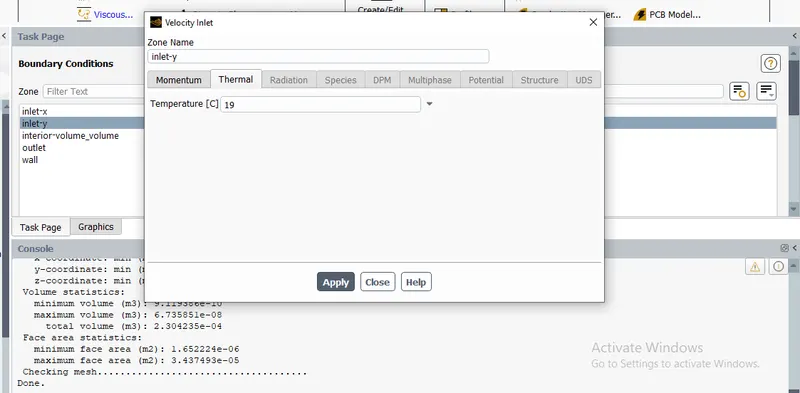
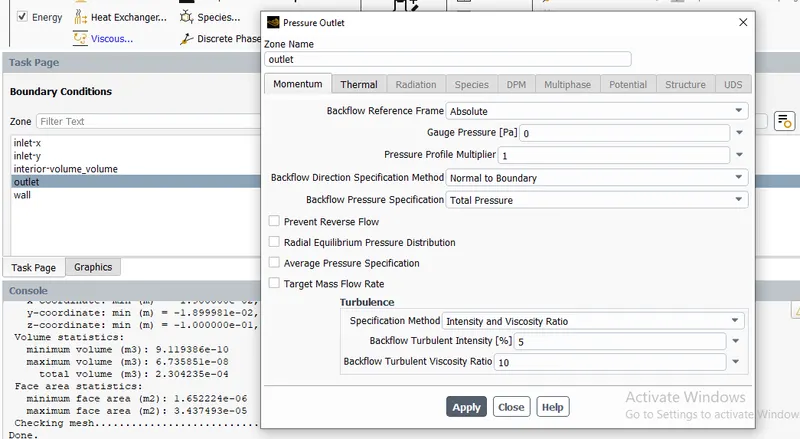
For creating area-weighted avg temp.now select the following parameters and give name as shows below
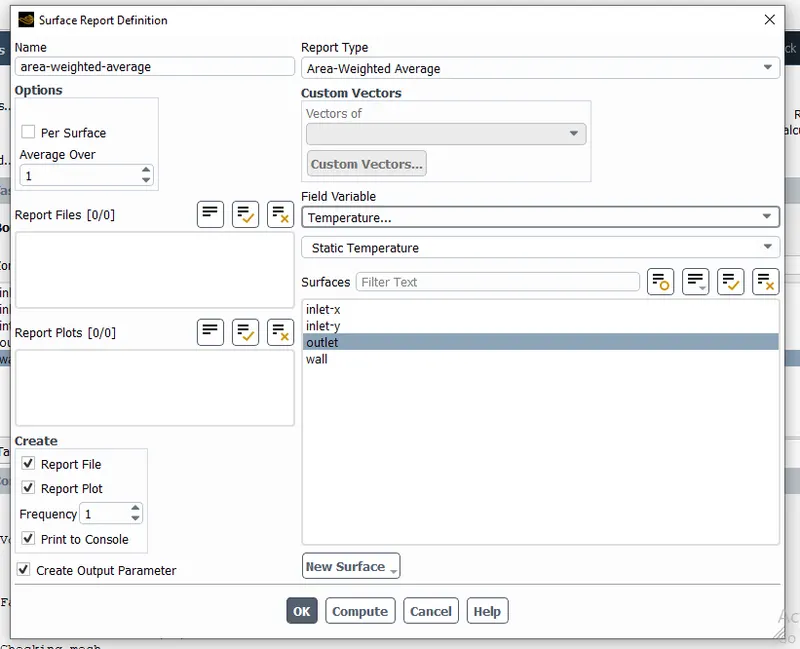
Now we have defined avg-temp report. Similarly define std-deviation temp report
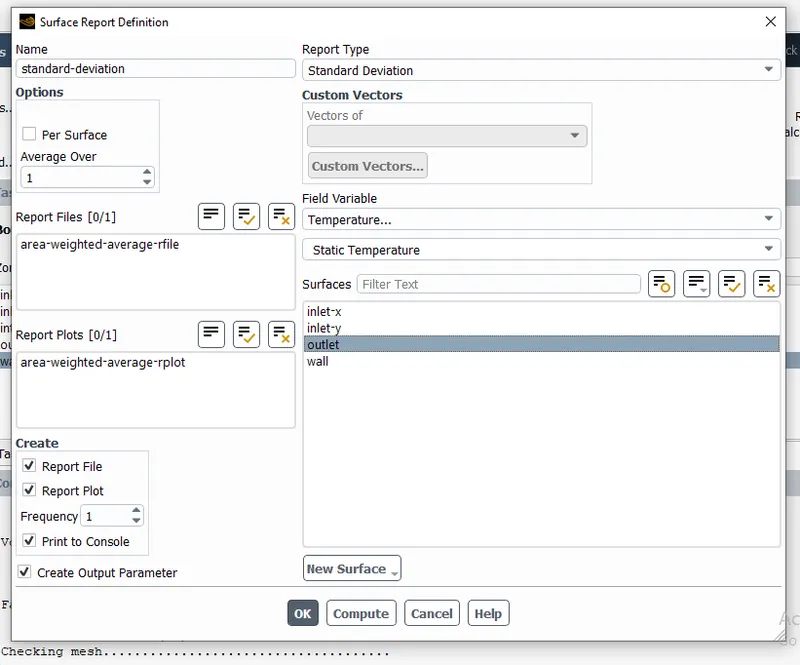
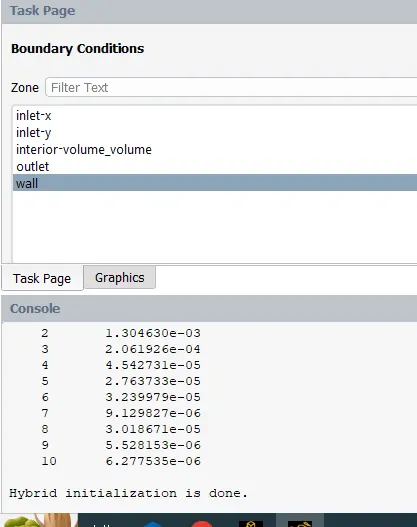
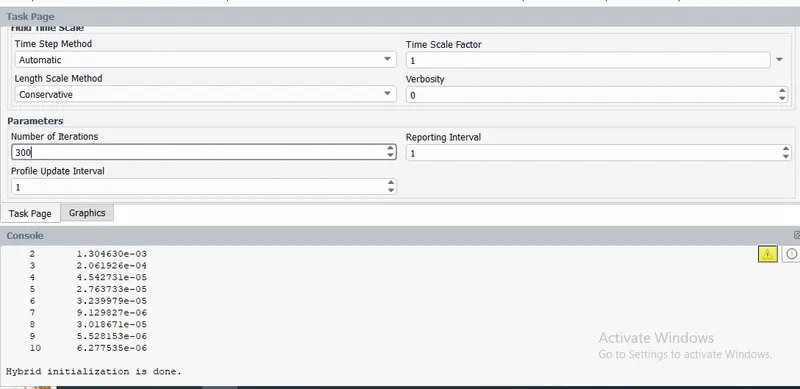
I have given parameter Number of Iterations - 300
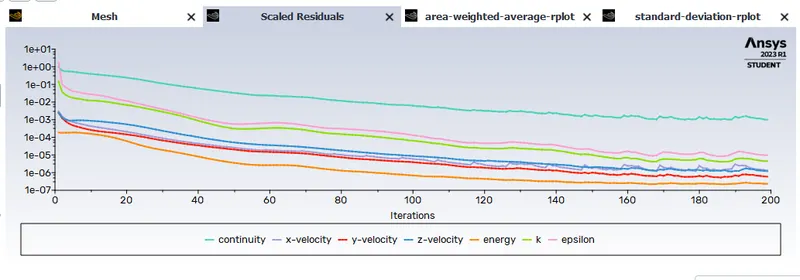

From above graph we can see that the solution has been converged 199 iteration.
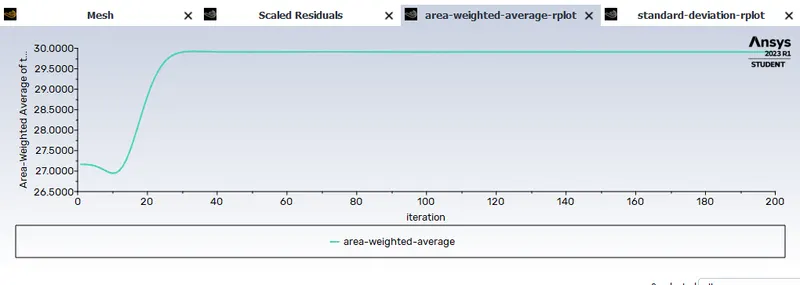
From above graph we can see that the temp graph is almost convergerd from 33 iter and we are getting avg temp at outlet=29.9 C
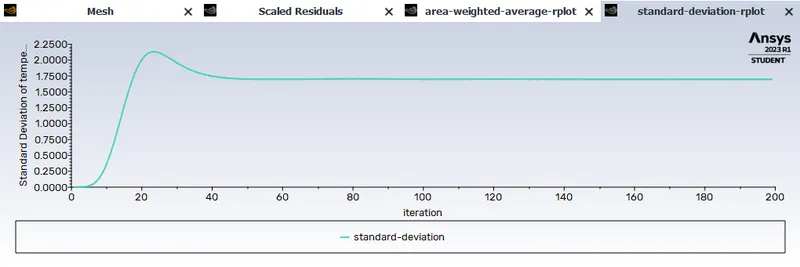
From above graph we can see that std dev temp plot starts converge from 50th iteration and std.dev temp=1.7 C
Now, Post analysis is staring..and Now untick inlet and outlet
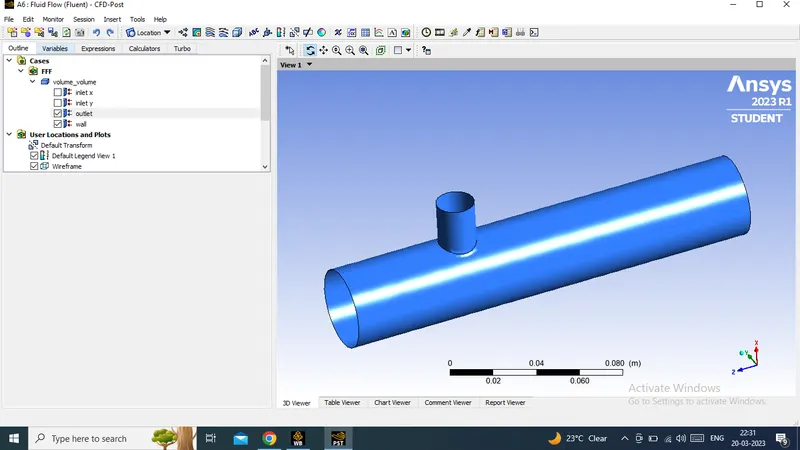
Now Colour will change to white and transparency to be maximum
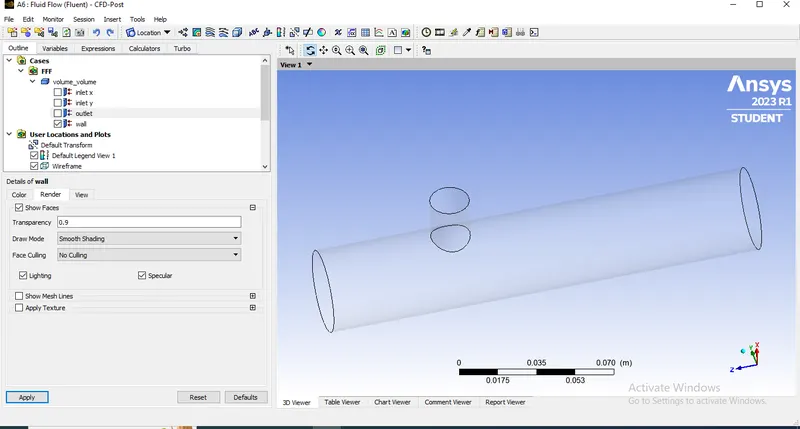
Now creat a plan inside of wall
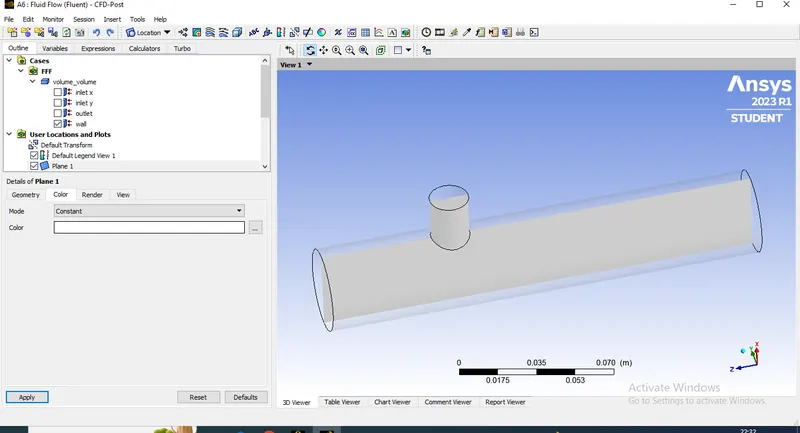
Noe set, Colour mode - Valiable and Variable - Temparature
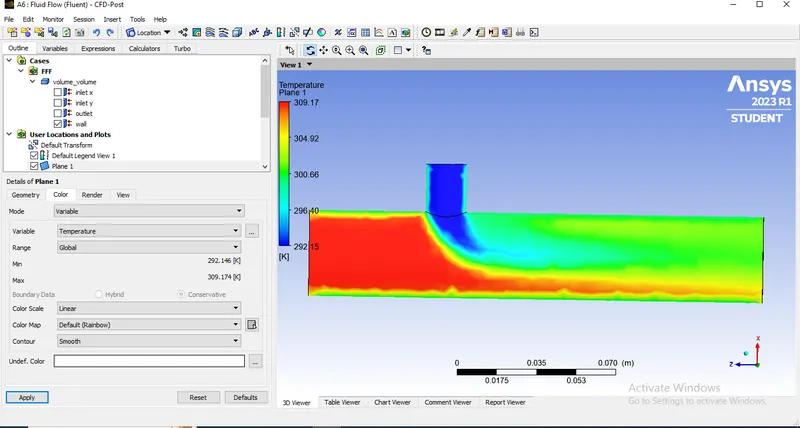
Here the deformation is less at mixing point and also not a good one.from above temp contour we can say that mixing of fluid is not done properly at bottom.so the hot fluid flows and show high temp.
Now similarly we will plot a velocity contour for that just goto color and change the variable as velocity
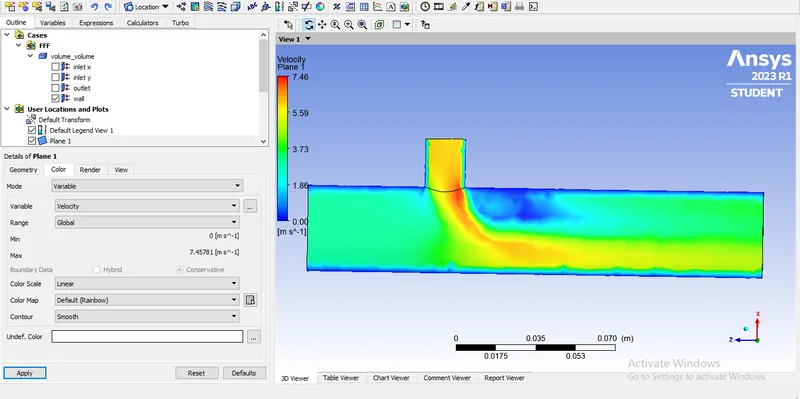
From above velocity contour we can see that inlet-y velocity is not that much in more amount.
Inlet -y Velocity - 12m/s & Temp - 19C
And other parameters is same
Using k-epsilon model
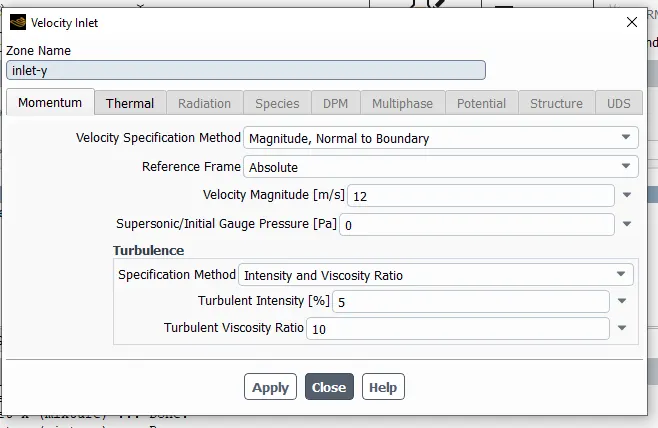
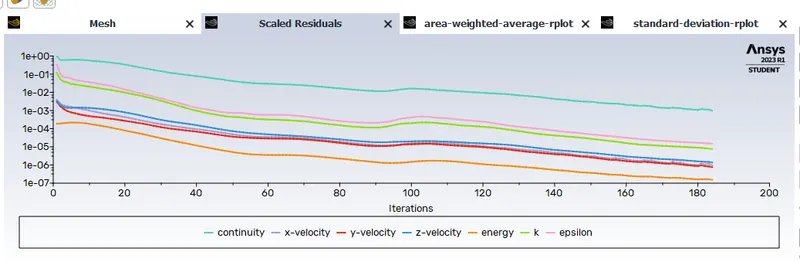

From above graph we can see that the solution has been converged 184 iteration.
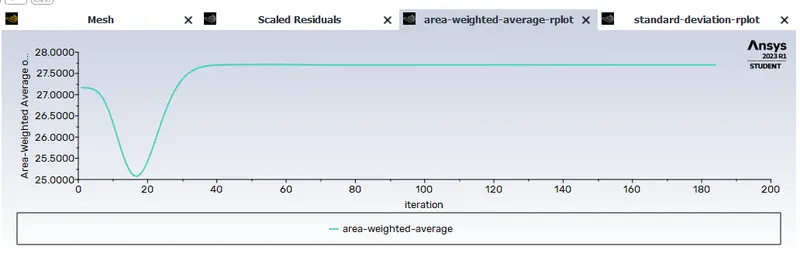
From above graph we can see that the temp graph is almost convergerd from 41 iter and we are getting avg temp at outlet=27.7 C
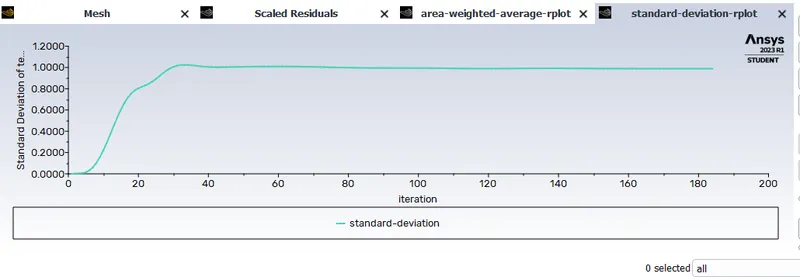
From above graph we can see that std dev temp plot starts converge from 43th iteration and std.dev temp= 1.00 C
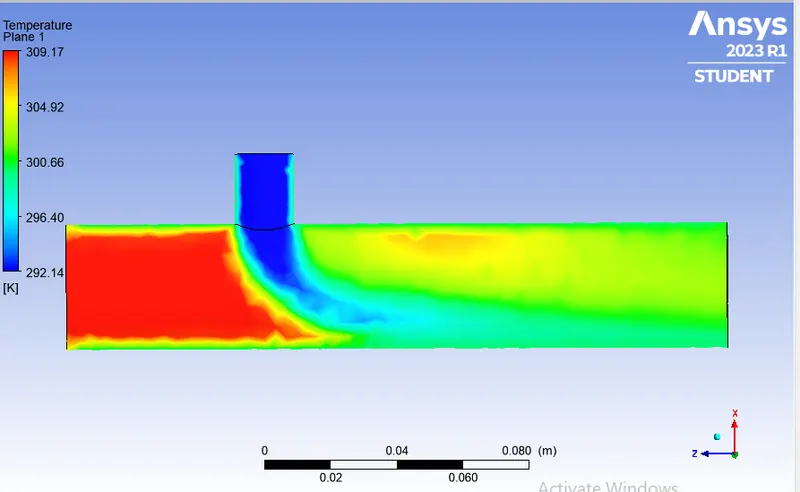
Here due to high velocity the cold fluid is mixes with hot fluid very quickly and temp distribution takes properly but at upper side there is not a good mixing of fluid so heat transfer between fluids is not proper. again at upeer surface near to inlet-y there is not a good mixing of fluid takes place.so some hot fluid traces shows.
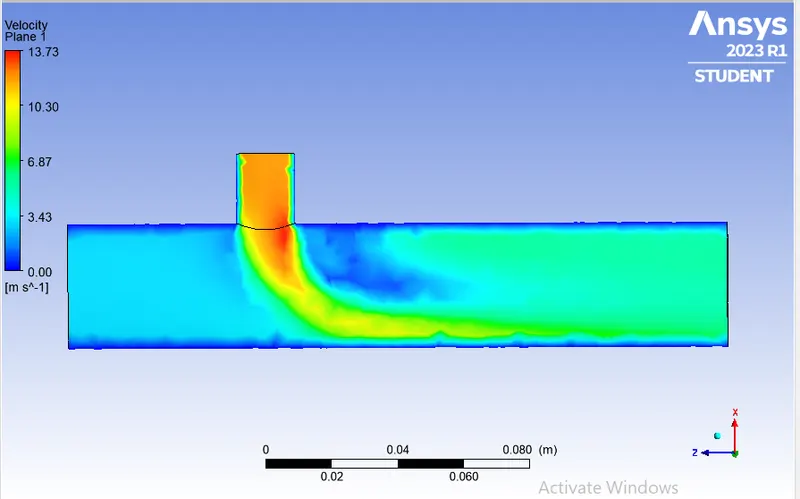
At boundary there is very low velocity but due to high velocity of cold fluid the deformation is more and gets steady state very quickly
|
Parameters |
k-epsilon model(Momentum Ratio - 2) |
k-epsilon model(Momentum Ratio - 4) |
|
Average temp |
29.9 |
27.7 |
|
Std dev temp |
1.7 |
1.00 |
Conclusion :
1.In short mixing tee, mix of hot and cold air is not properly, comperatively in long mixing tee, mix of hot and cold air is better.
2. In Short tee mixing, We found temperature of outlet, has been more than the long Tee Mixing.We can see.Min temp of Short mixing tee is 29.86C and min temp of long mixing tee is 27.7C.
3.K-omega sst is given more refine value than k-epsillon.
Thank You!!!