Week 1- Mixing Tee
Aim :- To set up steady-state simulations to compare the mixing effectiveness when hot inlet temperature is 36C & the Cold inlet is at 19C by using the k-epsilon and k-omega SST models.
We will be simulating both Short and Long mixing tee with a hot inlet velocity of 3m/s and Momentum ratio of 2, 4.
Momentum ratio = velocity at cold inlet / velocity at hot inlet.
About :-
Mixing tee is used in various Industries and also in home appliances. This is used for mixing of various gases and fluides of different temperatures and velocites. The two mixing fluids may have different physical and chemical properties. It is of a cylindrical pipe which is attached perpendicularly with an another pipe typically smaller in size and the output and be controlled by changing the two inputs of the pipe. Its mixing efficiency may also vary by the length of the pipe at the outlet.
Example :- These are used in HVAC industries.
This experiment is for the better understanding the behaviour of mixing of two fluids.
Process :-
We use Ansys Workbench here and chose Fluid Flow(Fluent).This is done in four steps.
Step-1 (Geometry) :-
- We open the Solid component here and we Perpare the Volume Extraction by Select Edge Method. We select the required edges and extract. We hide the solid component by unclicking the component in Structure.
- We then Suppress the Physics (this is to not load the hidden part while meshing and simulating).
- Save and Exit.
Step-2 (Meshing) :-
- Name the faces accordingly such as inlets and outlets by Selecting the faces or [Ctrl F] and select Name Selection or [N]. (Ansys recognizes these terms and atomatically assigns them accordingly)
- Same way name the Walls too.
- Changing the mesh size if required by changing the value of Element Size in Mesh Sizing.
- Generate the Mesh.
- Then cut the component in half along x-axis by selecting Section Plane. (To understand the behaviour of the fluied inside better)
- Check the Element Quantity in Mesh Matrics.
- Save and Exit.
Step-3 (Setup) :-
- Check the mesh Quality.
- In Physics use Steady State and Pressure Based solvers. In Energy go to Viscous Model here we can chose between k-epsilon Realizeble and k-omega SST modes.
- In Materials we select air flow.(If you chose other than air then change the material in Cell Zones in Zones and select the Fluid)
- In Zones change the Boundry Conditions by selecting Boundries and change the inlet_x and inlet _y velocity and temperature. (In Temperature the Hot inlet_x is at 36C & the Cold inlet_y is at 19C). Here the hot inlet velocity is 3m/s so we can achive the Momentum ratio of 2, 4 by changing the cold inlet velocity from 6 to 12.
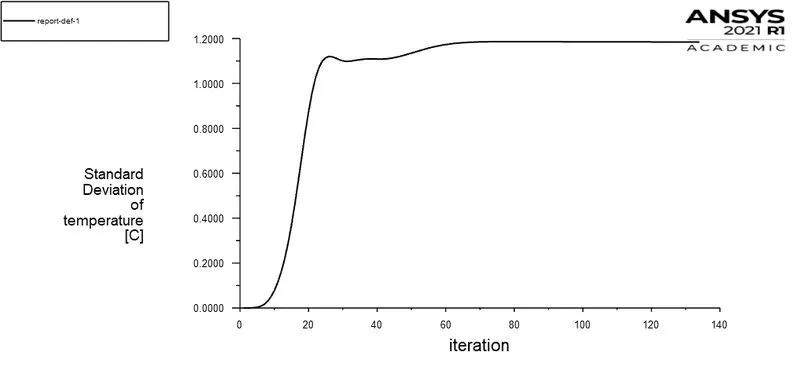
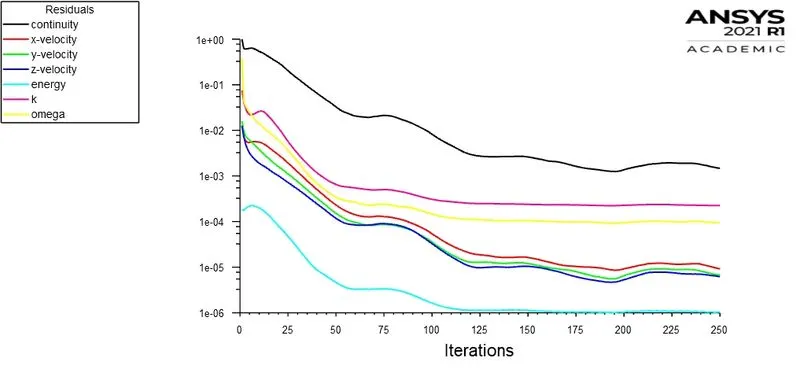
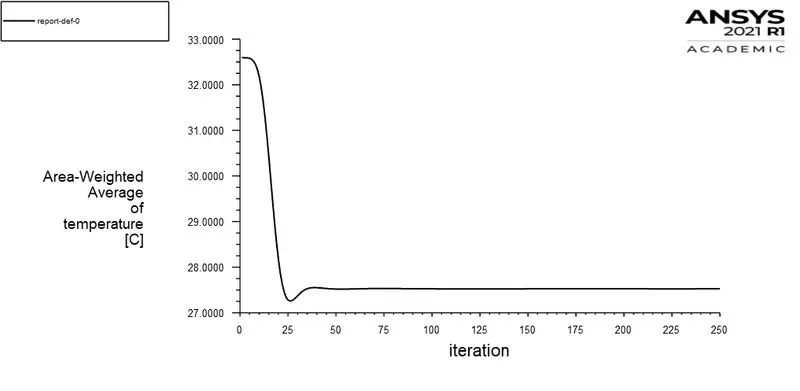
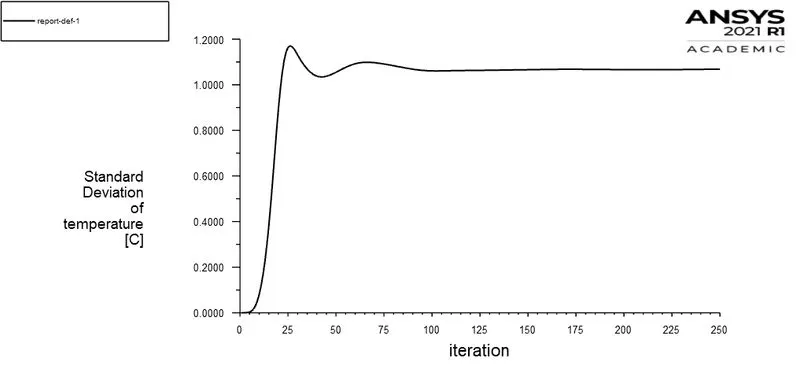
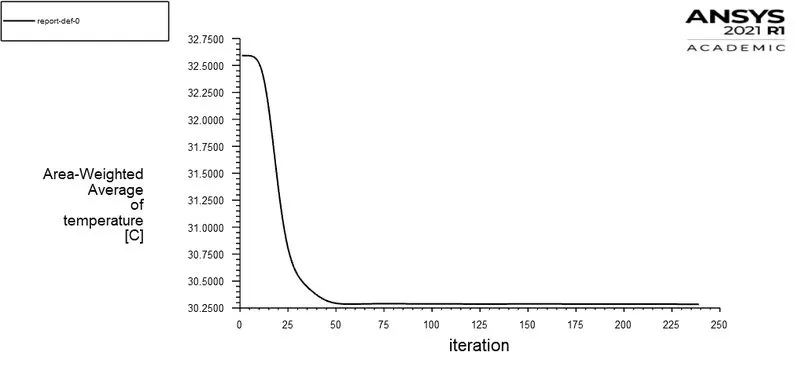
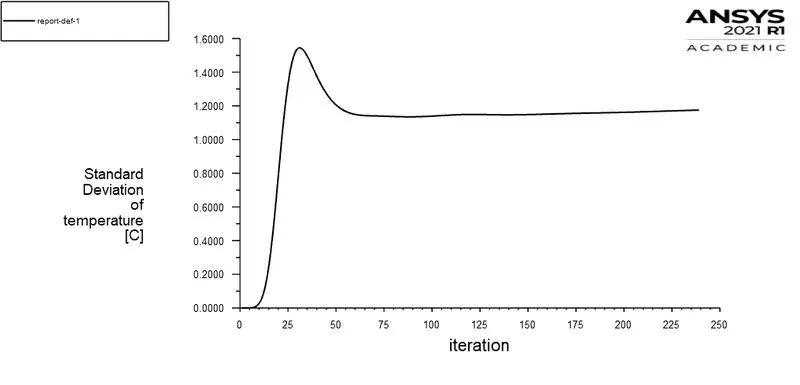
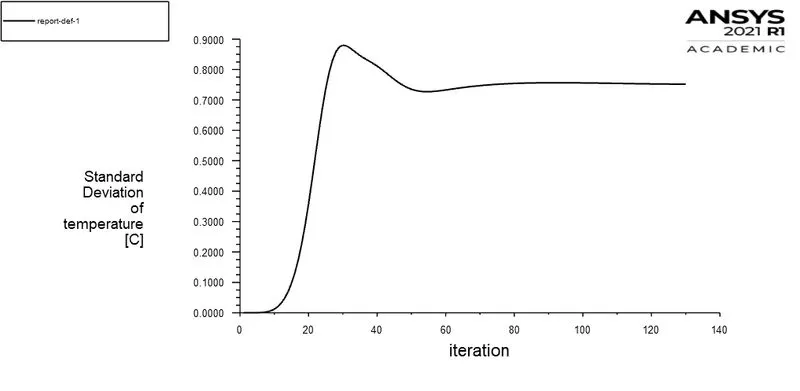
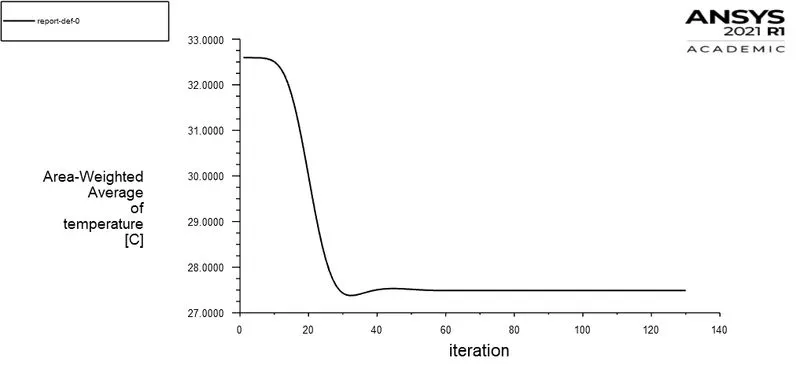
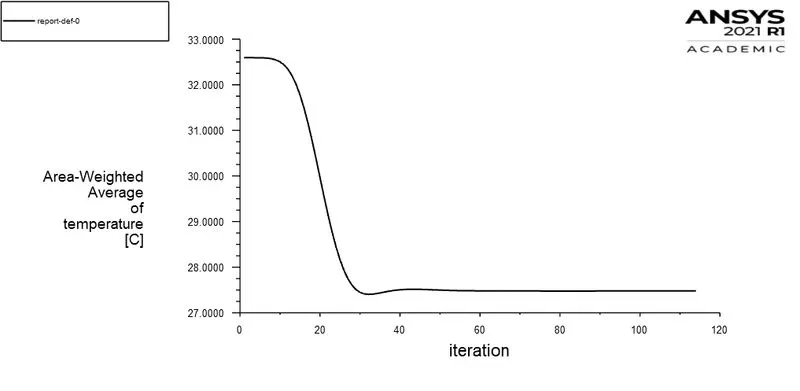
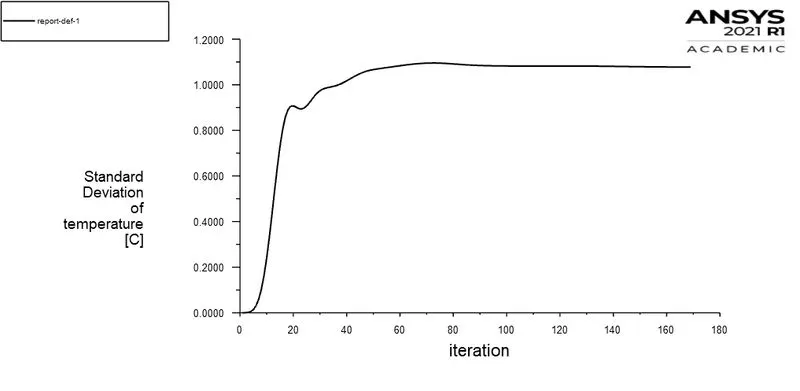
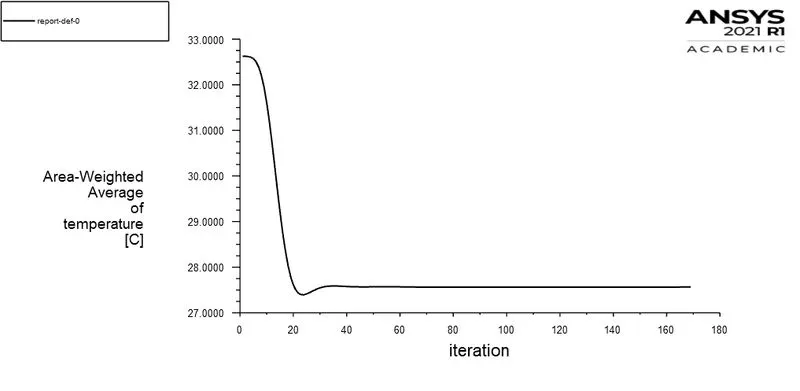
- In Reports in definetions go to Surface Reports and generate Report File and Report Plot of Area Weighted Average & Standerd Deviation of variable Temperature at outlet.
- In solving change the Number of Iterations (250) in our case.
- Click Initialize in Initialization.
- Then calcuate the results in Run Calculations.
- Save and close.
Step-4 (Results) :-
- Unselect inlet_x, inlet_y and outlet in Outline.
- Render the trancperacy for the wall and chanhe the color to white for better visibility.
- Insert a Plane.
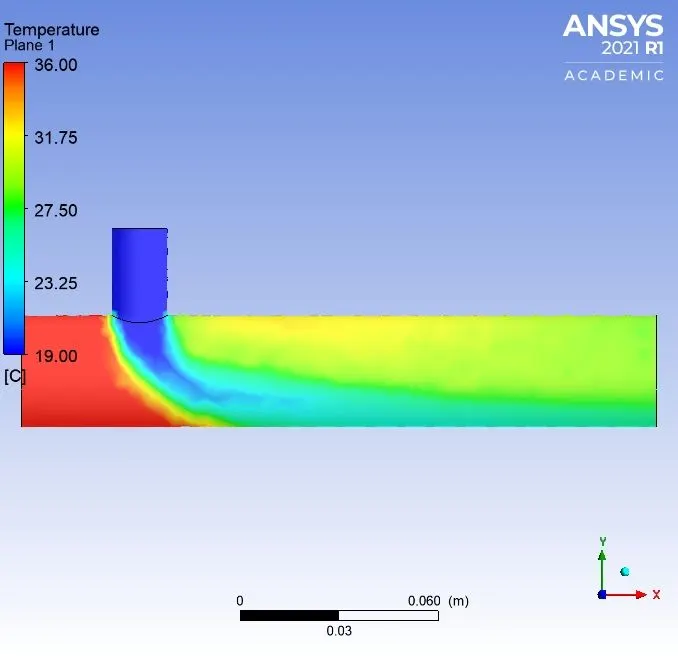
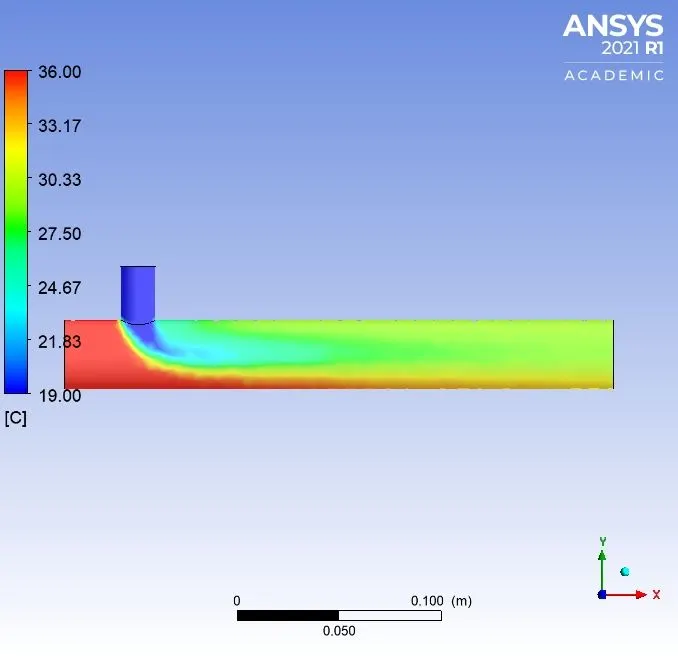
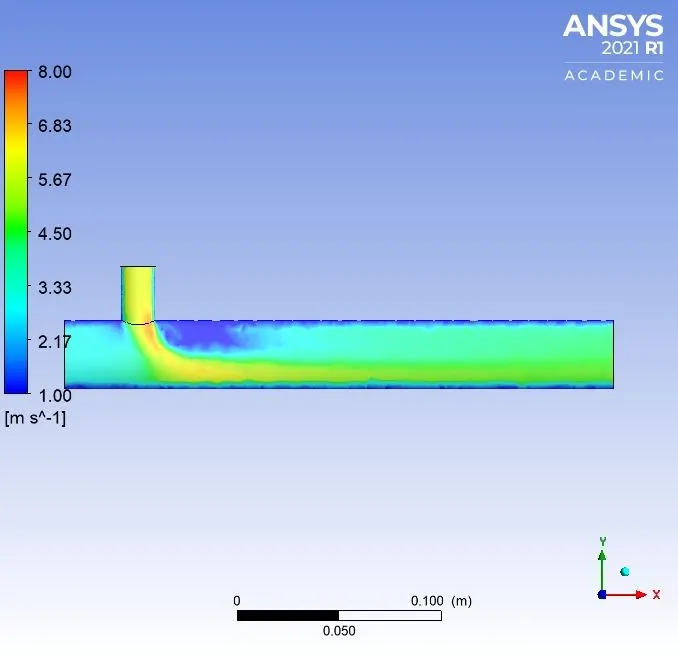
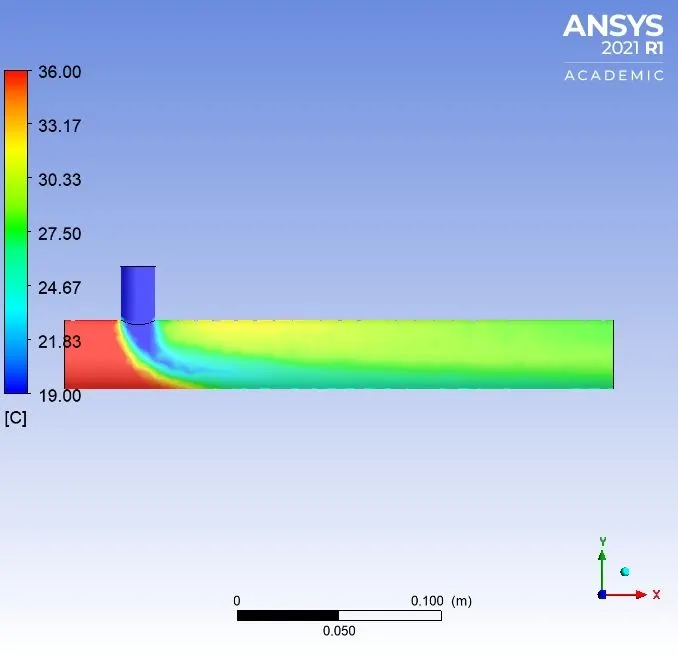
- In Plane go to Mode and change the variable between Temperature and Velocity and give their minimum and maximum conditions.
- Select Mesh lines if needed.
Simulation :-
CASE - 1
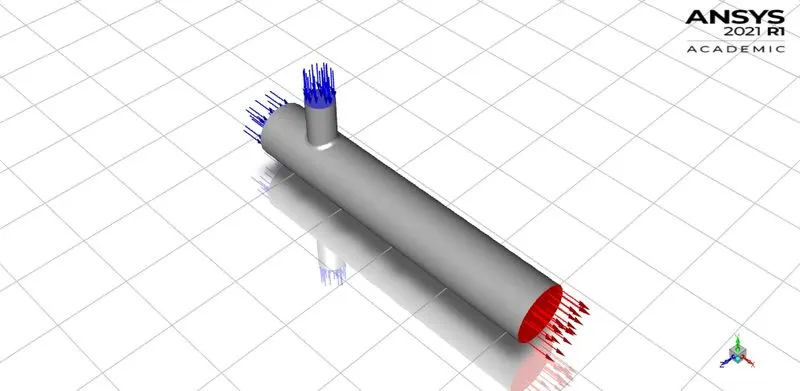
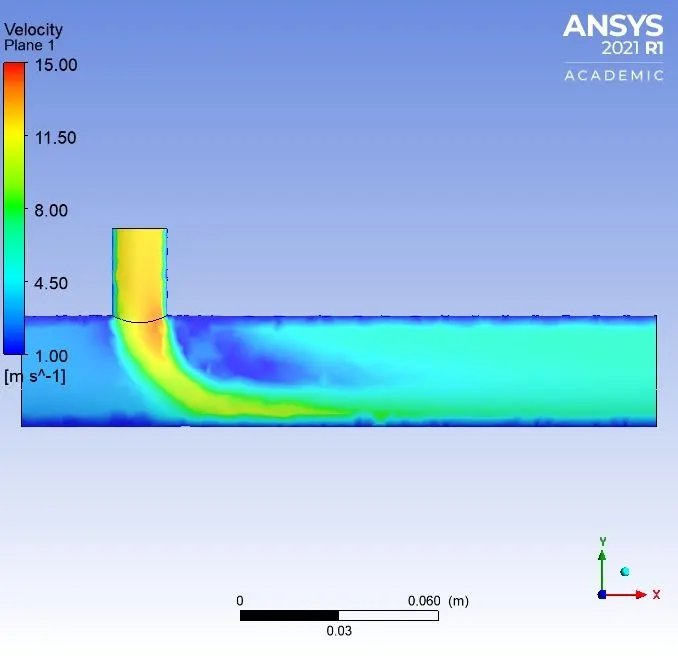
1) Short mixing tee - Momentum ratio of 2 - k-epsilon Realizeble
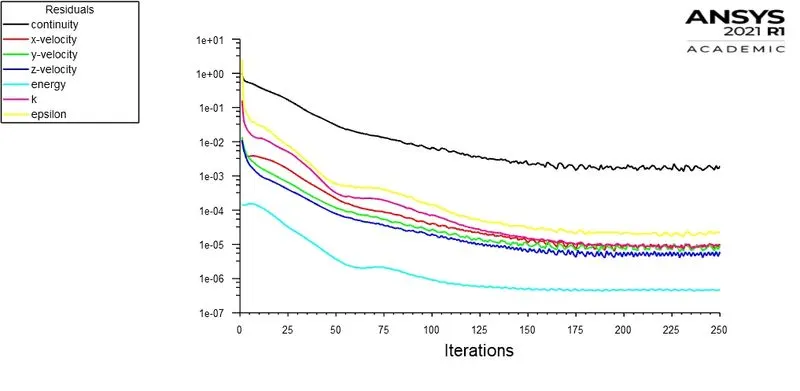
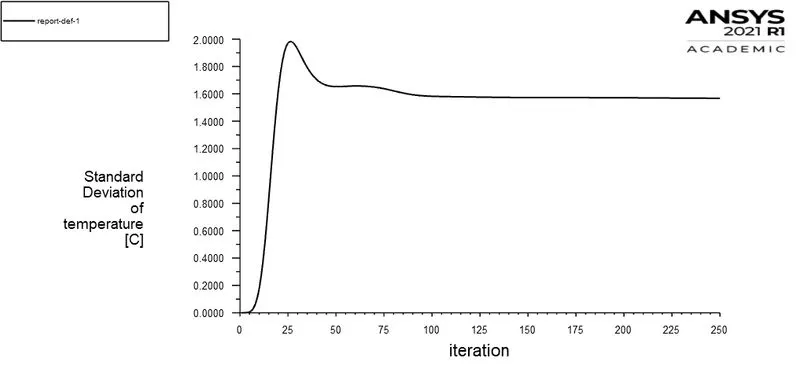
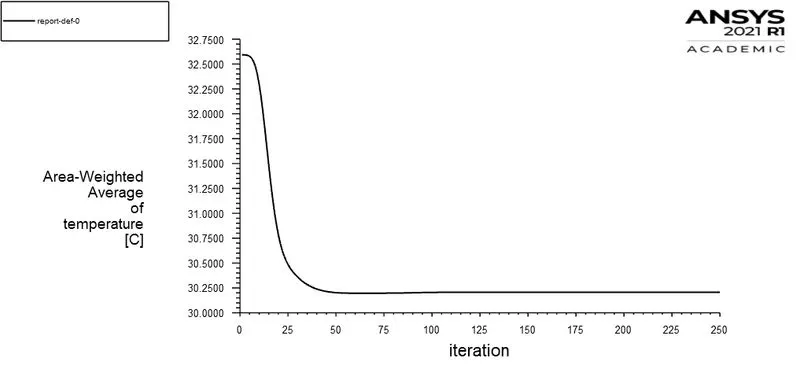
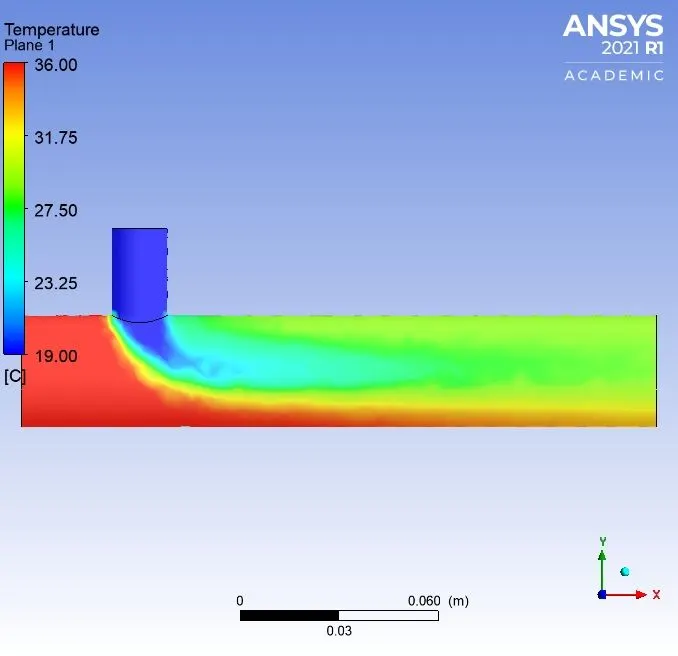
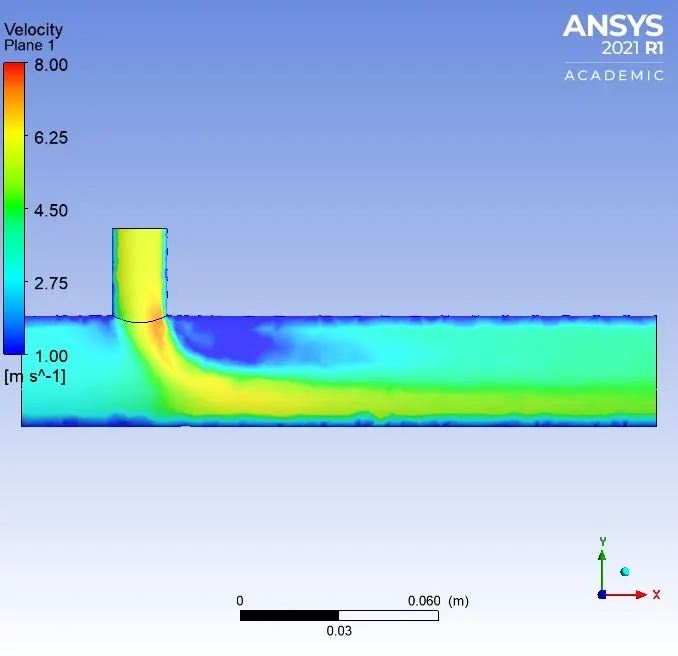
2) Short mixing tee - Momentum ratio of 4 - k-epsilon Realizeble
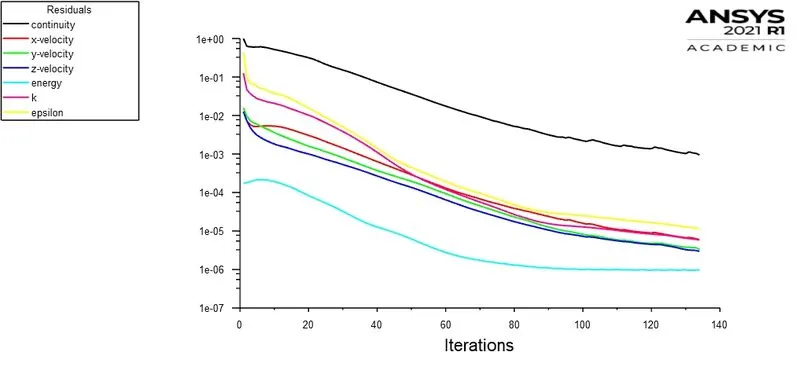
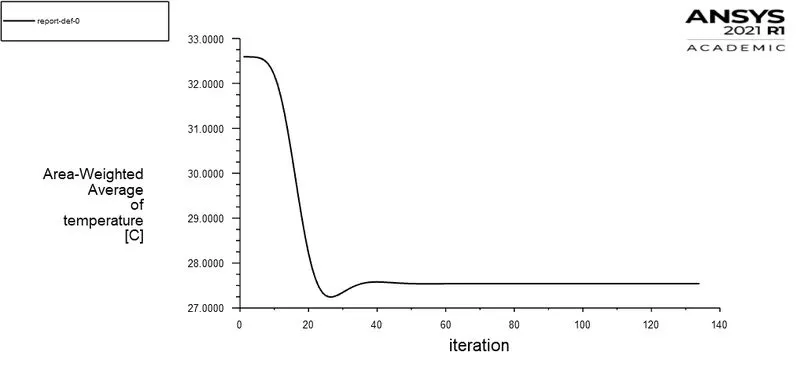
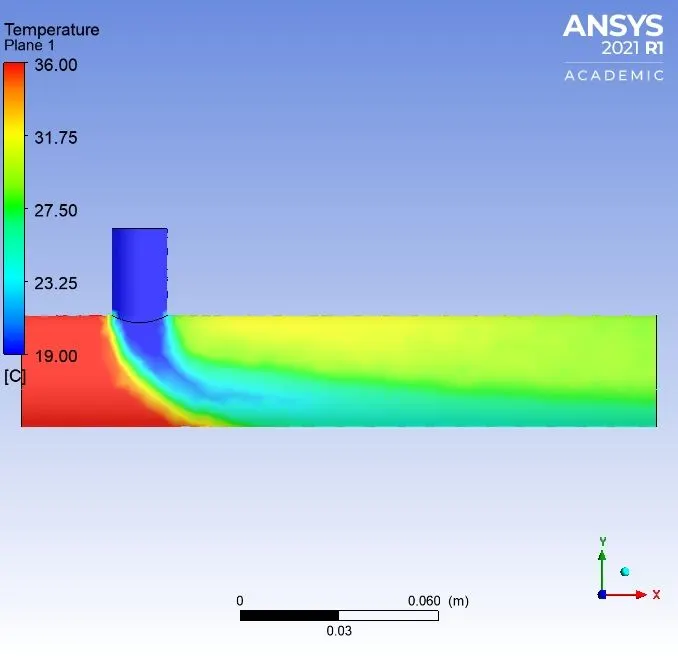
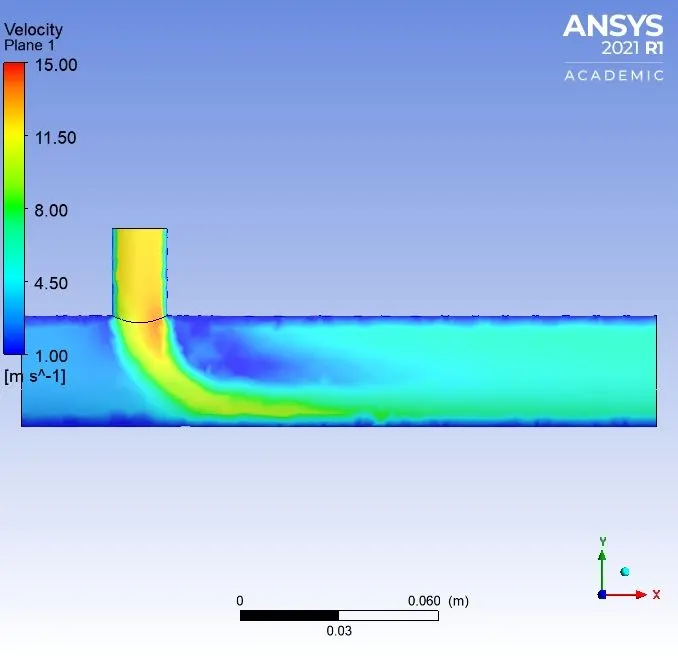
3) Short mixing tee - Momentum ratio of 2 - k-omega SST
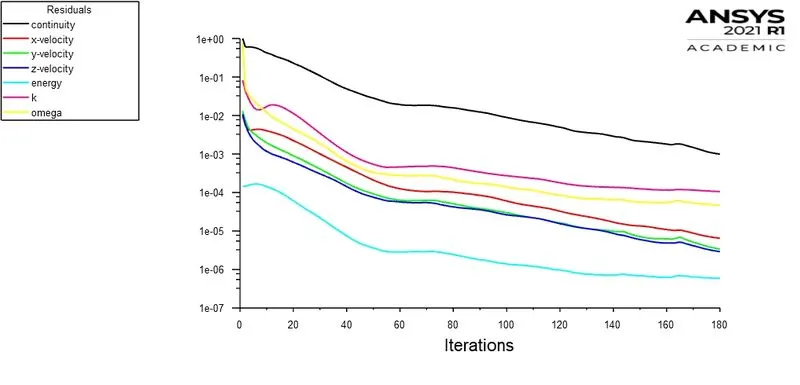
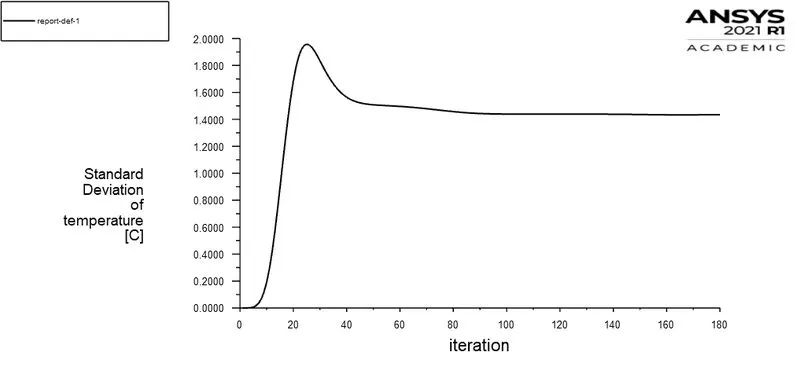
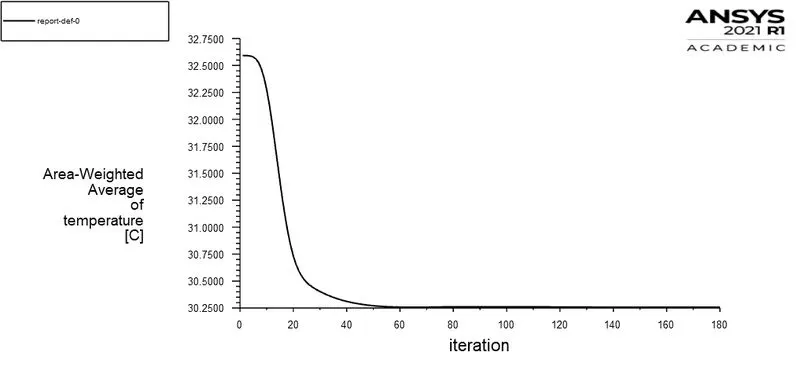
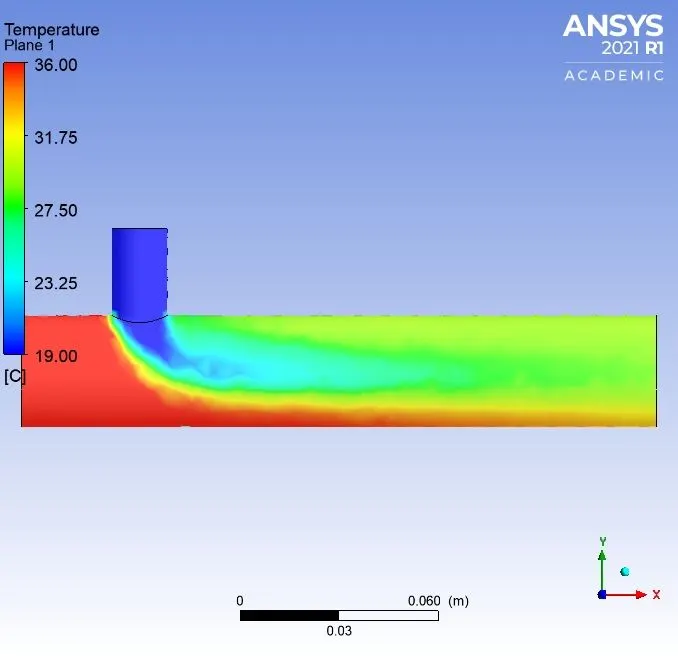
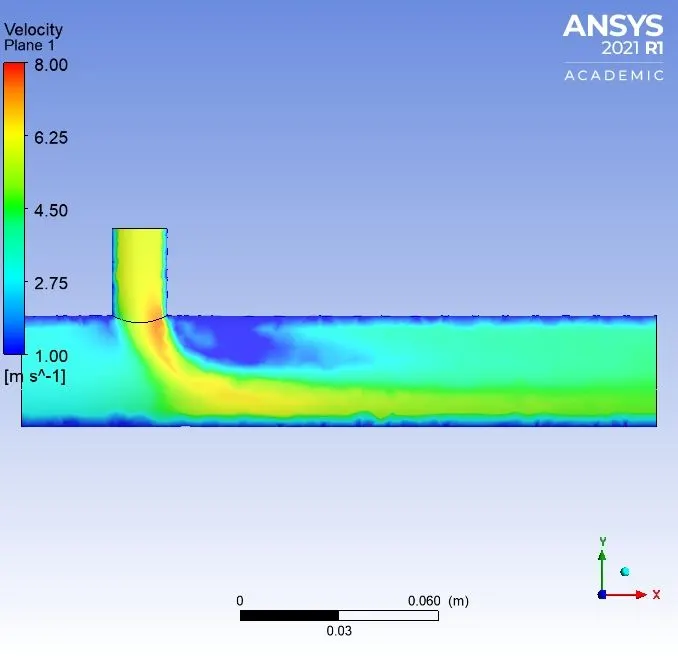
4) Short mixing tee - Momentum ratio of 4 - k-omega SST
CASE - 2
Long Mixing Tee
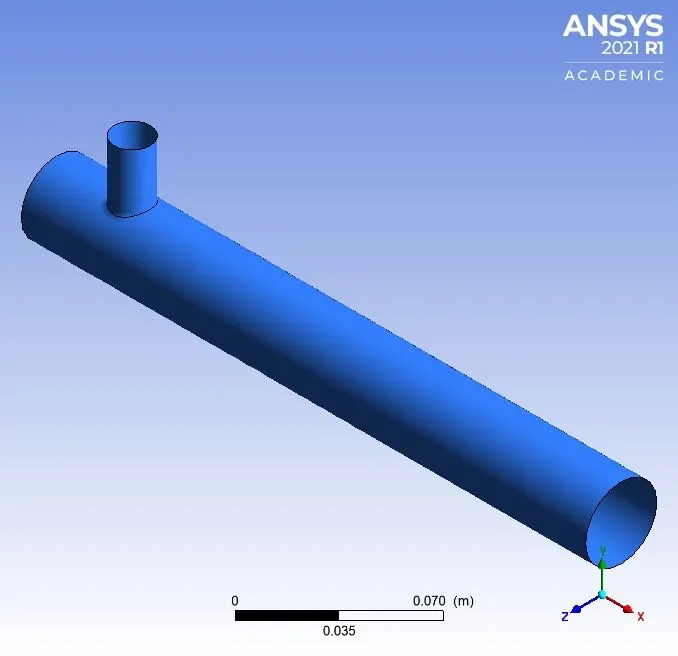
Mesh

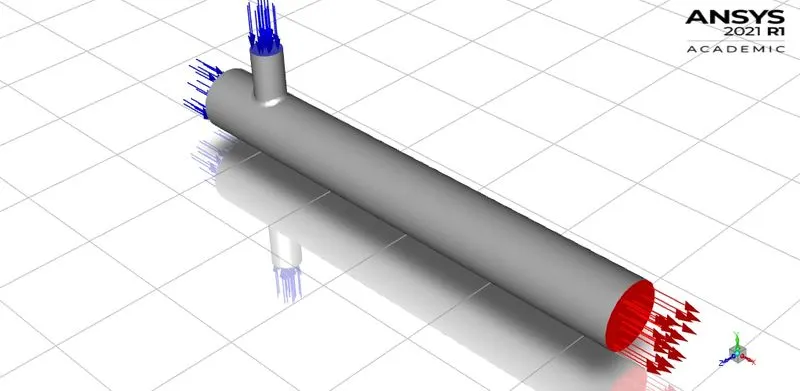
5) Long mixing tee - Momentum ratio of 2 - k-epsilon Realizeble
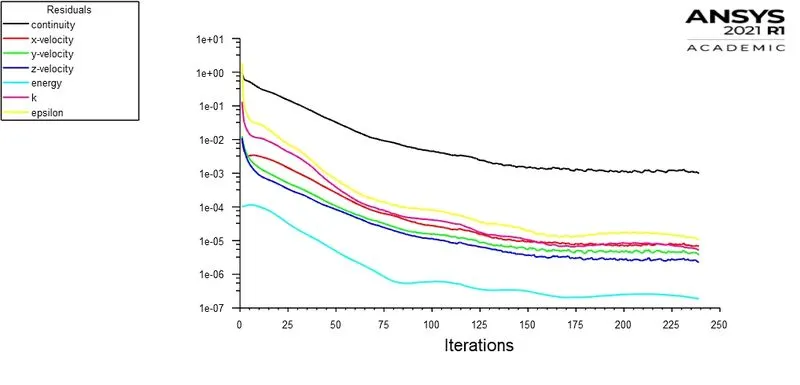
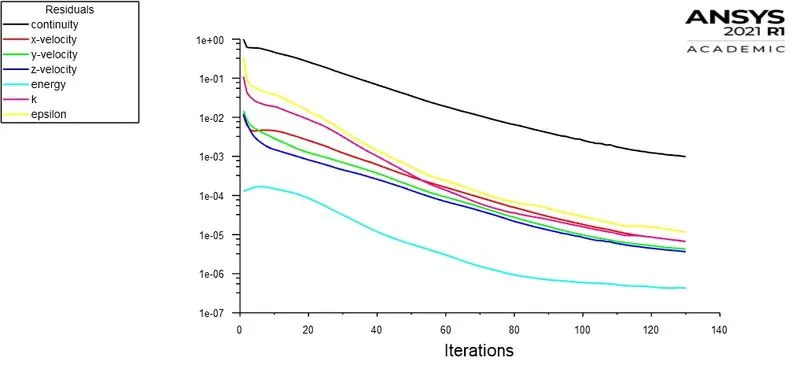
6) Long mixing tee - Momentum ratio of 4 - k-epsilon Realizeble
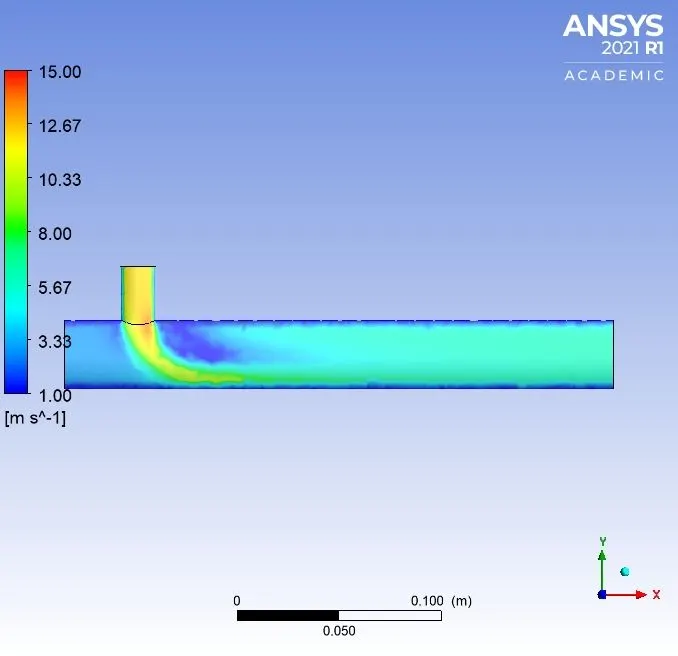
7) Long mixing tee - Momentum ratio of 2 - k-omega SST
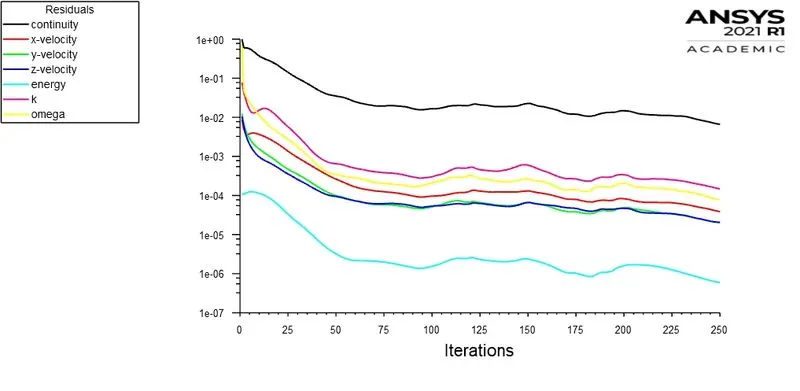
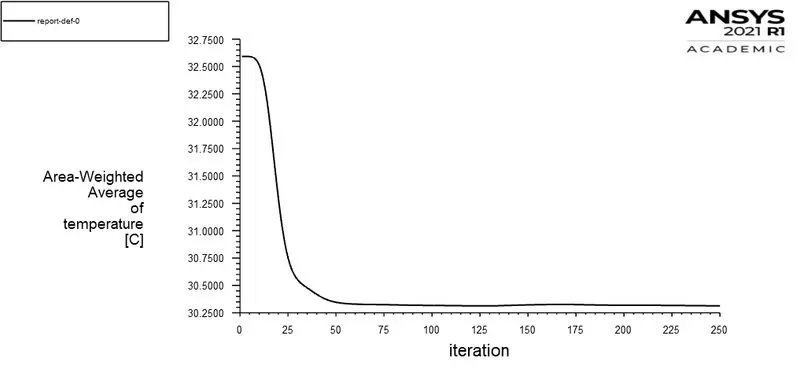
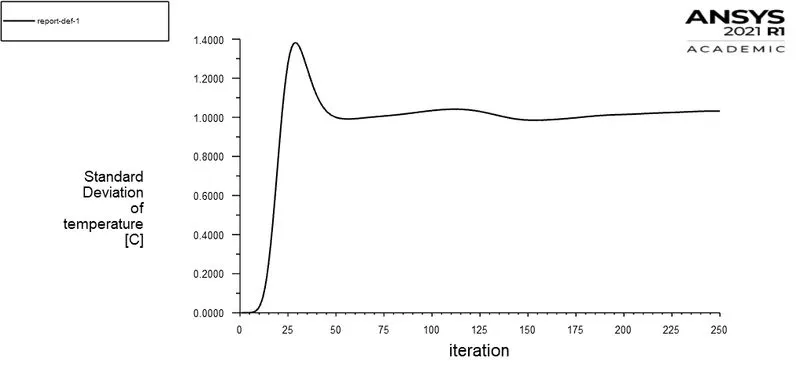
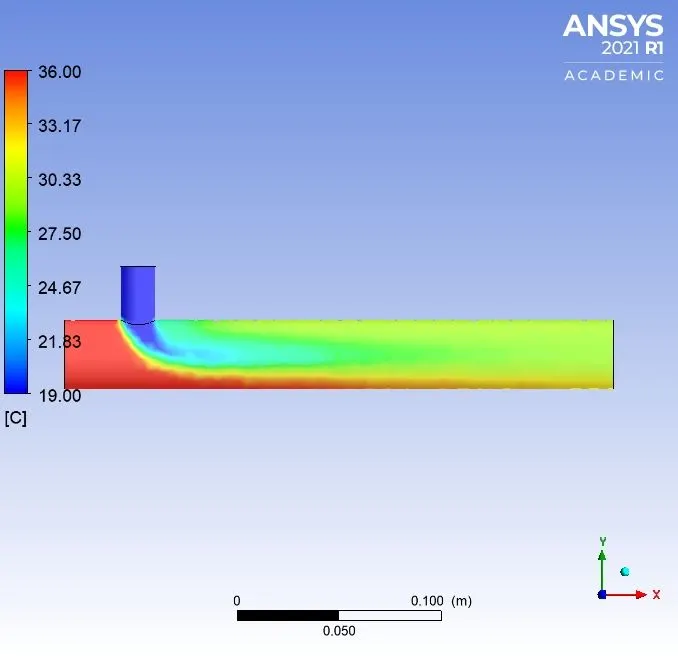
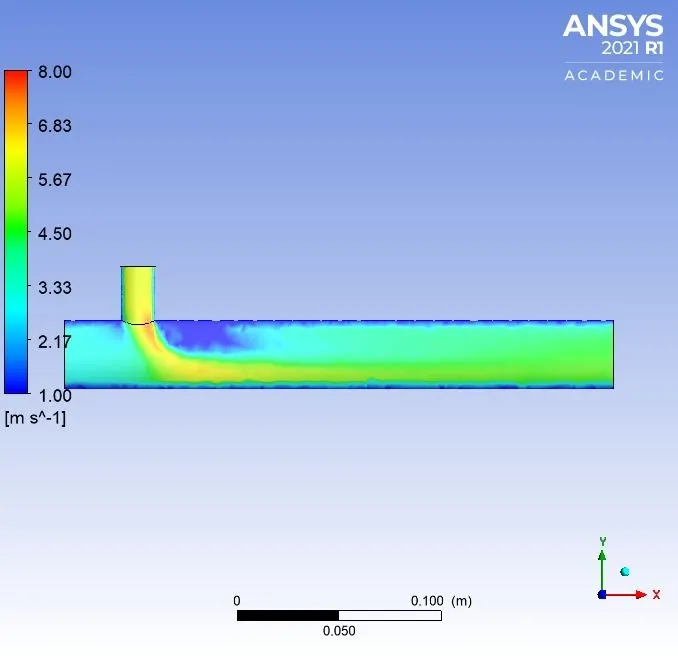
8) Long mixing tee - Momentum ratio of 4 - k-omega SST
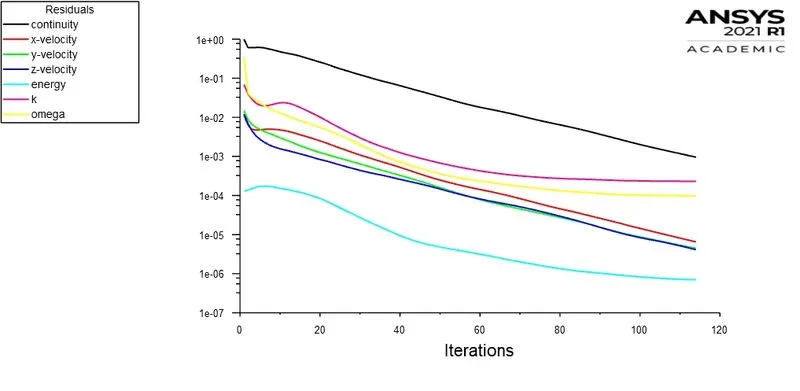
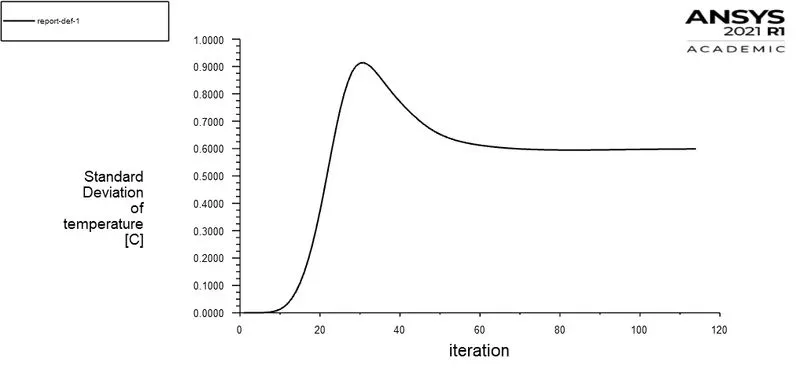
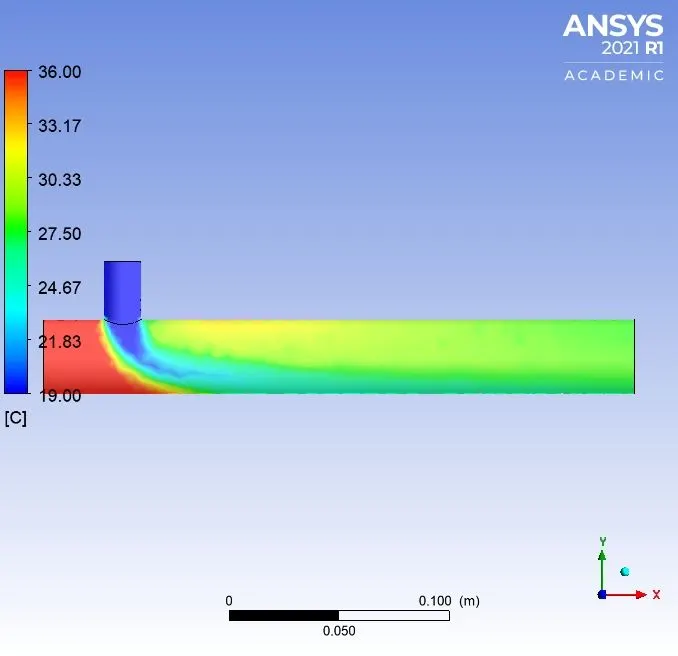
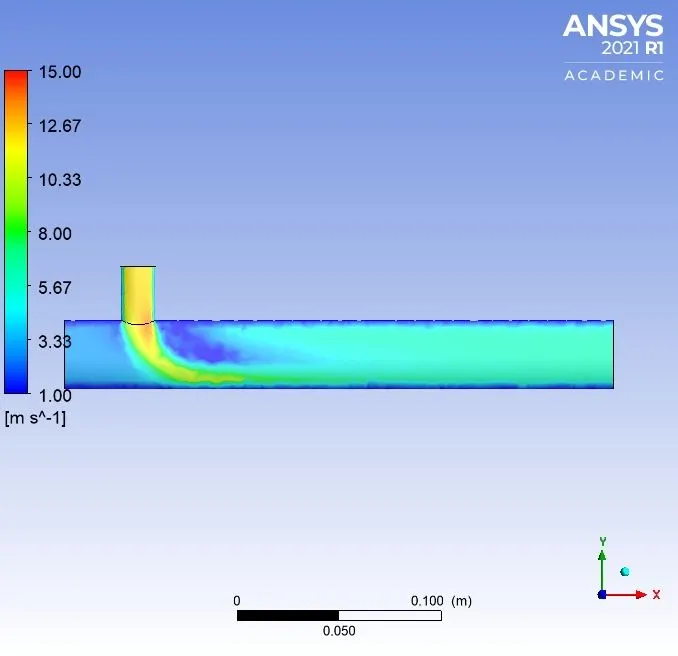
CASE - 3
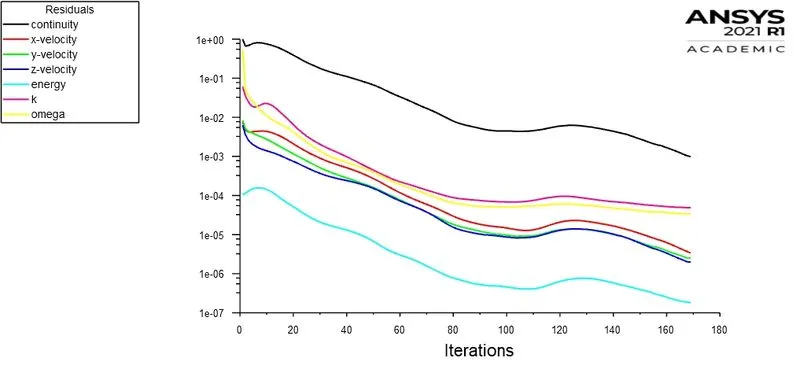
Mesh Study - 0.0025
For Short mixing tee - Momentum ratio of 4 - k-omega SST

Observation :-
Cell count :-
1) Short mixing tee - 12583
2) Long mixing tee - 15368
Short mixing tee Long mixing tee Mesh Study of short mixing tee
|
Average outlet temperature |
No. of iterations for convergence |
Average outlet temperature | No. of iterations for convergence | Average outlet temperature | No. of iterations for convergence | |
| Momentum ratio of 2 - k-epsilon Realizeble | 30.24 | 250 | 30.24 | 255 | - | - |
| Momentum ratio of 4 - k-epsilon Realizeble | 27.5 | 134 | 27.5 | 130 | - | - |
| Momentum ratio of 2 - k-omega SST | 30.25 | 180 | 30.24 | 250 | - | - |
| Momentum ratio of 4 - k-omega SST | 27.5 | 250 | 27.5 | 114 | 27.5 | 169 |
Conclusion :-
1) As we increase the velocity of the cold air inlet the temperature drops at outlet this is due to the higher velocity makes the mixing faster.
2) In Long mixing tee the air mixes more properly than short mixing tee. So long mixing tee is widly used.
3) k- epsilon model predicts well for far from the boundary walls and k- omega model predicts well for near boundary walls. k- epsilon is used for high Reynolds number while k- omega is used for low Reynolds number.
4) When we decrease the Mesh size it leads to more numarical accuracy for simulation. We get more detailed results for our simulation.