Week 1- Mixing Tee
Aim:
To simulate the flow of air through mixing tee and understand the effect of length of pipe and momentum ratio of velocity for mixing of air by using two different types of pipe i.e. short pipe and long pipe.
Description:
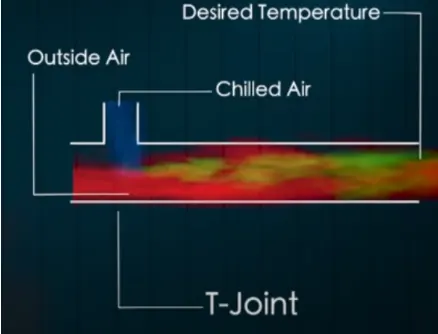
In industrial process engineering, mixing is a unit operation that involves the manipulation of a heterogeneous physical system with the intent to make it more homogeneous. Mixing is performed to allow heat and/or mass transfer to occur between one or more streams, components or phases. Modern industrial processing almost always involves some form of mixing. Mixing tee is a type of mixing mechanism. Mixing tee’s utilizes a specifically engineered internal geometry to efficiently mix two fluid streams into one combined stream. Mixing tees are widely used in the petrochemical, HVAC industry etc. in which two fluid streams with different physical and/or chemical properties mix together.
Case 1:
Short mixing tee with a hot inlet velocity of 3m/s.
Momentum ratio of 2 & 4.
Case 2:
Long mixing tee with a hot inlet velocity of 3m/s.
Momentum ratio of 2 & 4.
Cold inlet velocity will be calculated by the following formula
Momentum ratio = Velocity at cold inlet/ Velocity at hot inlet
By using the above formula the velocity at cold inlet in,
Case 1 – for Momentum ratio =2
velocity at cold inlet = 3*2 = 6m/s
Case 1 – for Momentum ratio =4
velocity at cold inlet = 3*4 = 12 m/s
Case 2 – for Momentum ratio =2
velocity at cold inlet = 3*2 = 6m/s
Case 2 – for Momentum ratio =4
velocity at cold inlet = 3*4 = 12 m/s
Procedure:
- Open Ansys workbench and drag the Fluid Flow(Fluent) to main window.

- Click on geometry to import the geometry file.
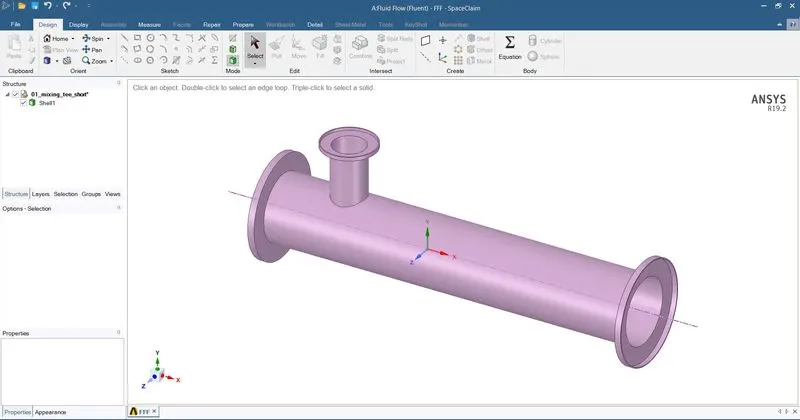
- Select the edges of the surface which the fluid flow takes place by using Volume Ectract option in geometry window.
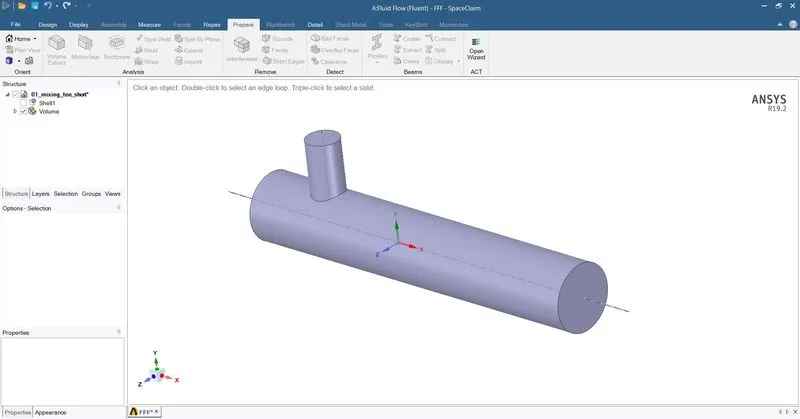
- Then update geometry in main window. After that click mesh.
- Select the faces by using selecting face option then name the faces like “Inlet-x, Inlet-y, Outlet, Walls”.
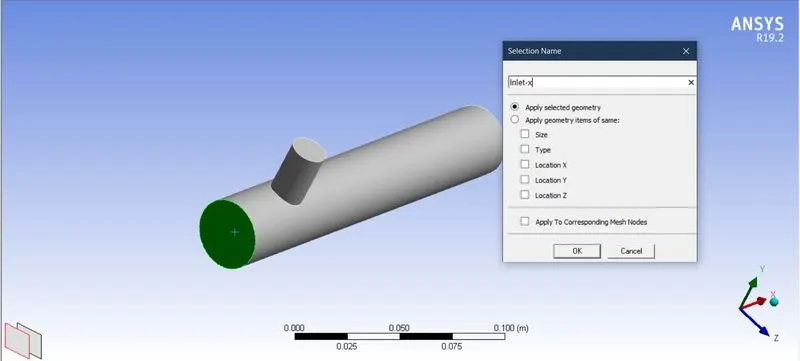
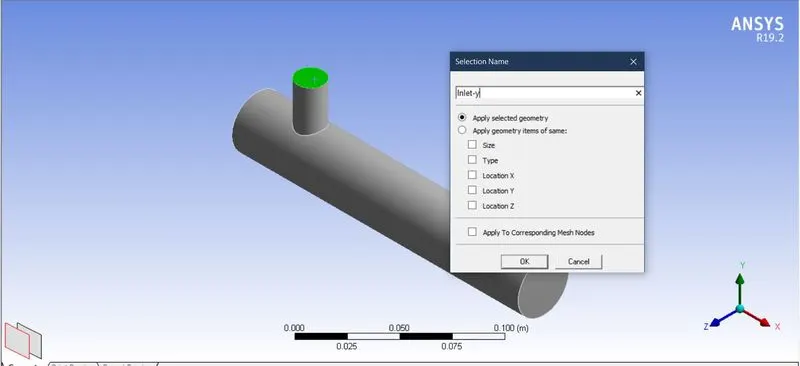
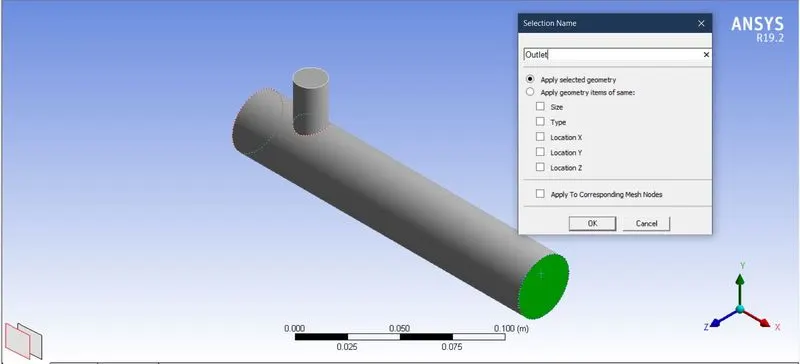
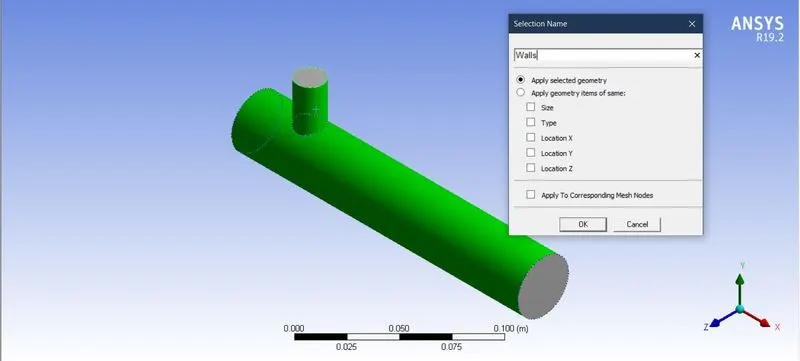
- Then go to the mesh enter the mesh size as 0.002. After that generate the mesh. Check the quality of mesh that doesn’t goes less than 5%. Then update the mesh in main window.
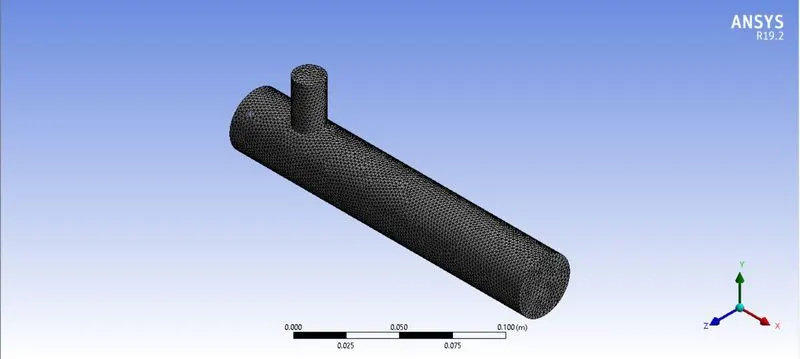
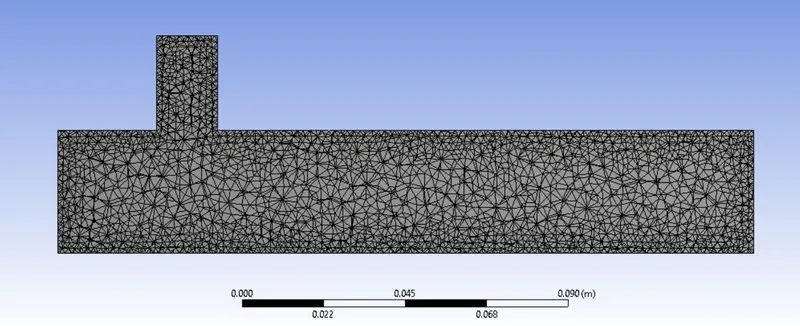

- After that go to the setup for setting up and solving the problem. After loading the geometry in graphics window change the appropriate units. Then check the mesh.
- Select k-epsilon Realizable model to solve. Then select the material as air. After that enter the boundary condition such as inlet velocity, temperature and pressure. Then initialize the solution and enter the no. of iteration then click calculate to run the simulation.
- Update the solution in main window then go to results for the post processing.
- Create a xy plane to get the appropriate results.
- Repeat the same procedure for both case.
Analytical Solution:
Momentum Ratio =2
- Mass of hot fluid (mh) = rho*a*vh =997*0.0009*3 = 2.699kg/s
- Mass of cold fluid (mc) = rho*a*vc =997*0.0009*6 =1.35 kg/s
- Temperature mixture(Tmix)= (mh*Th + mc*Tc)/(mc+mh) =30°c
Momentum Ratio =4
- Mass of hot fluid (mh) = rho*a*vh =997*0.0009*3 = 2.699kg/s
- Mass of cold fluid (mc) = rho*a*vc =997*0.0009*12 =2.39 kg/s
- Temperature mixture(Tmix)= (mh*Th + mc*Tc)/(mc+mh) =27°c
Outputs:
Case-1: Short Tee
Momentum ratio=2
| Setup | k-epsilon | k-omega |
| Solver type | Pressure based | Pressure based |
| velocity Formulation | Absolute | Absolute |
| State | Steady | Steady |
| Viscous Model | Realizable k-epsilon with standard wall function | k-omega SST model |
| Material | Air | Air |
| Boundaries |
Inlet-x velocity = 3m/s Temperature = 36°c |
Inlet-x velocity = 3m/s Temperature = 36°c |
|
Inlet-y velocity = 6m/s Temperature = 19°c |
Inlet-y velocity = 6m/s Temperature = 19°c |
|
| Walls- Stationary Walls | Walls- Stationary Walls |
k-epsilon model:
Residual:
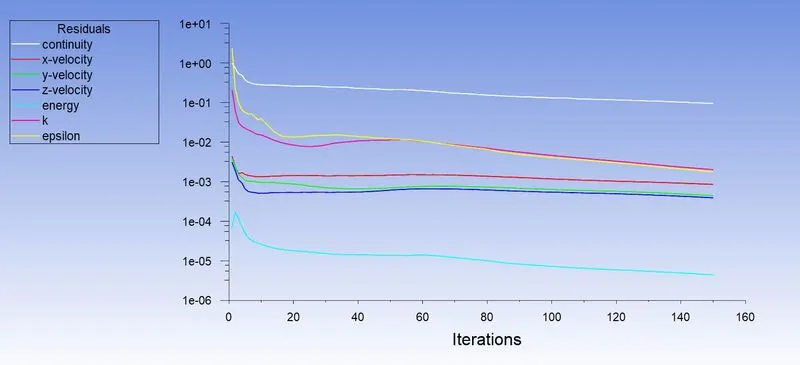
Standard Deviation:
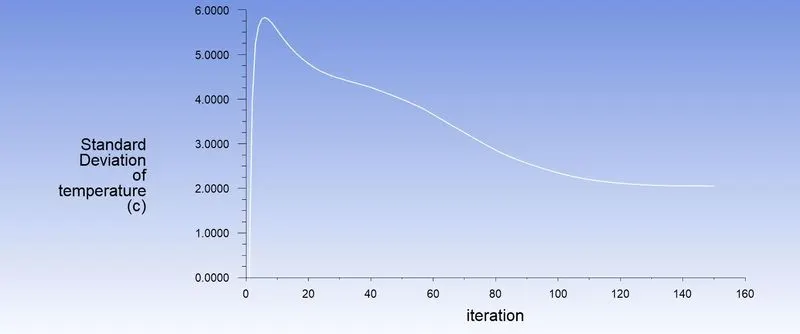
Temperature plot:
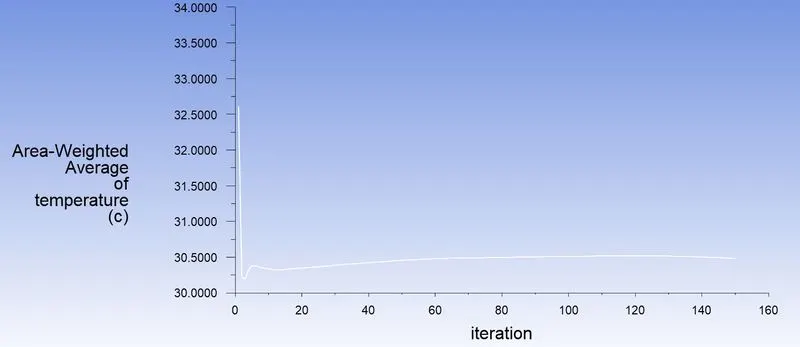
Velocity Plot:
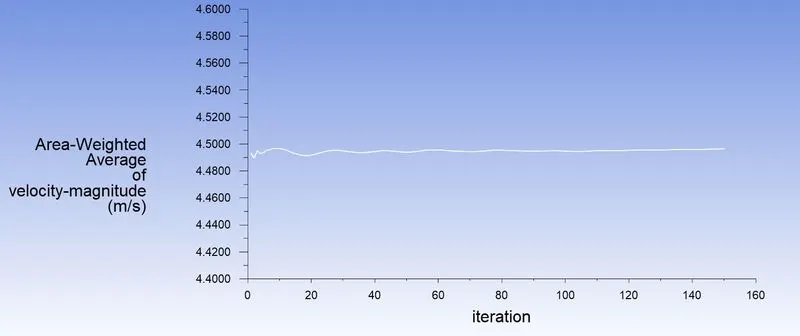
Temperature Distribution:
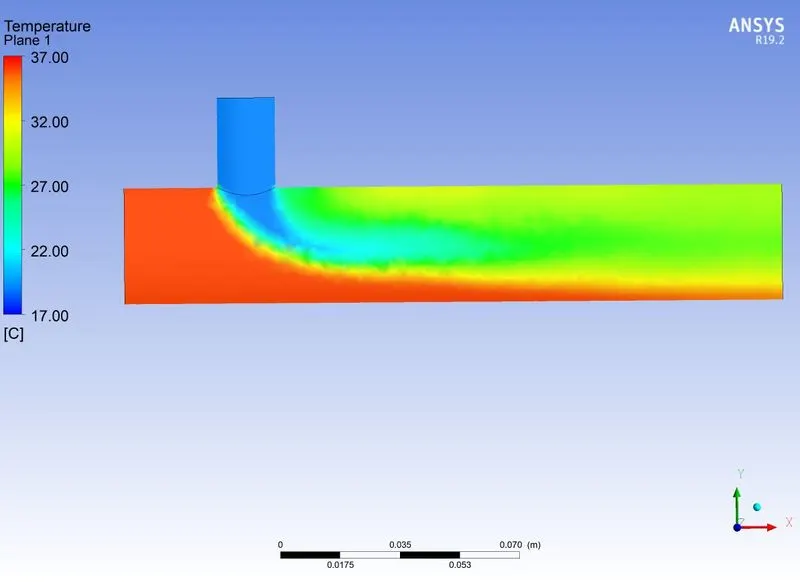
Velocity Distribution:
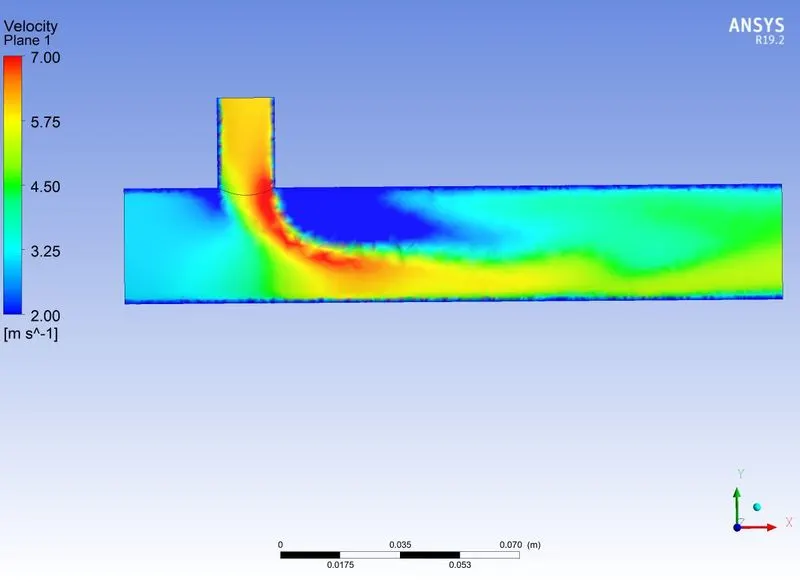
k-omega model:
Residual:
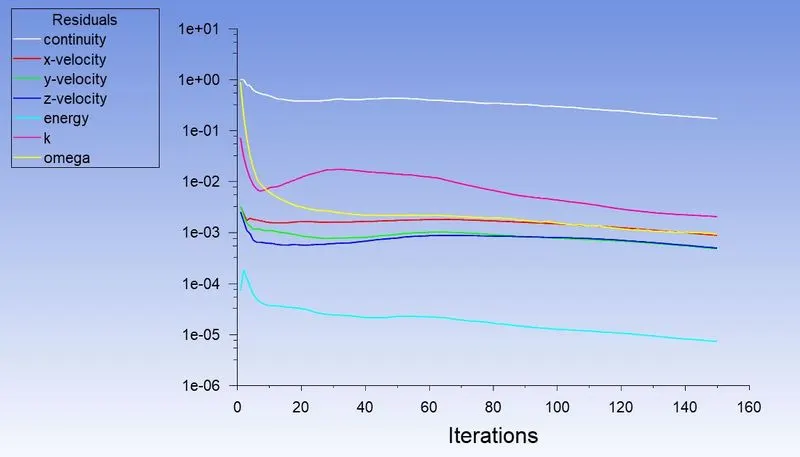
Standard Deviation:
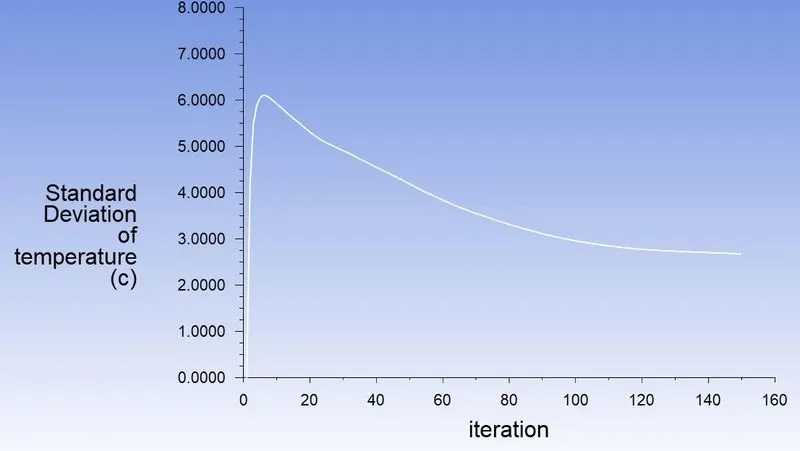
Temperature plot:
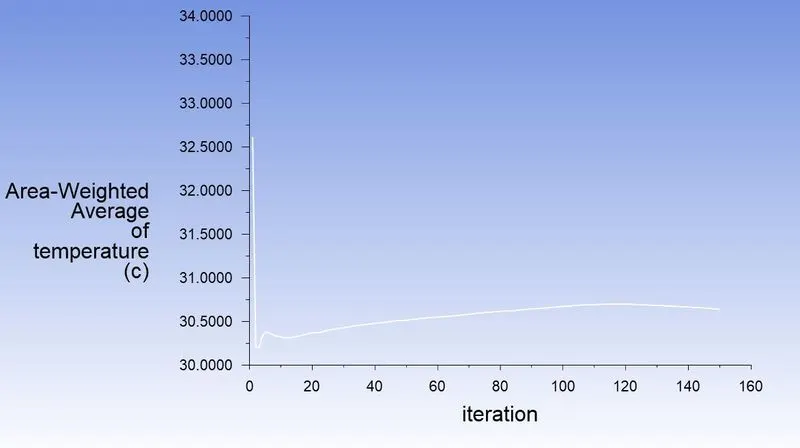
Velocity Plot:
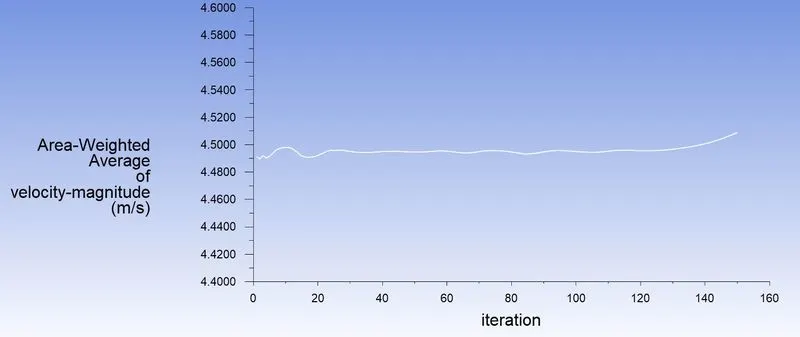
Temperature Distribution:
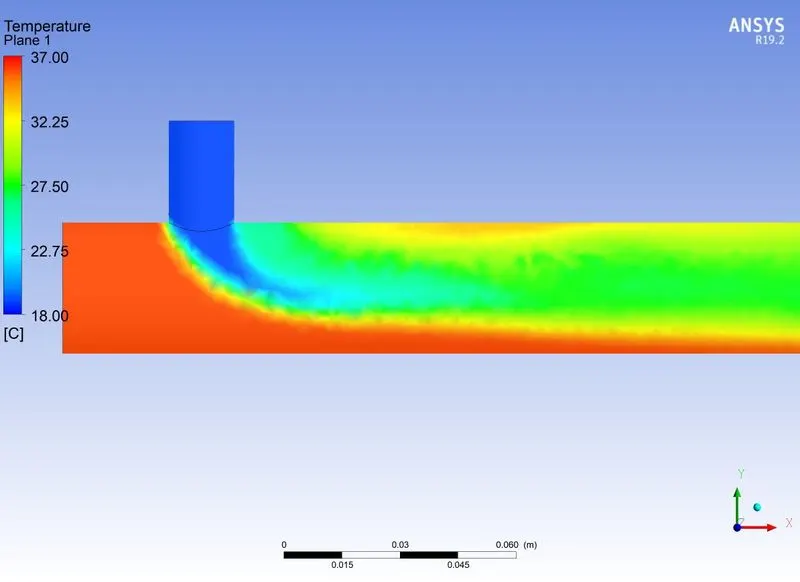
Velocity Distribution:
| K-Epsilon | K-Omega | |
| Average Outlet Temperature | 30.25°c | 30.5°c |
| Standard Deviation | 2.2 | 3 |
- Simulation time and the Standard deviation in k-epsilon is less when compare to k-omega model.
- So select the k-epsilon model for the further cases.
Case-1:Short Tee
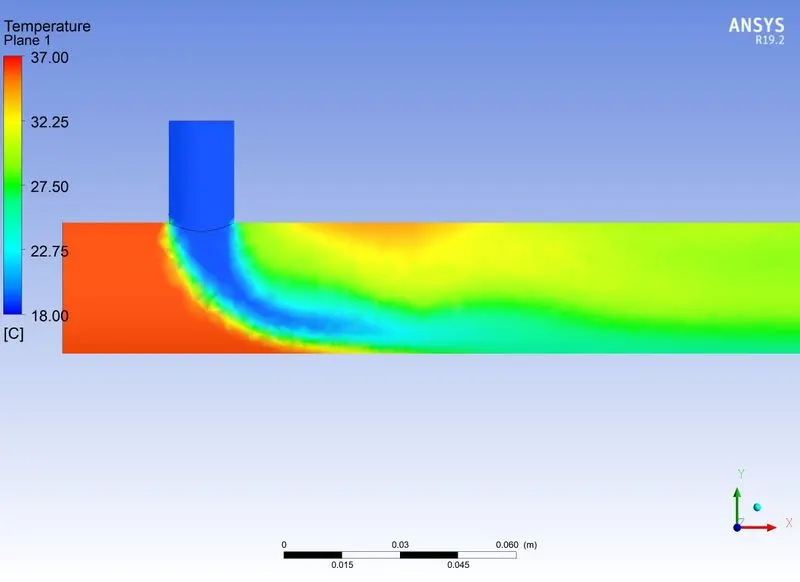
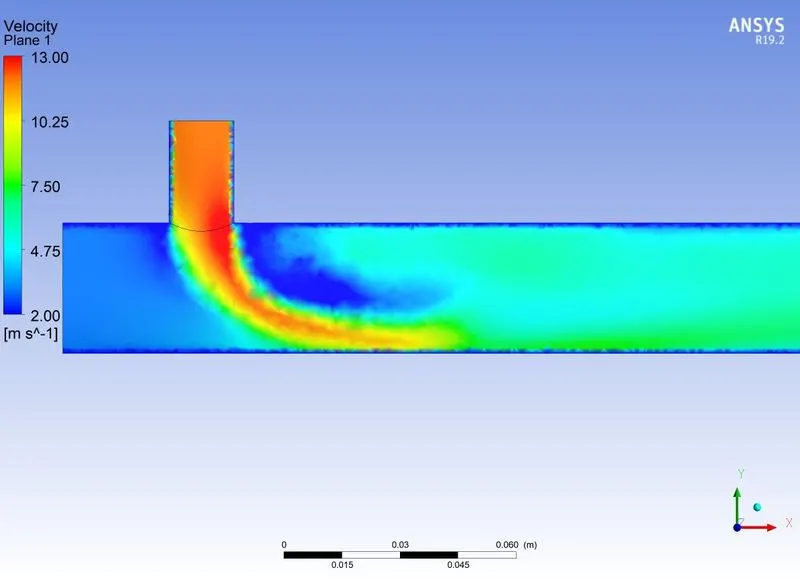
Momentum ratio=4
| Setup | Short Tee |
| Solver type | Pressure based |
| velocity Formulation | Absolute |
| State | Steady |
| Viscous Model | Realizable k-epsilon with standard wall function |
| Material | Air |
| Boundaries |
Inlet-x velocity = 3m/s Temperature = 36°c |
|
Inlet-y velocity =12m/s Temperature = 19°c |
|
| Walls- Stationary Walls |
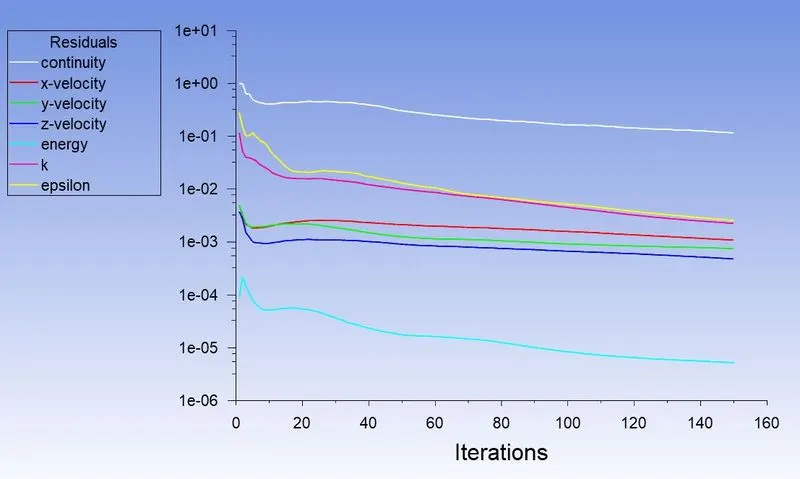
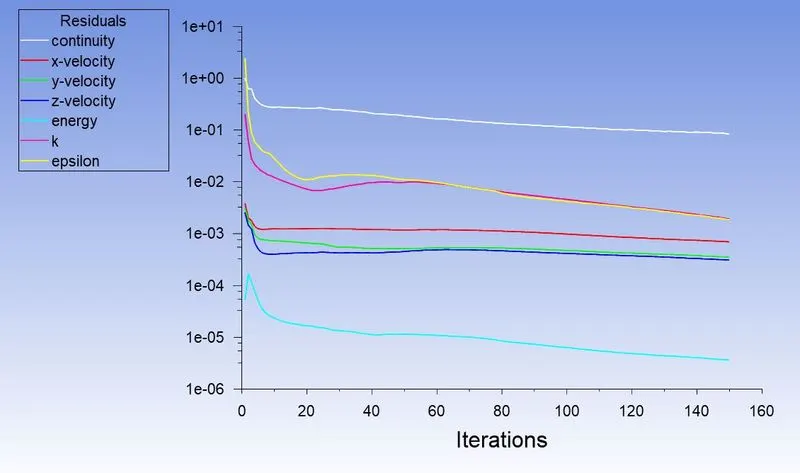
Residual:
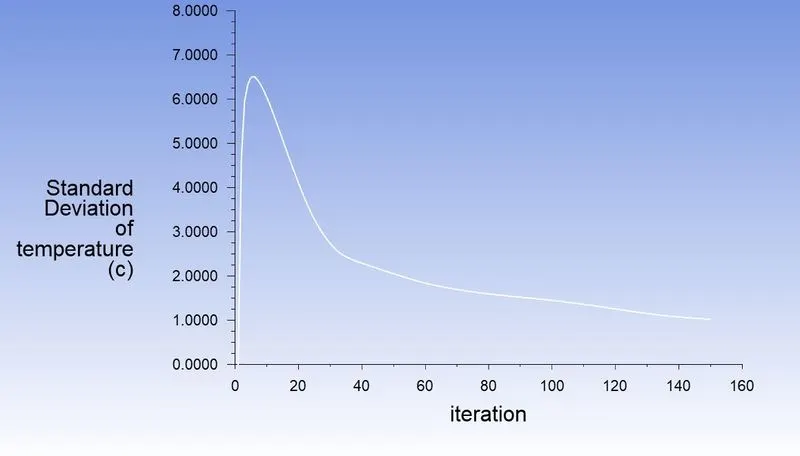
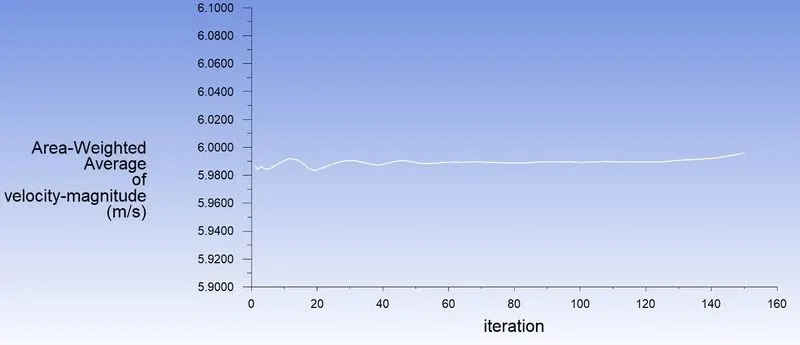
Standard Deviation:
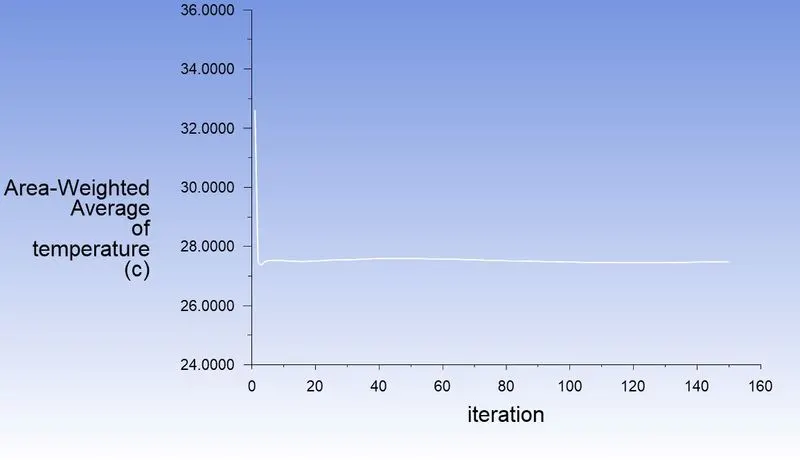
Temperature plot:
Velocity Plot:
Temperature Distribution:
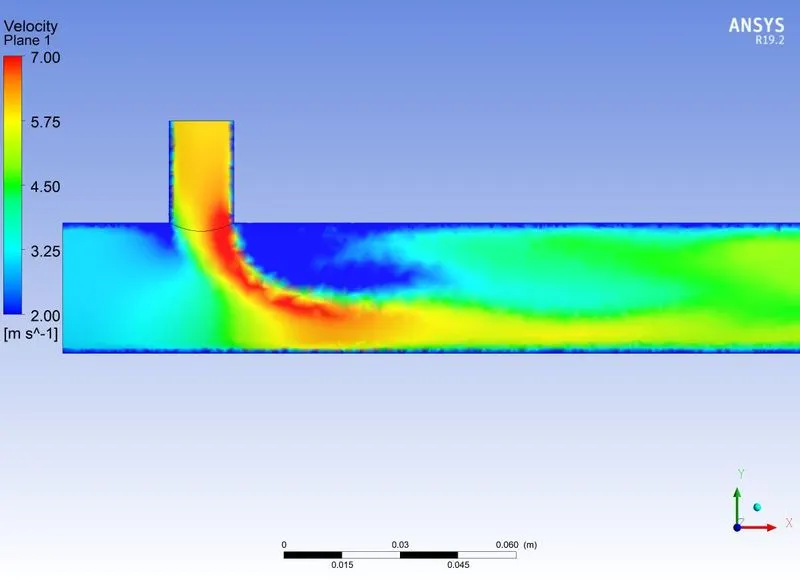
Velocity Distribution:
Case-2: Long Tee
Momentum ratio=2
| Setup | Long Tee |
| Solver type | Pressure based |
| velocity Formulation | Absolute |
| State | Steady |
| Viscous Model | Realizable k-epsilon with standard wall function |
| Material | Air |
| Boundaries |
Inlet-x velocity = 3m/s Temperature = 36°c |
|
Inlet-y velocity =6m/s Temperature = 19°c |
|
| Walls- Stationary Walls |
Residual:
Standard Deviation:
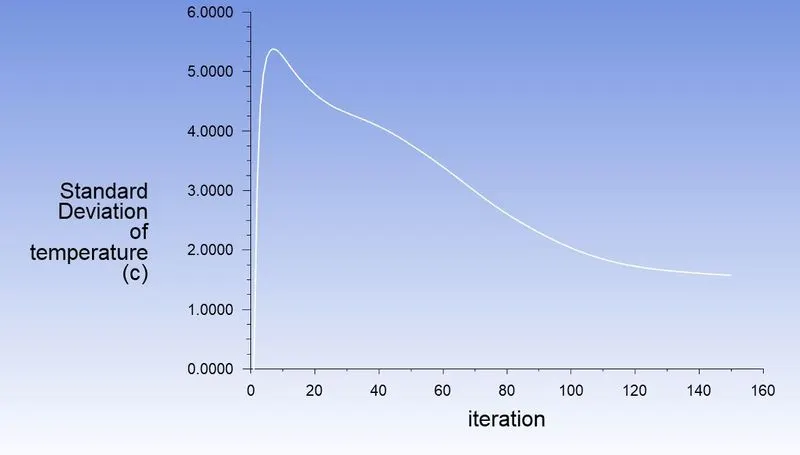
Temperature plot:
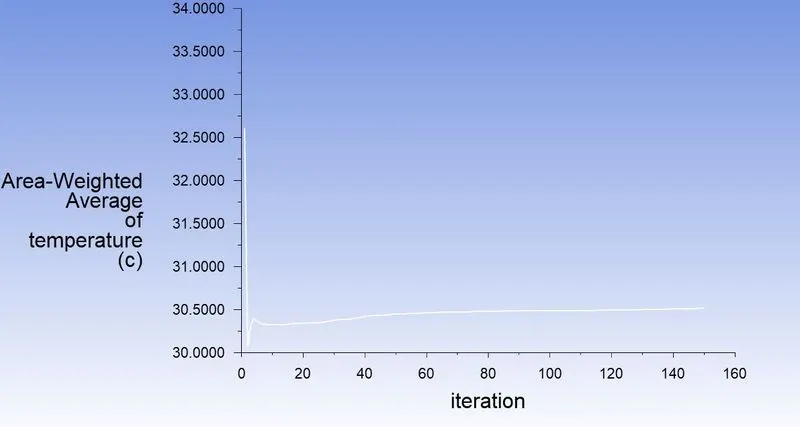
Velocity Plot:
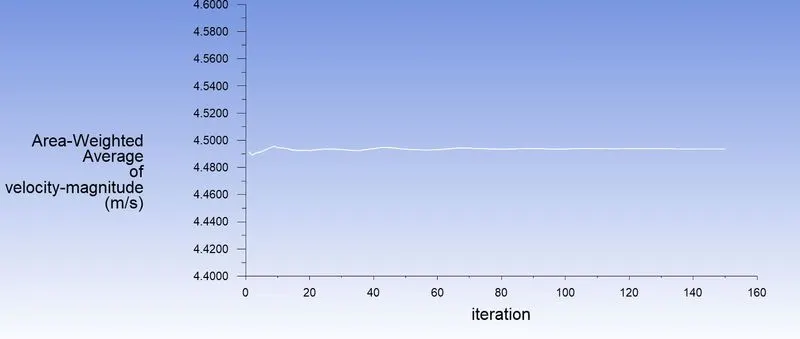
Temperature Distribution:
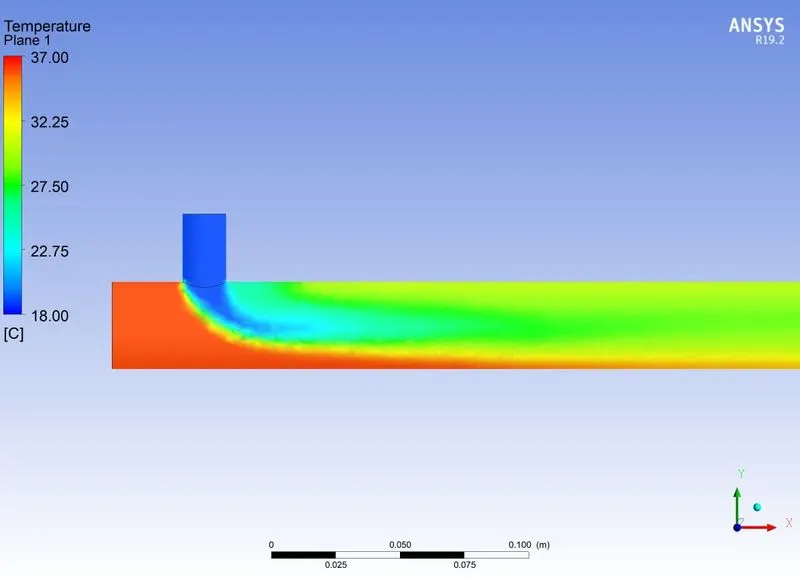
Velocity Distribution:
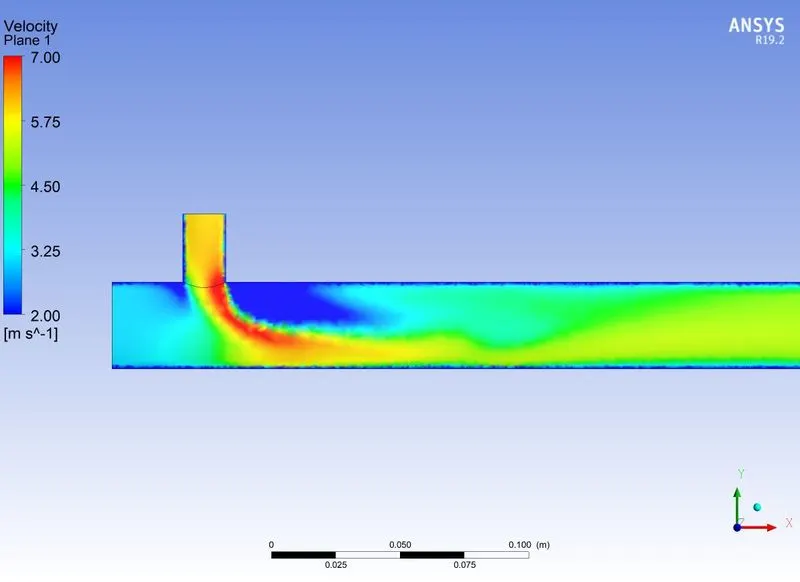
Case-2: Long Tee
Momentum ratio=4
| Setup | Long Tee |
| Solver type | Pressure based |
| velocity Formulation | Absolute |
| State | Steady |
| Viscous Model | Realizable k-epsilon with standard wall function |
| Material | Air |
| Boundaries |
Inlet-x velocity = 3m/s Temperature = 36°c |
|
Inlet-y velocity =12m/s Temperature = 19°c |
|
| Walls- Stationary Walls |
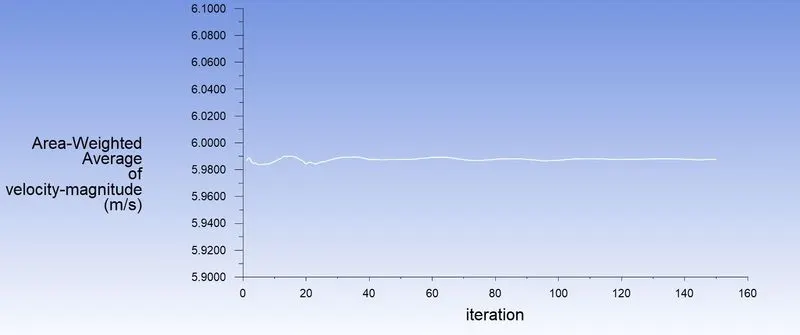
Residual:
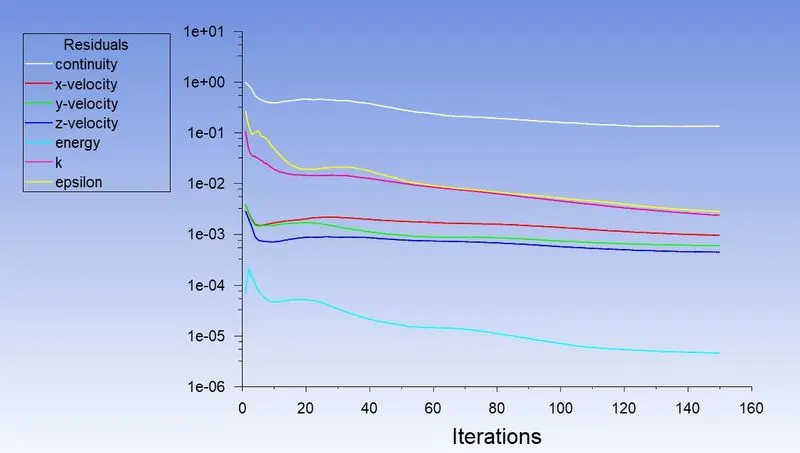
Standard Deviation:
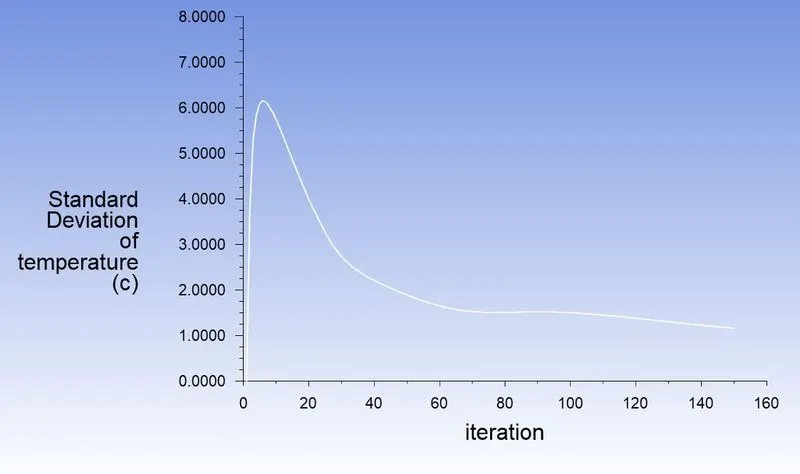
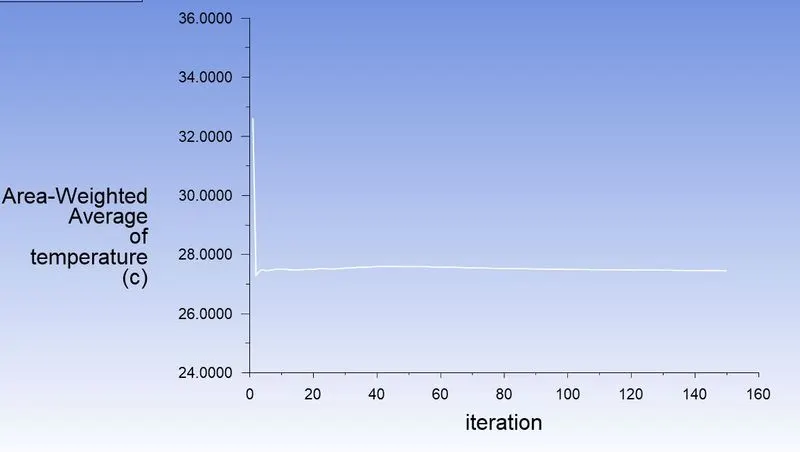
Temperature plot:
Velocity Plot:
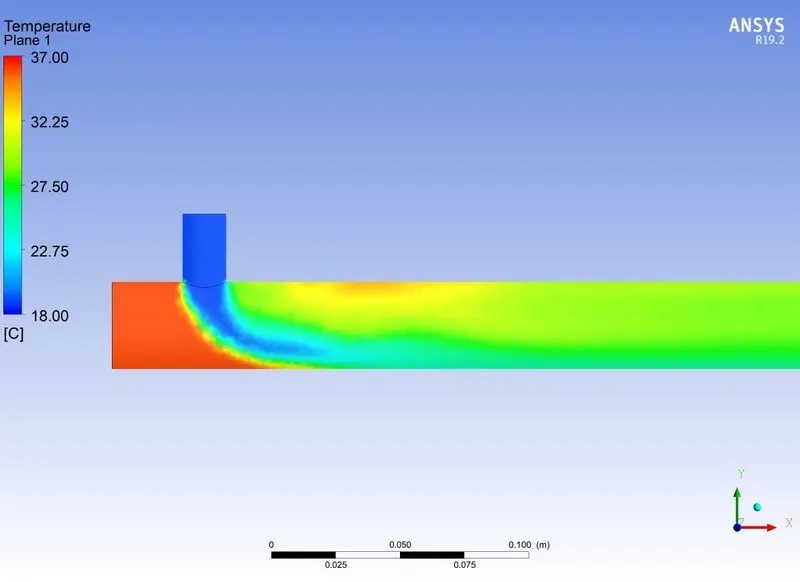
Temperature Distribution:
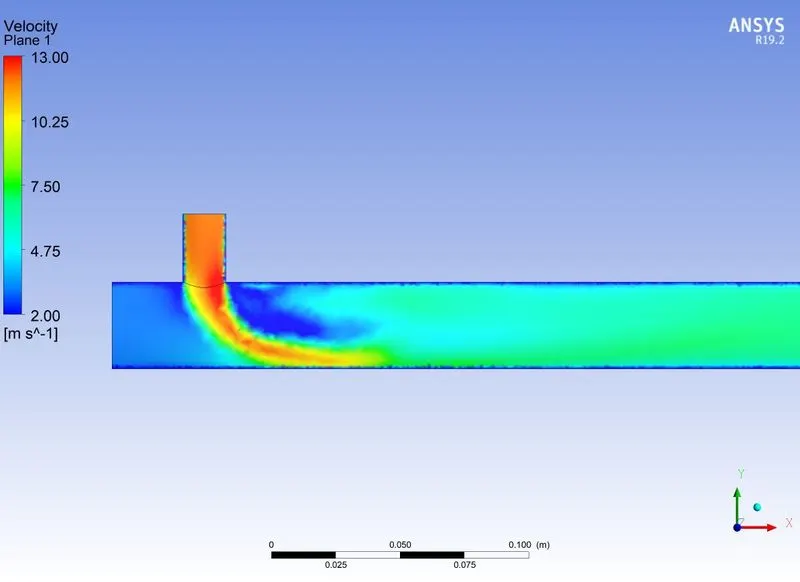
Velocity Distribution:
| Geometry | Momentum Ratio | Cell Counts | Average Outlet Temperture (°c) | Standard Deviation |
| Short Tee | 2 | 106916 | 30.25 | 2.2 |
| Short Tee | 4 | 106916 | 27 | 1.8 |
| Long Tee | 2 | 141714 | 30.3 | 1.8 |
| Long Tee | 4 | 141714 | 27.6 | 1.3 |
AVERAGE OUTLET TEMPERATURE:
Irrespective of length of the mixing Tee, the average outlet temperature on both cases are quite same.
MOMENTUM RATIO:
- As momentum ratio increases, the velocity of cold inlet fluid increases and due to high relative velocity between the fluid it experiences higher turbulence and therefore the outlet fluid temperature decreases.
- For momentum ratio 2, the average outlet fluid temperature is around 30 °c(for both case) whereas for momentum ratio 4 the average outlet fluid temperature is around 27°c(for both case). From these we can say that there will be a drop in temperature if momentum ratio increases.
- In order to obtain better mixing the velocity of cold air is important. By increasing the cold fluid velocity the outlet temperature gets reduced.
CONCLUSION:
- Higher the momentum ratio, higher will be the mixing efficiency of Tee joint.
- Increasing the length of the pipe doesn’t serve the purpose of mixing efficiently. So, it is efficient to use short pipe.