Week 1- Mixing Tee
AIM: set up steady-state simulations to compare the mixing effectiveness when hot inlet temperature is 360C & the Cold inlet is at 190C. by using the k-epsilon and k-omega SST model for the first case and based on my judgment use the more suitable model for further cases. Giving the reason for choosing a suitable model is compulsory.
OBJECIVE
1 Short mixing tee with a hot inlet velocity of 3m/s. Momentum ratio of 2, 4.
2 Long mixing tee with a hot inlet velocity of 3m/s. Momentum ratio of 2, 4.
- 3. In a table, compare the following values from the 2 cases.
- Cell count
- Average outlet temperature
- Number of iterations for convergence
4
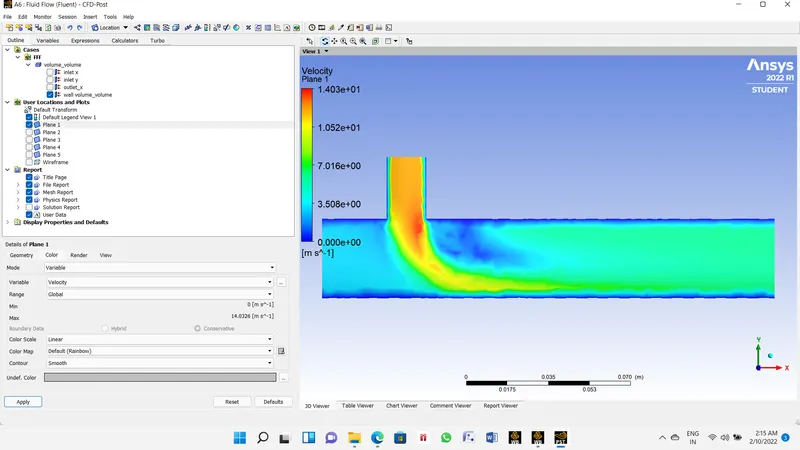
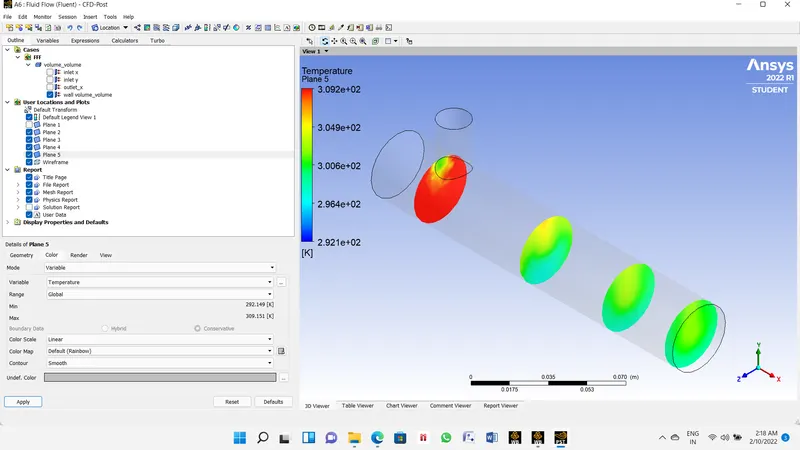
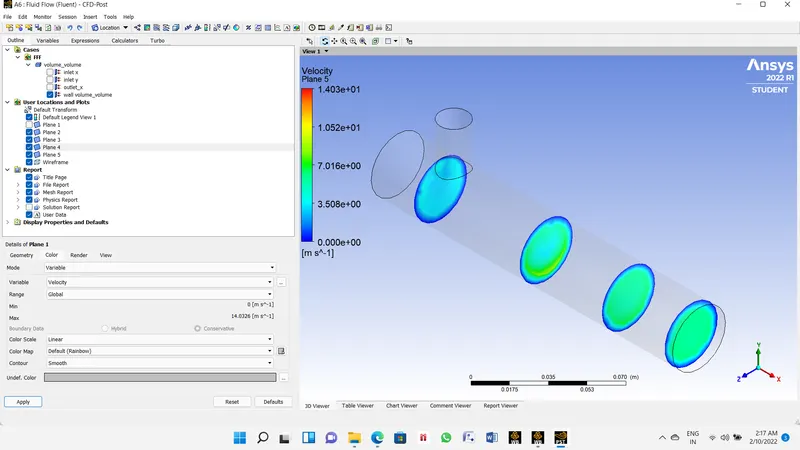
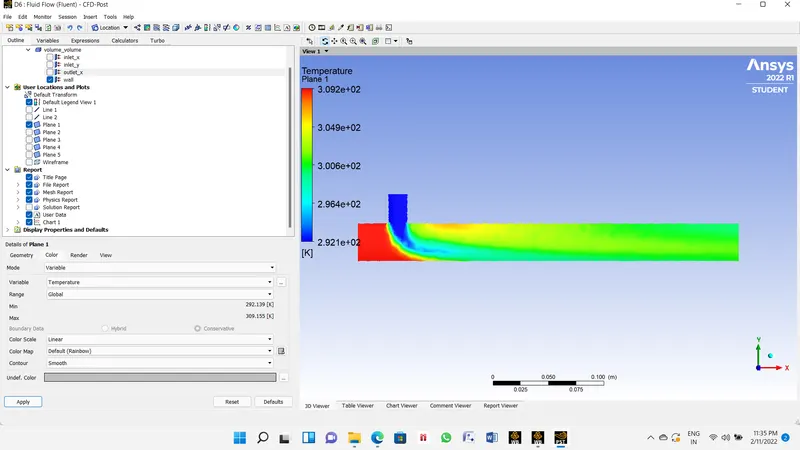
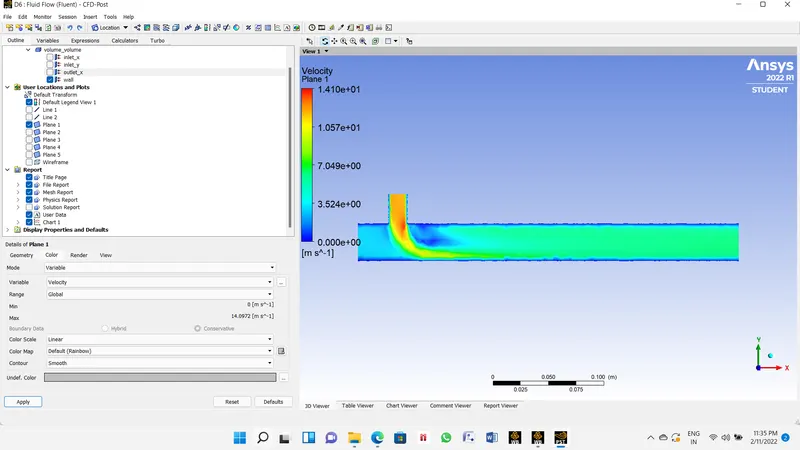
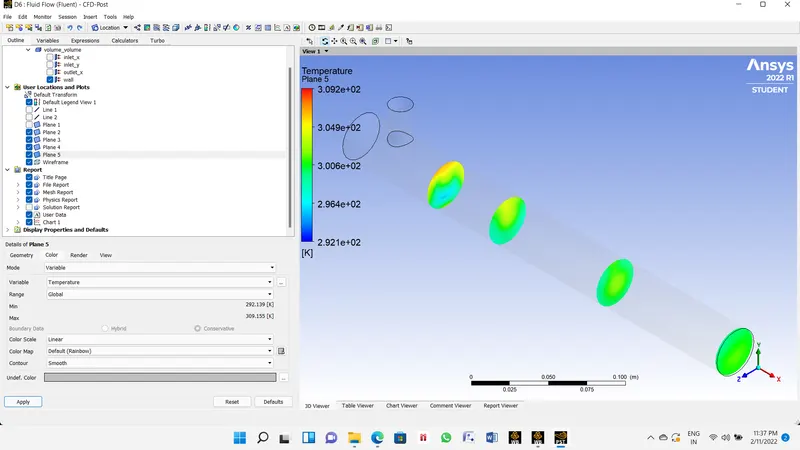
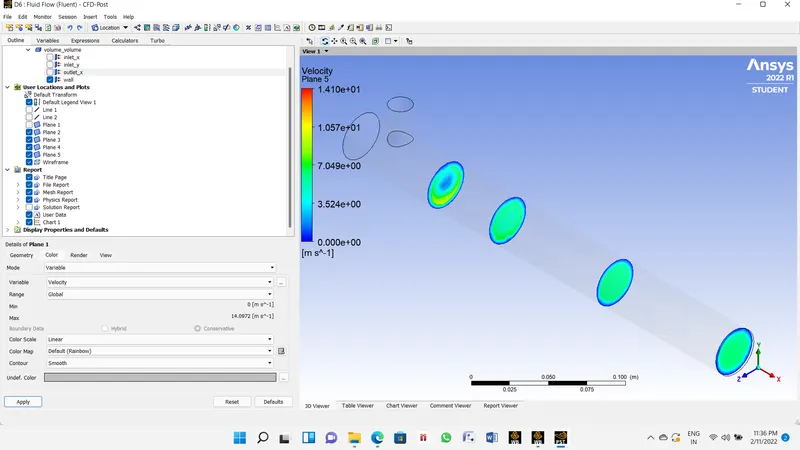
- Velocity and temperature contour plots on the cut planes along and across the pipe.
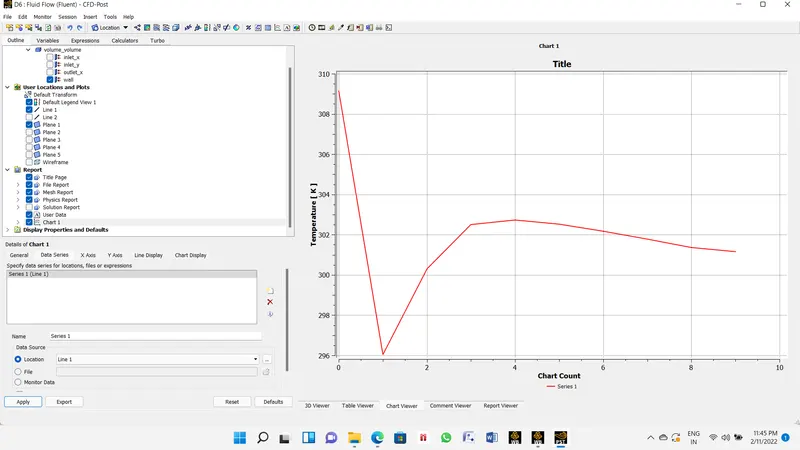
- Velocity and temperature line plots along and across the length of the pipe.
- Perform Mesh independent study for any one case.
- Discuss the effect of length and momentum ratio on results.
PROCEDURE
click on Fluid Flow (fluent) in workbench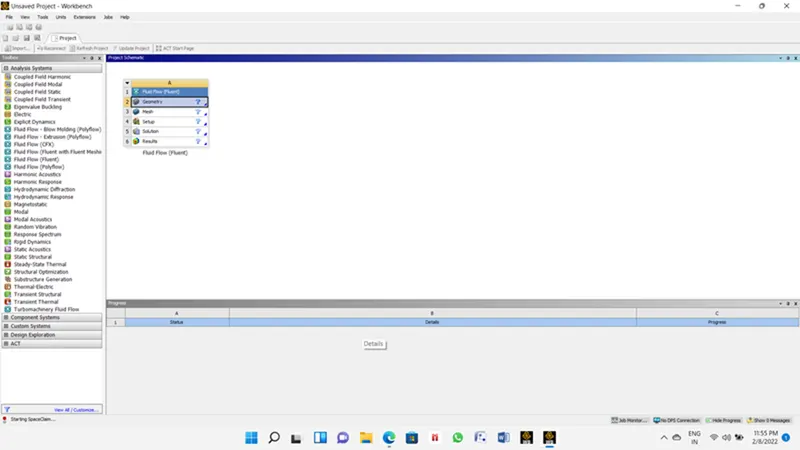
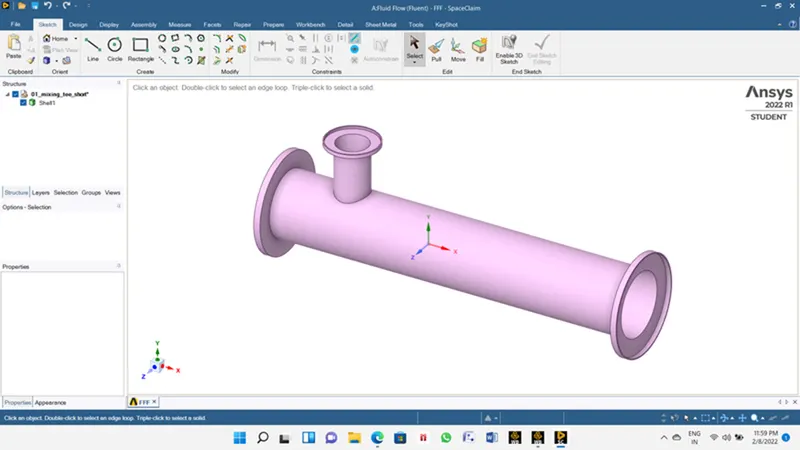
- click on geometry to import geometry, it directs to space claim.
once the space claim opened now import the geometry.
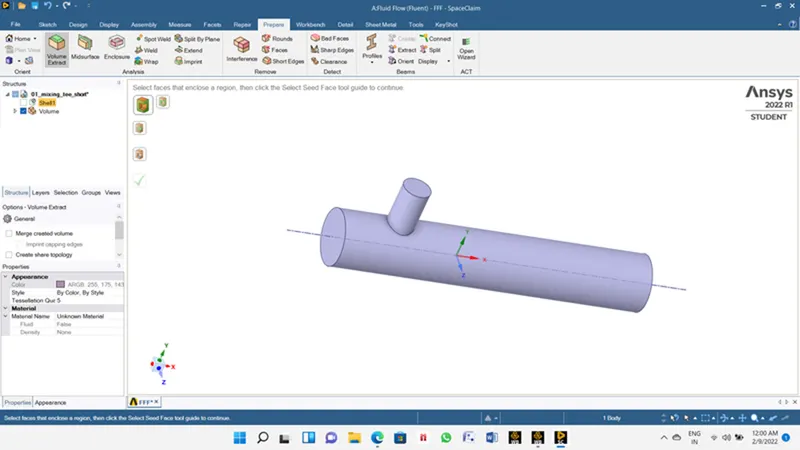
4.our focus is on the volume of the fluid only not on the wall of the pipe by using volume exttract process select the volume of the fluid and suprees the remaining geometry for physics
5.now exit from the space claim, the geometry will saved automatically
6.now click on mesh to proceed to the meshing stage
once the geomtry ,loaded in the meshing stage give approprate names to the geometry using named selections
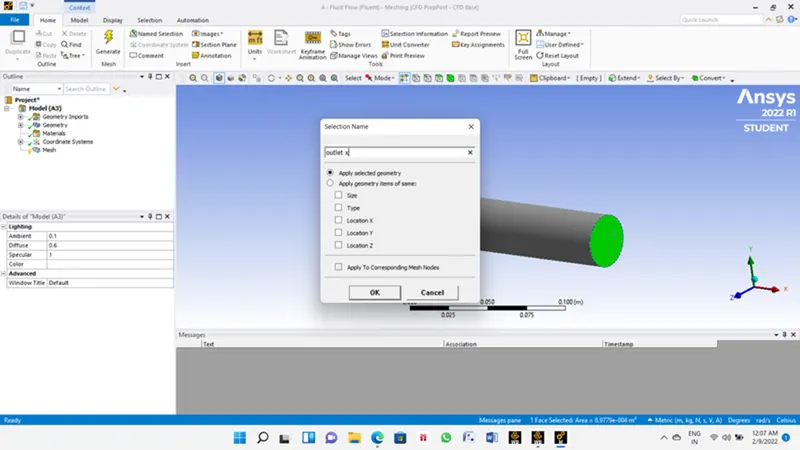
now click on mesh and generate the mesh it will loasd the basic mesh as shown in the figure and the mesh detaails as shown in figure below
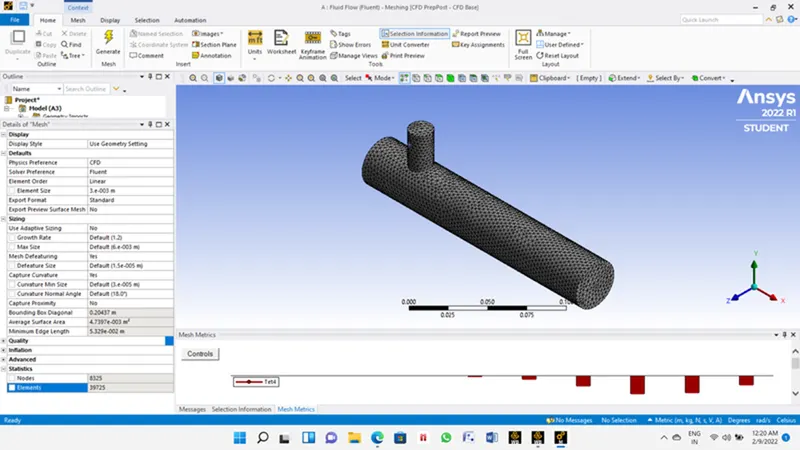
now close the meshing stage and click on mesh update. enter to the setup section for solving the problem, it launches ansys fluent
case 1 a momentum ratio 2
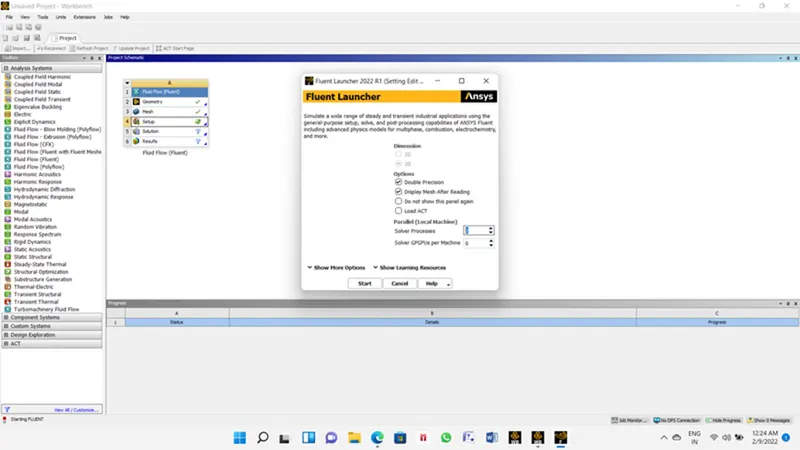
now fluent will load the geometry click on check mesh it will check for the mesh
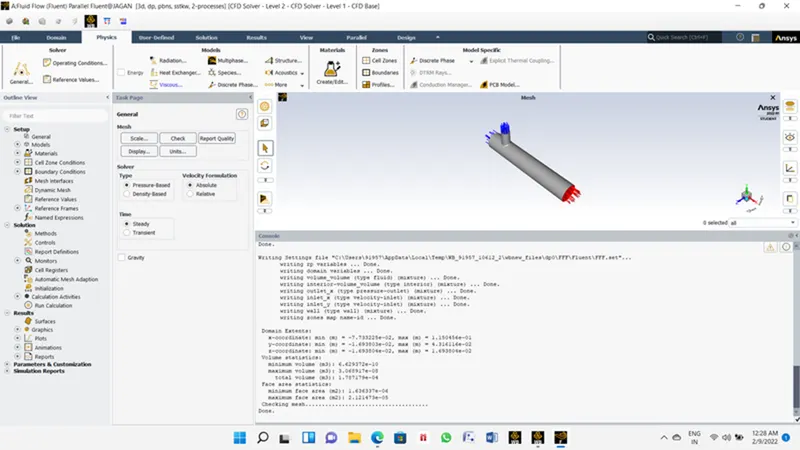
now set up the physics of the problem as shown below
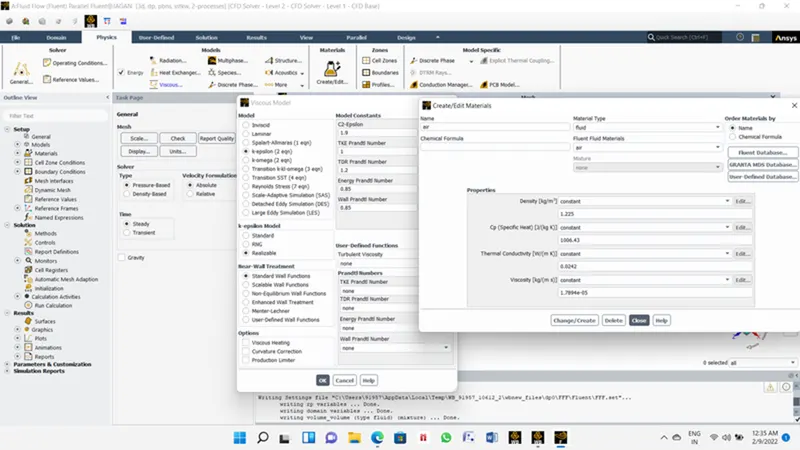
now asssign the boundery condition so go to cell zones
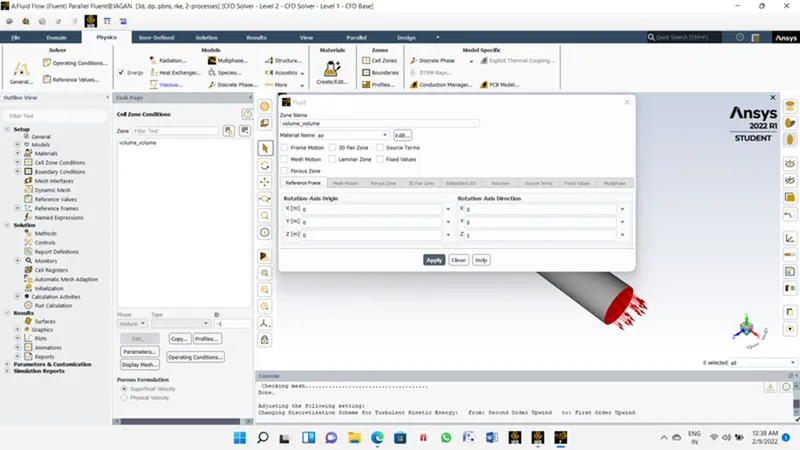
boundery conditions
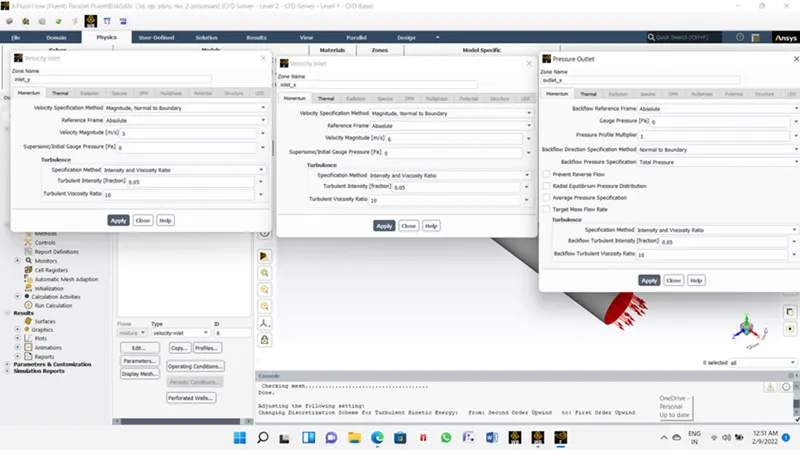
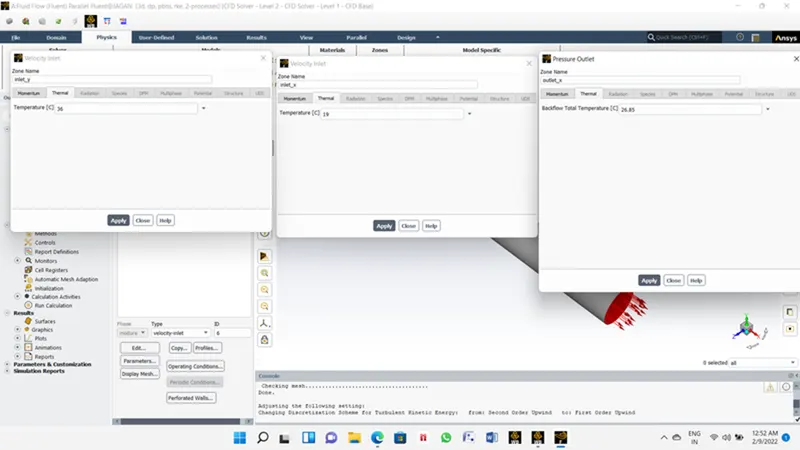
Now go to solving section and select the physical quantities what we want to observe
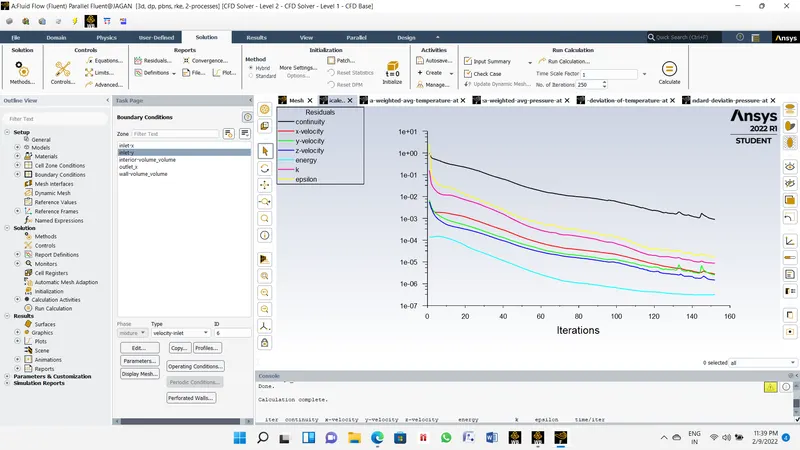
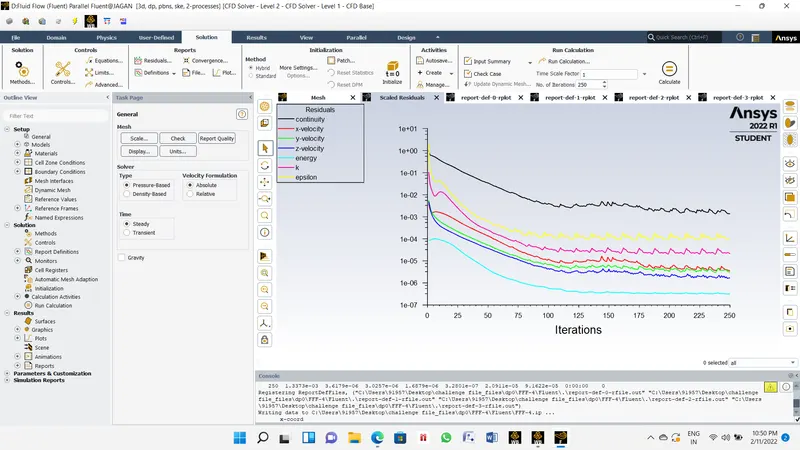
now initialize and set the no.of iterations and then calculate
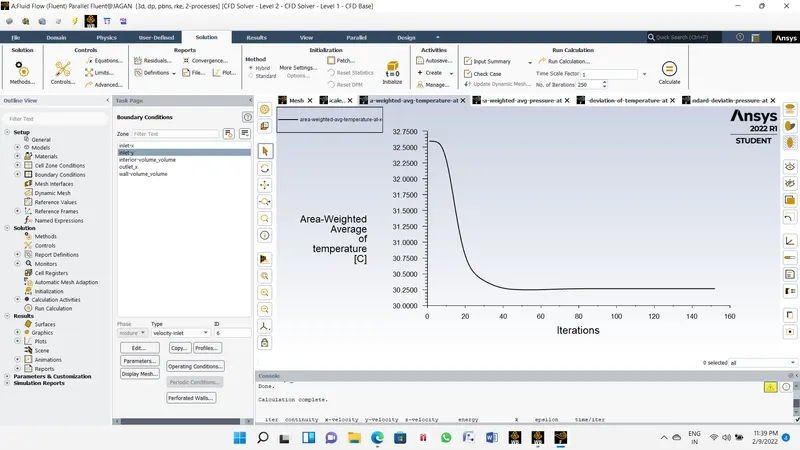
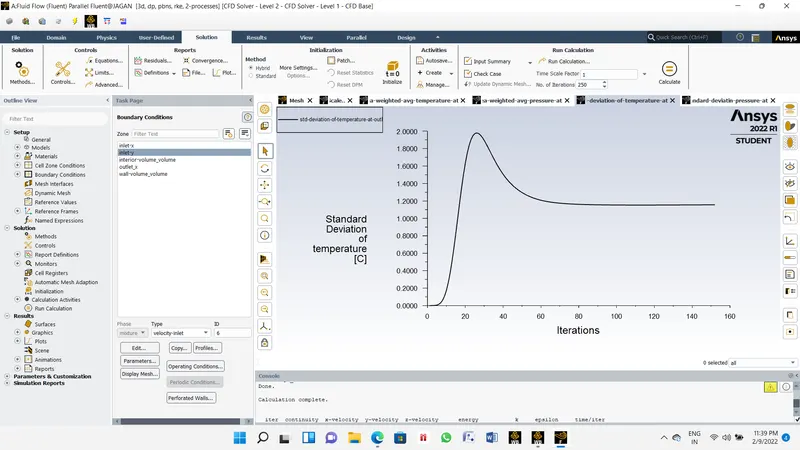
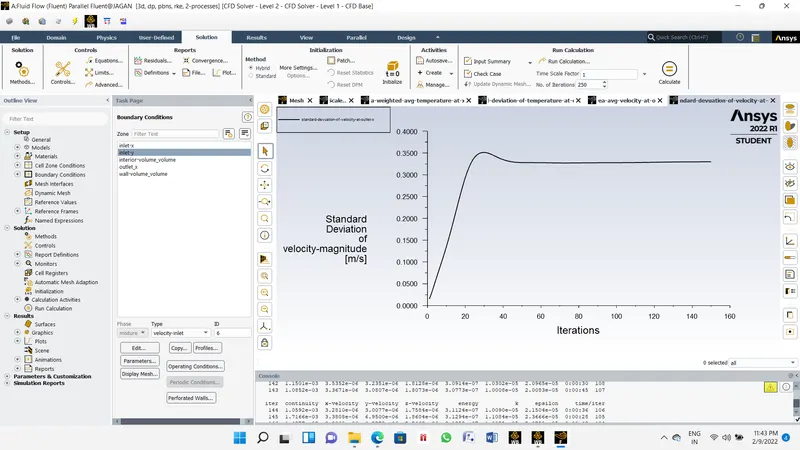
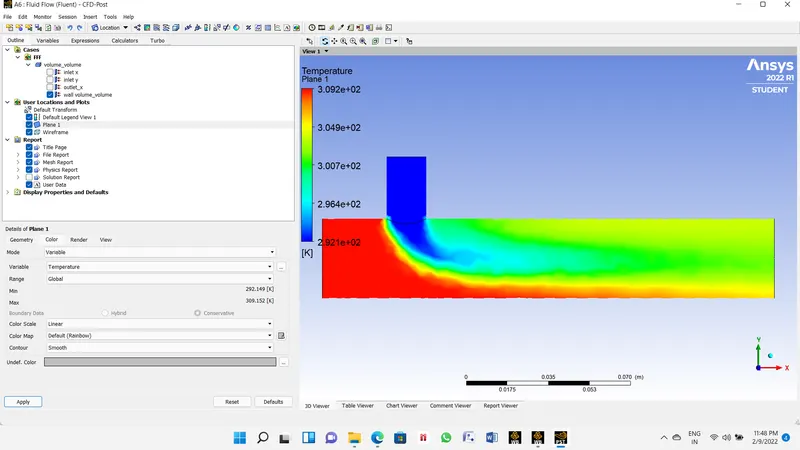
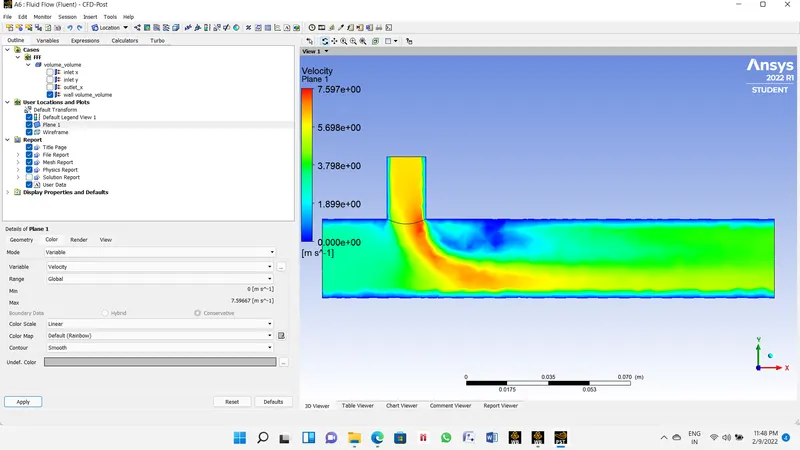
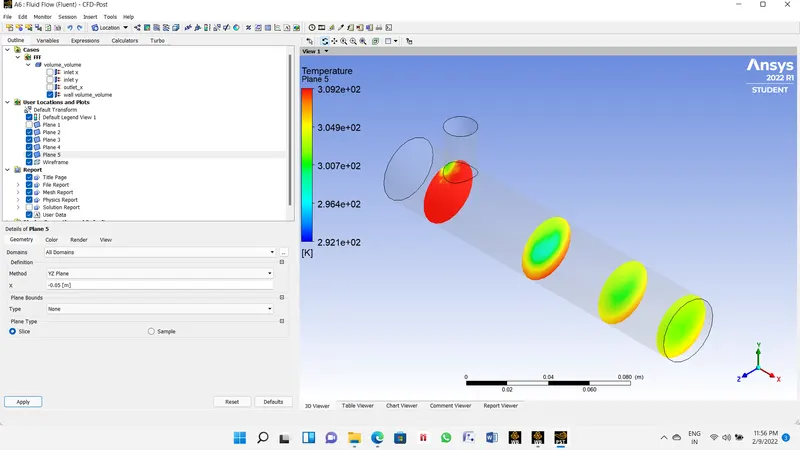
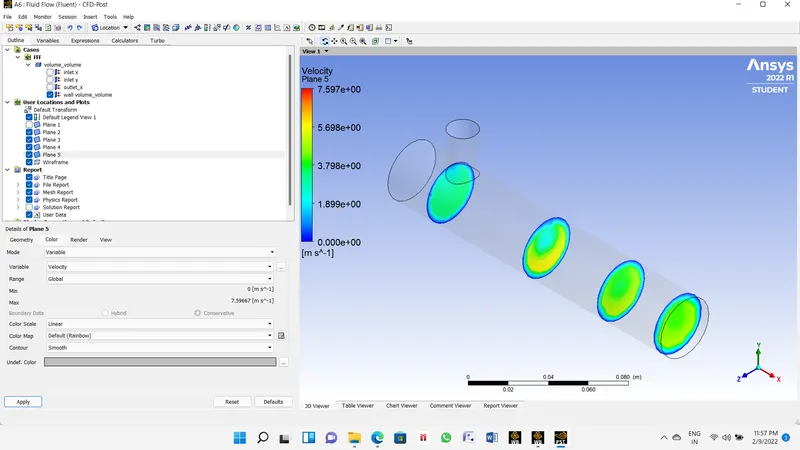
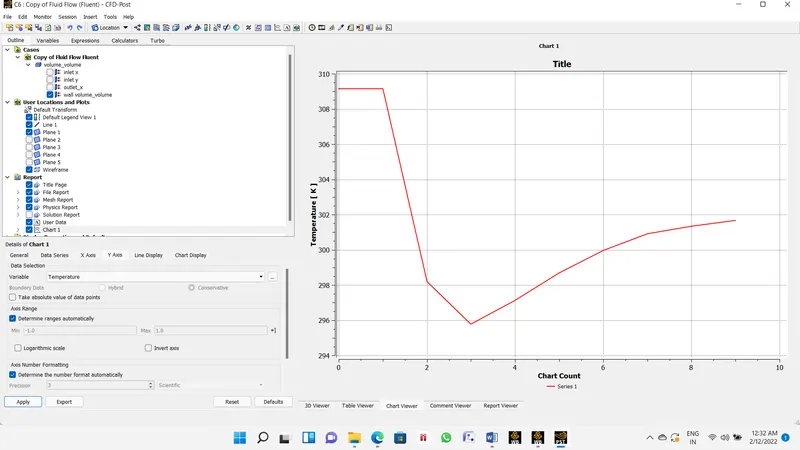
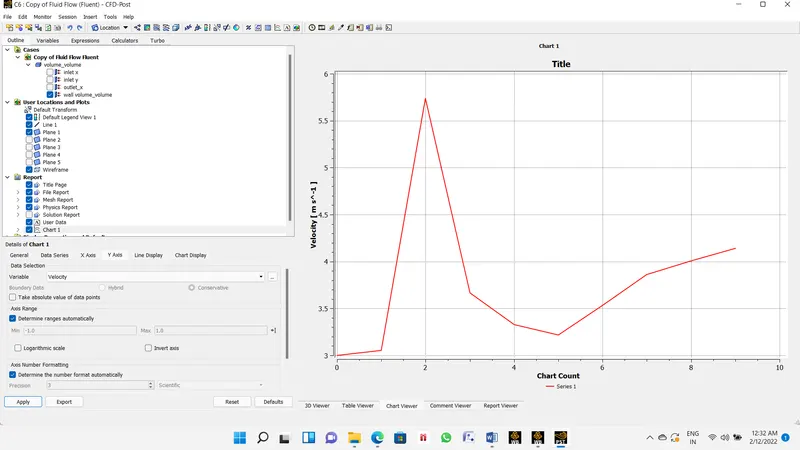
the following results for k-eplsilon model
the solution is converged at 233 itertations
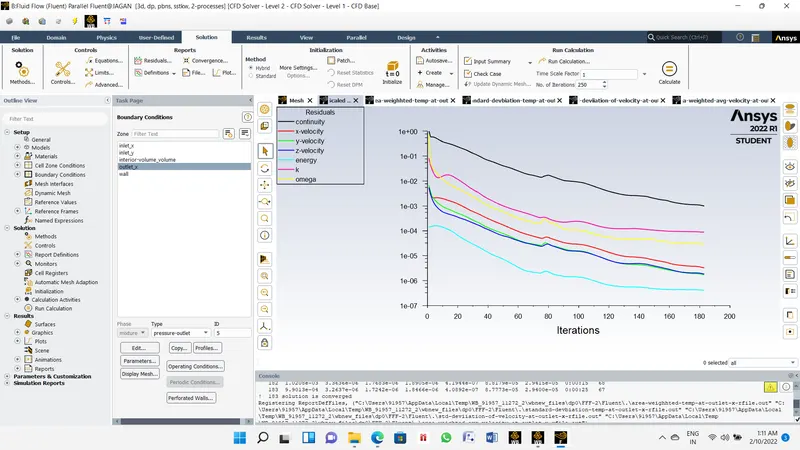
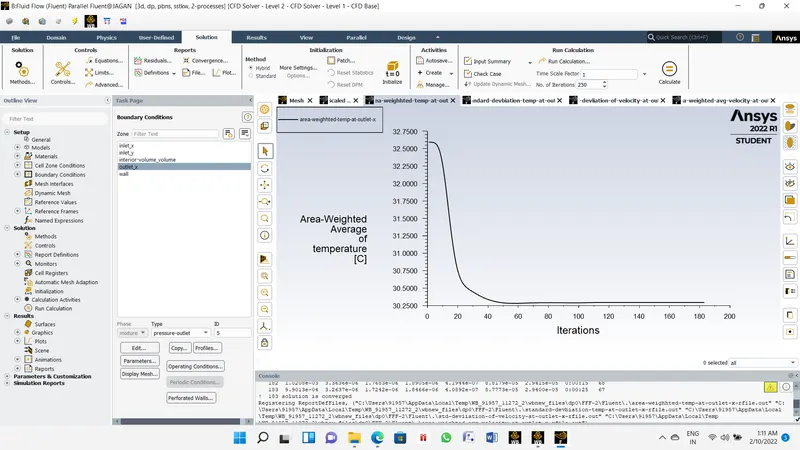
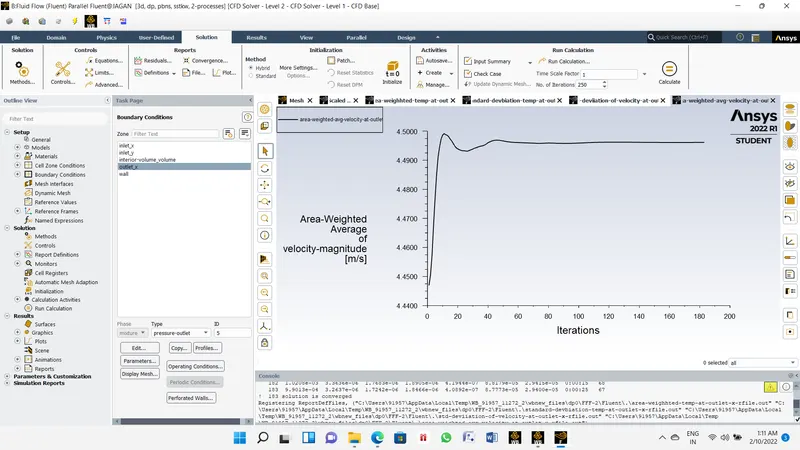
K-OMEGA model
Solution is converged at 183 iterations
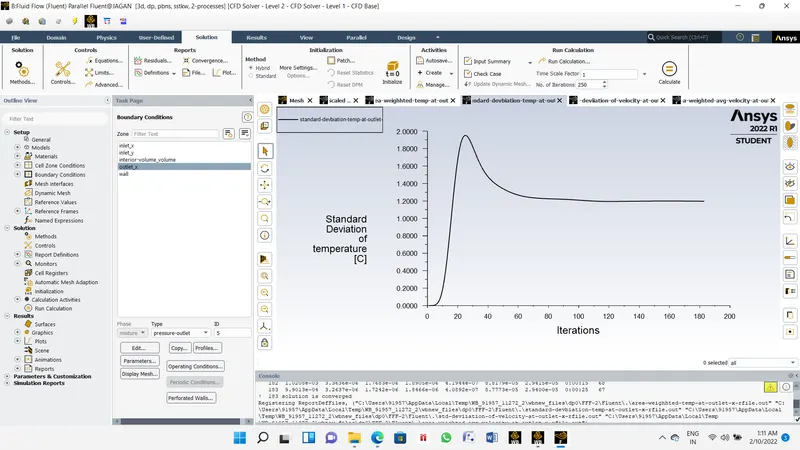
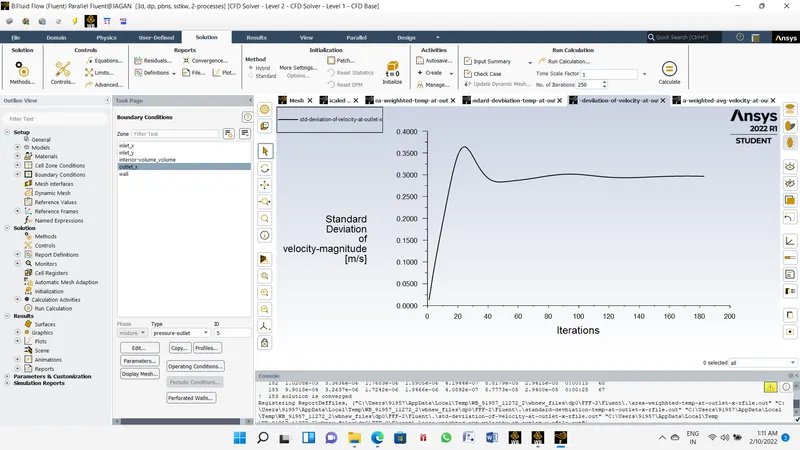
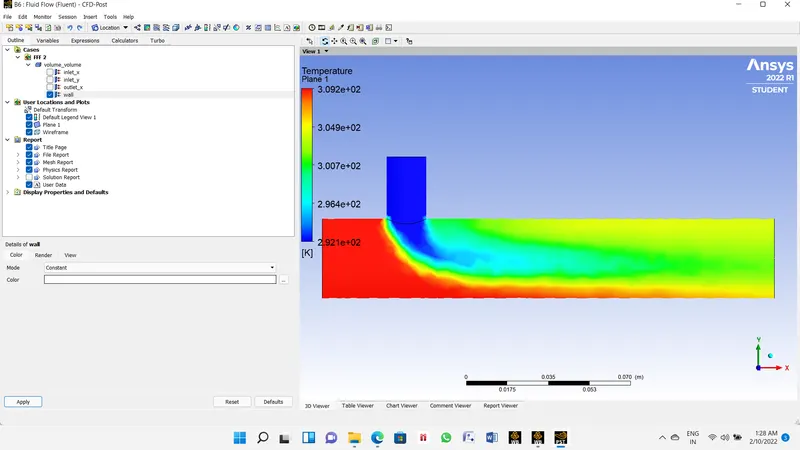
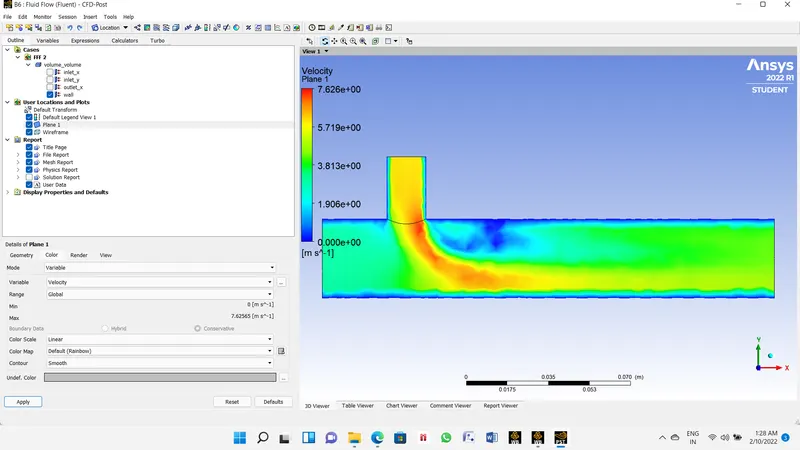
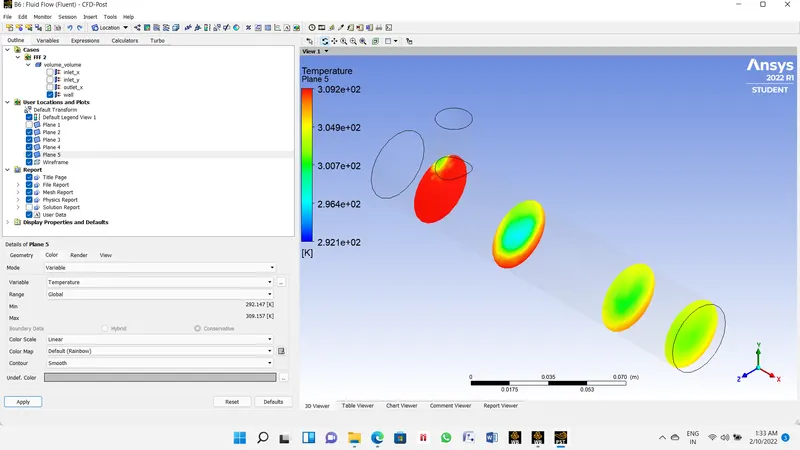
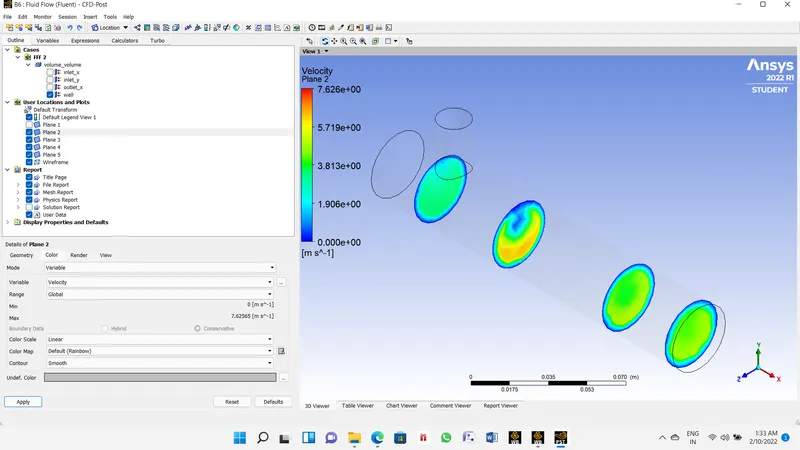
K-omega model is very much useful in simulating the viscous flows near wall where as the K-epsilon model useful in flow away from wall hence in the present problem we use Kepsilon model for simulation
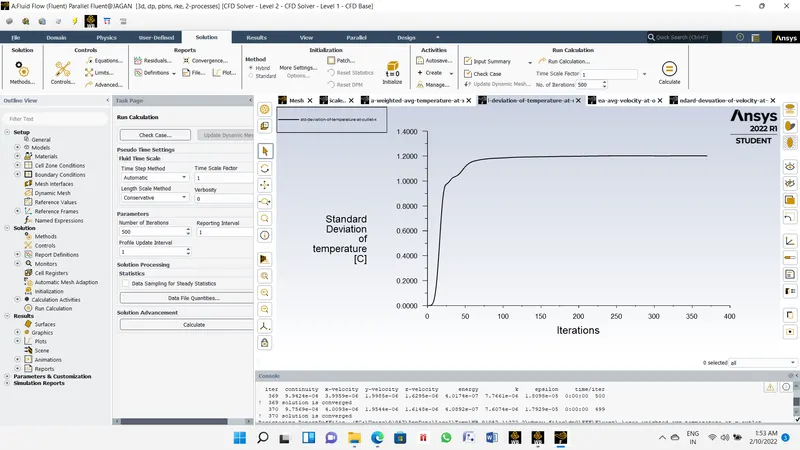
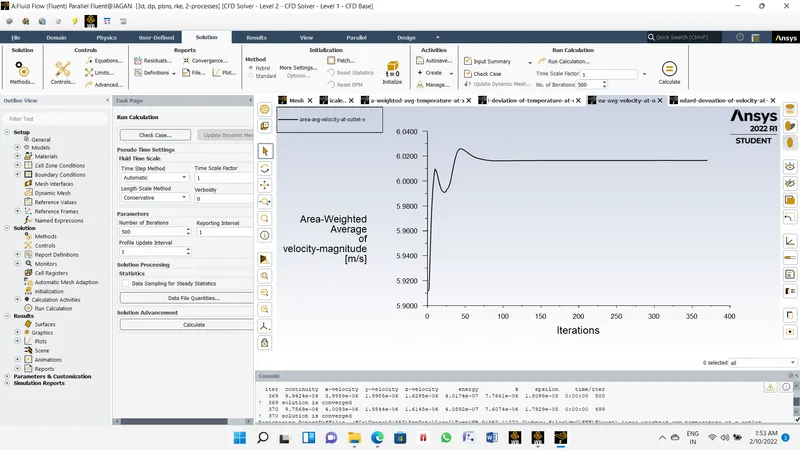
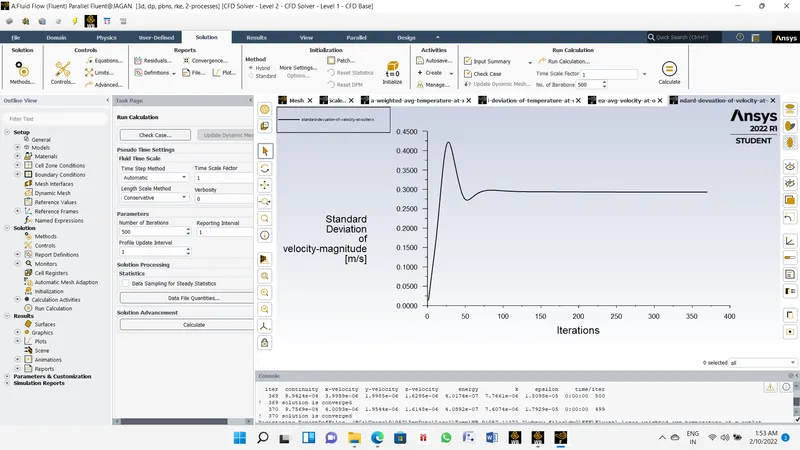
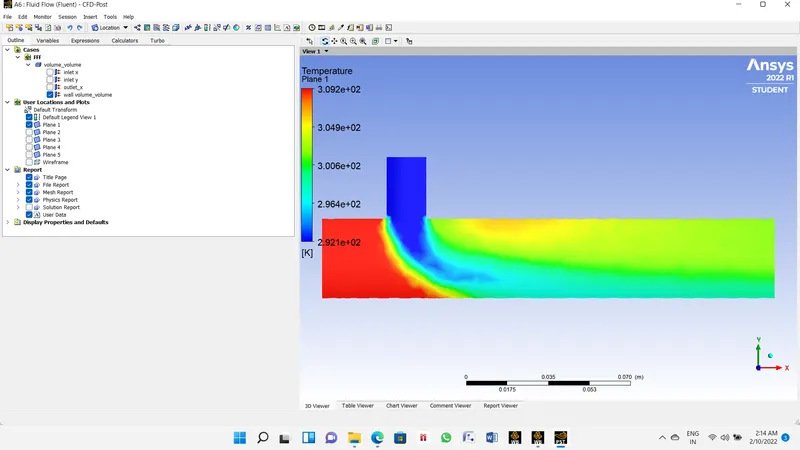
case 1 b momentum ratio 4
solution is converged at 370 iteratiions
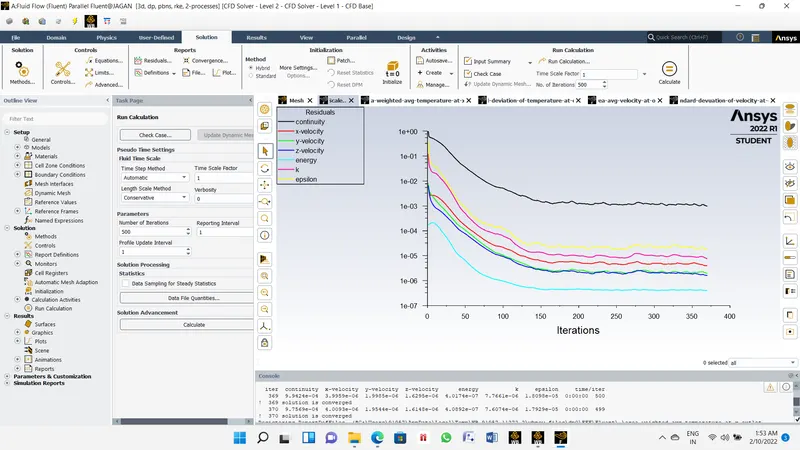
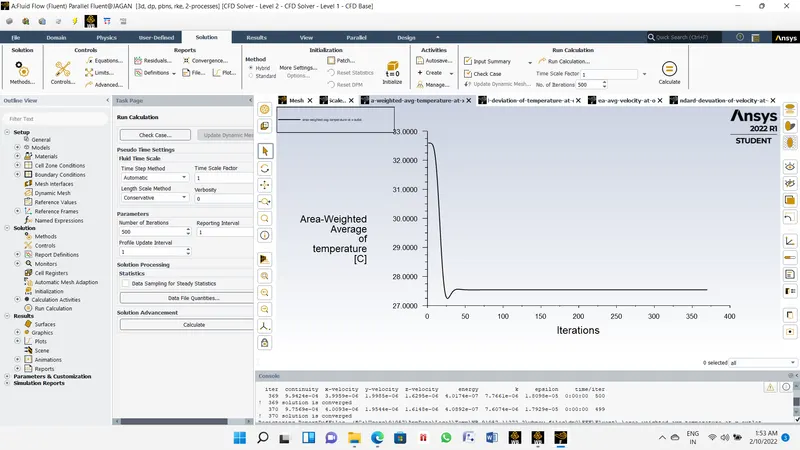
case 2 a momentm ratio 3
solution converged at 183 iterations
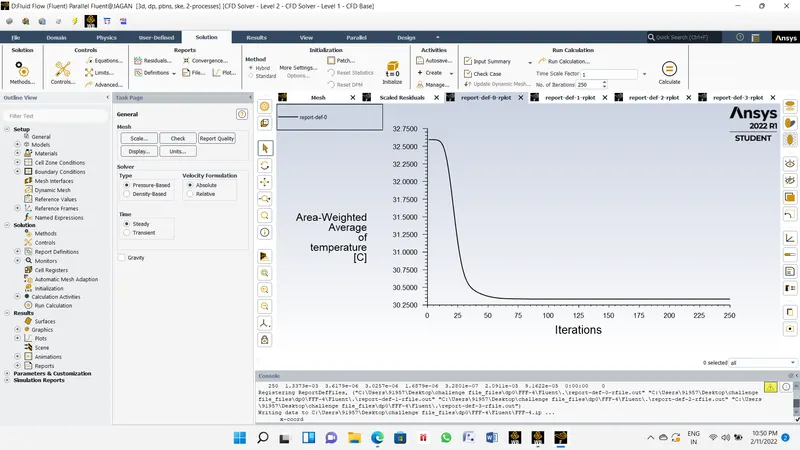
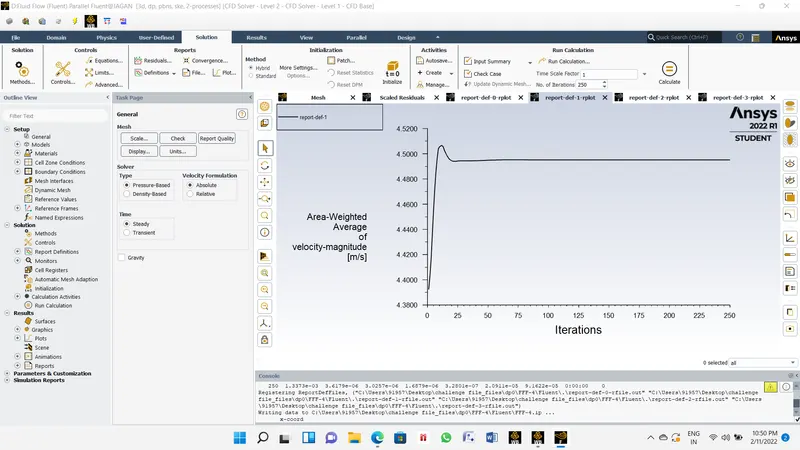
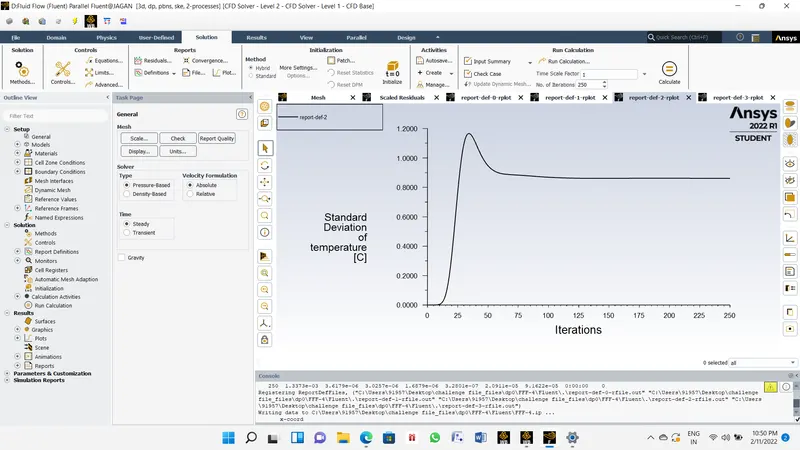
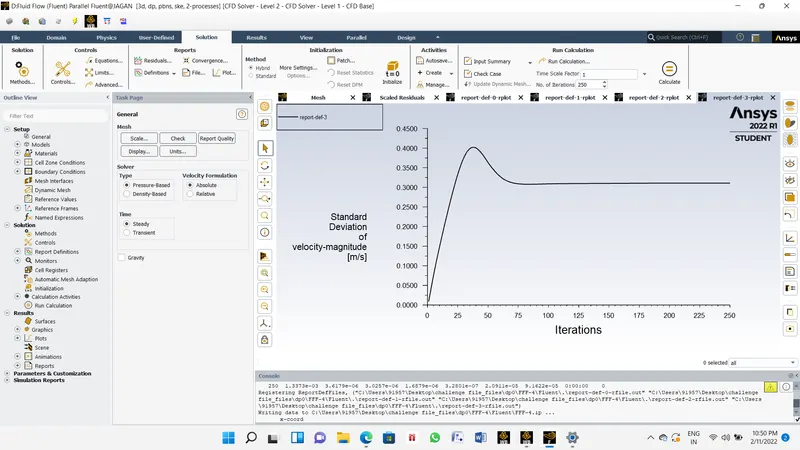
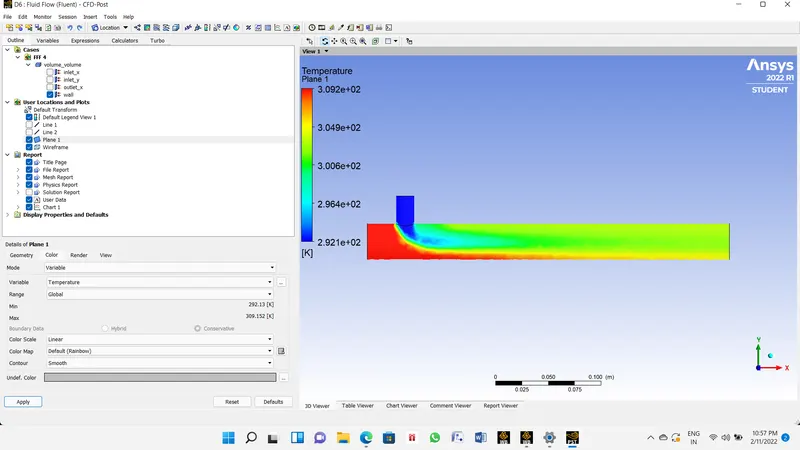
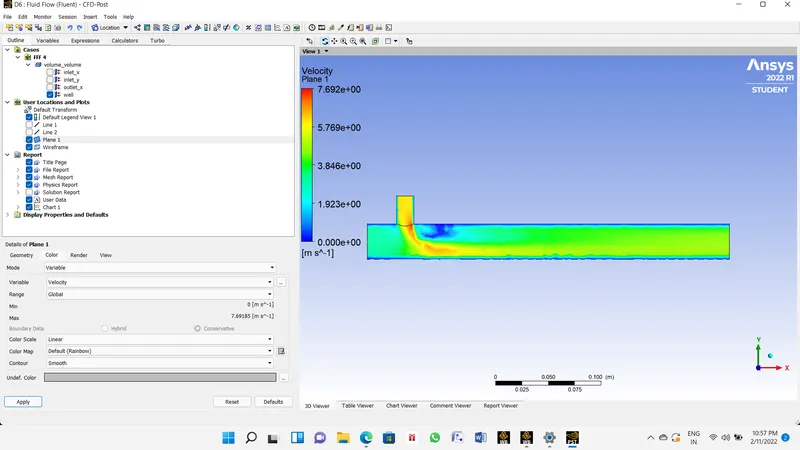
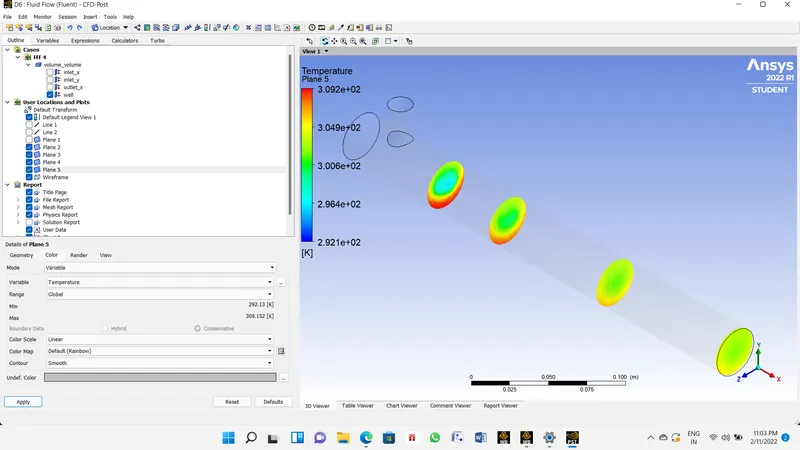
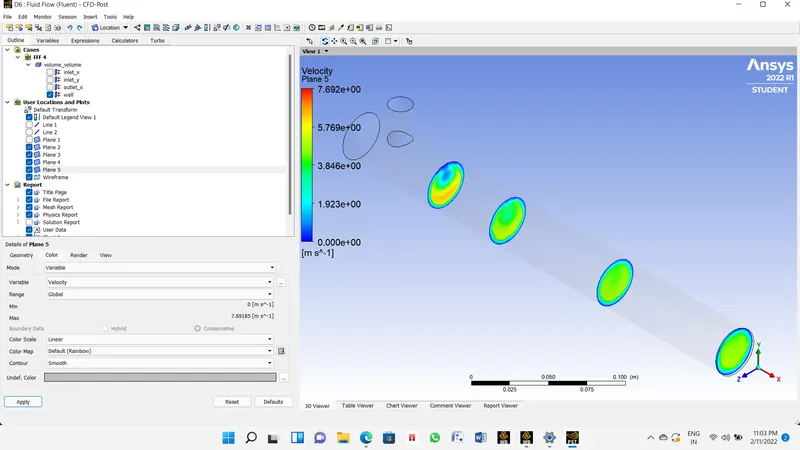
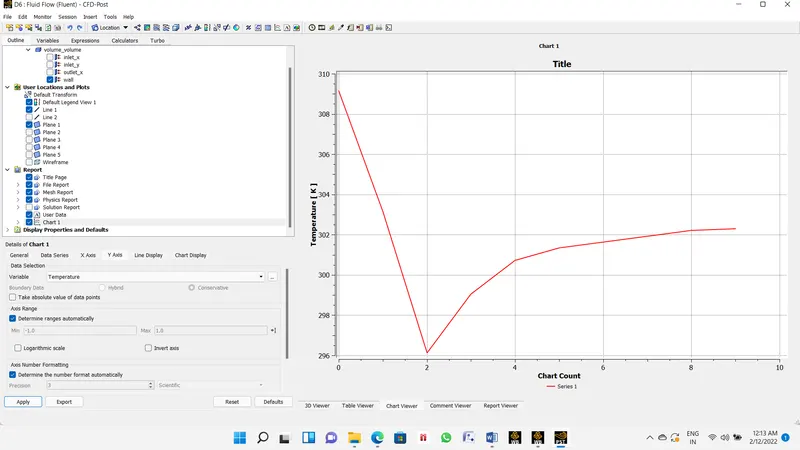
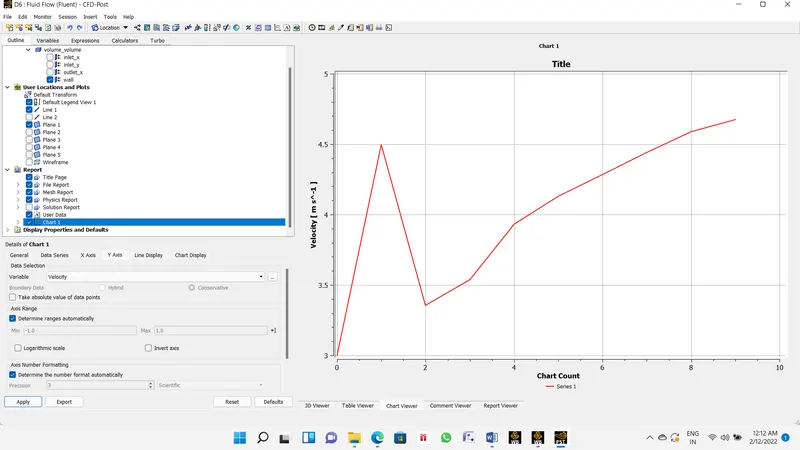
case 2 b momentum ratio 12
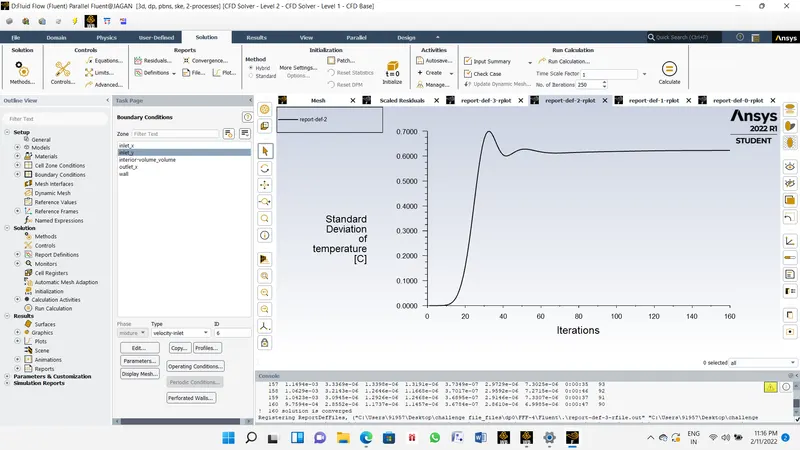
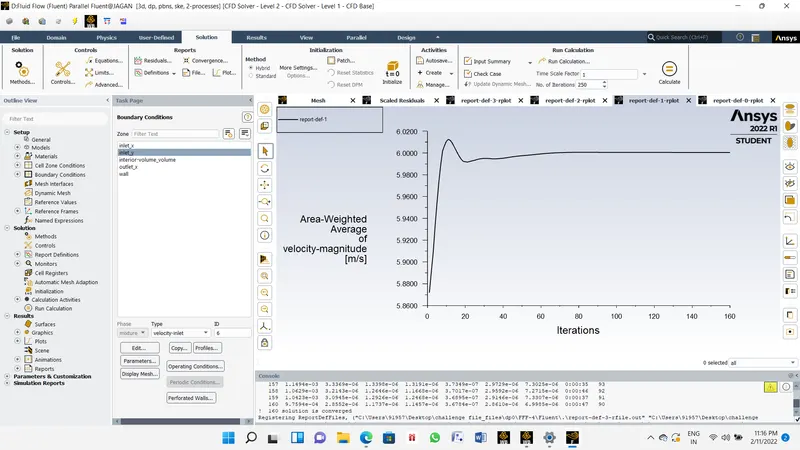
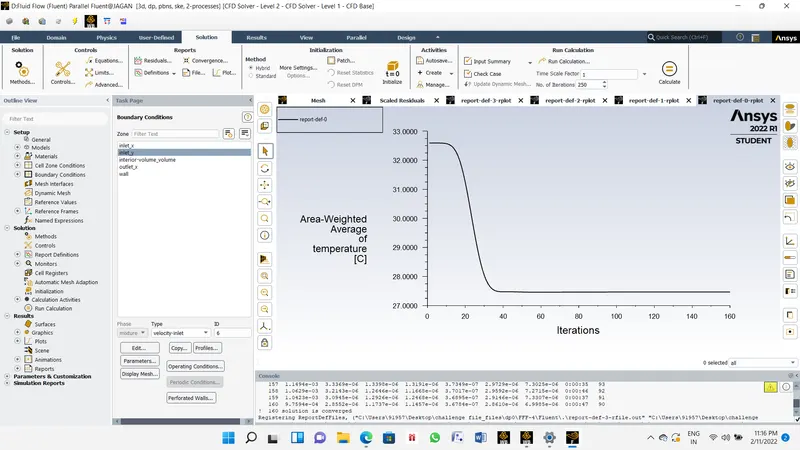
solution is converged at 160 iterations
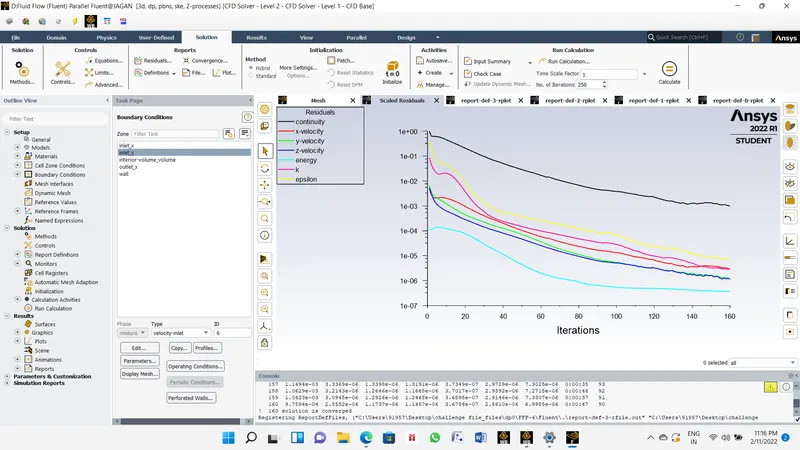
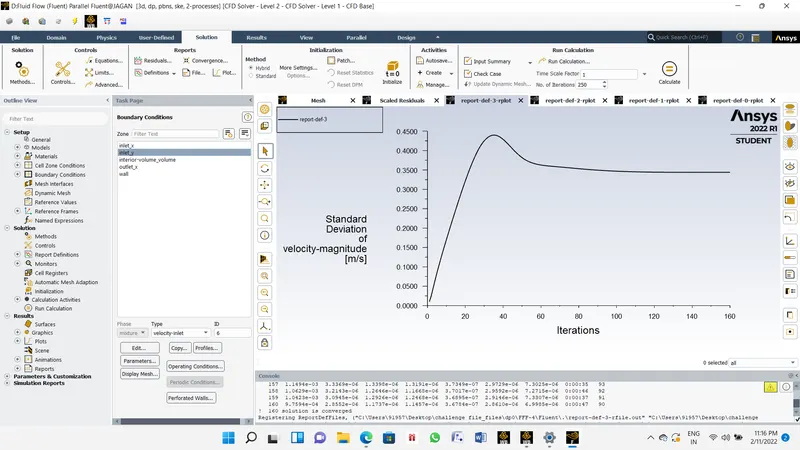
|
S.no |
cases |
Cell count |
Average temperature at out let (deg Cen) |
Average velocity at out let(m/s) |
Number of iterations |
Mesh dependency test |
|
1 |
Case 1 a momentum ratio 2 |
12692 |
28.5 |
4.15 |
233 |
yes |
|
2 |
Case 1 b momentum ratio 4 |
12692 |
29.5 |
5.75 |
219 |
yes |
|
3 |
Case 2 a momentum ratio 2 |
19242 |
29 |
4.7 |
183 |
yes |
|
4 |
Case 2 b momentum ratio 4 |
19242 |
28 |
6.4 |
160 |
yes |
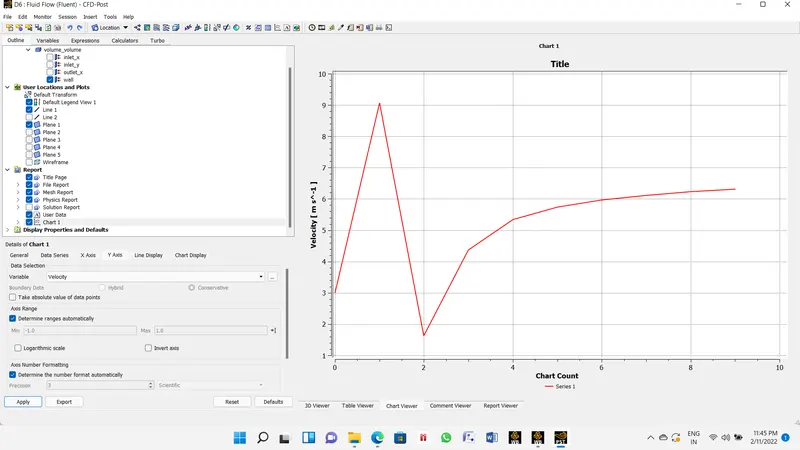
conclusion is that the avg outlet temperature is not much affected by the mixing length but the velocity at which mixing takes place has significant affect i.e momentum ratio have much effect than mixing length.