Week 1- Mixing Tee
AIM- 1.To perform simulation on short mixing tee using both k-`epsilon` and k-`omega`SST models with momentum as 2,4 and inlet velocity as 3m/s considering the temperature for hot inlet as 36 degree celsius and cold inlet as 19 degree celsius.
2.To perform simulaton on along mixing tee for momentum 2,4 and hot and cold inlet temperatures as 36 and 19 degree celsius respectively by using a suitable turbulence model.
THEORY AND EXPLAINATION- A mixing tee is specifically engineered tee jont used for mixing of two fluid streams into one stream.In this study we will deal with efficiency of mixing tee based on two different lengths and different momentum ratios hence, determining the effect of inlet velocity and length on the output of the mixing tee by sending hot and cold air through two inlets of the tee at different velocities.
PROCEDURE-
1.Click drag fluid flow(fluent) in workbench and then double click on geometry to load the mixing tee model in space claim.
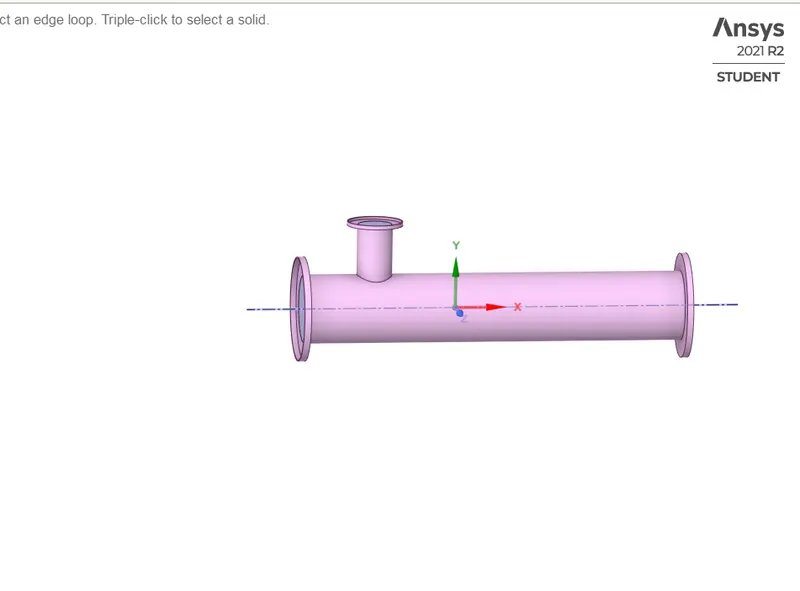
2.Select extract volume and click on edge selection then select to three outer edges and click on green check option ,then hide the solid part and supress it for physics.
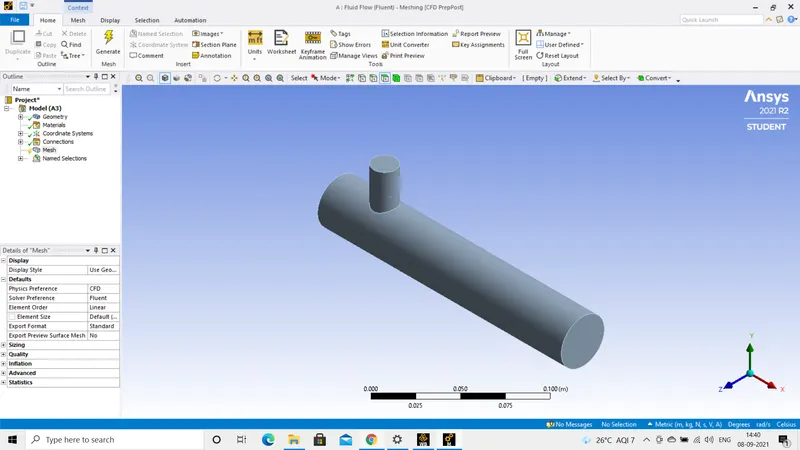
3.Name the faces as inlet-x, inlet-y and outlet.
4.Go to workbench again and double click on mesh, as the mesh is generated the geometry is sliced to observe the internal phenomenon of the tee.
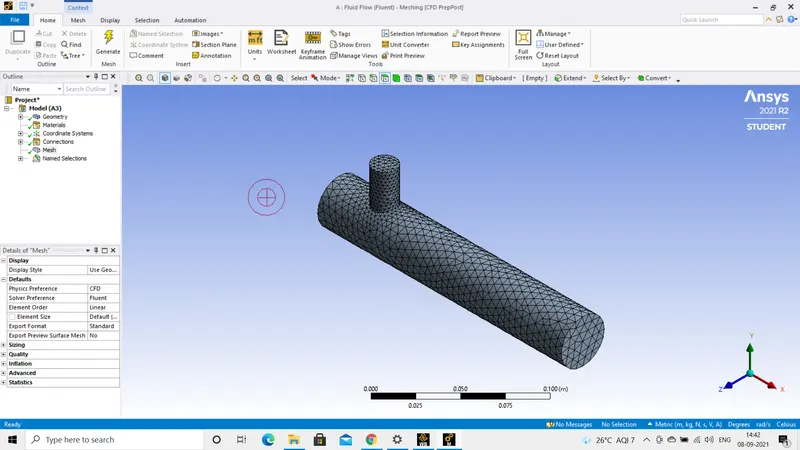
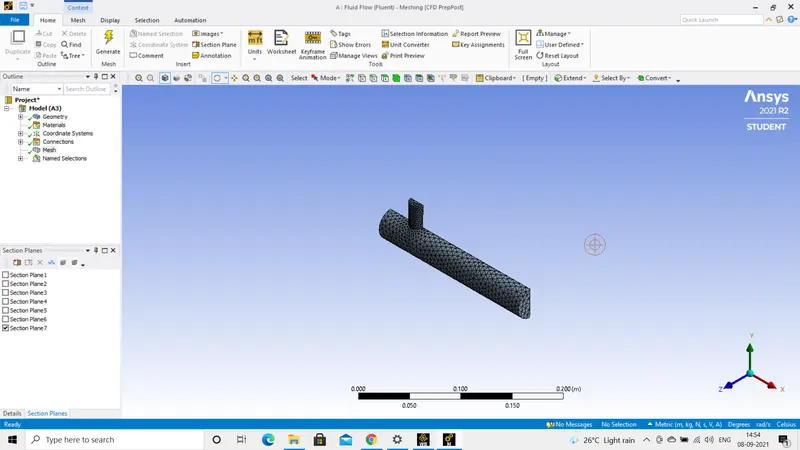
5.Click on element quality to view the quality , it is measured on a scale from 0.40 to 1, quality above 0.40 can be considered suitable .
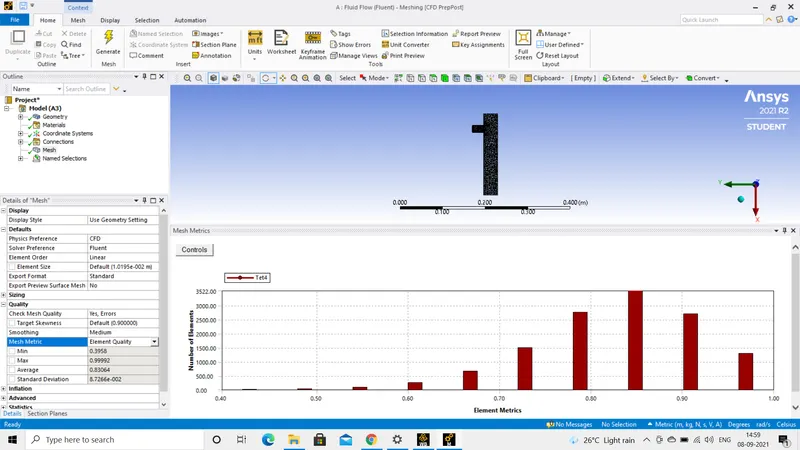
6.Go to setup and check mesh, if no errors occur then proceed further and select pressure based, steady state and absolute options.
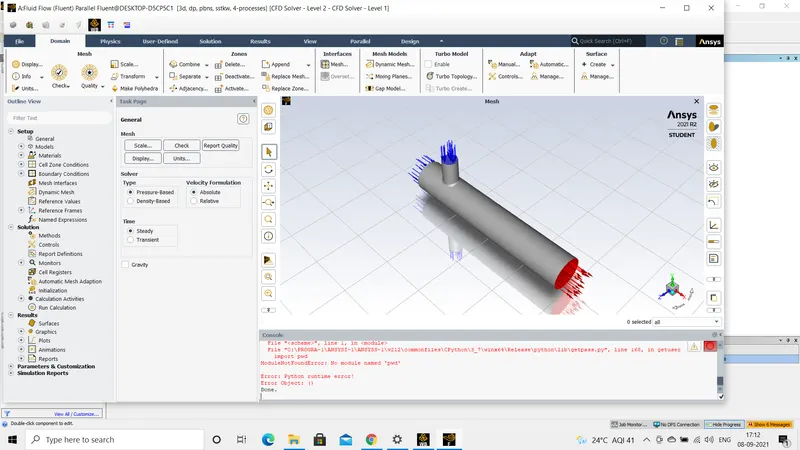
7.In physics go to viscous model and select realizable k-epsilon model and close it.
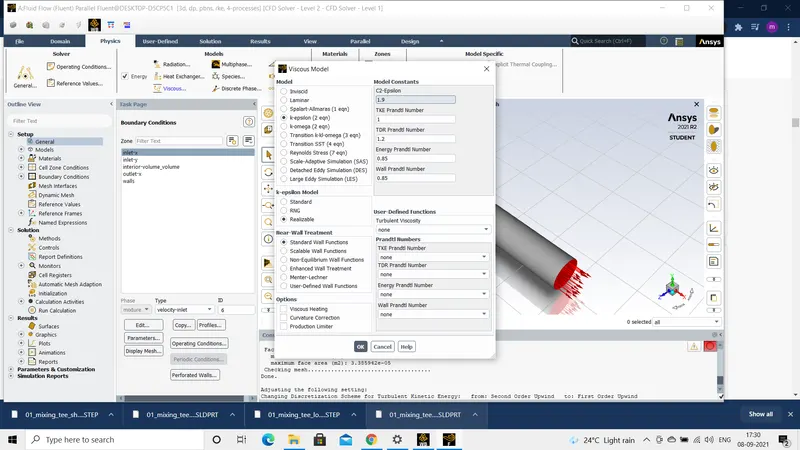
8.Then,in material select air as the working fluid and in boundaries provide velocity and temperature for inlet-x and inlet-y.
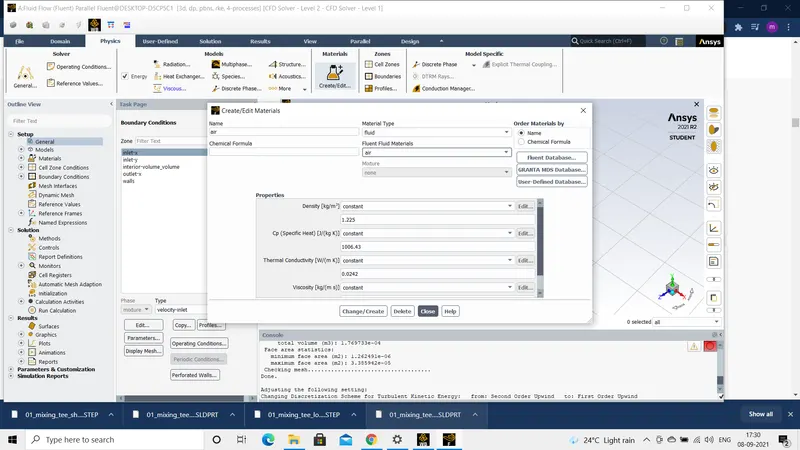
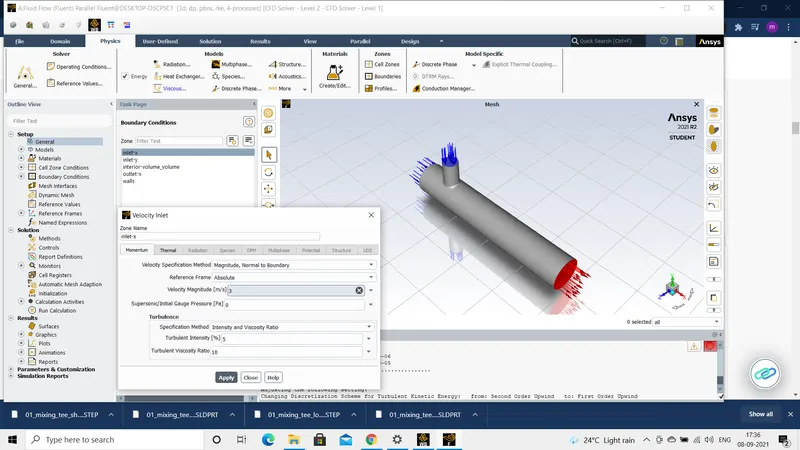
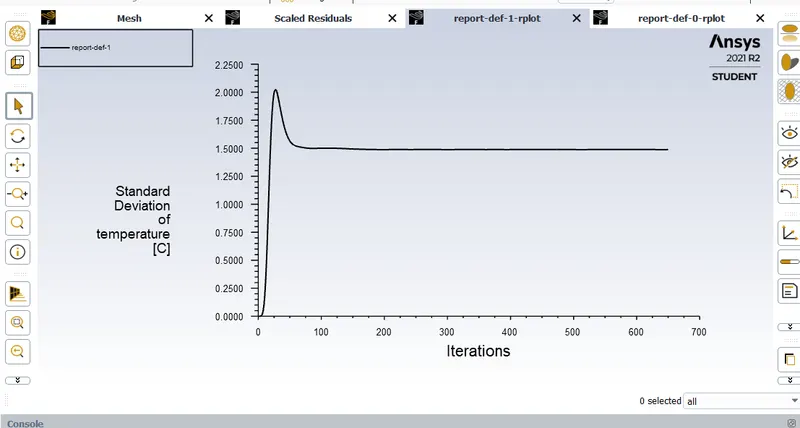
9.To generate the temperature and standard deviation report at the outlet go to definition in solution tab and select area weighted average and then select teperature as field variable and smilarly select standard deviation in definitions and then initialise and calculate the values with suitable number of iterations.
10.Exit setup and click on results to open post processing, click on walls and go to render and give required transparency to view inner process and insert plane and change the color of plane to white for proper visibilitiy, go to color and select variable such as temperature or velocity and apply to see the contour.
RESULTS-
Case 1a- Short mixing tee
Turbulence model= k-epsilon and k-omega
Momentum ratio= 2
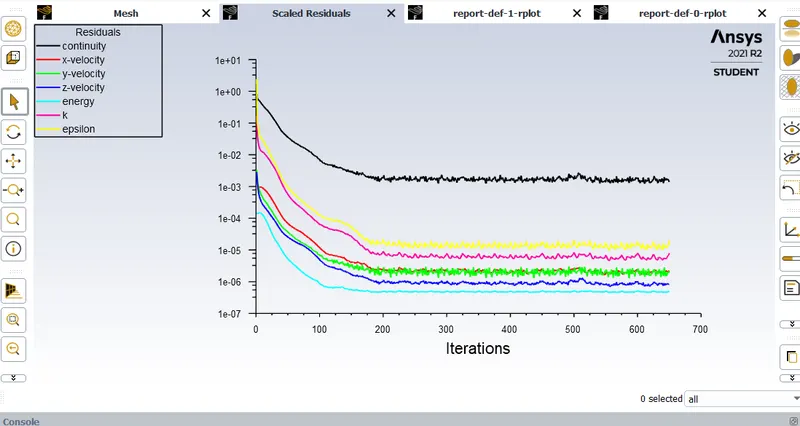
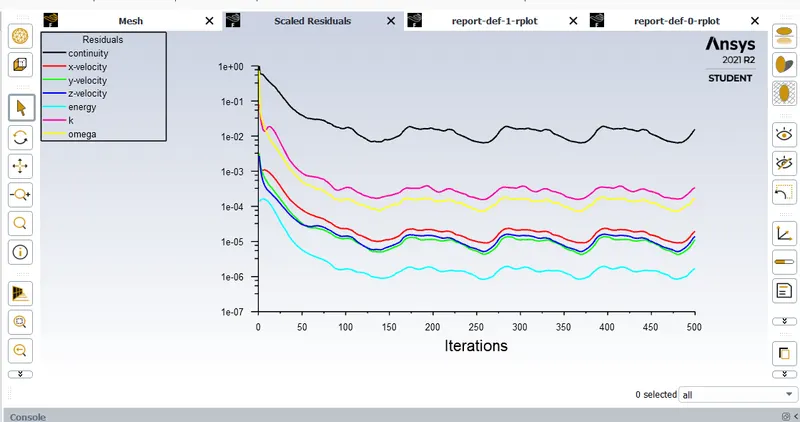
RESIDUAL PLOT
K-epsilon K-omega
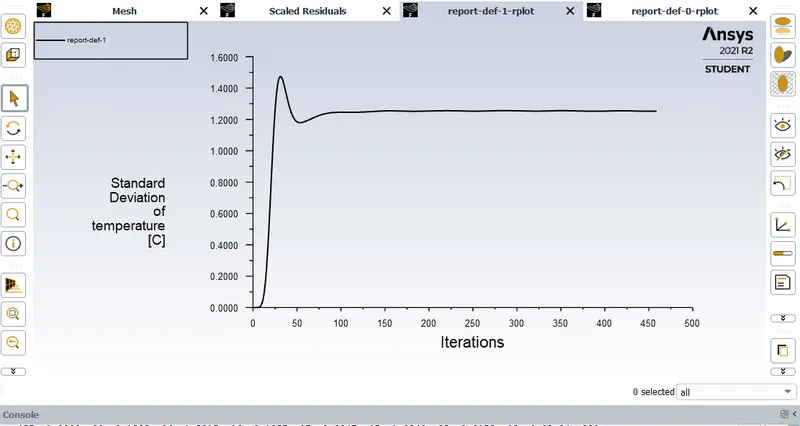
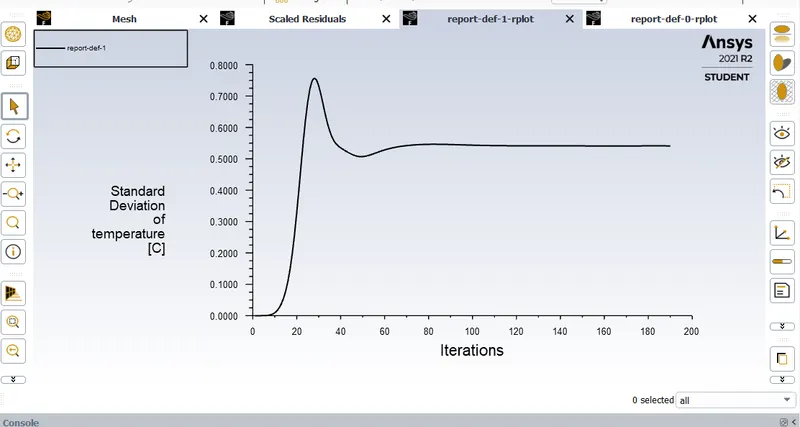
STANDARD DEVIATION VS ITERATIONS
K-epsilon K-omega
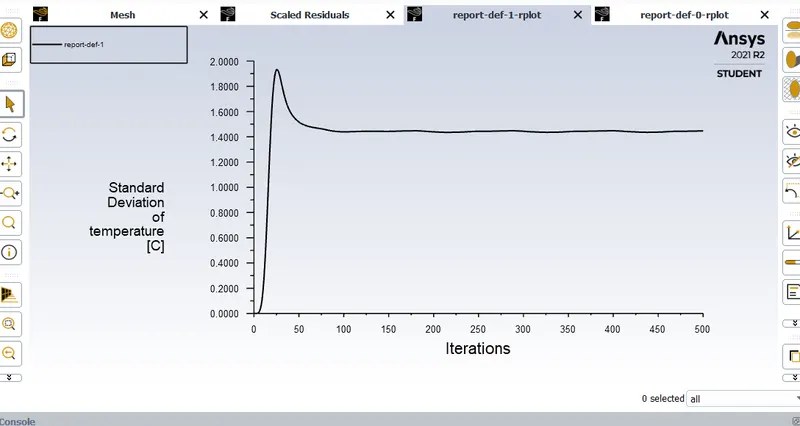
AVERAGE TEMPERATURE VS ITERATIONS
K-epsilon K-omega
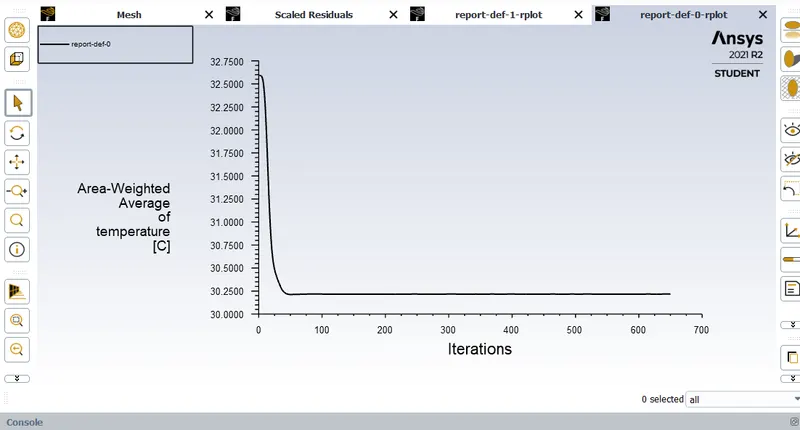
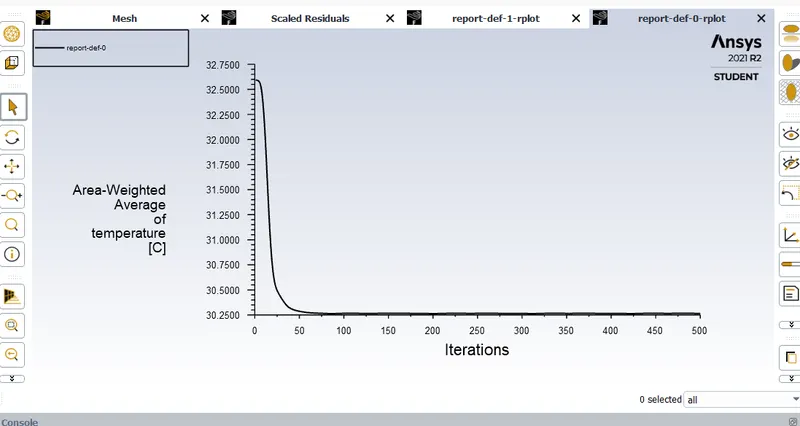
TEMPERATURE CONTOURS ALONG THE PLANE
K-epsilon K-omega
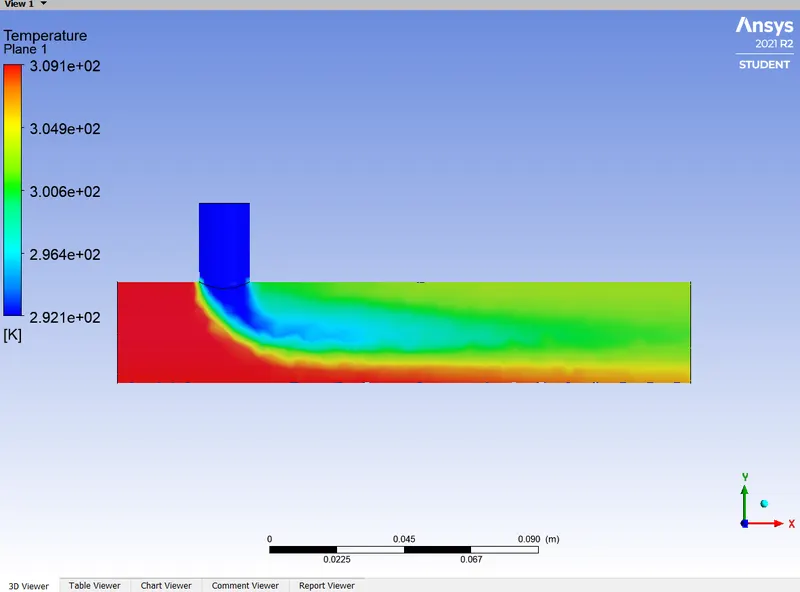
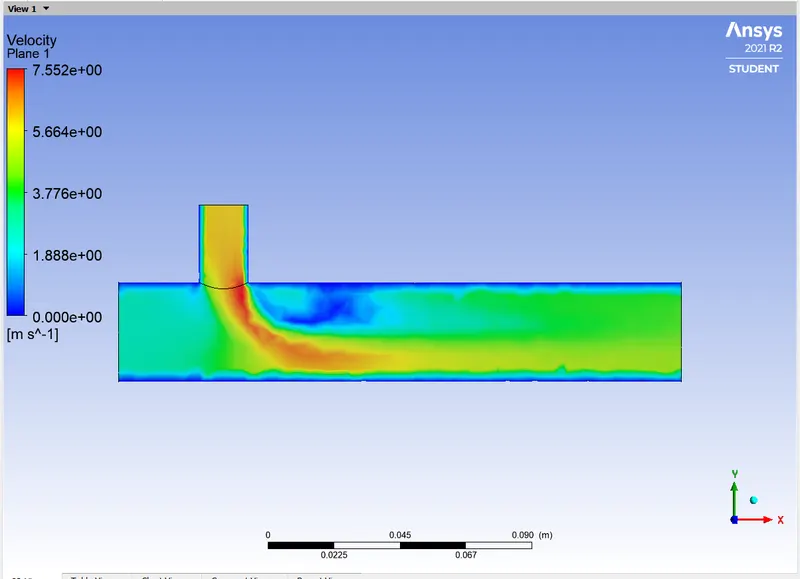
VELOCITY CONTOURS ALONG THE PLANE
K-epsilon K-omega
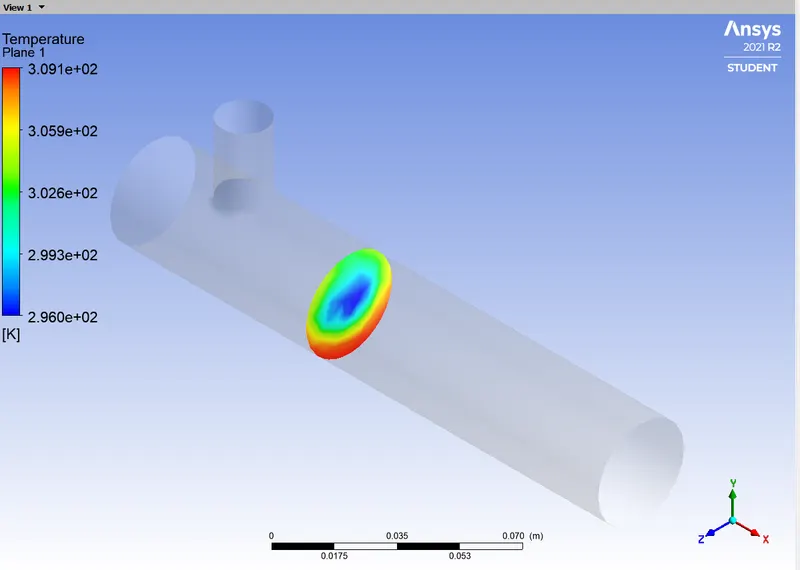
TEMPERATURE CONTOURS ACROSS THE PLANE
K-epsilon K-omega
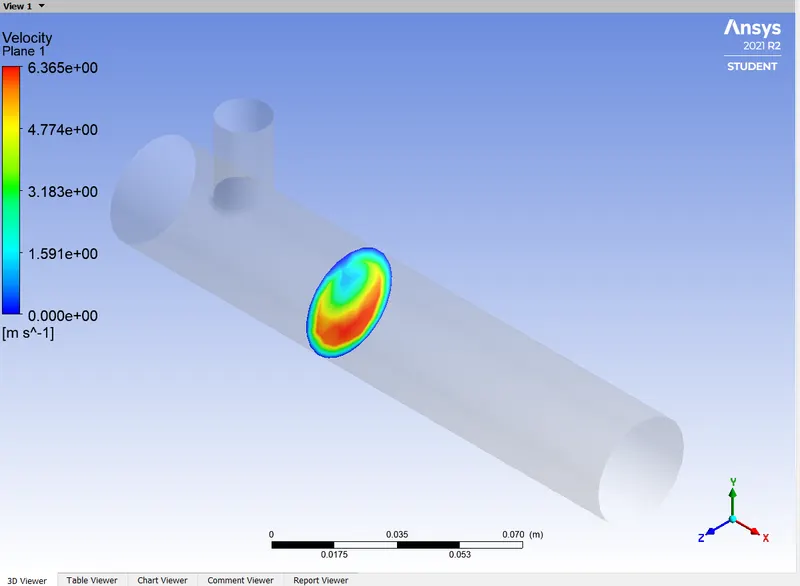
VELOCITY CONTOURS ACROSS THE PLANE
K-epsilon K-omega
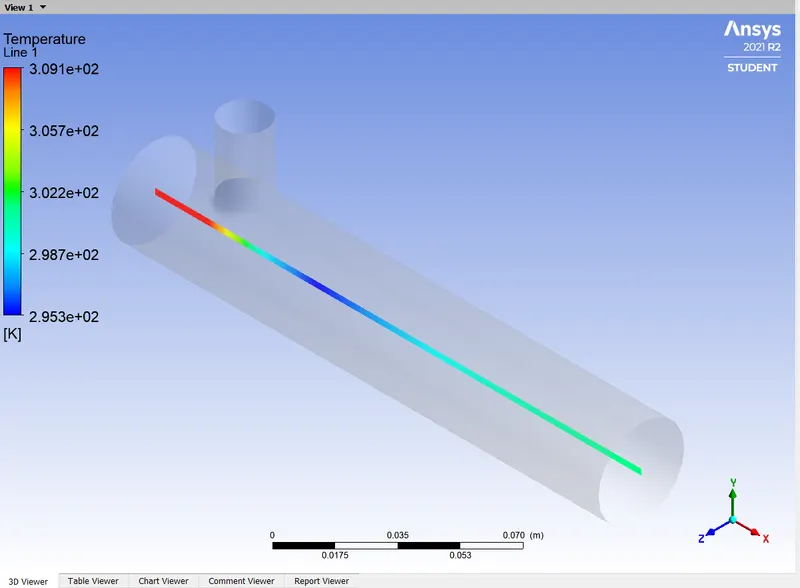
TEMPERATURE CONTOURS ALONG THE LENGTH
K-epsilon K-omega
VELOCITY CONTOURS ALONG THE LENGTH
K-epsilon K-omega
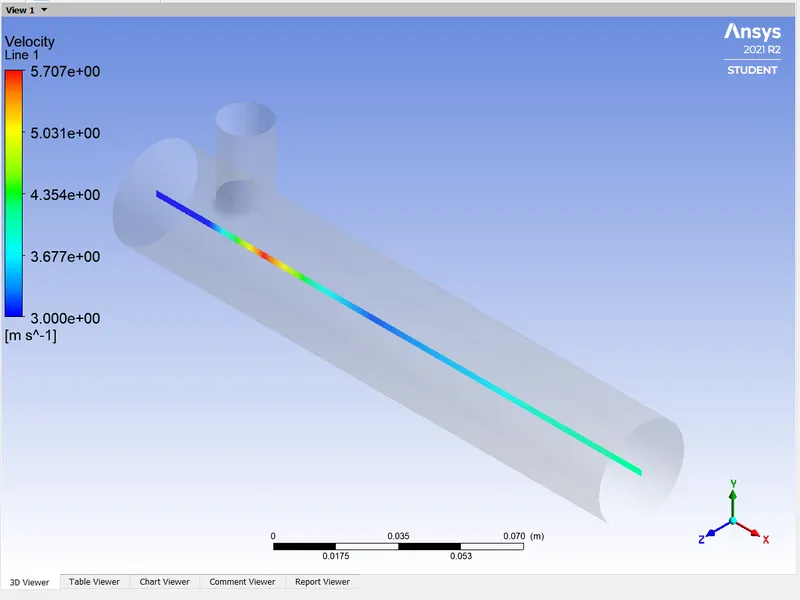
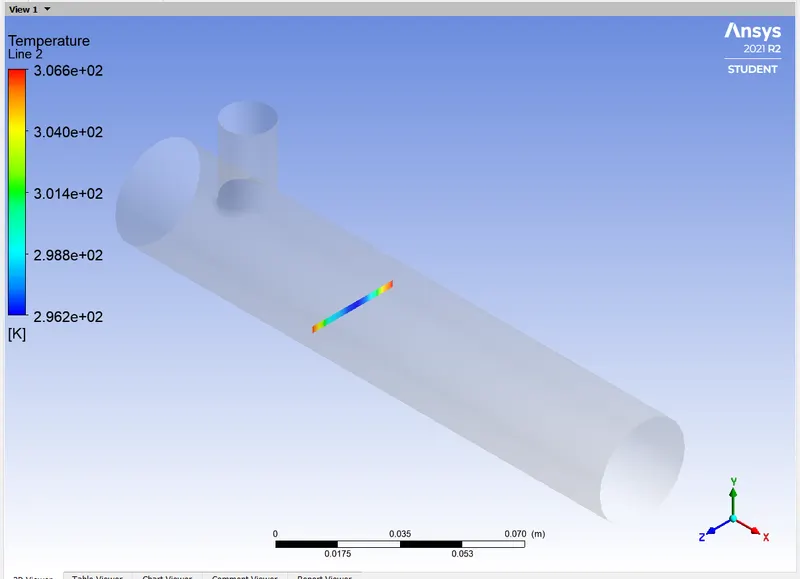
TEMPERATURE CONTOURS ACROSS THE LENGTH
K-epsilon K-omega
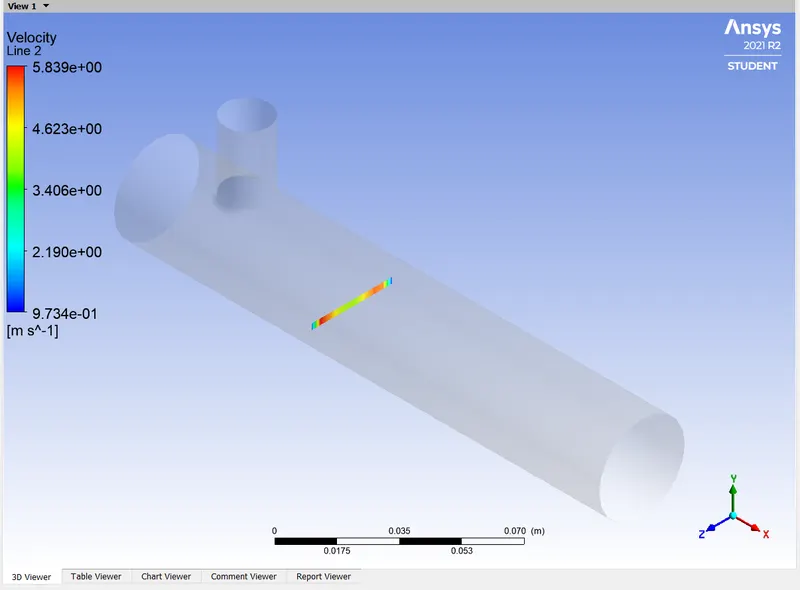
VELOCITY CONTOURS ACROSS THE LENGTH
K-epsilon K-omega
Case 1b- Short mixing tee
Turbulence model= K-epsilon and k-omega
Momentum ratio= 4
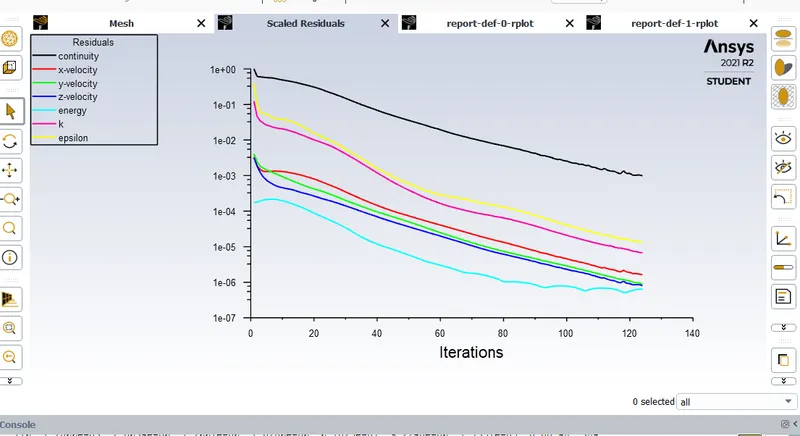
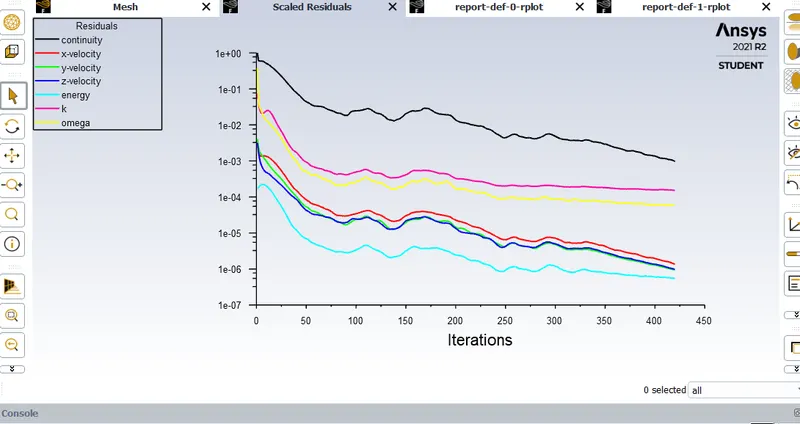
RESIDUAL PLOT
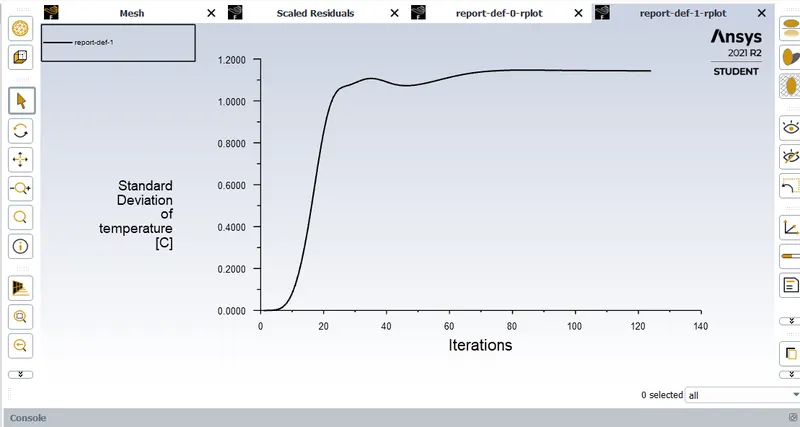
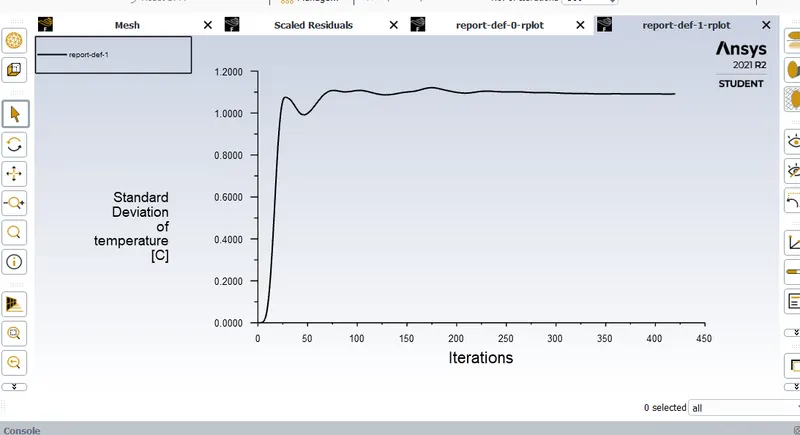
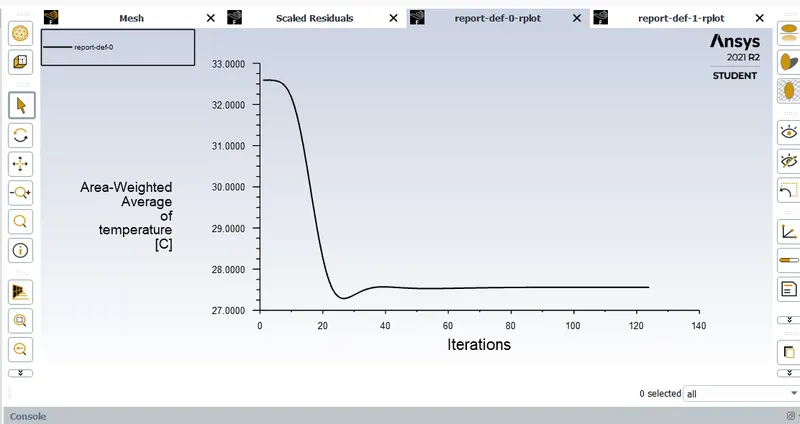
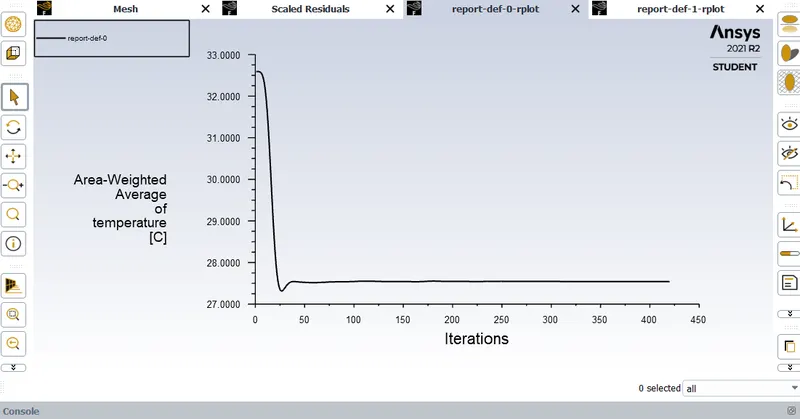
Soultion for k-epsilon model converges at 124 iterations and for k-omega model solution converges at 420 iterations.
K-epsilon K-omega
STANDARD DEVIATION VS ITERATIONS
K-epsilon K-omega
AVERAGE TEMPERATURE VS ITERATIONS
K-epsilon K-omega
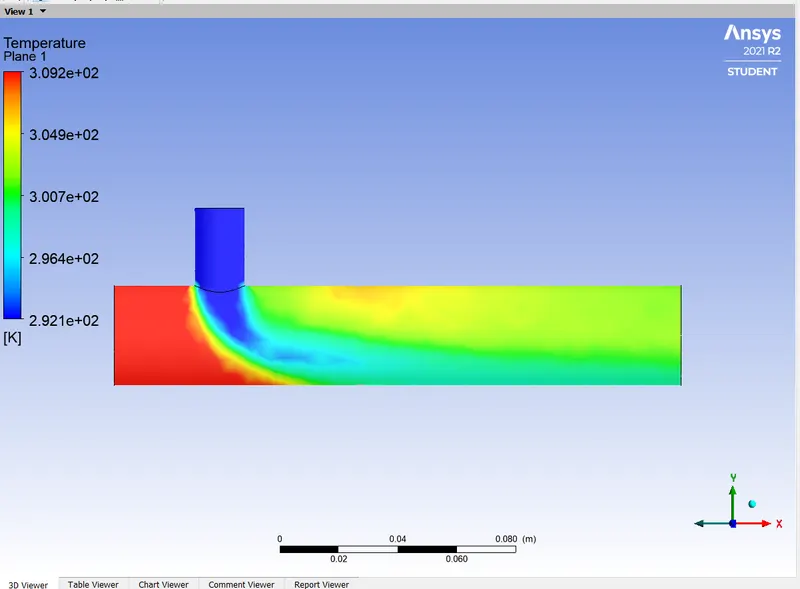
TEMPERATURE CONTOURS ALONG THE PLANE
K-epsilon K-omega
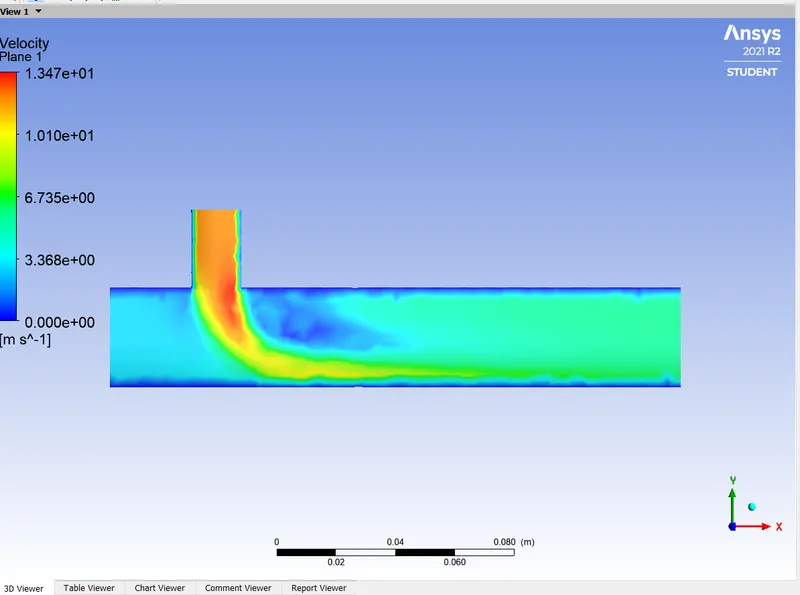
VELOCITY CONTOURS ALONG THE PLANE
K-epsilon K-omega
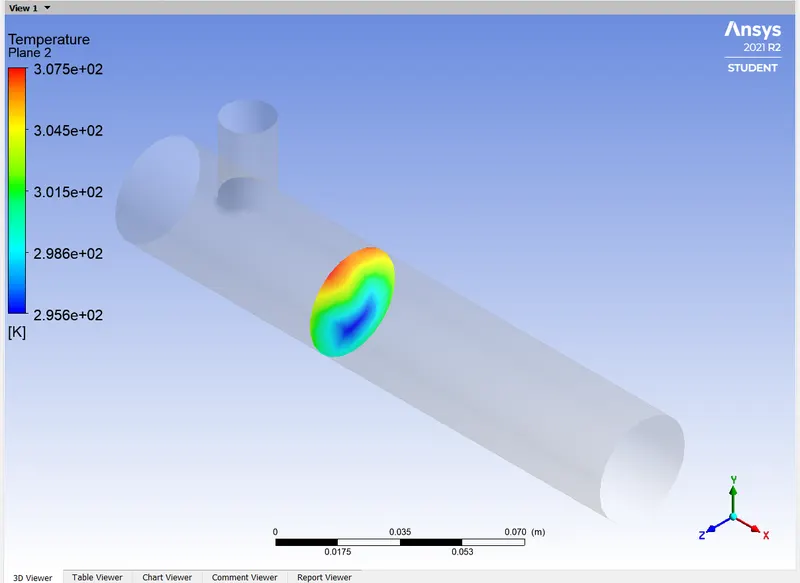
TEMPERATURE CONTOURS ACROSS THE PLANE
K-epsilon K-omega
VELOCITY CONTOURS ACROSS THE PLANE
K-epsilon K-omega
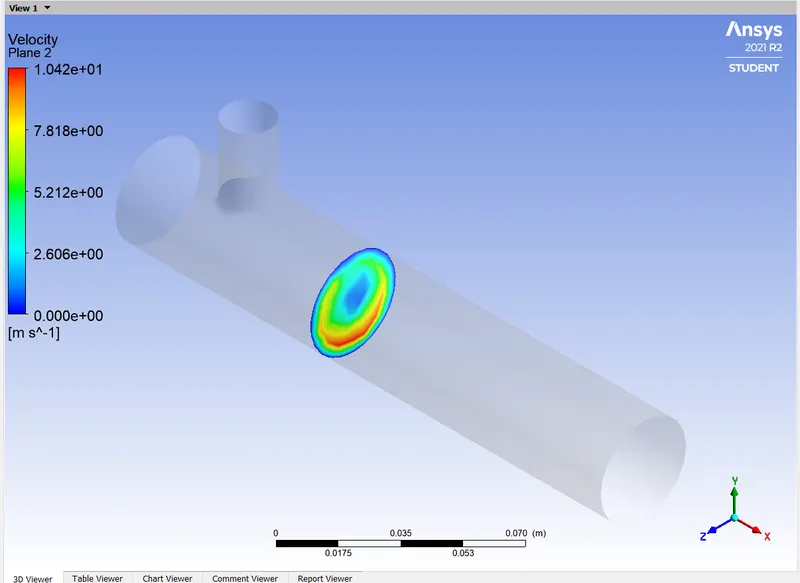
TEMPERATURE CONTOURS ALONG THE LENGTH
K-epsilon K-omega
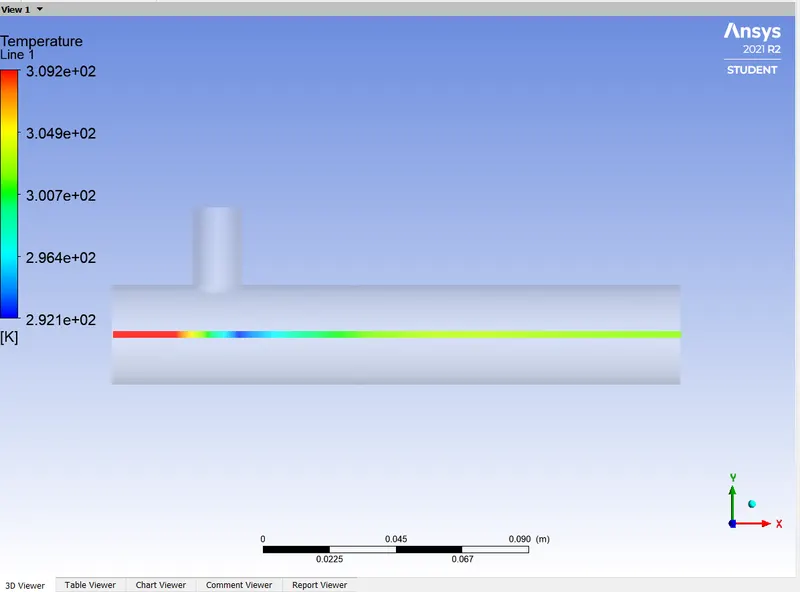
VELOCITY CONTOURS ALONG THE LENGTH
K-epsilon K-omega
TEMPERATURE CONTOURS ACROSS THE LENGTH
K-epsilon K-omega
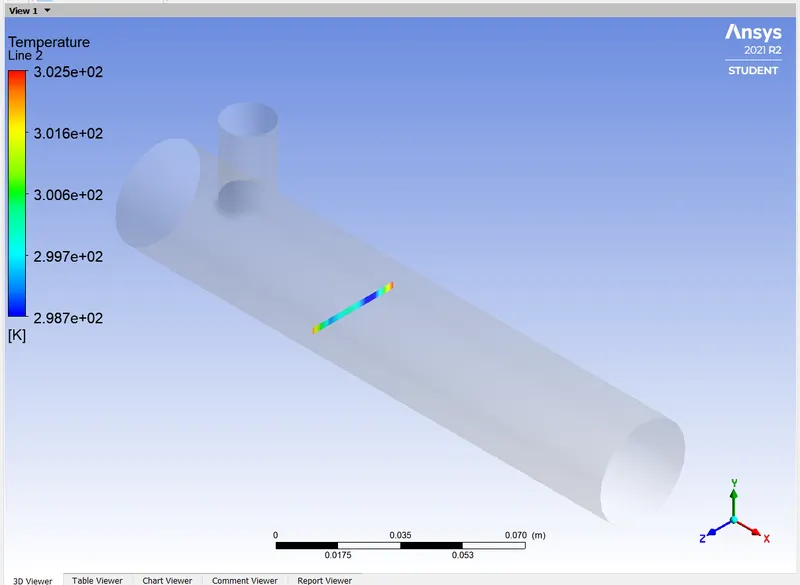
VELOCITY CONTOURS ACROSS THE LENGTH
K-epsilon K-omega
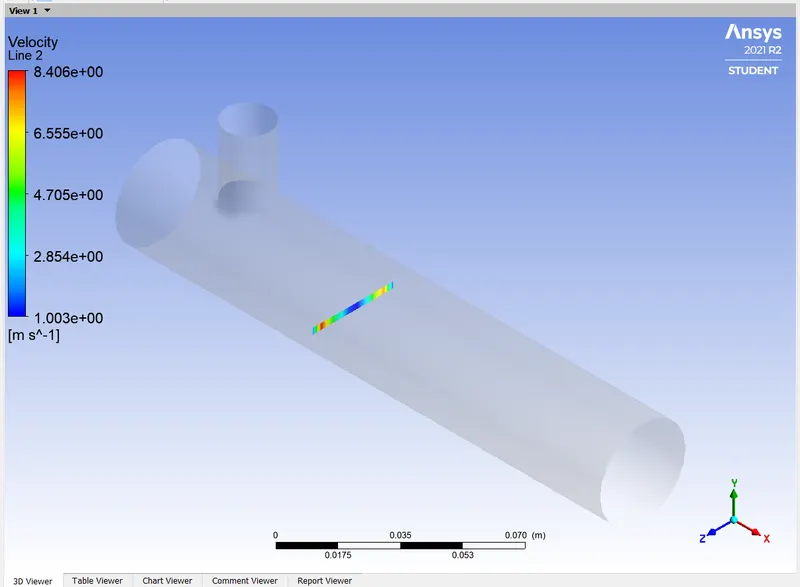
Case 2- Long mixing tee
Turbulence model= k-epsilon
Momentum ratio=2,4
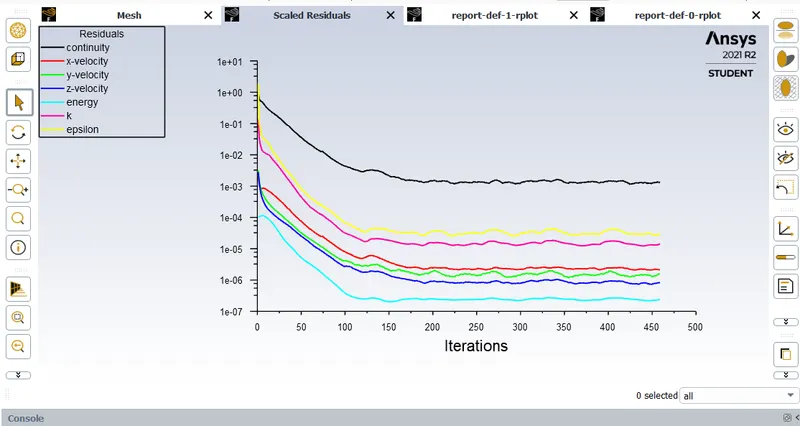
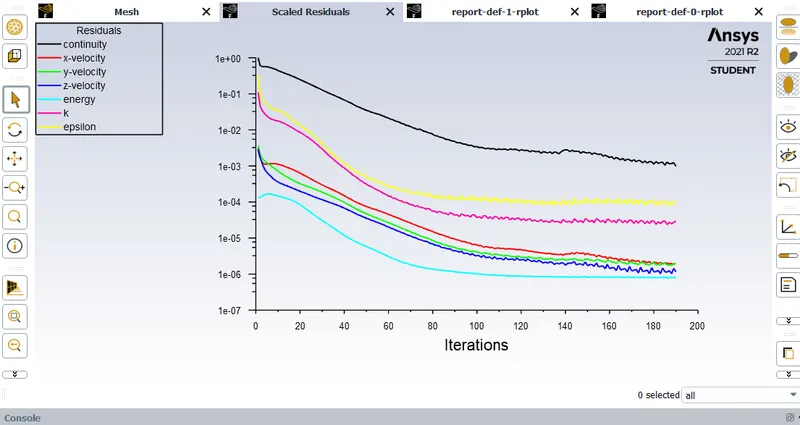
RESIDUAL PLOT
Momentum ratio=2 Momentum ratio=4
STANDARD DEVIATIONS VS ITERATIONS
Momentum ratio=2 Momentum ratio=4
AVERAGE TEMPERATURE VS ITERATIONS
Momentum ratio=2 Momentum ratio=4
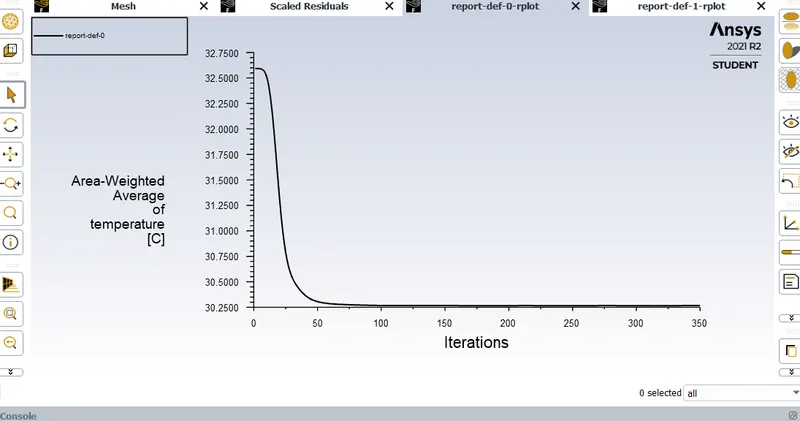
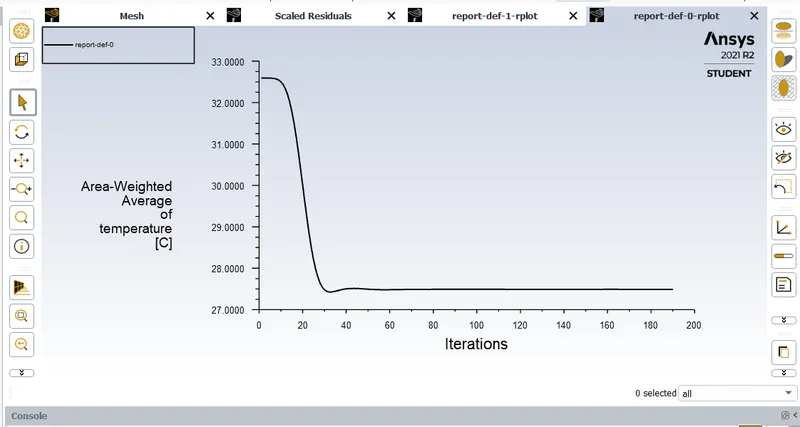
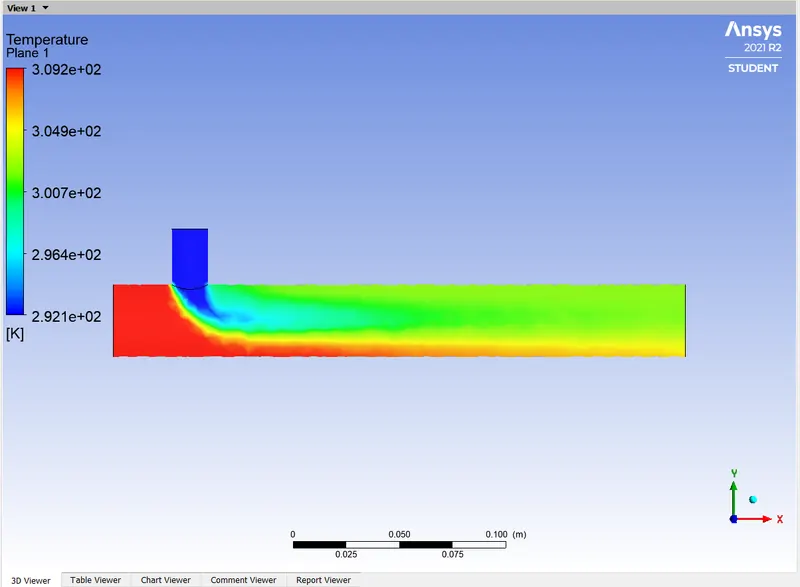
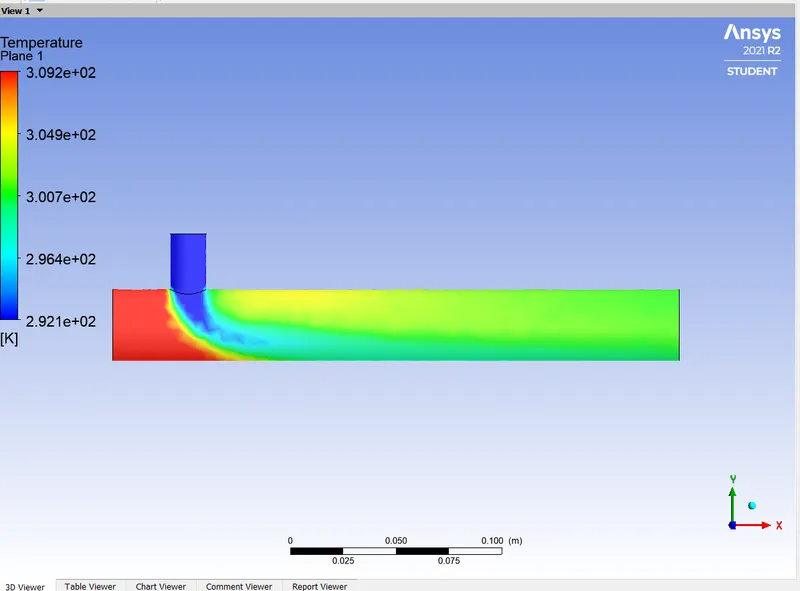
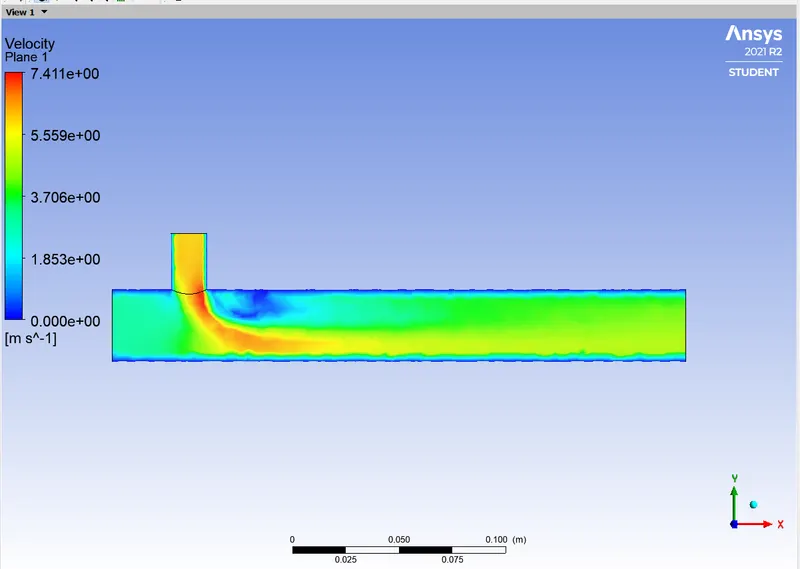
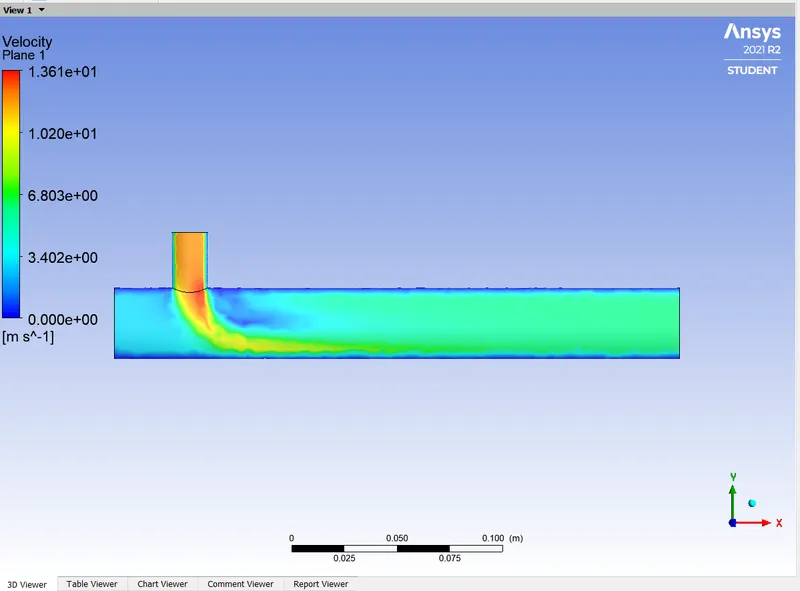
TEMPERATURE CONTOURS ALONG THE PLANE
Momentum ratio=2 Momentum ratio=4
VELOCITY CONTOURS ALONG THE PLANE
Momentum ratio=2 Momentum ratio=4
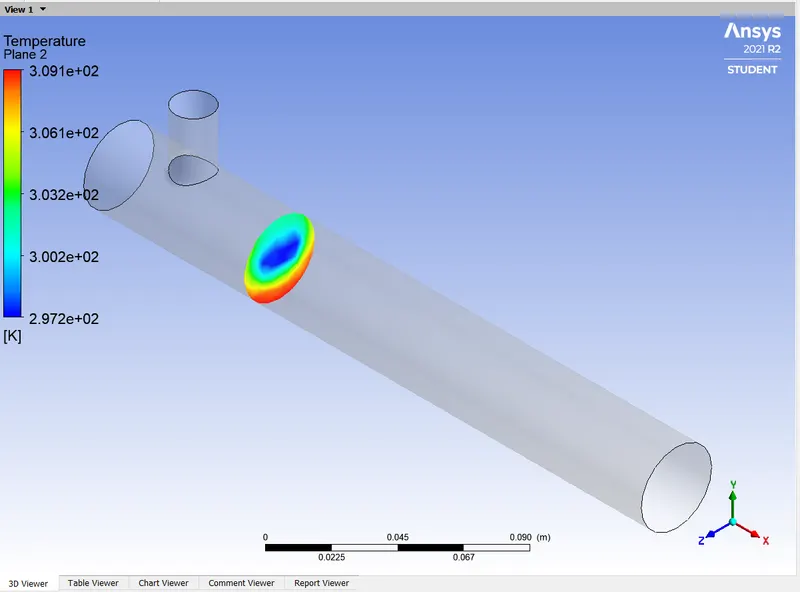
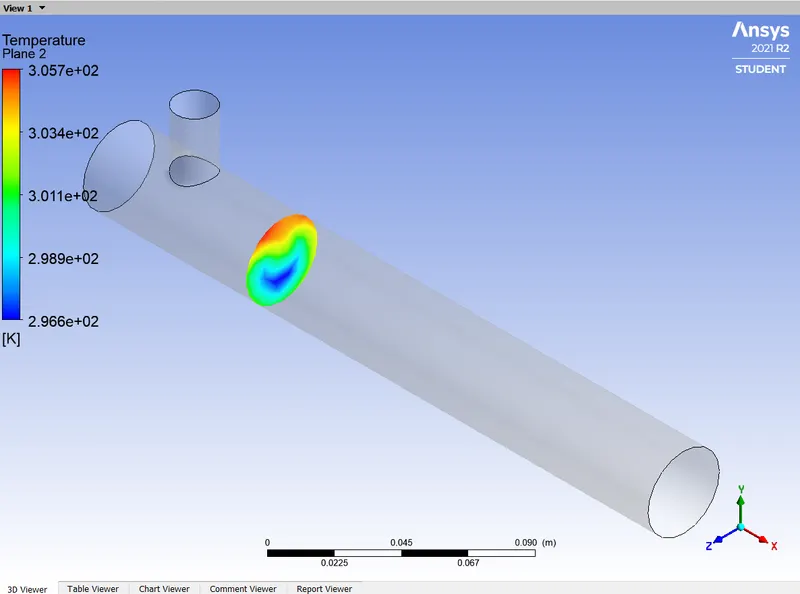
TEMPERATURE CONTOURS ACROSS THE PLANE
Momentum ratio=2 Momentum ratio=4
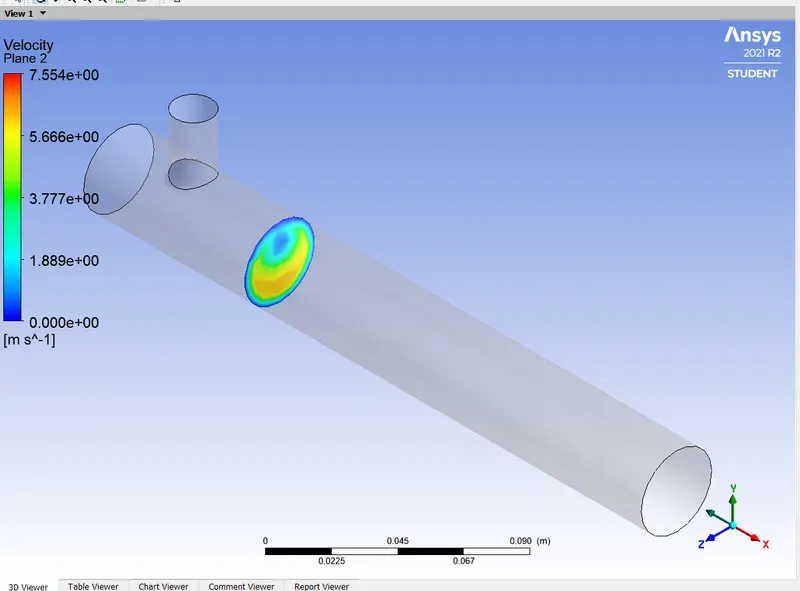
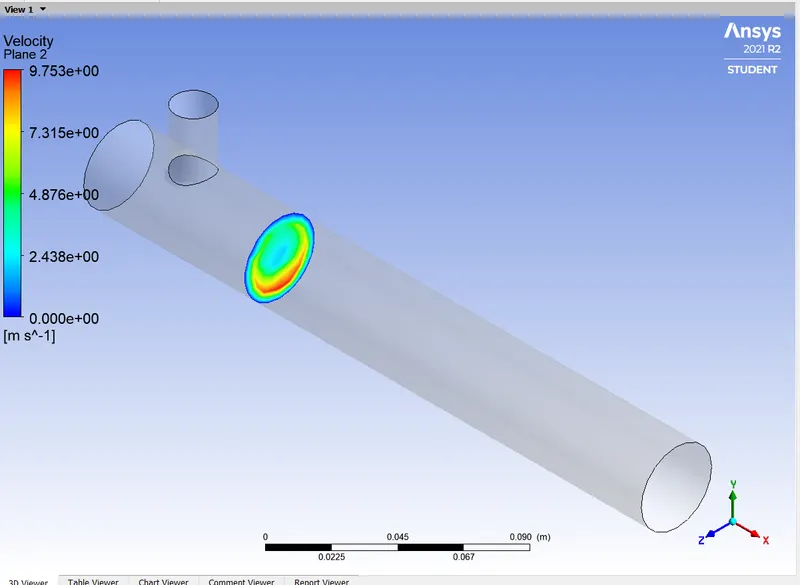
VELOCITY CONTOURS ACROSS THE PLANE
Momentum ratio=2 Momentum ratio=4
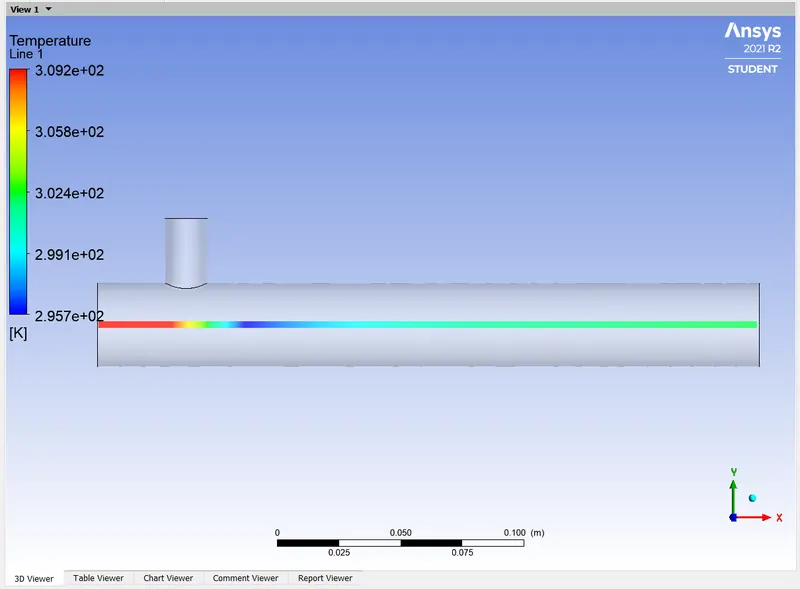
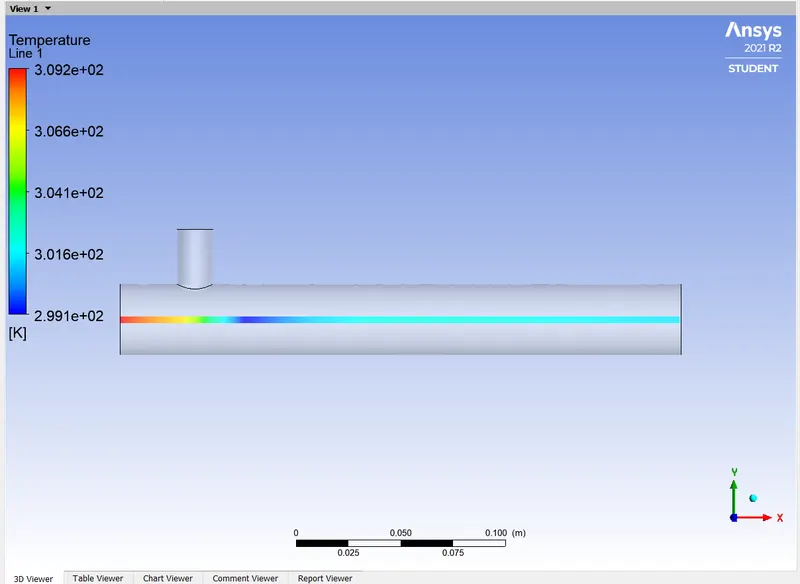
TEMPERATURE CONTOURS ALONG THE LENGTH
Momentum ratio=2 Momentum ratio=4
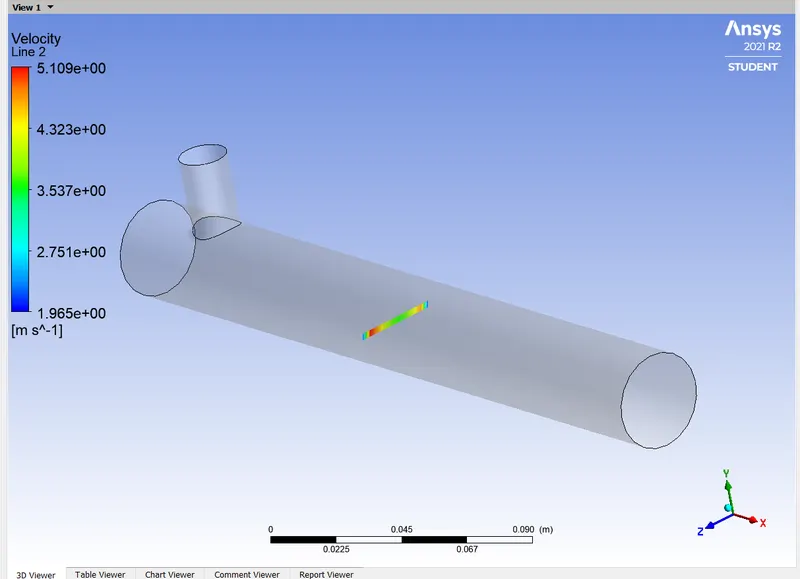
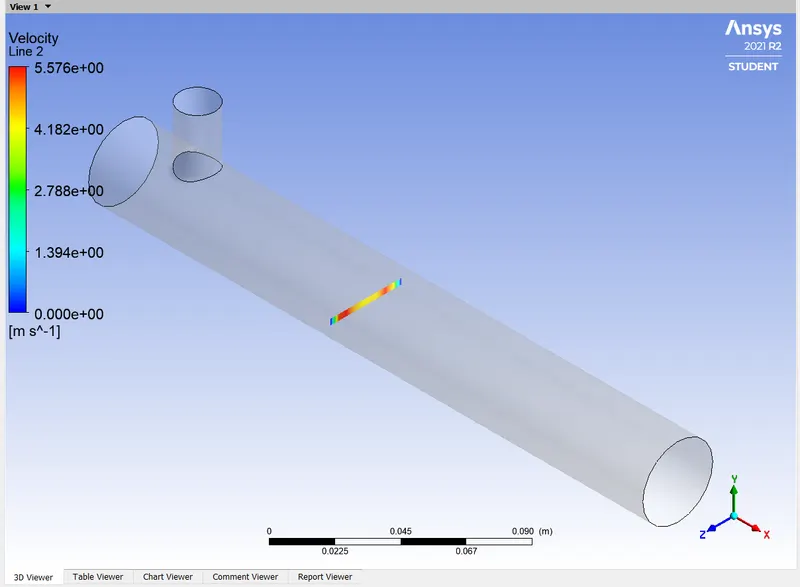
VELOCITY CONTOURS ALONG THE LENGTH
Momentum ratio=2 Momentum ratio=4
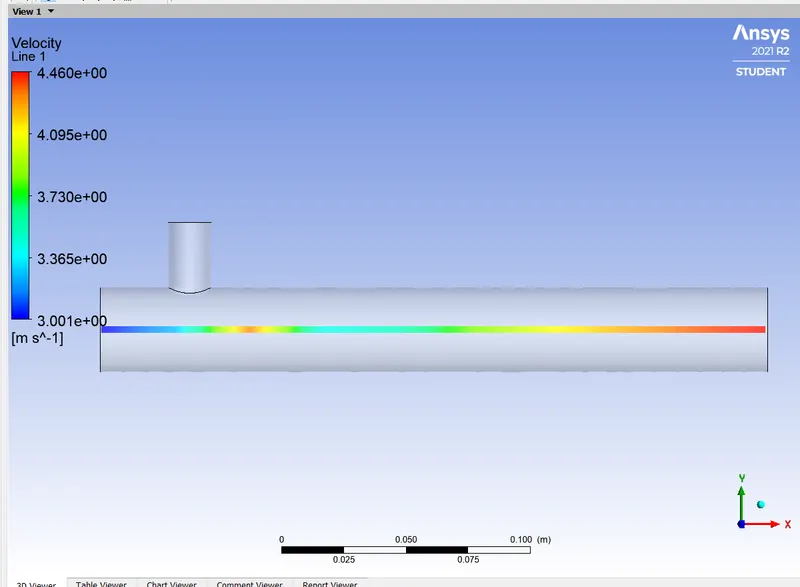
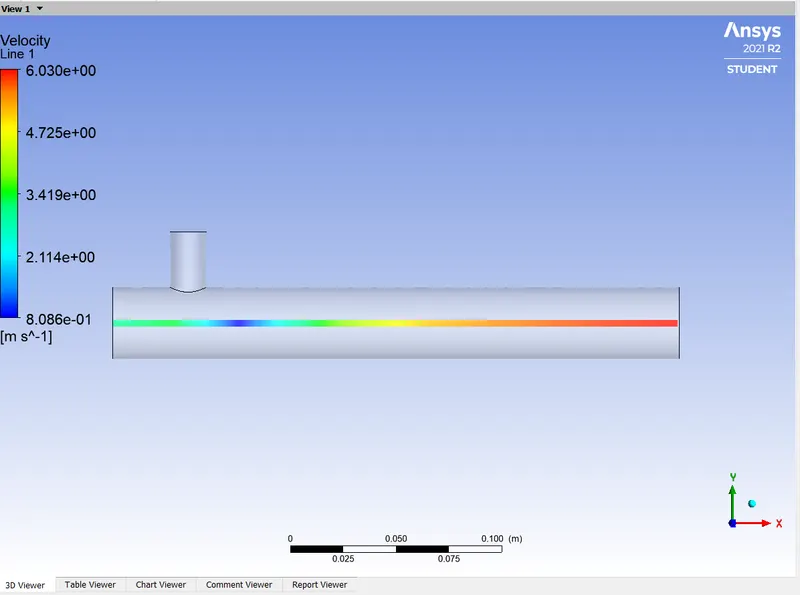
TEMPERATURE CONTOURS ACROSS THE LENGTH
Momentum ratio=2 Momentum ratio=4
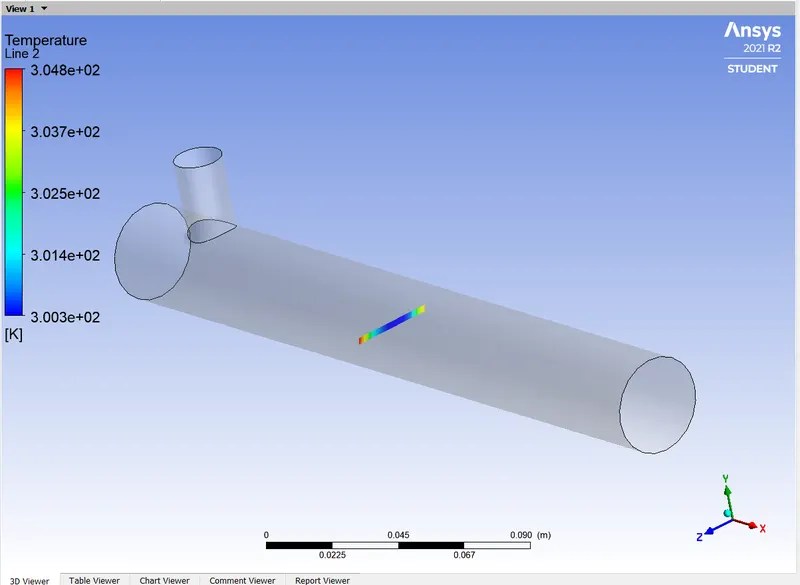
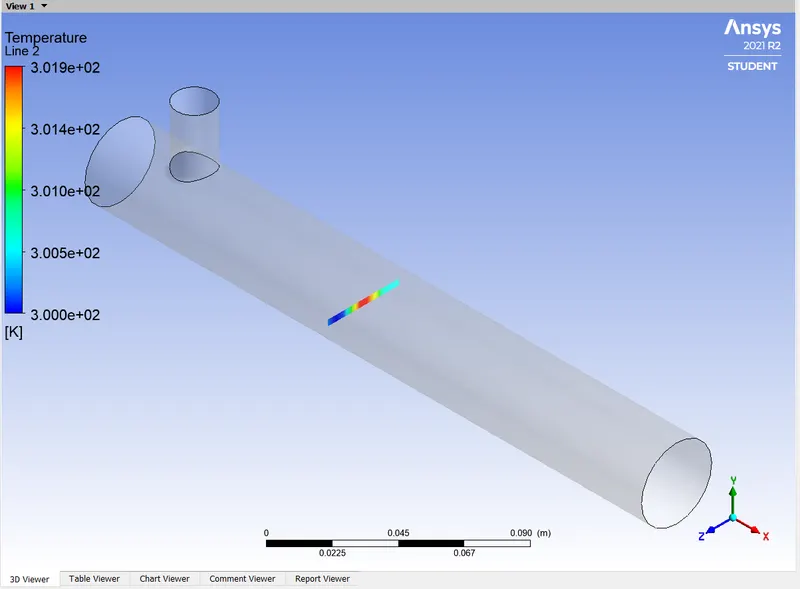
VELOCITY CONTOURS ACROSS THE LENGTH
Momentum ratio=2 Momentum ratio=4
MESH INDEPENDENCE STUDY
Long tee momentum ratio 2
| Mesh size | 5mm | 10mm | 15mm |
| Cell count | 16492 | 7003 | 6268 |
| Avg outlet temperature | 30.2600 | 30.7500 | 30.3000 |
| No.of iteratons for convergence | 316 | 142 | 148 |
Long tee momentum ratio 4
| Mesh size | 5mm | 10mm | 15mm |
| Cell count | 16492 | 7003 | 6268 |
| Avg outlet temperature | 27.25 | 27.5 | 27.75 |
| No.of iteratons for convergence | 122 | 128 | 134 |
Short tee momentum ratio 2
| Mesh size | 5mm | 10mm | 15mm |
| Cell count | 13041 | 6519 | 6171 |
| Avg outlet temperature | 30.2500 | 30.2500 | 30.2600 |
| No.of iteratons for convergence | 337 | 166 | 145 |
Short tee momentum ratio 4
| Mesh size | 5mm | 10mm | 15mm |
| Cell count | 13041 | 6519 | 6171 |
| Avg outlet temperature | 27.500 | 27.500 | 27.2500 |
| No.of iteratons for convergence | 337 | 273 | 250 |
CONCLUSIONS
1.By comparing the k-epsilon and k-omega models for momentum ratio 2 and then by comparing the same with momentum ratio 4 in case of short mixing tee it is evident that k-epsilon model converges with higher acuraccy where as in k-omega model the residuals drop to some extent but they also exhibit fluctuations throughout the simulations resulting in lesser accuracy as compared to k-epsilon models.Hence,k-epsilon model is more suitable due to its comparitively better accuracy.
2.It is also observed that higher momentum ratio offers more profound mixing of the fluids at the outlet.
3.Mixing of the hot and cold fluid also affected by the length the mixing tee, with the increase in length diffusion of fluids also increases there by resulting in more effecient mixing.
4.In a nutshell, it can be stated that higher momentum ratio and longer domain length of the mixing tee would stand out to be better option for seeking results with more precision.