Week 1 Challenge
1. Create a design summary report (DSR) for the following items for any highway you are aware of in your region. Mention the highway name, and location: -
- Category/Class of the road.
- Design speed of the road.
- Terrain classification.
- Travel Lane width.
- Typical min. cross slope.
- Horizontal curve radius without superelevation.
2 What is the typical roadway project life cycle workflow? List out in points. What is the typical roadway design workflow? Also, list out all the experts needed on a roadway project.
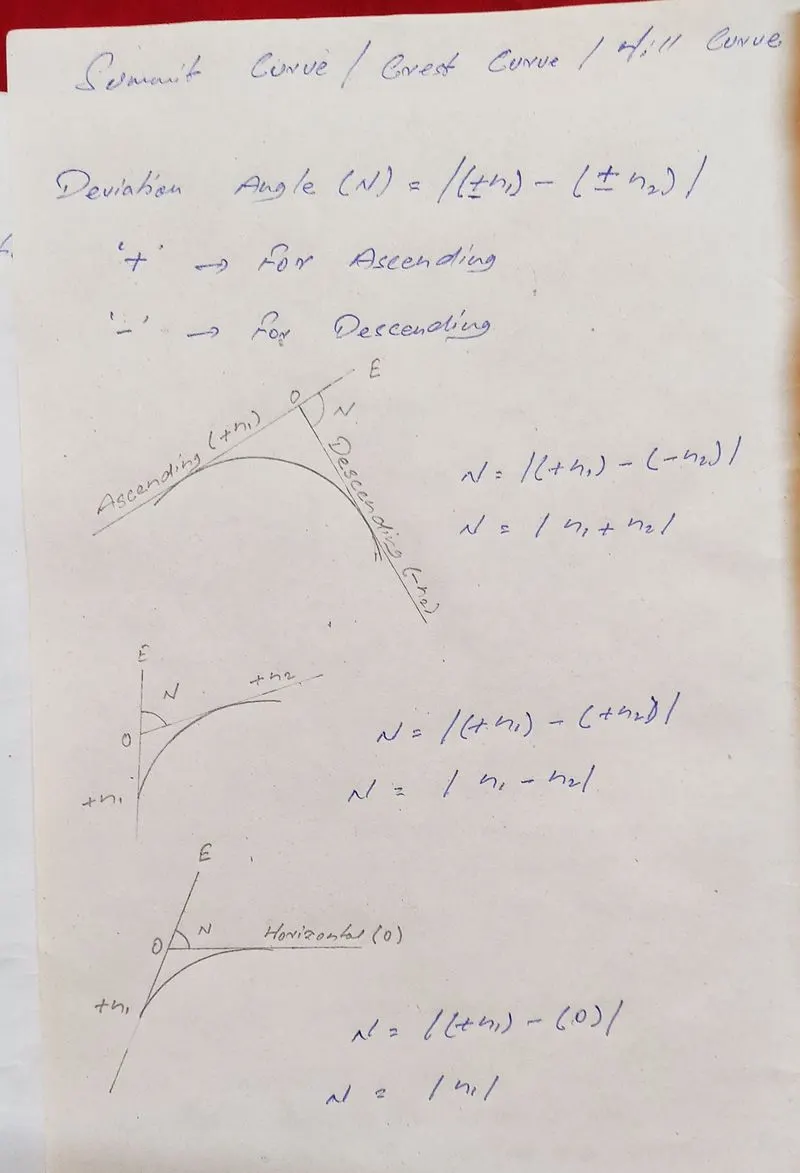
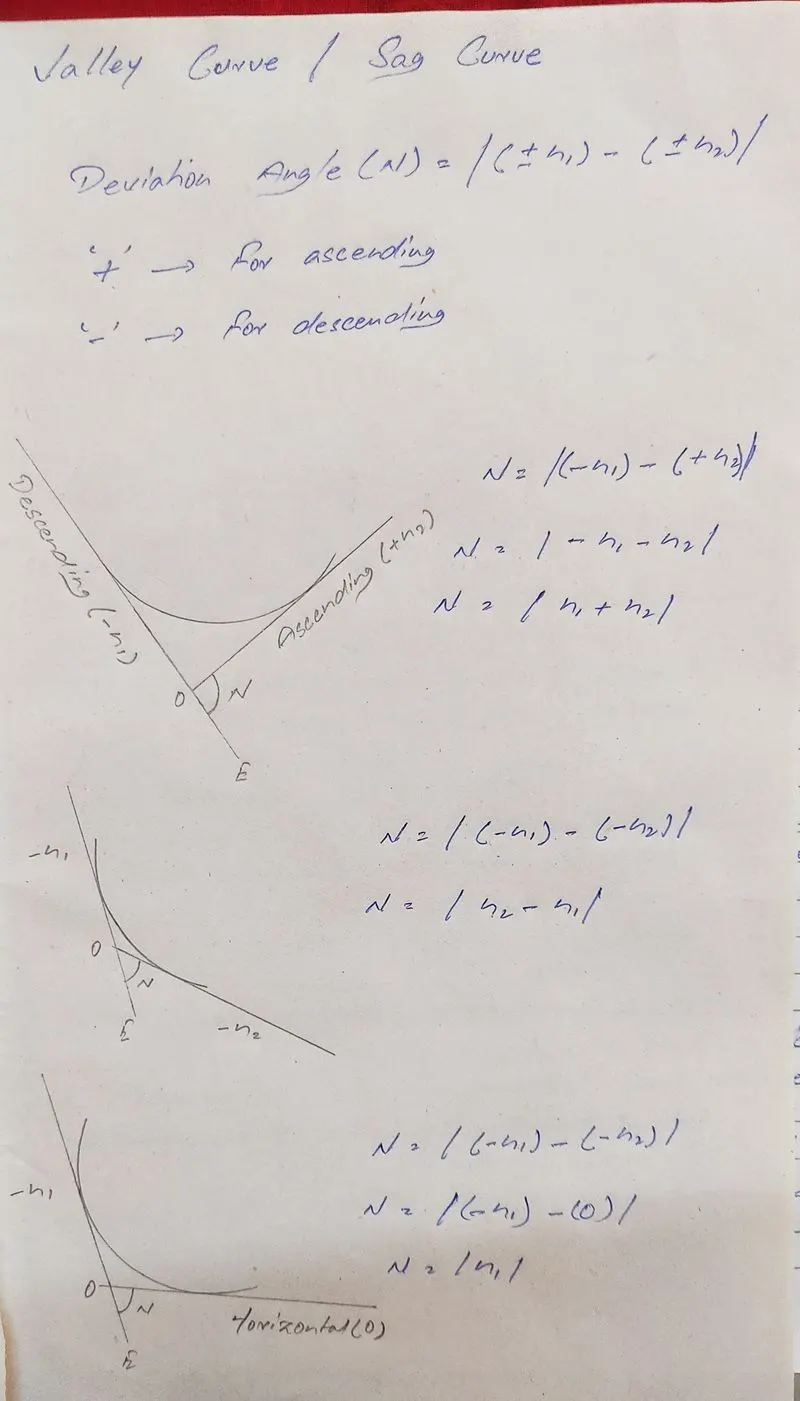
3. What are the important geometrical parameters of a horizontal alignment and vertical profile? When is a vertical curve needed? List the formula with a diagram for vertical curve. List all types of vertical curves with the diagrams.
4. When is superelevation necessary? Show diagrammatical presentation of super concept.
5. List out the typical set of submission needed for a roadway project.
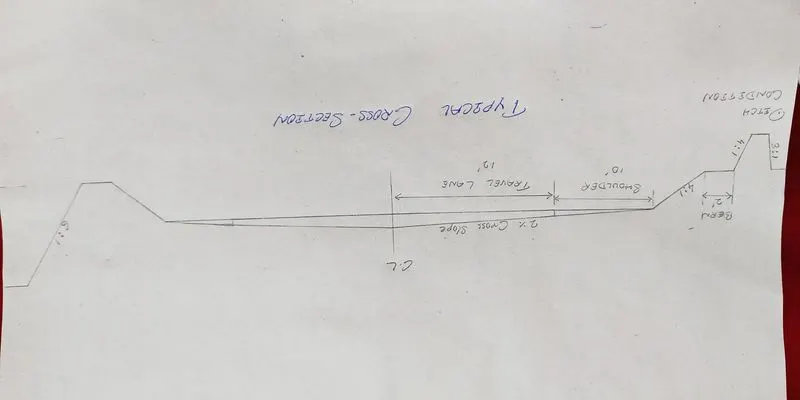
6. Draw a typical cross section with following parameters –
- 12’ travel lane
- 10’ shoulder lane
- 2% cross slope
- 2’ berm
- End conditions with cut/fill of 6:1 and 4:1
- Ditch condition of front slope 4:1, back slope 4:1, 3:1
Q-1 : CREATE DESIGN SUMMARY REPORT (DSR) :
NAME : KALYANI EXPRESSWAY
CATEGORY / CLASS OF ROAD : 80 kmph
TERRAIN CLASSIFICATION : ROLLING TERRAIN
TRAVEL LANE WIDTH : 2-Lane road, Currently it is being converted to,
6-Lane : Nimta to Murgacha
4-Lane : Murgacha to Kalyani
TYPICAL MINIMUM CROSS SLOPE : 2.5%
HORIZONTAL CURVE RADIUS WITHOUT SUPERELEVATION : 310 m
Q-2 : TYPICAL ROADWAY PROJECT LIFE CYCLE WORKFLOW :
Roadway Project Workflow is a framework that department of roadway can apply to roadway projects by outlining a proven sequence of steps that a roadway project should be completed in.
LIST OF TYPICAL ROADWAY DESIGN WORKFLOW :
- Design Summary Report
- Topographical Survey
- Typical Sections
- Geometric Design Standards a- Horizontal b- Vertical
- Superelevation Design
- Plan Set
EXPERTS OF ROADWAY PROJECT :
- Survey
- Roadway
- Drainage
- Bridge / Structures
- Utilities
- Traffic
Q-3 : IMPORTANT GEOMETRICAL PARAMETERS :
A- HORIZONTAL ALIGNMENT :
- Curve Radius
- Superelevation Rate
B- VERTICAL PROFILE :
- Grades
- Vertical Curves
VERTICAL CURVES NEEDED :
Vertical curves provide gradual changes between tangents of different grades.
LIST THE VERTICAL CURVES :
A- SUMMIT CURVE / CREST CURVE / HILL CURVE
B- VALLEY CURVE / SAG CURVE.
Q-4 : SUPERELEVATION :
- When the vehicle goes from a straight road to a curved road, centrifugal force is applied to the vehicle. Superelevation is given on such curved roads to resist the impact of centrifugal force and drive the vehicle safely.
- Preoperation prevents the vehicle from overturning off the road. As a result, the number of accidents is reduced.
- Such supremacy helps divert rainwater to the side of roads. Therefore, there is no need to provide camber on curved roads with superelevation.
- It helps keep the speed of your vehicle stable with safe drive on curved roads.
- It also helps the vehicles to keep their position on the roads on their right side. And in this way, an accident can be prevented with vehicles going in opposite directions.
- The main purpose of superelevation is to resist the influence of centrifugal force applied on a moving vehicle.
DIAGRAMMETICAL REPRESENTATION :
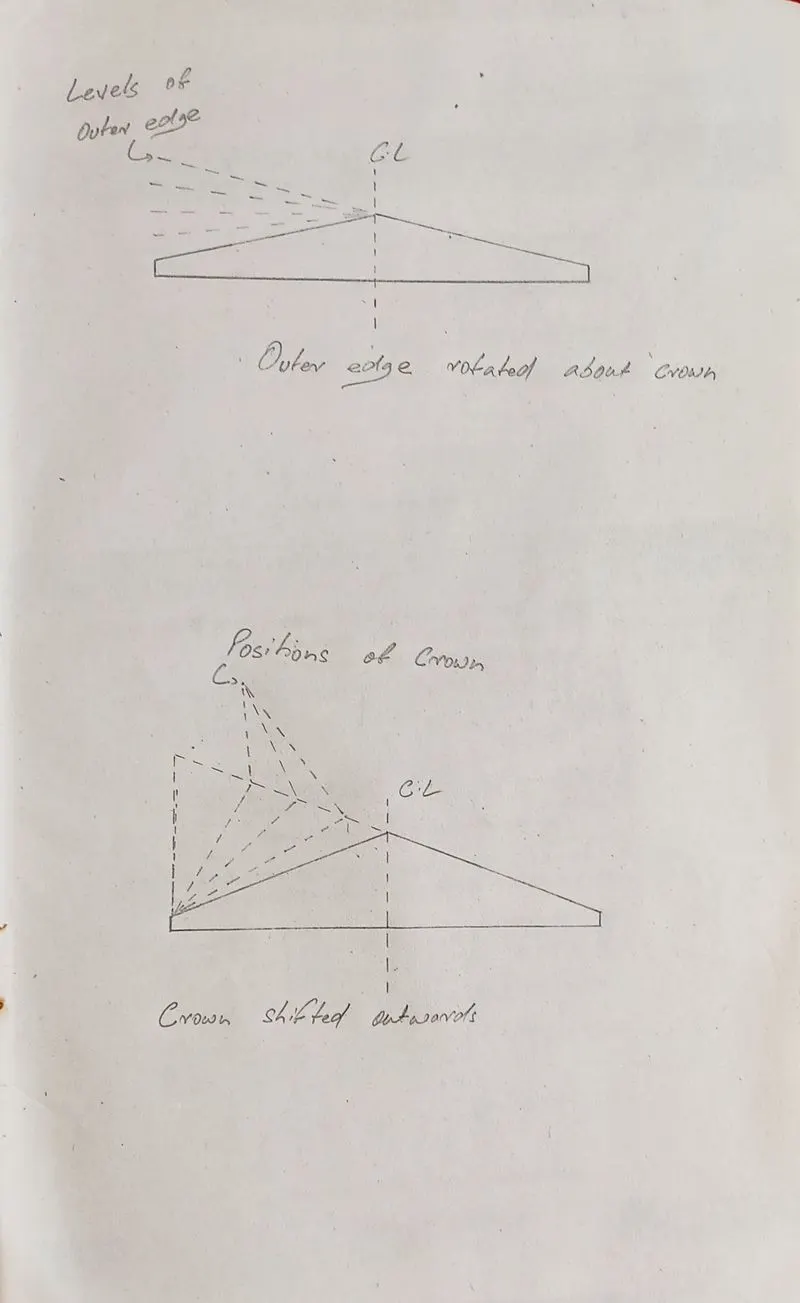
There are 2 methods to attain the superelevation,
1- ELIMINATION OF CROWN OF THE CAMBERED SECTION :
a- ROTATION OF OUTER EDGE :
Rotation of outer edge about the crown at a desired rate such that the outer edge of the cross slope is brought upto the level or horizontal at the start of the transition of curve.
b- ELIMINATION OF CROWN :
The crown is progressively shifted outwards, thus the width of inner edge progressively. This method is known as diagonal crown method. But this method is not usually adopted due to increase in negative superelevation on to a portion of the outer half.
2- ROTATION OF PAVMENT :
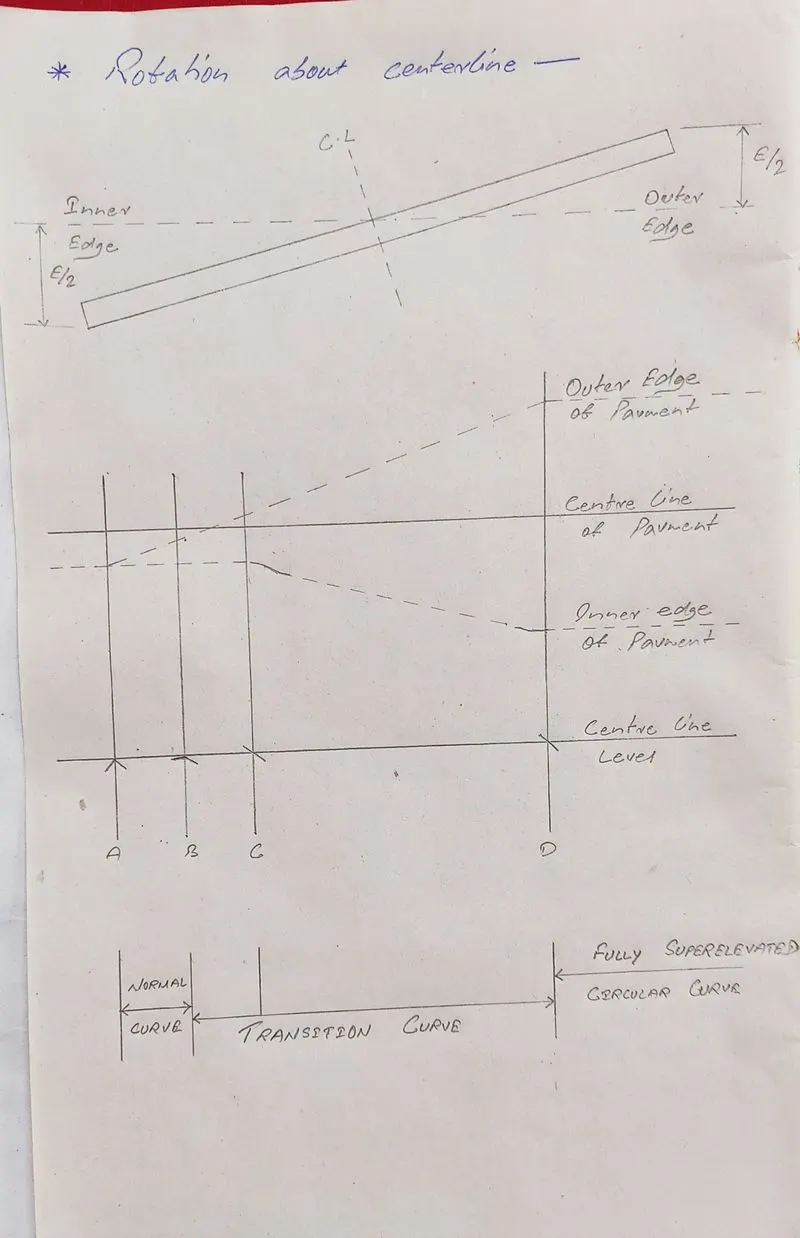
a- ROTATION ABOUT CENTERLINE :
The pavment is rotated about the centre line such that inner edge is depressed and outer edge is raised both by an amount of E/2, where 'E' is total superelevation. In this method vertical profile of the centre remains unchanged and earthwork is balanced resulting in an advantage.
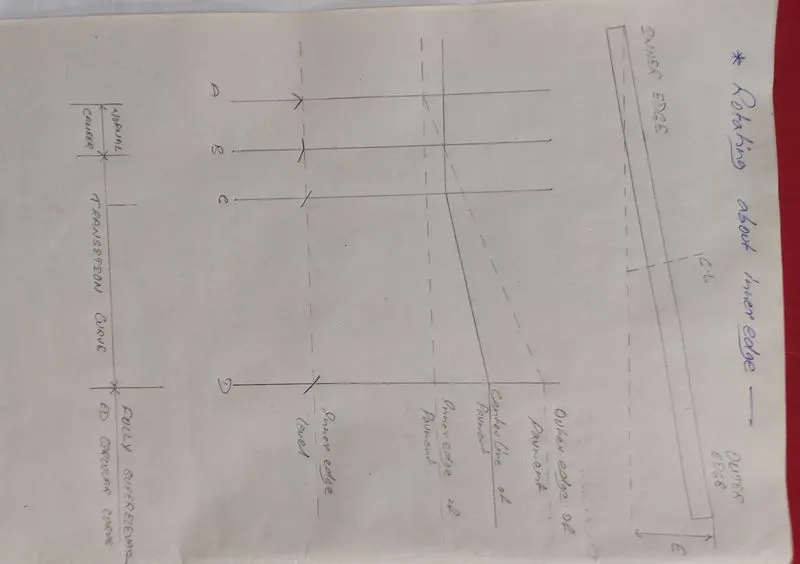
b- ROTATION ABOUT INNER EDGE :
In this method, pavment is rotated about inner edge untill the attainment of full superelevation. The entire width of pavment is raised by additional earth fill, which may be considered as a disadvantage of the method.
Q-5 : LIST OUT TYPICAL SET :
- Cover Sheet
- Index Sheet
- Project Layout
- Typical Sections
- Plan & Profiles
- Plan only
- Design Cross Sections
- Traffic Control Plans
- Quantities
- Summary of Quantities.
Q-6 : CROSS-SECTION :