Week 1 Challenge
QUESTION 1) Out of the two thorugh type truss system shown below which is the most effective in carrying gravity loads ? Reason it out.
Aim & Introduction ::- Finding out which type of truss A or truss B is most effective in carrying gravity loads and how both the trusses fuction during loading.
Procedure ::- In engineering , Truss belongs to a structure that contains two members only. The members are arranged order that truss can act like single object. the truss facilitates the structure to transfer its weight to foundations and anchors securely.
The member of the truss are dependent on axial compression and tension and not on bending moment.
the truss employs web of triangles which are attached in order that pressure and tension are used to the points of the corners of every triangle to make them stable for providing support to structure.By associating wide array of trusses collectively, significant amount of weight can be transmitted securely to load bearing beams, walls or ground directly.
TRUSS A )
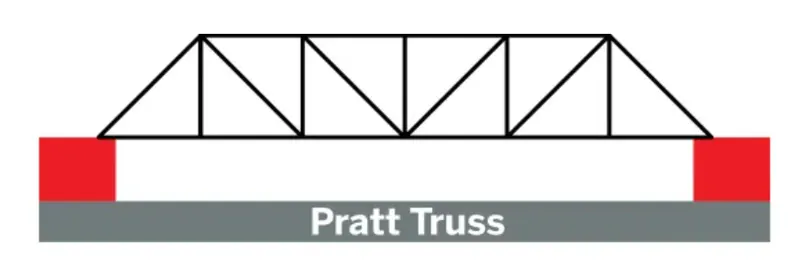 it is defined by its diagonal members (excluding the end diagonals) which are slopped down towars the middle of the bridge span. This type of structural arrengments based on when external loads tensions caused in diagonal members wheras vertical members manage compressive force. In this type of truss Top members are in compression and bottom memebers are in tension.
TRUSS B )
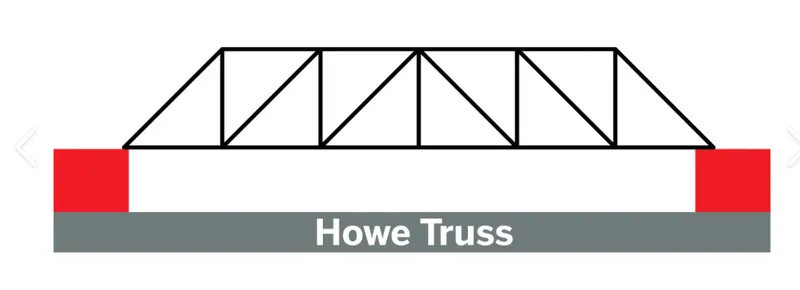 it is defined by its diagonal members which are sloped down away from middle of the bridge span. This type structural arrengements cause compressive forces in diagonal members. In this type of truss top members majorly tranfers the load to a support and bottom members are ancilliary.
Result ::- Truss B is more effective in carrying gravity loads becouse of its diagonal members position in the truss which provides more stability under loading.
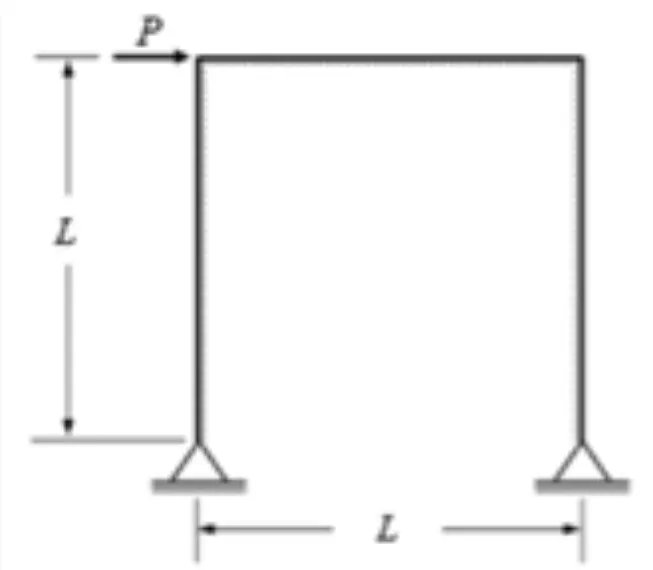
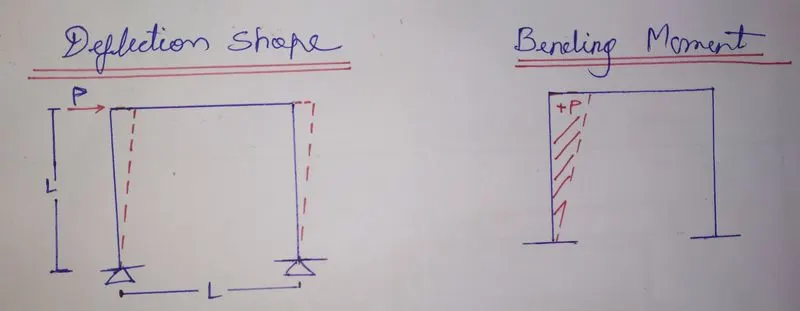
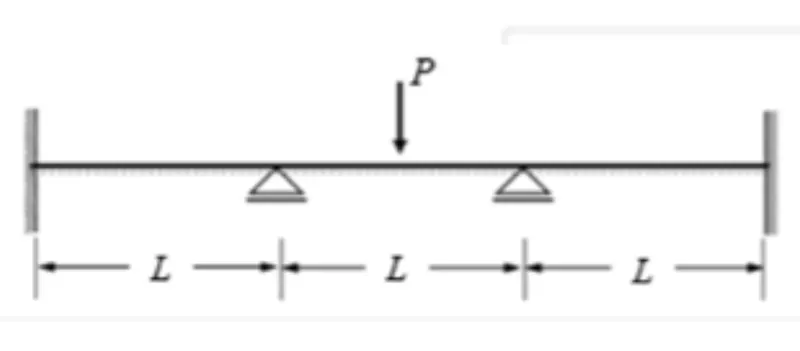
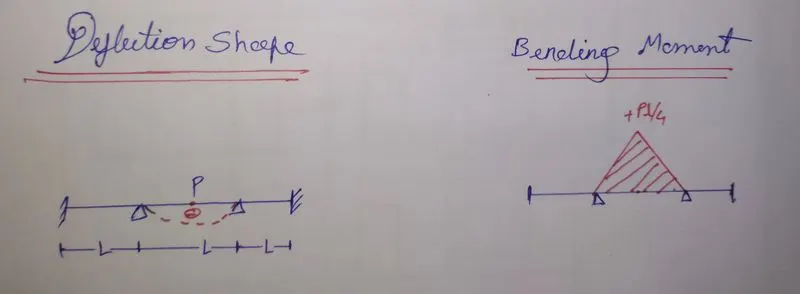
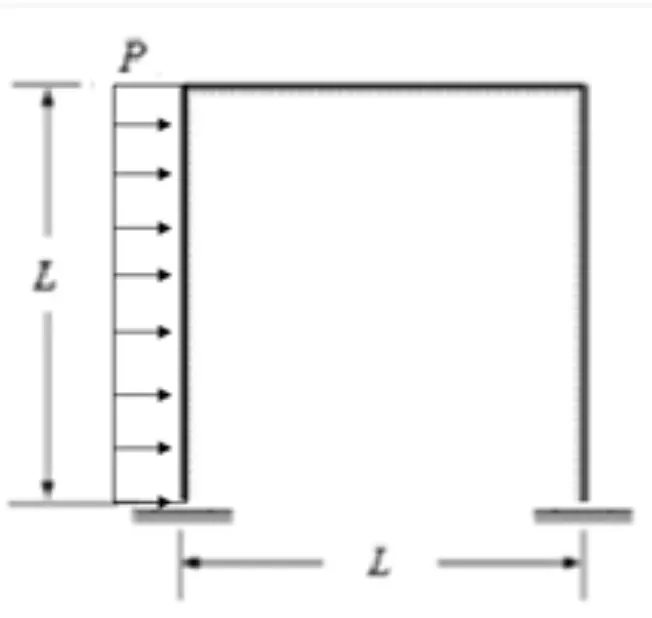
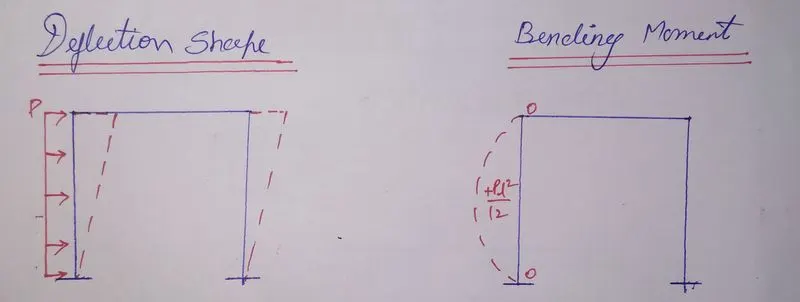
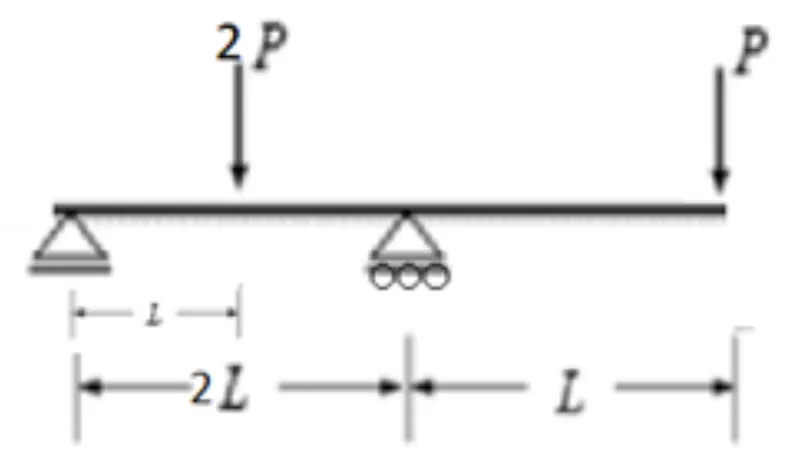
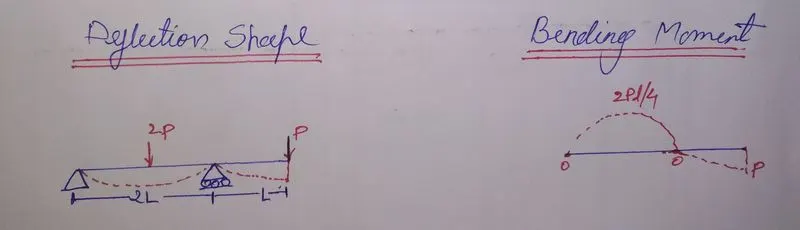
QUESTION 2) Deflection shape and Bending moment Drwaing . (Qualitative Approach).
Aim ::- Evaluating the deflection shape abd bending moment diagram on different frames of the loading.
Procedure :: -
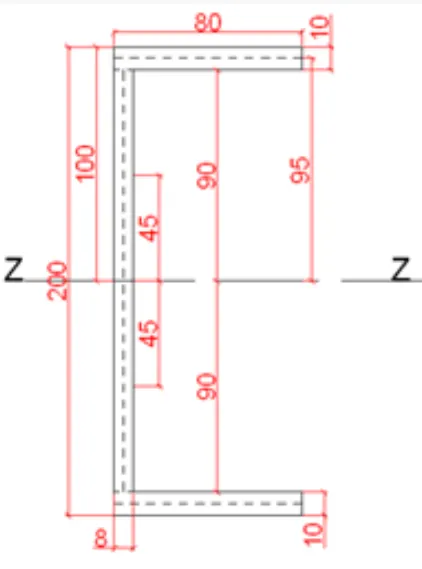
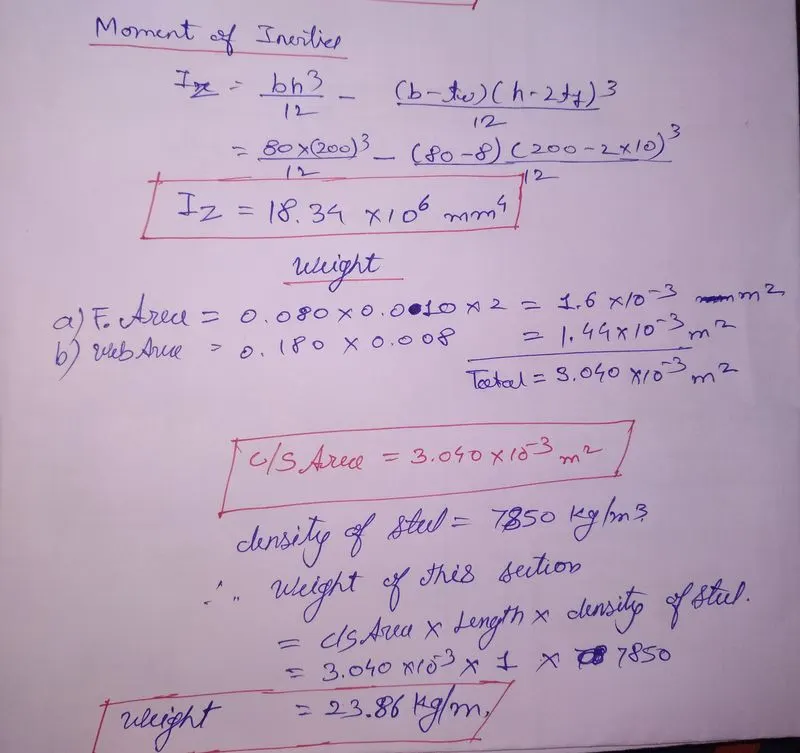
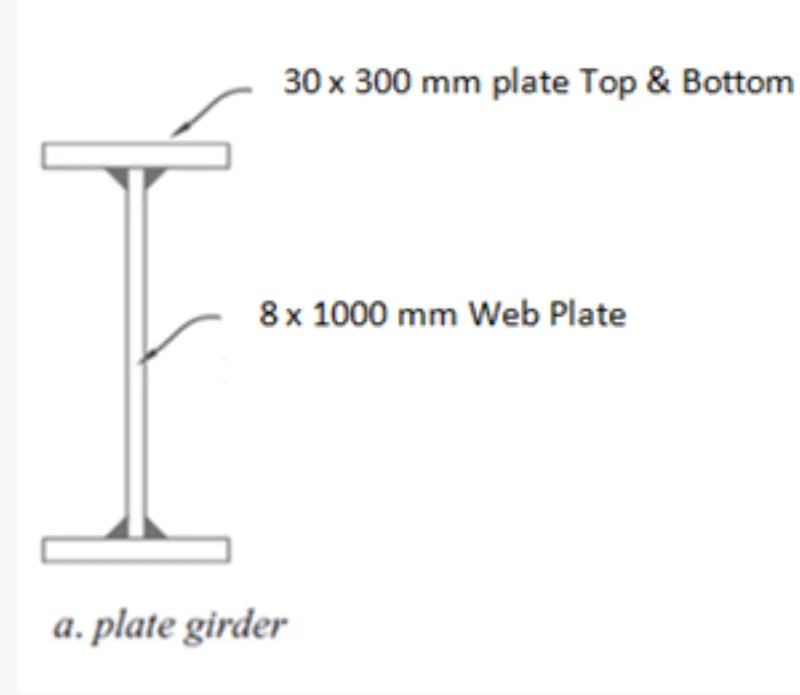
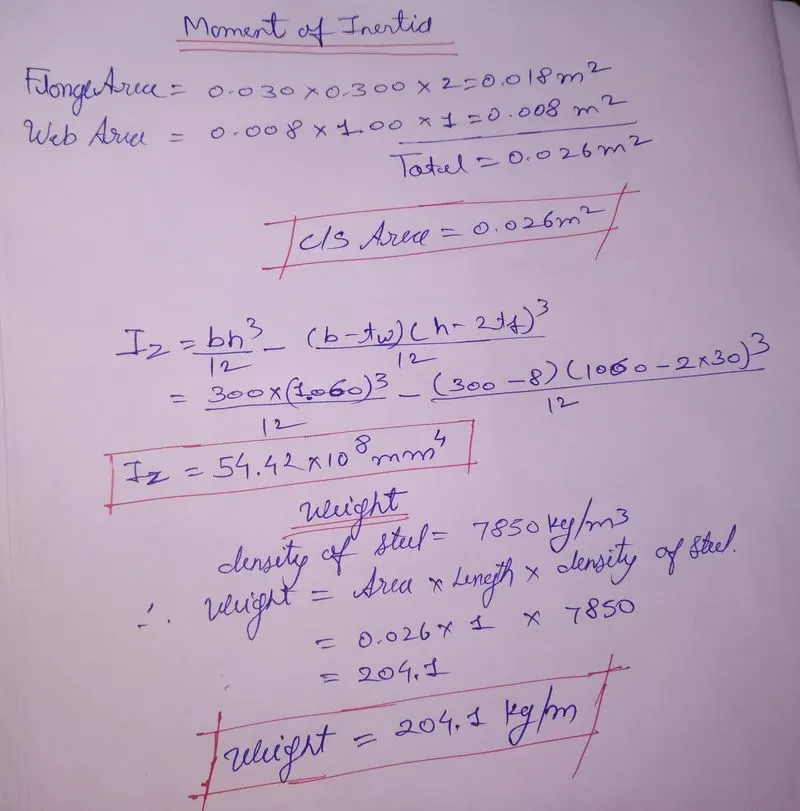
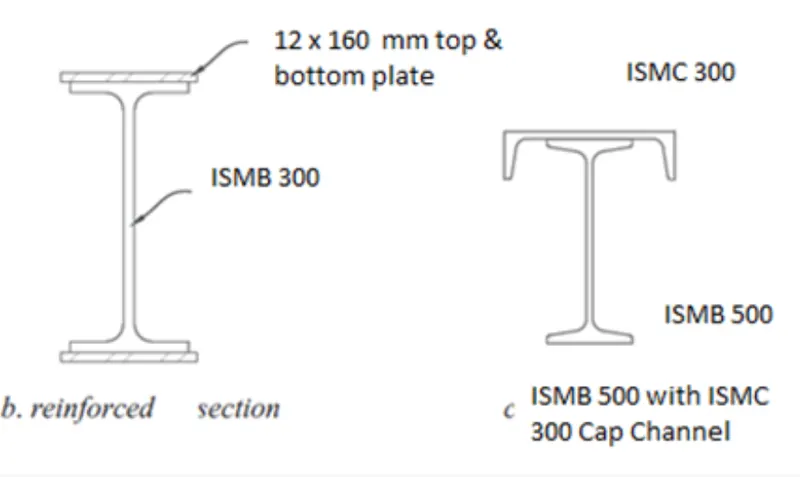
QUESTION 3) Determine M.O.I., C/S area and weights of section below.
Aim ::- To find moment of inertia, Cross section area and Weights of the section given.
a)
 .
.
QUESTION 4) Load calculation problem for the floor framing below, calculate the load on interior beam and exterior beam, interior girder and exterior girder having floor load of 10 KN/m2.
Aim ::- Calculating load acting on the members of the frame.
Procedure ::-
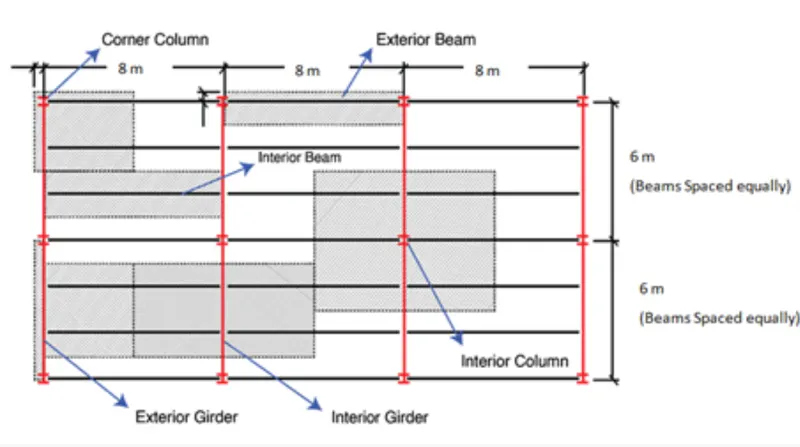
Shorter side of the frame.
RA , RB and RC are respective loads on the supprots A,B,C.
A & C are the corner column carrying load 110 KN, B is the centre support carrying load 180 KN.
Exterior and the interior girders are carrying loads shown in fig. below for 6m span is 140 KN.
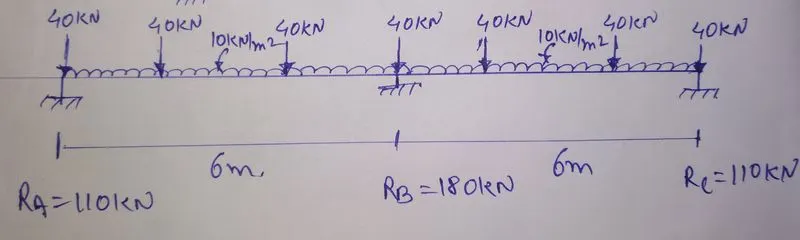
Longer side of the frame.
RA, RA2, RA3, RA4 are the loads on the supports A,A2,A3,A4.
A & A4 are corner columns carrying loads 150 KN. A2 & A3 are the centre supports carrying loads 230 KN.
Interior and Exterior beams are carrying loads along 8m span is 80 KN.

Result ::- Corner columns carrying load = 150 KN.
Interior columns carrying load = 230 KN & 180 KN.
Exterior girder and Interior girder carrying load = 140 KN.
Exterior beam and Interior beam carrying load = 80 KN.
QUESTION 5)