Underbody Coating
UNDER BODY COATING:
Underbody coating provides a long term protection from corrosion for car underbody. It also helps to protect the vehical parts like internal body panes, from rails and other inner cavities that are not phsically accessible.
The main purpose of undercoating is to check rust especially in the body components like frame rails along with other exposed metal parts. Underbody coating can also reduce wear and tear.
Mainly it is used to maintain the high strength for the vechical under body and it also use to protect the car parts.
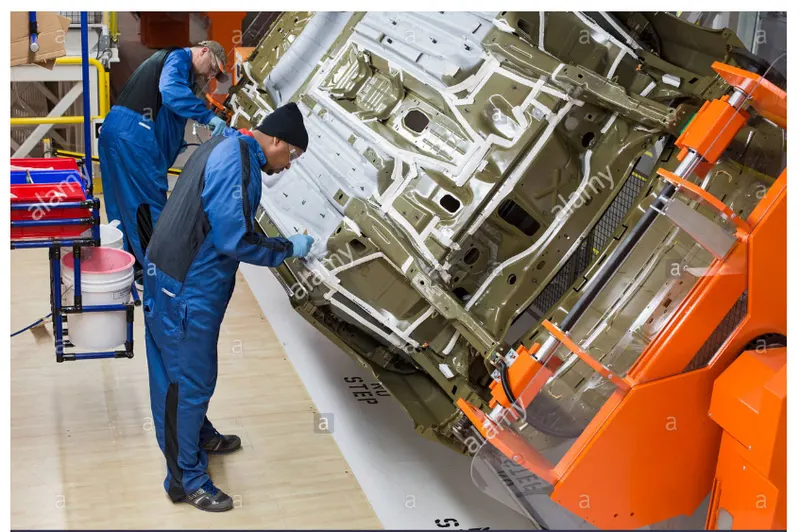
The above figure shows the Underboady Coating
There are various essientials parrts and elements we use in the underbody coating they are shown in the below fig
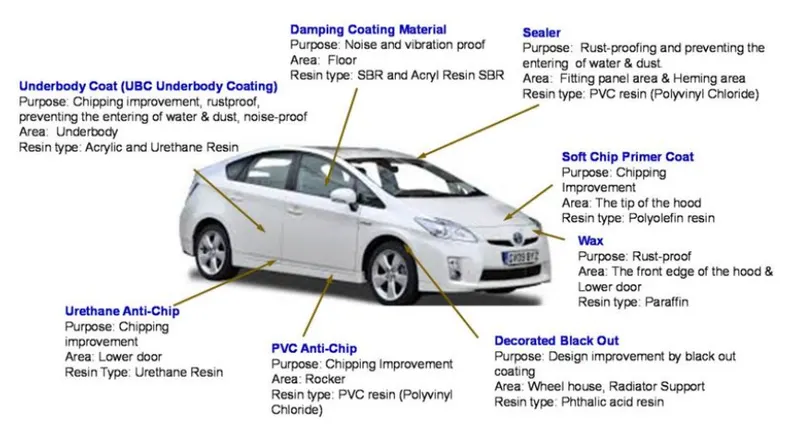
The above will explains the various essential parts when we are going to underbody coating and what are the main components we want to spray these are all done by the robotics because these coatings are harmfull and hazards to hummans and we use different coatings for different parts.
Under Coating: This method involves a spraying a car based substance on the exposed parts of vehicals under body.
Rustproofing and undercoating vehical can protect from coorosion and rust. This is espacially important for the undercarriage of vehical which commonly contacts with the lot of water, chemicals, salt solutions, and other dirt from road to prevent all these wastages for vehicals we use undercoating. If we cant prevents the protection it may have chance to damage the vehical and it leads to lekage of fuel.
Purpose of Underbody Coating:
Under body protective coatings is used to protect the vehicle chassis from external environment, to ensure the integrity and safety of cars. The use of UBC plays a very important role in the service life of the vehicle. In general, it is required to spray such a protective coating in the manufacturing of the new car for,
- Stone chip prevention
- Improve driving comfort
- Abort Car Fare
- Dampens sound and vibration
- Protects against CorrosionMade maintenance easyI
- nsulates against cold and heat
- Hides welds, repairs & bodywork with spray
Benfits of Underbody Coating:
- Minimizes Sound: It minimizes the sound from underneath the car resulting a noiseless, smooth driving experience.
- Heat Insulation: It insulates the interior of the car from extreme temperatures from beneath the vehicle providing a comfortable cabin experience.
- Anti-chipping property: If any stone hits the coating it does not get chipped away hence protects the underbody from exposure to water.
Types of Underbody Coating:
There are 4 types of underbody Coatings we use in vechicals they arre,
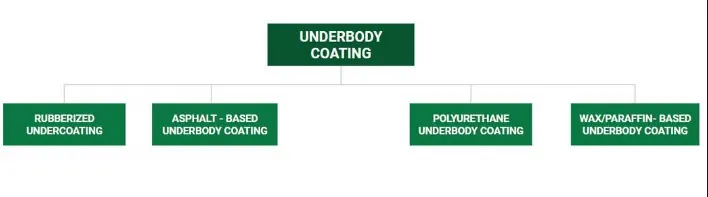
The above fig shows the how many coatings are devided
-
Rubberized Underbody Coating
This is generally thought of as the best underbody coating for your car. It preserves the underbody well, protecting it from scratches. Applying this to the undercarriage is not much of a hassle either.
-
Asphalt Based Automotive Undercoating
Best suited for lorries, trucks and large vehicles this provides a greater degree of protection compared to rubber-based coatings. However, asphalt-based coatings contain little amounts of rubber for sound-insulation purposes. The process of applying this coating is a bit time-consuming though.
-
Polyurethane Underbody Coating
This coating closes up splits and fractures on the underbody of the vehicle. It offers up good protection against corrosion and also bonds with the metal. Unlike in the case of asphalt-based coating, you can paint over the polyurethane coating.
-
Wax Based Underbody Coating
This – more or less – ephemeral undercoating will wear away in a few months’ time. On the upside, wax-based undercoating puts up a big fight against moisture. It is also the most affordable option out there.
These are the various different types we use in underbody Coatings.
Different types of rustproofing/undercoating
When having your vehicle rustproofed or an undercoating applied, you have a few options to choose from. Whether you prefer the latest technology or a more tried and true method, knowing what the different options are should allow you to choose the best one for your vehicle.
Spray method:
- The spray is the most common method used by dealers. The spray consists of a tar-like substance that is applied to the undercarriage. It functions as a barrier for salt, moisture, and oxygen, which causes corrosion.
- You can also purchase it as a DIY product, but the whole magic lies behind the method of application, so it’s better to do the job with a dealer, especially if you have a new vehicle.
Electronic method
- Using a weak electric current, this small device can stop the corroding effects of rust.
- You can have these electronic devices installed at the dealership, or save some money and buy them from a source outside of the dealership.
- The reviews on these devices are mixed, as this is a virtually new technology.
Dripless oil spray method
- A wax-like substance applied to the entire body of the vehicle, it hardens once it has dried.
- One of the downsides of dripless oil sprays is that you need to have holes drilled into the body of the car at specific points to make it effective.
- The spray also has a high viscosity, meaning that it does not always get into all of the nooks and crannies of your vehicle.
Drip oil spray method
- This is the most commonly recommended rust protection.
- Drip oil sprays tend to continue to drip once applied until they dry. This dripping can last anywhere up to 48 hours after application.
- Unlike the dripless varieties, the more watery nature of drip oil sprays means it gets into more areas on your vehicle, though you still need to have holes drilled in your vehicle's fenders, doors, and other areas to make sure that it gets to all the areas it needs to.
Some Differences of coating:
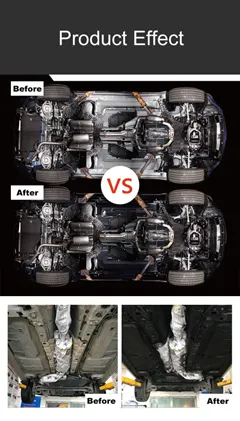
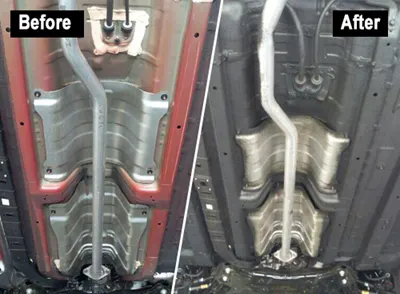
The above figs shows the differences of underbody Coating
CONCLUSION:-
Using an after Market underbody coating offer extra protection. The thicker underbody coatings used on cars also act as effective sound dampeners. They can reduce road noise and tyre noise and make the cabin seem quieter due to the sound absorptive nature of rubberized paints.