Underbody Coating
Underbody Coating
1. Introduction-: This challenge is getting brief understandings about undercoating process. The study is performed to get thorough understating on purpose of applying undercoating its significance and its advantages and disadvantages.
2. Objectives-: We will thoroughly study and understand the process of undercoating its types and its advantages & disadvantages.
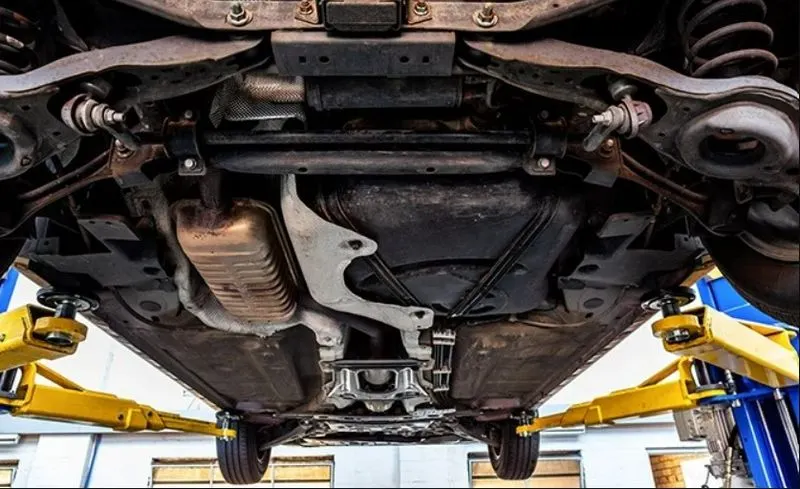
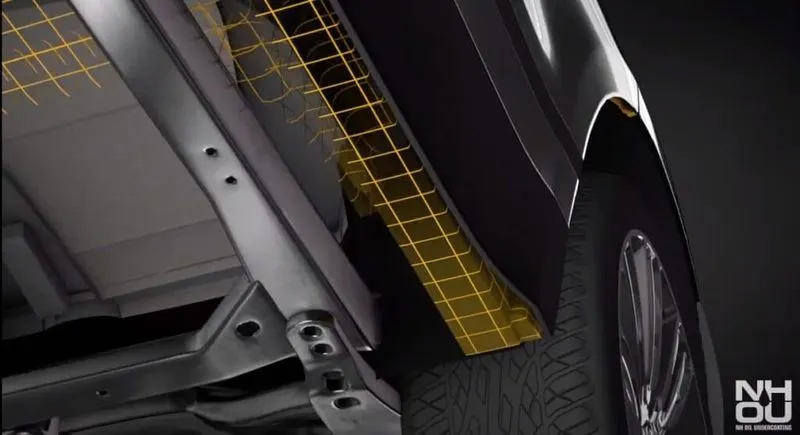
3. Undercoating-: The undercoating is the process of applying a coat of anti-rust, vibration proof and damage proof material on the non-visible areas. The Undercoating is applied on to the underbody parts such as chassis, Suspension arms, oil pans etc.
In Indian road conditions, if you are driving a car, then your car underbody is more prone to corrosion. It not only protects underbody but also protects inner parts such that body panels, frame rails, inner cavities and others which are not so prone too corrosion.
Undercoating acts as a first shield of defence between car underbody and outer elements such as rock, pebbles, dust etc. All the vehicles receive coatings on the assembly line before dispatch.
If you live in an area of the world, that sees a snow season each year, or a coastal region, then your car is more prone to corrosion.
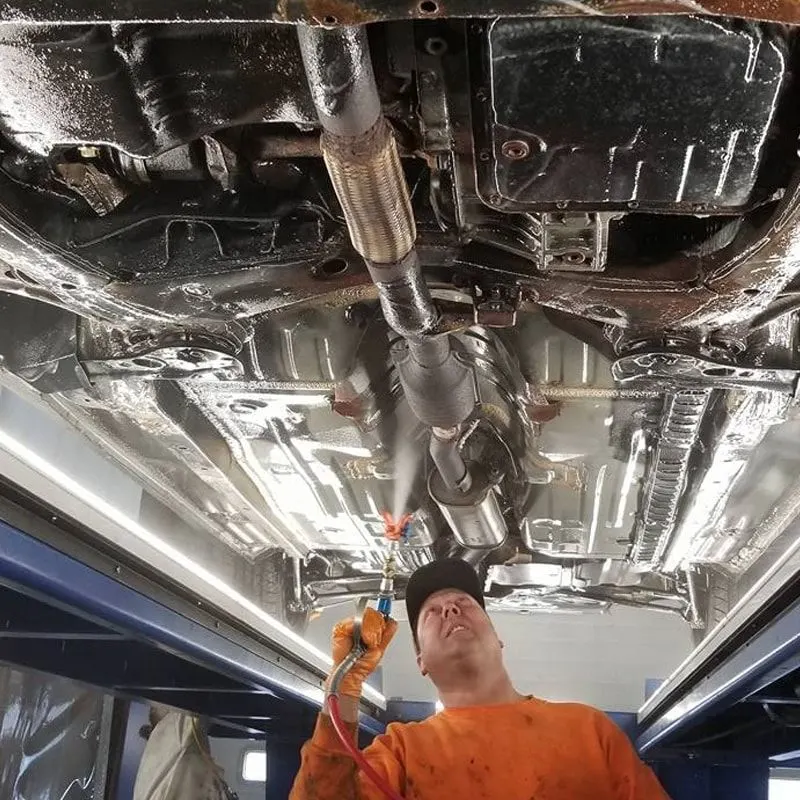
This process of underbody coating is spraying of dense cladding material uniformly and evenly on the undercarriage of the vehicle not only to prevent it from outer elements, corrosion but also to reduce noise and vibrations.
4. Types of Underbody Coatings-:
a. Rubberized Underbody coating-: Rubberized Undercoating produces a textured finish which resists chipping, abrasion, exterior rusting and weathering. Provides one-coat build-up with no dripping, running or sagging.
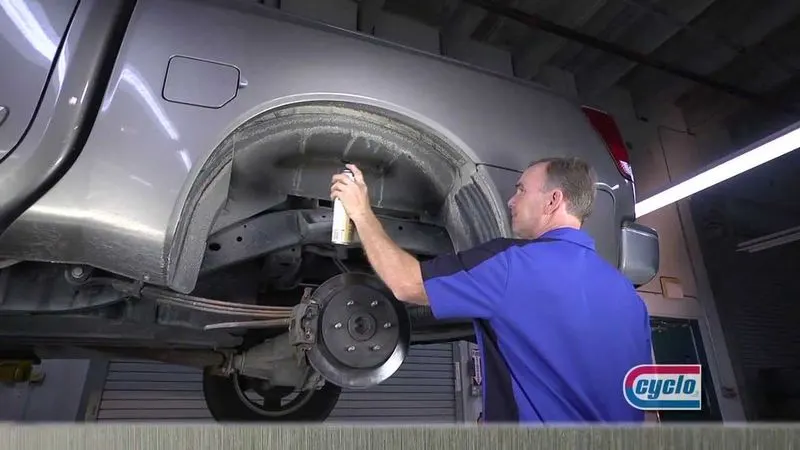
b. Wax based undercoating-: A paraffin-based undercoating will be the cheapest and quickest option available with which to protect the undercarriage of your vehicle. However, keep in mind that it will wear off quicker than other types of undercoating and will need to be stripped and reapplied at least once every year.
Wax-based undercoating’s never truly harden. During application, they drip or flow into seams and cracks to provide protective properties. They are usually available in a spray gun canister or in an aerosol can and offer at least a base protection in moderately humid climates.
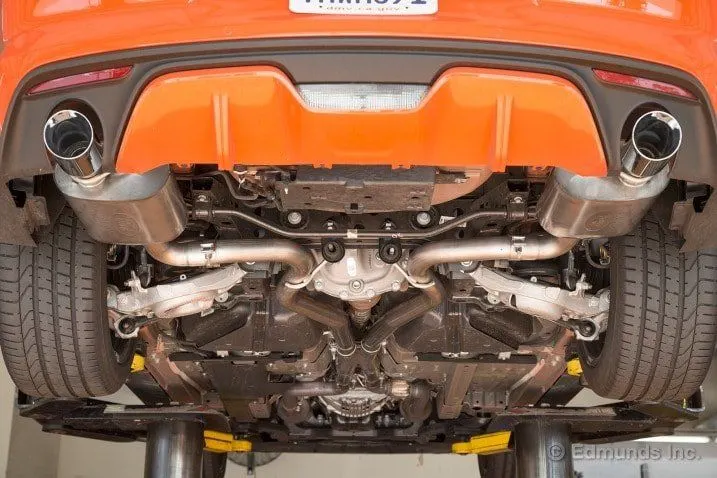
c. Asphalt Based Automotive Undercoating-: For standard vehicles, any of the aforementioned types of undercoating will provide sufficient protection. For large trucks and heavy machinery, asphalt-based undercoating provides a bit of extra durability against rocks, chips, and moisture.
Asphalt-based undercoating generally contains a little bit of rubberized material that sets up firmly and also helps soften noise. This type of undercoating also needs more cure time than the other three, and is NOT paintable, making it best to use only for undercarriages.
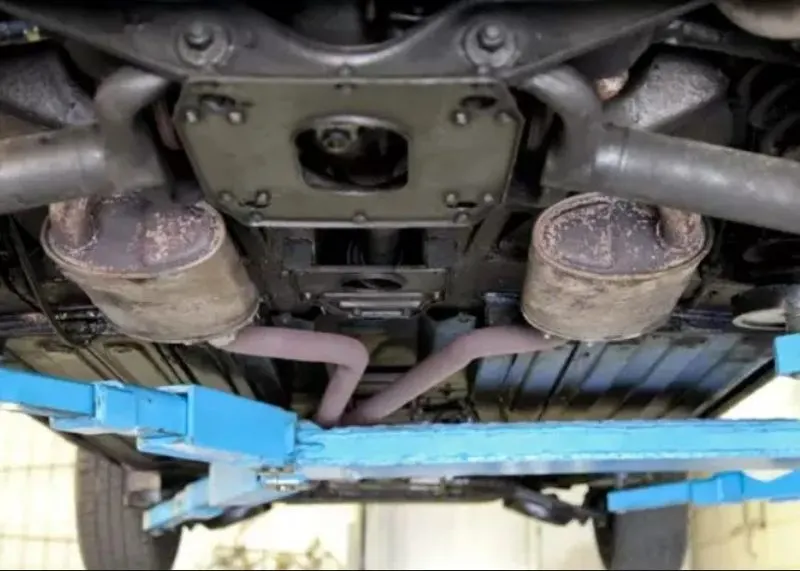
d.Polyurethane Underbody Coating-:
This coating closes up splits and fractures on the underbody of the vehicle. It offers up good protection against corrosion and also bonds with the metal. Unlike in the case of asphalt-based coating, you can paint over the polyurethane coating.\
5. Advantages of Underbody Coatings-:
- Fights rust and ensure your car a longer life.
- Absorbs and eliminate noise as it tries to reduce the noises and vibration up to a greater extent and let you a pleasant driving experience.
- Reinforcement when applied to underbody it acts as another layer of protection to your car.
- It protects your car and prolongs your car life.
6. Pro's and Con's of applying Underbody coatings-:
Pro's-:
- Enhances vehicle life.
- Prevent car underbody from rust and corrosion.
- Reduces vibrations.
- Sound deadening insulation.
Con's-:
- Can be toxic so precautions to be followed while applying.
- Wax undercoating’s can smell bad when exposed to warmer temp as they are derived from animals.
- High cost of undercoatings.