Underbody Coating
What is Underbody Coating?
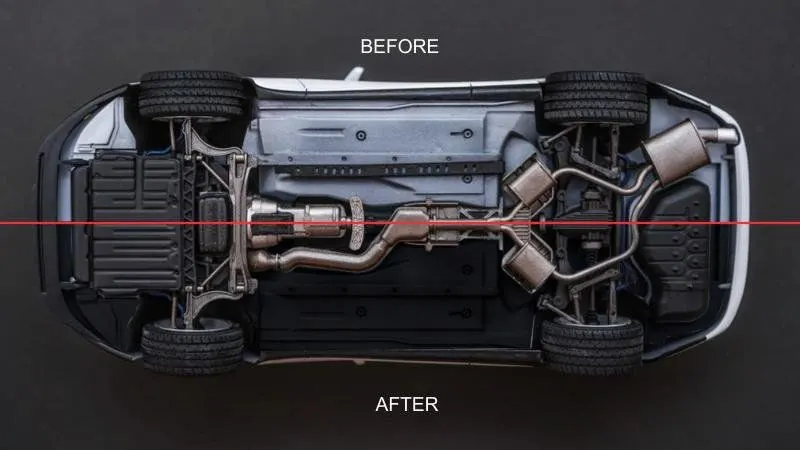
Underbody coating is often a homogeneous layer of dense cladding (commonly made of rubber) applied to an automobile's undercarriage. When the car is fresh off the lot and clean, it is typically sprayed or painted on. However, it's okay even if you get the undercoating applied a few years later. This is so that it won't cause the undercarriage any more harm.
Purpose:
Following advantages of underbody coating elaborate the purpose of underbody coating.
1. Fights Rust: It has a significant impact in preventing corrosion. If you live near the sea, where there is excessive humidity and corrosion is a common occurrence, underbody covering may come in helpful. If you live somewhere where it snows in the winter, you should also give undercoating some serious thought.
2. Absorbs Noise: Unbelievable as it may seem, a very thick undercoat might reduce noises that enter the cabin. The rubber undercoating, which is frequently used, absorbs some of the rackets. The car's occupants could, at least to some extent, shield themselves from the sounds of the road.
3. Reinforcement: Adding more coating on top of the factory-installed underbody coating on your automobile won't harm it. It will provide additional reinforcement and safeguard the underbody against moisture, grit, and small pebbles on the road. Additionally, there would be less likelihood for the factory coat to peel off.
4. Prolongs car's life: Adding another coating on top of the stock underbody coating that came with your automobile won't harm it. It will provide extra support and safeguard the underbody from water, road debris, gravel, and tiny pebbles. The factory coat would be less likely to peel off as well.
Types of Underbody Coating
1. Rubberized underbody coating:
This is generally thought of as the best underbody coating for your car. It preserves the underbody well, protecting it from scratches. Applying this to the undercarriage is not much of a hassle either.
2. Polyurethane Underbody Coating:
On the vehicle's underbody, this coating mends splits and fractures. It binds with the metal and provides effective corrosion prevention. You can paint over the polyurethane coating, unlike with an asphalt-based finish.
3. Asphalt based underbody coating:
Ideally suited for heavy cars, trucks, and lorries Compared to rubber-based coatings, this offers a higher level of protection. However, asphalt-based coatings have a little amount of rubber in them to act as a sound insulator. However, the application of this coating takes some time.
4. Wax based underbody coating:
This undercoating is essentially temporary and will disappear in a few months. Wax-based undercoating, on the other hand, fights moisture well. It is also the most cost-effective choice available.
Cons of Underbody Coating
1. It works best for new cars only. It takes almost five years before corrosion starts. Hence, it's not economical for owners whoc change cars for every 3-6 years.
2. It does't have any effect on corrosion which is already present. To make fresh layer of undercoating, rusty layer has to be removed first.
3. It adds little weight to the vehicle.
4. It must be applied every 4-6 years to get the best results of prevention from rust and corrosion.