Underbody Coating
CAR UNDERBODY COATING
CAR UNDERBODY COATING
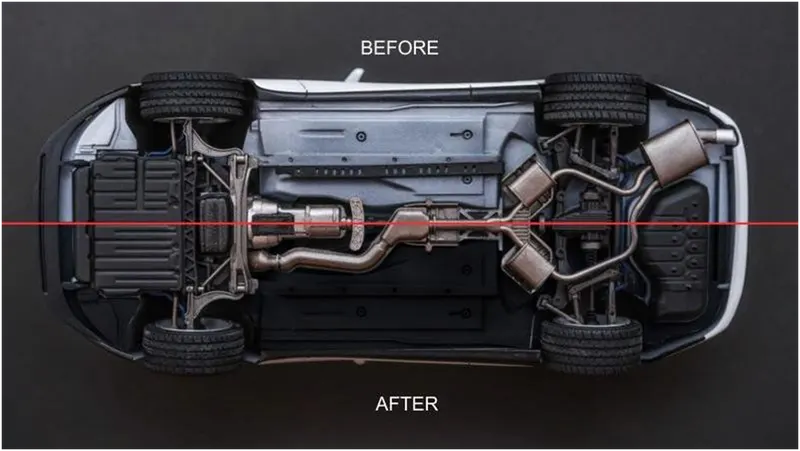
The underbody of every vehicle needs proper care and protection. Undercoating helps protect the vehicle body against rust and corrosion.
PURPOSE OF CAR UNDERBODY COATING
The main purpose of undercoating is to prevent rust especially in the body components like frame rails along with othe r exposed metal parts. Underbody coating can also reduce wear and tear.
TYPES OF CAR UNDERBODY COATING
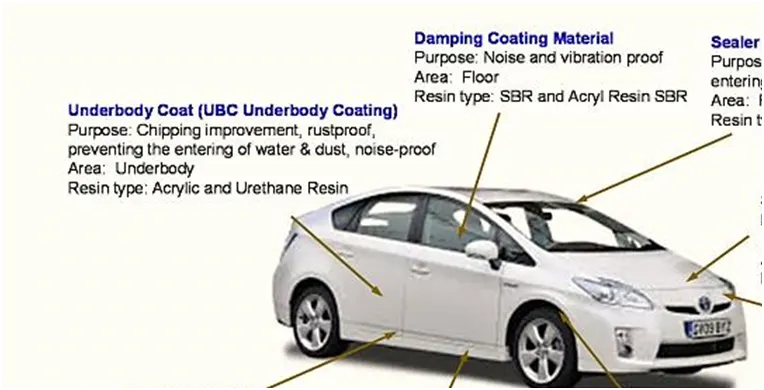
There are several types of undercoating available, ranging from do-it-yourself aerosols to professional applications. Some of them are
- Water-based undercoats
- Petroleum-based undercoats
- Wax based underbody coating
- Asphalt-based undercoats
- Polyurethane underbody coating
Water-based undercoats
Water-based vehicle undercoating is most popular for the do-it-yourself procedure. These undercoatings are thin-set and take short time to dry.
Petroleum-based undercoats
Petroleum-based undercoating is made from oil and they have greater deflective abilities for road salts and grime. The petroleum base helps repel ice and water better than water-based undercoating.
Wax or paraffin-based undercoatings
Wax-based undercoatings never truly harden. During application, they drip or flow into seams and cracks to provide protective properties. They are usually available in a spray gun canister or in an aerosol can and offer at least a base protection in moderately humid climates.
Asphalt-based undercoats
Asphalt-based undercoating is the strongest undercoating available, will last long and is the best option for vehicles that endure heavy road use. Asphalt-based undercoating is the thickest coating and has the most damage-resistant properties.
Rubberized underbody coating
This is generally thought of as the best underbody coating for your car. It preserves the underbody well, protecting it from scratches. Rubberized vehicle undercoating is easy to apply and offers sound-cushioning as well as protection from dust, moisture, and dings or dents.
Polyurethane underbody coating
This coating closes up splits and fractures on the underbody of the vehicle. It offers up good protection against corrosion and also bonds with the metal.
SIGNIFICANCE
- Undercoating helps to provide an additional layer of insulation and protection to the undercarriage of your vehicle.
- The undercoating covers most of the car’s underside, including floorboards, frames, gas tanks, pans, wheel wells and mufflers, suspension parts, and exhaust pipes.
- Undercoatingprotects the undercarriage, a vehicle’s most vulnerable area. Unlike the visible portions of your vehicle, the undercarriage doesn’t get washed frequently but it absorbs most of the moisture, grime, salt, and other substances when you come in contact with them, as you drive.
- In addition to protecting your vehicle from elemental damage, good undercoatingcan also reduce engine noise, leaving you quieter than ever before.
ADVANTAGES OF UNDERCOATING
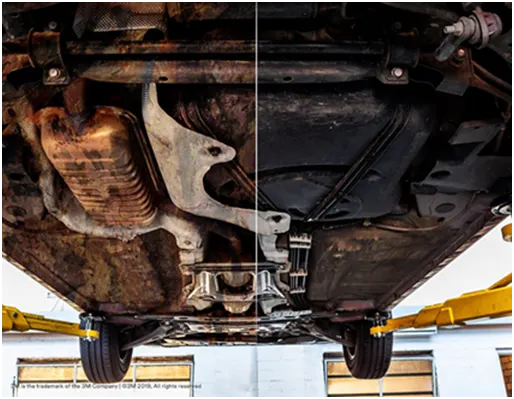
- Protects against rust & corrosion
The primary objective of getting underbody coating done is preventing metal components that are exposed on the bottom side of the car to damage from corrosion.
- Reduces NVH (noise vibrations harshness) levels
Thick undercoating can soften the noises that reach the cabin.
- Protects vital components
Underneath a car is somewhere a lot of indispensable parts of a car are left exposed like the engine, silencer, etc. Good undercoating not only defends the underbody from corrosion but also protects the engine and transmission as well! Less rusting coupled with slower wear and tear can surely Prolong car’s life.
- Prevents paint chipping
Running on the highway or while pacing through a city road, you will often encounter sharp gravel or any other unattended object hitting the belly of your car with high momentum. This scrapes and chips off the metal from down below. A thick layer of underbody coating definitely comes to aid and minimises the effects of such contacts on the body.
DISADVANTAGES OF UNDERCOATING
- It has a higher impact in the the cost.
- It will be an additional expense when the car buyer plans to resale or exchange the car in 2 to 3 years.
- The Undercoating will be repeated frequently with an interval of 1 to 5 years based on the type of Undercoating done.