Underbody Coating
UNDERBODY COATING
DEFINITION
An underbody coating is the first line of defence between automobile's metallic underside the elements and all vehicles receives a coating of this stuff before rolling off the assembly line.
most of the dealerships offer an additional undercoating as part of a " winter package" option, which typically consists of a "rubberized" media being sprayed across the vehicle's undercarriage.
once cured, this undercoating has the ability to repel rust and oxidation,rock chips,scratches and even lower road noise levels.
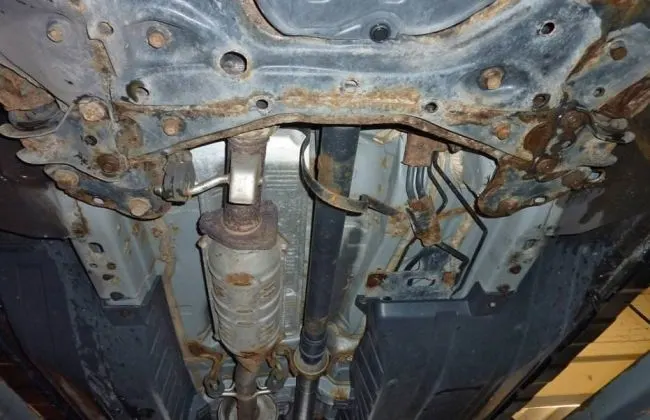
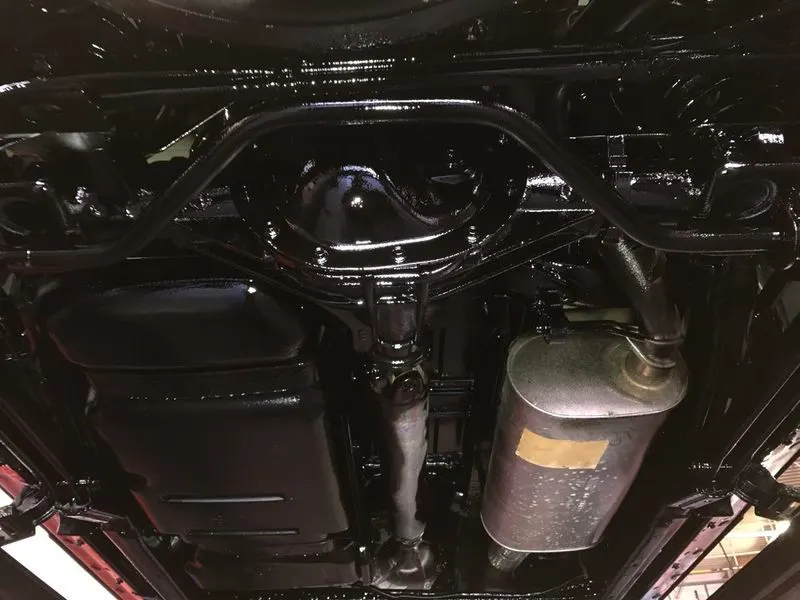
FIG:- WITHOUT UNDERBODY COATING FIG:- WITH UNDERBODY COATING
STEPS IN UNDERBODY COATING
- Cleaning the underbody
- applying priming
- applying undercoating
TYPES IN UNDERBODY COATING
- Rubberized underbody coating
- Wax based underbody coating
- Asphalt based automative underbody coating
- Polyurethane underbody coating
METHODS IN UNDERBODY COATING
1)SPRAY
The spray is the most common method used by dealers. The spray consists of tar-like substance that is applied to the undercarriage. It function as barrier for salt,moisture and oxygen which causes corrosion.
2)ELECTRONIC
Removing the electrical capacity of items underneath the vehicles is another method for applying to undercoat. A weak electric current circulates through the material, reducing the chance of rusting.
3)DRIP OIL SPRAY
If we want to do it ourself, then drip oil spray is the best option.This can be messy but incredibly effective at protecting the undercarriage.It covers the every nook and corner of the chassis, forming
a robust layer of protection.
It takes long time to dry. In some cases, it drips around 48 hours to a week.
4)DRIPLESS OIL SPRAY
In this type the waxy substance is applied to the body and undercarriage, forming a strong protective layer. It doesn't take much time to dry;however, the layer can easily wear and tear than the other
counter methods.
PROS
- It's extend the life span of the car.
- It's minimize the loud road noise.
- It provides an extra layer of protection against corrosion.
- It reduces the internal noise.
CONS
- Effective is less when the corrosion is already exists.
- Not impervious to damage.
- Need to reapply every 3 to 5 years.