Underbody Coating
Underbody Coating
Introduction:
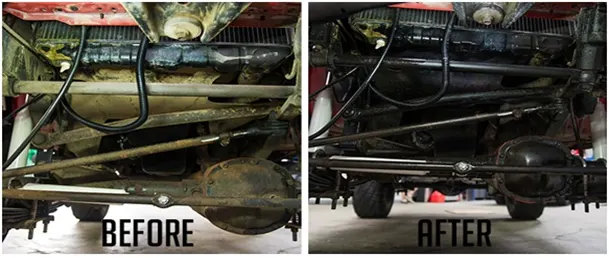
Underbody coating is a process of protecting the underbody of a car from rusting and corrosion. It also safeguards internal components.
The underbody is difficult to inspect on our own, and underbody protection is necessary to keep your car safe in constantly changing weather conditions.
Types of Underbody Coating:
- Rubberized Underbody Coating
- Wax Based Underbody Coating
- Asphalt Based Automotive Undercoating
- Polyurethane Underbody Coating
why Underbody Coating:
- Underbody coating is very much important for rust prevention, noise reduction, and reinforcement.
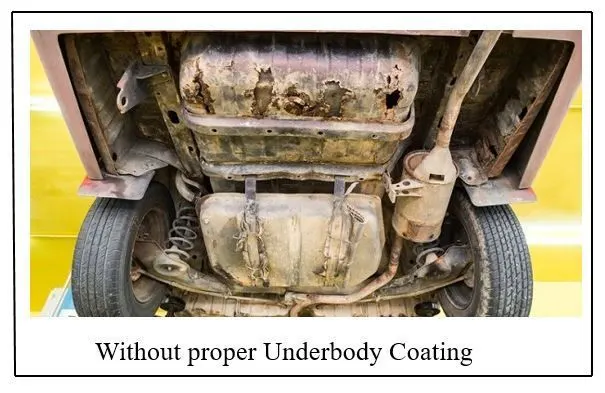
- If people live near the coast, your car must have an underbody coating because this area is significantly more prone to rust than any other area.
- On muddy roads, the underbody of your car is more exposed to sand, which mixes with the water and sticks to the belly of your car. This makes your car's underbody more damaged.
- Corrosion damage may have an impact on resale value. When you put your car up for sale, this will make it nearly impossible for it to pass a thorough inspection. Hence we should do frequent vehicle inspections.
- Car underbody coating prevents the paint from chipping, Small stones and debris impact your car's underbody when it travels at high speeds on a highway, which can cause chipping of the underbody paint. As a result, a heavy layer of underbody coating is recommended to avoid paint flaking.
- For the underbody, an antirust coating is required to safeguard critical components such as the silencer, engine, and several other cables and minor engine components in the car for various uses.
Disadvantages:
- Need to take proper care while undercoating this makes it prone to wear and tear.