Benchmarking
BENCHMARKING
Introduction:
Benchmarking is the process of evaluating current products on the market and comparing your company, its operations, or methods against the best in the industry. This benchmarking basically helps to identify where you are company is right now compared to where you want to go.
The dimensions that are typically measured during benchmarking include time, cost, and quality.
This approach helps to generate ideas for improving the process, lowering costs, increasing profits, and enhancing customer loyalty and happiness.
Process of Benchmarking:
Benchmarking is not an immediate solution to a problem. It includes step by step process mentioned below.
- Select the Process to Benchmark
- Determine Who You to Benchmark Against
- Document your Current Process
- Collect and Analyze Data
- Create a plan
- Implement Changes
- Repeat the Process
Types of Benchmarking:
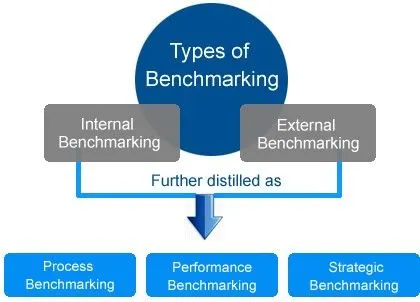
- Internal Benchmarking: Comparing and contrasting the performance of various groups or teams within an organization.
- External Benchmarking: Comparing the performance of different companies or across the industries.
- Process Benchmarking: By gathering information about other company strategies and processes through research and visits to their websites, as well as through workshops hosted by the companies.
- Performance Benchmarking: It gives you a competitive advantage by comparing your products and services to those of your competitors.
- Strategic Benchmarking: They evaluate the winning methods of organizations in the market phase, and they use this information to find and analyze world-class performance.
Advantages of Benchmarking:
- It helps companies to design their Strategies efficiently.
- It helps companies to lookout the current trends in the market.
- It helps companies to create overall quality output and reduce the chance of error due to the standardization of the business operations.
- It helps to improve the overall efficiency.
- It helps to make a short analysis to understand what is the strength, weaknesses, opportunities, and threads.
Disadvantages of Benchmarking:
- Need skilled and more experienced engineers to cost high to the company.
- Benchmarking suggests only weak factors.
- Incorrect comparison.
Case study
Mr. D.S. Pughazhyendhii is a married man who lives in Bangalore which is a highly crowded city. His Family comprises five members including his wife, five-year-old boy, his father, and his mother. He visits his native place Madurai which is 500kms away from Bangalore once in a month. Also, he will be using his car to commute to his office. His budget falls between 8 to 10 lakhs on road. Please suggest to him with options so that he will buy a good car for his family.
According to Mr. D.S. Pughazhyendhii wants an excellent car that costs between 8 and 10 lakhs and gives him a good mileage while providing a comfortable ride for his family.
The most important factors that I will evaluate while comparing cars are given below.
- Price
- Mileage
- Boot space (Litres)
- Engine displacement (CC)
- Fuel
- Transmission
Four cars are compared in this study. The four cars' names are stated below.
| Car Names | Models |
|
Maruti Suzuki Baleno |
Zeta |
|
Hyundai i20 |
Spotz IVT |
|
Tata Nexon |
XMS |
|
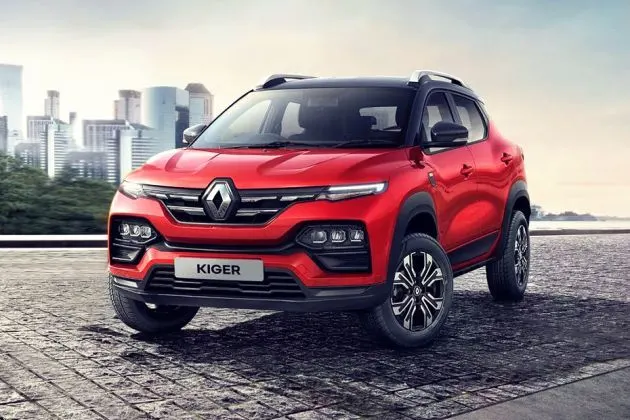
Renault Kiger |
RXT Opt turbo DT |
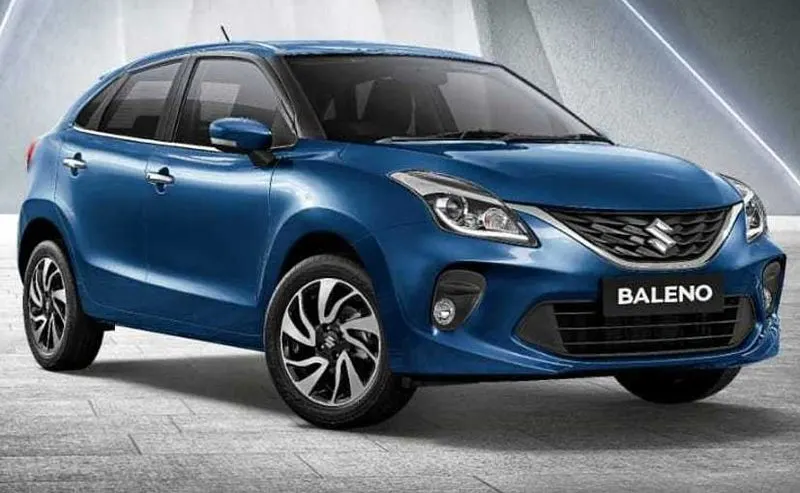
Maruti Suzuki Baleno (Zeta)
|
Price |
8 lakh |
|
Mileage |
21 kmpl |
|
Boot space (Litres) |
318 |
|
Engine displacement (CC) |
1197 |
|
Fuel |
Petrol |
|
Max Power |
88.50bhp@6000rpm |
|
Transmission |
Manual |
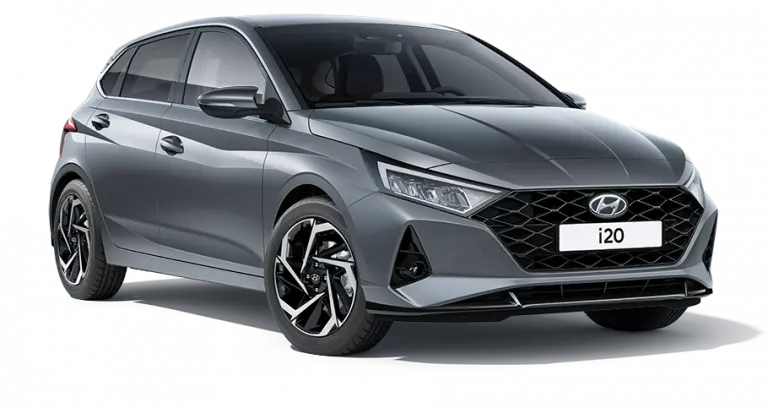
Hyundai i20 (Spotz IVT)
|
Price |
8.95 lakh |
|
Mileage |
19.65 kmpl |
|
Boot space (Litres) |
311 |
|
Engine displacement (CC) |
1197 |
|
Fuel |
Petrol |
|
Max Power |
86.80bhp@6000rpm |
|
Transmission |
Automatic |
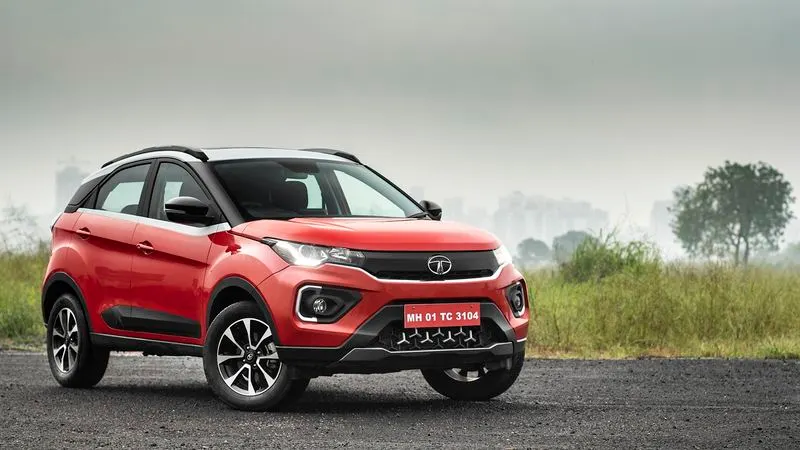
Tata Nexon (XMS)
|
Price |
9.15 lakh |
|
Mileage |
17.2 kmpl |
|
Boot space (Litres) |
350 |
|
Engine displacement (CC) |
1199 |
|
Fuel |
Petrol |
|
Max Power |
118.36bhp@5500rpm |
|
Transmission |
Manual |
Renault Kiger (RXT Opt turbo DT)
|
Price |
8.95 lakh |
|
Mileage |
20.5 kmpl |
|
Boot space (Litres) |
405 |
|
Engine displacement (CC) |
999 |
|
Fuel |
Petrol |
|
Max Power |
98.63bhp@5000rpm |
|
Transmission |
Manual |
Conclusion:
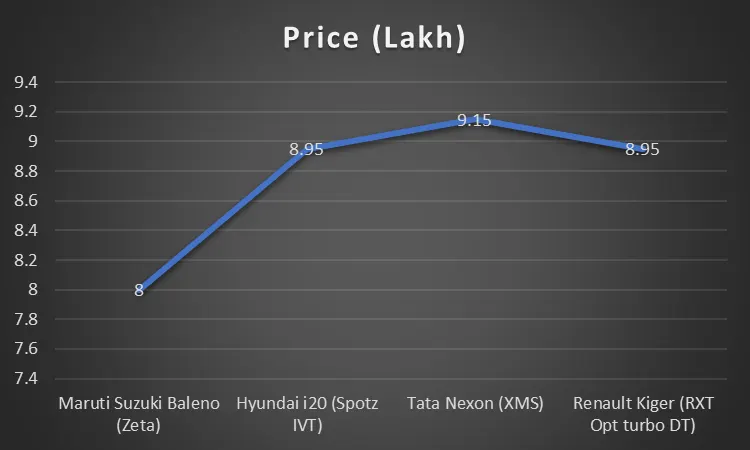
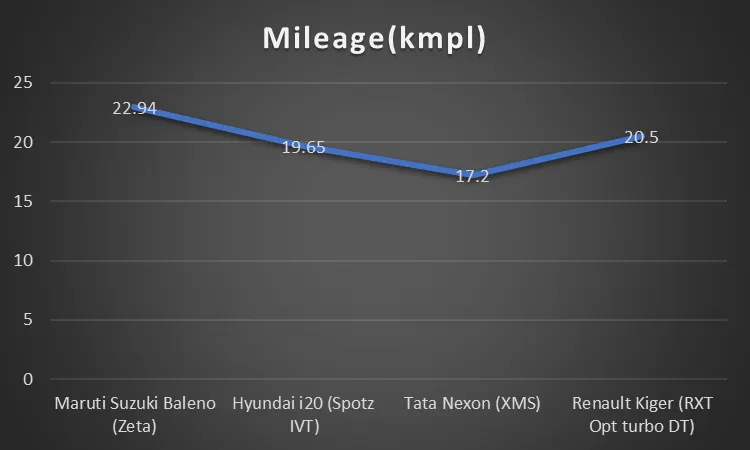
The graph above depicts the difference in price and mileage of four cars utilised in the case study.
According to a case study in the price range of 8 to 10 lakh, the hatchback and SUV body cars described above are the best. In comparison to the other three cars, the Tata Nexon XMS provides more comfort, safety, and maximum power. However, I recommend the Maruti Suzuki Baleno (Zeta) with 5 seater hatchback for very crowded cities since it is equipped with 6 airbags and has a greater mileage too, which is beneficial for long drives.