Fender Design Challenge
Design Various Types Of Fender Mounts
Introduction
Fender:
A body used to protect the car engine compartment and as well as pedistrain from sand, mud, rocks, liquids, and other road spray from being thrown into the air by rotating tyres.To ensure flexibility and light weight, fender are frequently composed of fibreglass or ABS plastic and certain SUVs come with metal fender for better strength.
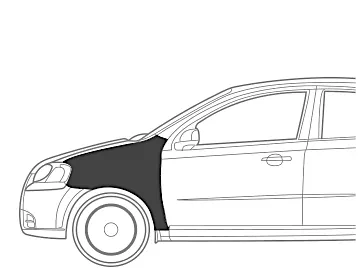
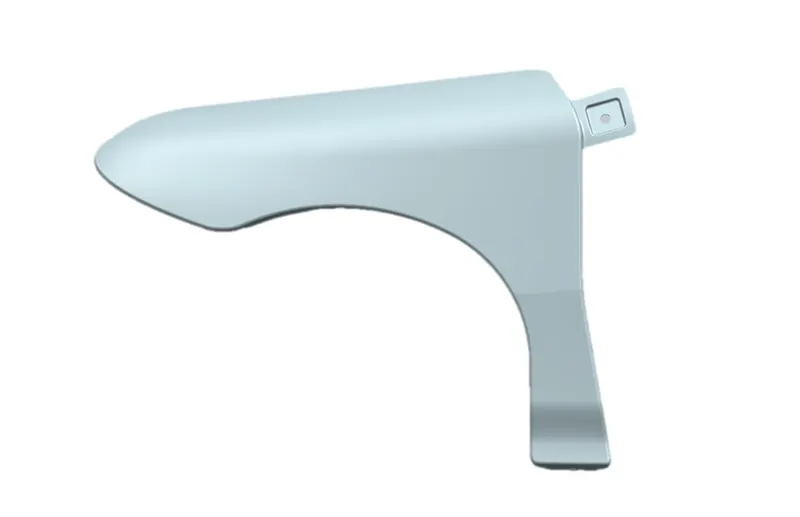
Types Of Fenders:
The fender is positioned above the vehicle's wheels. There are two different types of fenders, as listed below.
- Full bumper fender:
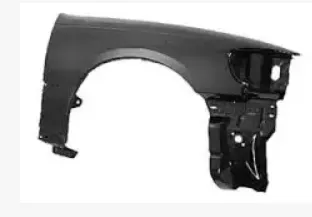
2. Half bumber fender
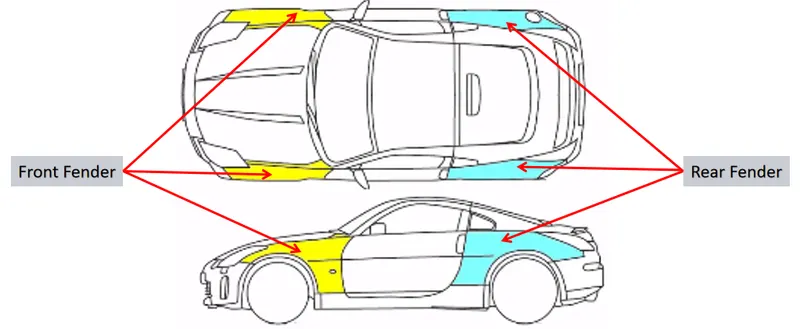
Fenders In Cars:
- Front Rignt Fender
- Front Left Fender
- Rear Right Fender
- Rear Left Fender
The Mountings Points In A Fender:
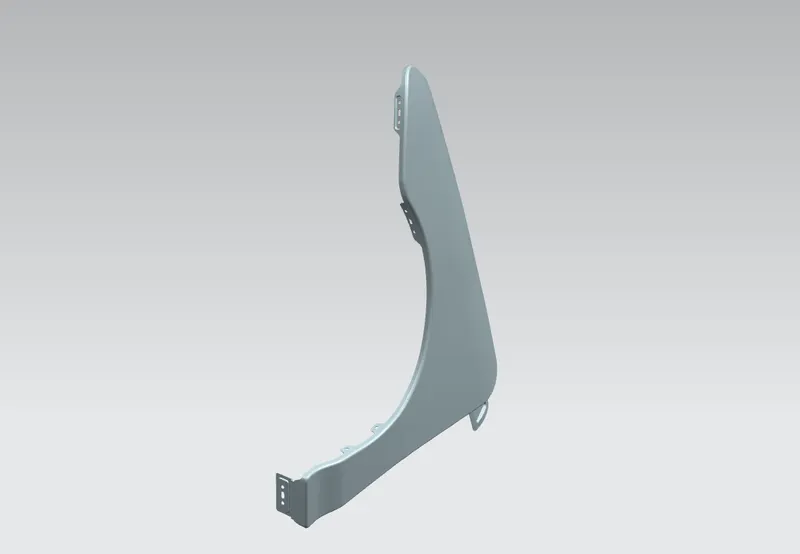
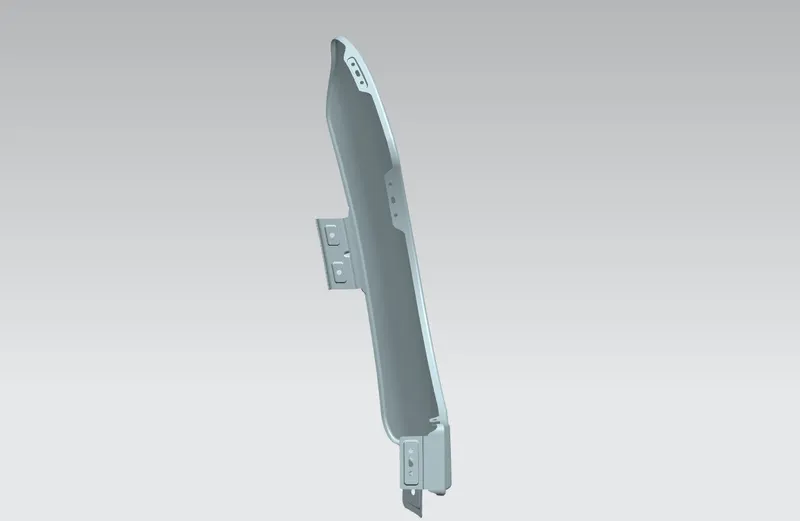
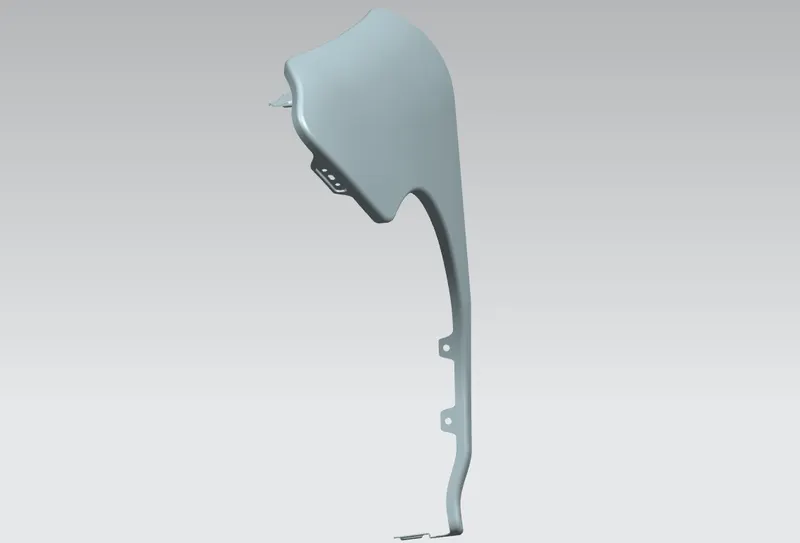
The mountings in fenders are regions where it gets fasteners to the BIW body, there are five mounings point present in fender.
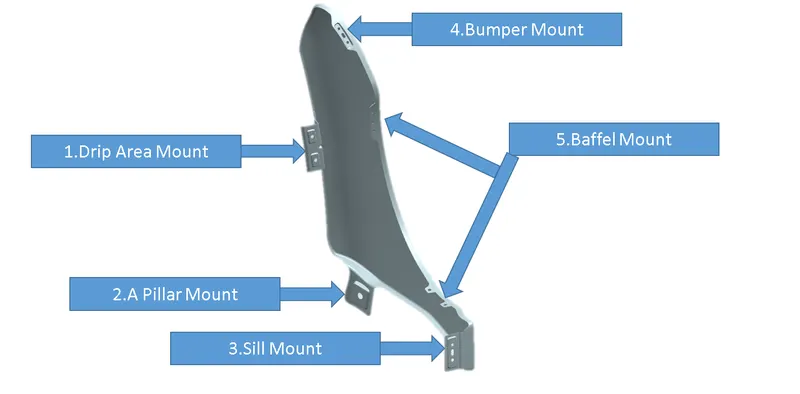
- Drip Area mount :This mount whare get contact with the engine compartment using fasteners.
- A Pillar Mount : It comes into contact with the plastic area of the cowl where the wiper housing is installed.
- Sill Mount : This mounting reason where it get contact with the door step sill using fasteners.
- Bumper Mount : It comes into contact with the bumber where head light housing installed.
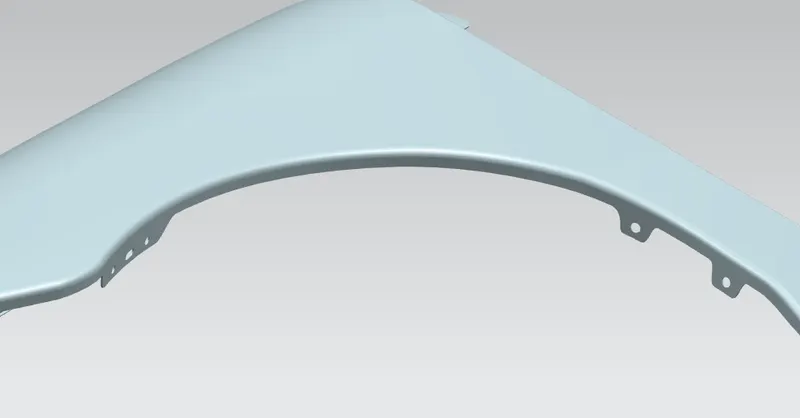
- Baffel Mount : This attachment is for the plastic body that protects the chippes by being positioned above the tyres.
Design Parameters For Mouning in Fenders:
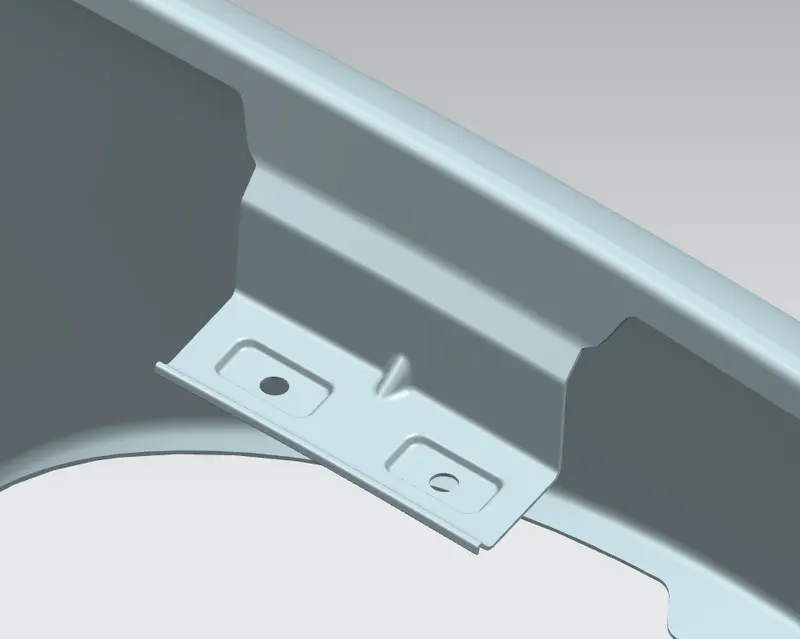
Drip Area:
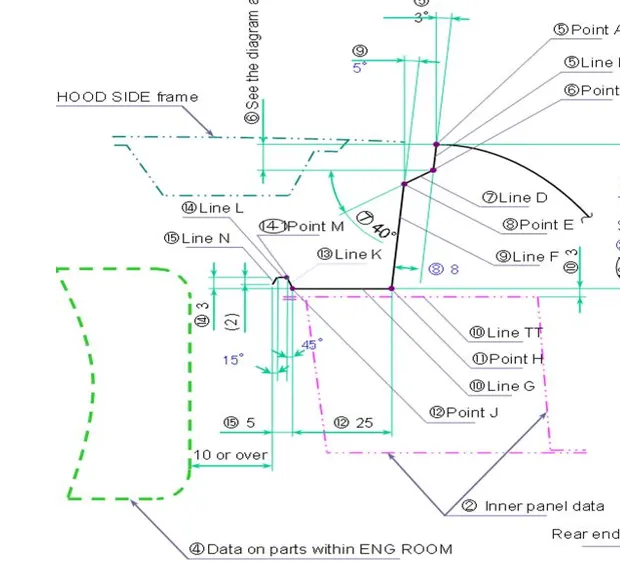
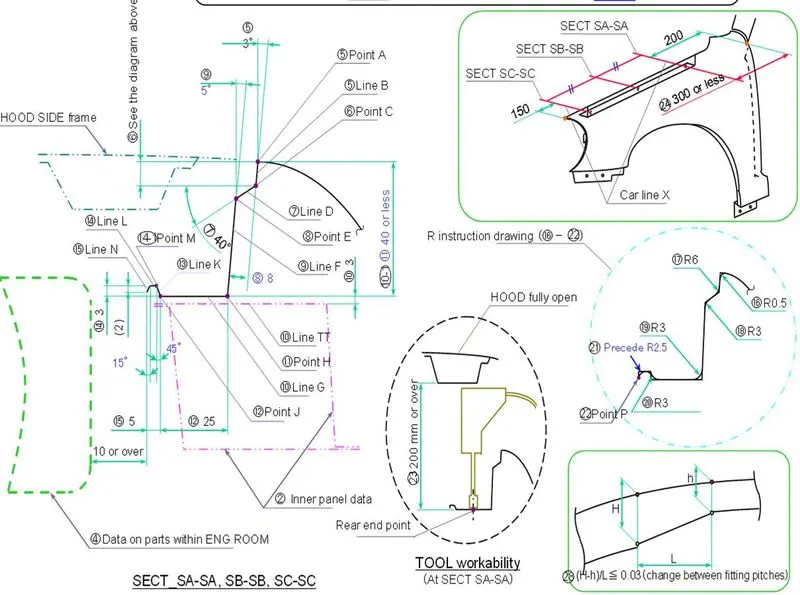
- The distance between the front end of the fender and the rare end of the fender. Because there is a necessity to provide adequate space for the installation of the cowl and head lap housing unit.
- The drain area should be designed in accordance with the given master section.
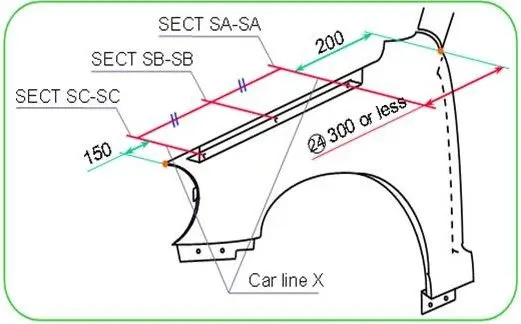
- The distance between the rare end and the drip area must be 300mm or less. To have sufficient mounting of cowl.
- The distance between the front end and the drip area must be 150mm. To be able to mount the head lamp housing unit securely.
- To eliminate fatsner visibility issues, several angles are suggested for mounting the drip region inside the engine compartment.
- The length of the drip area should be determined by the length of the fender.
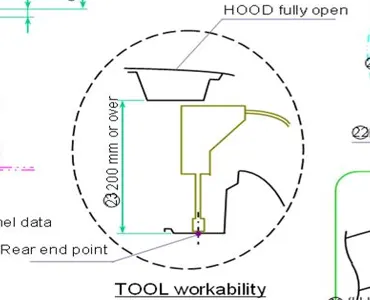
- The distance between the hood (open condition) and the fender should be 200mm to allow access to the tool within the engine chamber.
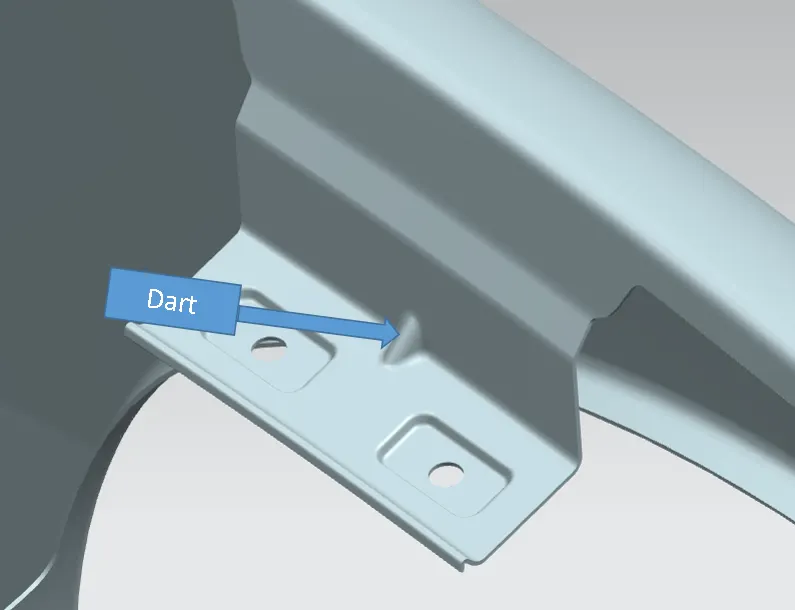
- The embosses or structure and dats must be given in order for the parts to be strong and darts are given in order to avoid the spring back effect.
- To avoid damage while toling, the end most component of an engine part should have at least a 10mm distance from the fender end.
Manufacturing Process:
- For adequate stamping or tooling, the embosess should have a dtaft angle of 25 degrees.
- It is necessary to eliminate all sharp edges.
- The distance between the end and end blends must be greater than 5mm.
- The embosses should have a surface with a radius of zero.
Aim: To degin Drip area, Sill, Bumper, Baffle, and A-Pillar mount in fender.
Master Section:
Drip Area:
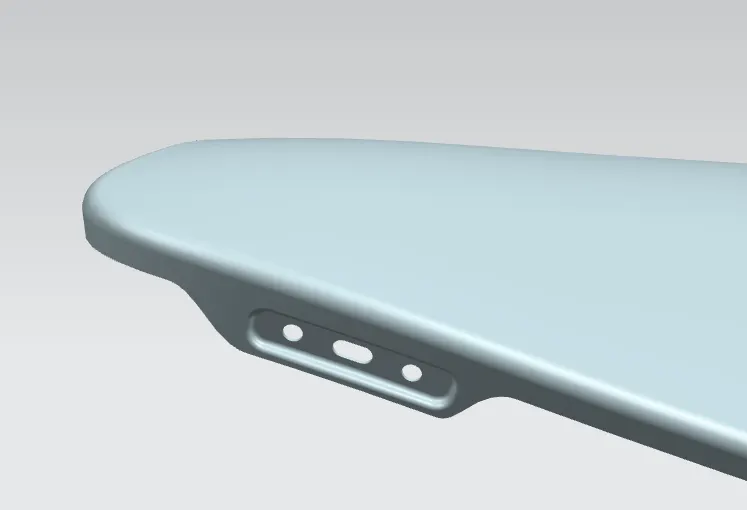
Sill Mount:
Bumper Mount:
Baffle Mount:
A-Pillar mount:
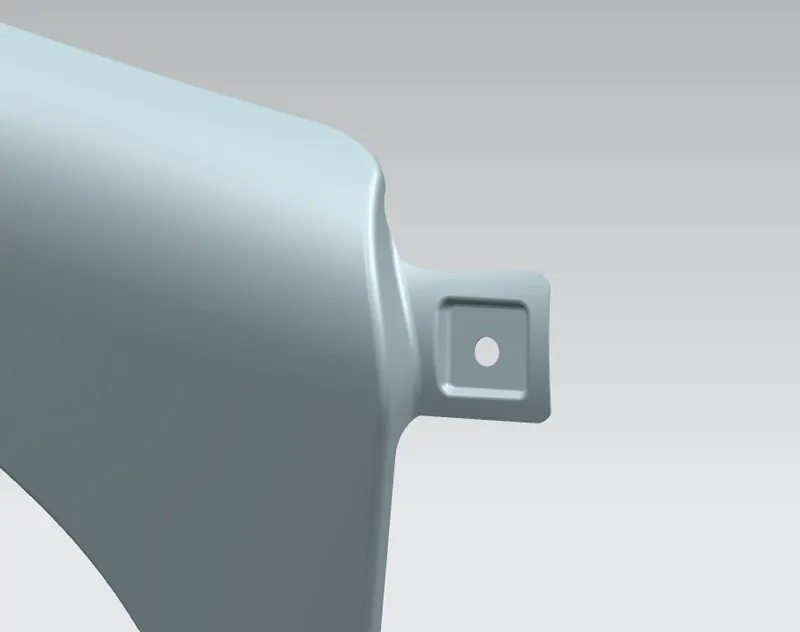
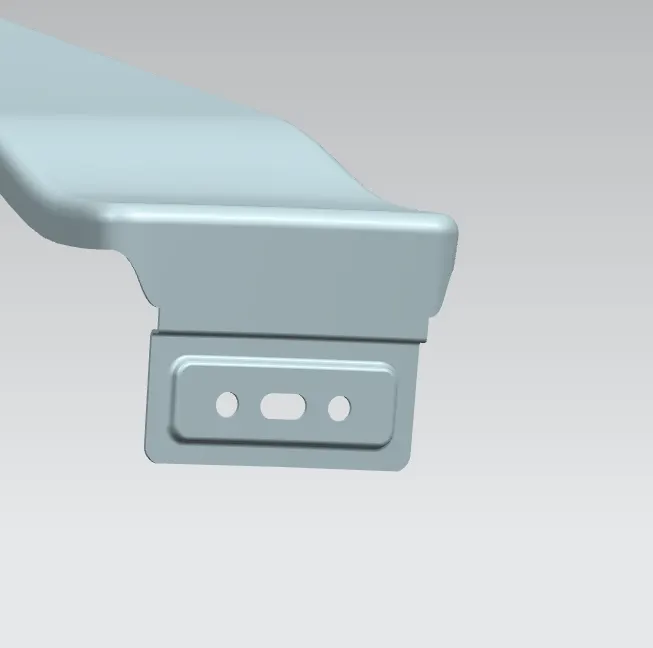
On the given fender section, five mountings are developed, as shown in the images below with different views:
Conclusion:
All five mountings are created in fender accordance with the given master section, following the design standard and pedestrian safety.