Underbody Coating
Objectives
Write one page about Underbody coating and its purposes.
Introduction
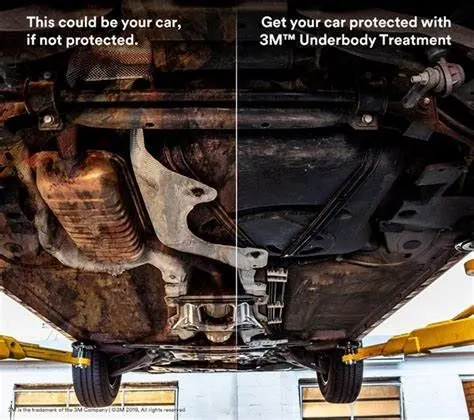
The main purpose of undercoating is to check rust epecially in the body components like frame rails along with other exposed metal parts. underbody coating can also reduce wear and tear.
In Indian roads car underbody is prone to rust easily as because of the seasonal & humid conditions.
Underbody is usually a dense cladding applied uniformaly to the undercarriage of the automobiles. it is normally sprayed or painted on when the car is just out of the dealership and is clean.
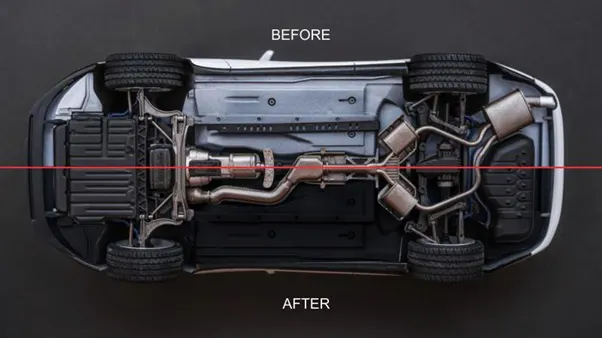
View of with and without underbody coating
Types of Underbody coating
1) Rubberised underbody coating :-
Rubberized Undercoating helps protect the undercarriage of cars, trucks, vans and recreational vehicles from both corrosion and abrasion. The coating may also be used to protect wheel wells, quarter panels, interior side of fenders, door skins, under side of the hood and trunk lid, floor pans, and more. The rubberized undercoating also helps deaden noise, allowing for a more pleasant and quieter ride.
This extra protection is a low-cost measure that can pay off by potentially extending the service life of a vehicle.
2) Wax based underbody coating :-
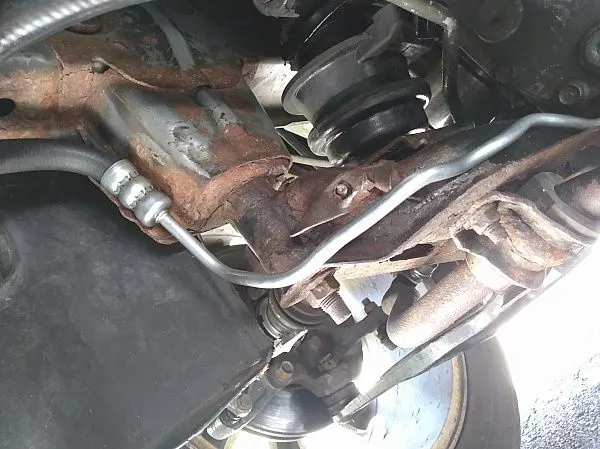
Wax based Underbody Coating that gives excellent corrosion protection compared to all other types of underbody coating.
his wax coating is also an excellent corrosion preventive for long lasting protection of unpacked metal sheets (open-air storage, sea transport, etc.), lead work, piping and other metal containing parts.
3) Asphalt based underbody coating :-
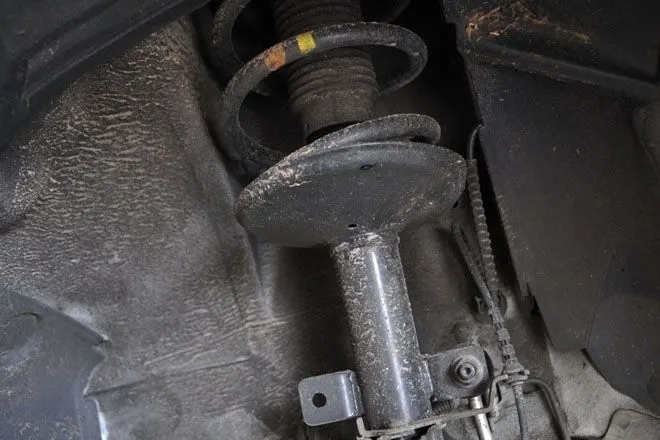
Asphalt Based Undercoating does provide some benefits over Waxed Based Undercoating. They both stick well to most any surfaces and do a great job sealing out moisture, road chemicals and oxygen. But mainly, Asphalt undercoating has the benefit of being less expensive. They protect anywhere up to 5 years and dry to a Firm to Hard coating.
Asphalt based products require more surface preparation because they can actually seal in rust and moisture allowing it to continue to grow. Finally, Asphalt based products continue to dry out over time causing cracks in the coating surface.
4) Polyurethane underbody coating :-
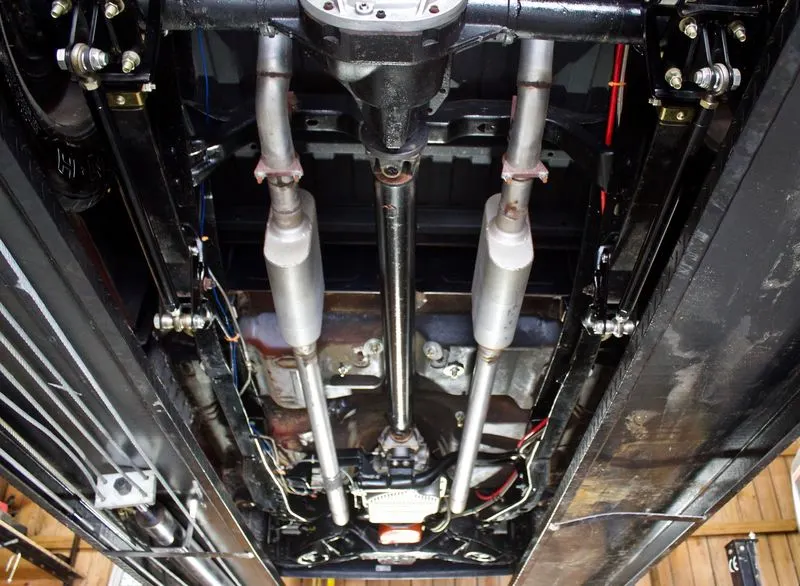
Because of their extreme versatility, polyurethane paints have applications across the coatings industry. There are polyurethanes formulated for the architectural, industrial, automotive, and marine coating markets.
This coating closes up splits and fractures on the unerbody of the vehicle. it offers up good protection against corrosion and also bonds with the metal. unlike in the case of asphalt-based coating.
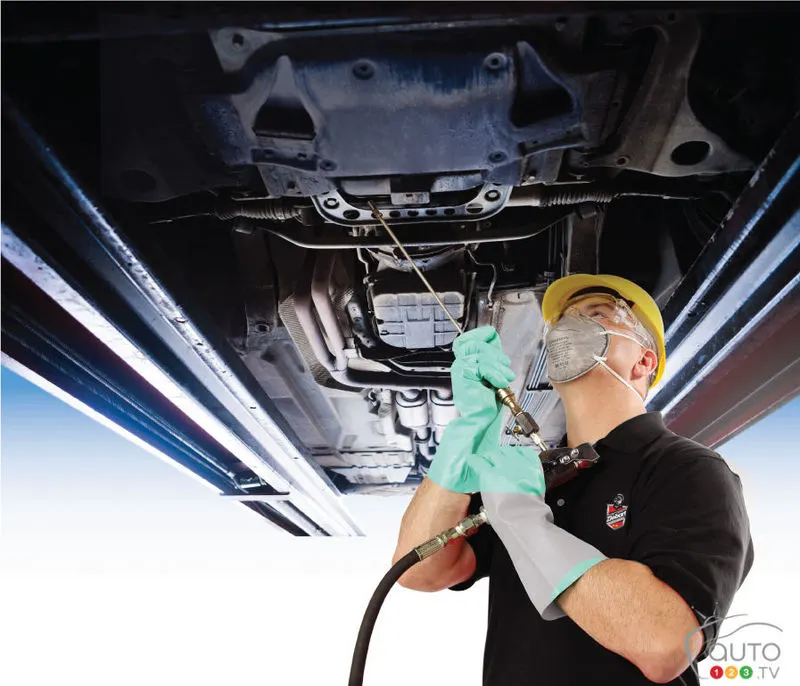
Pros of Underbody coating
1) Fight's rust :-
It Plays an important role in keeping corrision at bay. Underbody coating can come in handy especially if you near the sea, where there is too much humiity. and rusting is just one of those everyday things.
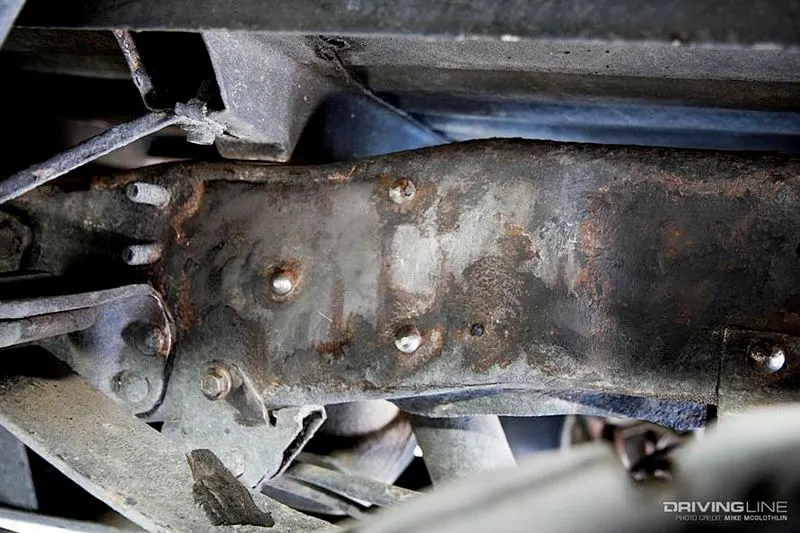
2) Reinforcement :-
It will offer additional reinforcement , protecting the underboy from water, rod debris, gravel and small pebbles. there would also be a chance for factory coat to flake away.
Treatment of reinforcements with proper materials and agents one of the defensive layers against corrosion attacks in aggressive environments..
3) Prolongs car Life :-
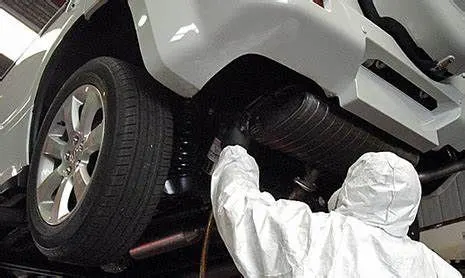
The protection against rusting gives you the biggest advantage, which is the long-life of the vehicle. If undercoating is done the right way, then it will provide protection for up to 10 years
Good undercoating not only defends the underbody from corrosion but also protects the engine and transmission as well less rusting coupled with slower wear and tear can surely add years to the lifespan of your vehicle.
Con's of Underbody Coating :-
- Its add weight to vehicle
- its not imprevious to damage.
- It work best on new cars.
- Its less helpful if corrosion is already present.
- A third party vehicle underbody coating may void warranty.
- Cost of underbody coating has come down, but is still expensive.
- It must be reapplied every 3 to 5 years for the best results.