Underbody Coating
Under Body Coating
Under seal (often called undercoating in the U.S.) is a thick resilient coating applied to the underbody or chassis of an automobile toprotect against impact damage from small stones, which would rapidly chip ordinary paint, allowing rusting to begin.
Historically a bitumen-based compound was used, but after approximately a decade this becomes brittle and water can becometrapped between the underseal and body metal, counterproductively creating a more favourable environment for rust than if no underseal was applied at all.
Wax-based underseals do not have this disadvantage but can be eroded and eventually washed off by
enthusiastic use of a hot pressure washer. Rubber-based underseals are also sometimes used.
In Indian road conditions, a cars underbody is most prone to corrosion. Underbody coating provides long term protection from
corrosion to car’s underbody.
It also protects parts like internal body panels, frame rails and other inner cavities that are not
physically accessible but are prone to corrosion.
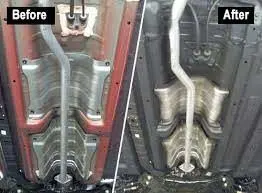
Benefits
Minimizes Sound: It minimizes the sound from underneath the car resulting a noiseless, smooth driving experience.
Heat Insulation: It insulates the interior of the car from extreme temperatures from beneath the vehicle providing a comfortable cabin experience.
Anti-chipping property: If any stone hits the coating it does not get chipped away hence protects the underbody from exposure to water.
3M™ Underbody Treatments offers you a long-term solution for issues related to corrosion and rust. First, the car under body is washed and degreased.
Then, the 3M™ Protective Coat is applied with Body Schutz Gold Gun (5-year Warranty) or Under shield gun
(2-year warranty).
The 3M™ Body Schutz/Under shield, is a hard coating on the underbody of the car, that is fast-drying, paintable, rubberized, non-toxic and chip-resistant. It also minimizes sound from underneath the vehicle and insulates against the heat and cold.
The 3M™ Underbody Treatment protects the car underbody from rust, increasing the longevity of the car and thus enhancing its resale value
The Difference Between Rust Protection and Undercoating:
Undercoating and rust protection often go hand-in-hand, but they are actually two different things. Rust protection generally goes
inside your vehicle, while undercoating is used for protection outside of the vehicle, and there are a variety of coatings available.
Depending on the level of damage and how much protection you want for your vehicle will determine which type of automotive
undercoating you choose.
How to Undercoat Your Car:
You have a few options to select from while considering an undercoating for your vehicle. Obviously, if you are getting it done
through an authorized dealer, then you would have no choice as they have their own preferences.
1. Spray:
The spray is the most common method used by dealers. The spray consists of a tar-like substance that is applied to the
undercarriage. It functions as a barrier for salt, moisture, and oxygen, which causes corrosion. You can also purchase it as a DIY product, but the whole magic lies behind the method of application, so it’s better to do the job with a dealer, especially if you have a new vehicle.
2. Electronic:
Removing the electrical current capacity of items underneath the vehicles is another method for applying to undercoat. A weak
electric current circulates through the material, reducing the chances of rusting. For using this method, a DIY solution wouldn’t work; you would need an expert.
3. Drip Oil Spray:
If you want to do it yourself, then drip oil spray is the best option. This can be messy but incredibly effective at protecting the undercarriage.
It covers every nook and corner of the chassis, forming a robust layer of protection. Time is the factor where you have to show patience in this method. It takes a long time to dry. In some cases, it drips around 48hours to a week.
4. Dripless Oil Spray:
Coming to the last option, the dripless oil spray. This waxy substance is applied to the body and undercarriage, forming a strong
protective layer. It doesn’t take much time to dry; however, the layer can easily wear and tear
Different Types of Vehicle Undercoating:
Having undercoating professionally applied to your vehicle can be expensive, but fortunately, if your budget is tight, you can do it
yourself for a fraction of the price. Here are some of the various types of undercoating available.
Rubberized Undercoating
Polyurethane Undercoating
Wax or Paraffin-Based Undercoatings
Asphalt-Based Undercoating
Significance:
Undercoating helps to provide an additional layer of insulation and protection to the undercarriage of your vehicle.
Manufacturers may apply car undercoating at the factory.
The undercoating covers most of the car’s underside, including floor boards, frame, gas tank, pans, wheel wells and mufflers, suspension parts and exhaust pipes. This effect can be likened to black coating parking lot or a road.
Undercoating materials adhere to metal, even if it is painted. Most of them come in pressurized cans for easy spray-on application, while an even spread may be tough to achieve without professional applicators.
Ingredients used in the manufacturing of undercoating include fiberglass, ceramics, rubber, asphalt and silicone. Each has different properties in terms of heat resistance and retention, but all gives protection against the elements and damage.
Auto undercoating protects the undercarriage, a vehicle’s most vulnerable area. Unlike the visible portions of your vehicle, the undercarriage doesn’t get washed frequently but it absorbs most of the moisture, grime, salt and other substances when you come in contact with those, as you drive.
In addition to protecting your vehicle from elemental damage, good undercoating can also reduce engine noise, leaving you quieter than ever before.
Even though if you buy a new car with undercoating from the dealer, remember that undercoating wears off typically within a short period of 1 year. Worn, patchy car undercoating can get damaged when water and other elements then get trapped under the coat, further eroding metal.
Benefits of Undercoating:
Most of the vehicles manufactured these days are rust proofed, especially in rainy and cold regions. When your car is exposed to saltwater and other common electrolytes, investing in an undercoating from an authorized dealer is a smart investment. It does cost a few hundred dollars, but it’s worth it. It will keep your ride in good condition for five years.