Underbody Coating
- What is under-body coating?
Under-body coating (often called undercoating) is usually a dense cladding applied to automobile’s underbody to protect exposed metallic parts from wear and tear causing corrosion.
A car’s underbody can be easily damaged by muddy water, potholed roads, stones, ice-melting chemicals (salt) and acid rain. An undercoating provides the first line of defense from rusting to vehicle’s underbody, which contains components like internal body panels, frame rails and other metallic parts.
The best time to apply an undercoating is when the car is new because there is no debris, scratch, residue, and corrosion underneath the car.
Usually, the undercoating process follows these steps,
- Clean
- Blast: Clean the entire underbody with a pressure washer. Remove all road gunk.
- Degrease: Remove any grime or oil lurking by using a commercial-grade degreaser.
- Grind: Grind hard contaminants and rust from the undercarriage and other components.
- Sand: Remove scratches and other stubborn contaminants using a 200 to 400 grits
- Tack rag or Isopropyl alcohol (IPA) solution: Wipe down the area with these solutions.
- Primer Apply: Apply primer as a basecoat. The good primers contain high percentage of Zinc.
- Undercoat:
- Dual layers of coating are recommended.
- The first layer should be thin and cover the entire surface. (Curing time: at least 1 hour)
- The second layer needs to be applied generously and in smooth, slow movements to make even surface without drips. (Curing time: few hours to few days)
- What kind of under-body coating does exist?
- Spray-On Rubberized Underbody Coating
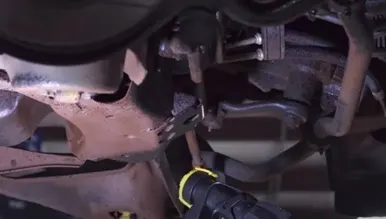
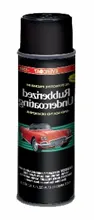
It is considered as the best and most common underbody coating. The spray consists of tar-like substance that has been infused with solvents and protectants. Once this spray-on coating sticks to underbody and cured, it protects the vehicle from scratch by becoming a barrier against salt, moisture, oxygen, and other foreign materials. Plus, the applying process is not much of a hassle.
- Electronic Rust Inhibitors
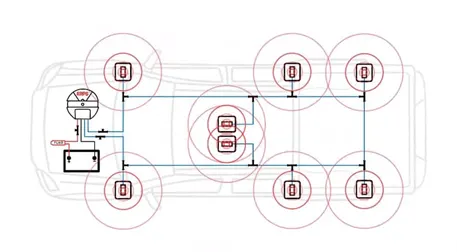
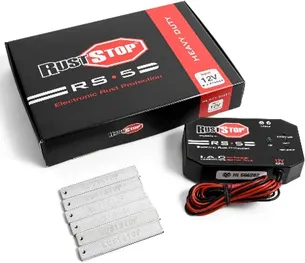
It allows a weak electric current to circulate through the underbody metallic parts and this current reduces the chance of rusting by interfering with the charge between the metal and oxygen. It is known as a permanent and easy to install by a mechanic.
- Drip Oil Spray
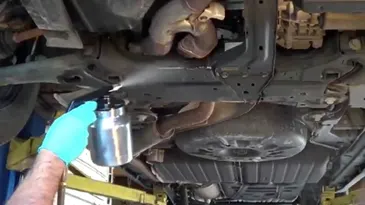
This is the best option for DIY undercoating. It can cover all nooks and corners of the chassis effectively. However, the process can be messy and require a long time for drying the spray, for instance, it takes 48 hours to a week to dry.
- Wax Based Underbody Coating (Dripless Oil Spray)
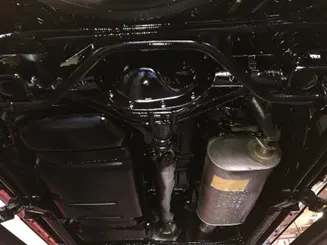
It lasts for just a few months. However, this wax-based undercoating makes strong protective layer against moisture. In addition, this is very affordable option.
- Asphalt Based Automotive Coating
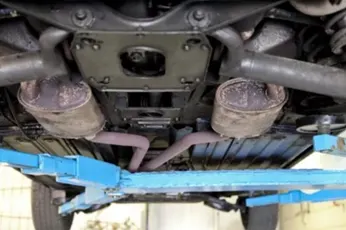
This is best suitable for lorries, trucks, and large vehicles. Its degree of protection is better than rubber-based coatings but bad at sound-insulation due to the low rubber content. Additionally, it is impossible to paint over the coating. The applying process is a bit time-consuming.
- Polyurethane Underbody Coating
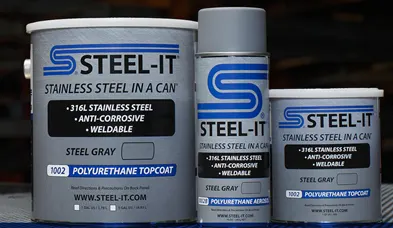
This coating seals up splits and fractures of the underbody. It guarantees good protection by bonding well with metal. Plus, it can be painted over unlike the asphalt-based coating. However, it requires a fair amount of surface preparation.
- Pros and cons of under-body coating?
- Pros
- Extend lifespan of the car (Rust protection)
The rust protection is the biggest advantage, extending the lifespan of the car. If the undercoating is done properly, it can protect the underbody up to 10 years.
- Noise Reduction
It reduces noise from underneath the car since the rubber is often used for coating material which can absorb some of loud noise. So, the occupants can enjoy the noise less driving experience.
- Heat insulation
Heat insulation from the beneath vehicle can also be expected. This makes the interior of car be able to keep pleasant temperature from the extreme outside climate condition.
- Cons
- High Cost
In dealer shops, it may cost up to $ 1,000, depending on the vehicle models.
- Toxic Materials
It causes organ failure, cancer, infertility, and genetic defects. Some discerning case studies shows that 25% of the coating mixture consists of unknow acute toxic materials. It requires masks, eyewear and gloves and painter’s suit while applying undercoating.
- Bad Scent
Waxy substance, like Lanolin, is derived from gland secretion found in fluffy animals. This repulsive scent becomes more notable at summer.