Underbody Coating
Underbody Coating:
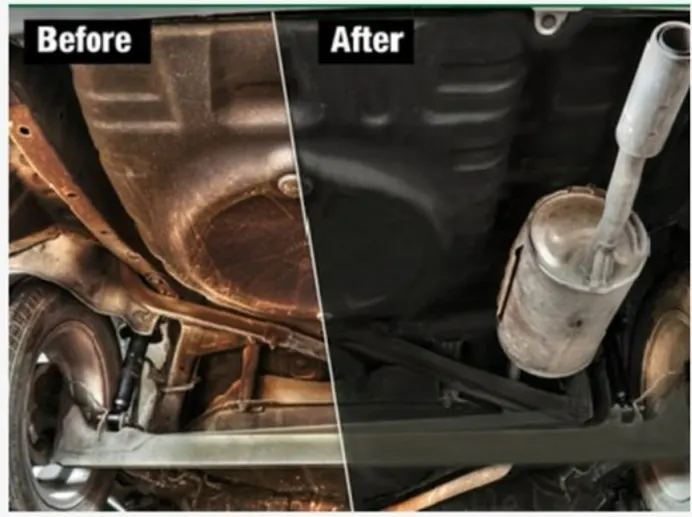
This is one of the operations for manufacturing sustainable cars. This underbody Coating treatment is designed to provided long term protection from rust to the under chassis. It protects the underbody substrates from Environmental condition, impact, dampens sound and vibration, insulates against cold and heat, protects against Corrosion.
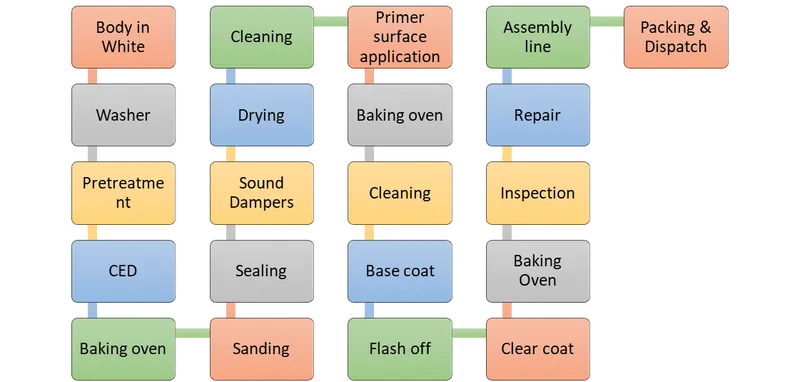
Methodology of Car Manufacturing:
Types of Undercoating:
Now we are going to see various type of automotive underbody Coating.
1.Rubberzed Underbody Coating: `
Rubberized Undercoating Spray provides best-in-class protection for vehicle underbodies against minor road damage as well as rust, water, chemicals and salt.
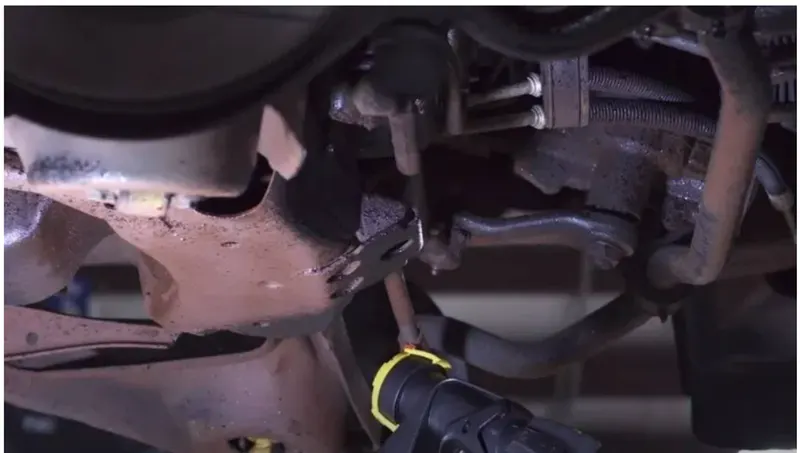
2.Wax Based Underbody Coating:
presto Underbody Protection on wax basis is an effective and highly adhesive rust protection for treated and untreated undersides. A resistant protective coat forms once it has dried, which is resistant to weather, road salt and acids. Does not damage plastic, lacquer or rubber.
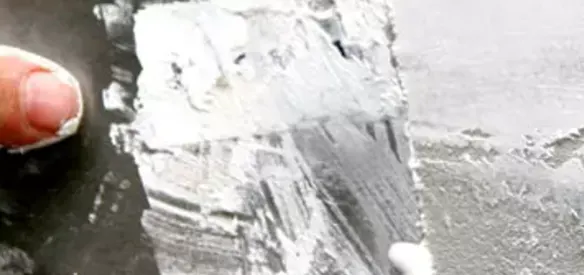
3.Asphalt Based Automotive Coating:
Asphalt Based Undercoating does require a thicker film thickness meaning you will have to apply more product to the surface to be protected then if you use a Wax Based Undercoating. Additionally, Asphalt based products require more surface preparation because they can actually seal in rust and moisture allowing it to continue to grow.
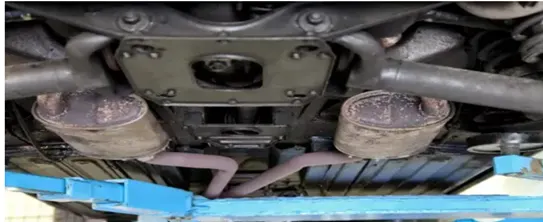
4.Polyurethane Underbody Coating:
This coating closes up splits and fractures on the underbody of the vehicle. It offers up good protection against corrosion and also bonds with the metal.
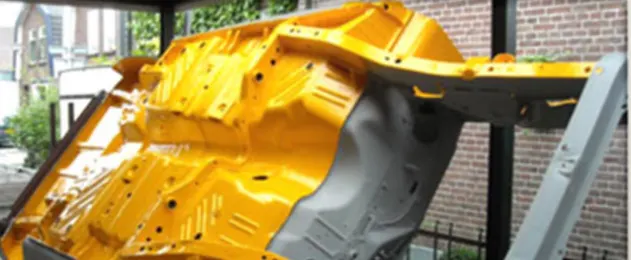
Process:
The current trends in automotive coating process are motivated by lowering manufacturing costs, delivering customer satisfaction via aesthetic features and corrosion protection.
1.Powder Coating:
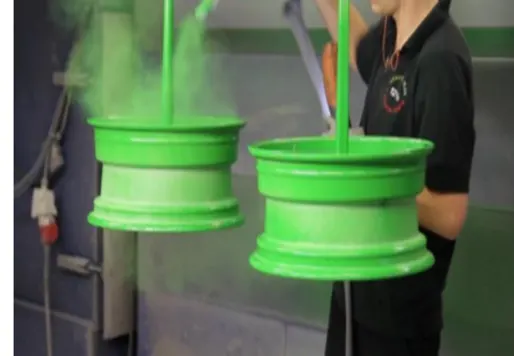
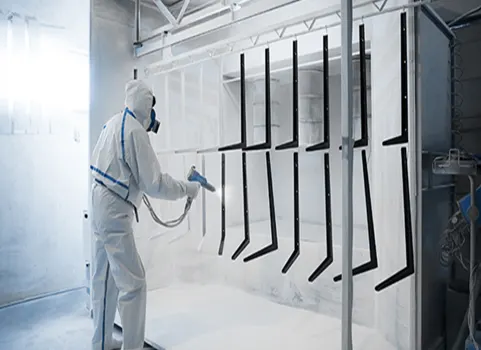
One solution to the emission of VOCs has been the replacements of liquid coatings with coatings in the form of dry, particulate solids, commonly called powder coatings.Powder coating is a dry finishing process that has become extremely popular since its introduction in North America over in the 1960s. Representing over 15% of the total industrial finishing market, powder is used on a wide array of products.
We all know applying Powder coating can sometimes be tricky. There is some skill involved in applying powder coating, and sometimes, no matter how experienced or practiced we are, things can sometimes go wrong. For every coating that comes out perfect, there will be a reject down the line somewhere.
- ELETRODEPOSITION:
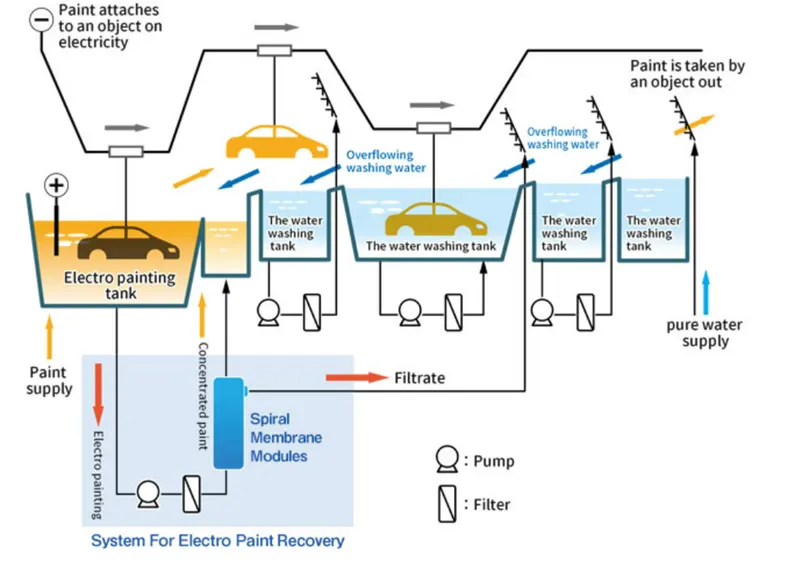
One of the popular basecoat methods for car bodies. Making Coated film by passing a direct electric current. Coated film has a certain electrical resistance and thus electric current tends to flow on to thinner film areas. ED is Good at making coated objects with a uniform film thickness.
3) RUST-PROOF MATERIALS:
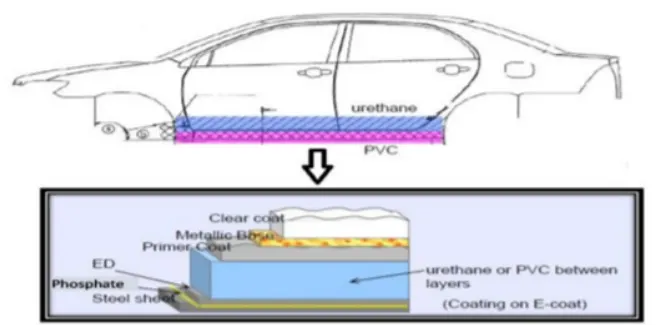
Corrosion is the reaction of iron and oxygen, as may be present in water or air moisture. Any iron material when exposed to both oxygen and water is bound to rust - unless a preventive coating is applied on to it. it is also typical to apply a soft tip primer coat that improves the chipping resistance.
4) PRIMER:
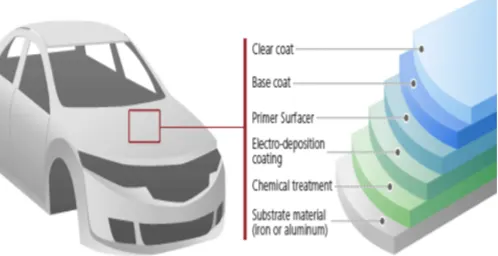
The fourth coating step is the primer. It can be water-borne, solvent-borne, or a powder. The primer fills & smoothes minor imperfections & scratches that may be created during prior steps & by the intermediate sanding or grinding used to remove small imperfections. It also provides additional protection against corrosion & maximizes adhesion between it & the E-coat & basecoat; thereby, the primer incrases paint durability.
Advantage of Undercoating:
- Fight Rust
- Absorbs Noise
- Reinforcement
- Prolong Car’s Life
Dis-advantage of undercoating:
- Increasing car cost
- It adds weight to the vehicle
- An undercoating is not impervious to damage
- It works best on new cars