Underbody Coating
What is Underbody Coating?
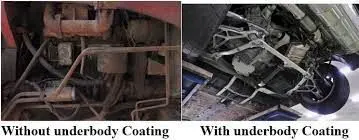
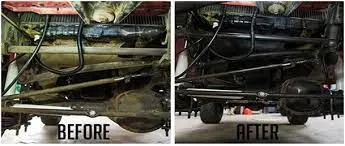
Underbody coating is the process of protecting the under side of the car from the natural elements by adding a layer of some form of cladding on the undercarriage of the vehicle.
A car is mostly constructed of metal, and these metals are prone to corrosion and decay. Corrosion is the process through which these metals such as iron which react with the atmosphere to form other undesired compounds. For example, iron will react with the oxygen in the atmosphere in the presence of moisture or water to form layers of rust. The only way to prevent this from occurring is the protect the metals with a layer of paint or other such coatings which prevents the metal from having direct contact with the atmosphere and thus preventing it from reacting and corroding eventually.
Types of Underbody Coating
There are a few different variations of underbody coating that is used on vehicles today and they are mentioned below :
1) Wax or Paraffin Based Underbody Coating
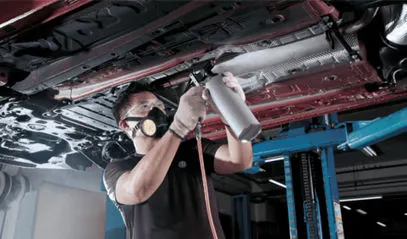
Wax or Paraffin based underbody coating is the cheapest and quickest available option when it comes to vehicle underbody coating. Unlike other forms of coating, the wax based coating doesn't last very long as it is not very adhesive and will not stick to the metal surface for as long as the other types of coatings do. The main advantages of using this type of coating for your vehicle is that, it is the most economic and viable option and its is especially resistant against the effects of moisture but on the downside, a wax based coating will have to be applied more frequently, say every few months, as it does not last very long.
2) Rubberized Underbody Coating
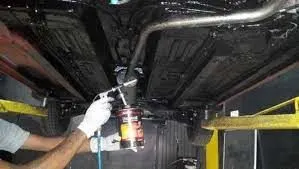
The most common option for an underbody coating on your vehicle would be the rubberized underbody coating. This method consists of using a tar like substance that is sprayed onto the under carriage of a vehicle. This spray sticks onto any surface it is sprayed on and forms a protective coating.
Since this rubberized spray has been infused with additives that act as protects and form a shield against oxygen, moisture and salts and other hard objects such as stones which would cause damage to the underbody and eventually lead to corrosion.
3) Asphalt Based Underbody Coating
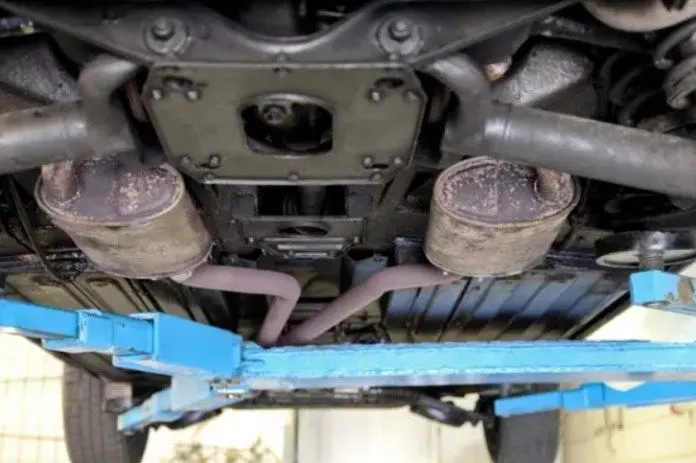
Asphalt based underbody coating is another form of this process that is mainly applied to heavy vehicles such as trucks, buses and heavy machinery as this type of underbody coating offers extra protection against chipping and moisture. The environment most of these vehicles will be exposed during their life requires them to have a slightly more protective coating than the average passenger vehicles.
These underbody coatings also contain some amount of rubberized material in it to aid in noise reduction but unlike other forms of coating, asphalt based coatings cannot be painted on and hence, work best only for underbody coating.
4) Polyurethane Underbody Coating
Polyurethane coating is another form of underbody coating that is fairly easy to apply and works by closing up splits and cracks by displacing the moisture and salts to protect the unoxidised metals from corroding. This process of underbody coating requires some amount of underbody surface prep which involves degreasing the surface first and then applying an etching primer to the bare metal body before this coating is applied. But this offers very good protection and also bonds with the metal surface. Unlike the asphalt based underbody coating, the polyurethane coating can be painted over.
Advantages of Underbody Coating
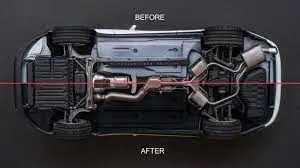
The few advantages of getting your vehicles underbody protected are mentioned below:
- Prevent Corrosion
Underbody coating plays a very big role when it comes to battling corrosion and rust formation on the vehicle by creating a protective layer around the exposed metals around the vehicle’s underside which is the part of the body that is highly susceptible to these conditions, especially in areas with high humidity levels or receives snowfall.
- Prolong the Vehicle’s Life
The primary goal of getting an underbody coating is to protect the underside of your vehicle from corrosion but this in turn provides protection to the components such as the engine, transmission and its couplings from rusting and thus decreasing the wear and tear of these parts.
It also protects the underbody from abrasion and other physical damage caused by stones and other hard objects, thus keeping the underbody of a vehicle relatively damage free.
- Noise Absorption
A good thick underbody coating can do the job of reducing the road noise that reaches the cabin by providing an extra sound deadening layer on the underside of the vehicle.
Disadvantages of Underbody Coating
- Works Best on New Vehicles
The process of coating the underbody of your vehicle is most effective when it comes to a brand new vehicle that has been exposed relatively less to the natural elements that aid in corrosion. A new vehicle will have a fairly debris and corrosive free underbody which makes the application of this protective coating much easier. But if the vehicle has already been in use for a while, the application of the coating will be more tedious as the existing corrosion and foreign particles must be completely removed or else the coating will not be as effective as it claims to be.
- Repetitive Process
The first thing to be understood about the underbody coating is that it is not a one time application or process. The coating too is susceptible to degradation over time and must be reapplied over certain intervals to ensure that the it works as efficiently as possible and does its job of protecting the under carriage of the vehicle.
- Additional Costs
Although this is not a disadvantage of the coating per se, the application of this coating on any vehicle is bound to bring in the additional cost factor into play. And as mentioned in the previous point, this process gets repetitive over time and this adds to repetitive costs to the owner.