Underbody Coating
UNDERBODY COATINGThe underbody of an automobile is the most prone to rust. Underbody coating protects the car underbody against corrosion over time. It also protects elements that are not visually accessible but are prone to corrosion, such as interior body panels, frame rails, and other inner cavities.
Underbody coating is often a thick cladding (often based on rubber) that is placed uniformly to the automobile's underside. It is often sprayed or poured.
painted on when the automobile is brand new and pristine from the dealership But it's OK if you get the undercoating done after a couple of years. This is the case.
since it can prevent future undercarriage damage
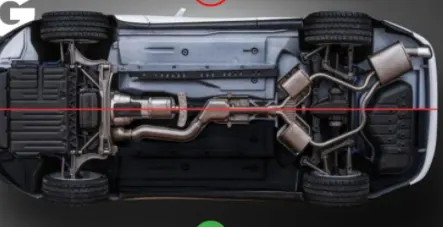
Benefits
- Minimizes Sound: It minimizes the sound from underneath the car resulting in a noiseless, smooth driving experience.
- Heat Insulation: It insulates the interior of the car from extreme temperatures from beneath the vehicle providing a comfortable cabin experience.
- Anti-chipping property: If any stone hits the coating it does not get chipped away hence protecting the underbody from exposure to water
Types of underbody coatings
Rubberized Underbody Coating
This is often regarded as the best underbody covering for your vehicle. It protects the underbody from scratches while preserving it. It's also not difficult to apply this to the undercarriage.
Wax Based Underbody Coating
This temporary undercoating will, more or less, fade away in a few months. On the plus side, wax-based undercoating is very resistant to moisture. It is also the most cost-effective choice available.
Asphalt Based Automotive Undercoating
Ideal for lorries, trucks, and heavy vehicles. When compared to rubber-based coatings, this gives a higher level of protection. However, asphalt-based coatings contain very little rubber for sound insulation. However, the application of this coating takes some time.
Polyurethane Underbody Coating
This covering seals up breaks and fractures on the vehicle's underbody. It provides high corrosion protection and also binds with the metal. Unlike asphalt-based coatings, polyurethane coatings may be painted over.