Underbody Coating
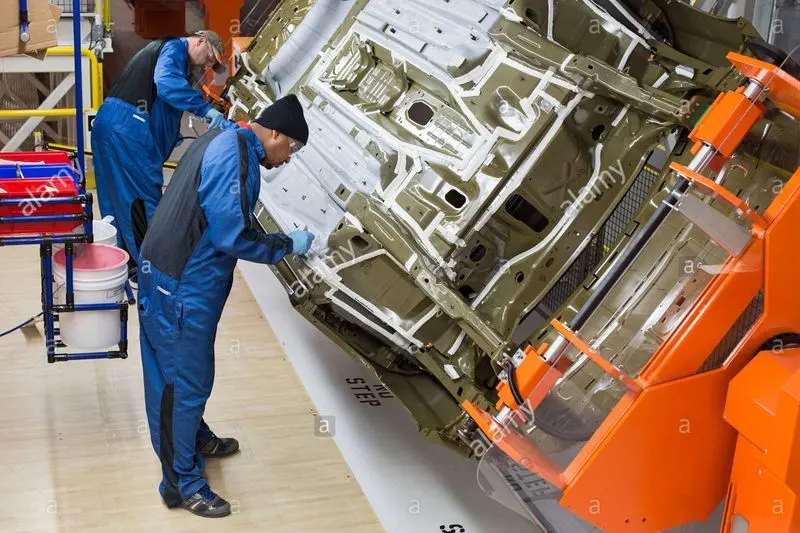
Body in White :-
Body in white (BIW) is the stage in automobile manufacturing in which a car body's sheet metal component has been joined together, that is before painting and before the motor, chassis sub-assemblies, or trim (glass, door locks/handles, seats, upholstery, electronics, etc.) have been integrated into the structure. Assembly involves different techniques such as welding, brazing, rivetin etc.
Underbody Coating -
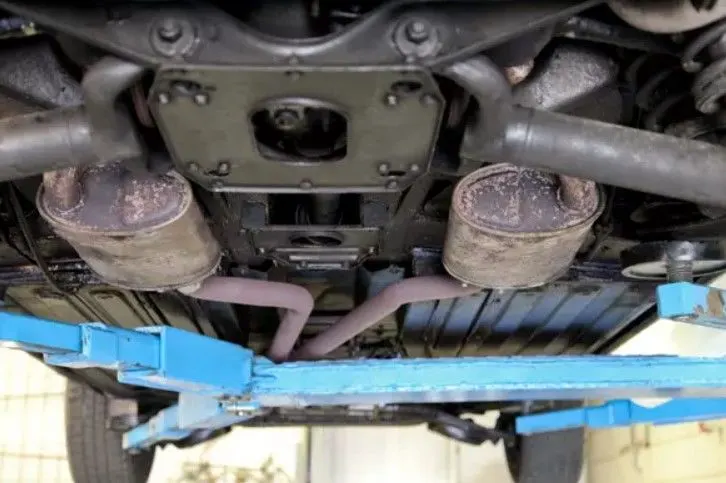
Bottom part of any accessories is called underbody. But here underbody coating means coating the bottom part of BIW of vehicles. Because the bottom part of the vehicle put up with very rough environment. Because of which a lot of corrosion is created that portion. It's created by chemical reaction between body metal parts and available gas in atmosphere like oxygen, carbon, sulphur, sulphur dioxide, salt, humidity etc. Because of which the corrosion is created. Due to which that parts tends to week. If not finish it, it will break through a lot more weakening. So coating is done on the body between body and environment. So that the environment don't get on the touch in the body. So corrosion not occurs. It is very necessary thing to do in the vehicle.
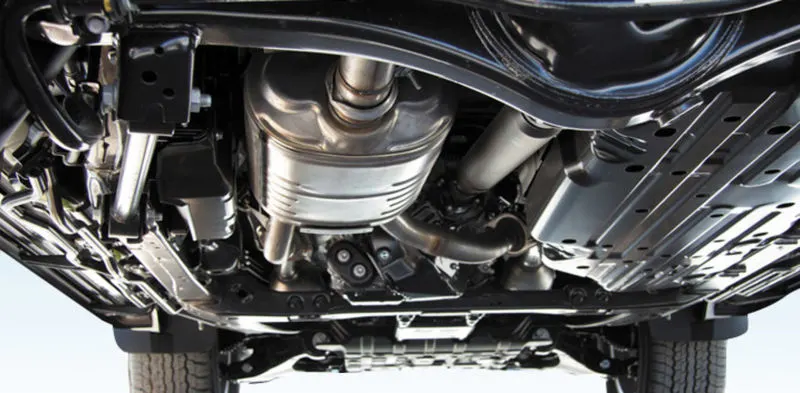
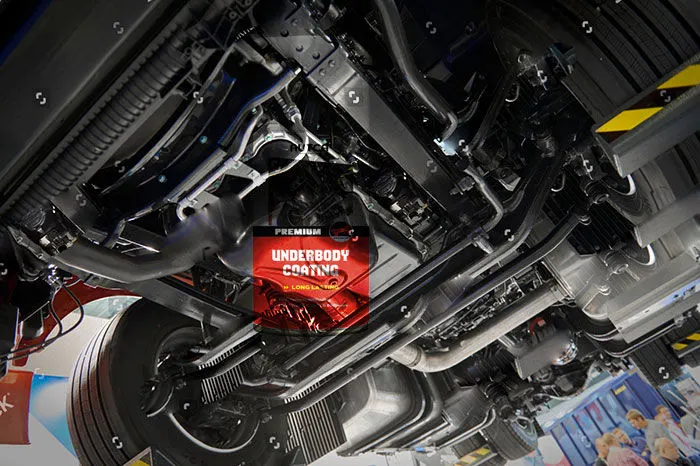
Underbody coating have many types. Which type of coating, in how much thickness, where to do it, it depends on particular of palace, which type of part there and temperature of there etc.
Types of underbody coating -
1. Rubberized underbody coating :-
Rubberized underbody coating very easy protection coating. It protect from water salt and other chemical. It absorbs the noise of the vehicle. It prevents car from getting rusted. It is given in normally 2-3 mm.
2. Wax based underbody coating :-
Wax based underbody coating are the ultimate coating when compared to Asphalt or rubberized underbody coating. They provide protection up to 15 years and beyond. They can be applied over areas with light rusted. They maintain their flexibility over time and are self healing when it comes to chips and scratches. It is more expensive. If you are looking for the ultimate protection for your vehicle underbody, then you can go wax based underbody coating.
3. Asphalt Based Automotive Underbody Coating :-
This coating is given in heavy vehicles. It provides more protection compare to rubber based coating. It contain a bit rubber. This process takes a little bit time for sodium insulation process.
4. Polyurethane Underbody Coating :-
This coating closes splits and fracture. It makes bond with metal and it is good protection against corrosion. Unlike in case of asphalt base coating, you can paint over the polyurethane coating.
The process of Underbody Coating :-
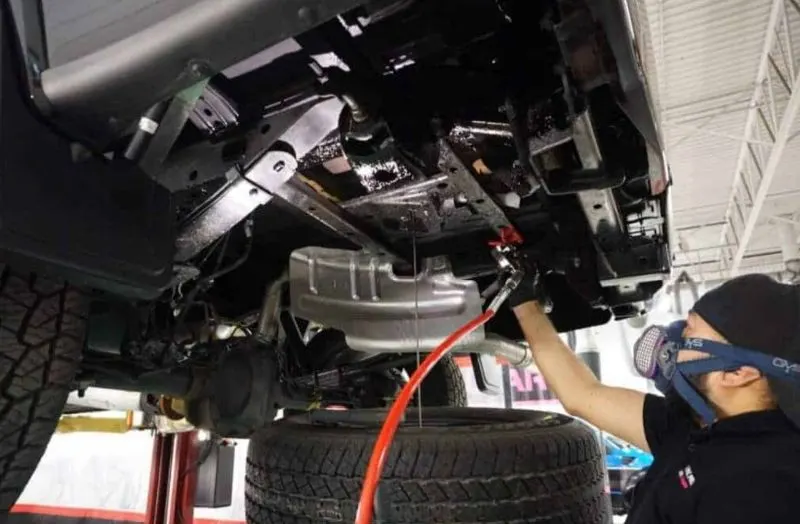
First of all the car is hosted on a lift and inspected the underbody for flaws. Then clean the underbody removing out dirt and grease by chemical or other thing. And then critical components like silencer are covered by a film to avoid the coating. Then rest of the underbody, first apply primer and then spray painted evenly. Primer helps to increase adhesive between underbody and coating. Then silencer film is removed and zinc coating is applied on it. Remedies of flaws the final inspection is done then car is ready.
Pros of Underbody Coating :-
- It fights against rust.
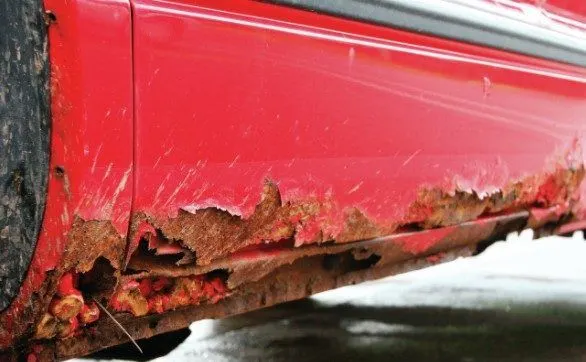
2. It provides a layer of protection against corrosion.
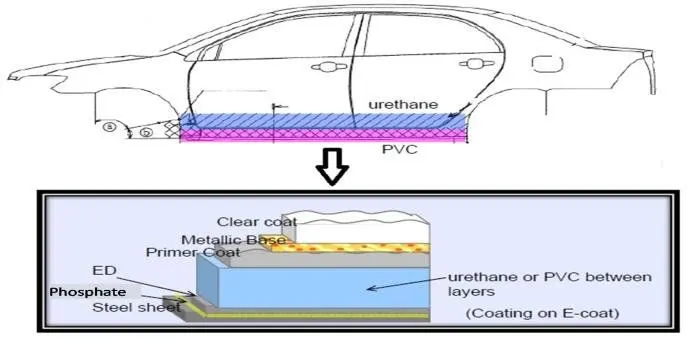
3. It Extend the life of vehicle.
4. It can be applied a damaged area.
5. It can be self applied. If you want to save the money then you can do the self.
6. There are multiple undercoating method that can be used.
7. The service might help with the cost of insurance.
8. It may help to reduce the interior noise.
Cons of Underbody Coating :-
1. It is less helpful if the corrosion is already present.
2. It works best in new vehicles.
3. Most vehicle make it five years before corrosion begins to show.
4. A third party undercoating service might void your vehicles.
5. It adds weight.
6. An underbody coating is not impervious to damage.
7. It must be applied every 3 to 5 years for the best result.