Underbody Coating
Under body coating:
- Underbody coating provides long term protection from corrosion to car underbody.
- Underbody coating also protect parts like internal body panels , frame rails and other inner cavities that are not physically accessible but are prone to corrosion.
- The primary objective of getting underbody coating done is preventing metal components that are exposed on the bottom side of the car to damage from corrosion. You can shut out the Adverse effects of corrosion on your car by simply applying a rubberised anti-rust coating all over the belly of our car.
- Underneath a car is somewhere a lot of indispensable parts of a car are left exposed like the Engine, silencer, etc. One simply can’t afford to let these parts go bad due to rusting and hence in order to save yourself from a hefty repair bill, a considerably less expensive Anti-Rust Coating is a must.
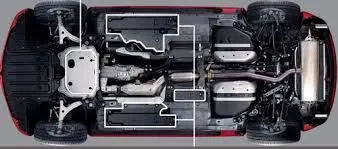
Types of under body coating:
- Electro deposition method: E-Coating is a method of coating which uses electrical current to paint on the car body , in this process the colloidal particles in the liquid medium migrate under the influence of an electrical field and are deposited on electrode.
- Spraying method or cavity wax injection method : in this method a wax type material containing rust and corrosion inhibitors applied on the car body and on the underbody then the wax material protects the body from corrosion. sometimes the wax material protects the body from corrosion sometimes the wax materials seeps out from the scratches and seals the scratch and prevent corrosion.
How underbody coating is done?
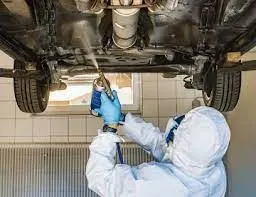
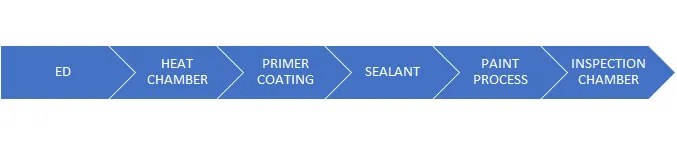
- Rails taking the BIW into paint bath at an inclination angle. The inclination angle at which it rotates is decided by the weight of that particular component and facilities of the plant.
- The angle at which rotates is the angle at which all the e droplets are drawn out to prevent extra coating.
- Then the BIW is pass through heat chamber for making it dry.
- Primer and sealant coating is done and we can also say that it is the 1 layer of paint on which the colour of car will be painted.
- Now BIW will pass through paint booth foe final paint of car . it may be automatic or semi automatic.
- Now it passes through the inspection chamber where each nad every character is being inspected.
NOTE: The more better ED the more better paint absorbtion and corrosion resistant.
How long does an underbody coating last?
Measuring an undercoating’s longevity means factoring-in the environment where the vehicle is being driven, types of deicer and/or salt used on the roads, quality of undercoating utilized, and how thoroughly said coating has been applied. In short, there is no guaranteed timeframe when it comes to automotive undercoating life expectancies. We’ve seen multiple reports of undercoatings only lasting a single winter season, while other drivers have reported a decade of maintenance-free use between coatings.
Advantages of under coating:
- Corrosion resistance: it provide long term protection from corrosion to car underbody.
- Minimize sound: it minimize the sound from underneath the car resulting a noiseless , smooth driving experience.
- Heat insulation: it insulates the interior of the car from extreme temperature from bneath the vehichle providing a comfortable cabin experience.
Disadvantages of undercoating:
- Very bad smell during under body coating.
- The high price due to vehichle underbody coating .
- The coating should be applied carefully the paint can get into moving parts such as all the joints in propeller shaft and cause failure to parts.
Purpose of underbody coating:
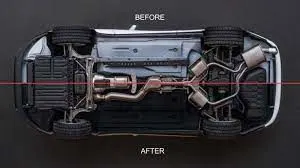
- It is done to protect the vehicle from external environmental attack and increasing the life of vehicle .
- Underbody coating is done to
- To improve vehicle life.
- Protect against corrosion.
- Stone chip prevention.
- Dampens sound and vibrations.