Underbody Coating
UNDERSEAL :
- 'Underseal' often called undercoating it is a thick resilient coating applied to the underbody or chassis of an automobile to protect against impact damage from small stones, which would rapily chip original paint of the body and to prevent from rusting .
- Underbody coating provides long term protection from corrosion to vehcile underbody. It also protects parts like internal body panels, frame rails and other inner cavities that are not physically accessible but are prone to corrosion.
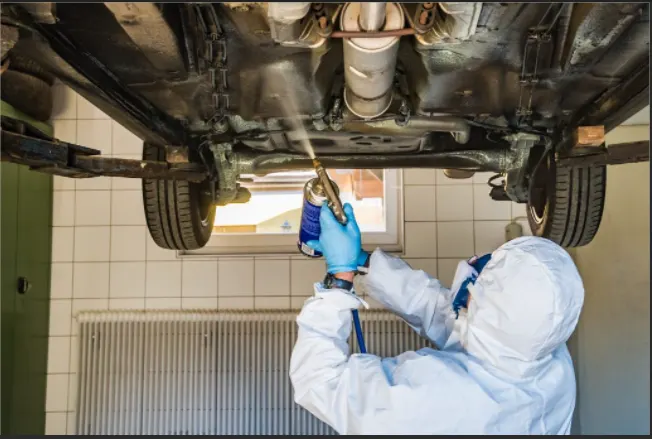
Underbody coating is usually a dense cladding (often based on rubber) applied uniformly to the undercarriage of the automobile. It is normally sprayed or painted on when the car is just out of the dealership and is clean. But even if you are getting the undercoating applied after a couple of years, it’s fine too. This is because it can prevent further damage to the undercarriage.
The main purpose of undercoating is to check rust especially in the body components like frame rails along with other exposed metal parts. Underbody coating can also reduce wear and tear.
UNDERBODY COATING :
In Indian road conditions, a cars underbody is most prone to corrosion. Underbody coating provides long term protection from corrosion to car’s underbody. It also protects parts like internal body panels, frame rails and other inner cavities that are not physically accessible but are prone to corrosion.
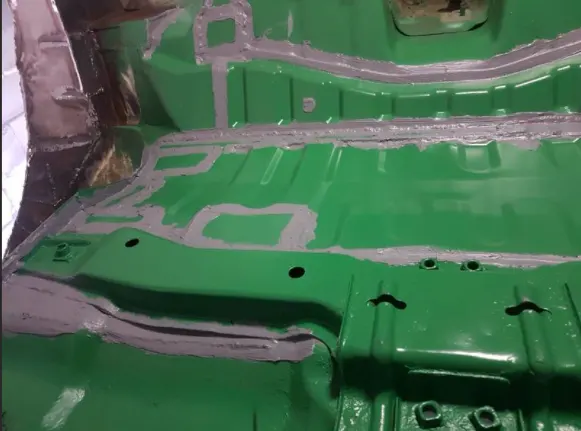
Benefits
1. Minimizes Sound : It minimizes the sound from underneath the car resulting a noiseless, smooth driving experience.
2. Heat Insulation : It insulates the interior of the car from extreme temperatures from beneath the vehicle providing a comfortable cabin experience.
3. Anti-chipping property : If any stone hits the coating it does not get chipped away hence protects the underbody from exposure to water.
**Types of Undercoating **
1.Rubberized underbody coating
2.Wax-Based underbody coating
3.Asphalt-Based Automotive coating
4.Polyurethane underbody coating
Detailed explanation of types of underbody coating :
- Rubberized underbody coating (fig 1)
This is generally thought of as the best underbody coating for your car. It preserves the underbody well, protecting it from scratches. Applying this to the undercarriage is not much of a hassle either.
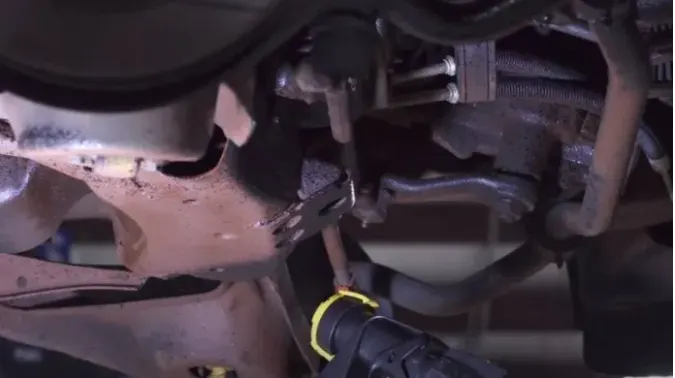
( fig 1)
- Wax-Based underbody coating
This – more or less – ephemeral undercoating will wear away in a few months’ time. On the upside, wax-based undercoating puts up a big fight against moisture. It is also the most affordable option out there.
- Asphalt-Based Automotive coating ( fig 2 )
Best suited for lorries, trucks and large vehicles this provides a greater degree of protection compared to rubber-based coatings. However, asphalt-based coatings contain little amounts of rubber for sound-insulation purposes. The process of applying this coating is a bit time-consuming though.
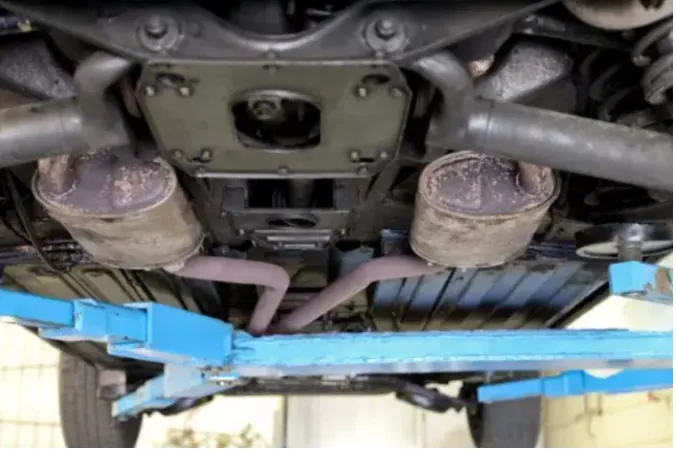
( fig 2 )
- Polyurethane underbody coating ( fig 3 )
This coating closes up splits and fractures on the underbody of the vehicle. It offers up good protection against corrosion and also bonds with the metal. Unlike in the case of asphalt-based coating, you can paint over the polyurethane coating.
Thickness : The underbody coating that is most commonly used on cars in India and supplied by companies such as 3M is a thick, rubberized paint that forms a 2-3 mm thick coating all along the underside of the car when sprayed on.
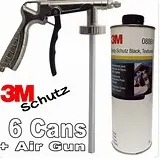
History of undercoating :
Historically, a bitumen-based compound was used, but after approximately a decade, this becomes brittle and water can become trapped between the underseal and body metal, counterproductively creating a more favourable environment for rust than if no underseal was applied at all. Wax-based underseals do not have this disadvantage, but can be eroded and eventually washed off by enthusiastic use of a hot pressure washer. Rubber-based underseals are also sometimes used.
Vehicles for sale in some territories are not undersealed, because the climate is not sufficiently aggressive to warrant it. If such a vehicle is subsequently imported into a country with high rainfall, cold winters, and where salting of the roads is common, application of underseal is strongly recommended to ensure the vehicle has a long life.
Instruments used to find thickness of dry film : ELCOMETER 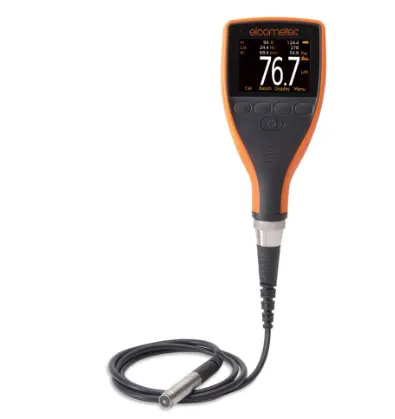 Elcometer is a leader in coating & concrete inspection equipment, rebar & metal detection. Our products measure coating thickness, climate, porosity & adhesion as well as a wide range of physical test parameters required for the formulation of coatings. Elcometer commits major resources to Research and Development.
Composition used to prevent corrosion are :
Instrument used is : NITON-XLT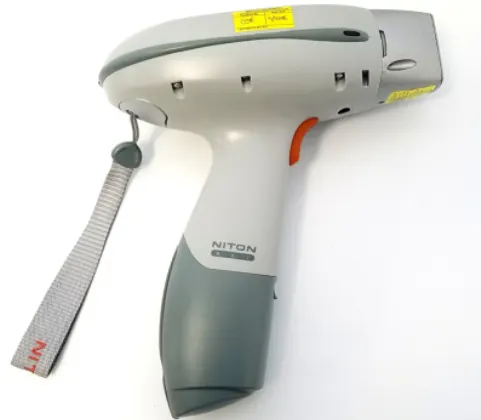 The Niton XL3t Analyzer combines advanced electronics and materials technology with dynamic features and the most versatile x-ray tubes ever used in a handheld XRF instrument.
C
- Cathodic disbonding
- Cathodic modification
- Cathodic protection
- Chemical fouling inhibitors
- Chromate conversion coating
- Chrome plating
- Conservation and restoration of outdoor bronze objects
- Conservation and restoration of silver objects
- Copper in heat exchangers
- Copper–copper(II) sulfate electrode
- Corrosion inhibitor
- Corrosion monitoring
- Cosmoline