Underbody Coating
Underbody Coating
Under body coating (anti rust coating) as the name suggests, it's a coating provided to prevent rusting. This underbody coating helps in protection from dust and moisture also some other factors such as poor road conditions, rocks getting thrown from tires and denting the metal and salt from water during monsoon which plays an important role in damaging the underbelly of a car.
Refer the below images for clear understanding.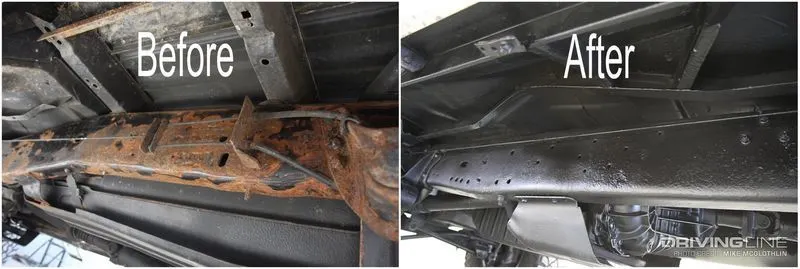
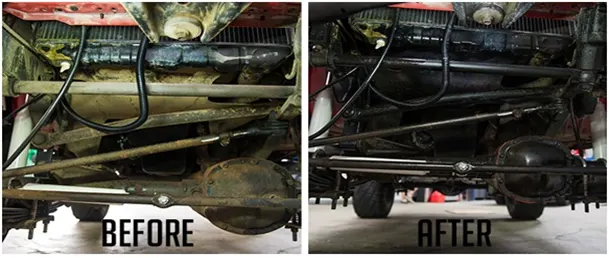
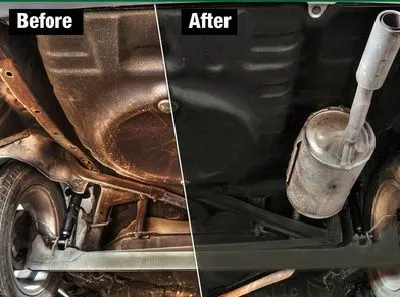
DIFFERENT TYPES OF UNDERBODY COATING:
Underbody coatings are categorized into various types based on the type of material used and also the cost of the material.
Rubberized underbody coating: It is the most common as well as the cheapest method of applying underbody coating. The paint, which can be obtained in the form of a spray or liquid, is applies on the required places, which then dries to give a rubber like finish. This is good for adhesion with the surfaces as well as reducing the sound from the cabin. It provides excellent moisture and debris protection. But it can substantially increase the weight of the vehicle and can also damage the parts of the vehicle if not done properly.
Polyurethane underbody coating: This type of undercoating is a lit a bit quicker and easy to apply. This type of undercoating often comes in a canister ready to preload into application gun. This type of undercoating always requires surface preparations before applying.
Wax or paraffin-based underbody coating: Wax or paraffin-based undercoating will be the cheapest and quickest option available in the market. But these coatings last only for one year of duration.
Asphalt-based underbody coating: This type undercoating is mainly used for light commercial vehicles. For vehicles such as trucks, buses, vans etc. asphalt-based undercoating is used for sufficient protection against rock chips and moisture. These asphalt-based under coatings have a little bit of rubberised material that set up firmly and also helps in reduction in noise.
Benefits:
- Minimizes Sound: It minimizes the sound from underneath the car resulting a noiseless, smooth driving experience.
- Heat Insulation: It insulates the interior of the car from extreme temperatures from beneath the vehicle providing a comfortable cabin experience.
- Anti-chipping property: If any stone hits the coating it does not get chipped away hence protects the underbody from exposure to water.
- Prolong Car’s Life: Good undercoating not only defends the underbody from corrosion but also protects the engine and transmission as well! Less rusting coupled with slower wear and tear can surely add years to the lifespan of your vehicle. There would be fewer dents, dings and scratches on the undercarriage for you to fret about.
Disadvantages:
- High cost: The cost of underbody coating has reduced over the years, but it is still expensive. The option of applying a coat at the dealership can get quite expensive, since dealerships will look forward to making profits and hence increasing the price for an underbody coating.
- Need to reapply every 3 to 5 Years: For ongoing protection, you need to make sure you are ready to invest in undercoating your vehicle every 3 to 5 years. Most users can ride their vehicles for 5 years without worrying much once the under part is coated. But if you happen to live in coastal areas then you might need to do it every 3 years for best results.