Underbody Coating
Underbody coating:
A car’s underbody is exposed to the most wear and tear caused by muddy water, potholed roads, stones and other obstacles on the road. Because it’s not in plain sight, we often do not see the damage. Underbody coating provides long term protection from corrosion to car's underbody. It also protects parts like internal body panels, frame rails and other inner cavities that are not physically accessible but are prone to corrosion. Underbody coating can come in handy especially if you live near the sea, where there is too much humidity, and rusting is just one of those everyday things. You should also seriously consider undercoating if you reside in a place where it snows in winter.
The primary objective of getting underbody coating done is preventing metal components that are exposed on the bottom side of the car to damage from corrosion. You can shut out the Adverse effects of corrosion on your car by simply applying a rubberised anti-rust coating all over the belly of your car.
The underbody coating’s consistency is so thick that the layer it creates absorbs all the unpleasant noises and vibrations and marginally improves the driving experience.
A very thick undercoating can soften the noises that reach the cabin. Since the undercoating is often made up of rubber it absorbs some of the rackets. The occupants of the car could spare themselves of the road noises – at least up to a certain extend.
Good undercoating not only defends the underbody from corrosion but also protects the engine and transmission as well! Less rusting coupled with slower wear and tear can surely add years to the lifespan of your vehicle. There would be fewer dents, dings and scratches on the undercarriage for you to fret about.
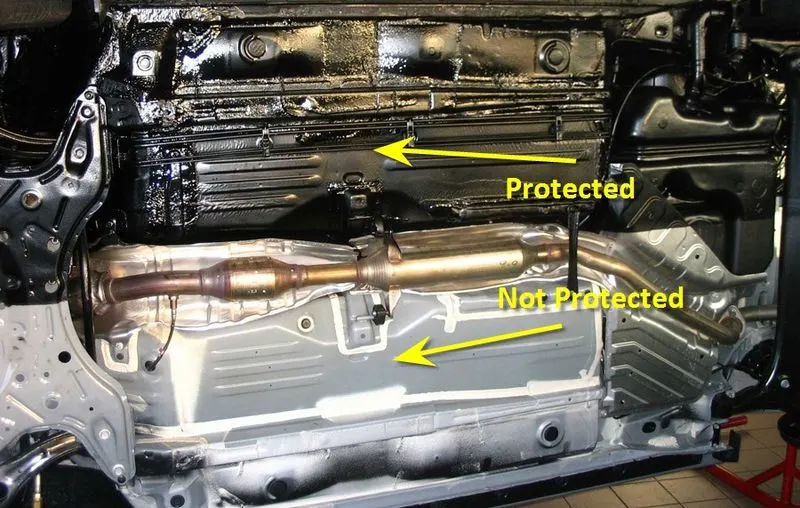
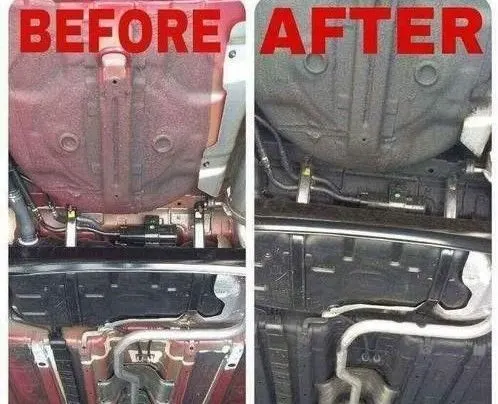
Process involved in underbody coating :
In Manual underbody coating process:
- The car is lifted to certain height.
- The under body is cleaned so that dirt and grease are removed.
- Critical components like silencer are covered in a film to avoid the coating from sticking to it
- Rest of the under body is spray painted.
- The silencer film is removed and zinc coating is sprayed on it
- Final inspection is done to look out for flaws
Another process is where the automobile frame is kept in a bath of liquid coat. The liquid in made to fall in a plenty of amount and then the frame is allowed to get dry and the coat gets set on the frame.
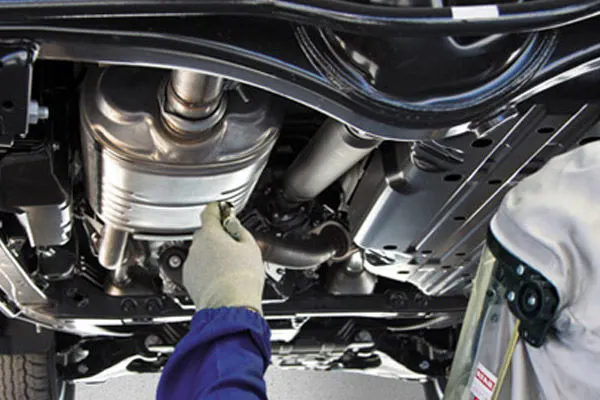
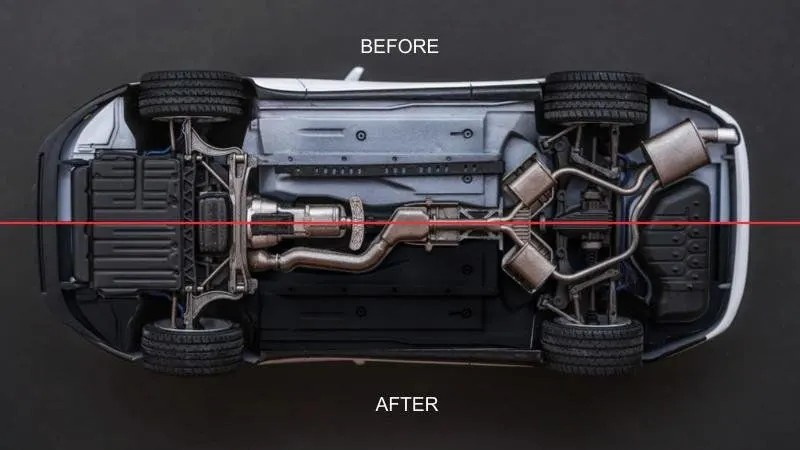
Types of automobile underbody coating:
Rubberized Underbody Coating:
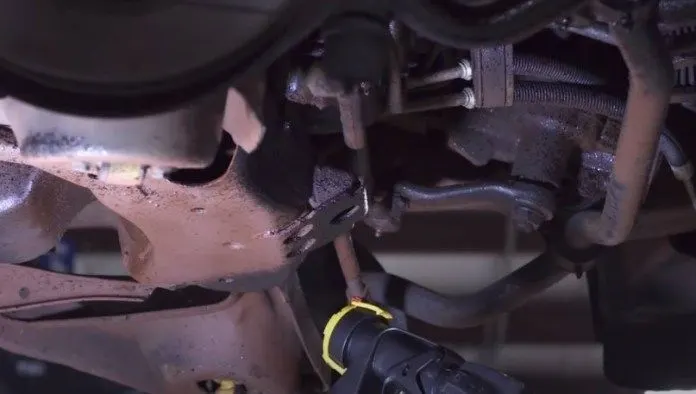
This is generally thought of as the best underbody coating for your car. It preserves the underbody well, protecting it from scratches.
Applying this to the undercarriage is not much of a hassle either.
Asphalt Based Automotive Undercoating:
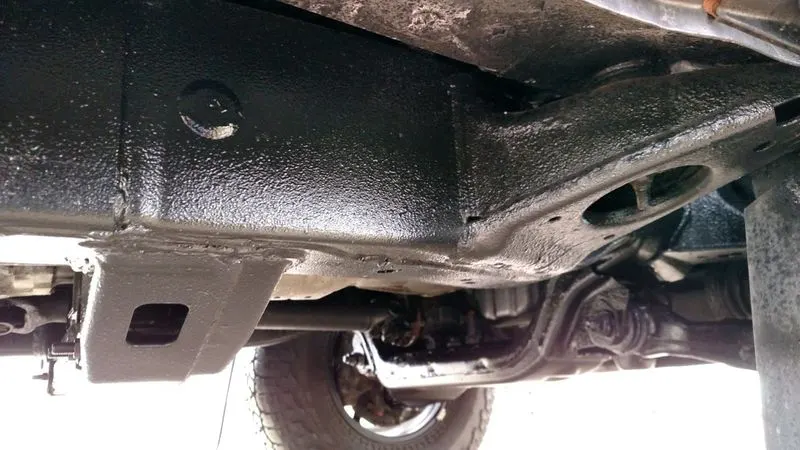
Best suited for lorries, trucks and large vehicles this provides a greater degree of protection compared to rubber-based coatings.
However, asphalt-based coatings contain little amounts of rubber for sound-insulation purposes. The process of applying this coating is a bit time-consuming though.
Wax Based Underbody Coating:
This is more or less a type of undercoating which will wear away in a few months of time. On the upside, wax-based undercoating puts up a big fight against moisture.
It is also the most affordable option out there.
Polyurethane Underbody Coating:
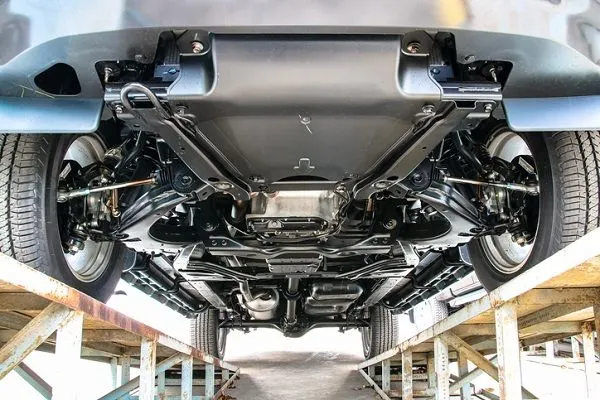
This coating closes up splits and fractures on the underbody of the vehicle. It offers up good protection against corrosion and also bonds with the metal.
Unlike in the case of asphalt-based coating, you can paint over the polyurethane coating.
Pros:
- Protects Against Rust & Corrosion
- Reduces NVH (Noise Vibrations Harshness) Levels
- Prevents Paint Chipping
- Protects Vital Components
- It also affects your car resale value.
Cons:
- Less Effective If Corrosion Already Exists
- Works Well only on New Vehicles
- Need to Reapply Every 3 to 5 Years