Underbody Coating
Aim: Study the underbody coating used in automobile industries.
Objectives:
- Study about underbody coating
- Study about types of underbody coating and its advantages and disadvantages.
Theory:
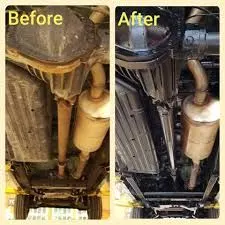
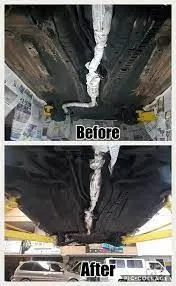
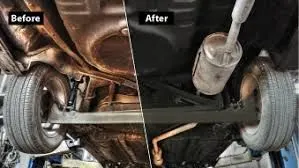
Underbody coating is a thick resilient coating applied to the underbody or chassis of an automobile to protect against impact damage from small stones, which would rapidly chip ordinary paint, allowing rusting to begin.
Purpose of Underbody coating:
To understand the science behind how undercoating protects the vehicle from rusting, we should know about rusting first.
Rusting occurs when the current passes through an anode (a piece of metal that gives up electrons like a dude making it rain at a strip club) to the cathode (metal piece that accepts electrons – like that aforementioned stripper on the pole) through the electrolyte (a liquid supporting the movement of electrons).
The electrolyte provides the fuel, which is oxygen in this case, to the anode. Oxygen reacts with the anode, releasing some electrons free. The electrons move from the electrolyte to the cathode. The metal at the anode starts disappearing and depositing as rust. This rusting of iron or steel results in corrosion.
The undercoating is applied to stop a few contributing factors leading to rusting and corrosion.
Types of Underbody Coating:
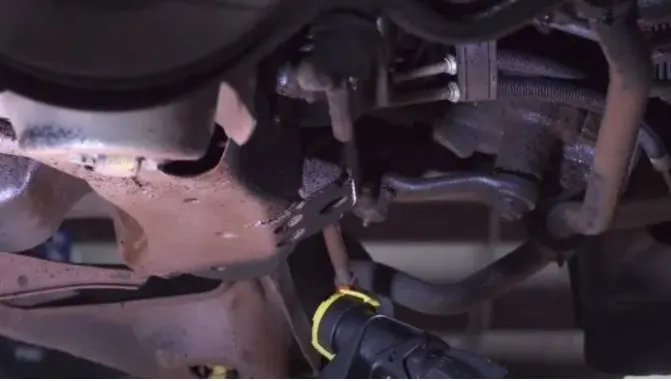
1.Rubberized Underbody Coating:
The most common method of undercoating a vehicle is via the use of a “rubberized” spray-on product. Utilizing a tar-like substance that has been infused with solvents and protectants, spray-on undercoatings stick to whatever they touch, acting as a barrier against salt, moisture, oxygen, and other foreign substances that may lead to rust and corrosion.
2.Electronic Rust Inhibitors:
Electronic rust inhibitors are marketed as a permanent, discreet, easy to install solution to corrosion. But the jury is still out as to whether or not they actually make a damn bit of difference when it comes to repelling and removing rust on automobiles. While the notion of electrical current coursing along the underbelly of a vehicle is undeniably odd, it has been proven to work, but not in the way that one might expect.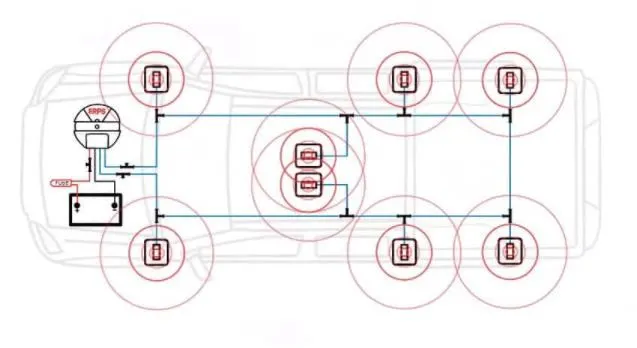
3.Lanolin Wax/Wool Grease:
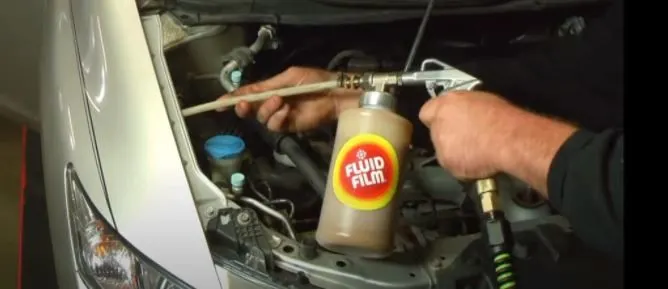
When choosing an undercoating, the lanolin approach remains a proven, if not slightly strange solution. Commercially, lanolin coatings are used as both a rustproof coating and as a lubricant, with everything from ship hulls and rigging equipment, to heavy-duty excavation machines and production facilities relying upon this water-repelling corrosion inhibitor.
When it’s sprayed, lanolin fills in all of the nooks and crannies of the chassis with a sticky, wax-like substance. Curing times will vary depending upon air temperature and how heavy of a coating has been applied, so there will likely be some downtime between car rides after this stuff has been sprayed.
4.Dripless Oil Spray:
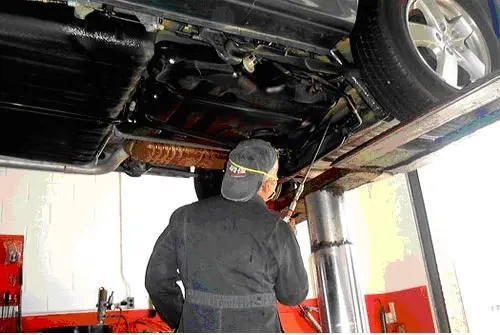
The final common undercoating option is dripless oil spray. Once allowed to harden on a surface, this wax-like, colorless substance has the ability to repel moisture and corrosion for years on end. Just note that dripless undercoating oil sprays typically require holes to be drilled into the body of the vehicle at specific points for the product to penetrate unseen areas that are prone to rusting out.
Advantages of Underbody coating:
1.Fights Rust:
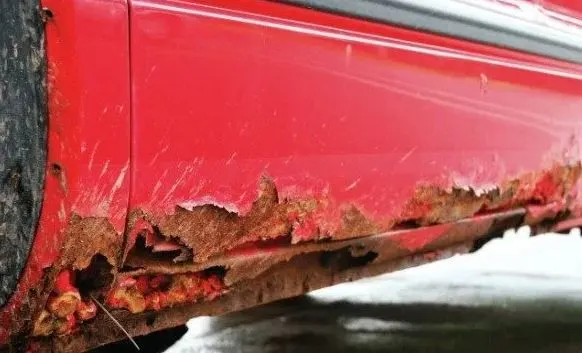
It plays an important role in keeping corrosion at bay. Underbody coating can come in handy especially if you live near the sea, where there is too much humidity, and rusting is just one of those everyday things. You should also seriously consider undercoating if you reside in a place where it snows in winter.
2.Absorbs Noise:
very thick undercoating can soften the noises that reach the cabin. Since the undercoating is often made up of rubber it absorbs some of the rackets. The occupants of the car could spare themselves of the road noises – at least up to a certain extend
3.Reinforcement:
If your car comes with stock underbody coating, using another coating on top of it, is not going to hurt. It will offer additional reinforcement, protecting the underbody from water, road debris, gravel, and small pebbles. There would also be a lesser chance for the factory coat to flake away.
4.Prolong Car’s Life:
Good undercoating not only defends the underbody from corrosion but also protects the engine and transmission as well! Less rusting coupled with slower wear and tear can surely add years to the lifespan of your vehicle. There would be fewer dents, dings, and scratches on the undercarriage.
Disadvantages of underbody coating:
1.Nothing comes for free in this world. The same goes for undercoating. The undercoating or rustproofing spray is heavy in pockets. However, it is nothing when you compare it with the cost of replacing a vehicle after corrosion.
2.Lanolin has earned the nickname wool grease for a reason. This waxy substance is derived from a naturally occurring secretion commonly found in fluffy animals like sheep. Produced within the glands that encapsulate their wool follicles, lanolin provides these cud-chewing critters with a waterproof coat that helps keep them dry and warm in winter. This makes breeds like the ultra-fluffy Merino breed of sheep quite the hot commodity.
On the downside, because lanolin is basically the porous substance secreted by livestock, it smells. This repulsive aroma is even more notable when lanolin is exposed to warmer temperatures. So if you notice that no one is parking next to you in summer, it might be because they can’t stand the strange stench of your vehicle’s undercoating.
3.Over the years, electronic rust inhibitors have seen a surprising amount of success in both marine and underground structural applications. But the effectiveness of these products depends heavily upon a multitude of factors, many of which are not always present in automobiles. Most metals do a damn good job of conducting electrical current, which explains why having a module attached to a car battery, with electrodes channeling electricity underneath seems like a brilliant idea.
4.The only way for an undercoating to provide ongoing protection for your vehicle is to have the service repeated frequently. Most owners can have a new layer applied each year without worrying about their underbelly being compromised.
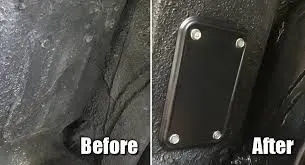
Images of Underbody Coating: