Underbody Coating
UNDER BODY COATING
Vehicle underbody coating, or simply undercoating, refers to a defensive layer of specific materials which is applied to the undercarriage of vehicles for protection from mold, moisture, dust, rot, and all the other road scraps.
Need for undercoating
These sections are close to significant deterioration all of the time. Driving is a process that forces tiny specks from the ground to travel into the lower parts of cars. These specks gradually damage the car’s undercarriage, leaving cracks and crevices, where rust forms. Overtime this rust will cause corrosion and can lead to part failure and a whole host of other issues. Rust is not just ugly but can trigger a number of different system breakdowns, such as leaks that can lead to gradual fuel wasting and even sizable components like the engine and transmission failure.
Many people live in places where inclement weather can have a negative impact on their motor vehicle. Abrasive road salt, road brine, sticky tree sap, fine scratches left by low-hanging tree limbs — all can rub away the manufacturer’s paint and then wipe away the coat on top of it.
Methods to apply undercoating
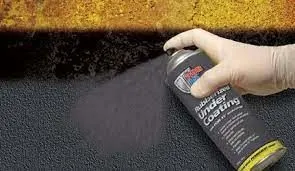
- Spray-on rubberised coating:- The most common method of undercoating a vehicle is via the use of a rubberised spray-on product. Utilising a tar like substance that has been infused with solvents and protectants, spray-on undercoatings stick to whatever they touch, acting as a barrier against salt, moisture, oxygen and other foreign substances that may lead to rust and corrosion.
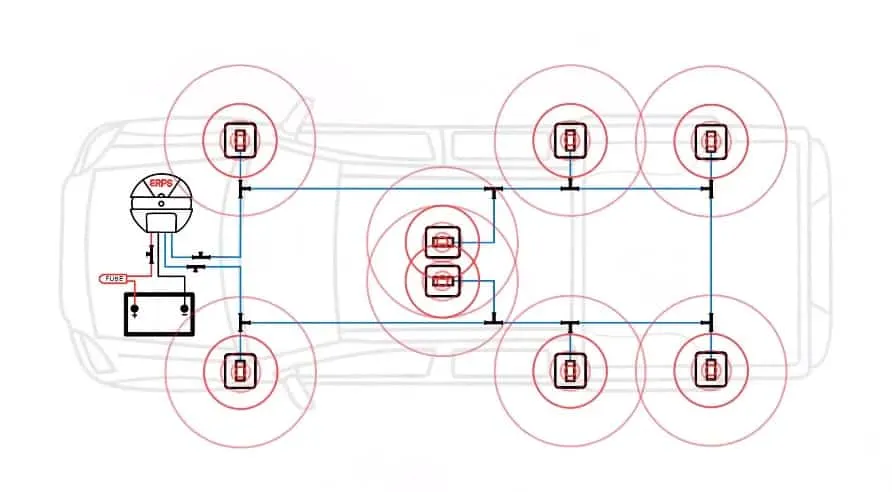
- Electronic Rust Inhibitors:- Electronic rust inhibitors are marketed as a permanent, discreet, easy to install solution to corrosion. The basis here is that if you continuously charge the metal itself with a negative current, it can’t throw electrons the cathode’s direction, thus preventing corrosion from occurring in the first place. This is designed to be a permanent solution, and one that does not need reinstallation or routine servicing. The only issue is that it really doesn’t seem to work so well on automobiles as opposed to say, tug boats, and it’s also quite expensive.
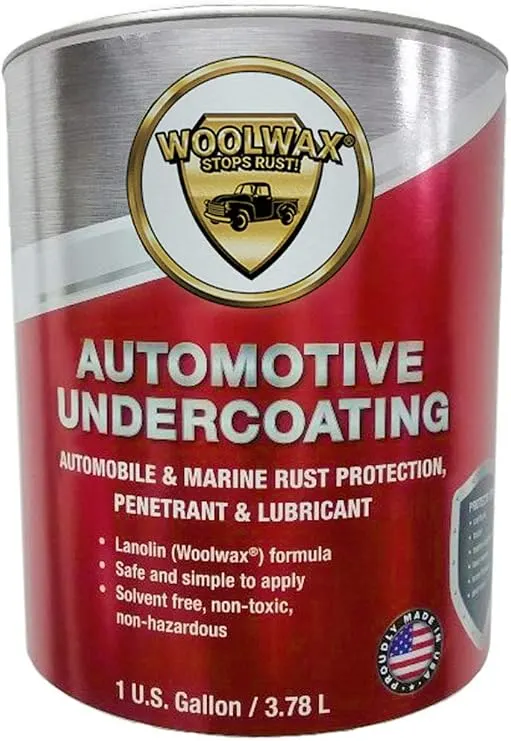
- Lanolin Wax:- Lanolin coatings are used as both a rustproof coating and as a lubricant, with everything from ship hulls and rigging equipment and heavy-duty excavation machines. When it’s sprayed, lanolin fills in all of the nooks and crannies of the chassis with a sticky, wax-like substance. Curing times will vary depending upon air temperature and how heavy of a coating has been applied.
- Dripless Oil Spray :- The final common undercoating option is dripless oil spray. Once allowed to harden on a surface, this wax-like, colorless substance has the ability to repel moisture and corrosion for years on end. Dripless undercoating oil sprays typically require holes to be drilled into the body of the vehicle at specific points in order for the product to penetrate unseen areas that are prone to rusting.
Advantages of undercoating
- Undercoating provides a layer of protection against corrosion.
- Undercoating will extend the life of your vehicle.
- It will increase re-sale value.
- It can be self-applied.
- There are multiple undercoating methods that can be used.
- The service might help with the cost of your insurance.
- It may help to reduce interior noise.
- Wax based undercoating can be applied to damaged areas to stop further increase in damage filling the cracks and crevices.
Disadvantages of undercoating
- Undercoating can be costly.
- Undercoating is less helpful if corrosion is already present.
- It works best on new cars.
- Most vehicles make it five years before corrosion begins to show.
- A third-party undercoating service might void your vehicle’s warranty.
- It adds weight to the vehicle.
- An undercoating is not impervious to damage.
- It must be reapplied every 3 to 5 years for the best results.