Underbody Coating
Under-Body Coating
Under-Body Coating is a protective layer applied to the underside of a vehicle to shield it from damage caused by moisture, chemicals, road debris, and rust. It acts as a barrier between the vehicle's undercarriage and the harsh elements encountered on the road.
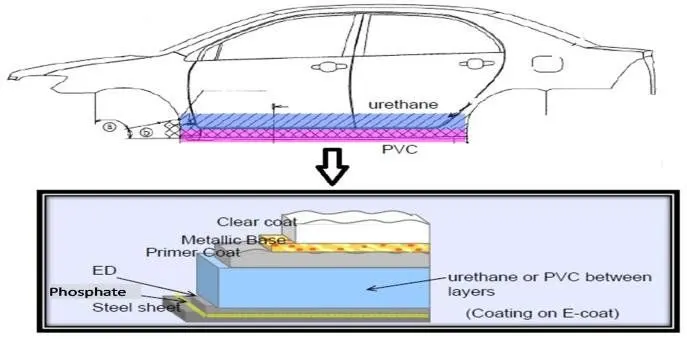
The process of under-body coating:
-
Preparation: The vehicle's undercarriage is thoroughly cleaned and dried to remove any dirt, grease, or existing rust. This step ensures proper adhesion of the coating to the surface.
-
Masking: Certain components of the undercarriage that should not be coated, such as exhaust pipes, brake lines, and sensors, are carefully masked off to protect them from the coating material.
-
Application: The chosen type of under-body coating, such as rubberized, asphalt-based, or wax-based, is applied evenly to the undercarriage using specialized spray equipment. The coating is usually sprayed in multiple layers to ensure full coverage.
-
Drying and Curing: The coating is left to dry and cure according to the manufacturer's instructions. This step allows the coating to form a protective barrier and adhere properly to the undercarriage surface.
-
Inspection: After the coating has dried, a thorough inspection is conducted to check for any missed areas or imperfections. Touch-ups or additional coating layers may be applied if necessary.
-
Final Evaluation: Once the under-body coating is deemed satisfactory, the masking materials are removed, and the vehicle is checked for any residual coating on non-intended areas. The coating is then considered complete, providing protection to the undercarriage against rust, corrosion, impact damage, and other environmental factors.
Purpose: The primary purpose of Under-Body Coating is to protect the undercarriage of a vehicle from various forms of damage. It offers the following benefits:
-
Rust Prevention: Under-Body Coating helps to prevent rust and corrosion, which commonly occur due to exposure to moisture, road salt, and other corrosive substances.
-
Impact Resistance: It provides a layer of protection against rocks, gravel, road debris, and other objects that could potentially damage the undercarriage components, such as the fuel tank, exhaust system, and suspension.
-
Sound and Heat Insulation: Under-Body Coating can reduce road noise and vibrations, providing a quieter ride. It also acts as a thermal barrier, reducing heat transfer from the road to the interior of the vehicle.
Types: There are different types of Under-Body Coating available, each with its own characteristics and application methods. The common types are:
Rubberized Undercoating: This type of coating is made from rubber or synthetic polymers. It forms a thick, flexible layer that adheres to the undercarriage, providing excellent protection against moisture and road debris. Rubberized undercoating is known for its sound-dampening properties and durability.
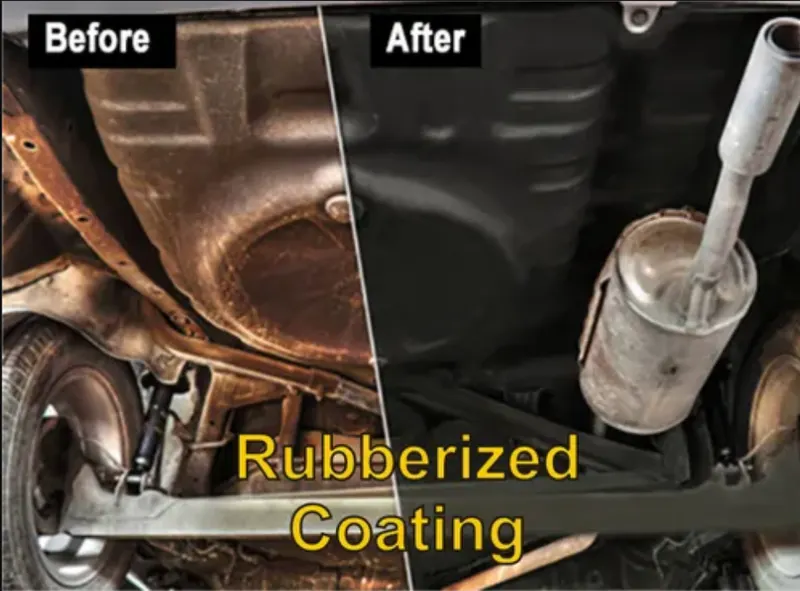
Pros:
- Excellent protection against moisture, road salt, and other corrosive substances.
- Provides a flexible and durable barrier against impact damage.
- Offers sound-dampening properties, reducing road noise.
- Can be applied to various surfaces, including metal, plastic, and rubber.
Cons:
- Can be more expensive compared to other types of undercoatings.
- May require professional application for optimal results.
- Can attract and hold dirt and debris over time.
- Difficult to repair or modify certain undercarriage components without damaging the coating.
Asphalt-Based Undercoating: It is composed of a mixture of asphalt and other additives. This coating provides good protection against rust and impact damage. However, it is not as flexible as rubberized undercoating and may crack over time.
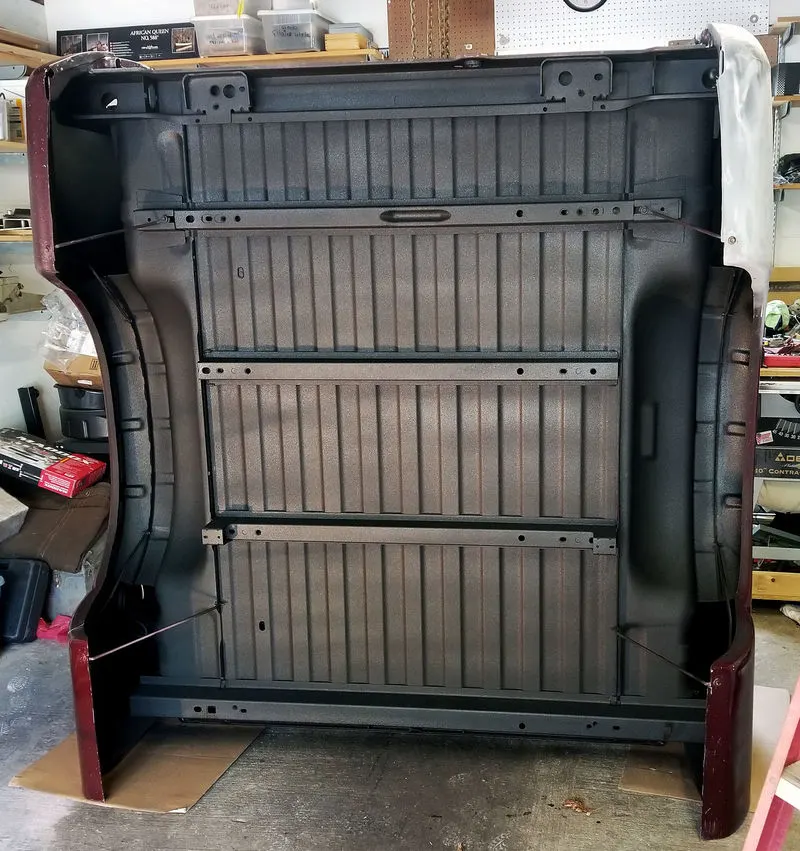
Pros:
- Good protection against rust and impact damage.
- Provides a thick and durable barrier.
- Relatively easy to apply.
- Offers some sound-dampening properties.
Cons:
- Not as flexible as rubberized undercoating, may crack over time.
- Can be more difficult to remove or repair compared to other types.
- Limited effectiveness in extreme temperature variations.
- May add weight to the vehicle, potentially affecting fuel efficiency.
Wax-Based Undercoating: Wax-based coatings are formulated with wax and rust inhibitors. They offer temporary protection against rust and corrosion and are relatively easy to apply. However, they may require frequent reapplication as they wear off over time.
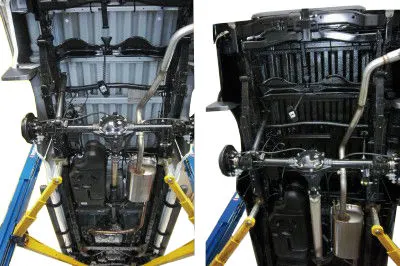
Pros:
- Provides temporary protection against rust and corrosion.
- Relatively easy to apply and reapply.
- Offers some sound-dampening properties.
- Can be sprayed onto various surfaces, including hard-to-reach areas.
Cons:
- Requires frequent reapplication as it wears off over time.
- Limited long-term effectiveness compared to other types.
- May not provide as thick or durable of a barrier.
- Can be less effective in extreme weather conditions or high-temperature areas.
Here are the pros and cons of Under-Body Coating:
Pros:
-
Rust Prevention: Under-Body Coating provides an effective barrier against rust and corrosion, extending the lifespan of the vehicle.
-
Impact Resistance: It helps protect vulnerable components of the undercarriage from damage caused by road debris and rocks.
-
Sound and Heat Insulation: Under-Body Coating can reduce road noise and insulate against heat transfer, enhancing driving comfort.
-
Long-lasting Protection: Depending on the type and quality of the coating, it can offer long-lasting protection against various elements.
Cons:
-
Cost: Professional application of under-body coating can be expensive, especially if done by an authorized service center.
-
Limited Repair Options: Once the coating is applied, it can be challenging to repair or modify certain undercarriage components without damaging the coating.
-
Maintenance: Some types of under-body coating may require periodic maintenance or reapplication to maintain their effectiveness.
-
Weight Increase: The added layer of coating may slightly increase the weight of the vehicle, which can affect fuel efficiency to a minor extent.
It's important to note that the effectiveness and durability of under-body coatings can vary depending on factors such as the quality of the coating, application technique, and environmental conditions. Regular inspection and maintenance are recommended to ensure the coating remains intact and provides optimal protection.