Underbody Coating
UNDER-BODY COATING :
In Indian road conditions, a cars underbody is most prone to corrosion. Underbody coating provides long term protection from corrosion to car’s underbody. It also protects parts like internal body panels, frame rails and other inner cavities that are not physically accessible but are prone to corrosion.
Benefits
• Minimizes Sound: It minimizes the sound from underneath the car resulting a noiseless, smooth driving experience.
• Heat Insulation: It insulates the interior of the car from extreme temperatures from beneath the vehicle providing a comfortable cabin experience.
• Anti-chipping property: If any stone hits the coating it does not get chipped away hence protects the underbody from exposure to water.
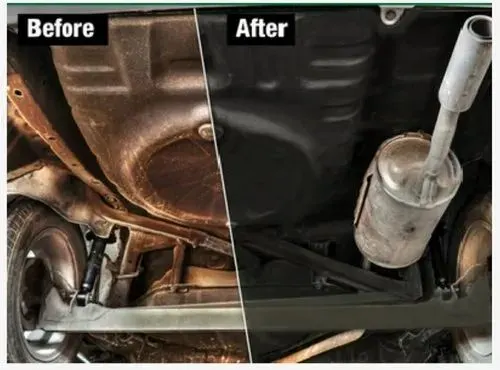
UNDER-BODY COATING PURPOSE:
The underneath of your vehicle needs care and maintenance too. The undercarriage is exposed to dirt and road debris. That can trap moisture and oxygen, which leads to rust, which can form on exposed metal. The undercarriage is also close to road salt and road treatments that can accelerate corrosion.
Undercoating offers a measure of protection against these elements. That means you may be able to spend less on repairs and paint retouching, and maintain your vehicle's value over time.
That being said, car manufacturers now use more rust-resistant materials, like aluminum or plastic, rather than traditional steel, which rusts more easily. Since today's cars have built-in corrosion protection, you may decide that this extra treatment is unnecessary.
Types of Undercoating for Cars
The original way to undercoat your vehicle was to spray the undercarriage with used motor oil. Luckily, we've come a long way since then. These days, there are products designed specifically for undercoating. They use the same basic method as the tried-and-true oil technique, creating a barrier between metal and the air, moisture and salt that can cause it harm.
Here are the most common types of undercoating for cars.
UNDERBODY COATING AND DETAILS.
1.Rubberized {Underbody coating}: The most propular choice,a rubberized undercoatig dries to a soft and rubber finished.
2.POLYURETHANE SEALANT : Polyurethane sealant is sprayed on from canisters, resulting in a paint like finish.
3.WAX OR PARAFFIN BASED : Undercoats never entirely dry, But provide a moist barrier over exposed metal parts.
4.OIL BASED : Oil undercoating can be sprayed on to any surface, including one with rust, and offers widespread protection.
5.Asphalt-based : Usually reserved for trucks and machinery, asphalt based undercoating is a heavy duty option.
Once you've answered those questions, it's time to weigh the Pros nd Cons underbody coating.
| Pros | Cons |
|---|---|
|
|