Hood design-Week 2
Introduction:
Car hood design is an important aspect of automotive engineering and aesthetics. The hood, also known as the bonnet in some regions, serves several functions beyond just covering the engine compartment. It can significantly impact a vehicle's performance, safety, aerodynamics, and overall visual appeal. Here are some key points about car hood design.
-
Functionality: The primary purpose of the car hood is to protect the engine and other components in the engine bay from debris, water, and environmental elements. It also provides access to the engine for maintenance and repairs.
-
Materials: Hoods are commonly made from steel, aluminum, or carbon fiber composites. The choice of material affects the hood's weight, durability, cost, and manufacturing process.
-
Aerodynamics: Hood design can influence a vehicle's aerodynamics. Engineers aim to reduce air resistance and improve airflow over the vehicle. Some hoods may have subtle contours or features to direct airflow around the vehicle, reducing drag.
-
Safety: Pedestrian safety has become a significant consideration in car design. Some hoods are designed with pedestrian impact regulations in mind, incorporating energy-absorbing structures or shapes to reduce the severity of injuries in case of a collision with a pedestrian.
-
Heat Dissipation: Efficient heat dissipation is crucial for engine performance. Many hoods have vents or openings strategically placed to allow hot air to escape from the engine bay, preventing overheating.
-
Aesthetics: The hood is a prominent part of a vehicle's exterior design. It contributes to the vehicle's overall visual identity and can be a canvas for branding, styling, and other design elements.
-
Hood Scoops and Vents: These features are often added to enhance engine cooling or performance. Hood scoops direct air into the engine bay, while vents allow hot air to escape. These elements can also have a stylistic purpose.
-
Rigidity and Structural Integrity: The hood adds structural rigidity to the front of the vehicle, which can affect handling and safety. Hood design needs to balance aesthetics, weight, and structural integrity.
-
Manufacturing Techniques: The manufacturing process for hoods varies depending on the material used. Steel hoods are often stamped from sheet metal, while aluminum and composite hoods may involve more intricate forming and bonding processes.
-
Future Trends: As automotive technology evolves, so does hood design. Electric vehicles (EVs) may have different hood requirements due to the absence of traditional internal combustion engines. Additionally, advancements in materials and manufacturing techniques can lead to innovative hood designs.
The car hood, also known as the bonnet in some regions, consists of several key parts that work together to provide functionality, aesthetics, and structural integrity. Here are the main parts typically found in a car hood
Outer Panel:
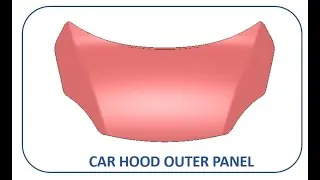
This is the visible exterior surface of the hood that is visible when the hood is closed. It contributes significantly to the vehicle's overall appearance and design. The outer panel is often contoured to match the styling of the vehicle.
Inner Panel:
The inner panel is located on the underside of the hood and provides structural support and rigidity. It's often designed to be lightweight while maintaining necessary strength. The inner panel might have reinforcement ribs or structures to enhance its stability.
Hinges:
Hinges are mechanisms that allow the hood to pivot upwards and give access to the engine compartment. They are typically located at the rear corners of the hood, attaching it to the vehicle's body.
Latching Mechanism And Striker:
The latching mechanism is what keeps the hood securely closed when the vehicle is in motion. It ensures that the hood doesn't accidentally open. Most hoods have a primary latch and a secondary latch for added safety.
The hood striker is a metal component that is attached to the vehicle's body, typically near the front edge of the engine compartment. Its primary function is to provide a secure point of engagement for the hood's latching mechanism.
Master section creation:
The master section is created based on the requirements received from the marketability team and the manufacturing requirements that we saw before. Below are the images of the master section used for the design.
Emboss creation:
Embossing is a technique used in car hood design to create raised or three-dimensional patterns, logos, or designs on the surface of the hood. It adds texture, visual interest, and a sense of depth to the otherwise flat and smooth surface of the hood. Here's how embossing is typically achieved in hood design
Hemming:
It involves folding and bending the edge of a sheet metal component back onto itself to create a smooth, safe, and often reinforced edge. Hemming is employed for various reasons, such as improving safety, enhancing aesthetics, and ensuring a secure fit between different components. In car hood design and production, hemming is particularly important for achieving a clean and functional edge where the hood meets other body panels. Here's how the hemming process works.
Hemming is a critical process in car hood manufacturing and design as it affects the functionality, safety, and visual appeal of the final product. Properly hemmed edges not only contribute to the overall integrity of the vehicle but also play a role in creating a polished and professional appearance.