Underbody Coating
UNDERBODY COATING
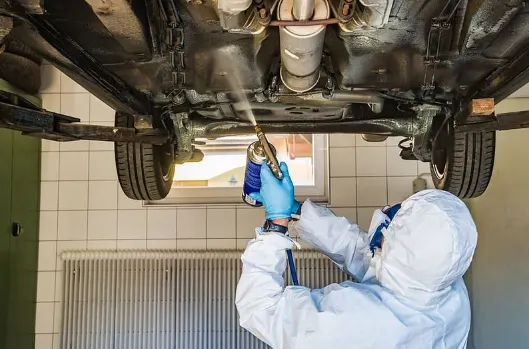
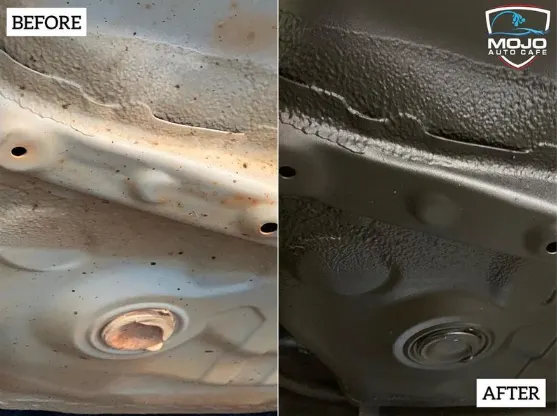
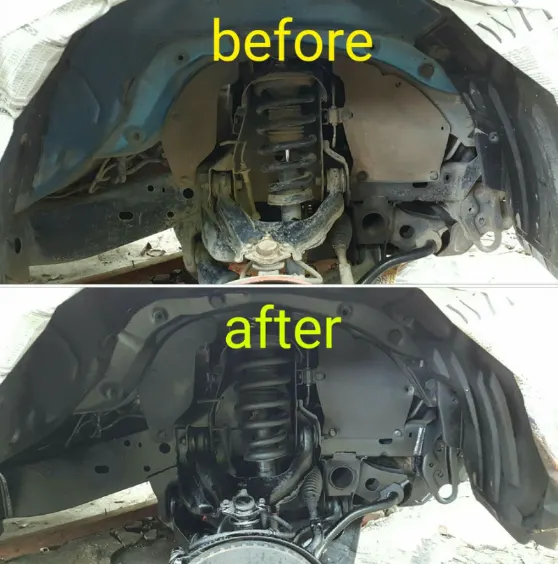
Underbody Coating is a protective layer applied to the underside of vehicles to safeguard against corrosion, abrasion, and damages caused by road debris, chemicals, and moisture. It acts as a barrier between the metal body of vehicle and the harsh external environment, extending the lifespan of the vehicle and preserving its structural integrity.
PURPOSE OF UBC
The primary objective of underbody coating is to protect the vehicle's undercarriage from corrosion. The underbody is particularly vulnerable to rust and damage due to its close proximity to the road, and exposure to water, salt, gravel, and other corrosive elements. The coating provides a shield against these threats, reducing the risk of structural deterioration and enhancing the lifespan of the vehicle.
TYPES OF COATING
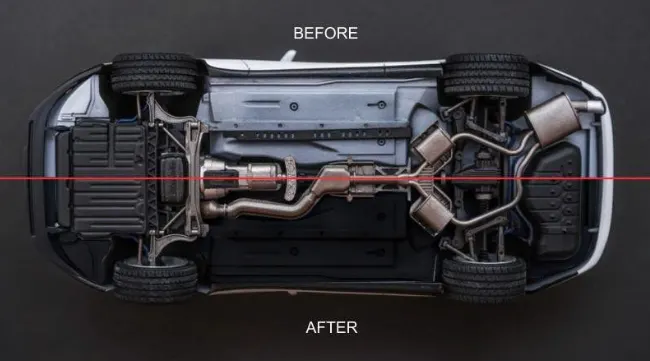
There are various types of underbody coatings available in industries, each with its unique characteristics and application suitability. Some common types include:
- PETROLEUM-BASED COATINGS: These coatings are made of petroleum-derived compounds and are known for their excellent corrosion resistance. They offer a thick, durable protective layer that adheres well to metal surfaces. However, they can be messy to apply and may require periodic reapplication.
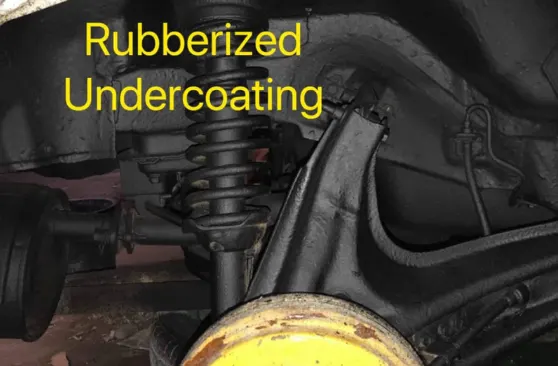
- RUBBERIZED COATINGS: These coatings contain rubber or rubber-like materials that provide both corrosion protection and sound-deadening properties. They create a flexible barrier that absorbs impacts and vibrations, reducing noise and protecting against stone chips and other impacts. Rubberized coatings are often used in off-road vehicles or areas prone to high-impact damage.
- WAX-BASED COATING: Wax-based coatings are formulated with a blend of waxes, resins, and solvents. They provide a thin, transparent layer that adheres tightly to the underbody, offering excellent resistance to moisture, chemicals, and abrasion. Wax-based coatings are typically easy to apply and maintain.
- POLYURATHANE COATING: These coatings consist of polyurethane polymers that form a tough, durable protective layer. They exhibit high resistance to abrasion, impact, and corrosion, making them suitable for demanding conditions. Polyurethane coatings can be applied in different thicknesses and can be customized to achieve specific performance requirements.
PROS OF AUTOMOTIVE UNDERBODY COATING
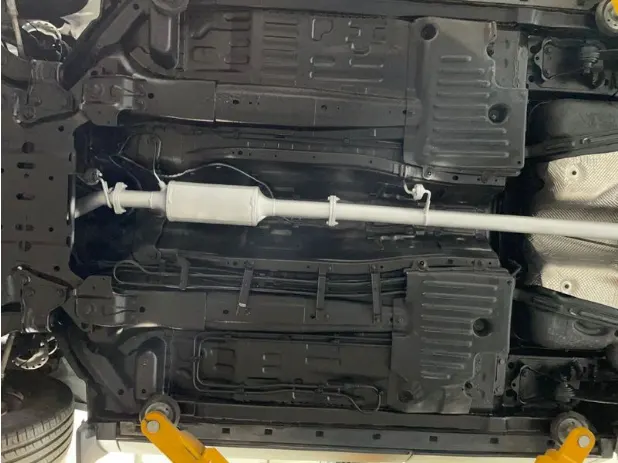
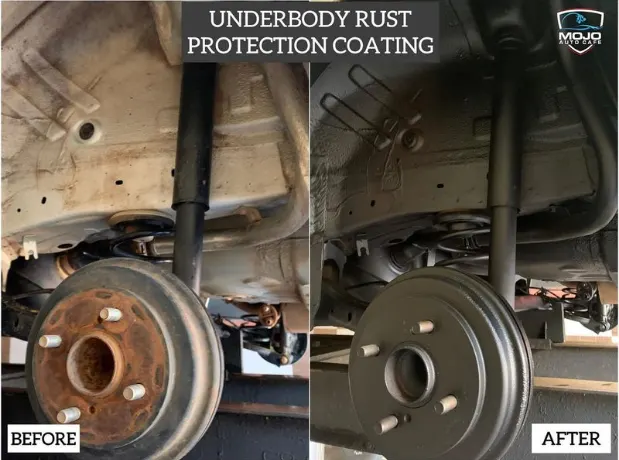
- CORROSION PROTECTION: The primary advantage of underbody coating is its ability to prevent corrosion. By creating a physical barrier between the metal underbody and corrosive elements, the coating inhibits the formation of rust and extends the life of the vehicle.
- SOUND DEADENING: Rubberized underbody coatings possess sound-deadening properties, reducing road noise and vibrations. This enhances the overall driving experience by providing a quieter and more comfortable ride.
- IMPACT RESISTANCE: Some underbody coatings, such as rubberized or polyurethane coatings, offer protection against impacts from stones, rocks, and other road debris. They act as a cushion, absorbing the force and minimizing the risk of damage to the undercarriage.
- MOISTURE BARRIER: Underbody coatings with excellent moisture resistance prevent water from seeping into the metal components of the underbody. This reduces the likelihood of corrosion caused by moisture and helps maintain the structural integrity of the vehicle.
CONS OF AUTOMOTIVE UNDERBODY COATING
- APPLICATION CHALLENGES: Applying underbody coating can be a time-consuming and labour-intensive process. Proper surface preparation is crucial to ensure adequate adhesion and special equipment may be required for spray application. Additionally, some types of coatings, such as petroleum-based coatings, can be messy to apply.
- MAINTENENCE REQUIREMENTS: Underbody coatings require regular inspection and maintenance to ensure their effectiveness over time. They may need periodic reapplication or touch-ups, depending on the type of coating and environmental conditions. Failure to properly maintain the coating can lead to compromised protection and potential corrosion issues.
- COST: Underbody coating can add to the overall cost of vehicle ownership. Professional applications or specialized products may come at a higher price compared to alternative corrosion prevention methods. However, considering the potential savings from avoiding costly repairs due to corrosion, the long-term benefits may outweigh the initial investment.
- LIMITED ACCESSIBILITY: Once the underbody coating is applied, accessing and inspecting certain undercarriage components may become more challenging. This can make routine maintenance tasks, such as checking for leaks or damage, more time-consuming and difficult.