Underbody Coating
UNDER-BODY COATING:
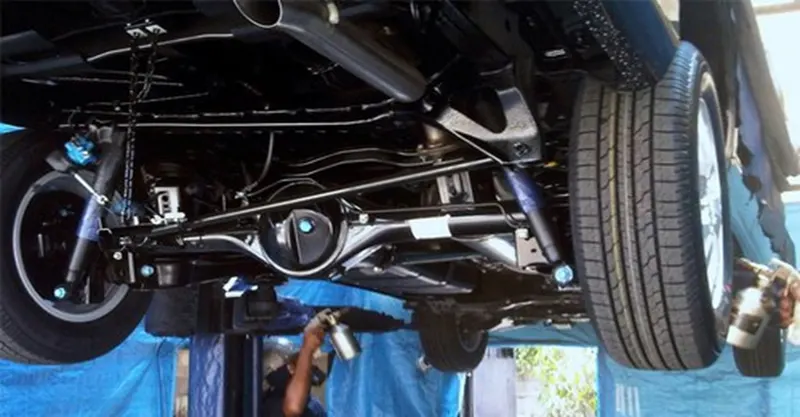
Under-body coating provides long term corrosion resistance to a car’s underbody. It also provides protection for inner body panels and other inner cavities which is physically inaccessible. It is normally sprayed or painted on when the car is just out of the dealership and is clean.
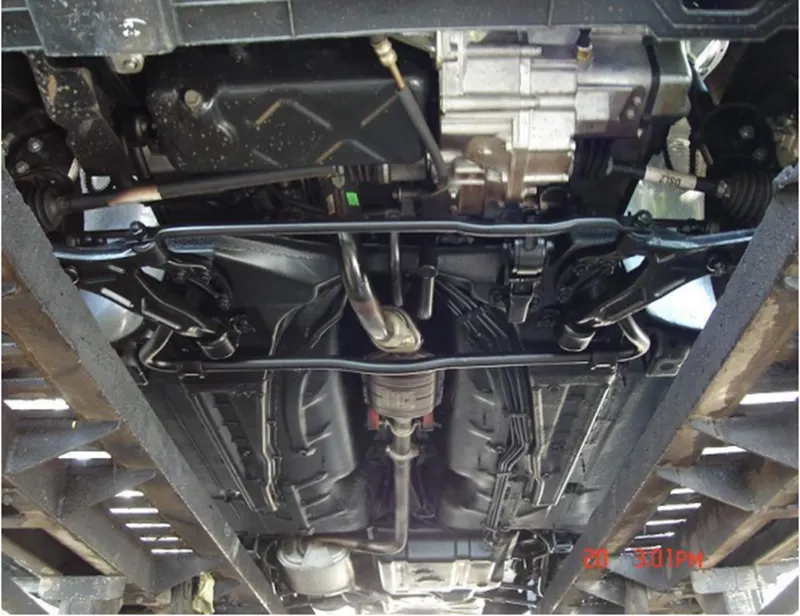
In Indian road conditions, a cars underbody is most prone to corrosion. Underbody coating provides long term protection from corrosion to car’s underbody. It also protects parts like internal body panels, frame rails and other inner cavities that are not physically accessible but are prone to corrosion.
TYPES OF UNDERBODY COATING:
- Rubberized Underbody Coating:
It is a durable enamel-based underbody protective paint that is tack-free and fast drying. It produces a highly adhesive coating that is abrasion resistant, and provides excellent protection against stone damage and corrosion on the underbody of automobile. This is generally thought of as the best underbody coating for your car. It preserves the underbody well, protecting it from scratches.
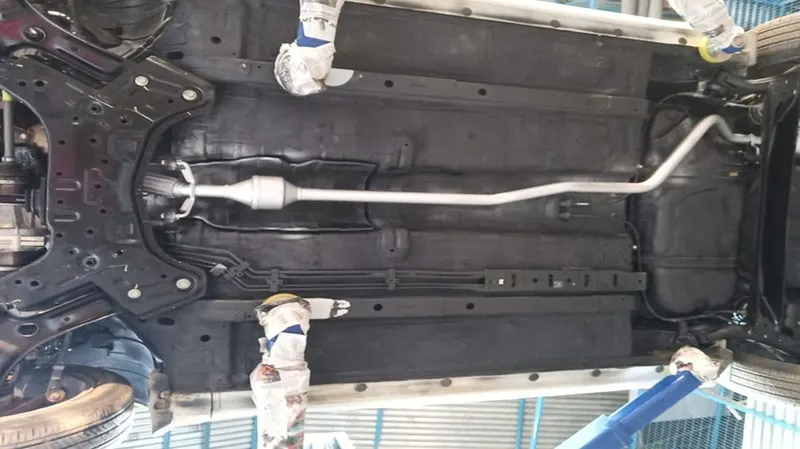
2. Wax Based Underbody Coating:
Underbody Protection on wax basis is an effective and highly adhesive rust protection for treated and untreated undersides. To enhance and treat all protective coatings on rubber resin, bitumen and wax-based underbodies. Highly suitable for untreated metal surfaces.
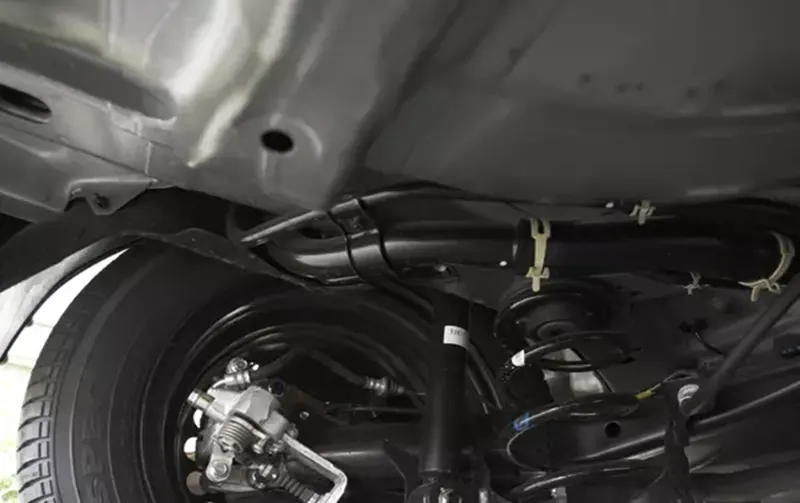
3. Asphalt Based Automotive Undercoating:
Asphalt based Automotive underbody coating provide excellent abrasive resistance, corrosion protection for use on car chassis and wheel wells. Best suited for lorries, trucks and large vehicles this provides a greater degree of protection compared to rubber-based coatings. But it is time consuming process.
4.
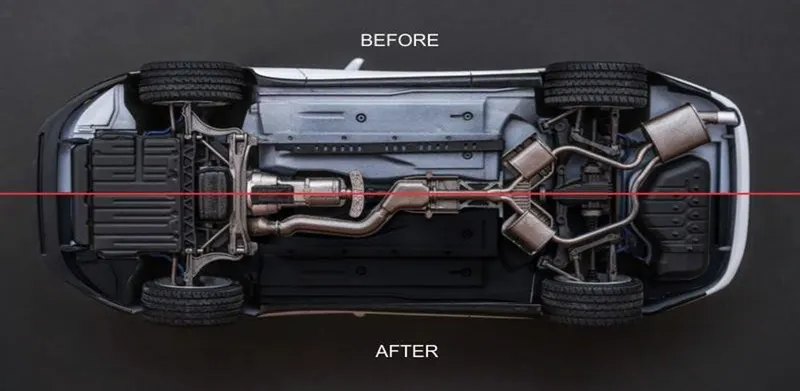
1. Polyurethane Underbody Coating:
Polyurethane underbody coating process used to fix or close up the gaps and facture on the underbody of the vehicle. It provides strong corrosion resistance and also binds to the metal. Unlike an asphalt-based coating, the polyurethane coating may be painted over.
ADVANTAGES OF UNDERBODY COATING:
- Fights rust- It has a crucial function in preventing corrosion. Underbody coating is particularly useful if you live near the sea, where there is excessive humidity and rust is a common occurrence.
- Absorb noise- Very strong undercoating, realize it or not, can attenuate noises that enter the cabin. The undercoating, which is frequently made of rubber, absorbs part of the rackets. The car’s occupants could avoid the road sounds at least to some extent.
- Reinforcement- If your car comes with stock underbody coating, using another coating on top of it, is not going to hurt. It will offer additional reinforcement, protecting the underbody from water, road debris, gravel and small pebbles.
- Increase the life span of car.
DISADVANTAGES OF UNDERBODY COATING:
- A used vehicle may already have residue on the bottom of the car or even have spots of rust and corrosion.
- Undercoating will not help you if corrosion already exists and the corrosion needs to be removed first before it can be applied, which can be expensive for you.
- If it's applied to a chassis that hasn't been properly cleaned and prepared, it can also trap corrosive substances against the metal, potentially causing the type of damage it was meant to protect against.